
REVIEW · MOSHI
Mt Kilimanjaro 360° Trek with Once-in-a-Lifetime Crater Camping
Africa’s highest summit comes with a night in the crater. This 10-day Northern Circuit trek from Moshi takes you through rainforest, high moorland, alpine desert, and Kilimanjaro’s quieter northern slopes before reaching Uhuru Peak at 5,895 meters. I especially like the long acclimatization schedule and the chance to sleep in the crater beneath the glaciers. The private format also gives your group more control over pace and support.
The main caution is the altitude. A moderate fitness rating may sound reassuring, but summit night is a serious test involving cold, darkness, thin air, and a long descent. You should also confirm the final schedule before paying, since the experience is described both as a nine-day and a 10-day trek.
Key points at a glance
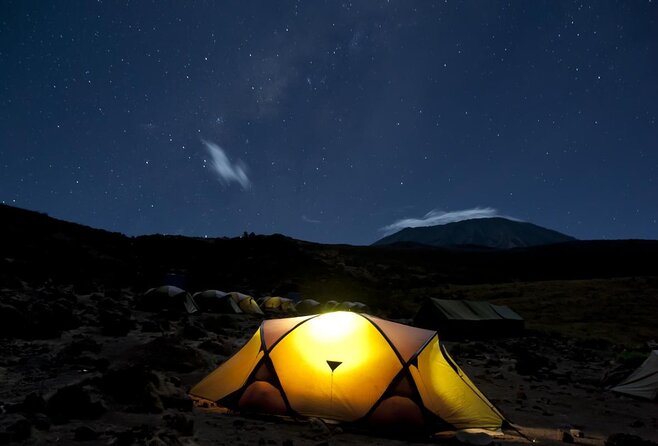
- Crater camping is the headline experience: After reaching Uhuru Peak, you descend into Kilimanjaro’s crater for the night, then explore the Ash Pit the following morning.
- The Northern Circuit takes the quiet way around: You cross Shira Plateau and the northern slopes, with fewer people than the busier southern routes.
- Acclimatization is built into the plan: The Lava Tower and Barranco section adds altitude before you sleep lower, a useful rhythm for adjusting gradually.
- A private group gets personal attention: Only your own party takes part, with a mountain guide, assistant guides, porters, and a cook.
- The package covers the expensive essentials: Park fees, transfers, camping equipment, meals, hotel accommodation after the climb, and emergency oxygen are included.
- The summit schedule is demanding: You reach School Hut on Day 7, rest briefly, then begin the summit attempt just before midnight.
Why the Northern Circuit is worth your time
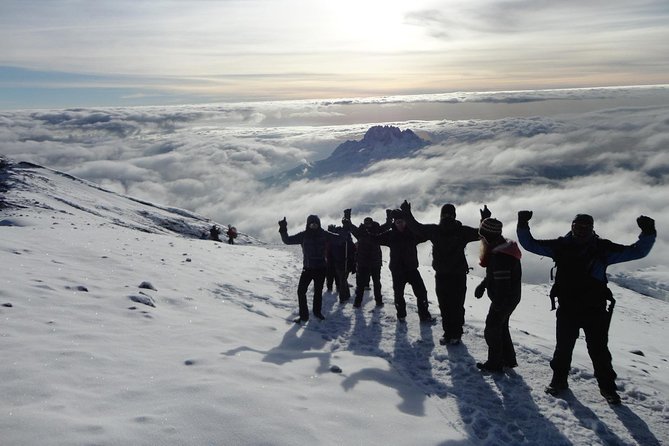
Kilimanjaro has several routes, and the Northern Circuit is the slow, scenic option. Instead of racing toward the summit, you spend several days moving across different sides of the mountain. That matters because the body needs time to adjust to altitude, and you get more than one view of Kibo, Kilimanjaro’s highest volcanic cone.
The route begins in rainforest, where the trail can be wet and slippery. It then opens onto the Shira Plateau, crosses the high northern slopes, and passes wide views toward the Kenya and Tanzania border. Traffic is rated low, so you should expect a quieter mountain experience than on routes with heavier footfall.
I like the contrast built into the route. One day you are walking beneath tall forest growth; a few days later you are crossing cold, open ground with little shelter. The scenery is excellent, but the exposed camps also mean wind and below-freezing nights. Good clothing is not optional.
This is a private activity, so only your group participates. That does not mean you walk alone. The support team includes a qualified guide, assistant guides, porters, and a cook, with staffing arranged according to standard Kilimanjaro National Park requirements.
More Kilimanjaro Climbs in Moshi
- Best Kilimanjaro Adventure 7 days Machame route Trekking
★ 5.0 · 42 reviews - Kilimanjaro 7 Day Private Trekking Experience
★ 5.0 · 40 reviews - 6 Days Machame Route Kilimanjaro Climbing Trekking Tour
★ 5.0 · 34 reviews
Day 1: Moshi to Mti Mkubwa Camp
The first transfer from Moshi takes about 45 minutes and passes through mountain villages before reaching the national park gate. Permit processing can take time, so your first morning includes some waiting while crews organize their climbs.
Once walking begins, the trail enters rainforest. The distance is not extreme, with about four hours of trekking and an altitude gain from 2,389 to 2,785 meters. Your guide can point out local plant life and wildlife as the forest closes around the path.
This is a damp opening. Mud and slippery ground are common at this elevation, so bring gaiters and trekking poles. Mti Mkubwa Camp is a gentle start physically, but you should use it to test your boots, pack, rain gear, and sleeping system.
Day 2: Shira Camp One and the end of the forest
Day two climbs from 2,785 to 3,504 meters. The walk takes about six hours, and the forest gradually gives way to more open ground as you approach the rim of Shira Plateau.
This is one of the first major changes in scenery. Temperatures drop, views widen, and the mountain begins to feel less sheltered. The steady uphill walking is useful for acclimatization, but you should keep your pace controlled rather than treating the day as a race.
Shira Camp One is high enough for the cold to become noticeable. Keep warm layers near the top of your bag, not buried under spare clothes. You may also want a dry set of socks reserved for camp.
Day 3: Across Shira Plateau to Shira Camp Two
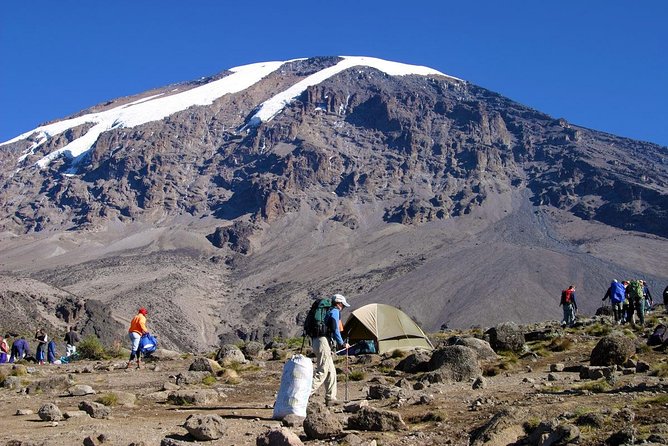
The route crosses one of the world’s highest plateaus, climbing from 3,504 to 3,895 meters in around four hours. This is a shorter day, but the high elevation and exposed ground make it feel different from the forest walk below.
Nine-day versions of the climb stay at Shira Camp Two, where the route meets climbers coming from the Machame side. The camp offers a fine view across the valley and toward the Western Breach. If your energy allows, walking a little higher on the plateau gives you a better look.
The tradeoff is cold. Temperatures can fall below zero, and the plateau offers little protection from wind. This is a good night to rely on a warm sleeping bag, insulated layers, gloves, and a hat. Camping furniture and a mattress are supplied, but personal warmth still depends on your clothing and sleeping gear.
Same trailhead, a longer or shorter day out:
- Kilimanjaro Trekking 7Days 6Night Lemosho Route
★ 5.0 · 23 reviews - 8 Day Kilimanjaro Trek via Lemosho Route
★ 5.0 · 17 reviews - Top 6 Days Mt. Kilimanjaro Bike trek Tour by Marangu-Kilema Route
★ 5.0 · 15 reviews - 6 Days Mount Kilimanjaro Trek Marangu Route
★ 5.0 · 15 reviews
Day 4: Lava Tower, Barranco, and the acclimatization trick
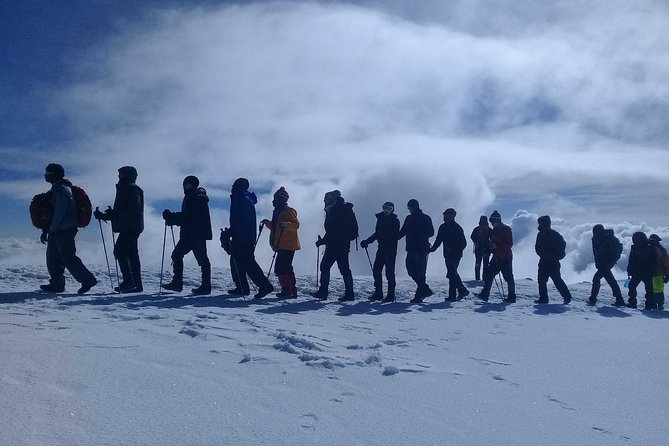
This is one of the most useful days in the schedule. You climb from Shira Plateau toward Lava Tower, also called the Shark’s Tooth, at about 4,650 meters. The day ends lower, at Barranco Camp, around 3,986 meters.
The total walking time is about seven hours. You gain little net elevation by the end of the day, but you spend time walking high before sleeping lower. That pattern is important for acclimatization and is one reason the Northern Circuit allows more adjustment time than shorter itineraries.
The trail passes the junction toward Kibo and another junction leading toward Arrow Glacier. You will see stark volcanic ground and changing views of the mountain. By the time you reach Barranco, fatigue may be more noticeable than on earlier days, so take the descent slowly and drink regularly.
Day 5: Moir Valley, Little Lent Hill, and Buffalo Camp
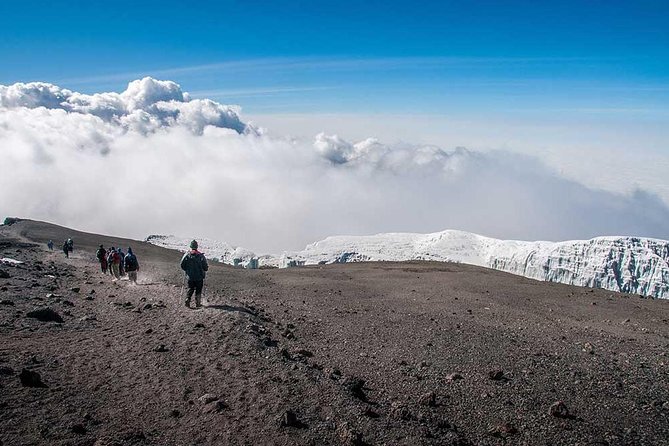
Day five begins around 4,155 meters and ends near 4,033 meters after roughly seven hours. The route climbs out of Moir Valley, then follows a series of rises and dips around Kibo’s northern side.
If you feel strong, there is an optional detour to Little Lent Hill at 4,375 meters. It adds effort, so I would treat it as a bonus rather than a goal. The main route already provides plenty of walking at altitude.
The reward comes in the views northward. The plains stretch toward the Kenya and Tanzania border, giving this section a broad, open feeling. You reach Buffalo Camp shortly after midday, with time for lunch and rest. That early arrival is welcome because the repeated climbs and descents can be tiring even when the altitude gain is small.
Day 6: Buffalo Ridge and Rongai Third Cave
The route climbs Buffalo Ridge, drops into Pofu Camp for lunch, and then continues east around the northern slopes toward Rongai Third Cave. The day is listed at about seven hours, though the walking is shorter than the previous day.
You should be feeling better acclimatized by now, but do not mistake that for safety at altitude. Headaches, nausea, unusual tiredness, and breathing problems should be reported to the guide promptly. Emergency oxygen is carried for emergencies, but it is not provided as a way to push through a difficult summit attempt.
Reaching Third Cave around mid-afternoon gives you time to settle in. This is a useful rest point before the summit schedule becomes much more intense.
Day 7: School Hut and the long night ahead
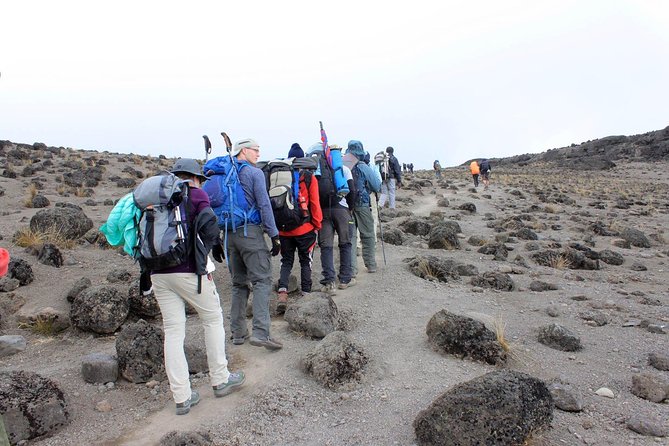
The route climbs from roughly 3,936 to 4,717 meters, gaining about 781 meters in seven hours. You cross the Saddle between Kibo and Mawenzi Peak before continuing southwest to School Hut.
The day’s challenge is partly physical and partly logistical. You are climbing high, then eating an early dinner and trying to sleep before a start just before midnight. Prepare your summit clothing, headlamp, insulated water bottles, snacks, and camera before lying down.
This is not a normal night of sleep. You may rest only briefly before beginning the summit push. Keep your packing simple and accessible. A headlamp with fresh batteries, warm gloves, and water that will not freeze are more useful than extra nonessential equipment.
Day 8: Uhuru Peak and crater camping
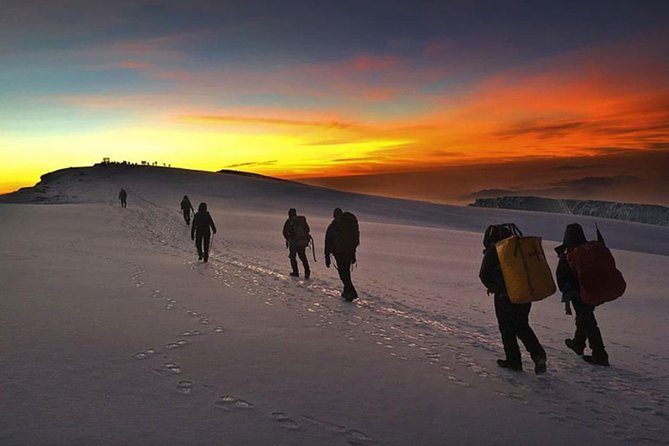
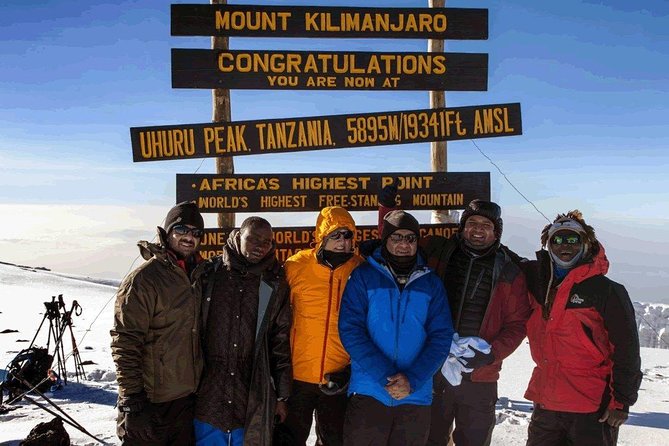
The summit attempt begins before dawn. From School Hut, you climb toward Uhuru Peak, the highest point in Africa at 5,895 meters. The summit day is listed at seven to nine hours, but the effort can feel longer because you are walking in darkness and at extreme altitude.
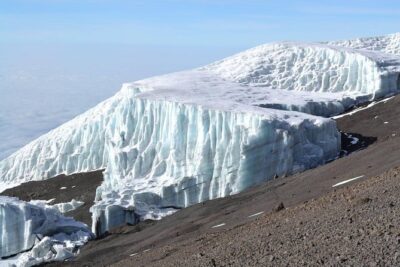
After reaching the summit, you descend into Kilimanjaro’s crater for the night. This is the feature that sets the trip apart. Camping beneath the glaciers offers a rare view of the mountain’s volcanic interior and gives you time on Kibo that most shorter routes do not provide.
Crater camping is also demanding. At this height, cold and thin air affect nearly everything, including sleep, appetite, and energy. You should see it as a special high-altitude camp, not a comfortable overnight stop. Your guide’s judgment matters greatly here, especially if anyone in the group is showing signs of altitude sickness.
Day 9: Ash Pit and Millennium Camp
The morning includes time to explore the Ash Pit in the crater before descending to Millennium Camp. The crater visit adds another layer to the climb: you are not simply reaching the summit and leaving, but seeing more of Kibo’s volcanic interior.
The descent to Millennium Camp takes around five to six hours. After the cold crater, lower ground should feel welcome, though your legs will still be tired from the summit push and descent.
Do not underestimate this day. Many people focus so closely on reaching Uhuru Peak that they forget the body still has to walk down. Use trekking poles if you have them, keep drinking, and protect your knees on the descent.
Day 10: Rainforest descent and the return to Moshi
The final walk leads through rainforest to Mweka Gate in about four to five hours. The return to thicker vegetation brings warmer air and a softer visual finish after the bare volcanic terrain above.
At the gate, you receive your certificate of achievement before driving back to Moshi. The package includes the hotel night after the climb and breakfast, giving you a proper place to wash, sleep, and recover.
Airport transfers to and from Kilimanjaro Airport are also included. That is useful at the end of a demanding climb, when arranging transport on your own is the last thing you want to manage.
What the $4,211 price really covers
The price is $4,211.27 per person, with group discounts available. That is a large sum, but the package includes many of the costs that can quickly add up on Kilimanjaro.
Included are national park fees and taxes, airport transfers, the post-climb hotel night, camping equipment, sleeping mattresses, camp chairs and tables, fresh drinking water, hot water for washing, and all listed meals. You receive nine breakfasts, nine dinners, and 10 lunches across the itinerary.
The support crew is another major part of the value. A guide, assistant guides, porters, and cook accompany the climb, with wages included according to park standards. Past clients have praised the company’s attentive support, with guide names such as JT, Jobeth, Jacob, and Kennedy receiving especially warm comments on earlier Kilimanjaro trips. Your actual staff may differ, so ask for the planned guide team before departure.
You still need to budget for flights, visas, travel and health insurance, personal medicine, snacks, drinks not specified, and personal trekking equipment. Gear can be rented in Moshi. A portable toilet is optional but strongly recommended, and water-purifying tablets are not included.
The price makes the most sense if you value a private climb, extensive support, and the crater camp. If you are comparing it with a basic route price, check what the cheaper option leaves out before deciding.
Packing and preparation that will matter
Start with footwear that is already comfortable. The first rainforest section can be muddy, while the upper camps are cold and exposed. Gaiters and trekking poles are specifically useful on the opening day and remain helpful on descents.
Keep warm clothing accessible rather than packed at the bottom of your duffel. You need insulation at Shira, on the northern slopes, at School Hut, and especially in the crater.
Plan for cold water containers on summit night. The itinerary specifically recommends insulated bottles, along with snacks and a headlamp. You should also bring personal medicine and water-purifying tablets, since those are excluded from the package.
A moderate fitness level is the stated requirement, but you should prepare for long uphill and downhill days. Walking practice with a loaded pack, especially on uneven ground, will help more than relying on general fitness alone.
Who should choose this climb?
I would recommend this route to you if you want a quieter, longer Kilimanjaro experience and care as much about the journey as the summit photograph. The route suits people who appreciate changing scenery, private support, and a patient acclimatization plan.
It is less suitable if you want the shortest or cheapest possible ascent. The crater night is memorable, but it also adds exposure, cold, and a demanding schedule after the summit. You should be comfortable with camping, early starts, and the possibility that the mountain sets the pace.
The private format works well for friends, couples, families with suitable fitness, or a small group that wants shared control over the experience. Ask clearly about the nine-day versus 10-day version, the exact camp sequence, equipment rental, and the planned guide team.
Should you book it?
Book this trek if crater camping is a genuine goal, not just a line that sounds exciting. The Northern Circuit gives you more time to adjust, quieter trails, excellent scenery, and a full support package. Those are strong reasons to accept the higher price.
Think carefully if you are unsure about high-altitude camping or the long summit schedule. Confirm your insurance, medical readiness, personal gear, and final itinerary first. Cancellation is flexible only up to three full days before the start time, with no refund inside that window.
FAQ
How long is the Mt Kilimanjaro trek?
The detailed plan lasts 10 days. The experience is also described as a nine-day or 10-day Northern Circuit climb, so confirm which version applies to your booking.
Where does the trek start and finish?
It starts in Moshi Urban, Tanzania, and ends back at the meeting point after the descent and return drive.
Is airport pickup included?
Yes. Return transfers between Kilimanjaro Airport and Moshi are included.
Is this a private tour?
Yes. Only your group participates in the activity.
What is the highest point reached?
The trek reaches Uhuru Peak at 5,895 meters, or 19,341 feet.
Does the trip include crater camping?
Yes. After reaching Uhuru Peak, the plan descends into Kilimanjaro’s crater for an overnight camp beneath the glaciers.
Are meals included?
Yes. The package includes 10 lunches, nine breakfasts, and nine dinners.
Is camping equipment provided?
Yes. Tents, camp chairs, tables, and sleeping mattresses are included. Personal hiking and trekking gear is not included, though you can rent equipment in Moshi.
What happens if I cancel?
You receive a full refund if you cancel at least three full days before the experience start time. Cancellations within three full days are not refunded, and changes inside that period are not accepted.
More Volcano Treks in Moshi
- Mount Etna: Trek to 3000m with cable car and 4×4
★ 4.6 · 3,823 reviews - Mount Etna: Summit Crater Trek with Cable Car
★ 4.8 · 1,875 reviews - La Palma: Tajogaite Volcano Guided Trek
★ 4.8 · 1,810 reviews - Etna: summit craters trekking with volcano guide 3350mt
★ 4.7 · 1,712 reviews
Recently added around Moshi
- Mt Kilimanjaro Trek, 6 Days – Umbwe Route★ 5.0 · 4 reviews
- 7 Day Trek To The Roof Of Africa Kilimanjaro via Machame Route★ 5.0 · 5 reviews
- Mount Kilimanjaro Trek 7-Days: Lemosho Route★ 5.0 · 2 reviews
- 8 Day Kilimanjaro Trek via Lemosho Route★ 5.0 · 17 reviews
- 6-Day Kilimanjaro Machame Route – A Stunning Trek to Uhuru Peak★ 5.0 · 7 reviews
- 7-Days Tour Mount Kilimanjaro Trekking via Machame Route★ 5.0 · 2 reviews
- Unforgettable 8 Days Lemosho Route Trekking on Kilimanjaro★ 5.0 · 4 reviews
- 6-Day Rongai Route Trek in Mount Kilimanjaro★ 5.0 · 8 reviews
Kilimanjaro Climbs, compared.
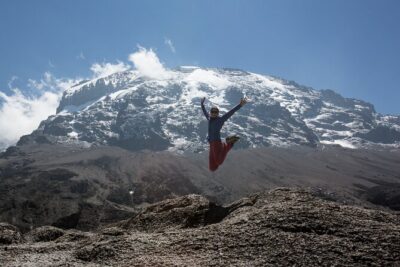
8-Day Small-group Lemosho Kilimanjaro Summit Trekking
Read our review →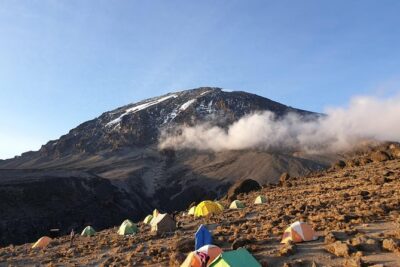
Best Kilimanjaro Adventure 7 days Machame route Trekking
Read our review →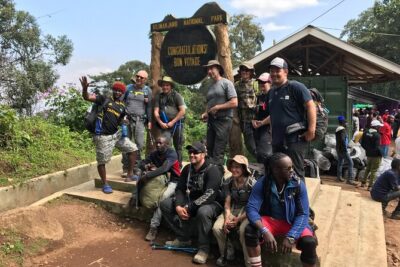
Kilimanjaro 7 Day Private Trekking Experience
Read our review →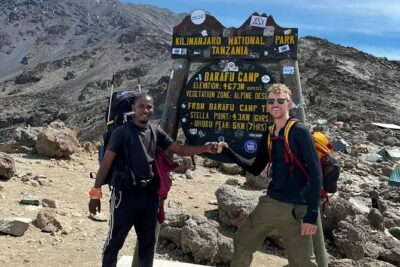
6 Days Machame Route Kilimanjaro Climbing Trekking Tour
Read our review →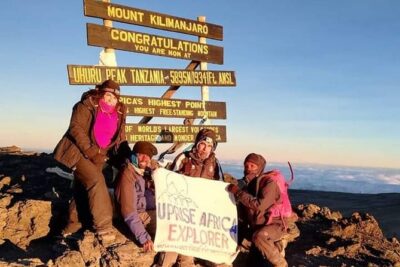
Kilimanjaro Trekking 7Days 6Night Lemosho Route
Read our review →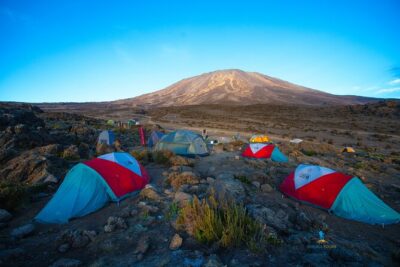
Top 6 Days Mt. Kilimanjaro Bike trek Tour by Marangu-Kilema Route
Read our review →Browse the lists this tour appears in