
REVIEW · MOSHI
7 Days Kilimanjaro Trekking Machame Route
Africa’s highest summit demands respect. This seven-day Machame Route trek gives you Kilimanjaro’s changing habitats, strong guide support, and a real camping challenge, rather than the simpler hut-based approach used on the Marangu Route. I like the route for its dramatic views and useful acclimatization day, and I also like the personal support provided by guides such as Sebastian Shirima and Henry.
The main tradeoff is clear: Machame is physically demanding. You walk steeper trails, cover long distances, sleep in tents, and finish with a midnight summit push. I would also confirm the transport details before booking, since the tour is based in Moshi but the final description says the return drive goes to a hotel in Arusha.
Key points to know before booking
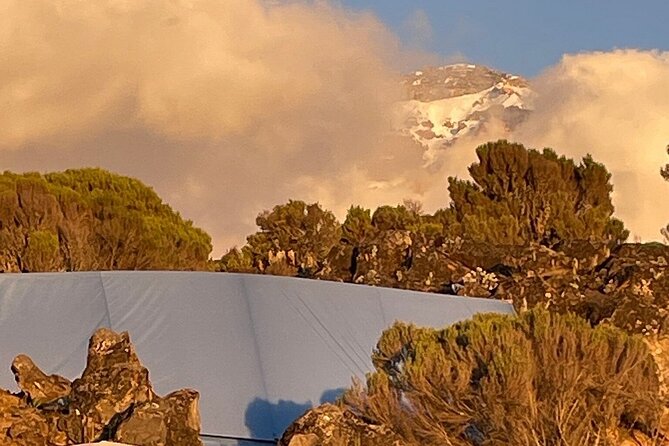
- The route crosses five distinct habitats, from montane forest to moorland, semi-desert, high alpine terrain, and alpine desert.
- Day three is the key acclimatization day, taking you up to Lava Tower before dropping to Barranco Camp.
- The summit attempt begins around midnight to 2:00 am, so sleep, pacing, and warm clothing matter.
- The Barranco Wall requires basic scrambling, with a steep 257-meter rock face before Karanga Valley.
- You sleep in tents throughout the trek, not in mountain huts.
- Guide support is a major strength, with Sebastian Shirima, Henry, and the wider Kiwoito team receiving repeated praise for motivation and encouragement.
Why the Machame Route is worth the effort
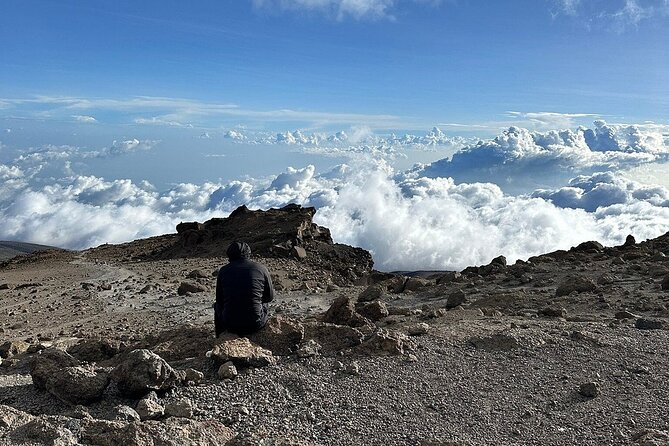
The Machame Route is often chosen for its variety. In seven days, you move from humid forest to open moorland, then across stark upper mountain terrain. That change is not just scenery for its own sake. It helps you feel the mountain rising around you, one habitat at a time.
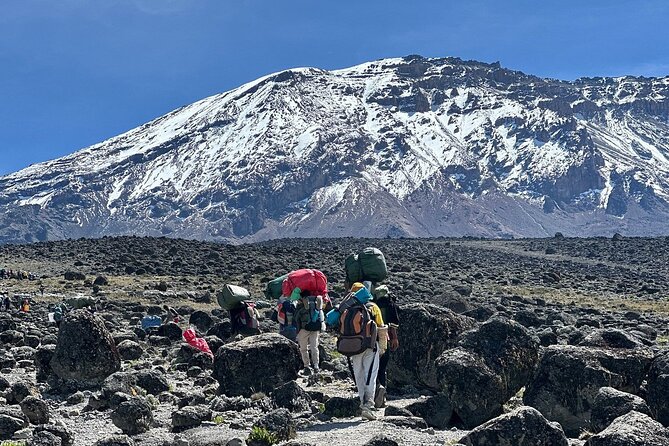
The route covers about 62 kilometers from gate to gate. That distance is manageable for a fit hiker, but the steep sections and high altitude make it much harder than the number alone suggests. I would not book this as a first-ever walking holiday unless you already have solid hiking experience and are comfortable spending several hours on rough trails.
You begin with a private trek for your group, rather than joining a large mixed party. That can make the pace and daily rhythm easier to manage. The information provided does not give a group size, so you should ask how many people will be in your private party and how the guide team is assigned.
More Kilimanjaro Climbs in Moshi
- Best Kilimanjaro Adventure 7 days Machame route Trekking
★ 5.0 · 42 reviews - Kilimanjaro 7 Day Private Trekking Experience
★ 5.0 · 40 reviews - 6 Days Machame Route Kilimanjaro Climbing Trekking Tour
★ 5.0 · 34 reviews
Day one: Machame Gate to montane forest
The day starts after breakfast with a transfer to Machame Gate. Here, you sign in and prepare to enter Kilimanjaro National Park before walking into the montane forest.
The first day covers about 11 kilometers and usually takes five to seven hours. You finish near 3,000 meters at Machame Camp. The path rises through forest, so this is a cool and sheltered introduction to the mountain compared with the more exposed days ahead.
I like this opening because it gives you time to settle into the rhythm of slow, steady walking. You are not trying to prove anything on day one. Keep your pace easy, drink regularly, and use the first day to learn how your body responds to the climb.
You camp overnight, with dinner provided at the campsite. The route description says the team sets up camp, but you should confirm exactly what camping equipment is included in the $2,500 price. The listed price is per person, while the supplied information does not spell out meals, park fees, transfers, porter support, or equipment rental.
Day two: Shira Plateau and the first real altitude gain
After breakfast, you leave the forest behind and climb through heather and open moorland. The trail crosses a valley and follows a rocky ridge, with some steep sections before reaching the Shira Plateau.
This day covers around nine kilometers and takes four to six hours. You climb from about 3,000 meters to 3,850 meters, a gain of roughly 850 meters. The route then crosses a large river gorge before reaching Shira 2 Camp.
The scenery changes quickly here. The forest gives way to open ground, wider views, and a more exposed feeling. That openness is part of the appeal, but it also means weather can feel more noticeable. Keep rain gear and a warm layer within easy reach, even if the morning begins in sunshine.
This is a sensible day to watch for early signs of altitude trouble. A headache, unusual tiredness, or nausea should not be ignored. Tell your guide promptly. The schedule is designed to keep moving upward, but your condition matters more than reaching camp at a particular time.
Day three: Lava Tower, the Shark’s Tooth, and Barranco Camp
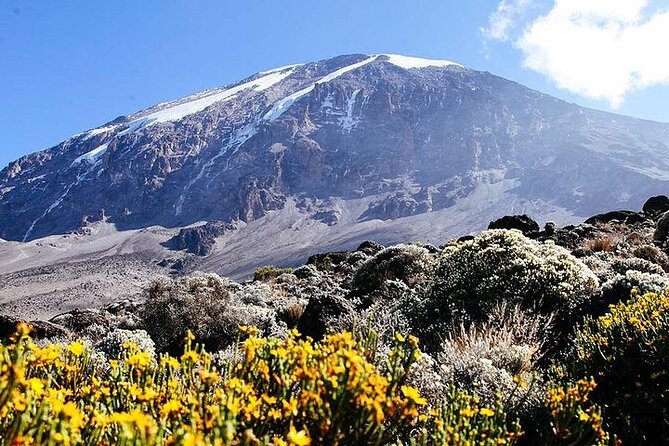
Day three is the most important day for acclimatization. From Shira Camp, the trail turns east along a ridge toward Kibo, then southeast toward Lava Tower, also called the Shark’s Tooth.
The route reaches roughly 12,500 feet at the start and ends near 13,000 feet at Barranco Camp, though the day includes a higher point near Lava Tower and the Arrow Glacier junction. You walk about 10 kilometers over six to eight hours through semi-desert terrain.
At first glance, finishing close to your starting elevation may seem odd. That is the point. You climb high, then descend to sleep lower at Barranco. This gives your body time to adjust before the summit attempt. I consider this one of the strongest features of the seven-day plan.
The day can feel long, especially after the altitude gain of day two. The route is not simply a march toward the next campsite. It asks you to climb and descend, manage your effort, and pay attention to how you feel.
Barranco Camp is also a memorable place to spend the night, with the mountain terrain becoming more severe and bare. Keep your warm clothing close. At this altitude, even a short stop can feel cold.
Same trailhead, a longer or shorter day out:
- Kilimanjaro Trekking 7Days 6Night Lemosho Route
★ 5.0 · 23 reviews - 8 Day Kilimanjaro Trek via Lemosho Route
★ 5.0 · 17 reviews - Top 6 Days Mt. Kilimanjaro Bike trek Tour by Marangu-Kilema Route
★ 5.0 · 15 reviews - 6 Days Mount Kilimanjaro Trek Marangu Route
★ 5.0 · 15 reviews
Day four: Scrambling up the 257-meter Barranco Wall
The Barranco Wall is the day’s main challenge. This 257-meter rock face requires basic scrambling skills as you make your way toward the top of Karanga Valley.
Scrambling here means using your hands at times, not technical climbing with ropes. Still, the steep rock can make this a more serious morning than the distance suggests. The day covers around seven kilometers and takes about seven hours, with repeated inclines and declines before reaching Karanga Camp at 3,960 meters.
I would pay close attention to your footwear and hand placement. Move patiently, leave space between people, and follow the guide’s directions. The wall is one reason the Machame Route suits people with some hiking experience.
After the wall, the trail continues across high alpine terrain toward Karanga. The short distance does not mean an easy day. At altitude, every uphill section takes longer, and the repeated rises and drops can wear down your legs.
You spend the night at Karanga Camp. This overnight stop breaks the climb toward Barafu into manageable stages, which is helpful before the summit push.
Day five: Karanga to Barafu Base Camp
Day five is described as short and easy, at least by Kilimanjaro standards. The route covers about six kilometers in roughly three hours, joining the Mweka trail and continuing to Barafu Camp at 4,680 meters.
The advice here is simple and good: walk easily, conserve energy, and prepare for the summit. You do not want to spend this day racing to camp. The summit attempt starts only hours later, so rest becomes part of the trek.
Barafu means a major change in your routine. You are now in alpine desert, with little shelter from the elements. The information provided does not specify the exact sleeping arrangements beyond tent camping, so ask how the camp is organized and where you can store your personal items.
Try to prepare your summit clothing and headlamp before resting. Keep snacks, water, gloves, warm layers, and any personal essentials where you can reach them. A midnight start is not the time to search through every bag.
Day six: Uhuru Peak and the long descent
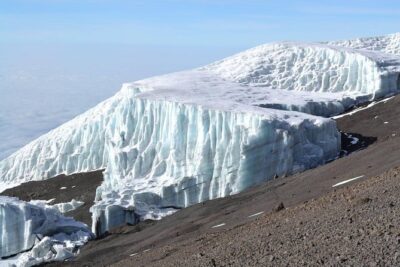
The summit day begins very early, usually between midnight and 2:00 am. You climb between the Rebmann and Ratzel Glaciers toward Stella Point at about 18,600 feet.
Stella Point is an important milestone. If the weather cooperates, you may see sunrise there after the long climb through the dark. From Stella Point, the route continues for about another hour toward Uhuru Peak, the highest point on Kilimanjaro and the highest point in Africa.
Faster hikers may reach the summit in time for sunrise. That timing depends on pace, weather, and how your body handles the altitude. Do not treat the summit as a race. The guide team’s repeated praise for encouragement and motivation is especially relevant here, since this is where steady support can make a real difference.
The summit section may include snow. Warm clothing is essential, and you should expect cold, fatigue, and loose footing. After reaching Uhuru Peak, you descend toward Mweka Hut Camp, stopping at Barafu for lunch.
The descent is long. Loose gravel can slide under your boots, so gaiters and trekking poles are useful. The supplied itinerary cuts off partway through a sentence about gaiters, but the practical point is clear: protect your lower legs and take care on the loose surface.
This is the hardest day of the trek because it combines the summit climb with a major descent. The exact distance and walking time are not provided, so ask the operator for the expected summit-day schedule before departure.
Day seven: Mweka Camp to the park gate
After breakfast, you continue down through rainforest toward Mweka Park Gate. The stated distance is about 10 kilometers, with three to four hours of walking, descending from roughly 10,000 feet to 5,400 feet.
The vegetation changes again as you lose altitude. Lower sections can be wet and muddy, so gaiters and trekking poles remain useful. Shorts and a T-shirt may be comfortable in the warmer lower forest, but keep rain gear and warmer clothing available until you know what the weather is doing.
At the gate, you receive your summit certificates. The route then continues for about another hour to Mweka Village, where a vehicle meets you.
The final transport detail needs clarification. The tour is listed in Moshi, while the itinerary says the vehicle returns you to your hotel in Arusha. Moshi and Arusha are different bases, so tell the operator exactly where you need to finish and confirm whether that transfer is included in the price.
Guide support and the human side of the climb
The strongest praise centers on the guide team. Sebastian Shirima is repeatedly singled out, with Henry also named for motivation and encouragement. Charles and Evaline are mentioned for communication and trip organization, while Gift, Amani, William, Jesca, and the wider crew also receive warm appreciation.
That matters on Kilimanjaro. A guide is not just there to point out the trail. You need clear pacing, help when altitude becomes difficult, and calm support during the summit attempt. The feedback describes the team as professional, reliable, available, and encouraging.
There is also a friendly cultural side to the experience. Singing, dancing, and shared moments with the crew are mentioned as part of the good memories. You should not expect a silent, solitary wilderness walk. This is a staffed expedition with a strong team presence.
At the same time, ask practical questions before paying. Confirm the guide-to-climber ratio, porter arrangements, meals, water, tents, sleeping bags, park fees, transfers, and any tipping guidance. The $2,500 price may offer good value if these major costs are covered, but the supplied details do not list the inclusions.
Is $2,500 a fair price?
The price is $2,500 per person for approximately seven days. That is a serious spend, but a Kilimanjaro climb involves much more than guided walking. You are paying for a private activity, a seven-day route, park access, camp logistics, transport arrangements, and a team that supports you at high altitude.
The value looks strongest for someone who wants a dedicated guide team and a route with proper acclimatization rather than the shortest possible ascent. The seven-day schedule gives you the important high-and-low day around Lava Tower and Barranco, followed by a separate Karanga night before Barafu.
Still, price comparisons are only useful if the inclusions match. Ask in writing what the fee covers. The information confirms pickup is offered and that you receive a mobile ticket, but it does not confirm every service included in the price.
Cancellation is flexible up to 24 hours before the start time, with a full refund if you cancel by then. Cancellations or changes within 24 hours are not refunded or accepted.
Who should choose this trek?
I would recommend this route to a fit hiker who wants changing scenery, tent camping, and a serious summit attempt. It suits people who already understand that altitude can make a familiar walking distance feel much harder.
It is less suitable if you want hut accommodation, short walking days, or a relaxed holiday with plenty of sleep. The midnight summit start alone requires a willingness to accept discomfort for the chance to reach Uhuru Peak.
The private format may appeal to couples, families, or friends who want to stay together. Service animals are allowed, and the meeting point is near public transportation, but the climb itself remains demanding. A moderate fitness level is required according to the tour information, though I would personally treat that as a minimum rather than a guarantee of readiness.
Should you book the Machame Route?
Book this trek if you want Kilimanjaro’s full range of habitats, a seven-day schedule, and a team known for strong encouragement. The route offers better acclimatization structure than a rushed climb, and the Barranco Wall, Lava Tower, and Uhuru Peak provide plenty of memorable milestones.
Think twice if you dislike tents, steep trails, long summit days, or uncertain weather. Before booking, confirm what the $2,500 includes, ask about the summit-day timing, and settle the Moshi to Arusha transport question.
For a fit hiker who accepts the work involved, this is a well-shaped Kilimanjaro itinerary with a strong human side. The mountain will still be hard, but the support from Sebastian, Henry, and the wider Kiwoito Africa Safaris team could make the difference between simply attempting the climb and reaching the top.
FAQ
How long is the Machame Route trek?
The trek lasts approximately seven days. The route is about 62 kilometers from gate to gate.
What time does the trek start?
The listed start time is 7:00 am. Summit day begins much earlier, between midnight and 2:00 am.
Where does the trek begin?
You are transferred to Machame Gate after breakfast on the first day.
Where does the trek finish?
The walking route finishes at Mweka Park Gate, followed by about another hour to Mweka Village. A vehicle then takes you to a hotel in Arusha according to the provided itinerary.
Do you sleep in mountain huts?
No. The Machame Route uses tents rather than the hut accommodation associated with the Marangu Route.
What is the highest point reached?
The trek reaches Uhuru Peak, the highest point on Mount Kilimanjaro and the highest point in Africa.
Is the Barranco Wall difficult?
The Barranco Wall is a 257-meter rock face and requires basic scrambling skills.
What fitness level is required?
A moderate physical fitness level is required. The route is also described as suitable for physically fit people with some hiking experience.
Are hiking poles and gaiters useful?
Yes. Gaiters and trekking poles are especially useful during the loose gravel descent from the summit and the wet, muddy lower sections near Mweka Gate.
What is the cancellation policy?
You can cancel up to 24 hours before the experience for a full refund. Cancellations or changes made within 24 hours are not accepted, and the amount paid is not refunded.
More 7-Day Experiences in Moshi
- Kilimanjaro Trek 7 Days – Machame Route
★ 5.0 · 13 reviews - 7-Day Kilimanjaro Trekking Tour via Machame Route
★ 5.0 · 12 reviews - Machame Route 7-Day Private Kilimanjaro Trek
★ 5.0 · 9 reviews - 7 Day Trek To The Roof Of Africa Kilimanjaro via Machame Route
★ 5.0 · 5 reviews
Recently added around Moshi
- Mt Kilimanjaro Trek, 6 Days – Umbwe Route★ 5.0 · 4 reviews
- 7 Day Trek To The Roof Of Africa Kilimanjaro via Machame Route★ 5.0 · 5 reviews
- Mount Kilimanjaro Trek 7-Days: Lemosho Route★ 5.0 · 2 reviews
- 8 Day Kilimanjaro Trek via Lemosho Route★ 5.0 · 17 reviews
- 6-Day Kilimanjaro Machame Route – A Stunning Trek to Uhuru Peak★ 5.0 · 7 reviews
- 7-Days Tour Mount Kilimanjaro Trekking via Machame Route★ 5.0 · 2 reviews
- Trek To Mount Kilimanjaro★ 5.0 · 12 reviews
- Unforgettable 8 Days Lemosho Route Trekking on Kilimanjaro★ 5.0 · 4 reviews
Kilimanjaro Climbs, compared.
8-Day Small-group Lemosho Kilimanjaro Summit Trekking
Read our review →
Best Kilimanjaro Adventure 7 days Machame route Trekking
Read our review →
Kilimanjaro 7 Day Private Trekking Experience
Read our review →
6 Days Machame Route Kilimanjaro Climbing Trekking Tour
Read our review →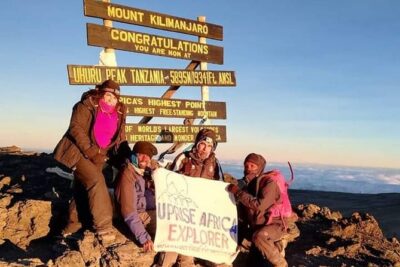
Kilimanjaro Trekking 7Days 6Night Lemosho Route
Read our review →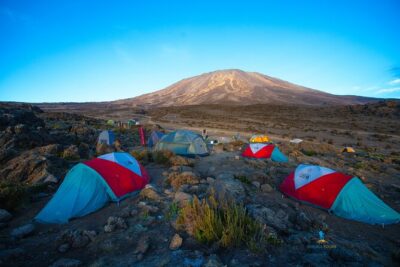
Top 6 Days Mt. Kilimanjaro Bike trek Tour by Marangu-Kilema Route
Read our review →Browse the lists this tour appears in