
REVIEW · MOSHI
4 Days Mount Meru Trekking
A volcano walk with wildlife comes first. This four-day Mount Meru trek gives you a rare mix of African wildlife and high-altitude hiking, beginning in grassland and ending on a cold volcanic summit at 4,566 meters. I like the armed park ranger, which adds safety during the walking safari, and I like how the route changes scenery every day.
The trek also benefits from strong crew support. Simon, Joseph, and Sagillo led one group safely to the summit, while Jackson helped another prepare with clear pre-trek information and travel guidance. The main caution is simple: this is a serious mountain trip, not a casual nature walk. You need moderate fitness, stamina, and comfort with early starts, steep trails, cold temperatures, and several long days on your feet.
Key points to know before booking
- Wildlife appears on the lower slopes: You might see giraffes, buffaloes, elephants, baboons, antelopes, and black and white colobus monkeys.
- An armed ranger joins the trek: This is required for the walking section through Arusha National Park.
- The summit is 4,566 meters high: Altitude, cold, and the final rocky crater-rim section make the climb demanding.
- The route crosses several plant zones: Expect grassland, acacia woodland, rainforest, heather, moorland, and alpine desert.
- The price includes major mountain costs: Park, camping, and rescue fees, transport, guides, porters, cooks, meals, and 18 percent VAT are included.
- The group can reach 15 people: That is small enough for a personal feel, though the pace may still vary between hikers.
Why Mount Meru is worth choosing
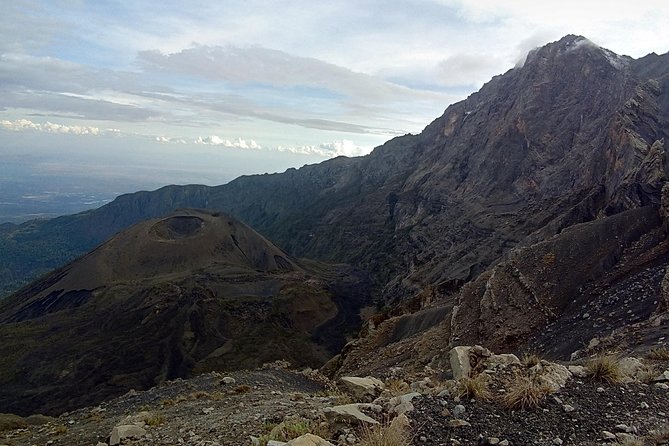
Mount Meru often gets less attention than Kilimanjaro, but that can work in your favor. At 4,566 meters, it is Tanzania’s second-highest mountain and Africa’s fifth-highest. The mountain’s unusual horseshoe-shaped crater came from a huge volcanic eruption about 250,000 years ago, when the entire eastern flank was destroyed.
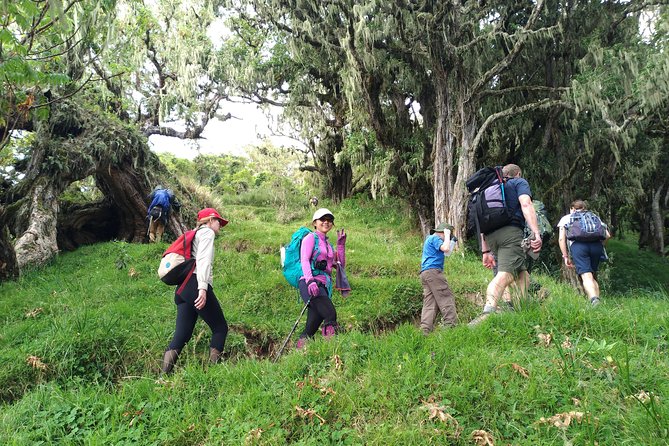
That volcanic past gives the trek its shape and character. You are not simply walking uphill through one repeated type of forest. The route moves from open grassland to acacia forest, then into cool rainforest, heather and moorland, and finally an alpine desert of volcanic rock and ash.
I especially like the wildlife element. On the first and fourth days, the trail passes through areas where giraffes and buffaloes may be feeding. You might also see elephants, baboons, antelopes, or colobus monkeys. As you climb, animals become less common, but the changing terrain takes over.
The armed park ranger matters here. You are not walking alone through a national park and hoping for the best. The ranger accompanies the group while your mountain guide handles the route, pace, and climbing details.
A few more treks around Moshi worth a look
- Pokhara: 4-Day Ghorepani, Poonhill & Ghandruk Mountain Trek
★ 5.0 · 132 reviews - TOUR PACKAGE (jungle trekking, taxi, Room) 4 DAYS 3 NIGHTS in BUKIT LAWANG
★ 5.0 · 118 reviews - 4 Days Poon Hill Trek
★ 5.0 · 94 reviews
Day 1: Grassland, Maio Falls, and the fig tree arch
Your morning begins with hotel pickup and a briefing before the drive to Arusha National Park. The meeting point is Lindrin Lodge in Kimashuku-Mferejini, and the experience ends back there after the descent.
At the park gate, your guide completes registration and gathers the hiking team. This is where the trek shifts from a road-based transfer to a walking safari with the armed ranger.
The first route follows the southern side of Mount Meru. You begin across grassland and move toward acacia forest, with a chance to see giraffes and buffaloes grazing. That opening section gives you a useful introduction to the mountain: wildlife is part of the day, not a separate activity added before or after the climb.
After roughly two hours, you reach Maio Falls. This is a natural place to pause, stretch your legs, and eat the picnic lunch provided for the day. The break is welcome because the first day lasts about five hours, and the route continues uphill afterward.
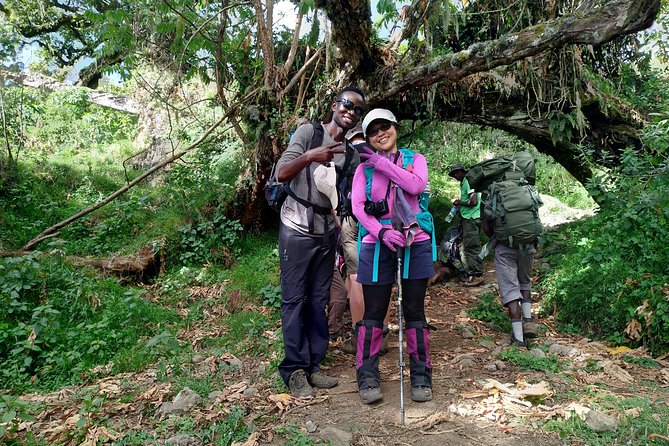
The trail then passes the fig tree arch, an unusual formation created by the shape of a large tree. It is the sort of detail that makes this route more memorable than a plain ascent. You get a visual landmark, a shaded stop, and a reminder that Mount Meru changes quickly as you gain height.
Day 1 is shorter than the summit day, but do not treat it as a throwaway warm-up. You are already walking through a national park, adjusting to the pace, and beginning the climb. Keep your binoculars or camera ready in the lower sections, but do not let wildlife watching make you ignore your footing or the group’s pace.
Day 2: Rainforest mist and the climb to Saddle Hut
After breakfast, the trail becomes steeper. Wooden steps lead upward, and the change in height brings cooler air. The rainforest is often wrapped in low clouds, giving this part of the route a misty, quiet feel.
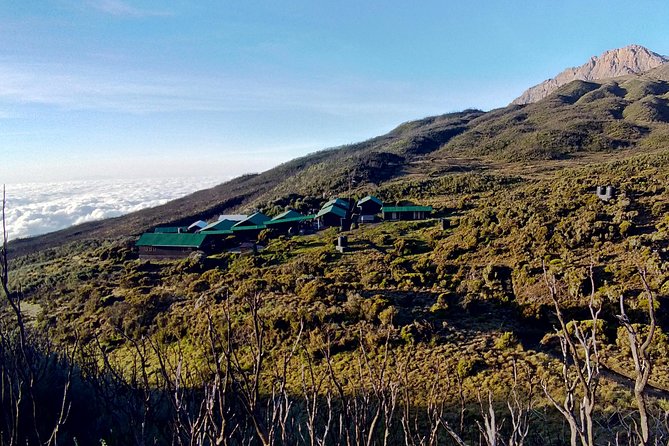
You reach Mgongo wa Tembo, known as Elephant Back, at about 3,200 meters after roughly two hours. This is a useful rest point and a good place to take in the views before continuing toward Saddle Hut at 3,550 meters.
The vegetation changes in plain sight. Dense rainforest gives way to heather and moorland, with fewer large trees and more open ground. For me, this is one of the best parts of the trek because the route shows you how altitude affects plant life without needing a separate explanation.
The day lasts around four hours, but the shorter walking time does not mean it is effortless. The slope is steep, and altitude may begin to affect your breathing or energy. Walk slowly, drink water, and avoid racing ahead just because the distance looks manageable.
After reaching Saddle Hut, you have the option to climb Little Meru at 3,820 meters. This extra outing takes about one to one and a half hours. It gives you more altitude before summit day and offers an additional viewpoint, but you should decide based on how you feel rather than treating it as mandatory.
Little Meru is a good choice for strong hikers who are adjusting well. If you have a headache, unusual fatigue, or trouble keeping a steady pace, resting at Saddle Hut may be wiser. Saving energy for the final ascent is more important than collecting every possible viewpoint.
Day 3: Headlamps, Rhino Point, and Socialist Peak
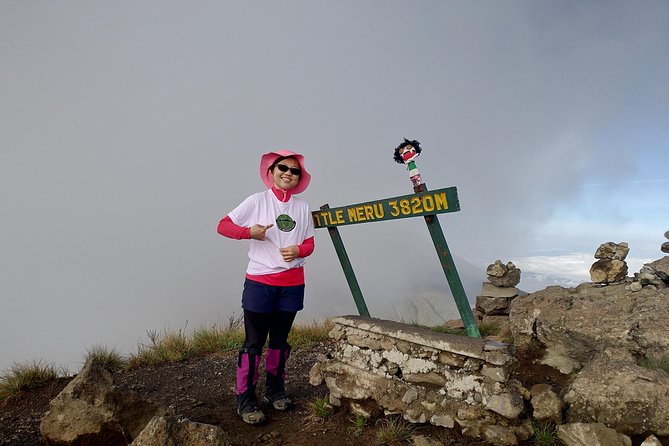
Summit day begins before sunrise. You are awakened with a small snack and warm tea, then set off with headlamps lighting the trail. This early start is practical because it allows you to reach Socialist Peak in time for sunrise.
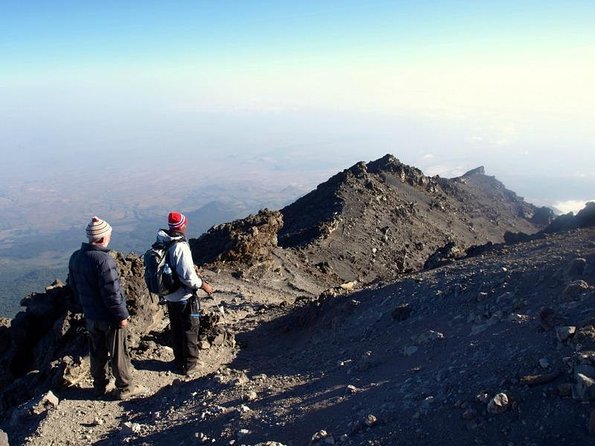
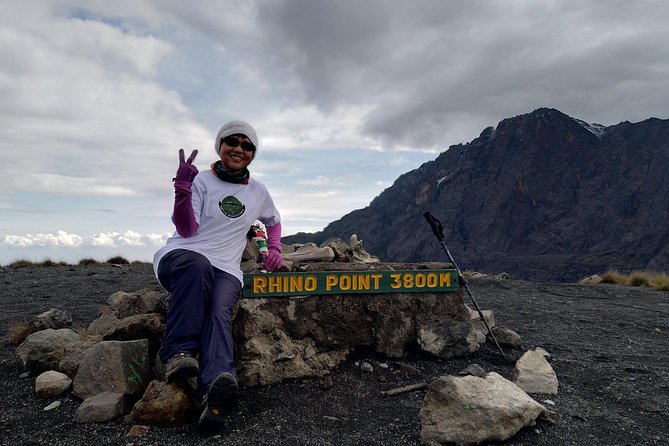
The first section leads through bushland to Rhino Point at about 3,821 meters. From there, the route becomes more demanding. At times, you need to climb with your hands as you move along the crater rim.
The surface also changes. You walk over frozen volcanic ash and rocks, with steep drops and rough footing in places. This is where the trek requires concentration. Good fitness helps, but so does patience. Put one foot carefully in front of the other, follow your guide, and do not waste energy trying to match a faster climber.
The climb from the start of the final ascent to Socialist Peak takes about four to five hours. The summit reaches 4,566 meters, so cold and altitude are serious factors. The route description does not promise an easy finish, and the rocky crater rim makes this the most physically demanding part of the four days.
The reward is unusually dramatic. From the peak, you can watch the sun rise above Mount Kilimanjaro. You also have views into Mount Meru’s crater, including the steep inner sides and the ash cone in the center.
That combination is the main reason to choose Meru instead of treating it as only a backup climb. The summit is not just a high point. It gives you a look into the volcano itself, with Kilimanjaro appearing beyond it.
After enjoying the summit, you begin the descent. The exact length of the return section is not stated, but the full day is listed at about seven hours. Plan for tired legs, cold morning conditions, and a slower pace than you might expect. The climb down can be just as demanding on knees and balance as the climb up is on lungs.
Same trailhead, a longer or shorter day out:
- Best Kilimanjaro Adventure 7 days Machame route Trekking
★ 5.0 · 42 reviews - Kilimanjaro 7 Day Private Trekking Experience
★ 5.0 · 40 reviews - 6 Days Machame Route Kilimanjaro Climbing Trekking Tour
★ 5.0 · 34 reviews - Kilimanjaro Trekking 7Days 6Night Lemosho Route
★ 5.0 · 23 reviews
Day 4: The northern route back to Momella Gate
The final day begins after breakfast with a two to three-hour trek on the northern route toward Momella Gate. After the exposed summit terrain, this descent brings you back toward areas where wildlife may appear again.
You may see giraffes, buffaloes, elephants, and black and white colobus monkeys. The return route gives the trip a satisfying shape: wildlife is part of the opening and closing chapters, while the middle days focus on forest, moorland, rock, and altitude.
At Momella Gate, you say goodbye to the guides, cooks, and porters before transport takes you back to Moshi. The final day lasts about five hours in total, including the mountain transfer details listed for the activity.
Do not underestimate this day. Your legs have already handled the summit, and even a two to three-hour walk can feel long afterward. If you pace yourself on Day 3, the final descent should feel far more manageable.
What the $1,500 price includes
The listed price is $1,500 per person. That is a substantial cost, but the inclusions cover the main expenses that can make a mountain trek expensive.
Your price includes:
- Park fees
- Camping fees
- Rescue fees
- 18 percent VAT on tour services
- Transport to and from the mountain gate
- Professional mountain guides
- Cooks and porters
- Three meals each day on the mountain
- Dinner on three nights
- Breakfast on three mornings
- Lunch on all four days
That package matters because park and rescue fees alone can add up, and the mountain crew is not a minor extra. Guides manage the route and safety. Porters handle equipment. Cooks provide three meals a day while you are on the mountain. The included transport also keeps you from arranging separate transfers between Moshi and the park.
The value is strongest if you want a fully supported climb rather than an independent outing. You are paying for the team, meals, permits, transport, and logistical planning, not only for a walk up a volcano.
You should budget extra for tips to the mountain crew, drinks, personal items, and any laundry. Alcoholic and soft drinks are not included. Flights are also outside the package.
The mountain crew and what good support means
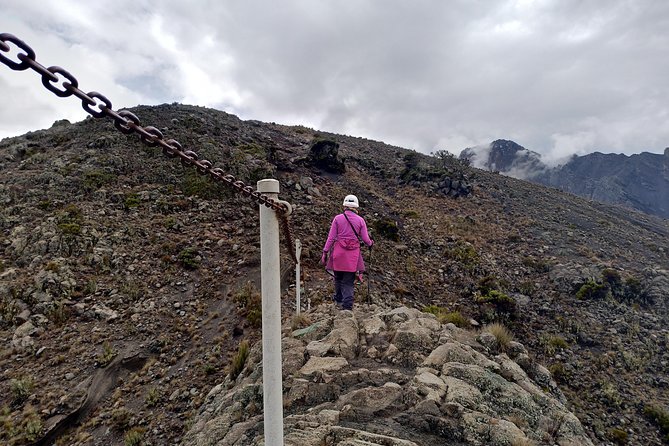
The crew can shape the whole experience. Simon, Joseph, and Sagillo are named as leaders who helped one group reach Mount Meru safely. Their role is especially important on the crater rim, where the trail becomes rough and occasional climbing is needed.
Jackson is noted for detailed pre-trek explanations, travel requirements, and preparation guidance. That kind of contact before departure can prevent simple problems, especially when you are unsure what documents, equipment, or physical preparation you need.
The group limit is 15 people. That is not a private trek, but it is still a reasonable size for a mountain route. You should expect different walking speeds within the group. The best approach is to accept a steady pace and let the guide manage the team rather than pushing for speed.
The presence of cooks and porters also changes your daily workload. You can focus more of your energy on walking, altitude, and rest. Still, keep personal items sensible and avoid packing as if the support team means you can bring everything from home.
Fitness, weather, and practical concerns
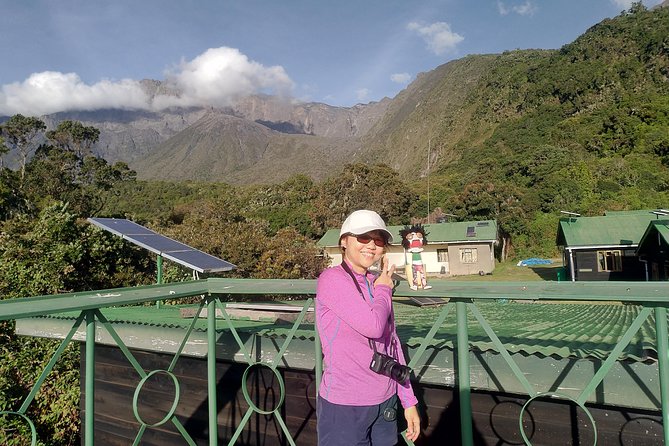
The experience requires a moderate level of physical fitness. You should be comfortable walking for several hours, handling steep uphill sections, and continuing after an early morning start.
The summit day is the key test. The climb to Socialist Peak takes four to five hours, includes rough volcanic ash and rocks, and may involve using your hands. Cold temperatures and altitude make it harder than the distance alone suggests.
Weather also matters. If poor weather causes cancellation, you are offered a different date or a full refund. The normal cancellation policy allows a full refund when you cancel at least 24 hours before the start time. Cancellations or changes within 24 hours are not refunded or accepted.
Pickup is offered, and the activity begins and ends at Lindrin Lodge in Moshi. Confirmation is provided when you book. A mobile ticket is available, which keeps the meeting details easy to carry.
Who should book this Mount Meru trek?
I would recommend it to hikers who want more than a standard summit push. The walking safari, changing plant zones, crater views, and Kilimanjaro sunrise give the trip plenty of variety.
It also suits people who want a supported route with meals, porters, cooks, transport, and park fees arranged in advance. If you value a clear structure and professional crew, the package reduces many of the practical chores.
I would be cautious about booking it if you dislike early starts, steep trails, cold conditions, or group pacing. You should also think carefully if your main goal is easy wildlife viewing. Animals are most likely on the lower sections, while the upper mountain becomes a high-altitude climb with far fewer sightings.
Should you book it?
Book this trek if you want a four-day challenge with real variety: giraffes and buffaloes below, misty rainforest in the middle, and a volcanic crater rim above. The $1,500 price is reasonable for the broad package of permits, rescue cover, transport, crew, cooks, porters, and meals.
Skip it if you want a gentle safari or a short scenic hike. Mount Meru demands steady effort, especially on the summit day. For a fit hiker who wants wildlife, volcanic scenery, and a sunrise view toward Kilimanjaro, this is a strong choice.
FAQ
How high is Mount Meru?
Mount Meru reaches 4,566 meters. It is Tanzania’s second-highest mountain and Africa’s fifth-highest.
How long is the Mount Meru trek?
The experience lasts approximately four days. Daily walking times are listed as about five hours on Day 1, four hours on Day 2, seven hours on Day 3, and five hours on Day 4.
Is an armed ranger included?
Yes. An armed park ranger accompanies the group during the trek through Arusha National Park.
What animals might I see?
You might see giraffes, buffaloes, baboons, elephants, antelopes, and black and white colobus monkeys. Wildlife is more likely on the lower sections because animals become scarcer at higher altitude.
What is included in the price?
The $1,500 price includes park, camping, and rescue fees, 18 percent VAT, transport to and from the mountain gate, guides, cooks, porters, and three meals each day on the mountain.
Are drinks included?
Alcoholic drinks and soft drinks are not included. Personal items and laundry services are also excluded.
Where does the tour start and finish?
The meeting point is Lindrin LodgeTZ, Kimashuku-Mferejini, 25304, Tanzania. The activity ends back at the meeting point.
Can I cancel for a full refund?
Yes, if you cancel at least 24 hours before the experience starts. Cancellations or changes made within 24 hours are not refunded or accepted. If poor weather causes the activity to be canceled, you are offered another date or a full refund.
Recently added around Moshi
- Mt Kilimanjaro Trek, 6 Days – Umbwe Route★ 5.0 · 4 reviews
- 7 Day Trek To The Roof Of Africa Kilimanjaro via Machame Route★ 5.0 · 5 reviews
- Mount Kilimanjaro Trek 7-Days: Lemosho Route★ 5.0 · 2 reviews
- 8 Day Kilimanjaro Trek via Lemosho Route★ 5.0 · 17 reviews
- 6-Day Kilimanjaro Machame Route – A Stunning Trek to Uhuru Peak★ 5.0 · 7 reviews
- 7-Days Tour Mount Kilimanjaro Trekking via Machame Route★ 5.0 · 2 reviews
- Trek To Mount Kilimanjaro★ 5.0 · 12 reviews
- Unforgettable 8 Days Lemosho Route Trekking on Kilimanjaro★ 5.0 · 4 reviews
Moshi Trekking Tours, compared.
Best Kilimanjaro Adventure 7 days Machame route Trekking
Read our review →
Kilimanjaro 7 Day Private Trekking Experience
Read our review →
6 Days Machame Route Kilimanjaro Climbing Trekking Tour
Read our review →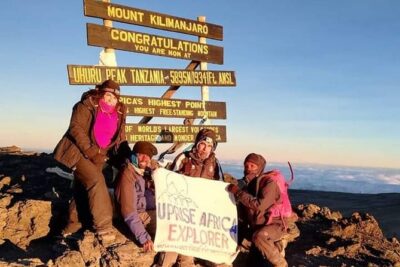
Kilimanjaro Trekking 7Days 6Night Lemosho Route
Read our review →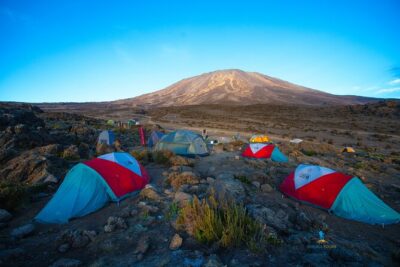
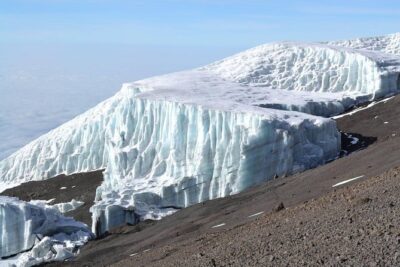
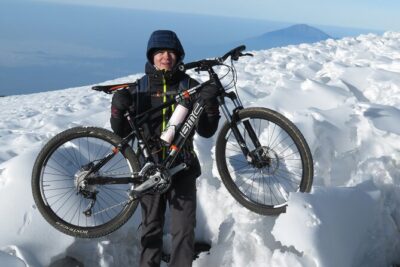
Top 6 Days Mt. Kilimanjaro Bike trek Tour by Marangu-Kilema Route
Read our review →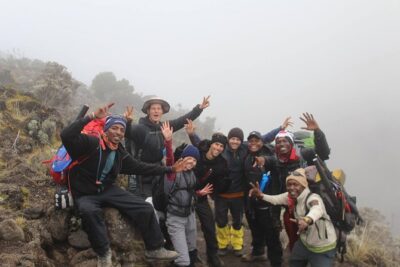
Browse the lists this tour appears in