
REVIEW · JAPAN
Mt. Inunaki Trekking and Goma Prayer Experience in Osaka
Leave the city behind for a sacred mountain. This seven-hour outing from Izumisano combines a forest hike, a Goma fire prayer at Shipporyuji Temple, and a soak in Inunaki Hot Spring. I like the unusual mix of outdoor effort and quiet Buddhist ritual, and I like that the guide handles the public bus and temple arrangements. The main drawback is simple: there is no lunch stop, so you must bring food, and the hike requires reasonable fitness.
The experience also has a personal feel because only your group participates. Guides such as Ryusuke and Yuko have explained local trees, wildlife, shrines, and temple customs, while keeping the pace relaxed for photographs and a packed lunch. If you dislike humid weather, bugs, or forest walking, bring a towel, hat, sunglasses, and insect repellent.
Key points to know before booking
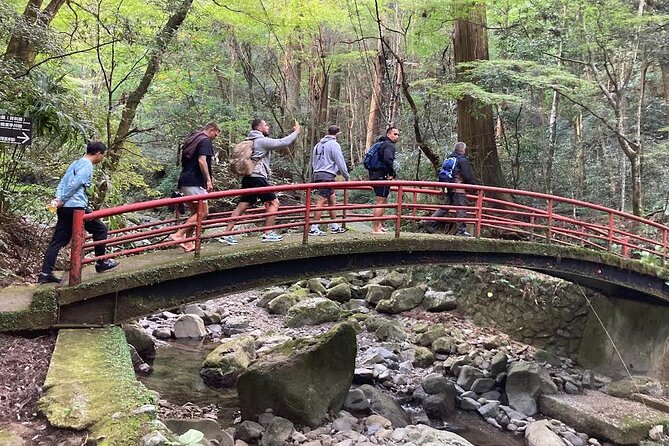
- Mt. Inunaki is one of Japan’s oldest sacred mountains, with close ties to Yamabushi mountain ascetic practice.
- The Goma prayer uses a ceremonial fire at Shipporyuji Temple, with the ritual connected to clearing away spiritual defilement.
- The hike takes about three hours, followed by roughly two hours at the temple and two hours at the onsen.
- Your public bus fare is included, so you meet at Izumisano Station rather than arranging your own transport.
- The tour is private for your group, although group discounts may be available.
- Lunch is not provided, and there are no mountain dining facilities, so buy a light meal at the Seven-Eleven near the station.
Why Mt. Inunaki feels different from a standard Osaka day trip
Osaka is known for neon streets, food stalls, shopping arcades, and crowds. Mt. Inunaki offers a very different day. The mountain is regarded as one of Japan’s oldest sacred peaks and is linked with Shugendo, a form of mountain asceticism practiced by Yamabushi monks.
That setting matters. You are not simply walking through attractive woods before visiting a temple. The forest, mountain paths, shrines, prayer ceremony, and hot spring all belong to one religious and local tradition. The day gives you a look at a side of Japan that can be hard to find on a regular city tour.
I especially like the way the activity connects physical effort with reflection. You walk through the forest first, then arrive at the temple in time for a fire ceremony, and finish in hot water. It has a clear rhythm: exert yourself, pay attention, then rest.
The mountain is also known as Dog Bark Mountain, or Inunaki. The name adds a bit of folklore and character, and there is a statue of a dog saint in the area. One outing even included a sighting of an endangered frog, a reminder that the route offers more than temple architecture.
A few more treks around Japan worth a look
- Okinawa Jungle Trails & Waterfalls – Private Yanbaru Tour
★ 5.0 · 43 reviews - Sawanobori River Trekking Tour
★ 5.0 · 30 reviews - Private Local Hiking to enjoy the nature and culture of Mt.Fuji
★ 5.0 · 22 reviews
Meeting at Izumisano Station at 8:45
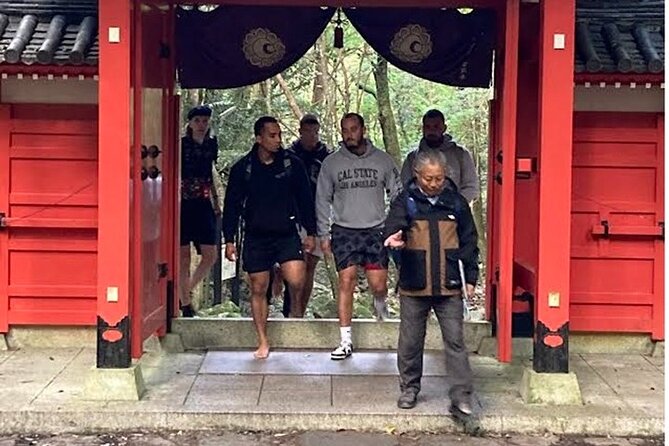
The meeting point is outside Izumisano Station at 8:45 in the morning. This is practical if you are staying near Osaka or using the station as a base, but you should allow enough time to arrive before the start.
The public bus between Izumisano Station and Mt. Inunaki is included in the price. That saves you from working out the local transport on your own and lets the day begin with your guide rather than with a route-finding exercise.
Use the station as your supply point. There are no places to buy lunch along the mountain itinerary, but a Seven-Eleven near the meeting spot sells useful picnic food and drinks. I would buy your meal before boarding the bus, not after reaching the mountain.
The tour ends back at the meeting point. With about seven hours from start to finish, this is a full day rather than a quick side trip. Plan your evening with some space afterward, especially if you are not used to mountain walking.
Three hours through a forest used for mountain training
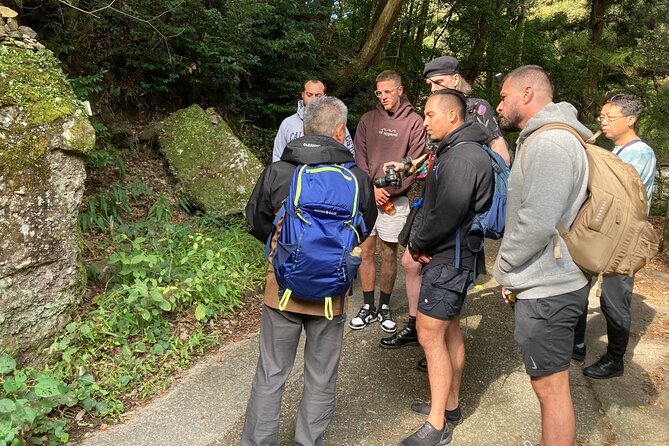
The first major part of the outing is the walk up Mt. Inunaki. The route passes through primeval forest that has been used as a training ground for Yamabushi, Buddhist mountain practitioners.
The most valuable part of having a guide here is context. Forest paths can look similar to an untrained eye, while a local guide can explain the plants, animals, geography, shrines, and religious meaning around you. Ryusuke and Yuko have been praised for explaining these details clearly, including local wildlife and native trees.
The pace is not presented as a race. Time is allowed for photographs and lunch, and one account describes the hike as well paced. Still, this is a genuine trek, not a paved stroll from a bus to a temple. Wear comfortable walking shoes and expect forest conditions.
Weather will affect the feel of the walk. Summer can be hot and humid, and the woods may contain plenty of insects. A towel, hat, sunglasses, and bug spray are sensible additions. If insects bother you greatly, a face net was specifically suggested as an extra precaution.
You should also think about clothing for the temple and onsen later in the day. Hiking clothes are fine for the walk, but pack whatever you need to feel comfortable at a Japanese bathing facility.
Shipporyuji Temple and the meaning of Goma fire
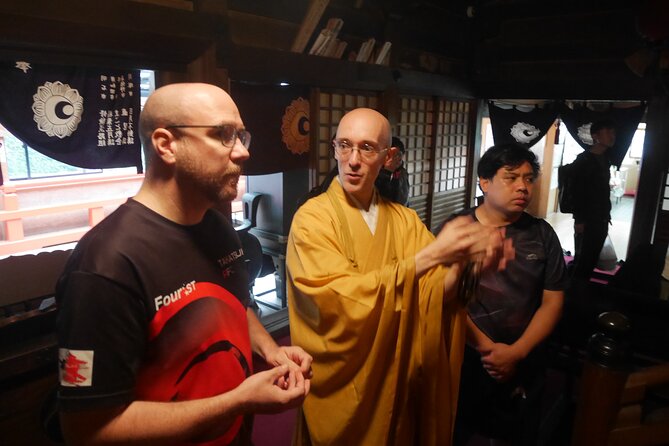
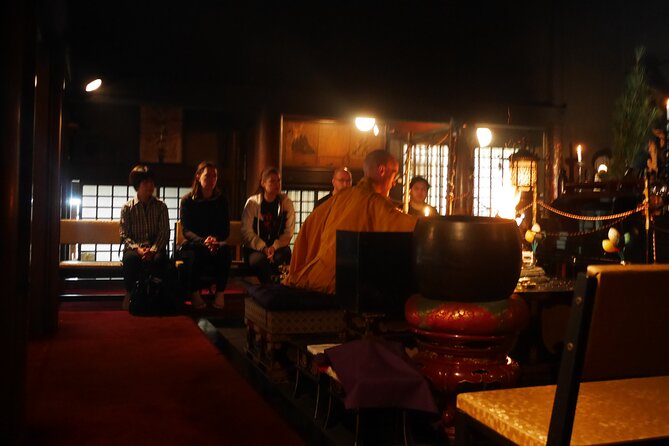
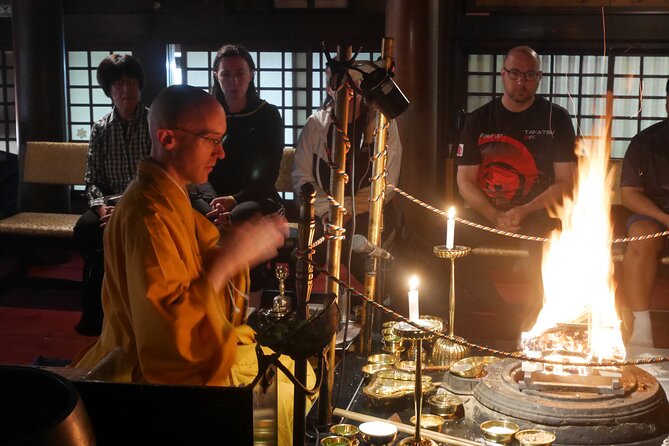
After roughly three hours, you reach Shipporyuji Temple. The temple’s main hall is where the Goma prayer takes place, and you are asked to enter about 15 minutes before the ceremony begins.
Goma means to burn in Sanskrit. In the ritual, fire burns away what is described as defilement, giving the ceremony a direct and memorable image. This is not a performance arranged only for tourists. It is a religious practice connected with Shugendo and the mountain’s spiritual role.
That makes the guide’s explanation important. You can watch the ceremony without knowing what it means, but a good explanation helps you understand why the fire matters and how the temple fits into Japanese Buddhist practice. The experience has been especially valued by people who want more than a quick photograph at a shrine.
You should approach the prayer with respect. You are entering a working religious space, so follow the guide’s instructions and temple etiquette. The supplied details do not promise that every part of the ceremony will be translated or explained in the same way, but the experience is designed to help you take part and understand its cultural setting.
The temple portion lasts about two hours, including the Goma ceremony. That gives you time to settle in rather than rushing through the doors just before the prayer starts. The quiet change from forest walking to the fire ritual is one of the strongest parts of the day.
Same trailhead, a longer or shorter day out:
- Frozen fall trekking
★ 5.0 · 21 reviews - 3hours Primeval Forest and Stunning Views of Cliff Trekking Tour
★ 5.0 · 20 reviews - Iriomote’s Adventure: Pinaisara Falls Canoe and Trekking Tour
★ 5.0 · 7 reviews - Ninja Trekking half-day tour at Mt.Daimonji Kyoto
★ 5.0 · 6 reviews
A hot spring finish at Inunakiyama Onsen
The final stop is Inunakiyama Onsen Fudouguchikan, an onsen ryokan near the entrance to Mt. Inunaki. After the hike and temple visit, the hot spring is more than a pleasant extra. It gives the day a proper finish and lets you rest before returning to Izumisano.
You can choose between two types of pools. One is an outdoor bath with a view of a mountain stream. The other is a comfortable indoor bathing option. The onsen portion is scheduled for about two hours, so you are not forced into a hurried ten-minute soak.
Japanese bathing etiquette matters. Wash before entering the pools, keep towels out of the water, and follow the facility’s instructions. The supplied information does not state policies about tattoos, so ask the provider if that concern applies to you.
There is an important temporary change to note. Fudouguchikan is scheduled to close for renovation from April 24 through September 30, 2026. During that period, the hot spring portion will use the facilities at Minamitei instead. Confirm the current arrangement when booking if your date falls within those months.
The onsen is also a reason to consider your energy level. If you want a strenuous hike followed by a bath, the schedule works well. If your main goal is a long, leisurely mountain visit, seven hours may feel tightly organized.
What the $146.59 price includes
At $146.59 per person, this is not a cheap bus ride to a trailhead. The value comes from combining several services that would otherwise take research and coordination.
The price includes the guide fee, the Goma prayer experience, the public bus ticket between Izumisano Station and Mt. Inunaki, and admission to the onsen. You also receive a private activity for your own group, which can make the fee easier to justify for couples, families, or friends who want to ask questions and move at their own pace.
The fee does not include lunch, personal expenses, or insurance. The missing lunch is the point most likely to catch you out. Buy a light meal at the station, and carry water and snacks for the mountain.
Group discounts may be available, so the per-person value can improve if you book with several people. The activity is often reserved about 154 days ahead, which suggests that planning early is sensible, especially if you need a particular date.
Who will get the most from this day
I would recommend this experience to you if you enjoy walking, local religious traditions, and smaller-scale cultural encounters. It suits solo participants, couples, and groups of friends, and the private format gives the day a more personal feel.
It is a good choice if you have already seen Osaka’s major urban sights and want a day with a slower pace and a strong sense of place. It also suits anyone curious about Shugendo, Yamabushi practice, or how spiritual sites fit into a natural setting.
You should think twice if you want a casual sightseeing day with very little exertion. The hike takes three hours, the mountain has no lunch providers, and weather can affect the experience. The activity requires good weather and may be canceled if conditions are poor or if the minimum number of participants is not met.
Service animals are allowed, and the meeting point is near public transportation. The activity information says most people can participate, but it does not give a detailed accessibility assessment for the mountain trail. Ask the provider directly if you have mobility concerns.
Booking, cancellation, and weather planning
You can cancel up to 24 hours before the start time for a full refund. Changes or cancellations made less than 24 hours before the start are not accepted for a refund, and the cut-off uses local Japanese time.
Weather matters here because the main appeal is an outdoor mountain route. If poor weather forces cancellation, you are offered another date or a full refund. The same applies if the minimum number of participants is not met.
Since the activity is booked well in advance on average, check your transport plans before committing. You need to reach Izumisano Station by 8:45, and the tour returns there after the onsen.
Should you book the Mt. Inunaki experience?
Book it if you want a day that links a real mountain walk, a meaningful Buddhist fire ritual, and a hot spring bath. The combination is unusual, the private format is helpful, and the bus, temple activity, and onsen admission are already handled.
I would not book it for a lazy day, a food-focused outing, or a simple temple photo stop. Bring lunch, prepare for humidity and insects, and wear proper walking shoes. For the right person, this is one of the more memorable ways to leave Osaka’s city center and meet a quieter, more spiritual side of the region.
FAQ
Where does the tour start?
It starts at Izumisano Station, at 3-chōme-11-41 Uemachi, Izumisano, Osaka 598-0007, Japan.
What time does the tour begin?
The start time is 8:45 in the morning.
How long does the experience last?
The full experience lasts about seven hours and ends back at the meeting point.
Is transportation included?
Yes. The public bus ticket between Izumisano Station and Mt. Inunaki is included.
Is lunch provided?
No. There are no places to buy lunch on the mountain itinerary. A light meal can be purchased at the Seven-Eleven near Izumisano Station.
What is included in the price?
The price includes the guide fee, Goma prayer experience, public bus ticket, and onsen admission.
Is the activity private?
Yes. Only your group participates in the activity.
What happens if the weather is poor?
If poor weather causes cancellation, you are offered a different date or a full refund.
Recently added around Japan
- Ninja Trekking half-day tour at Mt.Daimonji Kyoto★ 5.0 · 6 reviews
- Relax and refresh in Karuizawa Forest! Shinanoji down trekking around two people★ 4.0 · 2 reviews
- Mt. Inunaki Trekking and Hot Springs in Izumisano, Osaka★ 5.0 · 3 reviews
- Matt Canyon River Trekking Nishiwaga Town, Iwate Prefecture★ 5.0 · 4 reviews
- Trekking Tour to Faith, Ancient Paths and the Falls from Hitachi★ 5.0 · 2 reviews
- Iriomote’s Adventure: Pinaisara Falls Canoe and Trekking Tour★ 5.0 · 7 reviews
- 3hours Primeval Forest and Stunning Views of Cliff Trekking Tour★ 5.0 · 20 reviews
- Shizuoka : Mt Fuji Secret Canyon River Trekking★ 5.0 · 6 reviews
Japan Trekking Tours, compared.
Okinawa Jungle Trails & Waterfalls – Private Yanbaru Tour
Read our review →
Private Local Hiking to enjoy the nature and culture of Mt.Fuji
Read our review →
3hours Primeval Forest and Stunning Views of Cliff Trekking Tour
Read our review →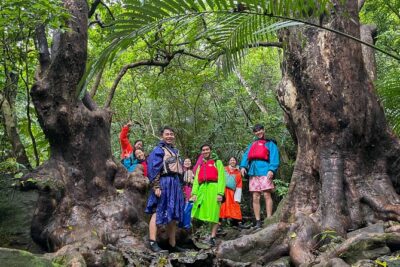
Iriomote’s Adventure: Pinaisara Falls Canoe and Trekking Tour
Read our review →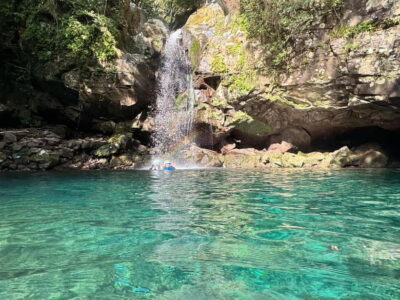
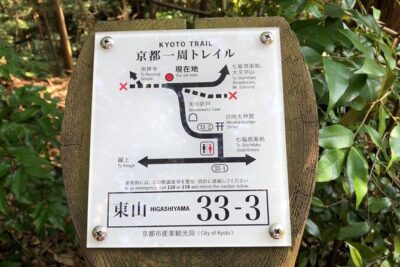
Ninja Trekking half-day tour at Mt.Daimonji Kyoto
Read our review →Browse the lists this tour appears in