
REVIEW · JAPAN
Ninja Trekking half-day tour at Mt.Daimonji Kyoto
Kyoto has a wilder side. This half-day ninja trek takes you from the Keage area near Nanzenji up toward Mt. Daimonji, also called Nyoigatake, while teaching breathing, walking, body control, meditation, and mountain skills. It is not a costume photo stop or a quick martial arts lesson. The focus is on ninjutsu as a practical survival tradition shaped by life in the mountains.
I like the small private format, since your group can learn at a pace that makes sense for you. I also like the route itself: 7.5 kilometers through one of Kyoto’s 36 eastern peaks, with a different feel from the city’s crowded temple streets. The main concern is price. At $347.48 per person, this is a serious splurge, especially since water, snacks, and private transportation are not included.
The walk is described as gentle and safe enough for beginners, but you still need moderate fitness. You will climb a mountain, spend around four hours on foot, and deal with natural trail conditions. Guide Izo Sensei has been praised for teaching efficient movement and breathing, making this more useful than a standard sightseeing hike.
Key points to know before you book
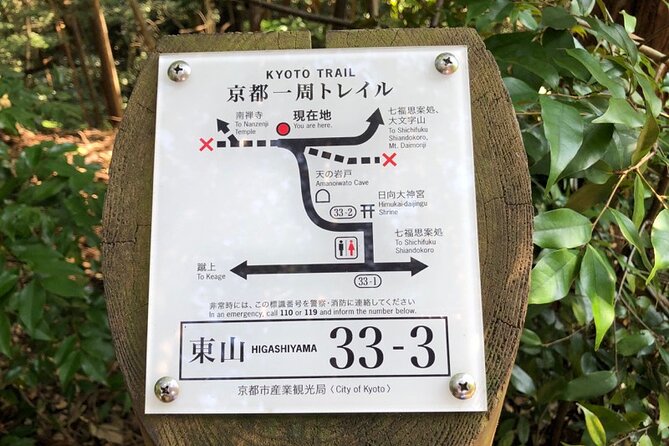
- 7.5 kilometers from Keage toward Mt. Daimonji: The route begins near Nanzenji and heads through Kyoto’s eastern hills toward Nyoigatake.
- Ninjutsu taught as a survival discipline: Expect lessons connected to breathing, walking, body movement, meditation, and mountain awareness.
- A private experience for your group: You do not share the activity with other participants, according to the tour details.
- Four to five hours on foot: The pace is intentionally slower than a normal three-hour walk so beginners can learn along the way.
- Guide Izo Sensei focuses on practical technique: Specific instruction has included breathing, movement efficiency, kuji-in protection, and proper manners at torii gates.
- Bring your own water and snacks: They are not included, and there is no restroom on board.
Why this Kyoto hike feels different
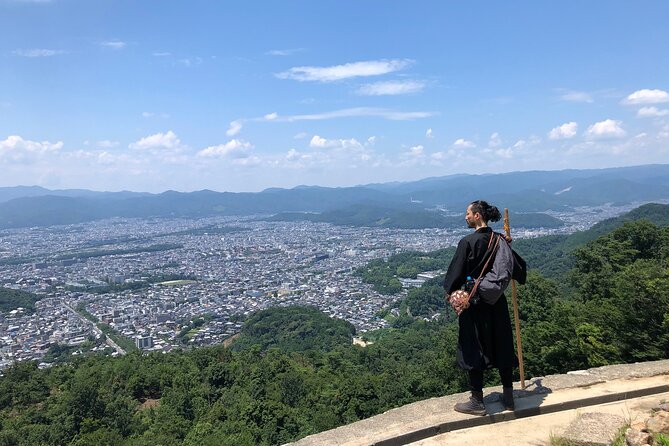
Many Kyoto excursions keep you close to polished temple grounds and busy lanes. This one shifts the attention to the wooded eastern hills. Mt. Daimonji is known to many visitors for its famous hillside bonfire character, but this experience presents the mountain as a place for training, reflection, and careful movement.
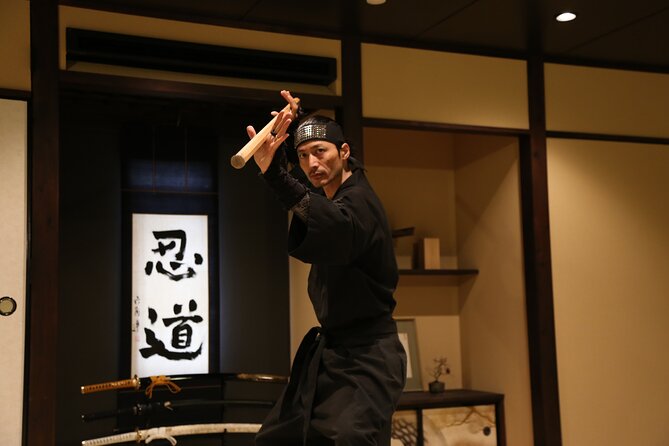
The word ninja can bring to mind theatrical costumes, weapons, and staged tricks. Here, the stated approach is broader. Ninjutsu is presented as a survival art that includes body control, breath work, mental training, meditation, and the practical wisdom needed to walk through mountain terrain.
That distinction matters. You should book this if you want to understand how ninja traditions connect with discipline and daily conduct. You may be disappointed if you expect nonstop action or a formal combat class on the trail.
The experience also has a spiritual side. Instruction can include the proper way to bow at a torii gate, methods connected with kuji-in, and small rituals for entering a mountain area. One participant also learned how to tie a marker at an entry point. These details give the walk a sense of structure, rather than making it just a hike with ninja branding.
More Half-Day Treks in Japan:
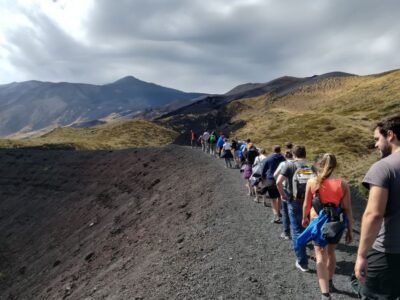
- From Taormina: Half-Day Mount Etna Morning Trek
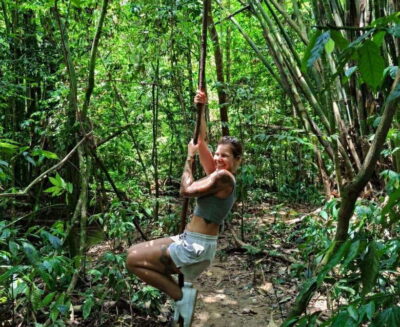
★ 4.9 · 504 reviews - Khao Sok: Private Waterfalls and Wildlife Half-Day Trek
★ 4.5 · 337 reviews - Llama Trek (Half-day) – Kaikoura Bay, Beaches & Seal Colony
★ 5.0 · 157 reviews
Starting at NINJA DOJO and STORE KYOTO
Your meeting point is NINJA DOJO and STORE KYOTO at 528 Hakurakutencho, 2F, in Kyoto’s Shimogyo Ward. The scheduled start is 10:00 a.m. The location is near public transportation, which helps, since private transportation is not included.
The meeting point is important for two reasons. First, it gives you a clear place to meet the guide before heading toward the mountain. Second, the provider’s name and setting frame the activity as more than a nature walk. You are beginning with a specialist experience connected to ninja culture, then carrying those ideas into the hills.
The supplied route description says the trek begins at Keage, near Nanzenji, rather than directly outside the dojo. Since no private transportation is included, you should confirm how your group reaches the trailhead before the day of the tour. The activity information also says the experience ends back at the meeting point, while the route description says the walk descends toward Ginkakuji. That is worth clarifying when you book, especially if you have evening plans.
Walking from Keage toward Mt. Daimonji
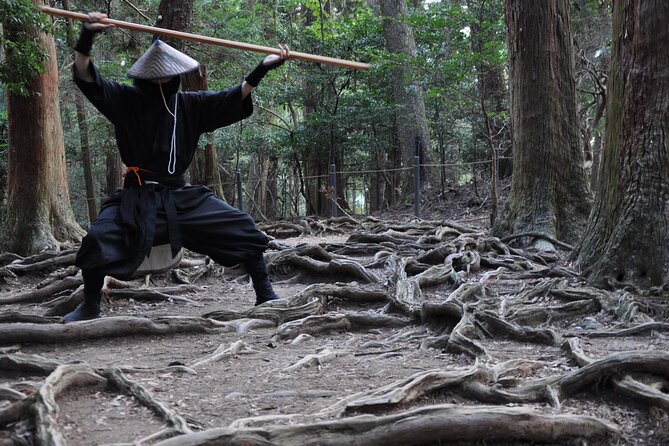
The route climbs from Keage, near Nanzenji, toward Daimonji and Nyoigatake before descending in the direction of Ginkakuji. At 7.5 kilometers, it is long enough to feel like a proper outing but not an all-day expedition.
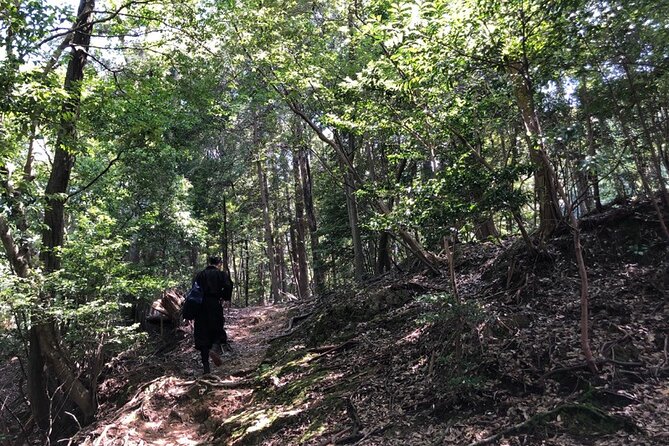
The description calls the route relatively gentle and safe. That does not mean flat. You will still climb and descend, and natural paths require more care than a paved Kyoto street. A moderate fitness level is required, and you should be comfortable walking for several hours.
The slower timing is one of the activity’s strongest points. A normal version of the route takes about three hours, but this experience allows roughly four hours so the guide can stop for instruction. That extra hour is not wasted time. It gives you room to adjust your breathing, improve your footwork, and pay attention to how you move uphill.
Guide Izo Sensei has been praised for showing how to walk with less wasted effort. A participant who was new to mountain walking found it helpful to have him lead the way and explain how to move. That makes the route more approachable for a first-time hiker, though it does not remove the need for sensible preparation.
What you learn on the trail
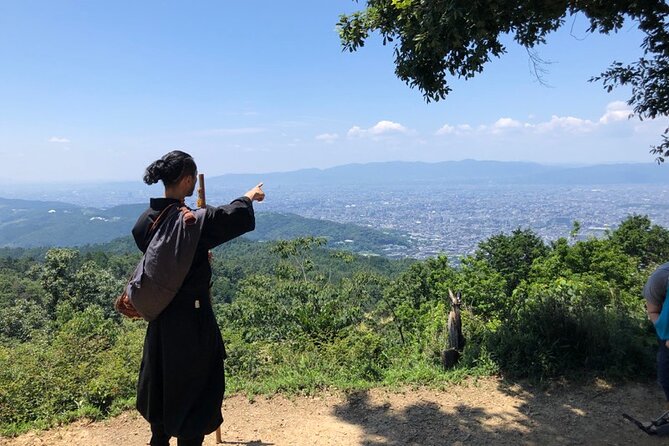
The teaching appears to be practical rather than theatrical. You may work on breathing methods, efficient movement, body control, mental focus, and forms of meditation. These skills fit the terrain because the mountain itself becomes part of the lesson.
Breathing is especially useful on an uphill route. A steady rhythm can help you avoid charging up the first slope and tiring too early. The activity’s focus on breath and efficiency should appeal to you if you like learning a technique you can use beyond the tour.
The walk may also cover kuji-in, a set of hand signs and spiritual practices associated with Japanese esoteric traditions. The available information does not promise a full study of kuji-in, so you should think of it as one part of the instruction rather than the entire program.
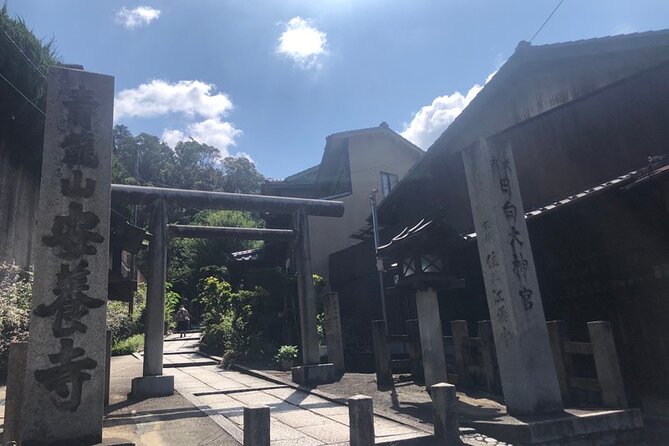
Manners are another unusual feature. You may learn how to bow before a torii and how to show proper respect when entering a sacred mountain area. These lessons connect the physical trek with Japanese customs, giving you a better sense of how conduct matters in religious and traditional spaces.
The instruction is not limited to exercise. It is also about attention. You are asked to notice your breath, your posture, your pace, and your relationship to the path. That can make a familiar hiking task feel more deliberate.
A few more treks around Japan worth a look
- Okinawa Jungle Trails & Waterfalls – Private Yanbaru Tour
★ 5.0 · 43 reviews - Sawanobori River Trekking Tour
★ 5.0 · 30 reviews - Private Local Hiking to enjoy the nature and culture of Mt.Fuji
★ 5.0 · 22 reviews - Frozen fall trekking
★ 5.0 · 21 reviews
The Mt. Daimonji section and the descent
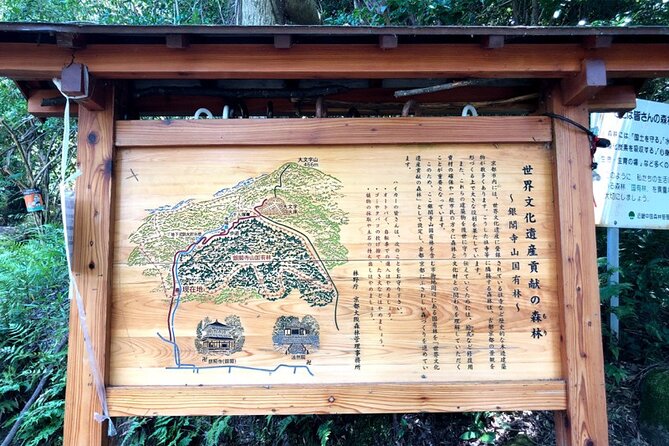
The activity description gives Mt. Daimonji one hour as a listed stop, with no admission charge. The mountain is part of Kyoto’s Higashiyama 36 peaks, a chain of hills that frames the eastern side of the city.
The appeal here is not a ticketed attraction or a single viewpoint. It is the chance to walk through a well-known Kyoto mountain area while receiving instruction from someone who treats the setting as a training ground. The route takes you away from the city’s formal sightseeing circuit and into a quieter part of Kyoto.
The descent toward Ginkakuji gives the outing a satisfying shape. You begin near Keage and Nanzenji, gain height through the hills, then walk down on the Ginkakuji side. The route description presents this as a continuous 7.5-kilometer course, not a collection of disconnected stops.
Do not assume the descent will be effortless. Downhill walking can be hard on the knees, especially after climbing. Good shoes and a steady pace matter. The provider says the route is suitable for beginners, but beginner-friendly does not mean suitable for every level of fitness.
The private format and group size
This is listed as a private activity, with only your group participating. That is a major advantage for families, couples, and friends who want to ask questions without holding up a larger group.
A private guide can also adapt the pace more easily. If you need a short pause to catch your breath or want more explanation about a particular practice, the setting should allow for that. Families with teenagers may find the ninja theme a useful way to turn a mountain walk into a shared challenge.
The private format also helps with the more personal parts of the experience. Breathing instruction, meditation, and spiritual etiquette can feel awkward in a large group. With only your own party present, you may be more willing to try unfamiliar movements or ask basic questions.
The tradeoff is cost. The listed price is $347.48 per person, although group discounts are available. For a solo participant, that is expensive for a four-to-five-hour walk. For a private group splitting the guide’s attention and receiving specialist instruction, the value is easier to defend, particularly if this is one of the main experiences in your Kyoto visit.
What the experience does not include
All fees and taxes are included, which keeps the basic price easier to understand. You do not need to budget for a separate mountain admission ticket.
You do need to provide several basics yourself:
- Bottled water
- Snacks
- Regular medication
- Transportation to the starting trail area, unless your booking arrangement says otherwise
There is also no restroom on board. Since this is a mountain activity, use facilities before leaving the city and carry what you need for several hours outside.
The advice to bring regular medication is simple but important. You should not rely on the guide or the provider to supply personal medical items. The tour description does not list food, drinks, or equipment as included, so plan conservatively.
Who will enjoy this most
I would recommend this to you if you want an active Kyoto experience with cultural instruction built into the walk. It suits people who enjoy martial arts, meditation, Japanese customs, mountain walking, or unusual family activities.
It is also a strong choice for a first mountain hike if you are reasonably fit and appreciate having a guide demonstrate pace and technique. The slower schedule and instruction can make the experience less intimidating than setting out alone.
Families with older children or teenagers may enjoy the theme, particularly if museums and temples are beginning to blur together. The experience has enough physical challenge to feel memorable without requiring a full day in the mountains.
I would hesitate to recommend it if you want a relaxed sightseeing morning, a low price, or guaranteed access to snacks and facilities. It is also not ideal if you strongly dislike climbing, uneven trails, or several hours of physical activity.
How the experience has been received
The strongest praise centers on the guide and the sense of discovery. Izo Sensei has been described as friendly, interesting, and good at explaining breathing and efficient movement. That is exactly the kind of teaching that can turn a strenuous walk into a useful one.
The experience has also been especially well received by families and people already interested in martial arts. Some participants treated it as a highlight of a longer Japan trip, while others valued the spiritual practices and the chance to visit parts of Kyoto away from the main tourist routes.
The praise is not only about scenery. The best part seems to be the combination of physical activity and ideas you can carry home: how to breathe, how to walk more efficiently, how to show respect at a torii, and how to approach a mountain with greater attention.
There is one honest limitation in the feedback. One participant enjoyed the instruction but did not feel a strong ninja sensation throughout the walk. That is useful to know. The experience is likely to feel more like a guided cultural mountain practice than a dramatic ninja performance.
Booking, weather, and cancellation details
Confirmation is normally provided at booking. If you book within seven days of the activity, confirmation may arrive within 48 hours and depends on availability.
Free cancellation is available when you cancel at least 24 hours before the 10:00 a.m. start time. Cancellations or changes made less than 24 hours before the start are not refunded or accepted.
The activity requires good weather. If poor weather causes cancellation, you can receive a full refund or choose another date. The same options apply if the minimum number of participants is not reached.
Should you book the Mt. Daimonji ninja trek?
Book it if you want a private, active, and unusual Kyoto experience rather than another temple visit. The route, the slower pace, and the instruction from Izo Sensei make this more substantial than a themed photo opportunity.
The price is the deciding factor. At $347.48 per person, I would choose it only if your group values personal guidance and cultural instruction enough to make the cost worthwhile. Group discounts may improve the calculation.
Before booking, confirm the transportation plan to Keage and the exact ending point, since the supplied details refer both to Ginkakuji and a return to the meeting point. Bring water, snacks, medication, and proper walking shoes. If those conditions suit you, this can be a memorable way to connect Kyoto’s city culture with its mountain traditions.
FAQ
How long does the Mt. Daimonji ninja trekking tour last?
The experience takes approximately four to five hours. The walking route is about 7.5 kilometers, and the slower timing allows for instruction along the way.
What time does the tour start?
The scheduled start time is 10:00 a.m.
Where is the meeting point?
The meeting point is NINJA DOJO and STORE KYOTO, 528 Hakurakutencho, 2F, in Kyoto’s Shimogyo Ward.
Where does the trekking route go?
The route is described as starting at Keage near Nanzenji, climbing toward Mt. Daimonji and Nyoigatake, and descending toward Ginkakuji.
Is the activity suitable for beginners?
Yes, the route is described as relatively gentle and safe, and the extended four-hour pace is intended to help beginners participate. You should still have a moderate level of physical fitness.
Is this a private tour?
Yes. Only your group participates in the activity.
What is included in the price?
All fees and taxes are included.
Are water and snacks provided?
No. Bottled water and snacks are not included. There is also no restroom on board.
What happens if the weather is poor?
If the activity is canceled because of poor weather, you can receive a full refund or choose a different date.
Recently added around Japan
- Relax and refresh in Karuizawa Forest! Shinanoji down trekking around two people★ 4.0 · 2 reviews
- Mt. Inunaki Trekking and Goma Prayer Experience in Osaka★ 5.0 · 8 reviews
- Mt. Inunaki Trekking and Hot Springs in Izumisano, Osaka★ 5.0 · 3 reviews
- Matt Canyon River Trekking Nishiwaga Town, Iwate Prefecture★ 5.0 · 4 reviews
- Trekking Tour to Faith, Ancient Paths and the Falls from Hitachi★ 5.0 · 2 reviews
- Iriomote’s Adventure: Pinaisara Falls Canoe and Trekking Tour★ 5.0 · 7 reviews
- 3hours Primeval Forest and Stunning Views of Cliff Trekking Tour★ 5.0 · 20 reviews
- Shizuoka : Mt Fuji Secret Canyon River Trekking★ 5.0 · 6 reviews
Half-Day, compared.
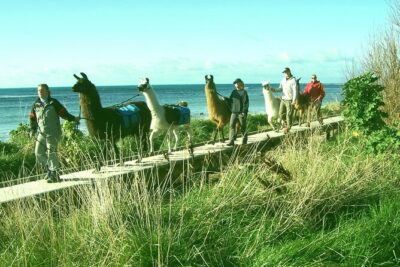
Llama Trek (Half-day) – Kaikoura Bay, Beaches & Seal Colony
Read our review →
Browse the lists this tour appears in