
REVIEW · JAPAN
Matt Canyon River Trekking Nishiwaga Town, Iwate Prefecture
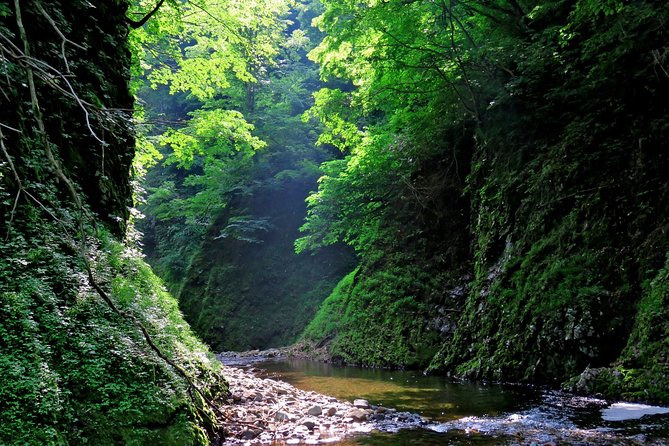
A river can reveal its secrets. In Nishiwaga, the seasonal drop in Nishikishu Lake exposes Mato Canyon, letting you walk along a riverbed that is usually hidden underwater. The three-hour private trek follows the Madoto River through shallow water, old bridges, narrow valleys, and summer wildlife.
I like the rare access to a submerged valley and the simple, active pace. You are not just looking at the canyon from a road or viewpoint. You walk through it, sometimes with water below your knees and, in one section, up to your waist. I also like that the tour is private, with only your group taking part. The main drawback is the setting itself: horseflies can be numerous in summer, and the tour is not a good match if you are uneasy on your feet, concerned about insects, or unprepared for a wet outing.
Key Points to Know Before Booking
- Walk a valley exposed by falling water: Mato Canyon appears when the reservoir drops during the dry season, usually from July through October.
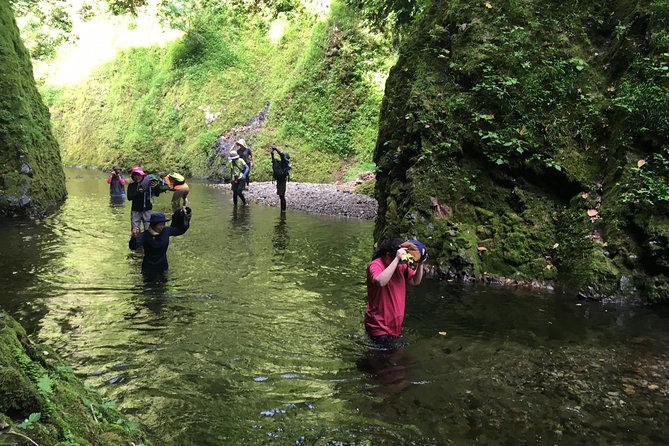
- Expect shallow river trekking: Most of the route has water below the knees, though one part may reach waist height.
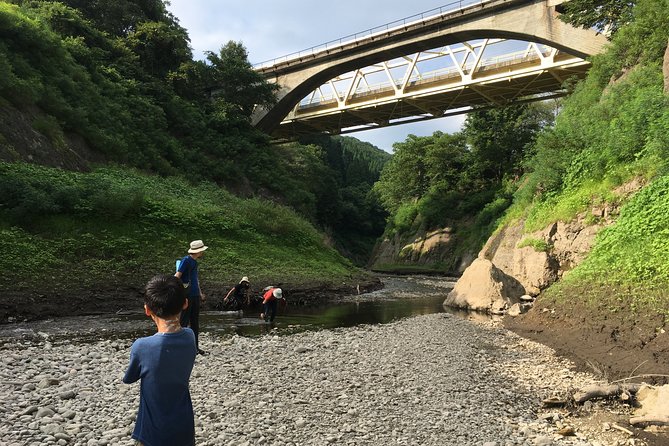
- See old structures from below: Bridges and sections of the valley emerge from the water before being covered again when the reservoir rises.
- Look for seasonal wildlife: The exposed riverbed supports summer plants and animals, including the possibility of unusual frogs.
- Enjoy a private three-hour outing: Only your own group participates, with the activity beginning and ending at 41 Chiwari-72 Kawashiri.
- Prepare for real outdoor conditions: Horseflies, uneven footing, and a possible encounter with snakes or bears are part of the setting, not a polished theme-park experience.
Why Mato Canyon Appears Only in Summer
The unusual timing is the heart of this experience. Nishikishu is an artificial lake with a changing water level. In spring, snowmelt fills the canyon, and the water can reach roughly 20 meters deep. During the dry season, the level falls by around 10 meters, exposing the Madoto River tributary and turning the hidden riverbed into a walkable valley.
That gives the trek a temporary quality. You are seeing a place that will later disappear beneath the reservoir. The route is not available in the same form all year, so the July to October window matters.
The canyon seen from below is also different from a normal riverside walk. You can look up at old bridges and valley walls from the riverbed instead of viewing them from above. The experience is shaped by water levels, weather, and the season’s plant and animal life.
I would not book this expecting a fixed display of sights. Nature decides what appears on the day. That uncertainty is part of the appeal, but it also means the exact walk can vary.
A few more treks around Japan worth a look
- Okinawa Jungle Trails & Waterfalls – Private Yanbaru Tour
★ 5.0 · 43 reviews - Sawanobori River Trekking Tour
★ 5.0 · 30 reviews - Private Local Hiking to enjoy the nature and culture of Mt.Fuji
★ 5.0 · 22 reviews
Meeting Guide Segawa Zen at the Kawashiri Start Point
The tour begins at 41 Chiwari-72 Kawashiri, Nishiwaga, Waga District, Iwate 029-5512, Japan, and returns to the same place. The location is near public transportation, though the supplied information does not give a detailed transit timetable or a transfer plan.
At the start, guide Segawa Zen, working with Nebiraki, greets the group and explains the outing. The pre-walk routine includes a safety briefing, paperwork, and insurance procedures. This is a useful part of the experience, since river trekking depends on conditions that can change quickly.
Because the activity is private, you will not be folded into a large mixed group. That can make the pace easier to manage and gives your guide more room to explain what you are seeing. It also suits a small family group or friends who want a more personal outdoor activity.
The tour lasts about three hours. That is long enough to get away from the meeting point and spend meaningful time in the canyon, but short enough to fit into a day of exploring Nishiwaga.
Walking the Exposed Madoto Riverbed
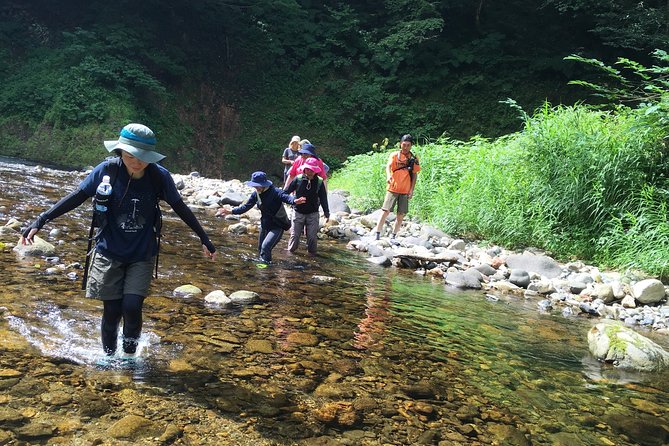
Once you reach the river, the route becomes a steady walk through water and along the exposed bottom of Mato Canyon. The water is generally below the knees, and the route has few major climbs. You rarely need to scramble over rocks or swim.
That makes this more approachable than a technical canyoning trip. You still need to watch every step, but you are not signing up for ropes, high climbs, or constant swimming. The physical challenge comes from moving through a wet, uneven river environment rather than from steep elevation gain.
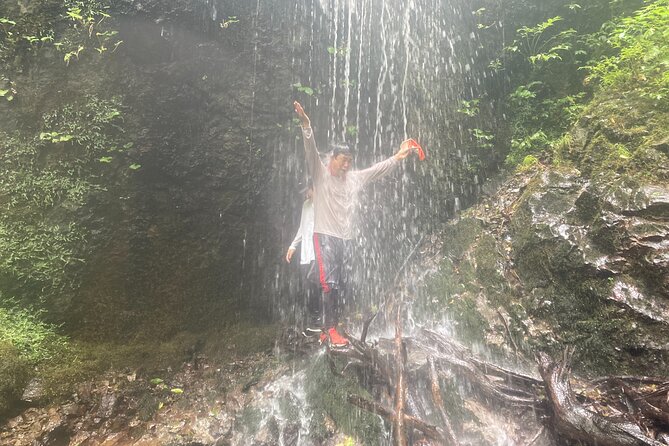
The water itself is part of the fun. One portion can reach the waist, so you should expect to get wet rather than trying to keep every item dry. The river flow may also let you briefly drift with the current, depending on the guide’s instructions and the conditions. A previous outing included swimming and standing under a waterfall, but these are not the main promise of the tour. The core activity is walking along the shallow riverbed.
This distinction matters. If you want a gentle nature walk with dry shoes, choose another activity. If you like the idea of a guided wet-weather adventure without a demanding climb, this outing is a good middle ground.
Old Bridges and a Valley Below the Reservoir
The most unusual sights are the structures and valley forms revealed by the low water. Old bridges emerge from the bottom of the reservoir, along with sections of the canyon that are normally submerged.
Walking beneath or beside these features gives the route a strong sense of scale. A bridge viewed from a road is familiar. A bridge appearing above you in a temporary river valley feels different. The changing waterline also helps explain how the reservoir works in a way that a signboard never could.
The route is not presented as a succession of formal stops. It is better understood as a moving observation walk. You follow the river, pause for natural features, and take in the canyon from angles that are impossible during the high-water months.
There are not many ups and downs, which helps keep the outing focused on the river rather than on a strenuous hike. Still, the lack of steep climbing does not mean the footing is effortless. Water, stones, and current require attention.
Same trailhead, a longer or shorter day out:
- Frozen fall trekking
★ 5.0 · 21 reviews - 3hours Primeval Forest and Stunning Views of Cliff Trekking Tour
★ 5.0 · 20 reviews - Mt. Inunaki Trekking and Goma Prayer Experience in Osaka
★ 5.0 · 8 reviews - Iriomote’s Adventure: Pinaisara Falls Canoe and Trekking Tour
★ 5.0 · 7 reviews
Summer Plants, Birds, Insects, and Unexpected Wildlife
The dry season exposes more than rock and old concrete. It also creates a temporary habitat for plants and animals that can be seen during summer. You may hear birds and cicadas as you move through the canyon, adding sound to the rush of the water.
A particularly memorable possibility is the white kajika frog, a small and unusual sight that guide Segawa Zen has highlighted after an outing. Wildlife sightings are never guaranteed, but the guide’s role is important here. You are more likely to notice small creatures when someone familiar with the area is paying attention.
You should also take the less charming wildlife seriously. The area can have large numbers of horseflies, especially during certain periods. One summer outing was affected by a remarkable number of them. Bears and snakes were also mentioned as early concerns during a trek, though the main point is not to frighten you. This is a genuine outdoor setting, and you should listen carefully to the guide’s safety instructions.
If insects quickly ruin your day, bring that concern into your booking decision. The canyon may be beautiful, but nature does not remove the bothersome parts for your convenience.
How Difficult Is the Three-Hour Trek?
The supplied information describes few steep sections, little rock climbing, and no regular swimming. Most of the water is below the knees, with one deeper section reaching the waist. That puts the trek within reach of many active participants, but it is not suitable for everyone.
You should be comfortable walking on wet and uneven ground. The experience is specifically not recommended for people who feel anxious about their legs. That warning deserves attention. Even a shallow river can feel unstable when stones shift or the current presses against your legs.
The tour is also not recommended for people with anaphylactic shock. The outdoor setting includes insects and other natural hazards, so anyone with serious allergy concerns should consider the risk carefully before booking.
The route’s private format may help if you need a little more time or reassurance. Still, private does not mean risk-free or fully customizable. You remain in a river environment, and weather and water conditions control what is possible.
What the $49.70 Price Buys You
At $49.70 per person, this is priced below many full-day outdoor adventure activities. You are paying for roughly three hours, a guide-led route, access to an unusual seasonal setting, and a private group arrangement.
The value comes less from the distance covered and more from the access. Without a guide, the exposed riverbed would be easy to misunderstand and potentially unsafe to explore. The guide helps you move through the water, recognize the seasonal features, and understand why the canyon is visible only during part of the year.
I think the price makes the most sense for visitors who already value unusual outdoor experiences. You are not paying for a long list of included attractions. You are paying for a short window into a place that is normally underwater.
For a group, private participation can also make the cost feel more reasonable. You are not sharing the route with strangers, and the activity can feel more relaxed than a large commercial rafting trip. The price does not appear to include a café stop or a meal, so treat any visit to the Nebiraki Café as a separate part of your day unless confirmed otherwise.
Weather, Seasonal Timing, and What to Expect
This activity requires good weather. If poor weather cancels the tour, you are offered a different date or a full refund. That policy is useful because river conditions should not be treated casually.
You can cancel for a full refund up to 24 hours before the start time. Cancellations or changes made less than 24 hours in advance are not accepted for a refund. Since confirmation is sent within 48 hours and remains subject to availability, you should avoid building a tightly packed schedule around the trek until your booking is confirmed.
The main season is July through October, when the water is low enough for the canyon walk. Spring is a very different story, with snowmelt filling the canyon and water reaching about 20 meters deep. Do not assume the walk is available simply because you are visiting during a warm month. The water level and weather still matter.
Bring a practical attitude toward getting wet. The information does not specify equipment or clothing requirements, so confirm those details with the provider before setting out. At a minimum, you should be prepared for water below the knees, one waist-deep section, and a riverbed that may be slippery.
Is This Private River Trek Right for You?
I would recommend Mato Canyon to you if you want a small-scale outdoor activity with a strong local character. It suits people who enjoy unusual geology, seasonal changes, shallow-water walking, and wildlife that cannot be guaranteed or staged.
It is especially appealing if you have already seen conventional viewpoints and want to experience the area from a different angle. The chance to walk beneath old bridges and through a valley normally covered by a reservoir gives the three hours a clear purpose.
I would be more cautious if you dislike insects, are worried about your legs, or want a dry and predictable excursion. Horseflies may be plentiful. Water can reach your waist. Weather can cancel the day. Those are not minor footnotes; they define the experience.
Afterward, you may want to stop at the Nebiraki Café for cake and coffee. That café visit is separate from the river trek, but it offers a pleasant way to finish an active morning or afternoon.
FAQ
Where does the Matt Canyon river trek begin?
It begins at 41 Chiwari-72 Kawashiri, Nishiwaga, Waga District, Iwate 029-5512, Japan.
Where does the activity end?
The trek ends back at the meeting point.
How long does the experience last?
The activity lasts approximately three hours.
What time of year can I walk through Mato Canyon?
The river trekking is associated with the dry season, generally from July through October, when the water level falls enough to expose the valley.
How deep is the water?
Most of the walk is in water below the knees. One section may reach up to the waist.
Do I need to swim or climb rocks?
You rarely need to swim or climb rocks. The route has few ups and downs, although the water and riverbed still require careful footing.
Is this a private tour?
Yes. Only your group participates in the activity.
Is the experience suitable for everyone?
Most people can participate, but it is not recommended for people with anaphylactic shock or those who feel anxious about their legs.
What happens if bad weather cancels the tour?
You will be offered a different date or a full refund if the activity is canceled because of poor weather.
Should You Book Mato Canyon River Trekking?
Book it if you want a short, unusual adventure and are happy to get wet. The seasonal riverbed, submerged bridges, private format, and chance to see summer wildlife give this outing far more character than a standard walk.
Skip it if horseflies, uneven footing, waist-deep water, or uncertain weather would overshadow the fun. For the right person, $49.70 is a fair price for access to a canyon that appears only when the reservoir drops.
Recently added around Japan
- Ninja Trekking half-day tour at Mt.Daimonji Kyoto★ 5.0 · 6 reviews
- Relax and refresh in Karuizawa Forest! Shinanoji down trekking around two people★ 4.0 · 2 reviews
- Mt. Inunaki Trekking and Goma Prayer Experience in Osaka★ 5.0 · 8 reviews
- Mt. Inunaki Trekking and Hot Springs in Izumisano, Osaka★ 5.0 · 3 reviews
- Trekking Tour to Faith, Ancient Paths and the Falls from Hitachi★ 5.0 · 2 reviews
- Iriomote’s Adventure: Pinaisara Falls Canoe and Trekking Tour★ 5.0 · 7 reviews
- 3hours Primeval Forest and Stunning Views of Cliff Trekking Tour★ 5.0 · 20 reviews
- Shizuoka : Mt Fuji Secret Canyon River Trekking★ 5.0 · 6 reviews
Japan Trekking Tours, compared.
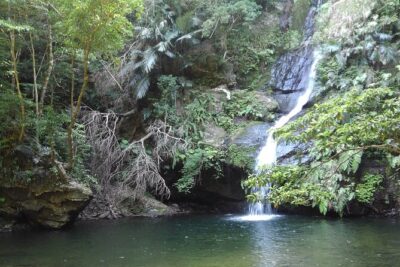
Okinawa Jungle Trails & Waterfalls – Private Yanbaru Tour
Read our review →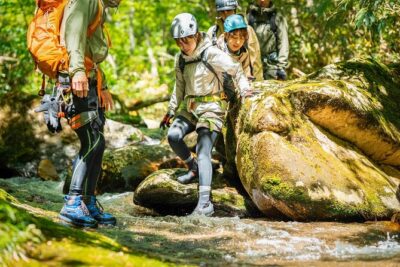
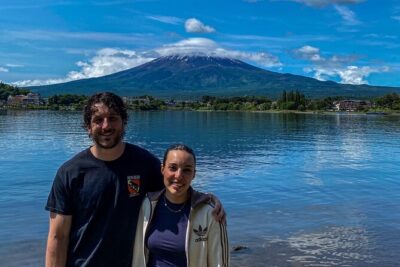
Private Local Hiking to enjoy the nature and culture of Mt.Fuji
Read our review →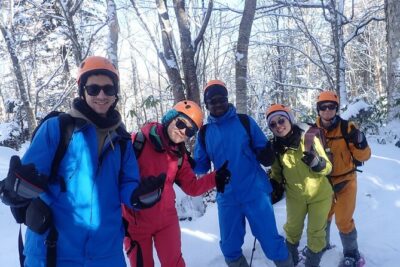
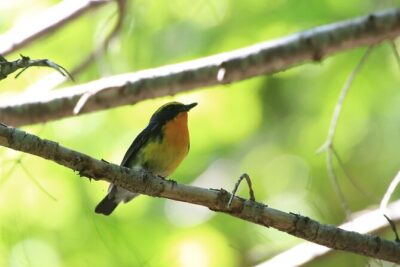
3hours Primeval Forest and Stunning Views of Cliff Trekking Tour
Read our review →
Mt. Inunaki Trekking and Goma Prayer Experience in Osaka
Read our review →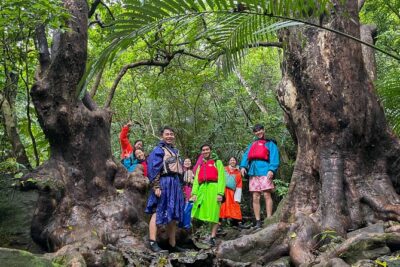
Iriomote’s Adventure: Pinaisara Falls Canoe and Trekking Tour
Read our review →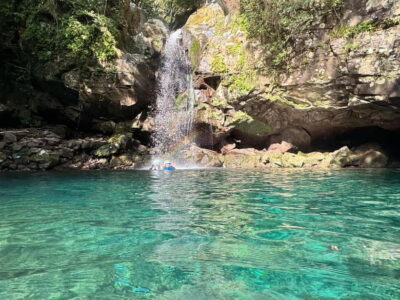
Browse the lists this tour appears in