
REVIEW · JAPAN
3hours Primeval Forest and Stunning Views of Cliff Trekking Tour
Wild Hokkaido starts beyond the road. This three-hour forest walk takes you into Shiretoko National Park along animal tracks, then out toward cliffs more than 100 meters high and a graceful waterfall. I like the small group limit of eight and the fact that rainwear, rubber boots, and binoculars are included. The main consideration is weather: this is a good-weather activity, and the forest can be muddy or demanding enough to require moderate fitness.
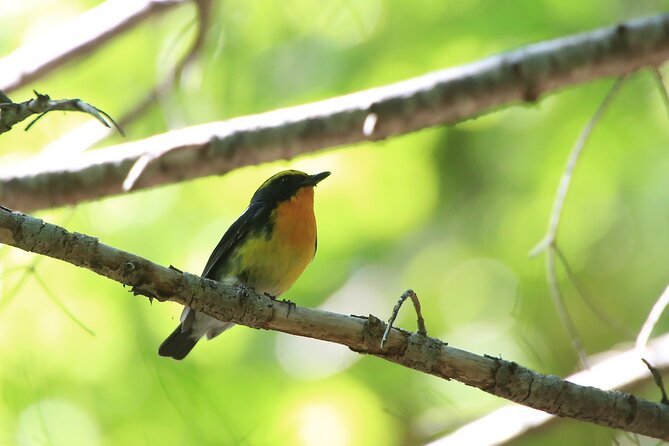
The strongest part of the experience is the guide. Makoto, Yuki, Kato, Yusuke, Yuriko, Ako, and other Picchio guides have been praised for clear English, humor, care, and their ability to spot wildlife and explain the forest. I also like that the route offers a quieter side of Shiretoko than the famous viewpoints, though wildlife sightings are never guaranteed.
Key points at a glance
- Three hours on foot: The walking portion takes you through primeval forest on paths linked to native animal activity.
- Cliffs over 100 meters high: The route includes striking sea views, a waterfall, and a dramatic cliffline.
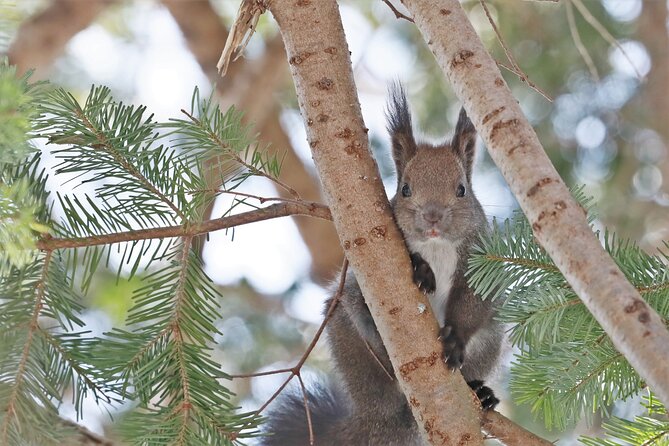
- Wildlife country: Deer, birds, bear tracks, and even occasional bear sightings are possible, with safety guidance from your guide.
- Useful equipment included: Rainwear, rubber boots, and binoculars are supplied at no extra charge.
- Small groups of up to eight: The group size suits a quiet nature walk and allows more time for questions.
- Good value at $53.73: For a guided forest outing with equipment and possible pickup, the price is fair for Shiretoko.
Entering Shiretoko’s primeval forest
The meeting point is the Shiretoko National Park Nature Center at 531 Onnebetsumura, Shari, in eastern Hokkaido. This is a sensible starting place because it puts you close to the protected forest and gives the guide a clear base for checking conditions and preparing equipment.
The experience lasts about three and a half hours, with roughly three hours spent walking. That is long enough to get well beyond a quick roadside viewpoint, but short enough to fit into a busy Shiretoko itinerary. You return to the same meeting point, so you do not need to arrange a separate pickup at the end.
The route follows signs of animal movement through the forest. That does not mean you are walking on a formal wildlife trail with guaranteed sightings. Instead, you are looking for the small clues that make a protected forest feel alive: tracks, sounds, movement, feeding areas, and changes in the vegetation. Your guide helps you notice what you would probably pass by alone.
This is where the tour earns its price. Shiretoko’s forests can look simple at first glance, especially in poor weather or low light. A guide adds meaning to the setting by explaining how animals use it and why certain parts of the forest matter.
A few more treks around Japan worth a look
- Okinawa Jungle Trails & Waterfalls – Private Yanbaru Tour
★ 5.0 · 43 reviews - Sawanobori River Trekking Tour
★ 5.0 · 30 reviews - Private Local Hiking to enjoy the nature and culture of Mt.Fuji
★ 5.0 · 22 reviews
Wildlife tracks, deer, birds, and bear country
Shiretoko is bear country, and the guides treat that fact seriously. One outing included a quick bear sighting followed by an immediate, controlled move to safety. That is a useful reminder that this is not a staged animal encounter. The forest belongs to the wildlife, and your guide’s job is to keep the group alert and safe.
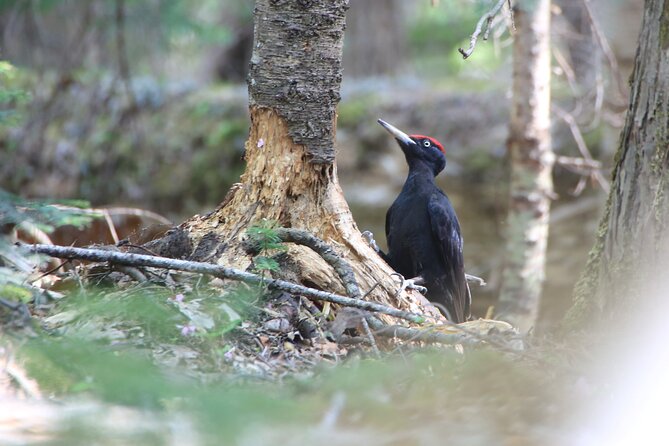
You might also see deer, eagles, smaller birds, and a black woodpecker. Several outings produced deer sightings, while a winter walk brought views of deer, eagles, and the woodpecker, along with many bear tracks in the snow. These moments depend on season, weather, and luck, so you should book the walk for the forest itself rather than for a promised animal checklist.
Binoculars are supplied, which is a thoughtful touch. They give you a better chance to examine birds or distant movement without approaching wildlife. The guides also appear to be good at spotting details first, then helping you see them.
The educational side is just as important. Guides have explained forest ecology, animal behavior, local history, and bear awareness in both Japanese and English. Kato was praised for making the walk informative and entertaining, while Yuki has been described as friendly, careful, and fluent in English. Makoto, also called Mark by some English-speaking visitors, has a reputation for humor and strong knowledge of the area.
You should still expect quiet stretches. A primeval forest is not a zoo, and there may be periods when the main reward is the atmosphere, not a sighting. For many people, that is exactly the point.
The cliffline and waterfall finish
The walk does not stay under the trees. One of its best payoffs is the view toward a cliff more than 100 meters high, with a waterfall adding movement to the rock face. The combination of forest, open sea, cliffline, and falling water gives the route a strong sense of scale.
This section helps balance the slower forest walking. In the trees, your attention turns inward toward tracks and sounds. At the cliff viewpoint, the view opens up and you can take in the size of the Shiretoko coast.
The exact appearance will depend on cloud, rain, season, and visibility. In wet weather, the waterfall may look more forceful, but the sea view can be less clear. On a bright day, the cliffline and ocean should provide the broadest views of the walk. A guide can also place the scenery in context, rather than leaving you with a quick photo stop and no explanation.
The route’s contrast is a real strength. You get the quiet of an old forest and the drama of the coast in one outing. If you have already visited the well-known Shiretoko Five Lakes or Furepe Waterfall, this walk offers a different way to understand the park, with more focus on the forest between the headline sights.
Why the guide makes such a difference
The guide is not simply there to lead the group from point to point. You are entering an area where the interesting details can be easy to miss and where safety depends on attention. A good guide changes the pace, points out animal signs, and explains what you are seeing without turning the walk into a lecture.
The strongest praise has gone to guides who combine information with personality. Yusuke has been described as funny and animated, while Mark has been praised for humor, strong English, and a willingness to spend extra time on the route. Yuriko was noted for clear explanations of the forest and animals, and Ako handled a weather-related schedule change with care.
Guide assignments can vary, so you cannot book a specific person based on the information provided. Still, the repeated pattern is encouraging: Picchio’s English-speaking guides appear to be a major reason the experience works well for international visitors.
The small group cap matters here. With no more than eight people, it should be easier to hear explanations, stop for binocular viewing, and ask questions. One outing became a private walk because only one booking had been made that afternoon. That will not happen every time, but a small group gives you a better chance of a personal experience than a large coach-style excursion.
Same trailhead, a longer or shorter day out:
- Frozen fall trekking
★ 5.0 · 21 reviews - Mt. Inunaki Trekking and Goma Prayer Experience in Osaka
★ 5.0 · 8 reviews - Iriomote’s Adventure: Pinaisara Falls Canoe and Trekking Tour
★ 5.0 · 7 reviews - Ninja Trekking half-day tour at Mt.Daimonji Kyoto
★ 5.0 · 6 reviews
Rainwear, rubber boots, and the mud question
You do not need to bring special outdoor equipment. Rainwear, rubber boots, and binoculars are included, which keeps the cost and packing list under control. This is especially useful if the forest walk is only one part of a larger Hokkaido trip and you do not want to carry hiking gear across Japan.
The rubber boots are practical rather than glamorous. Some outings have involved muddy ground, especially after rain. One person felt boots were not necessary after a dry spell, but that is not a reason to leave them out. Conditions can change, and wet forest soil is not a place for casual shoes.
Wear comfortable clothing that can handle dirt and changing weather. The provided gear deals with rain and wet ground, but you still need to arrive ready for three hours on foot. The tour asks for a moderate level of physical fitness, so it is not designed as a fully effortless stroll.
The walking experience may feel easy to some people and more tiring to others. The available comments describe it as an easy walk in some conditions, but the length, mud, and natural ground mean you should not treat it like a paved sightseeing route. If you have balance or mobility concerns, the supplied information does not provide enough detail to confirm suitability. Contact the operator before booking.
Weather, seasons, and changing conditions
The activity requires good weather. If poor weather forces cancellation, you are offered another date or a full refund. One guide also allowed a change to the following day when conditions were bad, which shows the value of keeping some flexibility in your Shiretoko schedule.
Rain does not automatically ruin the experience. One outing in wet weather was still memorable, thanks to the forest atmosphere and the guide. Rain can make the woods feel more mysterious and can improve the waterfall, but it may also reduce visibility and make the footing slick.
Spring can still be cold. An April outing took place after the drift ice had disappeared, but temperatures remained low. Winter brings a very different version of the forest, with snow, animal tracks, and possible sightings of deer, eagles, and a black woodpecker. Summer gives you greener forest and generally more comfortable walking, though wildlife remains unpredictable.
I would avoid booking this as your only Shiretoko plan if your schedule is tight. Weather can affect the activity, and a flexible day gives you a better chance of taking the walk in worthwhile conditions.
Is $53.73 a fair price?
At $53.73 per person, this is a reasonable price for a guided three-hour forest experience in one of Japan’s most protected natural areas. You are not paying only for a walk. The price includes an experienced nature guide, small-group access, rainwear, rubber boots, binoculars, and the benefit of local safety knowledge in bear country.
Pickup is offered, but the stated meeting point is the Shiretoko National Park Nature Center. Confirm the pickup details when you book rather than assuming door-to-door transport is included everywhere. Since the activity ends at the starting point, the logistics are simple once you arrive.
The value is strongest for visitors without their own outdoor gear or local knowledge. If you already have boots, rainwear, and a strong understanding of the park, you might see the price differently. Even then, the guide’s ability to find tracks, identify birds, explain bear behavior, and lead you safely through the forest adds something difficult to reproduce alone.
The tour is often booked around 30 days ahead. That suggests you should reserve early if your Hokkaido dates are fixed, especially during the more popular travel months. Confirmation arrives within 48 hours, subject to availability.
Who should book this walk?
This tour suits you if you want nature with explanation rather than a quick photo stop. It is a good fit for people who enjoy forests, birds, animal tracks, coastal views, and the chance of seeing wildlife without expecting a guaranteed encounter.
Families with older children may appreciate the three-hour length and included equipment, but the moderate fitness requirement still matters. The supplied information does not give a minimum age, so check with Picchio if you are booking for young children.
English-speaking visitors should find the tour accessible. Several guides, including Yuki, Makoto, Kato, Yusuke, and Yuriko, have been praised for explaining the area well in English. The tone seems friendly rather than formal, with humor and conversation playing a real role.
This is less suitable if you want a predictable route, a guaranteed bear sighting, or a completely dry, paved walk. It is also not the best choice for a schedule with no room for weather changes.
Booking, cancellation, and practical timing
You can cancel up to 24 hours before the local start time for a full refund. Cancellations or changes made less than 24 hours ahead are not accepted for a refund. If poor weather cancels the activity, you are offered a different date or a full refund.
Arrive at the Shiretoko National Park Nature Center ready to walk and prepared for changing conditions. Since equipment is supplied, you can focus on comfortable clothing and a moderate level of fitness rather than buying a full hiking kit.
Keep your phone ticket available, and allow the full three and a half hours rather than planning another activity immediately afterward. The walking time is about three hours, but gear fitting, safety guidance, and the return to the nature center all take part of the outing.
Should you book the Shiretoko forest and cliff trek?
I would book it if you want to see Shiretoko beyond its famous viewpoints. The mix of animal tracks, old forest, bear-country awareness, sea cliffs, waterfall, and strong English-speaking guides gives the outing real substance.
Book with flexible timing if possible, and bring a willingness to get muddy. Do not book it solely to see a bear or a particular bird. Book it for the chance to understand the forest, move through it safely, and reach a powerful coastal view with someone who knows what to look for.
FAQ
How long does the tour last?
The experience lasts approximately three hours and 30 minutes, including about three hours of walking.
Where does the tour begin?
It begins at the Shiretoko National Park Nature Center, 531 Onnebetsumura, Shari, Shari District, Hokkaido 099-4356, Japan.
Where does the tour end?
The activity ends back at the meeting point at the Shiretoko National Park Nature Center.
Is pickup available?
Pickup is offered, but the provided information does not specify the pickup locations or times. Confirm the details when booking.
What equipment is included?
Rainwear, rubber boots, and binoculars are provided at no additional charge.
How many people can join the tour?
The maximum group size is eight people.
What fitness level is required?
You should have a moderate level of physical fitness for the three-hour forest walk.
What happens if bad weather cancels the tour?
You will be offered a different date or a full refund if the activity is canceled because of poor weather.
Recently added around Japan
- Ninja Trekking half-day tour at Mt.Daimonji Kyoto★ 5.0 · 6 reviews
- Relax and refresh in Karuizawa Forest! Shinanoji down trekking around two people★ 4.0 · 2 reviews
- Mt. Inunaki Trekking and Goma Prayer Experience in Osaka★ 5.0 · 8 reviews
- Mt. Inunaki Trekking and Hot Springs in Izumisano, Osaka★ 5.0 · 3 reviews
- Matt Canyon River Trekking Nishiwaga Town, Iwate Prefecture★ 5.0 · 4 reviews
- Trekking Tour to Faith, Ancient Paths and the Falls from Hitachi★ 5.0 · 2 reviews
- Iriomote’s Adventure: Pinaisara Falls Canoe and Trekking Tour★ 5.0 · 7 reviews
- Shizuoka : Mt Fuji Secret Canyon River Trekking★ 5.0 · 6 reviews
Japan Trekking Tours, compared.
Okinawa Jungle Trails & Waterfalls – Private Yanbaru Tour
Read our review →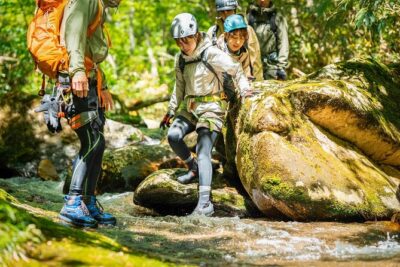

Private Local Hiking to enjoy the nature and culture of Mt.Fuji
Read our review →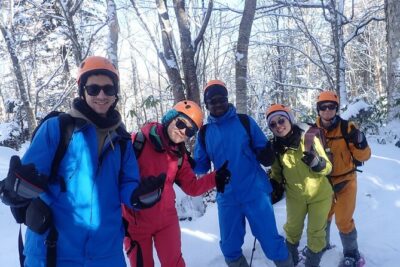

Mt. Inunaki Trekking and Goma Prayer Experience in Osaka
Read our review →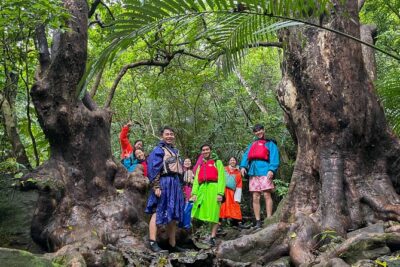
Iriomote’s Adventure: Pinaisara Falls Canoe and Trekking Tour
Read our review →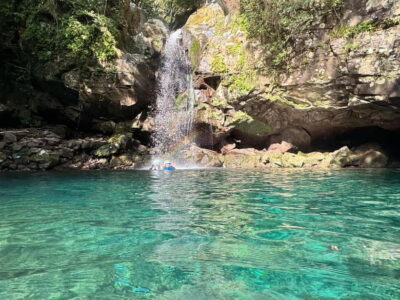
Ninja Trekking half-day tour at Mt.Daimonji Kyoto
Read our review →Browse the lists this tour appears in