
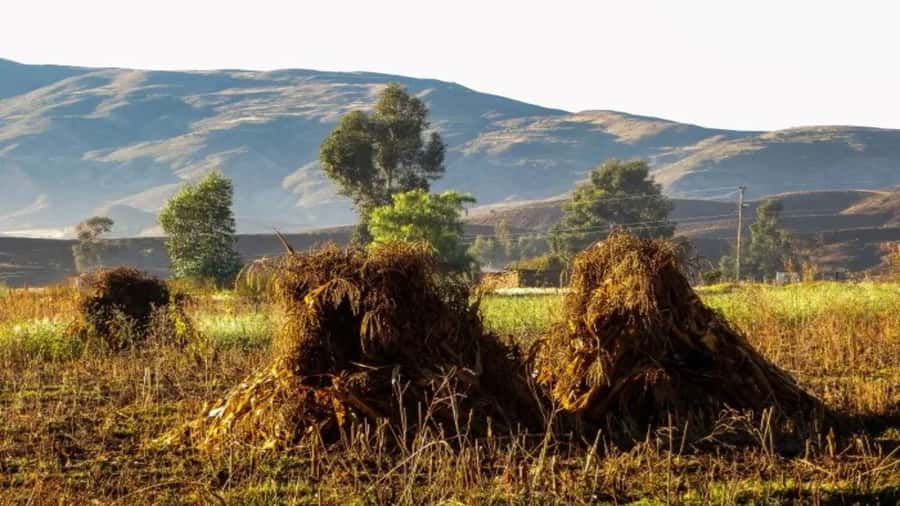
REVIEW · CHUQUISACA DEPARTMENT, BOLIVIA
Sucre: 1-Day Trek in the Crater of Maragua and Inca Trails
Ancient paths, colorful cliffs, and dinosaur tracks await. This full-day trip from Sucre combines a 12th-century Inca trail with the dramatic Maragua Crater, a vegetarian lunch, Jalqa culture, and a close look at prehistoric footprints. I like the steady mix of walking and driving, and I like that the guide adds local context instead of treating the day as a quick photo stop.
The main caution is the road. You spend several hours in a private jeep or SUV, and parts of the route can be bumpy. The walk reaches roughly 2,800 to 3,000 meters, so you need decent shoes, sun protection, and enough energy for about five hours on foot. The tour has earned a strong 4.8 rating from 75 bookings, with guides such as Pablo, Walter, Lizandro, Dinelsa, and Lee receiving especially warm praise.
Key points to know before you go
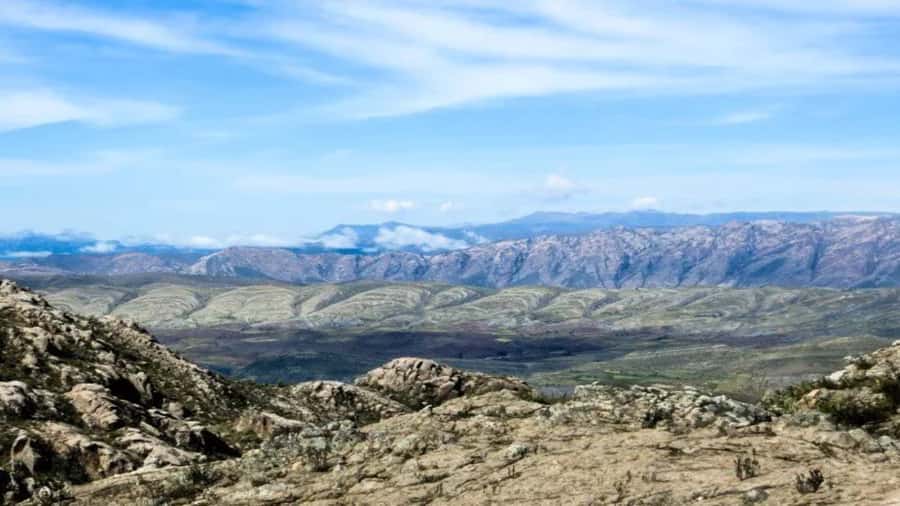
- The walk begins at Chataquilla: A one-hour drive from Sucre brings you to a colonial chapel and the start of the Inca trail.
- The route is mostly downhill: The hiking is active but not described as highly difficult, making it a good choice for fit visitors who prefer a day hike rather than a major mountain trek.
- Maragua brings the color: The crater area is known for striking, folded mountains and the rock formation called La Garganta del Diablo.
- Lunch is included: You receive a vegetarian meal in the Maragua area, with several visitors praising its taste.
- Dinosaur footprints are part of a full afternoon: You spend about two hours at the footprint site, not just a few minutes taking a photograph.
- Jalqa culture adds depth: If a weaver is available, she may explain the patterns and techniques of this local textile tradition.
Why this Sucre day trip is worth your time
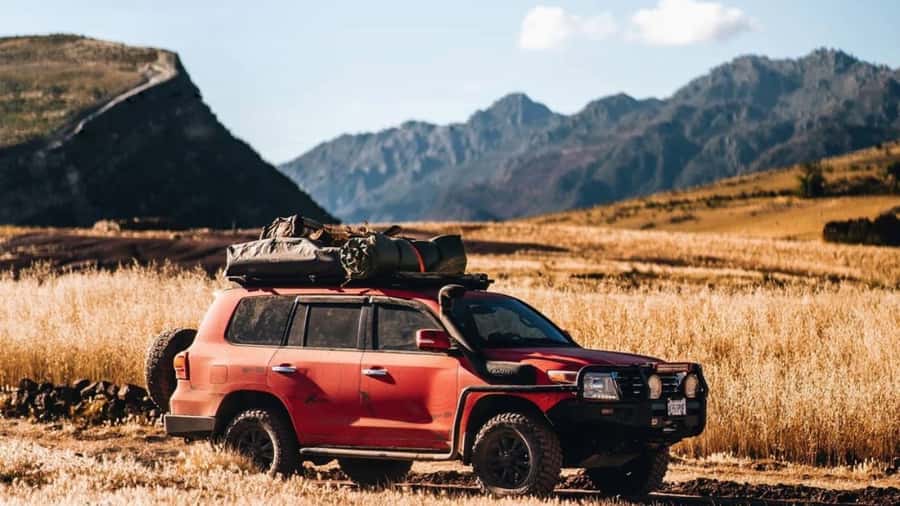
Sucre is known for its white colonial center, but the countryside around the city gives you a very different view of Chuquisaca Department. This trip moves through dry mountain country, small settlements, old footpaths, and folded rock formations that can look almost painted from a distance.
What makes the day useful is its range. You are not asked to spend ten hours doing only one thing. The morning gives you history and exercise, Maragua gives you geology and scenery, and the afternoon adds a rare paleontological stop. Along the way, your guide can explain local plants, animals, indigenous life, and regional history.
I also like the private transport. It lets you cover ground that would be difficult to reach on foot in one day. You hike the most interesting sections, then return to the vehicle for the longer transfers. That balance is one reason this works well if you have limited time in Sucre.
The $94 price is not cheap by Bolivian day-trip standards, but it includes hotel pickup and drop-off, private transportation, an English or Spanish-speaking guide, lunch, and about $10 in entry fees. For a long day with several major stops, that is a fair package, particularly if you value having a dedicated driver and guide rather than arranging separate transport.
More Volcano Treks in the world:
- Mount Etna: Trek to 3000m with cable car and 4×4
★ 4.6 · 3,823 reviews - Mount Etna: Summit Crater Trek with Cable Car
★ 4.8 · 1,875 reviews - La Palma: Tajogaite Volcano Guided Trek
★ 4.8 · 1,810 reviews
From Sucre to Chataquilla’s colonial chapel
Pickup is scheduled for around 8:30 in the morning, with a one-hour drive from your hotel in Sucre to Chataquilla. You should wait in the hotel lobby about five minutes before the planned pickup time, though the departure hour can change with the weather.
Chataquilla is more than a place to stretch your legs. Its colonial chapel marks the beginning of the walking portion, and the setting gives you a sense of how roads and religious sites once linked scattered communities. The stop includes a visit and guided explanation, with roughly 30 minutes here before you begin the trail.
Bring water from Sucre. Water is not included, and breakfast and snacks are also your responsibility. A small meal before departure is sensible because lunch comes later, after the morning walk.
Walking the old Inca trail for two and a half hours
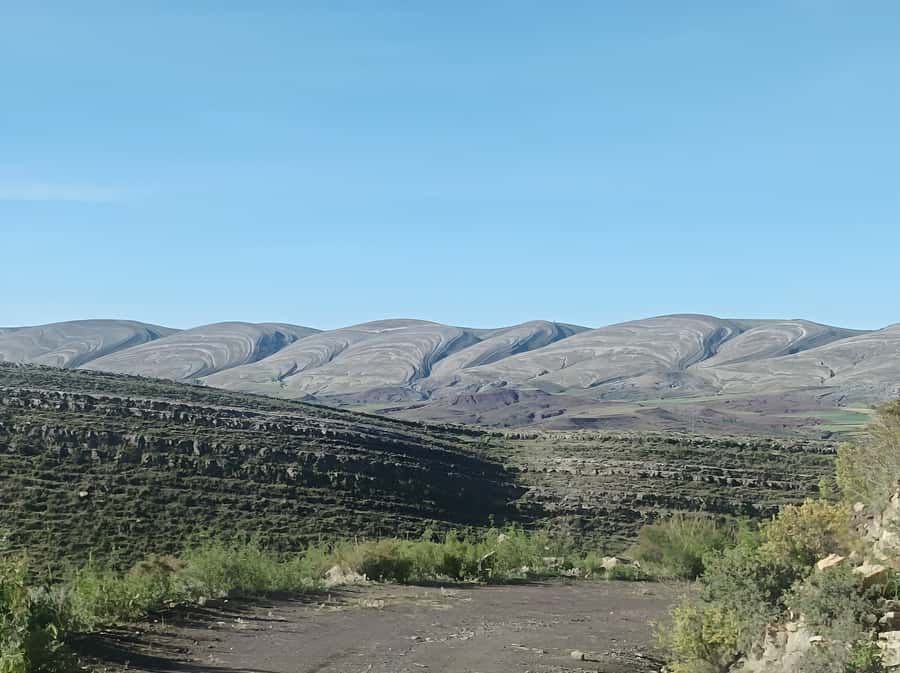
The main morning section follows an old Inca route. The walking time is listed at about two to two and a half hours, and the full day includes roughly five hours on foot once the other short walks are counted.
This is the part of the trip that gives the day its strongest sense of place. You are following a built route used long before modern roads crossed the region. The guide can help you understand how the path fits into local history, rather than leaving you with only a scenic hike and a few photographs.
The route is generally described as downhill, which makes it less punishing than a steep ascent. Still, downhill walking can tire your knees, especially on uneven stone or dirt. Wear proper hiking shoes, not casual sneakers, and take care on loose sections.
The altitude matters. Most trekking takes place between 2,800 and 3,000 meters above sea level. That is not extreme compared with Bolivia’s highest destinations, but it can affect you if you have just arrived in the country or are not used to mountain walking. Keep your pace steady and use sunscreen. The high-altitude sun can feel strong even when the air is cool.
The trail is a good fit for people who want real exercise without a technical hike. It is not suitable for wheelchair users, people with mobility impairments, pregnant women, or children under nine.
Chaunaca and the switch from trail to road
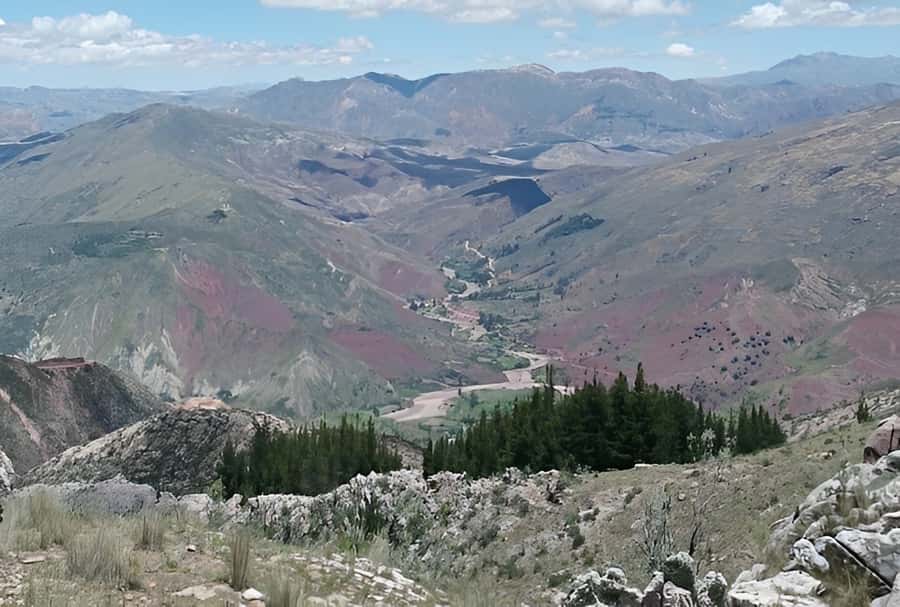
After the Inca trail, the route reaches Chaunaca. The stop is short, around 15 minutes, but it helps connect the walking route with the communities and countryside around Maragua.
At this point, you return to the jeep or SUV for about 40 minutes. The vehicle is practical rather than luxurious. One visitor specifically found the jeep somewhat old and the roads bumpy, so you should expect a working mountain vehicle, not a smooth tourist coach.
That rough road is part of the trade-off for reaching this area in one day. You gain access to remote sights without arranging several separate transfers, but comfort is limited on some stretches. If you are prone to motion sickness, sit where you feel most stable and keep water close.
More One-Day Treks in the world:
- From Sapa: 1-Day Guided Trek to Lao Chai & Ta Van with Lunch
★ 4.9 · 416 reviews - Sapa 1 Day Long Trek: Trek to Hau Thao and Sa Seng Villages
★ 4.6 · 344 reviews - Doi Inthanon National Park with Nature Trail Trekking 1-Day Tour
★ 4.5 · 230 reviews - 1-day Authentik trek & Panorama valley views
★ 5.0 · 189 reviews
Maragua Crater and La Garganta del Diablo
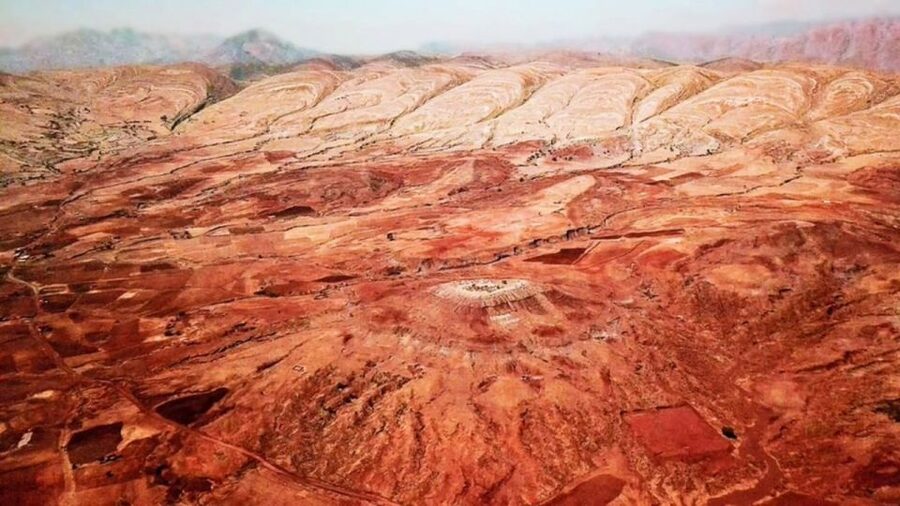
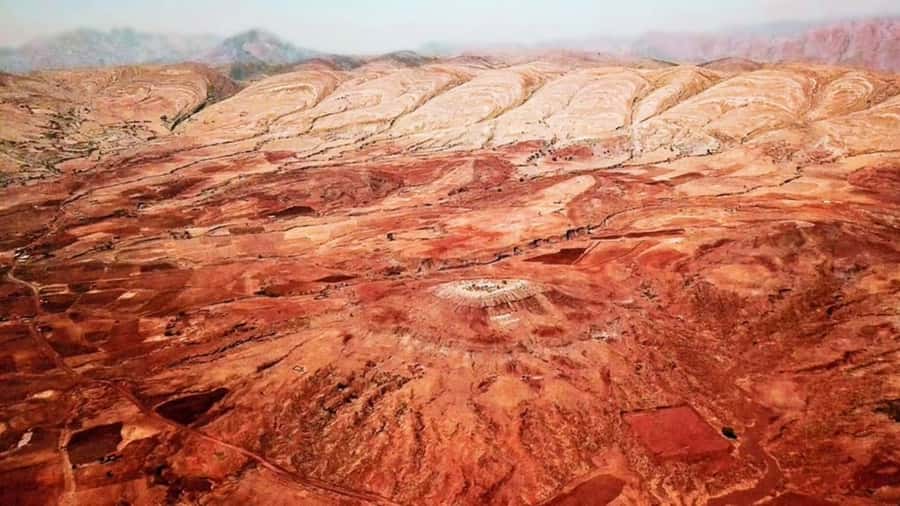
The Maragua Crater is the visual high point of the day. Its surrounding mountains fold into strong bands and unusual shapes, with colors that shift across the slopes. The name suggests a single round crater, but the area is better understood as a striking geological formation surrounded by deeply shaped ridges.
You have time to walk and take in the views rather than rushing straight from the vehicle to the next stop. The scheduled visit lasts about 45 minutes, including the rock formation known as La Garganta del Diablo, or the Devil’s Throat.
La Garganta del Diablo gives the stop a clear focal point. The rock formation is not simply another viewpoint. It shows how erosion and geological forces have carved the local stone into dramatic forms. Your guide can add meaning to what you are seeing, especially if you ask about the colors and folds in the surrounding hills.
This is also where lunch is served. The included meal is vegetarian, and the food has received particularly positive feedback. One version is described as a Bolivian picnic, while the tour information places lunch in the Maragua village area. Either way, you should expect a simple, filling meal rather than restaurant dining.
The lunch break matters because the morning walk and altitude can take more out of you than expected. Eat properly, refill your energy, and do not treat the meal as a quick pause.
Two hours with the dinosaur footprints
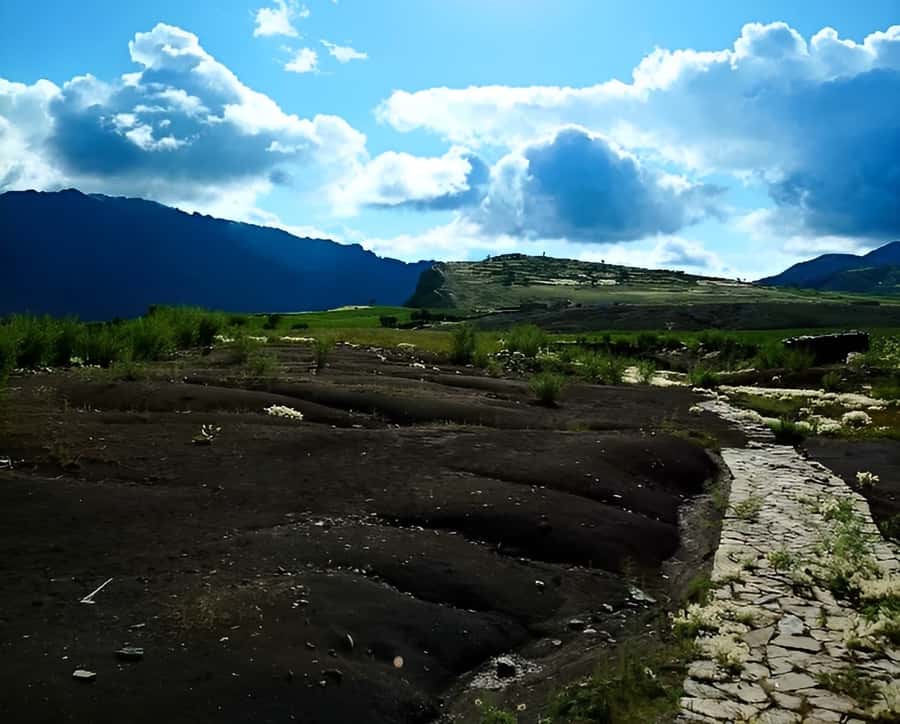
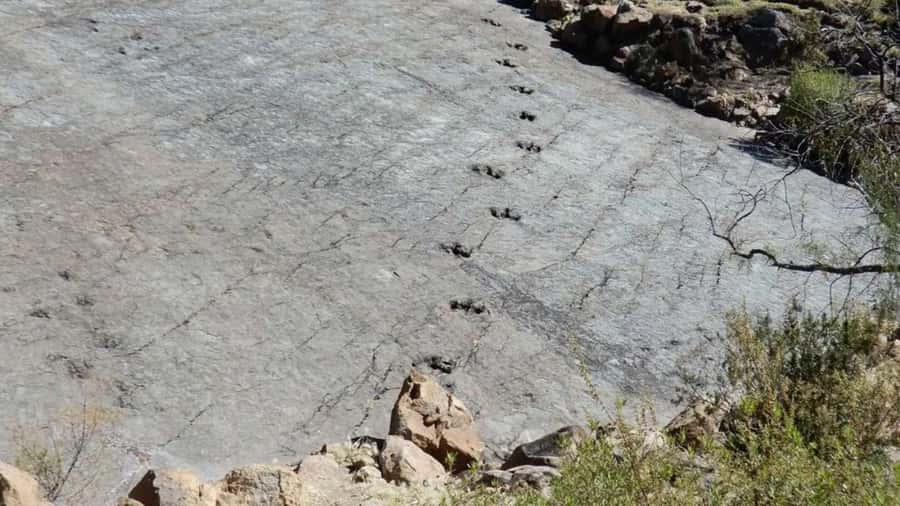
The afternoon visit to the dinosaur footprints lasts about two hours. That is enough time to make the stop feel like part of the day’s story rather than a novelty added at the end.
The appeal is obvious: you are looking at evidence of animals that crossed these routes millions of years ago. The experience also adds a geological layer to the Inca trail and the Maragua formations. Human history is only one chapter here. Long before Inca builders or present-day Jalqa communities, prehistoric animals moved across this region.
The footprint site is likely to be the most surprising stop for people who booked mainly for the crater. One visitor arrived expecting dinosaur tracks and found that the surrounding scenery, local culture, and historical information made up much more of the experience. That is a useful way to set your expectations: the footprints are important, but they are not the whole reason to take this trip.
Bring a flashlight as requested. Also pack a waterproof bag for valuables, especially because the tour runs in rain or shine. Weather may affect the departure time, but you should still prepare for changing conditions rather than assuming a clear day.
Meeting a Jalqa weaver, if one is available
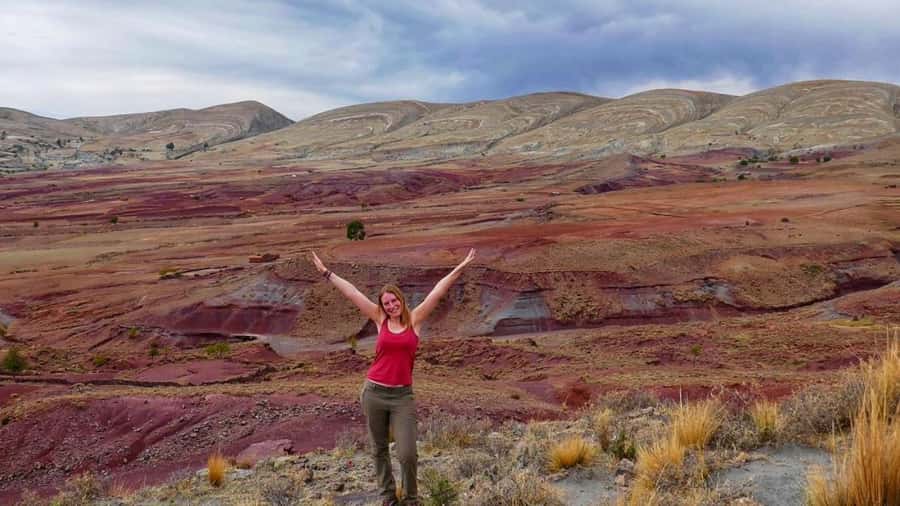
The Jalqa cultural element is less fixed than the other stops. If a weaver is available, she can explain the art and textile traditions of the Jalqa people.
This is worth treating as a possible bonus, not a guaranteed performance. The value is in hearing directly about the patterns and craft from someone connected to the tradition. It gives the day a human dimension that scenic viewpoints alone cannot provide.
Your guide may also discuss local villages, indigenous life, plants, animals, and regional history. Pablo was praised for speaking English, French, and Spanish and for bringing information about all of these subjects into the day. Other guides, including Walter, Lizandro, Dinelsa, Lee, and Manuel’s arranged team, were also singled out for friendly service and clear explanations.
Guide quality can shape this tour. The scenery is already strong, but a good guide helps you understand what you are looking at and keeps the long driving sections useful rather than empty.
The long return to Sucre
After the dinosaur footprint visit, the drive back to Sucre takes about two hours. Along with the morning transfer, this means you spend a meaningful part of the ten-hour day inside the vehicle.
That is not a flaw, but you should know it before booking. The trip covers several separated sites, so the driving is unavoidable. The reward is a broad view of the area in a single day. The compromise is that you will not have long, unhurried time at every stop.
The private vehicle gives the guide and driver flexibility, but it does not remove the reality of mountain roads. Expect bumps and allow for a full day that may run according to weather and road conditions rather than a strict city schedule.
What to bring for this 2,800-meter trek
You need to prepare for walking, sun, rain, and a long road journey. Pack:
- Hiking shoes with a firm sole
- Sunscreen and sun protection
- Plenty of water
- A passport or accepted copy
- A flashlight
- A waterproof bag
- Snacks for the morning or the road
The tour supplies a first aid kit, but that does not replace your own basic preparation. Breakfast is not included, so eat before pickup or bring something simple. Lunch is covered, and entry tickets for the Inca trail, Maragua, and dinosaur footprints are included.
Because the tour operates rain or shine, avoid booking it as a last-minute fair-weather activity. The departure time may shift if conditions are poor, but the outing is designed to proceed in changing weather.
Who will enjoy this full-day outing
I would choose this trip if you want to see more than Sucre’s urban center and prefer a day with several different subjects. It suits active visitors who can walk for several hours at altitude, handle uneven ground, and accept a bumpy ride in exchange for access to remote sites.
It is especially useful if you have only one free day. You get an Inca trail, Maragua, La Garganta del Diablo, a vegetarian lunch, dinosaur footprints, and a chance to learn about Jalqa culture without organizing separate tours.
I would hesitate if you dislike long drives, need guaranteed accessible paths, or want a slow visit focused on just one location. The hiking is described as manageable, but five hours on foot at 2,800 to 3,000 meters is still a serious day for some people.
English and Spanish guiding are available. If your guide is as strong as Pablo, Walter, Lizandro, Dinelsa, or Lee, the historical and cultural side can be a major part of the value. The experience is best when you stay curious and ask questions during the drives and walks.
Should you book the Maragua Crater and Inca Trail tour?
Yes, if you want an active, varied day outside Sucre and can manage altitude, uneven paths, and several hours on the road. The strongest reasons to book are the old Inca trail, the unusual Maragua formations, the substantial dinosaur footprint visit, and the chance to meet a Jalqa weaver if one is available.
The $94 cost makes sense for a ten-hour private outing with transport, guide, lunch, and entrance fees included. Just bring water, eat breakfast, wear hiking shoes, and expect the vehicle to be functional rather than polished. If those conditions suit you, this is one of the most rewarding ways to see the countryside around Sucre in limited time.
FAQ
How long does the Sucre Maragua Crater tour last?
The experience lasts about 10 hours, beginning with hotel pickup in Sucre and ending with your return to the city.
What time does pickup begin?
Pickup starts around 8:30 in the morning. The departure time can vary depending on the weather, and you should wait in your hotel lobby five minutes before the scheduled pickup.
Is lunch included?
Yes. A vegetarian lunch is included, usually served in the Maragua area or village.
How much walking is involved?
You will walk for approximately five hours across the day. The main Inca trail section takes about two to two and a half hours, with additional walking at Maragua and the dinosaur footprint site.
What altitude does the tour reach?
Most trekking takes place between 2,800 and 3,000 meters above sea level.
Is the tour suitable for children and people with limited mobility?
The tour is not suitable for children under nine, pregnant women, people with mobility impairments, or wheelchair users.
Recently added around the world
- Mt Kilimanjaro Trek, 6 Days – Umbwe Route★ 5.0 · 4 reviews
- 7 Day Trek To The Roof Of Africa Kilimanjaro via Machame Route★ 5.0 · 5 reviews
- Full Day Private Trekking Mu Cang Chai★ 5.0 · 33 reviews
- Mount Kilimanjaro Trek 7-Days: Lemosho Route★ 5.0 · 2 reviews
- 8 Day Kilimanjaro Trek via Lemosho Route★ 5.0 · 17 reviews
- 6-Day Kilimanjaro Machame Route – A Stunning Trek to Uhuru Peak★ 5.0 · 7 reviews
- 7-Days Tour Mount Kilimanjaro Trekking via Machame Route★ 5.0 · 2 reviews
- Unforgettable 8 Days Lemosho Route Trekking on Kilimanjaro★ 5.0 · 4 reviews
Volcano Treks, compared.
summit craters trekking with volcano guide 3350mt
Read our review →
Mount Etna Trekking Tour Beyond the Tourist Trails
Read our review →
Etna Sunset Tour: Volcano trek, Cave & tasting from Catania
Read our review →
Browse the lists this tour appears in