
REVIEW · CHIANG RAI
1 Day trekking : Chiang Rai popular activity,Fun in Nature.
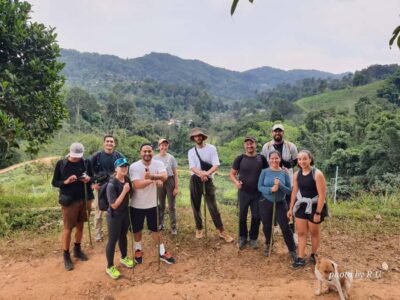
The best part is getting off the usual route. This full-day Chiang Rai trek takes you through forest, bamboo groves, hill-tribe villages, tea fields, and Huay Kaew waterfall. I like the hands-on lunch, cooked with your guide over firewood in a bamboo hut, and I like the small group size, limited to eight people. The main drawback is the five-hour walk, which demands steady fitness and sensible footwear.
You leave town at about 9 a.m., then spend most of the day outdoors in Lam Nam Kok national park. I also like that the day includes more than a hike: you get local explanations, village visits, a swim, a hot spring bath, transport, drinking water, lunch, and insurance. Pickup is limited to hotels in Mueang Chiang Rai within about 5 kilometers of downtown, so check your address before booking.
Key points to know before you book
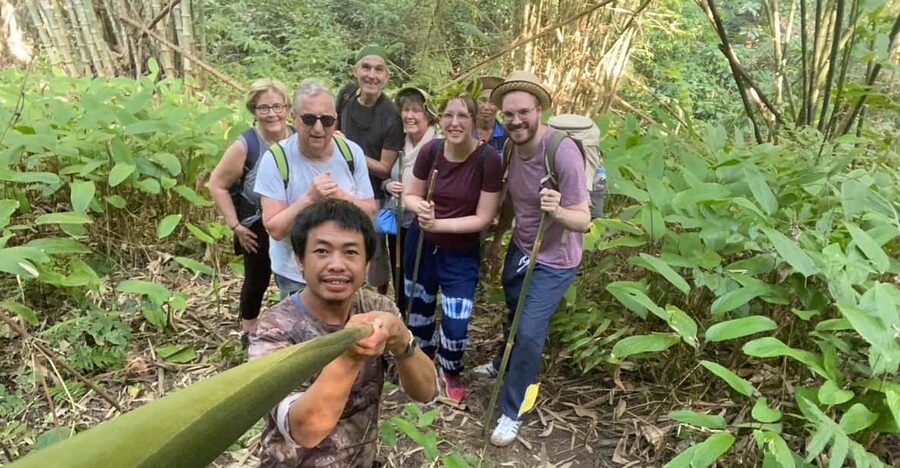
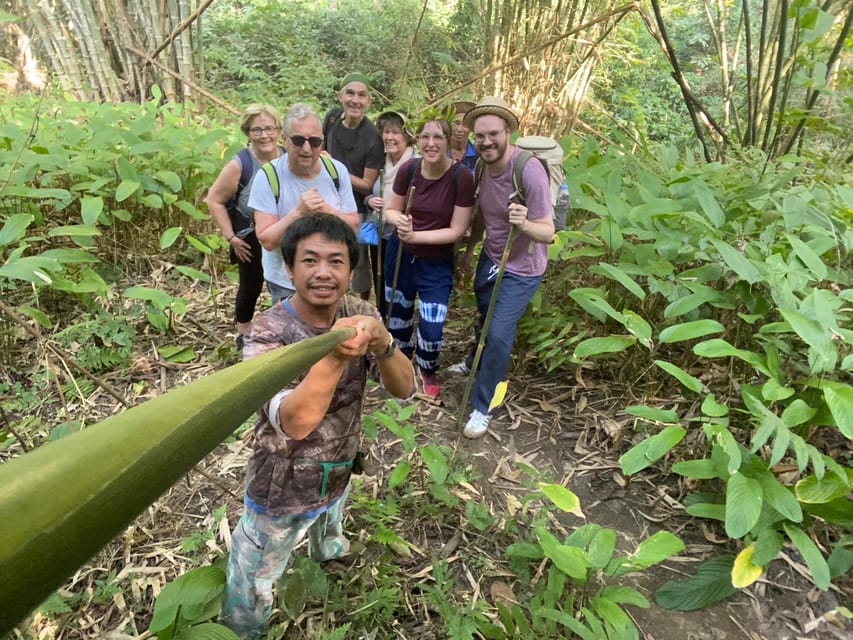
- A five-hour forest walk: The route passes through bamboo forest, farms, villages, tea fields, and open countryside.
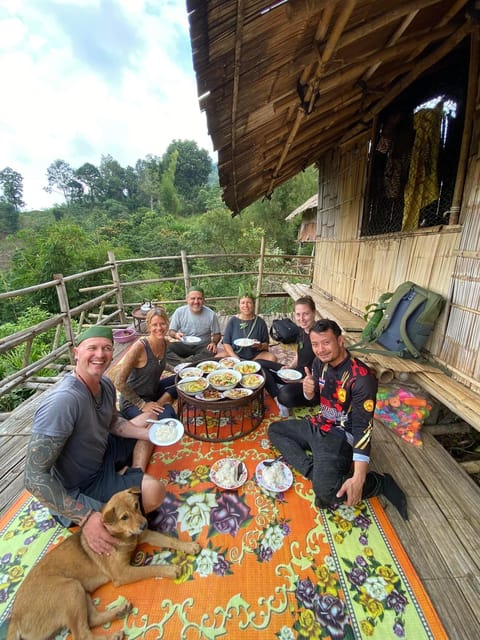
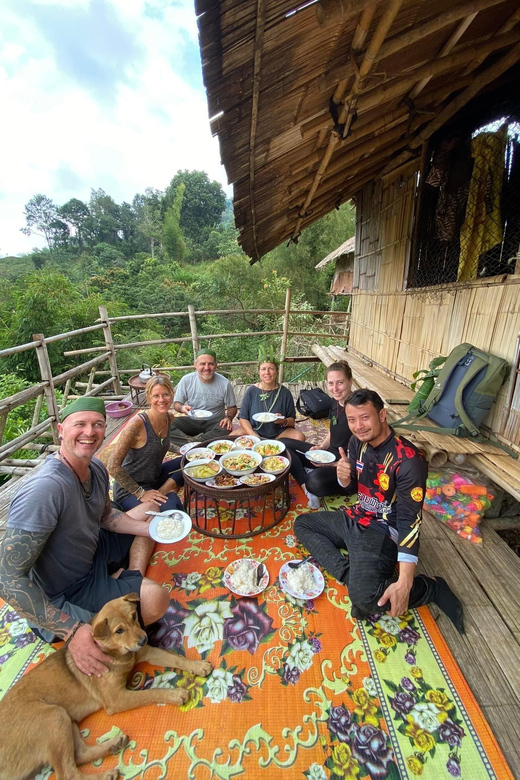
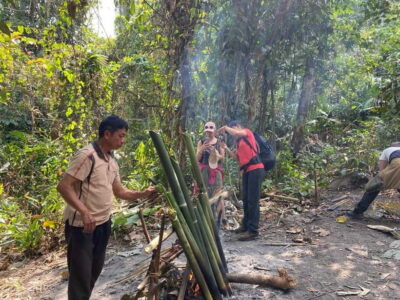
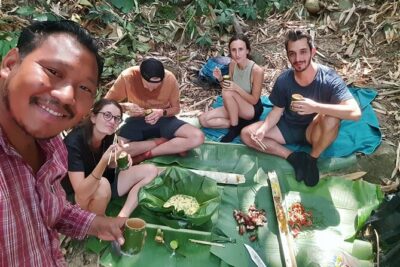
- Lunch is part of the experience: You help cook a local meal in a hill-tribe bamboo hut using firewood, not LPG.
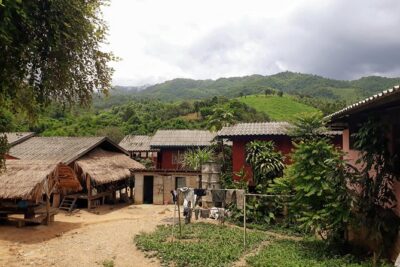
- Several communities in one day: The route visits Lisu, Chinese, Akha, and Lahu villages.
- A waterfall swim is possible: Huay Kaew is described as the second-largest waterfall in Chiang Rai.
- Small groups help: With no more than eight participants, it should be easier to hear the English or Thai guide and ask questions.
- The price covers a lot: At $59 per person, transport, food, water, the hot spring bath, guide, and insurance are included.
Starting in Chiang Rai with a 9 a.m. pickup
The day begins with hotel pickup in Mueang Chiang Rai. You should wait in the lobby 10 minutes before the scheduled time, and you should be ready at 9 a.m. Pickup can run a little late if the vehicle collects people from several hotels.
That small delay is worth expecting. A shared pickup gives you a more affordable day out, but it means the morning does not begin with a perfectly fixed departure. The pickup area is also limited to hotels not more than about 5 kilometers from downtown. If you are staying farther away, you will need to confirm the meeting arrangement before paying.
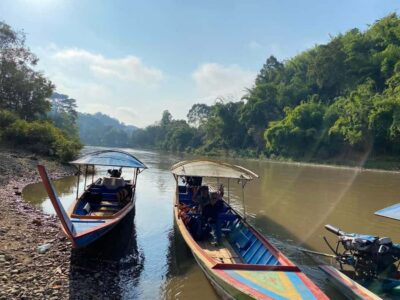
Transport to the trail area is by car or pickup truck. The route leads out toward Lam Nam Kok national park, where the town gives way to forest and rural scenery. I like this setup because the driving gets you quickly from Chiang Rai’s urban center to a day built around walking rather than roadside photo stops.
The group limit of eight matters here. A smaller group makes it easier for the guide to keep everyone together on a forest route, and it gives you more chances to ask about plants, farming, village life, and local customs. The experience is offered in English and Thai.
More One-Day Treks in Chiang Rai:
- 1 Day Trekking in Chiang Rai forest (walk only)
★ 4.9 · 95 reviews - Chiang Rai: 1-Day Trekking and Longtail Boat Trip
★ 4.9 · 53 reviews - 1 Day Trekking Group Tour With Bamboo Cooking / Chiang Rai
★ 5.0 · 51 reviews
From the hot spring into bamboo forest
The walk begins near a hot spring. You do not simply arrive at the water, take a photograph, and leave. The hot spring serves as both the starting point and the finishing point, when you can enjoy a hot bath after the long walk.
From there, the path enters forest and bamboo forest. This is where the day becomes a real trek rather than a sightseeing circuit. You should expect uneven ground, a sustained walking schedule, and changing conditions underfoot. The route is not presented as a gentle stroll.
A local guide is especially useful in this setting. The experience focuses on the things around you, including plants, flowers, and fruit. One French participant particularly enjoyed learning about edible plants and seeing the guide make a small cup from bamboo. That detail captures the tone of the day: practical, local, and hands-on rather than polished for a large tour bus.
You should not expect a museum-style explanation at every stop. Instead, the value comes from walking with someone who knows the area and can explain what you are seeing as it appears. Guide Kai received special praise for his cheerful manner, clear English, stories, and ability to make the forest walk enjoyable.
Meeting the Lisu community and cooking lunch
The first village stop is a Lisu village. The route then gives you a chance to experience lunch in a bamboo hut with a local family. This is one of the strongest parts of the day because you are not only served a meal. You help prepare it.
Cooking takes place over a wood fire in a traditional kitchen. There is no LPG, so the process shows you a more basic way of preparing food than you may use at home. You get to see the work involved before sitting down to eat, and the meal becomes part of the cultural experience rather than a break inserted between sightseeing stops.
I would pay attention to the physical side of this activity. The hut and kitchen are not described as a restaurant, and cooking over firewood can be warm, smoky, and simple. That is precisely why many people value it, but it may not suit someone looking for a quick, air-conditioned lunch.
The food itself has been one of the most praised parts of the day. A French couple described the meal as excellent, while a German participant called the village cooking and culinary skill a highlight. The attraction is not a long menu. It is the chance to help cook local specialties and see something of daily life.
You should treat the village visit with respect. The point is not to turn people’s homes into a stage. Listen to the guide, follow instructions, and remember that the food and cooking activity are a shared cultural encounter, not a performance arranged only for photographs.
Walking through the Chinese village and tea plantation
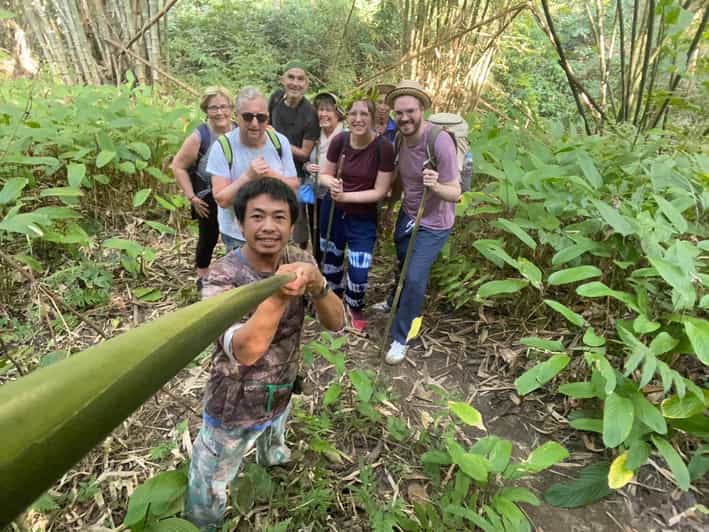
After lunch, the route continues toward a Chinese village and a tea plantation. The combination gives the middle of the trek a different feel from the forest section. You move from shaded vegetation into cultivated land, with views across planted areas and rural surroundings.
Tea is an important part of northern Thailand’s countryside, and seeing the plantation on foot helps you connect the product with the land where it is grown. The information provided does not promise a formal tea tasting or a detailed factory visit, so you should think of this as a scenic and cultural stop rather than a full tea-production tour.
This section also adds variety to a five-hour walk. A long hike is easier to enjoy when the setting changes. Forest, village paths, cultivated fields, and open views keep the day from feeling like one continuous stretch of trees.
The route is not designed around luxury transport between viewpoints. You walk between the major stops, which means you get more time to notice the countryside but less time to rest. If you prefer many short attractions with minimal exertion, this is probably the wrong excursion.
A few more treks around Chiang Rai worth a look
- Chiang Rai: Jungle Adventure-Group Trekking & Bamboo Cooking
★ 4.9 · 166 reviews - Authentic trek only walk in Chiang Rai jungle
★ 5.0 · 90 reviews - Akha & Lahu village trekking 1 day
★ 4.8 · 18 reviews - Chiang Rai: 2-Day Jungle Trek only walk with Waterfall
★ 4.8 · 17 reviews
Huay Kaew waterfall and the chance to swim
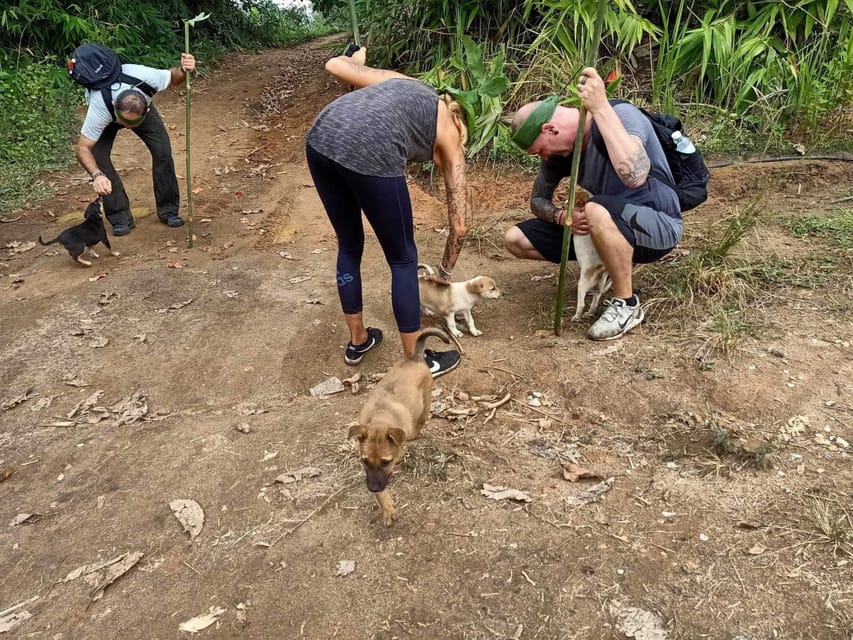
Huay Kaew waterfall is described as the second-largest waterfall in Chiang Rai. It is one of the day’s natural highlights, and the itinerary allows time to enjoy a swim.
Bring a towel and a complete change of clothes. You will want both after entering the water, and the advice is especially important because the trek continues after the waterfall. Comfortable clothes and secure hiking shoes are also essential.
The waterfall is not just a photo stop. Swimming gives you a proper break from the trail and a chance to cool down. At the same time, water conditions can vary, and you should follow the guide’s instructions before getting in. The supplied information confirms that swimming is included as an activity, but it does not promise a particular water level or swimming condition on every date.
Do not forget to protect your phone and camera. The recommended packing list includes a camera, but there is no mention of waterproof storage. A small dry bag or waterproof pouch would be a sensible personal addition, without adding much weight.
Akha and Lahu villages, farms, and open views
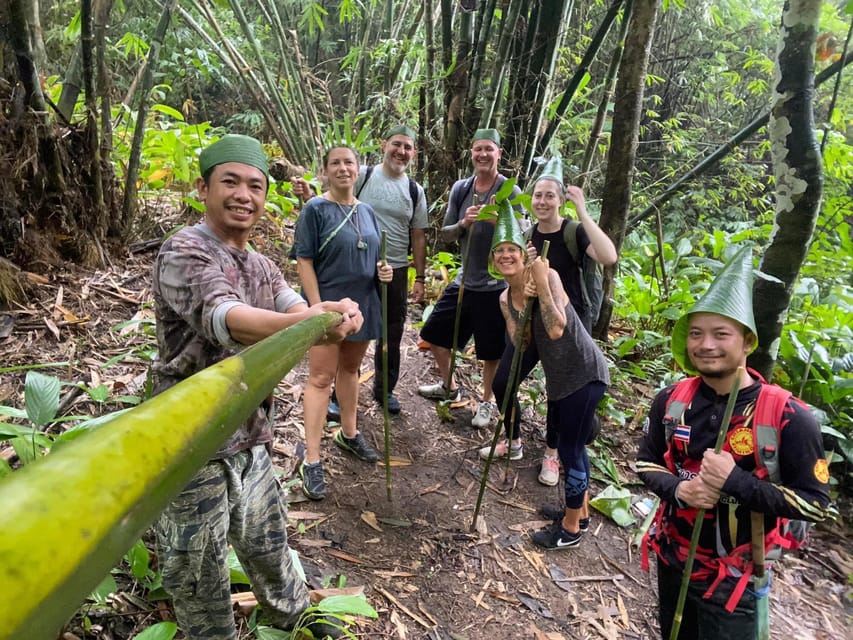
After the waterfall, the route continues to an Akha village, then crosses farmland and reaches a Lahu village. This final stretch gives you a broader look at rural life and adds two more cultural stops to the day.
The villages are not presented as separate formal attractions with long scheduled talks. Their value comes from seeing how homes, fields, paths, and daily work fit together. Your guide can help explain what you are seeing, and the small group makes it easier to pause without holding up a large crowd.
The farmland section also offers some of the best open views on the route. After time beneath trees and bamboo, the wider countryside gives your legs and eyes a change. Still, this is not a light afternoon walk. By this point you may already have several hours on your feet.
The itinerary describes visits to Lahu, Akha, Chinese, and Lisu communities. That range gives the day a broader cultural scope than a trek that visits only one village. You should keep your expectations grounded, though. The activity offers an introduction through walking and conversation, not a full course in the history of each group.
Ending with a hot spring bath
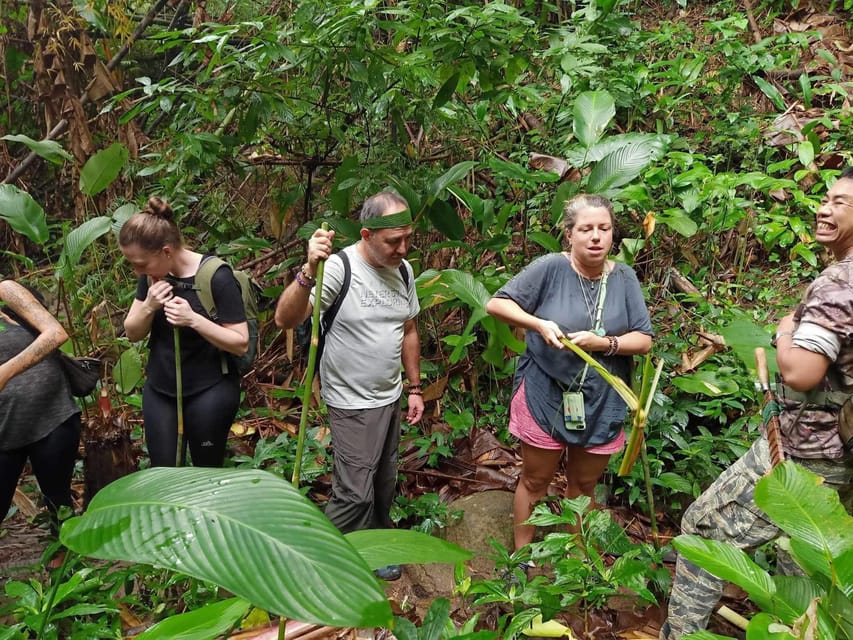
The route returns to the hot spring after the final village and farmland sections. A hot bath is included, giving you a comfortable way to finish a long day outdoors.
This ending is well chosen. After five hours of walking, the hot spring is more than an extra attraction. It gives you a chance to relax before the return to Chiang Rai. I would bring a towel, a change of clothes, and a small bag for damp items so the ride back is more comfortable.
The exact return time is not provided, and the pace will depend on the group, trail conditions, village stops, lunch, and time at the waterfall. Plan your evening with some flexibility rather than booking a fixed appointment soon after the tour.
What the $59 price really covers
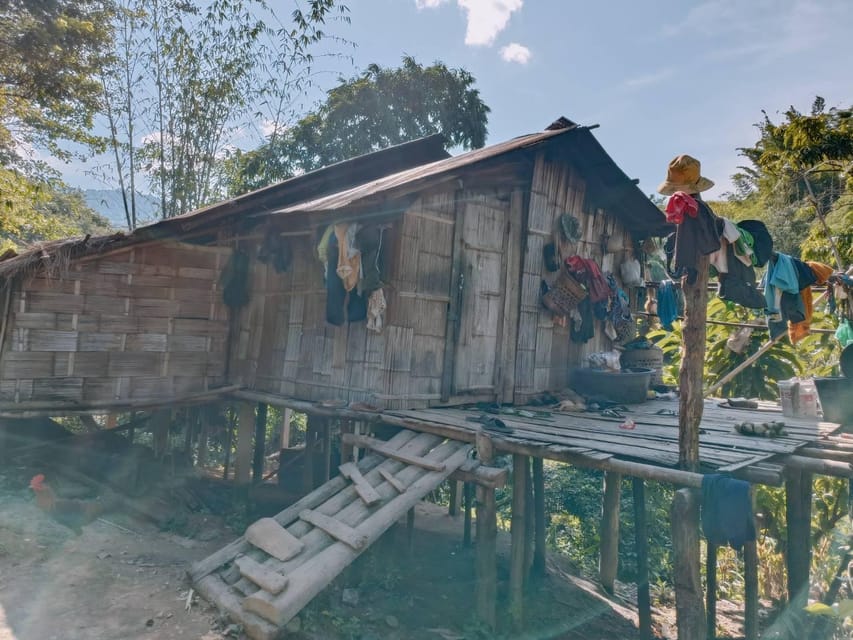
At $59 per person, this is a strong value if you want an active day with several included elements. Your price covers transport, a native Chiang Rai English-speaking guide, lunch, the cooking activity, drinking water, the hot spring bath, and insurance.
The value is not only in the number of stops. Transport takes you from town to a remote walking area, and the guide provides access to a route and local settings that would be difficult to arrange independently in one day. Lunch also carries more value because you participate in preparing it.
You should compare this price with your own priorities. If you want a short nature outing, the five-hour trek may feel like too much. If you want a full day with food, villages, forest, a waterfall, and a hot spring, the package covers the basics without many extra costs during the day.
The small group limit is another reason the price works. A maximum of eight people should feel more personal than a large coach excursion, although the exact group size can vary. The experience is also flexible at the booking stage, with free cancellation up to 24 hours in advance and the option to reserve now and pay later.
Fitness, clothing, and practical limits
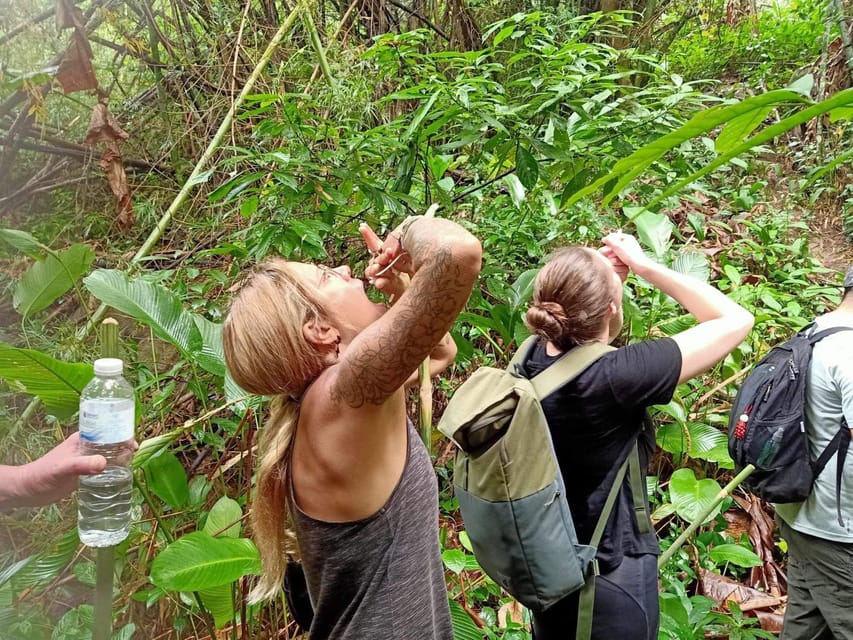
You need a moderate level of fitness for this experience. Five hours of walking is the key fact. Hiking shoes are strongly advised, and long pants or hiking pants are useful for a forest route and rural paths.
Your basic packing list should include:
- Hiking shoes
- Comfortable clothes
- Long pants or hiking pants
- Sunscreen
- Towel
- Change of clothes
- Camera
- Cash
- Drinking water, although water is also included
The tour is not suitable for children under 8, babies under 1, people with high blood pressure, or people with hearing impairments. The published information also lists limits for people over 130 kilograms and over 140 kilograms, which overlap and are not fully consistent. If weight or mobility may affect your participation, confirm the restriction directly before booking.
You should also tell the operator about any concern that could affect a five-hour hike, even if it is not listed above. This is a remote, active day, not a simple town excursion.
Who should book this Chiang Rai trek?
I would recommend it to you if you want a full day outside town and prefer participation over passive sightseeing. It suits people who enjoy walking, local food, village visits, forest scenery, and simple activities such as cooking over a wood fire.
It is also a good fit if you want a guide who explains what you see along the way. Kai has been praised by name for his humor, English, stories, and local knowledge, but guide availability can change, so you should not assume he will lead every departure.
I would hesitate to recommend it if you dislike heat, uneven trails, basic kitchens, wet clothes, or flexible timing. The day includes a waterfall swim and a hot spring bath, but it does not offer a leisurely resort pace.
Should you book it?
Book this Chiang Rai trek if the combination of five hours on foot, village cooking, and a waterfall swim sounds appealing. The strongest reasons to go are the hands-on lunch, the small group, the range of communities, and the chance to finish with a hot spring bath.
Skip it if you want only a short nature walk or if you have health concerns that make a long hike unsuitable. For an active visitor with a free day in Chiang Rai, $59 buys a useful mix of transport, guiding, food, nature, and local contact without packing the day with empty sightseeing stops.
FAQ
Where does the tour start?
Pickup is available from hotels in Mueang Chiang Rai that are not more than about 5 kilometers from downtown.
What time is hotel pickup?
Pickup starts at about 9 a.m. You should be ready in the hotel lobby at 9 a.m. and wait there 10 minutes before the scheduled pickup time. Pickup may be slightly later if several hotels are included.
How long is the trek?
The total walking time is around five hours.
What level of fitness do I need?
You need a moderate level of fitness because the activity includes about five hours of walking through forest, bamboo forest, villages, farmland, and other rural areas.
Which villages are included?
The route includes Lisu, Chinese, Akha, and Lahu hill-tribe villages.
Is lunch included?
Yes. Lunch is included, and you can help cook with the guide in a hill-tribe bamboo hut using firewood.
Is swimming included?
Yes. You can swim at Huay Kaew waterfall, so bring a towel and a change of clothes.
Is a hot spring bath included?
Yes. A hot bath at the hot spring is included, and the route returns there after the village and farmland sections.
What languages does the guide speak?
The tour is offered in English and Thai.
How large is the group?
The activity is limited to eight participants.
Can I cancel the booking?
You can cancel up to 24 hours in advance for a full refund. You can also reserve now and pay later.
Recently added around Chiang Rai
- Full Day Trekking & bamboo cooking Tour in Chiang Rai★ 5.0 · 7 reviews
- One Day Trekking Chiang Rai Jungle Adventure and Bamboo Cooking★ 3.5 · 3 reviews
- Trekking with Lunch cooked by Bamboo in the Chiang Rai jungle★ 5.0 · 12 reviews
- Akha private eco-trekking 2 days 1 night Chiang Rai★ 4.5 · 2 reviews
- Cultural trekking and boat trip★ 5.0 · 5 reviews
- Chiang Rai Trek:Jungle Hike, Bamboo-Cooked Lunch & Boat Ride★ 5.0 · 7 reviews
- Chiangrai: Group Trekking with Bamboo Cooking★ 4.8 · 5 reviews
- Chiang Rai: The Adventure of Trekking & Bamboo Cooking★ 5.0 · 3 reviews
Chiang Rai Trekking Tours, compared.
Jungle Adventure-Group Trekking & Bamboo Cooking
Read our review →
1 Day Trekking Group Tour With Bamboo Cooking / Chiang Rai
Read our review →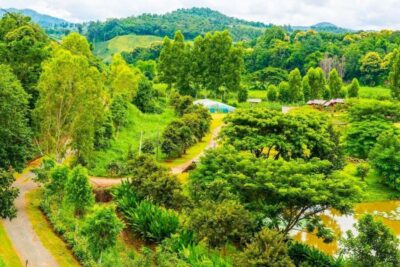
Trekking with Lunch cooked by Bamboo in the Chiang Rai jungle
Read our review →Browse the lists this tour appears in