
REVIEW · MARRAKECH
2 days Mount Toubkal Trek from Marrakech
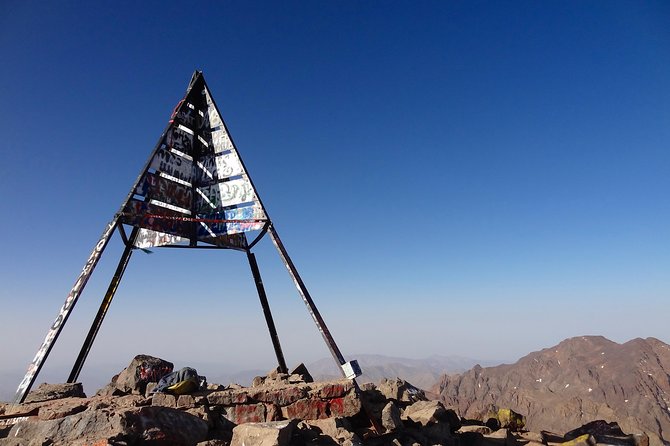
North Africa’s highest summit comes with a short timetable. This private 2-day Mount Toubkal trek takes you from Marrakech to Imlil, then up to the 4,167-meter summit with a local guide, mules, transport, and a mountain refuge arranged for you. I like the private format and the chance to climb at your own pace. I also like that guides such as Omar, Mustafa, Mohammed, Aziz, and Idris have been praised for their care, humor, and practical help with gear.
The catch is simple: this is a serious two-day hike, not a gentle mountain outing. The biggest weakness has been poor communication before departure, including late replies about equipment and pickup details. You need moderate fitness, suitable clothing, and a willingness to sleep in a shared refuge.
Key points at a glance
- Sunrise at 4,167 meters: The early summit push gives you a chance to reach Mount Toubkal as the sun comes up.
- A private guide and mule team: Your group walks with its own guide, while mules can carry packs and supplies.
- A demanding first day: The route from Imlil to the refuge takes about five to six hours, with steep and narrow sections.
- Simple mountain lodging: Les Mouflons, the Toubkal Refuge, offers basic accommodation and Berber hospitality rather than comfort.
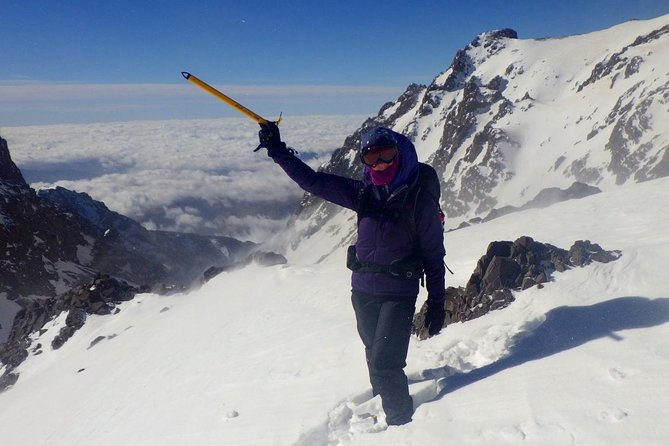
- Winter requires extra gear: From November through April, crampons and ice axes may be needed, but they are not included.
- Good value at $157.02: Transport, guiding, refuge accommodation, and muleteers are covered, though water, sleeping bags, and possible snow gear cost extra.
Why this short Toubkal trip works
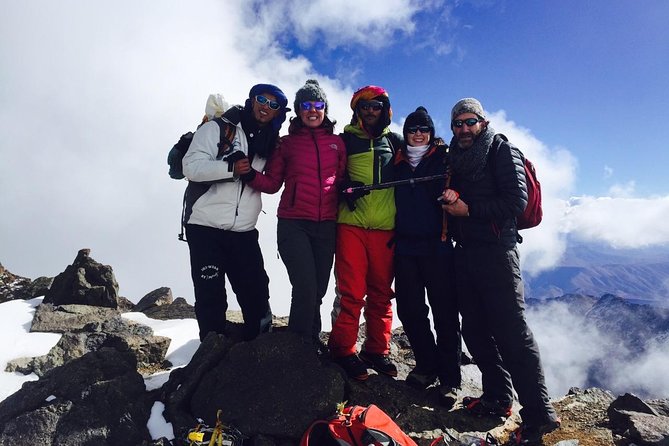
Mount Toubkal is a tempting goal because it is high but non-technical. You do not need rock-climbing skills, yet you still get a proper mountain summit, broad Atlas views, and a strong sense of achievement. The route involves walking, steep slopes, and some easy scrambling, so you should think of it as an endurance hike with a summit finish.
I like the fact that transport from Marrakech is handled for you. The roughly two-hour drive to Imlil removes the trouble of arranging local transport, and the private format gives your guide room to set a pace that suits your group. That matters on a route where one person may need more breaks than another.
The value is also solid. At $157.02 per person, you receive round-trip hotel transport, a professional local guide, muleteer support, refuge accommodation, and the listed meals and drinks. You still need to budget for bottled water, a sleeping bag, and crampons or an ice axe if conditions call for them.
The weak spot is administration. Several people had trouble getting clear answers before the hike, sometimes receiving the first useful message only late the evening before departure. I would not wait for the operator to explain every detail. Confirm the pickup, equipment, meeting point, food needs, and winter gear well ahead of time.
More Atlas Mountains Treks in Marrakech:
- Marrakesh: 2-Day Mt. Toubkal Trek with 1-Night Stay & Meals
★ 4.7 · 795 reviews - Marrakech: 2-Day Atlas Mountains Trek with Village Stay
★ 4.8 · 717 reviews - From Marrakech: 3-Day Mount Toubkal Climbing Trek
★ 4.7 · 597 reviews
From Marrakech to Imlil on the first morning
The day begins with hotel pickup after an early breakfast, with a listed start time of 8:30 a.m. The drive to Imlil takes about two hours. Imlil is the practical gateway for the climb and the place where you meet your guide and mule team.
This transfer is more than a convenience. It means you can leave the city without arranging a taxi, finding the right mountain village, or working out where the trail begins. Once you reach Imlil, you load packs and supplies onto the mules and start walking.
Do not expect a slow village stroll. The first day takes about five to six hours and climbs steadily toward the refuge. The trail can be steep and narrow, and the route passes through remote mountain country, Berber villages, green valleys, and high passes.
Your guide should help set a sensible rhythm. Mustafa has been praised for being cheerful and motivating, while Omar has been singled out for safety advice, cultural information, and help using crampons. Those qualities matter more than fast walking. A good guide notices when you need a pause and keeps the day moving without turning it into a race.
The climb to Les Mouflons Toubkal Refuge
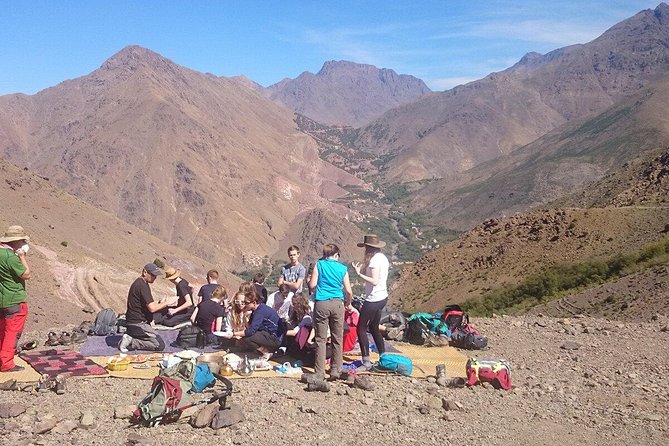
The refuge below the summit is your overnight base. Accommodation is listed as Les Mouflons, Toubkal Refuge, and the experience is basic. You sleep in shared bunk-style accommodation with many other people, not in a private hotel room.
That arrangement is part of the mountain experience, but it can be a shock if you expect a comfortable lodge. The refuge has been described as acceptable rather than luxurious. One useful detail is that a hot shower may be available, although you should not treat mountain facilities as guaranteed city comforts.
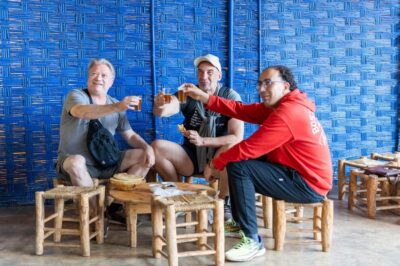
The evening is important because you need to rest before the summit attempt. Food and tea or coffee are included according to the package, and the local cooking has earned strong praise. Berber meals and the hospitality of the cook and mule team add warmth to what can otherwise be a cold, crowded night.
Pack light. One person found that having a mule carry the main bag made a major difference, and another practical lesson is to leave unnecessary luggage in the valley whenever possible. Take only what you need for the overnight stay and summit morning.
A sleeping bag is not included. This is easy to overlook, so arrange one before you start. Bottled water is also excluded. Carry enough for the route or plan to buy it where available, but do not assume water is part of the price.
The pre-dawn push to Mount Toubkal’s summit
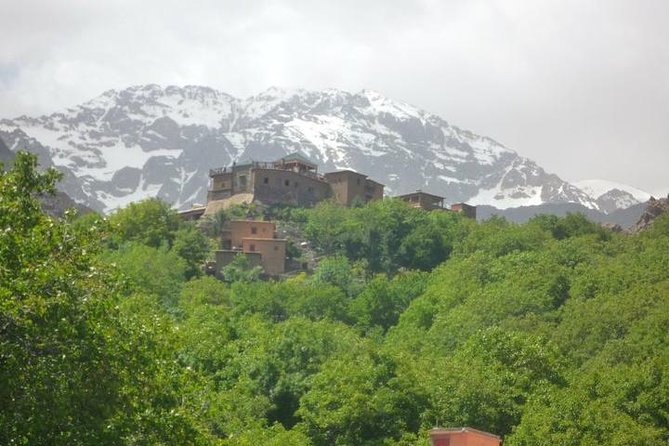
Day two begins early, with breakfast at the refuge before the summit climb. The goal is to reach the top around sunrise. Walking in darkness or moonlight can make the start feel dramatic, but it also demands warm clothing, a reliable headlamp if required by the conditions, and careful footing.
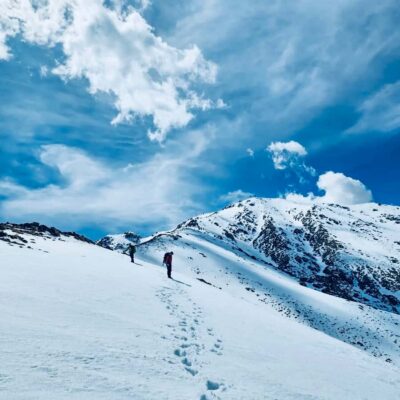
The upper route is described as non-technical, with a broad summit area and a gradual approach near the top. That does not make it easy. At 4,167 meters, the altitude, cold, and accumulated effort from day one can slow you down. The route includes easy scrambling and, in snowy months, snow slopes.
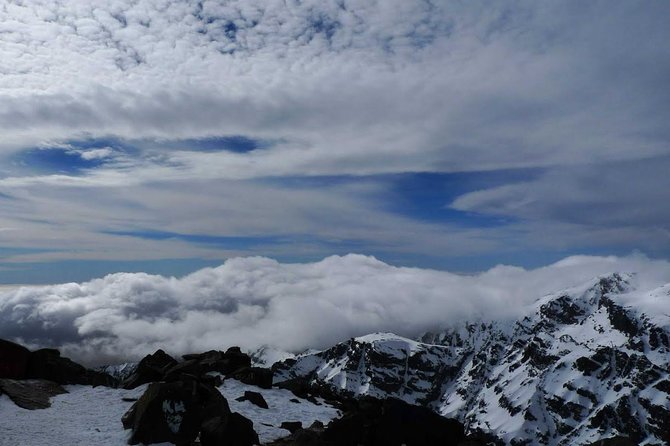
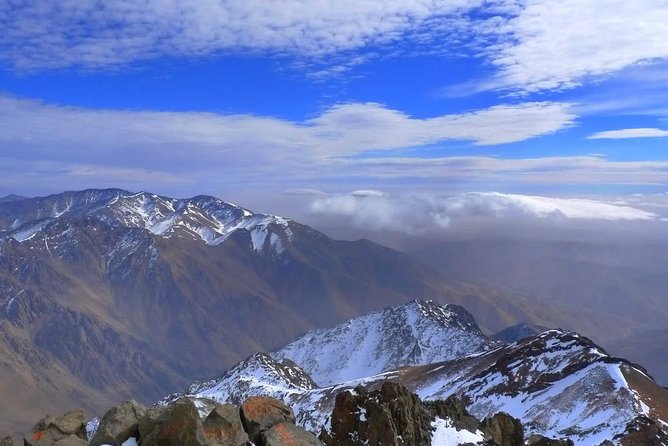
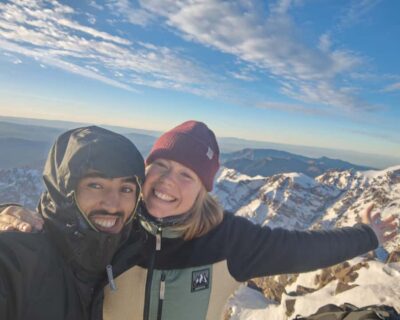
From the top, you can look across the Atlas Mountains, toward Marrakech to the north, and toward the beginning of the Sahara to the south. The views also include the Valley of Imlil, Berber villages, and the cliffs above Ifni Lake. Sunrise gives these views their best light, but reaching the summit safely matters more than arriving at an exact minute.
Your guide’s role is especially useful here. Omar has helped people use crampons safely, and guides including Mohammed and Mustafa have been praised for encouragement during the hard sections. You are not simply following a marked city path. Local support helps you judge pace, footing, and when to stop.
From November through April, snow conditions can mean walking in crampons and using ice axes. Neither item is included. You need to ask in advance how current conditions affect your trip and where equipment can be rented. Do not arrive assuming ordinary hiking shoes will be enough.
More Two-Day Treks in Marrakech:
- From Marrakesh: 2-Day Mount Toubkal Trek
★ 4.7 · 591 reviews - Toubkal Trekking 2 Days
★ 5.0 · 98 reviews - Toubkal trek – 2 days
★ 5.0 · 90 reviews - Marrakech: 2-Day Atlas Villages Trekking Tour
★ 4.5 · 76 reviews
The descent to Imlil and return to Marrakech
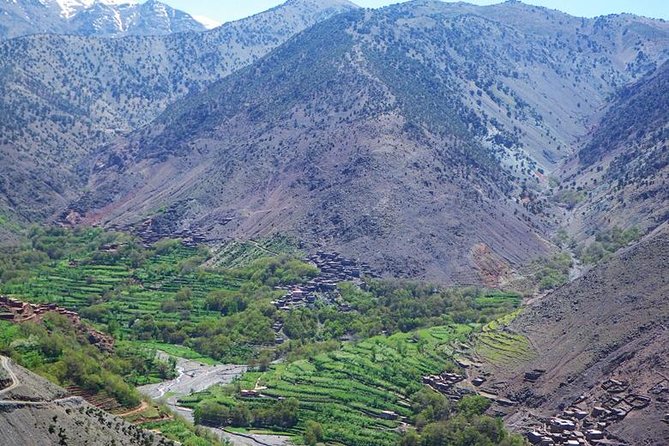
After the summit, you descend by the same general mountain route toward Imlil. This is where tired legs become important. Going downhill may feel easier at first, but loose or steep ground can be hard on knees and ankles after the early start.
The return to Imlil completes a long day. Transport then takes you back to Marrakech. In at least one case, a guide arranged an earlier vehicle pickup after recognizing that the full route was too much for the group. That kind of flexibility is one reason a private tour can work better than a fixed group departure.
Still, you should not count on shortening the route. The advertised plan involves a summit attempt, descent, and return to Marrakech on day two. You need to be prepared for a long, tiring finish.
How difficult is the trek?
The tour is aimed at people with moderate physical fitness. That phrase should be taken seriously. You do not need technical climbing experience, but you do need to walk uphill for five to six hours on the first day, sleep briefly or imperfectly, then climb higher before descending to the valley.
The main challenges are:
- Long walking days with limited recovery time
- Steep and narrow sections above Imlil
- Cold and possible snow near the summit
- High altitude at 4,167 meters
- Shared refuge accommodation
- A demanding descent after the summit
The route is not recommended for children aged nine and under. The private format is best for adults and older children who already enjoy long walks and can handle sustained uphill effort.
You should also be honest about your experience. Several people who enjoyed the trip still described it as hard or exhausting. That is not a flaw in the tour. It is the nature of climbing the highest mountain in North Africa in two days.
Guides, muleteers, and the human side of the trip
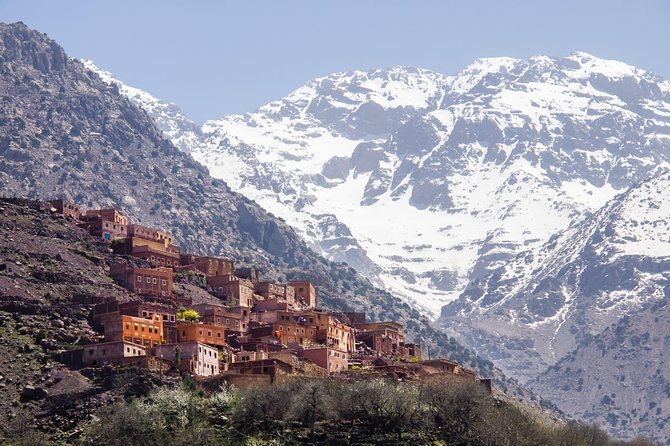
The strongest part of this experience is often the people running it. Guides named Omar, Mustafa, Mohammed, Aziz, Idris, Ibrahim Amzil, and Sijad have been praised for kindness, humor, motivation, and attention to safety. Names and assignments can change, but the pattern is clear: a good guide can turn a tough climb into a manageable one.
The local knowledge also adds meaning to the route. Omar explained elements of local culture, while other guides shared information about the region and Berber life. You get more than directions up a slope. You gain context for the villages, shrine of Sidi Chamharouch, mule team, and refuge system.
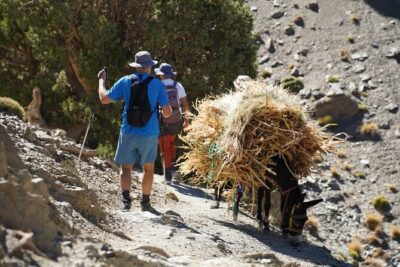
The muleteers are practical support, not decoration. They carry packs and supplies, allowing you to walk with a lighter load. If the mule arrangement is unclear on your day, ask at Imlil before setting off. One group found that mules were assigned informally even when the original arrangement seemed uncertain.
The kitchen team also deserves credit. Food, tea, and hospitality have been praised repeatedly, and that can make a real difference after a wet or tiring climb. Be sure to give dietary requirements or vegetarian needs when booking.
What the $157.02 price really covers
For this price, the package offers a useful amount of support. You are paying for:
- Hotel pickup and drop-off from Marrakech
- Round-trip transport to Imlil
- A local and professional guide
- Muleteer support
- One night of refuge accommodation
- Meals listed in the itinerary
- Tea and coffee
- A private trip for your own group
That is a fair deal if you want a summit attempt without organizing every moving part yourself. A private guide is particularly valuable because the pace and rest stops can be adjusted to your group.
The price is not all-inclusive. Add bottled water, sleeping bags, and winter equipment if needed. You may also face extra costs for renting crampons or an ice axe. Ask for the current equipment plan before you pay, especially for a November to April departure.
At the time described, the experience is often booked about 55 days ahead. That suggests you should not leave planning until the last week, particularly if you need a certain date or winter gear.
Communication problems and how to avoid them
This is the area where I would be most cautious. The hiking itself has received strong praise, but pre-trip communication has sometimes been slow. Messages sent through the booking platform or WhatsApp were not always answered promptly, and some people did not receive useful instructions until the night before.
You can reduce the risk by sending one clear message well before departure. Confirm:
- Your hotel name and pickup time
- The 8:30 a.m. start
- The guide’s name and phone number
- Whether mules are arranged for your luggage
- Sleeping bag requirements
- Crampons and ice axe needs
- Dietary requirements
- The planned return to Marrakech
Keep screenshots of the booking details and save the provider’s contact number. This is not glamorous advice, but it prevents avoidable confusion at the start of a demanding trip.
Who should book this trek?
I would choose this tour if you want to climb Toubkal but do not want to arrange transport, a guide, mule support, and refuge accommodation separately. It suits fit walkers who value local help and prefer a private pace.
It is also a good choice if you want cultural contact along with the mountain scenery. Berber hospitality, muleteers, village routes, local food, and guides who explain the region give the trek a more personal feel.
I would hesitate if you dislike shared sleeping arrangements, need polished communication, or have little experience with long uphill walks. A two-day schedule leaves limited time to recover, and winter conditions can change the character of the climb.
Free cancellation is available if you cancel at least 24 hours before the start time. Inside that window, there is no refund. If bad weather or the minimum booking requirement causes cancellation, you are offered another date, another experience, or a full refund.
Should you book the 2-day Mount Toubkal trek?
Yes, if you are reasonably fit and want a well-supported summit attempt at a sensible price. The private guide, mule team, transport, and refuge arrangements remove much of the practical work, while the sunrise summit and Atlas views provide the main reward.
Book with care rather than blind confidence. Confirm communication, clothing, winter equipment, water, and luggage plans before you arrive. If you can accept a hard hike and a basic refuge, this is a memorable way to reach North Africa’s highest point. If you want comfort and certainty at every step, add more time or choose a less demanding mountain outing.
FAQ
How high is Mount Toubkal?
Mount Toubkal is 4,167 meters high and is the highest peak in North Africa.
How long is the drive from Marrakech to Imlil?
The drive from Marrakech to Imlil takes about two hours.
How many hours is the first day of walking?
The first day involves about five to six hours of trekking from Imlil to the Toubkal Refuge.
Is Mount Toubkal a technical climb?
The route is non-technical and does not require climbing, but it includes easy scrambling and snow slopes. Crampons and ice axes may be needed from November through April, depending on snowfall.
Is accommodation included?
Yes. The itinerary includes one night at Les Mouflons, the Toubkal Refuge. Accommodation is basic and shared.
Are water and sleeping bags included?
No. Bottled water and sleeping bags are not included. Crampons and ice axes are also excluded if winter conditions require them.
Recently added around Marrakech
- Berber villages trek Day trip★ 5.0 · 12 reviews
- 2 Days Trek to Atlas Mountains berber villages★ 5.0 · 25 reviews
- Day Trekking Atlas Mountains★ 4.5 · 10 reviews
- two days valley trek in the Atlas mountains★ 4.5 · 2 reviews
- Trekking 8 days in the Moroccan desert from Marrakech★ 5.0 · 4 reviews
- 2 days Toubkal adventure Trek★ 5.0 · 5 reviews
- Mount Toubkal Trek: 2-Day Adventure★ 5.0 · 26 reviews
- Trekking and Hiking in Morocco 2 Day trek in Atlas Mountains Berber villages★ 5.0 · 10 reviews
Atlas Mountains Treks, compared.
Mt Toubkal Ascent Express Trek 2 Days 1 Nights
Read our review →
2-Day Mt. Toubkal Trek with 1-Night Stay & Meals
Read our review →
Summiting and Hiking the Atlas Mountains Day Trek from Marrakech
Read our review →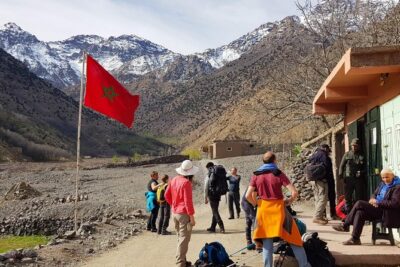
Browse the lists this tour appears in