
REVIEW · TANZANIA
#1. Best 7 days kilimanjaro trek Machame route join group
The Roof of Africa comes with a long summit night. This 7-day Machame Route trek gives you changing scenery from rainforest to alpine desert, plus a planned acclimatization climb to Lava Tower before the final push for Uhuru Peak. I like the route’s variety, and I like that the schedule includes a full day pattern that lets you climb high and sleep lower before summit night.
The main concern is the true cost. The advertised price is $900 per person, but national park fees are not included. One detailed cost report puts additional entrance, porter, and guide charges at about $950, with tips adding roughly $350 for seven accompanying staff, bringing the stated total near $2,150. You should get a written cost breakdown before paying.
Key facts before you book
- Seven days from Machame Gate to Uhuru Peak: The route covers rainforest, moorland, alpine desert, summit ice and rock, then rainforest again.
- Lava Tower reaches 4,600 meters: This high point on day three gives your body a useful acclimatization test before you sleep at Barranco Camp.
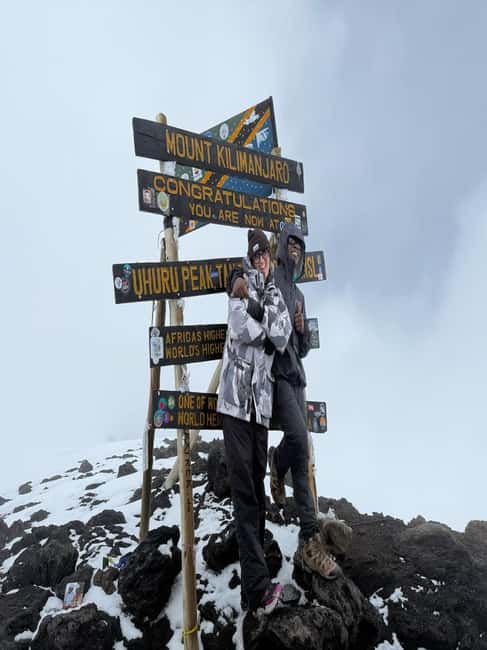
- Summit night lasts 10 to 14 hours: You start around midnight from Barafu Camp, reach Uhuru Peak at 5,895 meters, then descend to Mweka Camp.
- The $900 price needs checking: Park fees are specifically excluded, and other charges may make the final bill much higher.
- Camping details are unclear: The information refers to hut accommodation but also lists camping equipment and sleeping mattresses, while the route uses named camps.
- English-language support is provided: Meals, drinking water, transport, a guide, sleeping mattress and camping equipment are included as stated.
Why the Machame Route earns its reputation
Machame is popular because it gives you a changing mountain experience rather than one long climb through similar scenery. On this seven-day plan, you begin under thick rainforest, move through open moorland, cross dry alpine terrain, and finish among the cold, exposed slopes near Uhuru Peak.
I like the way the route uses the third day for altitude practice. You climb from Shira Camp to Lava Tower at 4,600 meters, then drop to Barranco Camp at 3,900 meters. That climb high, sleep lower pattern is one of the most useful features of the schedule.
The route is not easy, though. The summit day includes the climb from 4,640 meters to 5,895 meters, followed by a descent to 3,110 meters. You will cover about 17 kilometers that day and spend 10 to 14 hours on your feet. Even strong hikers should treat this as a serious endurance trip, not a casual holiday walk.
More Kilimanjaro Climbs in Tanzania:
- 8-Day Small-group Lemosho Kilimanjaro Summit Trekking
★ 5.0 · 186 reviews - Best Kilimanjaro Adventure 7 days Machame route Trekking
★ 5.0 · 42 reviews - Kilimanjaro 7 Day Private Trekking Experience
★ 5.0 · 40 reviews
Day one: Machame Gate to Machame Camp
Your trek starts at Machame Gate after registration and a transfer from your hotel in Moshi. The route enters the montane rainforest, where the surroundings are cooler, greener and more sheltered than the upper mountain.
The plan gives a starting elevation of 1,800 meters and an ending elevation of 2,835 meters. Hiking time is listed as five to seven hours. The stated distance, however, appears inconsistent: it gives 1 kilometer and 7 miles in the same line. Ask the operator to confirm the actual distance and expected walking time.
The forest is one of the nicest early sections. You might see colobus monkeys and colorful birds, along with unusual plants that do not appear higher up. After reaching Machame Camp, you have dinner and rest in the forest setting.
This is a good first day for getting used to the pace. Keep your daypack light, carry water and do not rush. The mountain rewards a slow, steady rhythm from the start.
Day two: Shira Camp and the first wide views
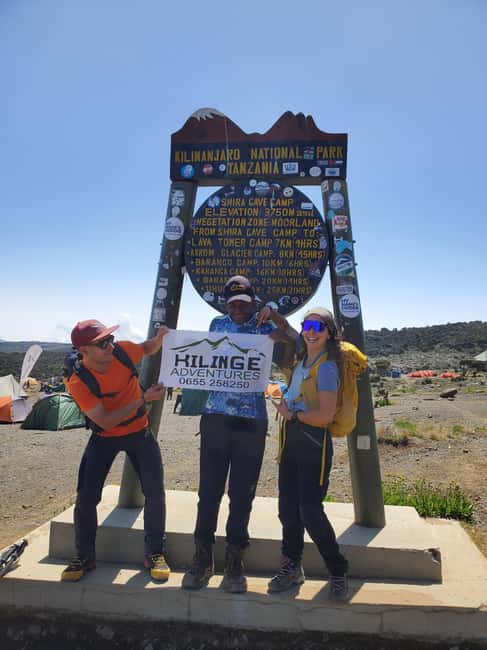
Day two leaves the rainforest and climbs into the moorland zone. The path becomes steeper and rockier, with views toward the Shira Plateau and Kibo Peak.
The distance is listed as 5 kilometers, with four to six hours of walking. You climb from 2,835 meters to 3,750 meters. That gain is significant, even though the walking distance is short.
This section feels more open than day one. You begin to see the scale of Kilimanjaro, and the mountain’s upper slopes become a more constant presence. The moorland also signals a practical change: shade becomes less dependable, so sun protection and a warm layer matter.
Shira Camp is an important rest point. Eat well, drink steadily and pay attention to how you feel. Headaches, nausea or unusual fatigue should be reported to your guide rather than ignored.
Day three: Lava Tower to Barranco Camp
This is the route’s key acclimatization day. You leave Shira Camp at 3,750 meters and climb to Lava Tower at 4,600 meters before descending to Barranco Camp at 3,900 meters.
The route covers 10 kilometers and takes about seven to eight hours. The terrain is alpine desert, with less vegetation and a more exposed feel. Lava Tower is not just a scenic stop. It gives you time at a higher altitude before you sleep lower that night.
After the break at Lava Tower, the descent to Barranco Camp helps reduce the sleeping elevation. The scenery changes again, with views of Barranco Valley and the distinctive giant senecio plants.
I consider this one of the most valuable days in the plan. It adds time and effort, but it gives your body a better chance to adjust than a schedule that simply climbs higher every day. Still, altitude affects each person differently, so no itinerary can guarantee that you will feel well.
A few more treks around Tanzania worth a look
- Kilimanjaro Trekking 7Days 6Night Lemosho Route
★ 5.0 · 23 reviews - Kilimanjaro Trek 7 Days – Machame Route
★ 5.0 · 13 reviews - 7 Days Kilimanjaro trek via Machame route
★ 5.0 · 13 reviews - 7-Day Kilimanjaro Trekking Tour via Machame Route
★ 5.0 · 12 reviews
Day four: The Barranco Wall and Karanga Camp
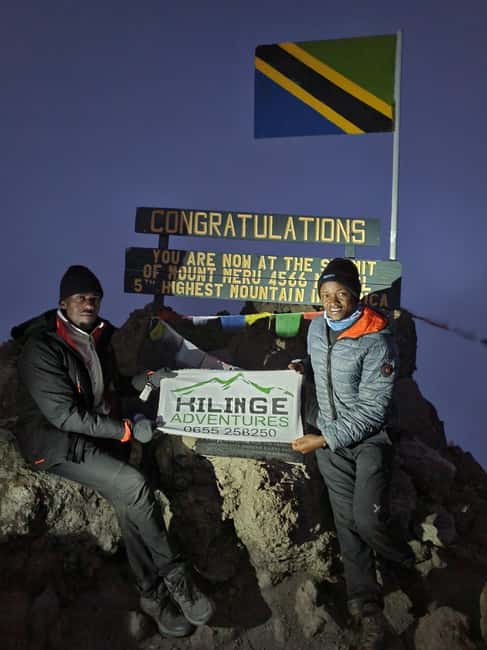
The Barranco Wall is the day’s main feature. You climb the wall using hands and feet on sections of the route, making this an exciting scramble rather than a simple uphill walk.
The day covers about 5 kilometers and takes four to five hours. You rise from 3,900 meters to 4,035 meters, then continue across ridges and valleys to Karanga Camp.
The short distance is useful after the longer Lava Tower day. It gives you time to recover while still gaining altitude. The wall may look intimidating from camp, but the experience is described as a scramble, not technical climbing with ropes.
You should still be comfortable with uneven ground and exposed mountain paths. Trekking poles can help on the approach and on the descent. Keep your hands free when possible, and follow the guide’s instructions closely.
Day five: Barafu Camp before the summit push
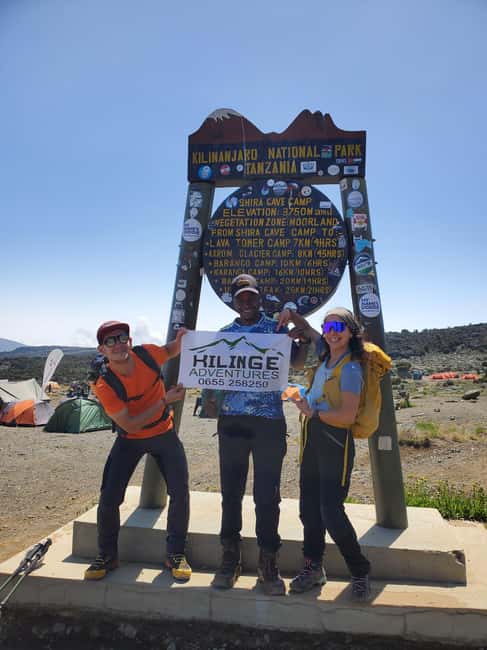
From Karanga Camp, you climb to Barafu Camp at 4,640 meters. The distance is only 4 kilometers, but the elevation makes this a demanding half-day.
The stated hiking time is four to five hours. The terrain remains alpine desert, with sparse vegetation and a more severe mountain setting. Barafu is your launch point for the midnight summit attempt.
This afternoon matters as much as the walk. You need to eat, drink and rest, then organize your headlamp, gloves, jacket, snacks and warm layers before trying to sleep. The summit departure is planned for midnight, so you will not have a normal night before the hardest day.
The packing list calls for a flashlight, but I would confirm whether that means a headlamp is supplied or expected. A headlamp is more practical than a handheld torch when you are using poles or climbing over rough ground.
Day six: Uhuru Peak and the long descent
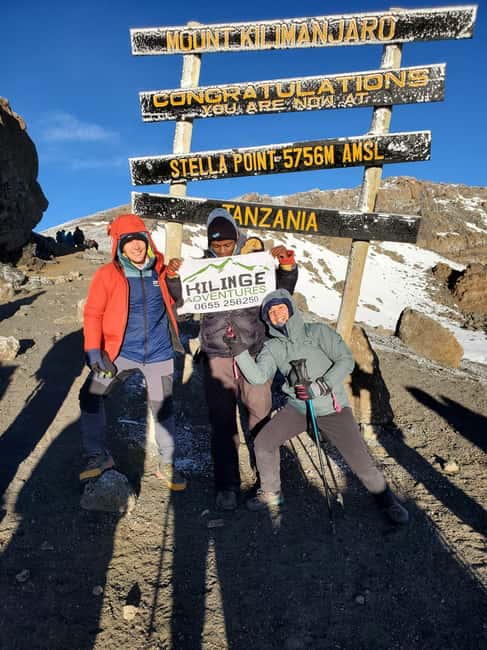
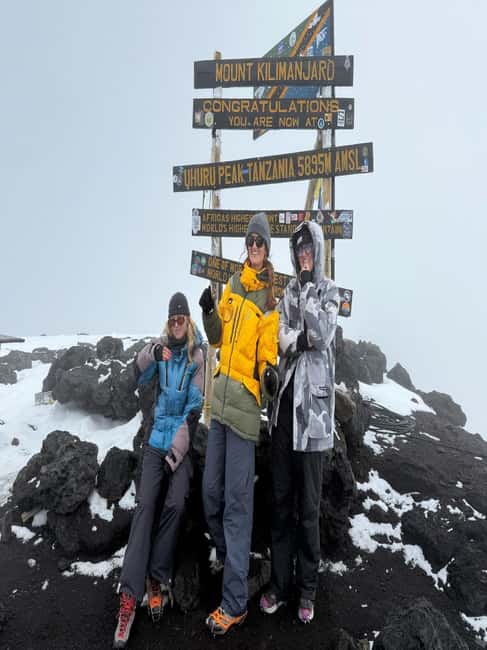
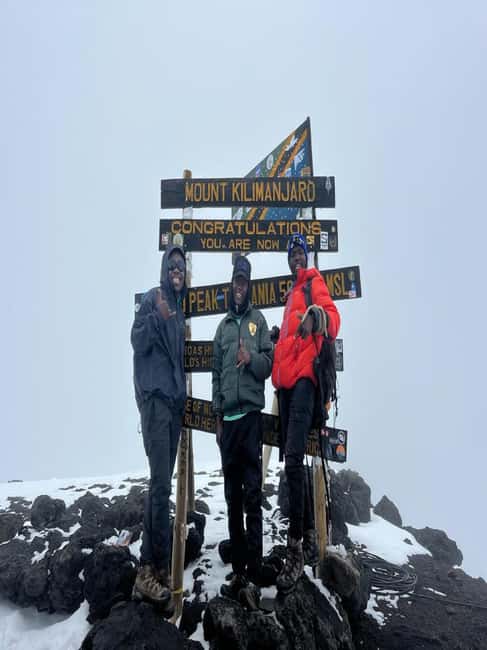
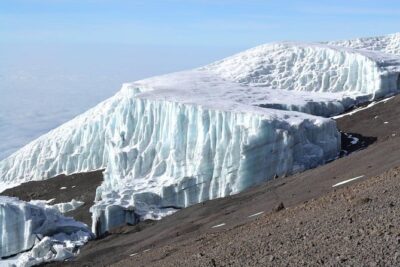
Summit day begins around midnight. You climb from Barafu Camp toward Stella Point, then continue to Uhuru Peak at 5,895 meters, the highest point on Kilimanjaro.
The complete day covers about 17 kilometers and takes 10 to 14 hours. After reaching the summit, you descend to Mweka Camp at 3,110 meters. The route moves from the arctic summit zone back toward rainforest conditions in one very long day.
The summit section is cold, dark and physically demanding. Your gloves, jacket, socks, snacks and water access all matter. The final stretch to Uhuru Peak can feel slow because of the altitude, even if the distance seems manageable on paper.
Reaching the summit is only half of the day. The descent to Mweka Camp is long and can be hard on tired knees. Save energy, watch your footing and do not treat the descent as an easy finish.
The reward is the change in temperature and vegetation as you lose altitude. After the exposed summit zone, Mweka Camp should feel lower, warmer and more welcoming, even though you will probably be ready for sleep immediately.
Day seven: Mweka Gate and the return to town
The final walk leads from Mweka Camp at 3,110 meters to Mweka Gate at 1,640 meters. It covers about 10 kilometers and takes three to four hours through rainforest.
At the gate, you collect your certificate of achievement before transferring to Moshi or Arusha. That certificate gives the trip a formal finish, but the practical reward is a hot shower, a proper rest and time to recover before onward travel.
The transport plan includes a transfer from your Moshi hotel to the gate at the beginning, as well as transportation connected with the trek. Confirm the exact return arrangements if you are staying in Arusha rather than Moshi.
What the $900 price really tells you
At first glance, $900 per person looks unusually attractive for a seven-day Kilimanjaro trip. The stated inclusions cover accommodation, meals, drinking water, transport, professional guide support, camping equipment and a sleeping mattress.
The problem is that national park fees are not included. Those charges are not a small optional extra. You also need a clear answer about porter and guide fees. One reported cost breakdown says entrance fees for the hikers, porters and guide came to about $950 over seven days. It also estimates tips at around $50 per accompanying person, with seven people producing another $350.
Those figures would bring the total close to $2,150, rather than $900. The exact amount may depend on group arrangements and local charges, but the gap is too large to ignore.
Before booking, ask for:
- A full price including park and conservation charges
- The number of guides and porters assigned to your group
- Any porter, guide or crew fees not included
- A suggested tipping amount
- Confirmation of meals, water and equipment
- The exact sleeping arrangement at each camp
The low base price may still offer value if the final total is clearly explained. It is not good value if major compulsory costs appear after you have committed.
Hut accommodation or camping?
The accommodation information needs clarification. It refers to hut accommodations, but the daily plan names Machame Camp, Shira Camp, Barranco Camp, Karanga Camp, Barafu Camp and Mweka Camp. It also includes camping equipment and a sleeping mattress.
That combination suggests the operator may use camp-based accommodation, but the supplied details do not make the sleeping setup clear. Ask directly if you will sleep in huts, tents or another arrangement.
This matters because hut sleeping and tent camping offer different levels of shelter, privacy and comfort. It also affects what you need to pack. A sleeping bag is listed among the items to bring, so you should not assume that a bed or full bedding is provided.
Food, water and what to carry
Meals and drinking water are included, which removes two major planning tasks. You should still bring snacks for the long days, especially day three and summit day.
The suggested personal equipment includes a jacket, gloves, socks, hiking pants, a daypack, climbing or trekking gear, a sleeping bag, flashlight and power bank. That list is basic but sensible for a route that moves from warm forest to freezing high ground.
Pack for quick access. Keep your jacket, gloves, headlamp or flashlight and snacks where you can reach them without emptying your bag. A power bank is useful because charging access is not stated.
Use a daypack for the items you need while walking and confirm how larger luggage is handled before departure. The supplied information does not explain baggage arrangements, so do not assume that all personal belongings follow you to each camp.
Who should choose this trek?
I would consider this trip for a fit hiker who wants the classic Machame scenery and can handle a long summit day. The seven-day schedule is more sensible for acclimatization than a rushed climb because it includes the Lava Tower high point and separate days for Barranco Wall, Karanga and Barafu.
It suits someone who values a guided experience and does not want to arrange food, water, transfers or mountain equipment alone. English-language service is provided, and the plan includes a professional guide.
I would be cautious if you need a clearly defined all-inclusive price, private accommodation or a short physical challenge. The summit day is long, and the added costs need to be settled before booking. You should also clarify the huts versus tents issue if sleeping comfort is important to you.
Should you book this Kilimanjaro trek?
Book it if you want the Machame Route’s changing scenery, accept a demanding summit day and receive a written final quote that explains every fee. The strongest parts are the route variety, the Lava Tower acclimatization day and the complete seven-day structure.
Do not book on the $900 figure alone. The extra park, crew and tipping costs may be substantial, and the accommodation details are not fully clear. Cancellation is available up to 24 hours before the start for a full refund, and you can reserve now with payment later, but those flexible terms do not replace a proper cost breakdown.
If KILINGE – ADVENTURES answers the pricing and sleeping questions clearly, this could be a practical way to tackle Kilimanjaro. If the answers remain vague, choose a trek with a transparent total price, even if the starting rate looks higher.
FAQ
Where does the Kilimanjaro trek take place?
The trek takes place on Mount Kilimanjaro in Tanzania, using the Machame Route.
How long is the Machame Route trek?
The experience lasts seven days, from the Machame Gate to Mweka Gate, followed by transport to Moshi or Arusha.
What is the highest point of the trek?
Uhuru Peak is the highest point, at 5,895 meters or 19,341 feet.
How long is the summit day?
Day six takes about 10 to 14 hours and covers approximately 17 kilometers, including the climb to Uhuru Peak and the descent to Mweka Camp.
Is accommodation included?
Accommodation is included, but the supplied details refer both to hut accommodation and camping equipment. Ask the provider to confirm whether you will sleep in huts or tents.
Are national park fees included in the $900 price?
No. National park fees are specifically excluded from the stated price.
What meals and supplies are included?
Meals and drinking water are included. Camping equipment and a sleeping mattress are also listed among the inclusions.
What language is available for the guided trek?
English is the listed language for the experience.
Recently added around Tanzania
- Mt Kilimanjaro Trek, 6 Days – Umbwe Route★ 5.0 · 4 reviews
- 7 Day Trek To The Roof Of Africa Kilimanjaro via Machame Route★ 5.0 · 5 reviews
- Mount Kilimanjaro Trek 7-Days: Lemosho Route★ 5.0 · 2 reviews
- 8 Day Kilimanjaro Trek via Lemosho Route★ 5.0 · 17 reviews
- 6-Day Kilimanjaro Machame Route – A Stunning Trek to Uhuru Peak★ 5.0 · 7 reviews
- 7-Days Tour Mount Kilimanjaro Trekking via Machame Route★ 5.0 · 2 reviews
- 6-Day Rongai Route Trek in Mount Kilimanjaro★ 5.0 · 8 reviews
- Trek To Mount Kilimanjaro★ 5.0 · 12 reviews
Kilimanjaro Climbs, compared.
8-Day Small-group Lemosho Kilimanjaro Summit Trekking
Read our review →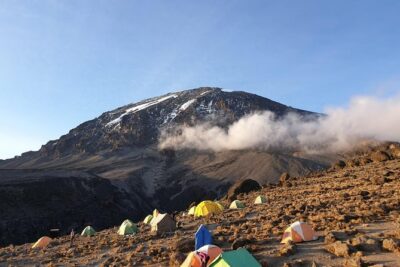
Best Kilimanjaro Adventure 7 days Machame route Trekking
Read our review →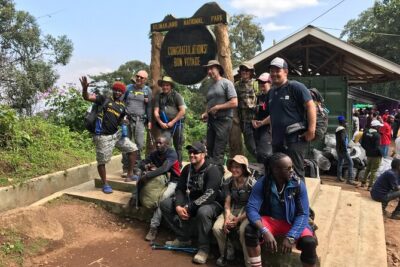
Kilimanjaro 7 Day Private Trekking Experience
Read our review →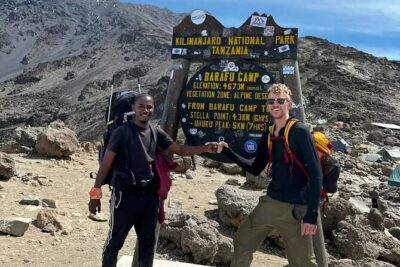
6 Days Machame Route Kilimanjaro Climbing Trekking Tour
Read our review →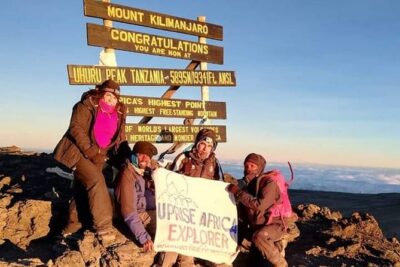
Kilimanjaro Trekking 7Days 6Night Lemosho Route
Read our review →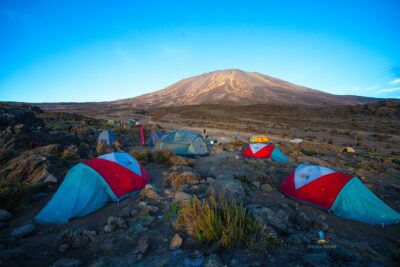
Top 6 Days Mt. Kilimanjaro Bike trek Tour by Marangu-Kilema Route
Read our review →Browse the lists this tour appears in