
REVIEW · LUANG NAMTHA
The Wild Explorer – 3 days forest trek with homestay and camping
The jungle sets the schedule. This three-day trek through Nam Ha National Protected Area pairs long, demanding hikes with camping, village life, and meals cooked from forest ingredients. I like the small group limit of eight and the chance to learn practical skills such as making a fire and cooking food in bamboo. The main caution is simple: seven hours of hiking each day is a serious physical test, and wildlife sightings are not guaranteed.
I also like that the price includes tents, sleeping bags, mattresses, mosquito nets, meals, local guide wages, village fees, and conservation funds. Guides such as Xai, Peng, Pheng, Jaiy, Pent, and Noy have been praised for their warmth and local knowledge. Still, guide quality and English ability may vary, so I would confirm who is leading your departure if detailed explanations matter to you.
Key points to know before you book
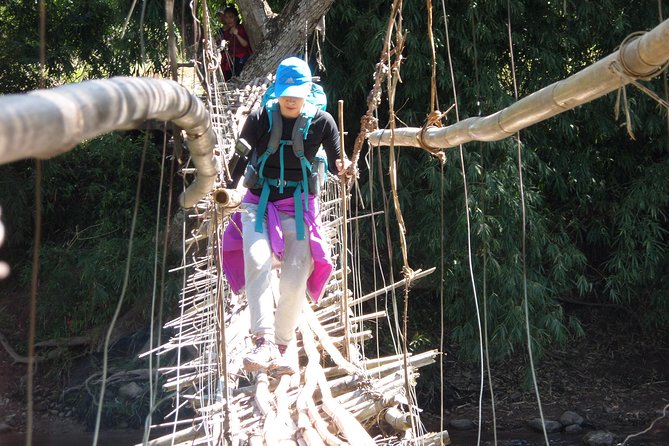
- Seven hours of jungle hiking daily: Expect steep, muddy, slippery, and tiring trails rather than a gentle nature walk.
- Two nights close to the forest: You may sleep in a tent, a simple wooden shelter, or a shelter you help make, depending on the arrangement.
- A mountain-top campsite: The site near a small stream offers open views and sunrise, but comfort is basic.
- Forest cooking is part of the adventure: You may help gather wild vegetables and cook local food in bamboo tubes.
- Small groups matter: The maximum group size is eight, giving the guide more room to adjust the pace.
- Wildlife requires realistic expectations: The forest is the setting, but sightings are uncertain and can be limited to small creatures such as frogs.
What the Wild Explorer trek is really like
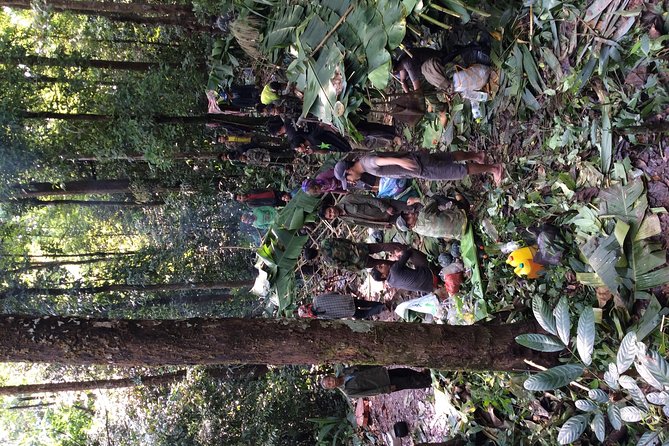
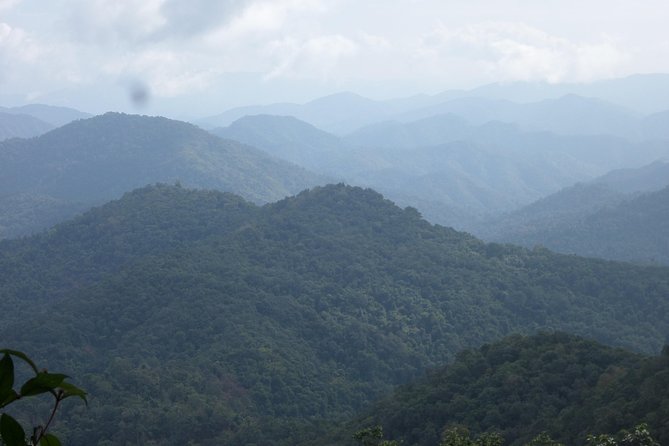
The Wild Explorer is not a sightseeing tour with a little walking added. It is a difficult three-day forest trek in Nam Ha National Protected Area, with about seven hours of hiking each day. That figure matters. You need strong physical fitness, a willingness to get wet and dirty, and enough patience to keep going when the trail turns rough.
The reward is a close look at northern Laos away from the main road. You spend time in the forest, pass through villages, camp near a stream, and learn how food and shelter can be made with local materials. The experience has a practical edge that many organized hikes lack.
I would choose this trip for the sense of participation. You are not simply being led to a viewpoint, taking a photograph, and returning to town. You may gather wild vegetables, cook in bamboo, build a fire, and help create a basic shelter. That makes the outing feel more connected to daily life in the region.
The tradeoff is comfort. This is not the right choice if you want reliable hot showers, soft beds, or a predictable walking surface. It is also not a wildlife safari. One disappointing outing produced only a frog, despite the promise of a wild forest experience. That is not unusual in a thick jungle, but it is worth knowing before you pay for the tour.
More Homestay Treks in Laos:
- Nalan Trail Kmu Ethnic Experience – 2days forest trek with homestay.
★ 5.0 · 21 reviews - Hunter Trails, 3 days difficult trekking with Camping & Homestay
★ 5.0 · 15 reviews - Nam Ha NPA 3 Day Wildlife Jungle Camp and Village Homestay Trek
★ 5.0 · 11 reviews
Morning departure from Luang Namtha
The trek begins at 8:30 am at The Hiker Travel Agency on 17A Main Street in Phonexay Village, Luang Namtha. The activity ends back at the same meeting point after the three days.
Starting in the morning gives you time to leave town and reach the protected area before the day is too far along. The exact route can vary, and the supplied program lists Nam Ha National Protected Area as the main stop rather than naming a series of fixed attractions. Think of this as a guided route through a living forest, not a checklist of famous points.
A small group can make a real difference here. With a maximum of eight people, the guide can watch the pace, explain plants and village customs, and respond to changing trail conditions more easily than on a large group outing. If you are traveling with friends, group discounts may also be available.
I would arrive prepared, not casually dressed for a half-day walk. Bring hiking boots, a hat, sunscreen, mosquito spray, a torch, a raincoat in the wet season, and clothes that can get wet. Pack dry changes of clothing and something warm as well. The required list also calls for a rucksack, which is not included.
Day one, entering Nam Ha National Protected Area
The first day introduces the basic rhythm: several hours of forest walking, a meal prepared along the route, and a night away from town. The trail may be muddy or slippery, especially after rain, so your footwear will affect the whole trip.
The guide is central to the experience. A good local guide can point out useful plants, explain how people use the forest, and keep the group moving safely through unfamiliar country. Peng, Xai, Pheng, Jaiy, and Pent have all been praised for different strengths, including jungle skills, English, village knowledge, cooking, and patience with children.
The meal plan starts immediately. Lunch is included on day one, and dinner is included that evening. Food may include forest ingredients and wild vegetables gathered during the walk. You might help collect some of the ingredients, then watch or assist as the guide cooks local-style food in bamboo tubes.
That cooking is one of the strongest parts of the trip. It turns lunch or dinner into a lesson in resourcefulness rather than a routine stop. It also means you should keep an open mind about the menu. The food is described as tasty and carefully prepared, but the ingredients are linked to what is available locally.
Your first night may be in a tent, a simple wooden hut, or a shelter made with guidance from the group. The equipment package includes a sleeping bag, mattress, mosquito net, and tent. It does not promise hotel-style camping, so bring a warm layer and expect a basic night.
Day two, forest skills and the high campsite
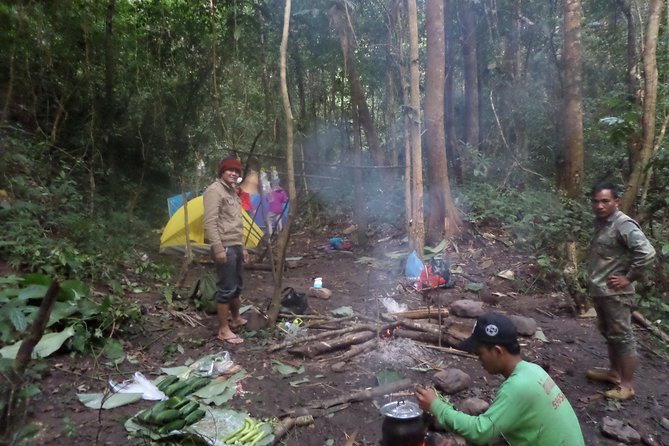
Day two continues the long walking schedule, with breakfast, lunch, and dinner included. This is also the point when the trip can feel most remote. You are spending another day under forest cover, with the route, weather, and group pace shaping the experience.
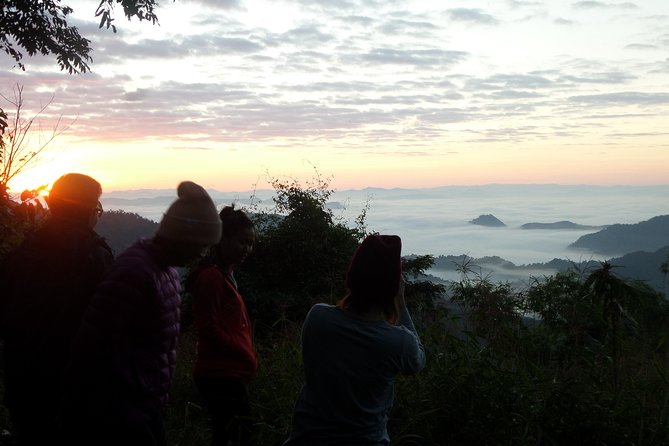
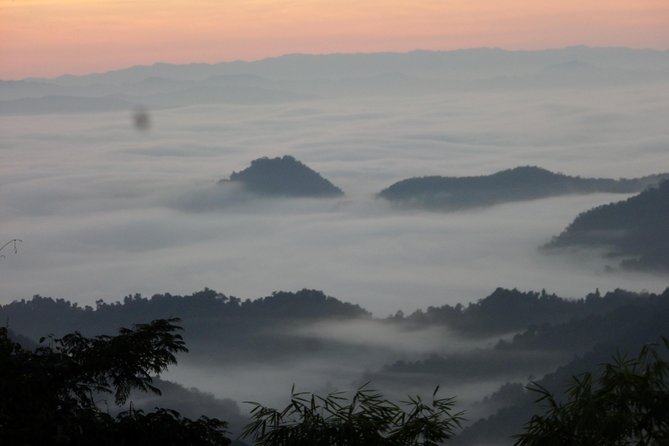
The campsite is described as being near a small stream and on a mountain peak. That combination gives you two different pleasures: water close by for the camp setting and a broad view for sunrise. The morning view may be the visual highlight of the trek, but reaching the site requires stamina.
The survival lessons add purpose to the stop. You can learn how to make a campfire and may help prepare a shelter. These are simple skills, yet they change how you look at the forest. Branches, bamboo, leaves, water, and edible plants become part of the practical experience rather than just background scenery.
Camping near a stream has a clear appeal, but it also calls for care. The supplied information does not promise private facilities or regular washing arrangements, so you should prepare for basic conditions. Your torch, mosquito spray, dry clothing, and warm layer are not optional extras for this kind of night.
The sunrise is another reason to accept the rough sleeping conditions. If the weather cooperates, the mountain-top position provides a panoramic morning view. In the wet season, rain can alter the mood and the trail, and a raincoat becomes especially important.
More Three-Day Treks in Laos:
- Luang Prabang: Nong Khiaw 3-Day Trekking & camping, Homstay
★ 5.0 · 9 reviews - Luang Prabang: 3-Day Cultural Remote Trek With Homestay
★ 4.9 · 9 reviews - Sapa 3 Days 2 Nights Trekking Tour (1 Night In Ta Van Village, 1 Night In Hotel)
★ 5.0 · 699 reviews - 3-Day Trekking Adventure of Sapa from Hanoi – Stay Ta Van Village
★ 5.0 · 611 reviews
Day three, one last long walk back
Breakfast is included on day three, followed by another substantial hiking day. By this point, tired legs will affect your pace. The third day is not a relaxed stroll after the main event. It remains part of the advertised seven-hours-per-day challenge.
I would treat the last day as a test of preparation. Good boots, dry socks, enough personal water and snacks if needed, and a well-fitted rucksack can make the difference between a hard but rewarding finish and a miserable one. The tour includes meals, but the supplied details do not say that personal snacks or drinks are provided, so carry pocket money and any small extras you may want.
The return to the meeting point closes the loop in Luang Namtha. You do not need to arrange a separate end point. The tour includes the listed fees and taxes, community-based tourism funding, the local escorted-guide wage, village pass fees, and a forest conservation fund. Those costs matter because your payment supports more than transport through a protected area.
The route can also include a homestay or kayaking on some arrangements. A three-day outing has been adapted in at least one case to include one camping night and one homestay, while another version included a homestay on the second day and kayaking. Do not assume these extras are guaranteed on every departure. If a village night or kayaking matters to you, ask The Hiker to confirm the exact plan before booking.
Food, shelters, and equipment included
The package is generous in the areas that matter most in remote country. You receive:
- Breakfast on days two and three
- Lunch on all three days
- Dinner on days one and two
- Sleeping bag
- Mattress
- Mosquito net
- Tent
- Required fees, taxes, village passes, guide wages, and conservation contributions
The food is more than fuel. Guides have been praised for cooking tasty meals from local and forest ingredients. You may pick wild vegetables and cook in bamboo, which gives the food a strong connection to the setting.
The equipment helps keep the price reasonable, but you still need to bring personal hiking gear. The tour does not include a rucksack, hiking boots, hat, sunscreen, mosquito spray, torch, raincoat, wet-weather clothing, spare clothing, warm clothing, or pocket money.
Pack lightly, but do not pack carelessly. You need enough clothing to manage rain and cool nights without loading yourself down. Wet shoes and damp clothing can become a real problem by the second morning.
Guides can make or break the experience
The strongest part of the trek is likely to be the guide. Xai has been praised for friendly English, explanations about villages and nature, and a kind manner with children. Peng has been praised for his understanding of the jungle, local culture, history, and agriculture. Pheng and Jaiy have also been praised for warmth and information.
Those names are useful, but you should not assume every departure has the same guide. One poor experience involved two guides with limited English, and the group felt the service did not match the description. Another group had an excellent time because the guide was a skilled cook and an engaging local companion.
If you care about learning as much as walking, ask which guide is scheduled and what language support is available. A guide who can explain plants, village life, and farming will give you far more than someone who simply points along the trail.
The guide also controls the practical side of the day. On slippery ground, careful route choices and a sensible pace matter more than a polished speech. This is one reason a small group is valuable.
Is $154 a fair price?
At $154 per person, the tour is not the cheapest way to see the area, but the price covers three days of guiding, meals, camping equipment, access fees, village charges, and conservation funding. You are also paying for a small group format, with a stated maximum of eight people.
The value is strongest if you would otherwise need to rent camping gear, hire a local guide, arrange meals, and pay separate protected-area and village fees. The package removes much of that planning.
The value is weaker if you expect wildlife sightings, polished facilities, or a fixed luxury itinerary. The forest is real, and that means conditions are not fully controlled. The price buys access and support, not a guarantee of animals or perfect weather.
The experience is booked an average of 17 days ahead, so planning early is sensible. Free cancellation is available up to 24 hours before the start time. Poor weather or failure to meet the minimum group size can lead to a new date, a different experience, or a full refund.
Who should book the Wild Explorer?
I would recommend it to fit hikers who want a hands-on forest experience, enjoy simple camping, and care about local food and village contact. It suits people who would rather learn to make a fire than spend another evening in a resort.
It is also a good match for small groups of friends, couples who enjoy a physical challenge, and families with older children who can manage long hiking days. The guide feedback suggests that some guides work well with children, but the seven-hour schedule still makes this a demanding choice for young walkers.
I would not choose it for a relaxed introduction to Laos, a guaranteed wildlife trip, or a soft adventure with short walks. You should also think twice if you dislike wet clothes, insects, uneven trails, or sleeping in basic shelters.
Should you book this three-day trek?
Book it if you want the forest to be the main event. The combination of long hikes, simple camping, bamboo cooking, survival skills, village contact, and a sunrise campsite gives the trip real character. The conservation and community fees also make the price easier to justify.
Before paying, confirm the guide, exact sleeping arrangements, and whether your departure includes a homestay or kayaking. Pack for rain, cold nights, insects, and mud. Go in expecting a hard physical challenge and uncertain wildlife, not a comfortable safari.
With those expectations, The Wild Explorer can be a memorable way to see northern Laos on foot. Without them, seven hours of jungle hiking each day may feel like a very long surprise.
FAQ
Where does the Wild Explorer trek start?
It starts at 8:30 am at The Hiker Travel Agency, 17A Main Street, Phonexay Village, Luang Namtha, Laos.
Where does the trek finish?
The activity ends back at the meeting point in Luang Namtha.
How difficult is the hike?
It is described as a difficult three-day hike, with about seven hours of jungle trekking each day. Strong physical fitness is required.
How many people can join the group?
The maximum group size is eight people.
Are camping supplies included?
Yes. The package includes a sleeping bag, mattress, mosquito net, and tent. You still need to bring your own rucksack, boots, torch, clothing, and other personal items.
Are meals included?
Yes. Breakfast is included on days two and three, lunch is included on all three days, and dinner is included on days one and two.
Can I cancel for a full refund?
Yes, if you cancel at least 24 hours before the experience start time. Cancellations or changes made less than 24 hours before the start are not accepted for a refund.
Recently added around Laos
- Day Trek to Kuangsi Waterfall and Bear Sanctuary – Luang Prabang full day tour★ 5.0 · 9 reviews
- The Ultimate Hiker’s Choice – 5 days forest trek with homestay and camping★ 5.0 · 8 reviews
- Trek to Tad Sae Waterfalls, Local Village★ 4.5 · 2 reviews
- 2 Days Multi Adventure in Nam Ha NPA: Trek and Kayak★ 5.0 · 2 reviews
- Nalan Trail and Khmu Tribe: 2 Days Trek in Nam Ha NPA★ 5.0 · 5 reviews
- 2 Days Treking,Lao+hmong+khmu,Waterfall and Kayaking At NongKhiaw★ 5.0 · 2 reviews
- Nong Khiaw: 2-Day Trekking,Hmong village,Home Stay&Kayaking★ 4.9 · 17 reviews
- Luang Prabang Trekking LongLao to Kuang si falls full day★ 4.7 · 7 reviews
Homestay & Village Treks, compared.
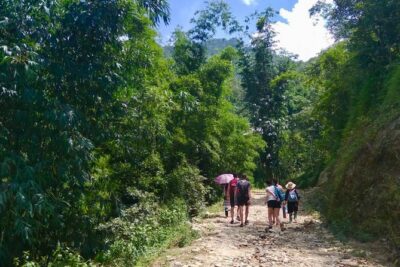
Number one top rated ethical cultural trekking and homestay by ETHOS
Read our review →
2-Day Sa Pa Ethnic Homestay Tour & Trek with Limousine Bus
Read our review →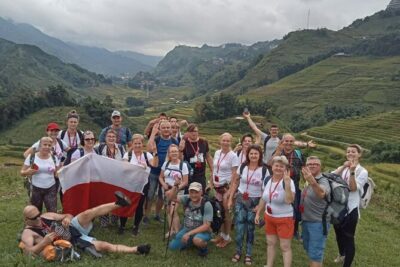
Sapa 3 Day 2 Night Trekking With Hotel & Homestay
Read our review →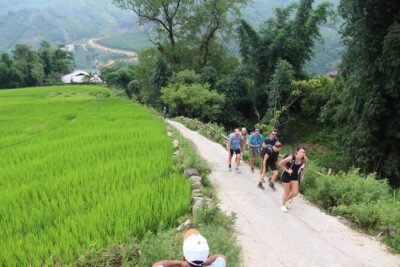
Sapa 2 Days 1 Night Overnight At Local Homestay
Read our review →
2-Day Trekking Trip with Ethnic Minority Homestay
Read our review →
2-Day Trek & Heartwarming Homestay with an Ethnic Family
Read our review →Browse the lists this tour appears in