
REVIEW · LUANG NAMTHA
Nam Ha NPA 3 Day Wildlife Jungle Camp and Village Homestay Trek
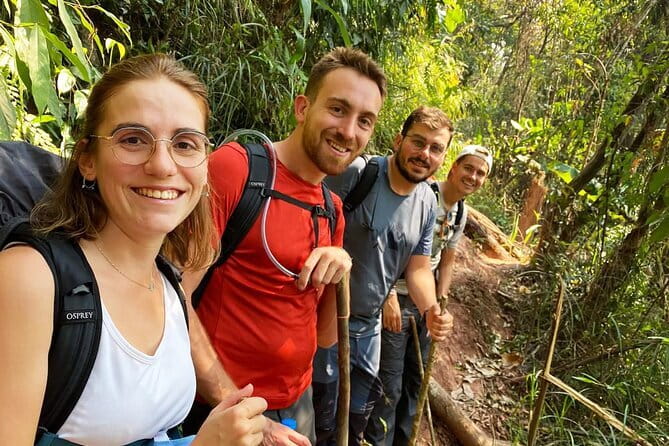
Laos gets wonderfully wild here. This three-day Nam Ha trek pairs jungle camping with a village homestay, so you spend less time looking at rural life from a vehicle and more time taking part in it. I like the practical forest skills, from finding edible and medicinal plants to fishing, hunting frogs, cooking, and using a crossbow. I also like the small maximum group of eight, which suits a trek built around close contact with local guides.
The main caution is the physical effort. You need a moderate fitness level, and the route includes uphill walking, thick forest, river crossings, and rough ground. The $149 price is fair because it covers transport, guides, food, accommodation, park fees, and village activities, but this is not a soft adventure with hotel comforts.
Five things to know before booking
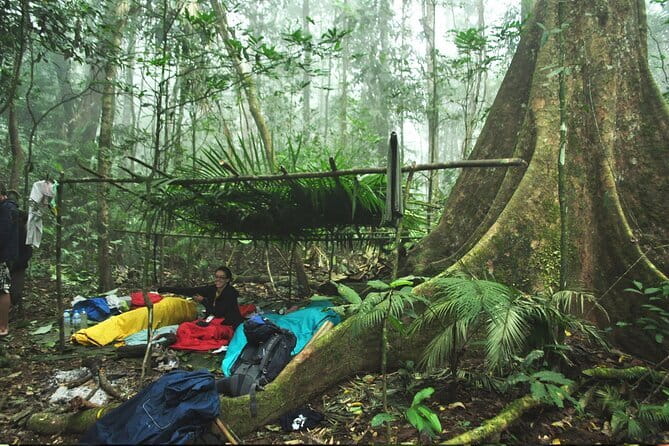
- Two nights, two very different beds: You stay in a traditional banana leaf jungle camp and a local village homestay.
- Forest skills are central: Expect lessons on plants, wildlife, fishing, frog hunting, rice pounding, and jungle cooking.
- Small groups matter: The maximum is eight people, allowing more time with your guide and less waiting.
- Guide quality shapes the trip: Nom, Xiong, Sing, Sai, and Deang are praised for forest knowledge, care, clear English, and local connections.
- Plan for real walking: The route includes hills, thick jungle, and a crossing of the Nam Ha River.
- The price covers the essentials: Three lunches, two breakfasts, two dinners, water, transport, accommodation, entry fees, and village activities are included.
Why this Nam Ha trek feels different
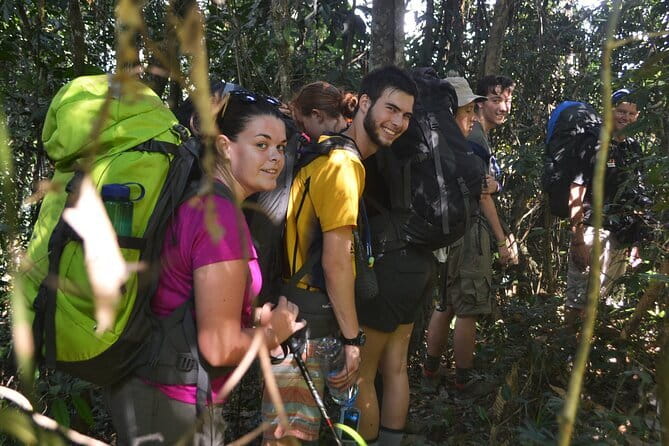
Many forest excursions give you a marked path, a viewpoint, and a ride back to town. This one is built around learning how people use the forest. You are not simply passing through Nam Ha National Protected Area. You are shown how plants can serve as food or medicine, how meals are made with available ingredients, and how older hunting and farming skills remain part of village life.
That difference matters. The jungle camp is not a decorative overnight stop designed for photographs. It is described as a traditional hunter’s camp, with a banana leaf shelter and food prepared along the route. You should expect basic conditions, shared time around meals, and a night that feels far removed from Luang Namtha’s guesthouses.
The village homestay adds another layer. You can learn about Khmu customs and daily life, visit the village, drink Lao coffee or local tea, pound rice, and try crossbow shooting. These activities are simple, but they give the trek a human scale. You are not just walking through protected forest. You are seeing how nearby communities relate to it.
More Homestay Treks in Laos:
- The Wild Explorer – 3 days forest trek with homestay and camping
★ 4.5 · 22 reviews - Nalan Trail Kmu Ethnic Experience – 2days forest trek with homestay.
★ 5.0 · 21 reviews - Hunter Trails, 3 days difficult trekking with Camping & Homestay
★ 5.0 · 15 reviews
Day one: market supplies and the first jungle camp
The morning begins at 9:00 a.m. at Phou Iu Travel & Ecotourism in Phonexay Village, Luang Namtha. A tuk-tuk takes you toward the starting point, with a stop at a local market to buy supplies. This is a useful beginning because it shows you what food and everyday items are being selected before the walk starts.
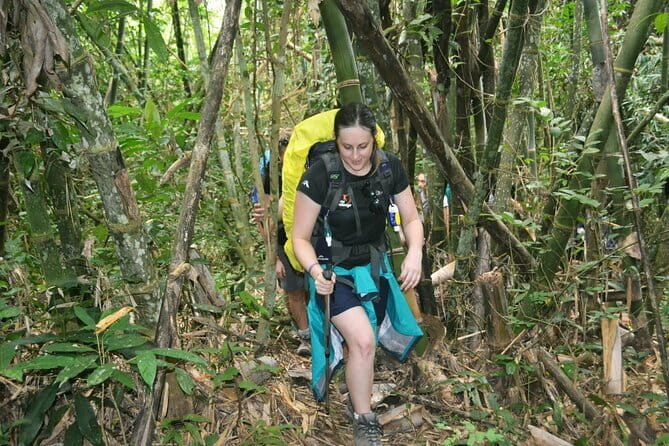
The trek begins near Nam Ha village with a local guide. The route then moves into the forest, with a picnic lunch along the way. The listed walking time is about four hours, though the day includes breaks and food preparation rather than four nonstop hours on the trail.
This first day is where the trip’s character becomes clear. Your guide may point out plants used in cooking or traditional medicine and explain how local people identify useful forest resources. The information is one of the strongest reasons to choose this trip. A forest walk becomes much more interesting when you understand why a particular leaf, root, or plant matters.
The physical side should not be underestimated. One guide, Xiong, is praised for leading more than 400 treks and for handling steep hills, thick jungle, and the descent toward the river. That kind of experience is valuable on a route where the surface and pace can change quickly.
After reaching camp, the evening centers on preparing food with jungle resources. Fishing and frog hunting are part of the experience, and the guides help turn available ingredients into dinner. You should not expect a menu with many choices. The point is to learn and participate, not to order a familiar restaurant meal.
The banana leaf camp is likely to suit you if you enjoy simple accommodation and outdoor routines. It may feel too basic if you need a private room, dependable electricity, or a soft bed after a day on uneven ground. Pack with that difference in mind.
Day two: wildlife sounds, the Nam Ha River, and Khmu life
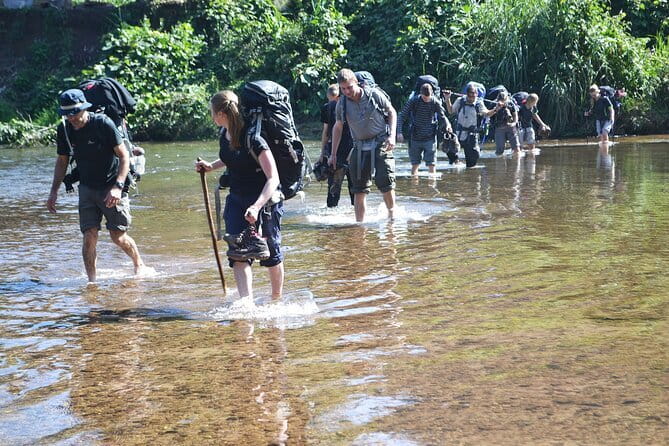
The second morning starts with the sounds of the forest rather than traffic or an alarm clock. After breakfast, you choose between route options. One listed option involves about three hours of walking, crossing the Nam Ha River, continuing to Nalan village, and eating a traditional lunch there.
A river crossing makes this day more active and gives the route a practical feel. You should be ready for wet or uneven footing, although the supplied information does not specify the depth or exact method of crossing. Wear secure walking shoes and carry only what you need during the day.
Nalan village is an important part of the cultural side of the trek. You learn about Khmu life, customs, and the relationship between village routines and the surrounding forest. The best part of the visit is its directness. Instead of receiving a short cultural talk from a city-based guide, you spend time in a community connected to the route.
The food is another highlight. Lunch is traditional, and the guides prepare meals during the trip. Nom is particularly praised for explaining how plants are used in cooking and medicine, as well as for creating tasty dishes along the way. Food here is not just fuel. It is one of the main teaching tools.
The day is described as a mix of shorter walking periods, breaks, and food preparation. That makes the trek more manageable than a forced march, but it can also feel slow if you want constant movement. I see that as a strength for most people. There is time to ask questions, watch a meal being made, and notice small details in the forest.
The homestay brings a different kind of comfort from the camp. You are still staying simply, but the setting shifts from a forest shelter to a village home. You may find this more socially demanding than a standard hotel, especially if you are not used to shared spaces or a schedule shaped by local routines. The reward is a closer look at everyday life.
Day three: coffee, rice pounding, and the final forest route
The final morning includes a village visit, Lao coffee or local tea, crossbow shooting, and rice pounding. These activities give the day a gentle start and let you try practical skills rather than simply watch a demonstration.
Crossbow shooting is a memorable detail because it connects directly with the forest and hunting traditions discussed during the trek. Rice pounding offers a different lesson. It shows the work behind a basic staple that appears at many meals in Laos. Both activities are short, hands-on ways to understand village life.
After breakfast, you choose from another route option. One involves a three-to-four-hour uphill hike through the forest. The climb is the clearest reminder that this trip demands moderate fitness. You should be comfortable walking for several hours on uneven ground and handling sustained uphill effort.
The final hike also gives you time to put the earlier lessons together. By this point, you have heard about plants, wildlife, cooking, village customs, and forest use. The route is not just a final walk back to town. It reinforces how closely the protected area and nearby communities are linked.
The activity ends back at the meeting point in Luang Namtha. Since the supplied schedule gives approximate times rather than a firm return hour, avoid booking a tight onward connection on the final afternoon.
More Jungle Treks in Laos:
- Chiang Mai: 2-Day Jungle Trek with Elephant Farm & Raft Ride
★ 4.7 · 881 reviews - 3-Day Ethical Orangutan Jungle Trek | Bukit Lawang, Sumatra
★ 5.0 · 401 reviews - Monkey Business 3 days – 2 nights Jungle trekking (including rafting)
★ 5.0 · 294 reviews - 2 Days and 1 Night Ethical Jungle Trek
★ 5.0 · 229 reviews
The guides can make or break the experience
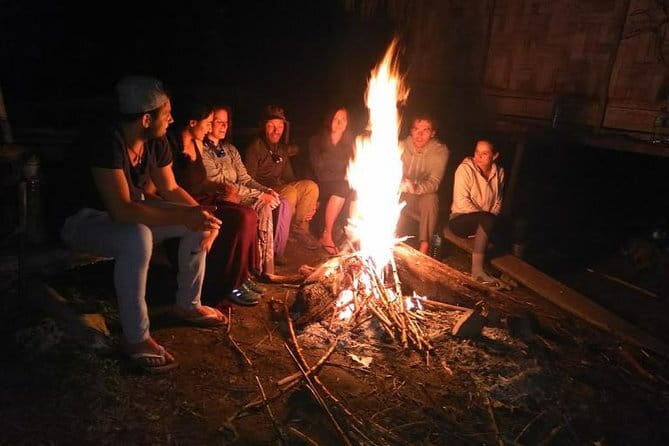
A forest trek depends heavily on the people leading it. The strongest praise here goes to the guides’ kindness, patience, communication, and practical forest skills.
Nom is repeatedly highlighted for good English, clear explanations, and a friendly manner. He is also described as someone who takes care of comfort while still keeping the trip genuine. Xiong is praised for extensive trekking experience and for guiding people through steep, thick forest and river areas. Sing is noted alongside Nom for warmth and care, while Deang helps with pre-trek preparation. Sai is also named as one of the local guides connected with the experience.
That does not mean you can guarantee a particular guide when booking. It does show the kind of service the operator aims to provide. If English communication matters to you, ask who will lead your departure and which guide will translate or explain the main activities.
The number of guides may also vary with group size. One small group had three local guides, including one with strong English. For a small party, that can offer a good balance between safety, interpretation, and personal attention.
What the $149 price really includes
At $149 per person, this trip offers solid value for a three-day outing. Your payment includes:
- English-speaking or local guide services
- Tuk-tuk and other transportation
- Jungle camp and village homestay accommodation
- Three lunches
- Two breakfasts
- Two dinners
- Food and water
- Nam Ha NPA entry fee
- Village activities
- Community distribution
- Government taxes and charges
That list matters because costs can rise quickly on a remote trek. Here, the park fee, meals, transport, and overnight stays are already covered. You are mainly paying for snacks, fruit, personal medicine, a personal water bottle, and suitable footwear.
The value is strongest if you want a connected three-day program rather than a single forest walk. You get nature, food, village activities, and overnight stays in one package. The cost is less compelling if you plan to spend most of the time resting or if you dislike basic accommodation.
The trip is usually booked about 24 days before departure, so leaving the decision until the last moment may not work. Free cancellation is available up to 24 hours before the start time. Changes or cancellations inside that window are not accepted for a refund.
What to pack for a basic jungle stay
The operator specifically excludes snacks, fruit, a personal water bottle, personal medicine, and sandals or flip-flops. Those are small omissions, but they are useful clues about preparation.
Bring the items you need for your own comfort, especially personal medication and snacks you know you will want between meals. Use proper walking footwear rather than flip-flops. The route includes steep ground, thick jungle, and a river crossing, so secure shoes are the sensible choice.
A light pack is best. You need enough for three days, but you do not want to carry city luggage over hills. Since water and meals are included, focus on personal essentials rather than kitchen supplies.
The accommodation is basic by design. Pack with the expectation of a jungle camp and homestay, not a resort. If you are happy with simple shelter and shared meals, this adds to the sense of place. If you require predictable hotel facilities, choose a shorter day trek instead.
Who should book this experience
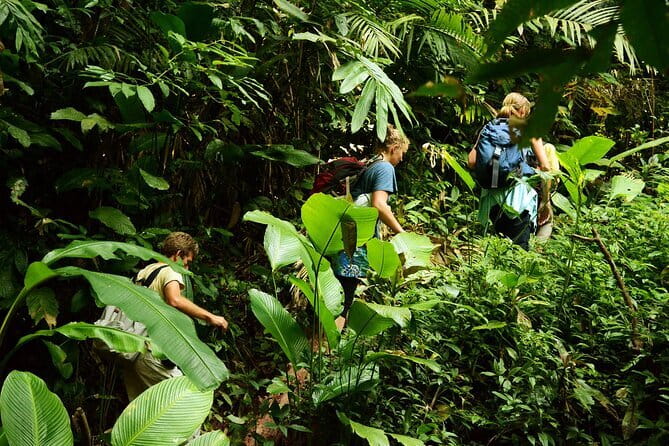
I would recommend this trek to you if you want:
- A hands-on forest experience rather than a sightseeing walk
- A small-group outing with a maximum of eight people
- Practical lessons about plants, food, hunting, and village life
- A chance to stay in both a jungle camp and a village homestay
- A slower pace with breaks for cooking, conversation, and demonstrations
- Direct contact with local guides and Khmu culture
It is also a good choice if you care about community-based tourism. The fee includes community distribution, and the activities connect directly with local guides and village life.
I would hesitate to recommend it if you have limited fitness, dislike uphill walking, or need private, polished accommodation. The moderate fitness requirement is not just a formality. The route includes hills and forest terrain, and the overnight settings are intentionally simple.
Should you book the Nam Ha three-day trek?
Book it if you want a real forest stay, not a quick photo stop. The combination of jungle skills, traditional meals, a banana leaf camp, a village homestay, and Khmu activities gives the trip more substance than a standard day excursion.
Before paying, confirm the likely guide, ask about the route option for your departure, and be honest about your fitness. If you are prepared for basic conditions and steady walking, the $149 cost buys three full days of food, transport, accommodation, guiding, and cultural contact. For an active visit to Luang Namtha, this is a strong choice.
FAQ
Where does the trek start?
It starts at Phou Iu Travel & Ecotourism in Phonexay Village, Luang Namtha, Laos. The meeting time is 9:00 a.m.
How long is the experience?
The trek lasts approximately three days. Each listed day includes about four hours of scheduled activity, with route options on the second and third days.
How large is the group?
The maximum group size is eight people.
What accommodation is included?
The package includes accommodation in a jungle camp and a village homestay. The jungle camp uses a traditional banana leaf shelter.
What meals are included?
The price includes two breakfasts, three lunches, and two dinners, along with food and water.
How fit do I need to be?
You should have a moderate level of physical fitness. The route includes jungle walking, uphill sections, thick forest, and a Nam Ha River crossing.
More Three-Day Treks in Laos
- Luang Prabang: Nong Khiaw 3-Day Trekking & camping, Homstay
★ 5.0 · 9 reviews - Luang Prabang: 3-Day Cultural Remote Trek With Homestay
★ 4.9 · 9 reviews - Sapa 3 Days 2 Nights Trekking Tour (1 Night In Ta Van Village, 1 Night In Hotel)
★ 5.0 · 699 reviews - 3-Day Trekking Adventure of Sapa from Hanoi – Stay Ta Van Village
★ 5.0 · 611 reviews
More Wildlife Trips in Laos
- Khao Sok: Private Waterfalls and Wildlife Half-Day Trek
★ 4.5 · 337 reviews - 4-Day Uganda Gorilla Trekking and Wildlife Safari
★ 5.0 · 37 reviews - 5 Day Gorillas, Wildlife and Kalinzu Forest Chimp Trek
★ 5.0 · 27 reviews - Gorilla trekking &wildlife adventure in Rwanda
★ 5.0 · 18 reviews
Recently added around Laos
- Day Trek to Kuangsi Waterfall and Bear Sanctuary – Luang Prabang full day tour★ 5.0 · 9 reviews
- Trek to Tad Sae Waterfalls, Local Village★ 4.5 · 2 reviews
- The Ultimate Hiker’s Choice – 5 days forest trek with homestay and camping★ 5.0 · 8 reviews
- 2 Days Multi Adventure in Nam Ha NPA: Trek and Kayak★ 5.0 · 2 reviews
- Nalan Trail and Khmu Tribe: 2 Days Trek in Nam Ha NPA★ 5.0 · 5 reviews
- 2 Days Treking,Lao+hmong+khmu,Waterfall and Kayaking At NongKhiaw★ 5.0 · 2 reviews
- Nong Khiaw: 2-Day Trekking,Hmong village,Home Stay&Kayaking★ 4.9 · 17 reviews
- Luang Prabang Trekking LongLao to Kuang si falls full day★ 4.7 · 7 reviews
Homestay & Village Treks, compared.
Number one top rated ethical cultural trekking and homestay by ETHOS
Read our review →
2-Day Sa Pa Ethnic Homestay Tour & Trek with Limousine Bus
Read our review →
Sapa 3 Day 2 Night Trekking With Hotel & Homestay
Read our review →
Sapa 2 Days 1 Night Overnight At Local Homestay
Read our review →
2-Day Trekking Trip with Ethnic Minority Homestay
Read our review →
2-Day Trek & Heartwarming Homestay with an Ethnic Family
Read our review →Browse the lists this tour appears in