
REVIEW · ITALY
Mount Etna: scenic Summit Trek with a volcano Guide and Gear
Feel the mountain change beneath your boots. This Etna trek takes you from Piazzale Rifugio Sapienza toward the summit areas of Europe’s highest active volcano, where black rock, steam, ash, and crater rims create a strange lunar world. I like the expert alpine guides and the supplied walking gear, especially for visitors who do not arrive in Sicily with hiking boots and a helmet.
I also like the slow, sensible pace reported by several participants, which gives you time to manage the loose volcanic stones and enjoy the views toward eastern Sicily. The main drawback is cost clarity: the advertised $41 price does not include the cable car or optional 4×4 bus, so your final bill can be much higher.
Key points before you book
- You begin at 2,500 meters: The cable car removes much of the lower climb, but the remaining route is still steep, rocky, and demanding.
- The summit area is weather-sensitive: Wind, cold, clouds, thunderstorms, and volcanic conditions can change the plan.
- Equipment is supplied: Hiking shoes, helmet, and insurance are included, with jackets and walking poles also provided in some groups.
- The crater views are the prize: You may see steaming vents, fresh eruption craters, ash, unusual rock formations, and, in favorable conditions, molten lava.
- The total cost needs checking: Cable car and 4×4 transport are separate, and past participants paid additional amounts for those services.
- This is a real mountain walk: A reasonable fitness level is required, and the descent over loose stones can be harder than expected.
Starting at Rifugio Sapienza on Etna’s south side
The tour begins at Piazzale Rifugio Sapienza, on Etna’s south side north of Nicolosi. This is the practical base for the outing, with the cable car carrying you from the starting area to about 2,500 meters.
Bring your voucher and arrive ready for a mountain day, not a casual sightseeing trip. You need water, a windbreaker, a hat, and clothing suited to changing conditions. The supplied information also asks you to carry a passport or identity card, with a copy accepted.
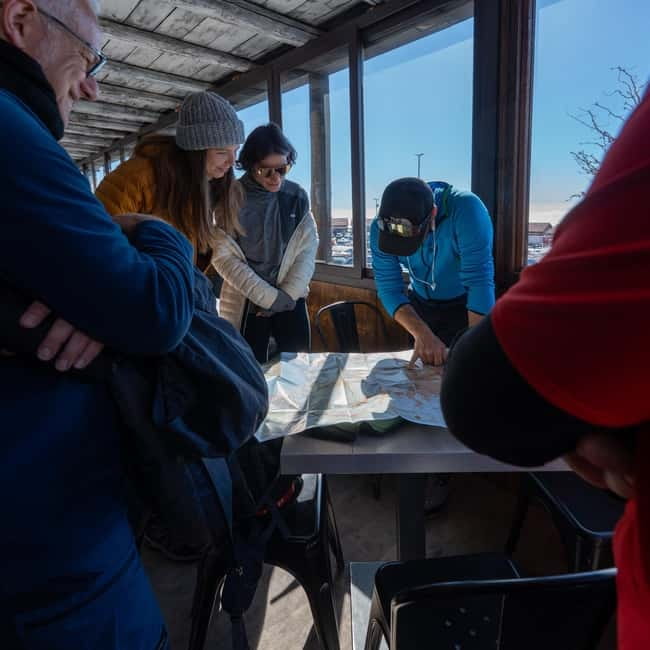
The meeting arrangement deserves attention. One participant found the location confusing at first and was unsure where the guide would appear or when the equipment would be handed out. In that case, everything worked out, but I would allow extra time and keep the voucher easy to show.
The guides speak Italian and English. Named guides in the feedback include Vincenzo and Pietro, both praised for patience, safety, and clear explanations. The strongest part of the guiding seems to be the human touch: the group is encouraged, slower walkers are accommodated, and the pace can be adjusted rather than forcing everyone uphill at the same speed.
More Volcano Treks in Italy
- Mount Etna: Trek to 3000m with cable car and 4×4
★ 4.6 · 3,823 reviews - Mount Etna: Summit Crater Trek with Cable Car
★ 4.8 · 1,875 reviews - Etna: summit craters trekking with volcano guide 3350mt
★ 4.7 · 1,712 reviews
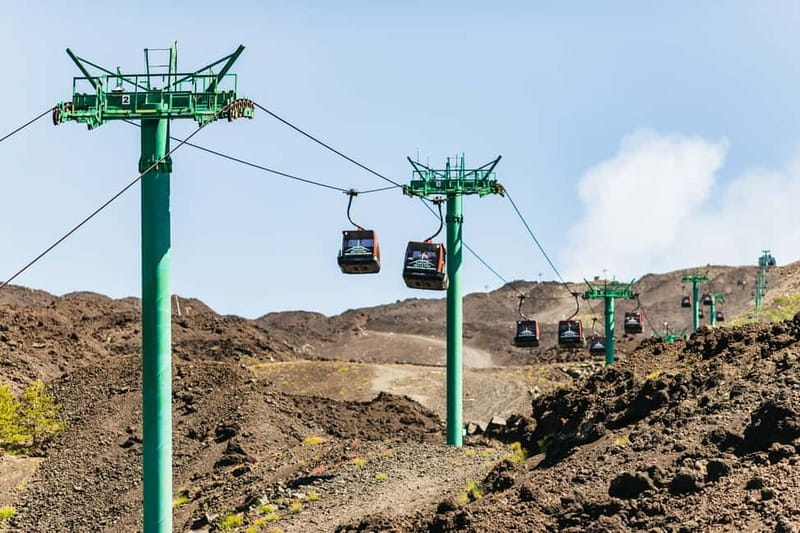
The cable car ride to 2,500 meters
The first cable car ride takes about 30 minutes. It is more than a convenience. It puts you quickly into the high volcanic zone, where the air is colder and the ground looks far less like an ordinary mountain trail.
The cable car ticket is not included in the $41 base price. Depending on the option selected, you may need a cable car ticket alone or a package that also includes the 4×4 bus. Past participants reported paying extra amounts such as €33 per person or €66 per person, so check the exact package and current price before booking.
This is the most important value question. The base price looks low for a four-to-six-hour guided mountain outing with equipment and insurance, but the required transport supplement changes the total. The full amount can still be fair, especially when you consider the guide, gear, and access to areas that are not suitable for an unguided walk. Just do not treat $41 as the final price.
Some groups take a 4×4 vehicle beyond the cable car station before beginning the main walk. That option saves energy and places you closer to the high craters. The precise transport arrangement depends on the ticket you choose.
Hiking toward the summit craters
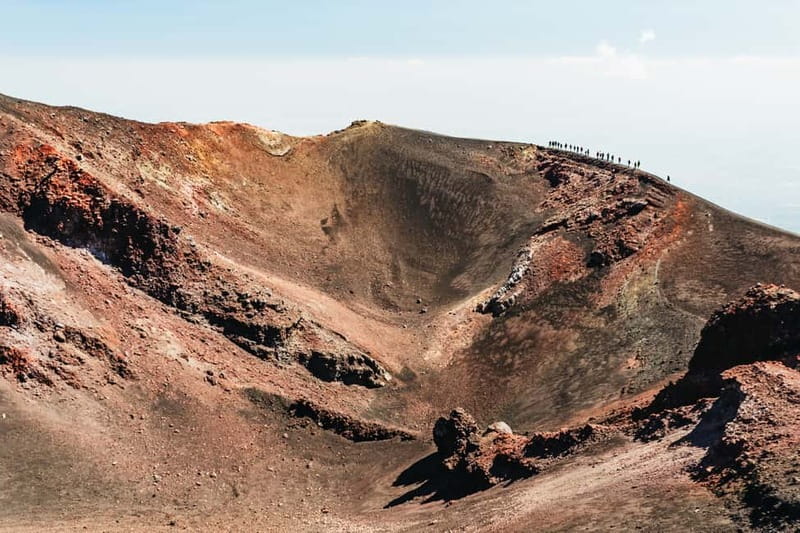
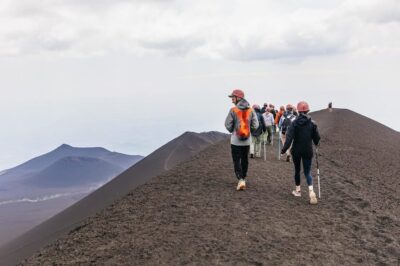
From the upper station, the serious walking begins. The route leads toward the summit areas and the Cratere Centrale dell’Etna, with an alpine guide explaining the volcano’s geology and past activity along the way.
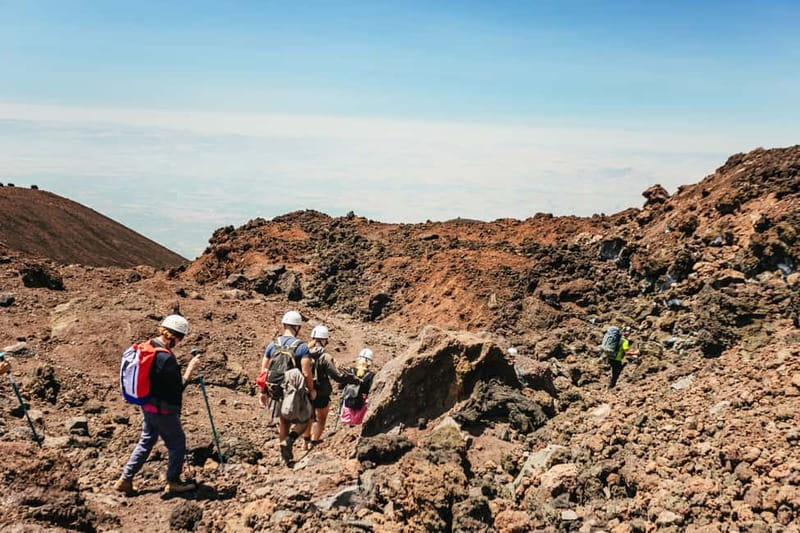
You should expect steep sections, uneven volcanic rock, and loose black stones that shift underfoot. One participant described the climb as steep but rewarding, while another found the five-to-six-hour outing physically hard because so much of the route involved descending over rocks and loose gravel.
That difference matters. A person who regularly walks in mountainous terrain may find the pace manageable. Someone used to flat city tours may find the same route tiring. The hike is not described as extreme, but it is clearly more than a gentle walk from a cable car station.
The supplied walking shoes are useful if your own footwear is poor. One person received a damaged pair and had it replaced with a good pair, so check your boots before setting off. Long socks are a smart choice, and sturdy footwear makes a major difference on loose volcanic ground.
Helmets are included, and some groups also receive jackets and walking sticks. The equipment can be especially valuable in summer. Even in July, one participant advised taking winter clothing because the upper mountain can be cold and windy. At altitude, bright sunshine at the base does not guarantee warm conditions near the craters.
Cratere Centrale and the strange world at the top
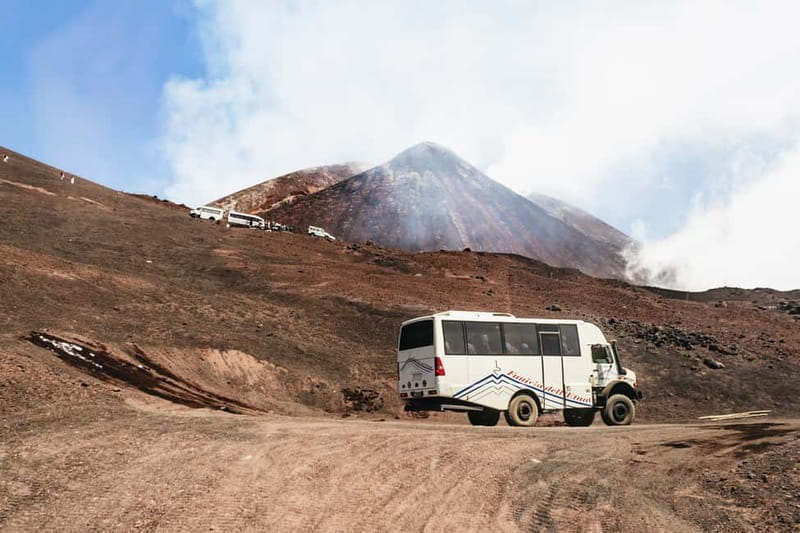
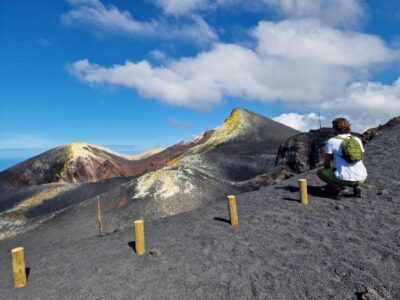
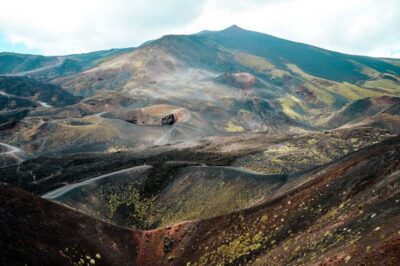
The summit area is the heart of the experience. The central crater is huge, dark, and otherworldly, with smoke, steam, ash, and jagged volcanic rock changing the view at every step.
The guide helps you understand what you are seeing. Etna is not simply a scenic peak. It is an active volcanic system, and the colors, vents, layers, and crater shapes tell part of its story. The tour includes explanations about the volcano’s history and geology, though the quality of the spoken English can vary between guides.
Good visibility makes a major difference. On a clear day, you can look across eastern Sicily from high above the coast. You may also see other crater formations and recent eruption sites. One especially fortunate group was taken toward the northeast side, where an additional crater was rumbling and occasionally sending up molten lava.
That sort of sight cannot be promised. The tour depends on weather and on the volcano being calm enough for the route to operate. Clouds may roll in, visibility can vanish, and the guide may shorten or change the walk for safety. One group reached the upper area in changing weather and had to head down quickly when a thunderstorm threatened.
This is not a disappointment in the usual sense. On Etna, weather and volcanic conditions are part of the experience. The guide’s decision to turn back is a sign that safety comes before a photo.
Same trailhead, a longer or shorter day out:
- Catania: Mount Etna Trekking Tour Beyond the Tourist Trails
★ 4.9 · 1,596 reviews - Mount Etna: Guided Trek 3,000 Meters to the Summit
★ 4.8 · 1,407 reviews - Stromboli: Sunset Trekking at Sciara del Fuoco
★ 4.6 · 1,372 reviews - Etna Sunset Tour: Volcano trek, Cave & tasting from Catania
★ 4.8 · 1,290 reviews
The descent through recent eruption craters
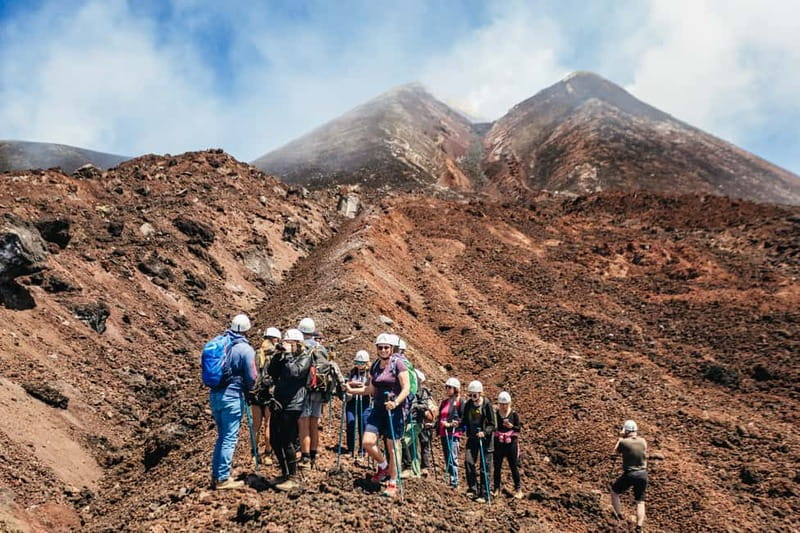
The route back includes a walk past craters formed by recent eruptions. This section can be as interesting as the summit itself because you see how lava and ash have shaped the mountain at different times.
It can also be the most tiring part. Descending on loose volcanic stones uses different muscles from climbing, and the ground can feel unstable. Take short steps, use the walking poles if offered, and do not rush just because the route is downhill.
A planned break gives you time to rest and eat. Food and drinks are not included, so carry enough water and your own lunch or snacks. One participant found sandwiches at the upper station better than the restaurant, while another group received small treats and even Etna wine during lunch. Those extras appear to vary by guide or day, so do not count on them.
A simple packed lunch is the safer choice. You will be glad to have something easy to eat without relying on what happens to be available at the mountain station.
Returning by foot and cable car
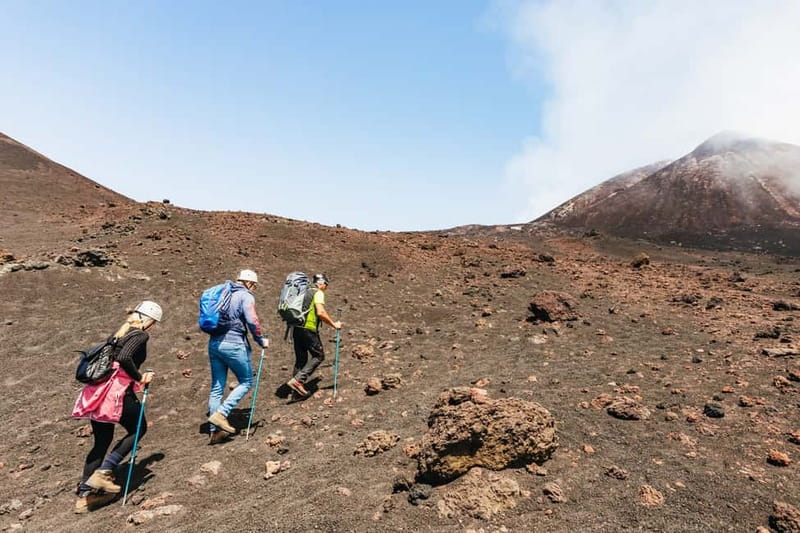
After exploring the crater areas, you walk back toward the cable car. The final cable car ride returns you to Piazzale Rifugio Sapienza, where the outing ends.
The stated duration is four to six hours. That range is wide because conditions, walking speed, transport choices, weather, and time spent at the craters can all affect the day. Plan the rest of your schedule with breathing room rather than booking a tight connection afterward.
The return ride is welcome after several hours on volcanic ground. It also gives you a comfortable finish instead of making you walk the entire route back to the lower station. If clouds or storms affect the upper mountain, the guide may alter the route or return earlier.
What the $41 price really buys you
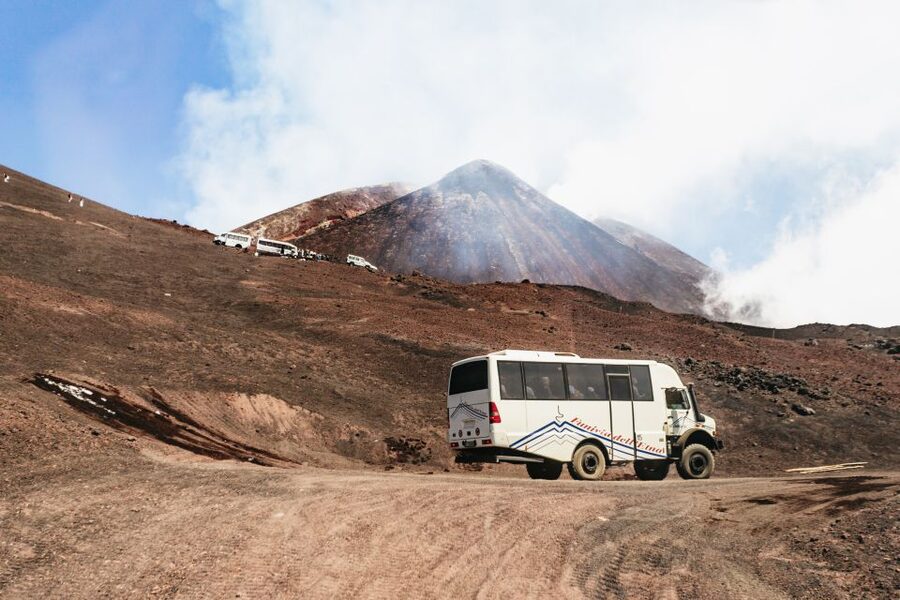
At the base price, you receive an alpine or volcano guide, the guided hike, trekking shoes, a helmet, and insurance. Those inclusions have real value if you are traveling light or do not own proper mountain equipment.
You do not receive hotel pickup, food, drinks, or the cable car and 4×4 tickets. The meeting point is at Piazzale Rifugio Sapienza, so you must arrange your own way there.
I would compare the final price with the cost of arranging a cable car ride, high-altitude transport, rental gear, and a qualified guide separately. For most visitors, the package is worthwhile because the guide is not just there to point out scenery. Access to the upper crater area requires a guide, and the conditions call for someone who can judge the route.
Still, ask for the full amount before committing. The advertised base price can make the activity look like a bargain, but the necessary transport supplement may bring the total closer to €100 per person, as one participant reported. That can remain a fair price for a half-day high-altitude outing, but it should not come as a surprise.
Who should choose this Etna trek?
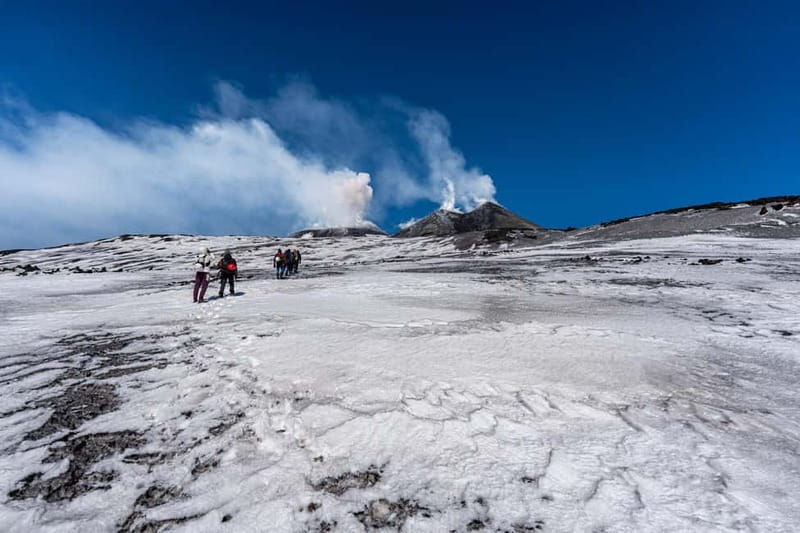
I would choose this trip if you want an active look at Etna rather than a quick viewpoint visit. It suits people who enjoy unusual geology, dramatic weather, and a genuine physical challenge.
It is also a good fit if you need equipment. The supplied shoes, helmet, and insurance remove several practical worries, and some groups receive jackets and poles as well. The guide support is useful for people who are fit enough to walk but do not know how to move safely on volcanic terrain.
Families can consider it, but children need to be prepared for mountainous walking. One participant specifically warned that children should have some hiking experience and be ready for the steep sections.
This is not suitable for pregnant women, people with mobility impairments, people with heart problems, or people with high blood pressure. A reasonable fitness level is required, and you should be comfortable with a route that may last up to six hours.
Pets are not allowed.
How to prepare for cold, wind, and volcanic dust
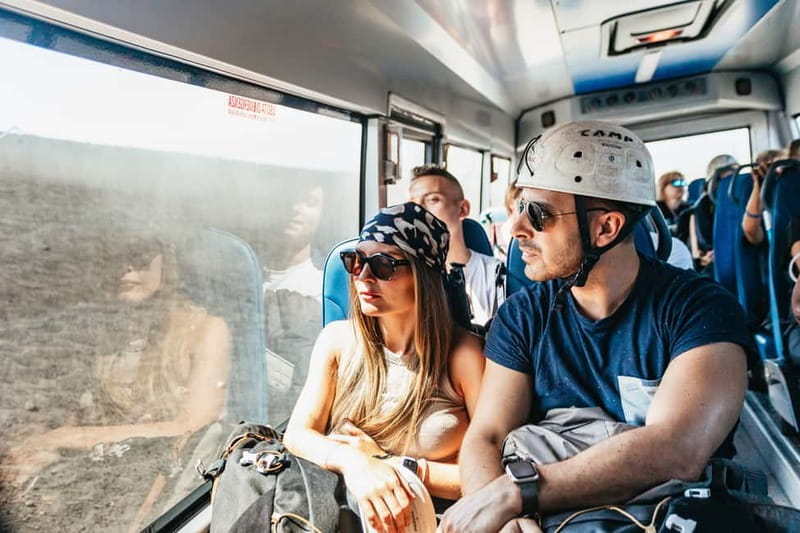
Take the clothing list seriously. A windbreaker, hat, water, and weather-appropriate layers belong in your day bag even during Sicily’s warm months. The upper slopes can be cold and windy, especially when you enter cloud.
Long socks help with rented boots. A paper mask can also be useful around sulfur fumes and fine volcanic dust, based on practical advice from previous participants. Bring food because neither lunch nor drinks are included.
Wear the supplied boots if your own shoes lack grip. Check the fit before leaving the equipment point. A helmet is included, and if walking sticks are available, use them during the descent over loose stones.
You should also expect your photographs to depend heavily on the weather. Clear skies give you wide views over eastern Sicily. Cloud can produce eerie crater images, but it can also hide the views and force a faster return.
Should you book the summit trek?
Book it if you want one of Sicily’s most unusual active outings and you are ready for a proper mountain walk. The best parts are the guides, the chance to examine Etna’s summit craters, the supplied equipment, and the powerful mix of steam, ash, black rock, and distant coastal views.
Think twice if you want a simple scenic ride or if you dislike uncertain weather. The walk can be tiring, the descent is loose and rocky, and the required cable car or 4×4 tickets add to the advertised price.
For a fit visitor who checks the full cost, packs warm layers and water, and accepts that volcanic conditions control the day, I consider this a strong choice. The guides, including Vincenzo and Pietro, are repeatedly praised for patience and safety, and that matters more than a perfectly fixed schedule on an active volcano.
FAQ
Where does the Mount Etna trek start?
The meeting point is Piazzale Rifugio Sapienza on Etna’s south side, north of Nicolosi.
How long does the activity last?
The activity lasts about four to six hours. The schedule depends on availability, conditions, walking pace, and the route used.
Is the cable car included in the $41 price?
No. The cable car ticket, or the cable car and 4×4 bus ticket depending on your selected option, is not included.
Is a 4×4 bus included?
It is not included in the base activity price. You need to select and pay for the option that includes the cable car and 4×4 bus if that is the transport package you want.
What equipment is provided?
The tour includes trekking shoes, a helmet, and insurance. Some groups have also received jackets and walking sticks.
What languages are available?
The live guide service is available in Italian and English.
What should I bring?
Bring a windbreaker, hat, water, weather-appropriate clothing, and a passport or identity card. A copy of your passport or ID is accepted.
Is the hike physically difficult?
The hike requires a reasonable level of fitness. Expect steep sections, loose volcanic stones, and a descent that may be tiring.
Can the tour be cancelled because of conditions?
Yes. The tour depends on suitable weather and the volcano being calm. You can cancel up to 24 hours in advance for a full refund, according to the stated cancellation terms.
Recently added around Italy
- Trekking in the Wood with picnic on the turtles lake★ 5.0 · 8 reviews
- Lake Como trekking private guided tour, from Milan★ 5.0 · 9 reviews
- Trekking towards Torrente Gravina and Rupestrian Churches of the Murgia★ 4.5 · 3 reviews
- Trekking on the roof of Tuscany★ 5.0 · 6 reviews
- Otranto Trekking Adventure: The Path of the Hermit and the Bay of the Turks★ 3.5 · 8 reviews
- Lecce: Hike to Otranto with town visit – Half Day Trekking +Taxi★ 5.0 · 2 reviews
- Wine Hiking Sip & Trek★ 5.0 · 3 reviews
- Trekking an Island of Palmaria★ 4.5 · 6 reviews
Volcano Treks, compared.
summit craters trekking with volcano guide 3350mt
Read our review →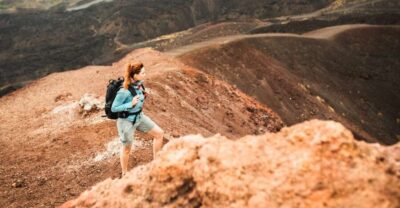
Mount Etna Trekking Tour Beyond the Tourist Trails
Read our review →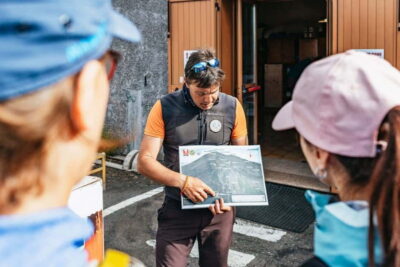
Etna Sunset Tour: Volcano trek, Cave & tasting from Catania
Read our review →
Browse the lists this tour appears in