
REVIEW · MARRAKECH
Morocco desert trek (8 days)
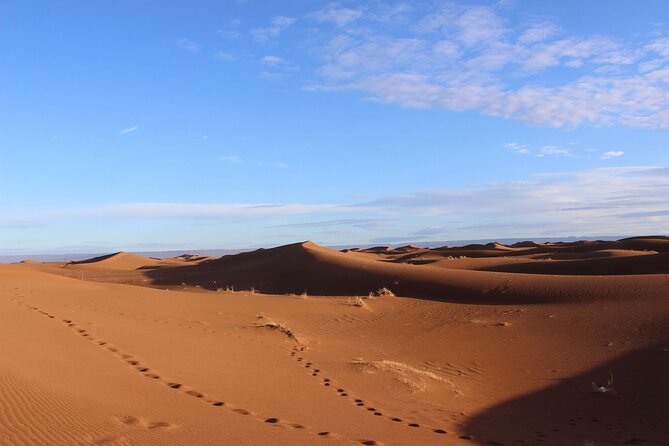
The desert changes more than you expect. This eight-day Morocco trek links Marrakech with the High and Anti Atlas, old kasbahs, palm-filled oases, dry plains, and the wide dunes of the Draa Valley. You spend four main days on foot with dromedaries carrying the camp gear, then sleep in tents under the desert sky.
I like the mix of culture and walking. You see Telouet, Ait Ben Haddou, Ouarzazate, and the Draa oases before reaching the dunes, so this is not just a long ride into the sand. I also like the small group size, capped at 12, and the practical support from a cook and escort team. The main drawback is the long transport time on several days, plus the need to bring your own sleeping bag rated to 0°C.
Key points to know before booking
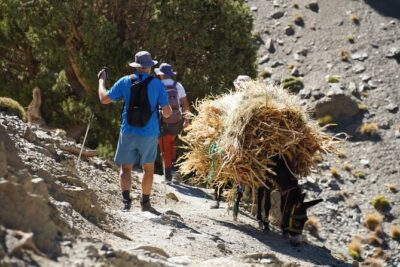
- A four-day desert walk with dromedaries: The animals carry tents, mats, cooking gear, and supplies, leaving you free to walk with a daypack.
- Ait Ben Haddou and Telouet add real cultural depth: The route is more than dunes, with kasbahs, old caravan routes, villages, and palm groves.
- The hiking is rated easy: Daily stages run from about four and a half to six and a half hours, mostly over sand, dry plains, and riverbeds.
- Hassan may lead the trek: He is praised for patient explanations of local culture, plants, animals, and history, along with a relaxed Berber sense of humor.
- The price covers most expedition basics: At $1,156.92 per person, you get transport, meals, tents, mats, filters, cooks, and the escort team, but not your Marrakech lodging, sleeping bag, insurance, or tips.
- The trip begins and ends in central Marrakech: Meet at Hôtel Restaurant Café de France by Jamaa el-Fna at 8:00 a.m.
From Marrakech to Telouet and Ait Ben Haddou
Your first morning starts early. At 8:00 a.m., you leave Marrakech by minibus and climb through the green foothills of the High Atlas on the winding Tizi n’Tichka road. The drive to the south takes about four hours, and the road itself is part of the experience.
At Telouet, you visit the Kasbah El Glaoui and stop for a picnic. The kasbah gives the first day some welcome substance. Instead of rushing straight toward the desert, you get a look at the old political and trading world that once controlled this route through the mountains.
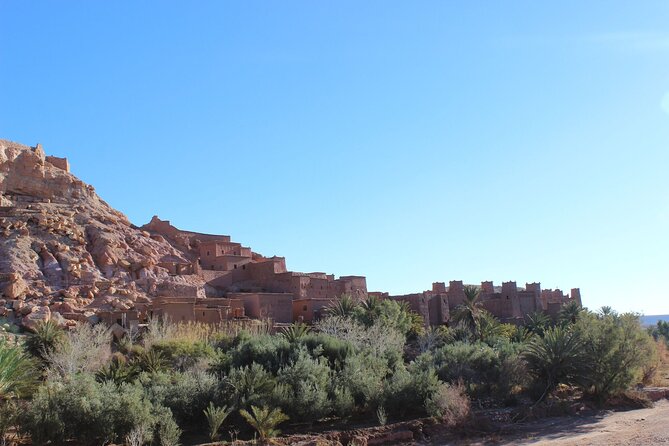
The drive continues through the Ounila Valley to Ait Ben Haddou. This ancient ksar is one of Morocco’s most memorable fortified settlements, with earthen walls, narrow lanes, and a hilltop setting. Allow yourself time to look closely at the building methods and changing colors of the walls rather than treating it as a quick photo stop.
You spend the night in an inn in Ouarzazate. The itinerary also lists a visit connected with the Museum-Theatre of the Memory of Ouarzazate, though the precise timing is not detailed. The day includes roughly four hours of driving and about an hour for the cultural stop.
This opening day is busy, but it earns its place. If you want an expedition that begins with scenery and heritage rather than an airport-style transfer, this is a strong start. If long winding roads make you uncomfortable, the first and last days may feel tiring.
A few more treks around Marrakech worth a look
- Marrakesh: 2-Day Mt. Toubkal Trek with 1-Night Stay & Meals
★ 4.7 · 795 reviews - Marrakech: 2-Day Atlas Mountains Trek with Village Stay
★ 4.8 · 717 reviews - From Marrakech: 3-Day Mount Toubkal Climbing Trek
★ 4.7 · 597 reviews
The Draa Valley and the first desert camp
Day two takes you south through the Draa Valley. The minibus passes old villages and palm groves before reaching M’Hamid, the desert meeting point for the dromedaries and escort team.
M’Hamid is where the trip changes character. The vehicle journey ends, the animals are loaded, and the walking begins. Your first stage is only about an hour, ending at Rass Enakhl, where the group sets up camp.
That short walk matters. It gives you a gentle introduction to the pace of the trek and lets the team settle into its routine. You are not dropped into a six-hour sand crossing on the first afternoon.
The transport from Ouarzazate or the starting area takes about five hours, so this day is still a long one. You should expect road time, waiting while the dromedaries are prepared, and a short walk rather than a full desert stage.
Four main hiking days across dunes and dry plains
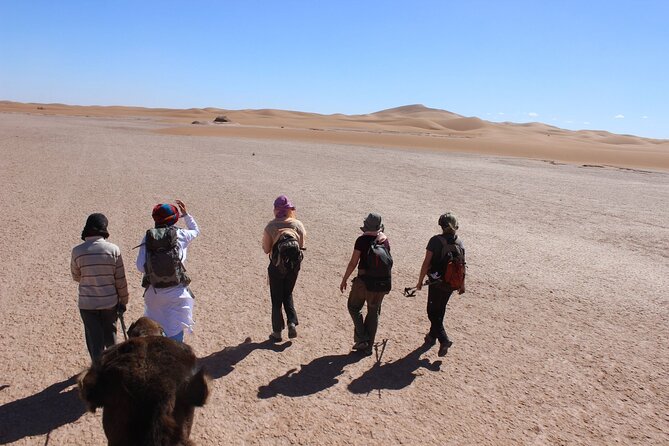
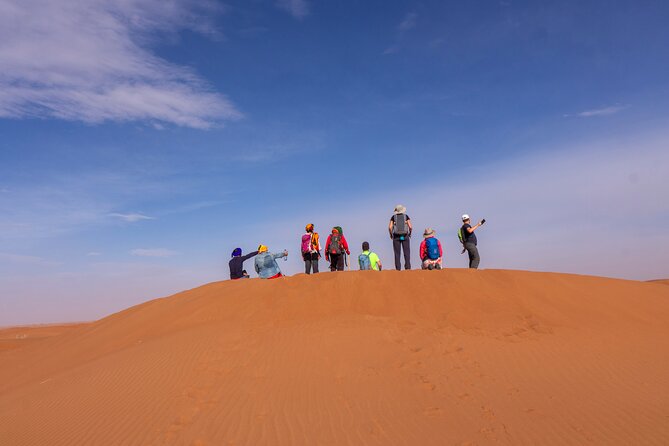
The heart of the trip is the walking between the camps. The daily distances are described as easy, but easy does not mean effortless. Sand can make a modest distance feel longer, and the itinerary includes several stages of four and a half to six and a half hours.
On day three, you walk over sand dunes, through a small oasis, across a dry plain, and back into dunes before reaching camp near an old caravanserai by Marabout Sidi Naji. Lunch is served at camp, followed by free time in the afternoon.
This is a good rhythm for desert travel. You walk during the cooler part of the day, eat, and then have time to rest instead of racing from one point to the next. The old caravanserai and marabout also give the setting a human story. This was not empty scenery. People, animals, and trade routes once moved through it.
Day four is the longest stage, at about six and a half hours. You cross dunes, pass over a broad dry plain, and walk by the ruins of an ancient souk before continuing to camp beside the large Erg Zeher dune.
That ruined souk is one of the most interesting details in the route. It helps you picture the desert as a network of commercial stops, not simply a field of sand. The Erg Zeher camp should also provide one of the trip’s strongest visual moments, especially when the dunes change color as the light shifts.
Day five crosses the large Erg Zeher dune, then continues over dry ground and more dunes toward the Draa riverbed. You follow the riverbed to camp at Erg Smer, with lunch at camp and free time later.
A riverbed in this setting sounds odd until you remember how rivers shape desert life. The Draa has supported oases and settlements even where water is not visible on the surface. Walking beside the riverbed gives the route a different feel from the open dunes.
Day six crosses the Draa riverbed and continues across a seemingly endless dry plain. After lunch on the way, you return to the dunes and camp at Chegaga.
This final full desert stage is a useful test of your comfort with repetition. The scenery is not a parade of separate attractions. You may walk for hours with small changes in the surface, color, wind, and horizon. That slow pace is the point, but it is not for someone who needs constant activity.
The dromedaries carry the camp equipment, including tents, sleeping mats, kitchen utensils, and water filters. You are not expected to haul the full load yourself. Still, carry personal essentials in a small bag and keep your water, sun protection, and warm layer close at hand.
Camp life, food, and the work done for you
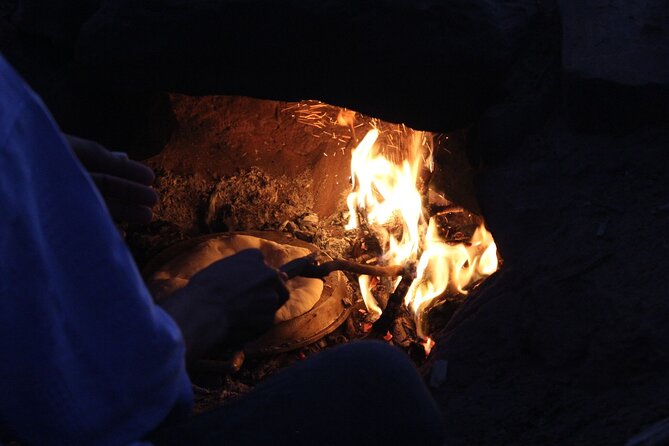
The practical support is one of the best reasons to consider this trek. A trekking cook and escort team handle the camp setup and meals while the dromedaries carry the equipment.
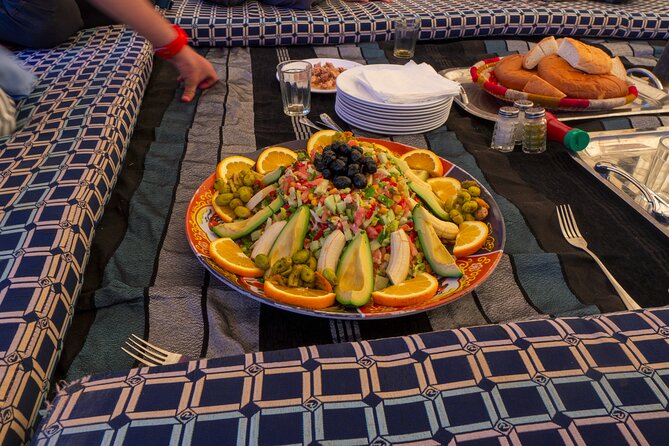
Seven dinners, seven breakfasts, and eight lunches are included. That covers the full eight-day schedule, including the final return day. The food has received especially strong praise for being authentic and tasty, which matters on a trip where meals are part of the daily routine rather than an occasional stop.
You should not expect restaurant service or a large menu. The appeal is having warm, well-prepared food in a remote setting, with the cook doing the work while you recover from the day’s walk.
The tents are described as new and large enough for one person. Sleeping arrangements are not spelled out in detail, so ask if you need a specific tent setup. You must bring your own sleeping bag with a comfort temperature of 0°C. Desert nights can feel cold even after a hot day, so this is not a minor packing note.
The team also provides mats, but the listing does not specify their thickness or style. If you sleep poorly on firm ground, bring whatever compact comfort item you normally use. Keep it small, since vehicle and camp storage still have limits.
Same trailhead, a longer or shorter day out:
- From Marrakesh: 2-Day Mount Toubkal Trek
★ 4.7 · 591 reviews - From Marrakech: Atlas Mountains Summit Trek
★ 4.9 · 228 reviews - Summiting and Hiking the Atlas Mountains Day Trek from Marrakech
★ 5.0 · 131 reviews - From Marrakech: Private Tour to Oasis and Trekking in the Desert of Erg Chigaga
★ 5.0 · 115 reviews
The guide can shape the whole experience
If Hassan leads your departure, you may get more than route-finding. He is described as a patient narrator who explains local culture, history, animals, and plants. He is also known for a relaxed manner and a good dose of Berber humor.
That combination matters in a desert. A guide who only points out directions leaves long stretches of walking feeling empty. Someone who can explain what you are seeing gives the dunes, oases, ruined souks, and riverbeds more meaning.
The team is also credited with keeping the trek safe and well organized while taking much of the camp work off your hands. That does not remove your responsibility to walk sensibly, carry what you need, and follow instructions. It does mean the trip is designed for people who want a supported trek, not a survival exercise.
The return by jeep and minibus
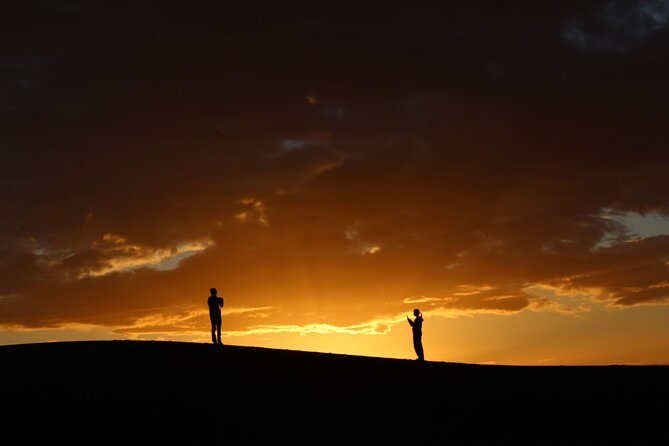
On day seven, a jeep takes the group from Chegaga to Foum Zguid. From there, you continue by minibus toward Ouarzazate or Ait Ben Haddou, where you spend the night in a hostel.
The drive takes about six hours, so this is mainly a recovery and transfer day. After several days on foot, the change of pace will be welcome, although a long ride over rough desert roads may not feel restful to everyone.
Day eight returns to Marrakech by minibus through the Ounila Valley and Telouet. The trip takes about four hours and ends back at the original meeting point. Overnight accommodation in Marrakech is not included, so plan your final night separately.
The route back through the Ounila Valley gives you a second chance to notice the mountain scenery. You may also appreciate seeing the road in reverse, after understanding how the mountains connect Marrakech with the southern valleys.
Is $1,156.92 a fair price?
The cost is $1,156.92 per person. That is not a budget day tour, but the comparison should be made with a supported eight-day expedition rather than with a one-day desert excursion.
The price includes transport during the itinerary, the cook and escort team, dromedaries, tents, mats, cooking equipment, water filters, and all listed breakfasts, lunches, and dinners. It also covers the organization of the trek and the cultural visits included in the route.
You still pay for flights, your riad in Marrakech, travel and cancellation insurance, the sleeping bag, entrance fees where applicable, meals in Marrakech, and tips. A tip allocation of 110 euros for the guide, escort team, and driver is listed separately, so include it in your real budget.
For a small private group, the value is strongest if you want the logistics handled. You would otherwise need to arrange transport across remote areas, animals, food, camping equipment, and a desert support crew. Group discounts may improve the price for larger parties, though no discount scale is supplied.
Who should book this desert trek?
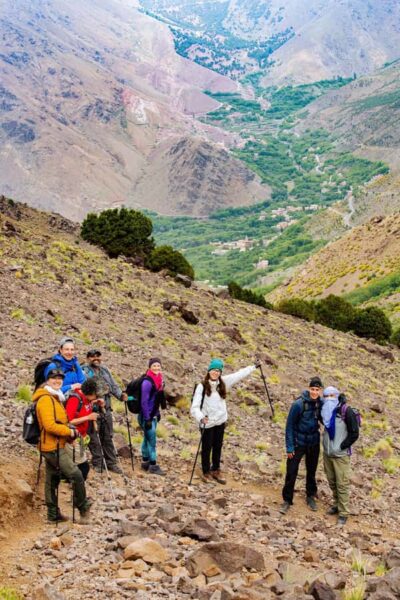
I would point this trip toward people who want a soft-entry desert expedition. The hiking is rated easy, the dromedaries carry the camp, and the team handles cooking and equipment. A group of eight men aged 50 to 70 completed the daily stages comfortably, which suggests the route is manageable for many reasonably active adults.
You should still be prepared for long walking days, sand underfoot, basic tent camping, and large temperature changes between day and night. The longest stated stage is about six and a half hours, so comfortable footwear and steady pacing matter.
This is also a good choice if you want more than dunes. Telouet, Ait Ben Haddou, Ouarzazate, the Draa Valley, oases, caravan sites, and the Anti Atlas give the trip a wider view of southern Morocco.
I would hesitate if your main goal is luxury, fast sightseeing, or a short desert visit. The minibus transfers take time, the camps are simple, and the open desert can feel repetitive. The reward is the quiet pace and the chance to see how the desert changes from valley to dune to riverbed.
Booking details and practical facts
The tour is a private activity for your own group, with a minimum of two and a maximum of 12 people. Group discounts are available, and a mobile ticket is offered.
Meet at Hôtel Restaurant Café de France near Jamaa el-Fna in Marrakech at 8:00 a.m. Service animals are allowed, and the meeting point is near public transportation. Most people can participate, though the information does not provide specific details about mobility access on sand, at camps, or in vehicles.
You receive confirmation when booking. Cancellation is free up to three full days before the local start time. A late cancellation or change is not accepted for a refund, and the operator may cancel if the minimum number of participants is not reached, offering another date or a full refund.
Should you book it?
Book this trek if you want a well-supported walk through the Draa desert, with real time for the scenery and a strong mix of kasbahs, oases, dunes, and old caravan routes. The food, camp support, dromedaries, and guide quality are major strengths, especially if Hassan is leading your group.
Skip it if you want a polished resort experience or cannot face long road transfers and simple desert camping. For the right person, though, the $1,156.92 price buys much more than sand. It buys a carefully supported route through one of Morocco’s most varied southern regions.
FAQ
How long is the Morocco desert trek?
The experience lasts approximately eight days, with four main days of desert hiking and additional walking around the camp departure. The full route begins and ends in Marrakech.
Where does the tour start?
The tour starts at Hôtel Restaurant Café de France near Jamaa el-Fna in Marrakech. The meeting time is 8:00 a.m.
How many people can join the tour?
The minimum group size is two people, and the maximum is 12. The activity is private, so only your group participates.
Is the hiking difficult?
The trek is rated easy. The stated walking stages range from about one hour on the first desert evening to four and a half, five, and six and a half hours on the main hiking days.
Are meals included?
Yes. The price includes seven breakfasts, seven dinners, and eight lunches.
Do I need to bring a sleeping bag?
Yes. A sleeping bag with a comfort temperature of 0°C is not included and must be supplied by you.
What happens if the tour is canceled because too few people book?
You will be offered a different date or experience, or you can receive a full refund.
Recently added around Marrakech
- Berber villages trek Day trip★ 5.0 · 12 reviews
- 2 Days Trek to Atlas Mountains berber villages★ 5.0 · 25 reviews
- Day Trekking Atlas Mountains★ 4.5 · 10 reviews
- two days valley trek in the Atlas mountains★ 4.5 · 2 reviews
- Trekking 8 days in the Moroccan desert from Marrakech★ 5.0 · 4 reviews
- 2 days Toubkal adventure Trek★ 5.0 · 5 reviews
- Mount Toubkal Trek: 2-Day Adventure★ 5.0 · 26 reviews
- Toubkal Ascent Trek – Atlas Mountains – 2 days (Private Trek)★ 5.0 · 8 reviews
Marrakech Trekking Tours, compared.
2-Day Mt. Toubkal Trek with 1-Night Stay & Meals
Read our review →
Summiting and Hiking the Atlas Mountains Day Trek from Marrakech
Read our review →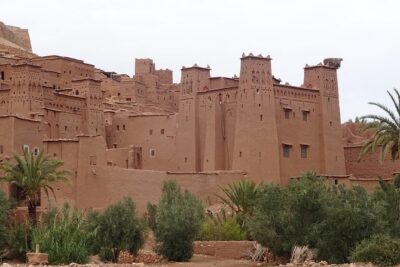
Private Tour to Oasis and Trekking in the Desert of Erg Chigaga
Read our review →
Browse the lists this tour appears in