
REVIEW · POKHARA
Independent Trekking Guide in Pokhara
Let the mountains set the pace. This private trekking service gives you two things I value most: a trek shaped around your ability and interests, and a guide who can handle permits, transport, lodging, and food. I also like the practical extras, including trekking poles, sleeping bags, rain ponchos, and a head lamp.
The main point to watch is the price. The advertised $50 covers one guide day for a group of up to eight, not an entire five-day trek. Food, accommodation, permits, transport, insurance, and porters cost extra unless you arrange a full package.
Key points before you book
- One-day price, not a five-day total: The $50 group rate is payment for one day of guiding.
- Flexible Annapurna planning: Your guide helps match the route and length to your group’s ability and wishes.
- Useful free gear: Trekking poles, sleeping bags, rain ponchos, and head lamps are supplied for trekkers.
- Photography adds another layer: The guide carries a Canon 5D Mark IV with a landscape lens and offers photography guidance.
- Porters cost extra: A porter is listed at $20 per day and can carry up to 20 kilograms of luggage.
- Private service: Only your group joins the trek, with group sizes of up to eight for the advertised booking.
Choosing your trek from Pokhara
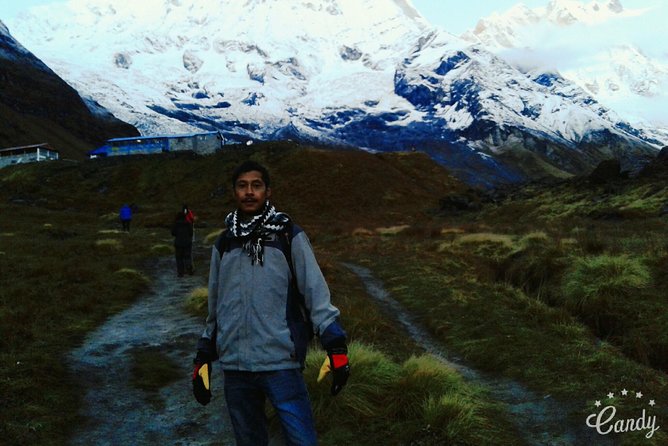
Pokhara is the practical base for many treks in the Annapurna region. The city gives you access to mountain routes while also providing a place to sort out gear, transport, permits, and last-minute plans.
You do not need to arrive with a fixed route. The guide first asks about your ability, available time, and interests, then recommends a suitable trek. That matters because the Annapurna region offers many choices, and a route that looks manageable on a map may feel very different after several hours on mountain trails.
The service is designed for a private group, so your schedule does not need to match a large tour. You can discuss the number of trekking days and adjust the plan after speaking with the guide. The arrangement also allows you to book one trek and later change to another or cancel without charge after contact, according to the stated conditions.
I like this setup for people who are uncertain about the route. You receive help before setting off instead of trying to make every decision alone in Pokhara. The drawback is that the exact trek is not fixed in advance. You need to communicate clearly about fitness, expectations, and budget.
More Guided Treks in Pokhara:
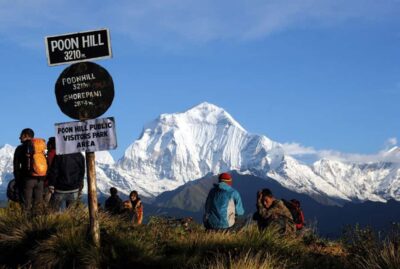
- From Pokhara: 3-Day Ghorepani Poon Hill Trek with Guide
★ 4.9 · 68 reviews - Pokhara: 4-Day Poon Hill and Ghandruk Guided Trek
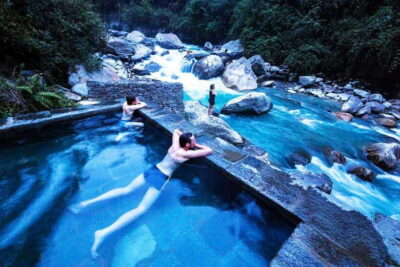
★ 5.0 · 14 reviews - Pokhara: Majestic Mardi Base Camp Guided Trek with HotSpring
★ 5.0 · 6 reviews
What the five-day format really means
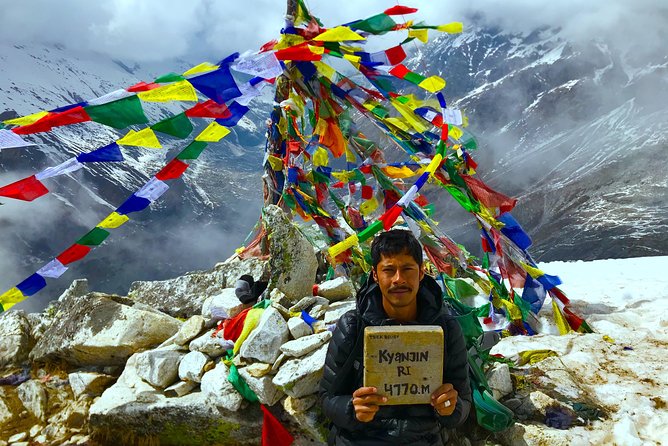
The advertised duration is about five days, but the service is not limited to a fixed five-day itinerary. The guide says you choose the number of trekking days, and the listed price applies to one day only.
That makes the experience more flexible than a standard package, but it also means you must calculate the full cost yourself. For a five-day trek, the guide fee alone would be about $250 for the group at the stated daily rate. You then need to add accommodation, meals, permits, transport, insurance, and any porters.
The guide can organize those items for you. They are not automatically included in the basic guiding price. A full package is available and can include the guide, porters, food, accommodation, transport, and trekking permits. The service can handle groups of up to 50 people for a full package, although the booking information for the basic private experience lists groups of up to eight.
Ask for a written total before you confirm a longer trip. Request the number of days, route, accommodation plan, meals, permit costs, transport, porter needs, and guide fee in one clear quote. That simple step prevents the $50 headline price from creating the wrong budget expectation.
Day one: planning, pickup, and the trailhead
The meeting time is 8:00 am. Pickup is offered, and the starting point depends on the trek you select.
Most treks begin from Pokhara. For the Annapurna Circuit, Langtang, and Gosaikunda routes, pickup from Kathmandu is available instead. This distinction is important because you should not assume every trek starts in Pokhara simply because the guide operates there.
Your first day may involve transport to the trailhead, permit arrangements, and the beginning of the walk. The exact drive and walking schedule depend on the route chosen after the guide learns more about your group.
This is where an independent guide can save time. Rather than arranging every transfer and permit separately, you have one person coordinating the moving parts. Still, pickup should be confirmed in advance, especially if you are arriving from another city or changing your route after booking.
The experience is private, so the day can be shaped around your group’s pace. That does not remove the physical demands of mountain walking. You are expected to have a moderate level of fitness, and you should be ready for repeated uphill and downhill sections on a Himalayan trek.
Days two through four: walking between tea houses
The middle days are the heart of the experience. You walk through the Annapurna region, staying in tea houses along the route if you select accommodation through the guide.
Tea houses are a useful part of trekking in Nepal. They give you a place to sleep and eat while keeping the trip connected to local communities along the trail. The guide says lodging and food can be arranged in what he considers the best tea houses on each route, but the basic $50 service does not include your meals or rooms.
That distinction affects both comfort and cost. A full package may be easier if you do not want to manage payments and room arrangements along the way. A guide-only booking may suit you better if you prefer to control your own spending and choices.
The guide can also explain cultural, geographical, natural, and socioeconomic aspects of Nepal during the trek. This can make the walking feel more meaningful than simply moving from one overnight stop to the next. You can ask for information based on your interests rather than receiving a fixed speech designed for a large group.
The photography element is unusual for a guiding service. The guide is a landscape photographer and carries a Canon 5D Mark IV with a landscape lens. He also carries 8×21 Bushnell binoculars. If mountain views and photography matter to you, ask how much time can be set aside for instruction and photographs. The equipment is useful, but it does not mean you automatically receive a professional photo session or a particular number of images.
A five-day plan gives you a short taste of the Annapurna region, but it will not cover every part of a major circuit. You should ask exactly which route and viewpoints fit your available days. The guide’s flexibility is valuable here, but the final experience depends heavily on the route selected.
A few more treks around Pokhara worth a look
- Poon hill Trek 3 days
★ 5.0 · 176 reviews - Trekking in Annapurna/Langtang/Everest/Upper Mustang regions
★ 5.0 · 161 reviews - Pokhara: 4-Day Ghorepani, Poonhill & Ghandruk Mountain Trek
★ 5.0 · 132 reviews - Ghorepani – Poon Hill Trek 3N-4D
★ 5.0 · 125 reviews
Day five: finishing the trek without a scramble
The final day depends on the route, transport, and number of walking days you choose. You may finish at a trail endpoint and return by arranged transport, or complete the trek at the final overnight village included in your plan.
Because no single route is fixed, the finish cannot be described as one standard stop. That is useful for a private trip, but it requires careful planning. Confirm where the trek ends, how you return to Pokhara or Kathmandu, and whether the transport price is included.
I would also ask how much time is reserved for the return journey. Mountain transport can be a major part of the day, and a low guide fee does not necessarily cover vehicle costs. Good planning here helps you avoid a rushed final day or an unexpected transport bill.
Gear provided by the guide
The free equipment is one of the stronger practical features. Trekkers receive trekking poles, sleeping bags, a pair of waterproof rain ponchos, and head lamps.
These items can reduce the amount of gear you need to bring from home. A sleeping bag is especially useful if you are not equipped for cooler nights, while rain protection and a head lamp are basic safety tools in mountain conditions.
You should still ask about the condition and warmth rating of the sleeping bags before you rely on them. The information confirms that they are provided, but it does not specify their temperature rating, sizes, or brands. You remain responsible for suitable clothing, footwear, personal medication, water needs, and other personal equipment.
The guide also prepares for safety as much as possible. That is encouraging, but no guide can remove mountain risks or guarantee clear weather. Trekking insurance is not included, and you are specifically advised to purchase insurance suitable for trekking.
Porters, luggage, and the real cost of comfort
Porters are available for an additional $20 per porter per day. Each porter can carry up to 20 kilograms of luggage.
This can make a major difference on a multi-day trek. If you prefer to walk with only a day pack, porter support lets you leave heavier belongings behind. It also changes the total budget, so decide early whether your group needs one.
The fee is separate from the guide service. Food, accommodation, permits, and transport can also be added through a full package, but they are excluded from the basic price. Tips for porters are expected, although tipping the guide is not compulsory according to the information provided.
Pack with respect for the people carrying your luggage. Keep the load within the stated limit, avoid unnecessary items, and ask how many porters your group actually needs rather than automatically hiring one for every person.
The guide’s teaching and photography background
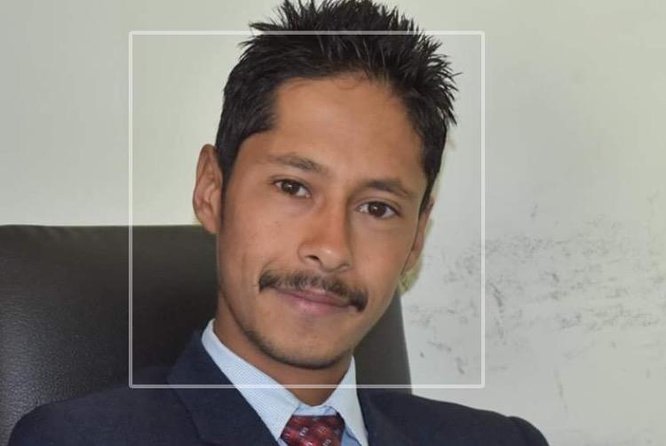
The guide identifies himself as a trekking guide trainer from Nepal’s Ministry of Tourism and says he has trained hundreds of trekking guides. That background may appeal to you if you want more than route-finding and basic logistics.
He also works as a landscape photographer. The Canon camera and binoculars create opportunities for mountain viewing and photography advice, particularly if you are interested in framing, light, or identifying distant features.
One strong review praised Roshan for caring closely for the group and teaching them along the way. That praise fits the service’s strongest promise: personal attention rather than a guide who simply walks at the front. The public score is 4.8 from 46 reviews, with 96 percent recommending the experience.
A high score is useful, but it should not replace direct questions. Ask about the exact route, daily walking hours, overnight villages, transport, meals, and what happens if your group wants to change plans. The service is flexible, but flexibility works best when expectations are written down.
Price, cancellation, and who gets good value
At $50 per group per day, the basic guide fee can be good value for a private group. Eight people sharing one daily guide cost would pay far less per person than a solo trekker. The value is strongest if you want route advice, permit help, safety support, and a private pace.
The price is less impressive if you assume it covers a five-day holiday. It does not. Your full budget will include the services excluded from the basic rate, and the final amount depends on the route and the number of days.
Free cancellation is available if you cancel at least 24 hours before the experience start time. Changes made less than 24 hours before the start are not accepted, and late cancellations are not refunded. If poor weather causes cancellation, you can receive a different date or a full refund.
Service animals are allowed. This is a private activity, and only your group participates. The standard booking begins at 8:00 am, but the practical pickup details should be confirmed with the provider.
Who should book this Pokhara trekking service
I would consider this a good fit if you want advice before choosing a route, prefer a private group, and like having one guide coordinate the practical work. It also suits people who enjoy photography, local explanations, and a flexible number of trekking days.
It is less suitable if you want a fixed all-inclusive price with every meal, room, permit, and vehicle already paid. In that case, choose the full package option and confirm exactly what it covers.
You should also think carefully about fitness. The service requires moderate physical fitness, and the route is tailored to ability rather than magically removing the effort. If your group members have different fitness levels, explain that before the itinerary is set.
Should you book it?
Book this experience if you want a private, adjustable trek from Pokhara and are willing to plan the final budget with the guide. The combination of route advice, practical equipment, photography knowledge, and flexible group arrangements gives it real appeal.
Before paying, ask for the exact route and total price in writing. Confirm the number of days, transport, permits, tea houses, meals, porter costs, insurance requirements, and return arrangements. If those details suit your budget, this guide-led approach can give you a more personal and less stressful way to enter the Annapurna region.
FAQ
How much does the trekking guide cost?
The price is $50 per group per day for up to eight people. The amount is not the price for an entire five-day trek.
What does the basic guide fee include?
It includes an English-speaking professional trekking guide, along with the guide’s food, accommodation, and insurance. Trekkers also receive trekking poles, sleeping bags, a pair of waterproof rain ponchos, and a head lamp.
Are food and accommodation for trekkers included?
Not in the basic guide-only price. Food and accommodation can be included when you book a full package.
Can the guide arrange permits and transport?
Yes. The guide can arrange trekking permits, transport, lodging, and food. These costs are not included in the basic guide fee unless you choose a full package.
Where does the trek start?
Most treks start from Pokhara. For the Annapurna Circuit, Langtang, and Gosaikunda treks, pickup from Kathmandu is available.
Are porters available?
Yes. Porters cost $20 per porter per day and can carry up to 20 kilograms of luggage.
What fitness level is required?
Travelers should have a moderate level of physical fitness. The exact route and number of trekking days can be adjusted after the guide learns about your group.
What is the cancellation policy?
You can cancel at least 24 hours before the start time for a full refund. Cancellations or changes made less than 24 hours before the start are not accepted for a refund. If poor weather causes cancellation, you can choose a different date or receive a full refund.
Recently added around Pokhara
- Pokhara: Majestic Mardi Base Camp Guided Trek with HotSpring★ 5.0 · 6 reviews
- Pokhara: 5-Day Trek to Annapurna Base Camp and Hot Springs★ 5.0 · 4 reviews
- Pokhara: 9-Day Annapurna Base Camp Trek with Poon Hill★ 5.0 · 6 reviews
- Pokhara: 5-Day Ghorepani and Poon Hill Private Trek★ 5.0 · 4 reviews
- Pokhara: 7-Day Annapurna Base Camp Trek & Hot Spring★ 4.0 · 3 reviews
- Pokhara:4-Day Ghorepani Poon Hill Guided Trek via Ghandruk★ 5.0 · 3 reviews
- Pokhara: 4-Day Poon Hill and Ghandruk Guided Trek★ 5.0 · 14 reviews
- Pokhara: 4-Day Ghorepani, Poonhill & Ghandruk Village Trek★ 5.0 · 6 reviews
Pokhara Trekking Tours, compared.
Trekking in Annapurna/Langtang/Everest/Upper Mustang regions
Read our review →
4-Day Ghorepani, Poonhill & Ghandruk Mountain Trek
Read our review →
Kathmandu/Pokhara: 5-Day Annapurna Base Camp (ABC) Trek
Read our review →
Browse the lists this tour appears in