

REVIEW · VIETNAM
From Sapa: Full-Day Trekking Tour Lao Chai & Ta Van Villages
Rice terraces, village paths, and muddy boots await. This six-hour trek takes you from Sapa into the Muong Hoa Valley, through Y Linh Ho and Lao Chai before reaching Ta Van. I especially like the small groups of up to 10 people and the chance to walk with an English-speaking guide who can explain local life instead of simply pointing at scenery. The views and traditional clothing are another strong point. The main catch is the trail itself: after rain, it can be slippery, crowded, and harder than the short distance on paper suggests.
At $23 per person, this is a strong-value way to see the Sapa valley. The price covers transport, lunch, a guide, and village entrance fees, so you are not paying separately at every turn. I would bring shoes with serious grip, not smooth-soled trainers. One January group faced muddy paths for much of an 11-kilometer walk, while another group found the route lovely but challenging.
The human side of the walk can be just as memorable as the scenery. A guide who lives in Lao Chai helped one group through the rice fields and even found rubber boots for a participant. You may also be approached by local women selling handmade goods. That contact can feel friendly and useful, but it can also become persistent, so it helps to decide before you go how you want to handle buying and tipping.
Key points at a glance
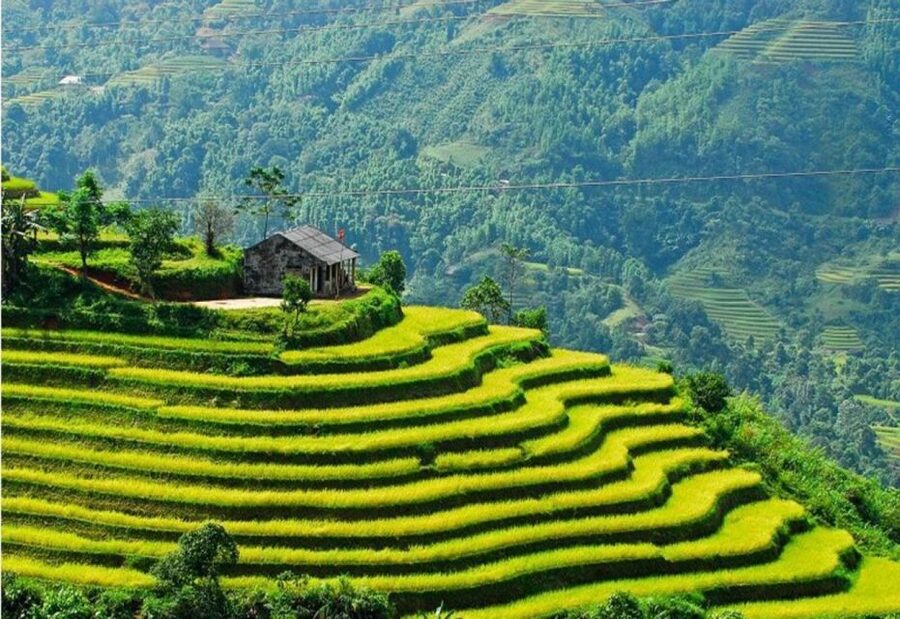
- Y Linh Ho begins the real countryside walk: You leave Sapa on foot and soon reach a village setting beside the Muong Hoa Stream.
- The route may be muddier and longer than expected: The planned walk is described as about 8 kilometers, while one actual outing reached roughly 11 kilometers.
- Lao Chai brings Black H’mong culture into focus: You see traditional dress, rice terraces, village homes, and the daily setting of local families.
- Ta Van mixes terraces with stilt houses: The village is known for distinctive ethnic architecture and views across the valley.
- A guide makes the difference: English explanations and local knowledge help you understand what you are seeing.
- The low price includes the essentials: Lunch, transport, entrance fees, and the guide are included, making the package useful for budget visitors.
Why this Sapa trek is worth considering
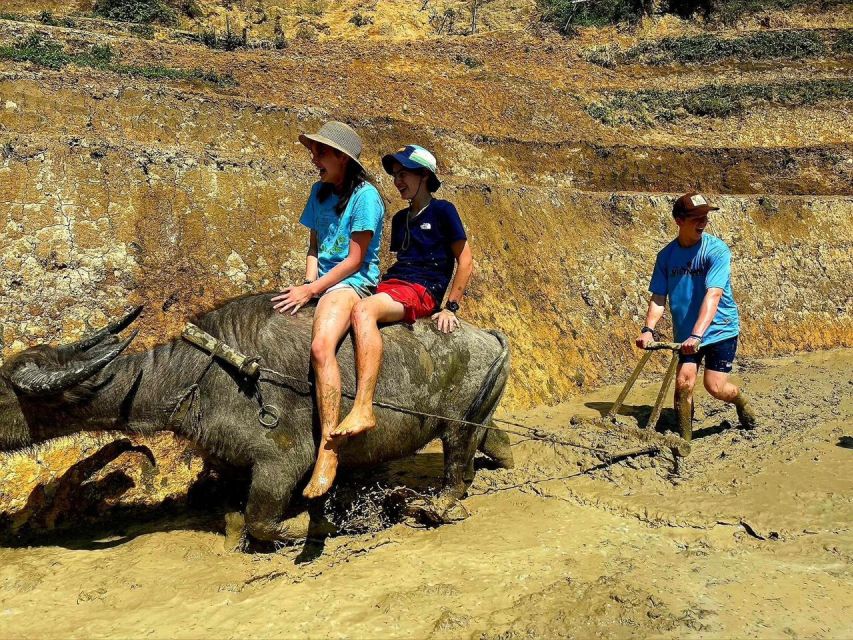
Sapa can be easy to experience from a minibus window. The town is surrounded by spectacular mountains and terraces, but the best views begin when you leave the pavement. This tour gives you a practical way to do that without arranging village permits, transport, lunch, and a guide separately.
I like the balance of scenery and daily life. You are not only stopping for photographs. You walk through villages associated with Black H’mong and Red Dao communities, see traditional clothing, and have opportunities to speak with local people. The guide can add context about how families live and work in the valley.
The route is also manageable for many reasonably active visitors. It lasts around six hours, with about three hours of walking before reaching Ta Van and additional walking around the return transfer. Still, do not treat it as a gentle town stroll. Mud, slopes, and wet stones can make the trek demanding, especially during rainy weather.
More Full-Day Treks in Vietnam:
- Sa Pa Full Day Trekking Tour
★ 5.0 · 414 reviews - Cat Ba National Park Full Day Trekking Tour to Viet Hai Village
★ 5.0 · 111 reviews - From Sapa: Guided Full-Day Trekking with Lunch and Drop-Off
★ 4.2 · 86 reviews
The 8:00 pickup from Sapa
The morning starts with pickup at your hotel in Sapa, generally between 8:15 and 8:30, or at the tour office if you are not staying at a local hotel. The guide then walks with the group to the starting point.
This arrangement is handy if you have arrived in Sapa by bus and want a simple morning start. Pickup from the bus office or a Sapa hotel also removes the need to find a village meeting point on your own. Confirm the exact pickup place and time when you book, since the schedule gives both an 8:00 guide pickup and an 8:15 to 8:30 hotel pickup window.
The group size is limited to 10. That matters on a narrow trail. A guide can give clearer instructions, adjust the pace more easily, and answer questions without trying to manage a large crowd. It does not guarantee solitude, though. Several groups may begin at about the same time, particularly on popular days.
Walking through Muong Hoa Valley and Y Linh Ho

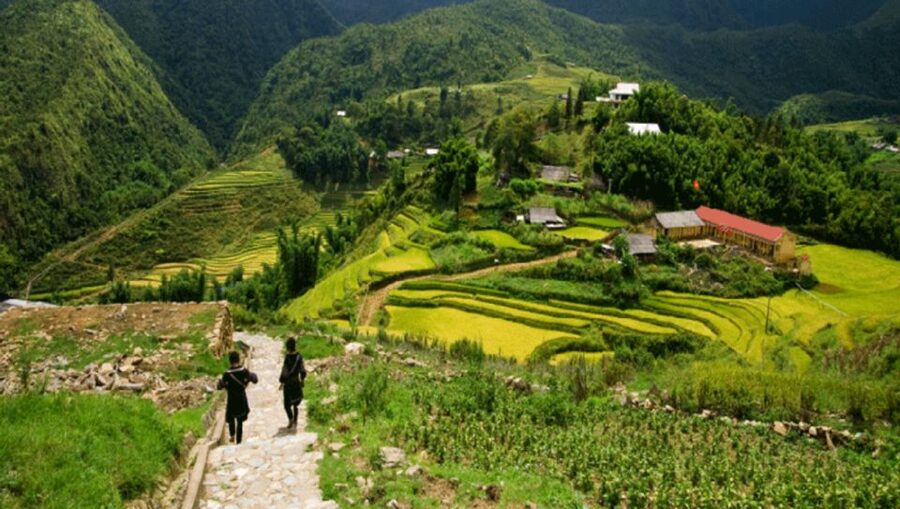
The walk from Sapa to the first countryside section covers about 1.5 kilometers. Once you reach Y Linh Ho, the town feels far away. The route follows the Muong Hoa Stream and moves through rice terraces toward Lao Chai.
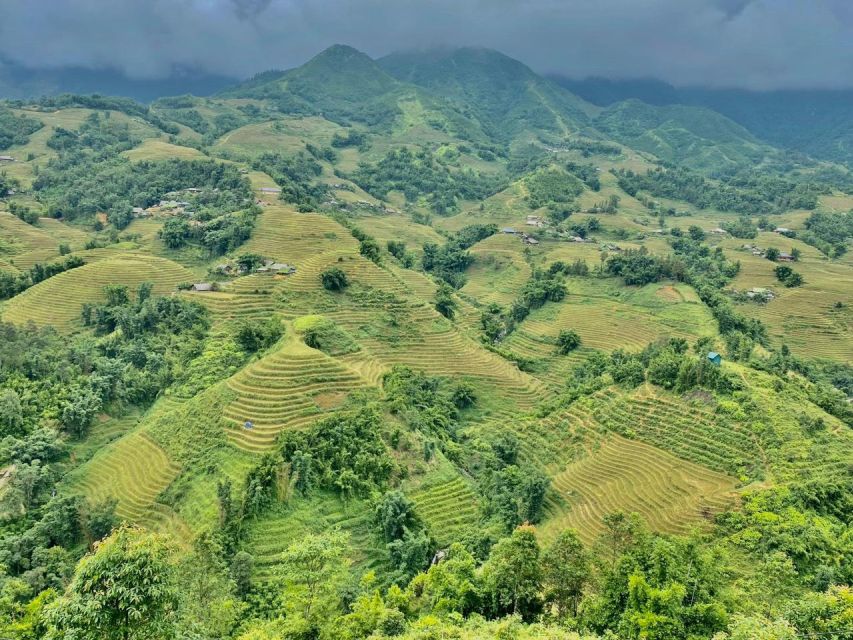
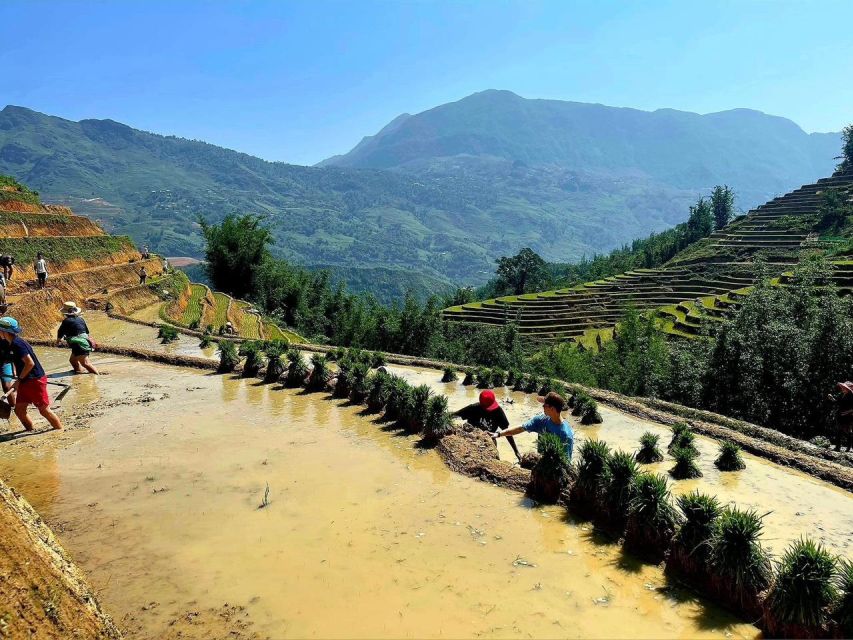
The scenery is the headline attraction. Terraces step across the hillsides, and the Hoang Lien Son range gives the valley its broad mountain setting. The exact colors and condition of the fields change with the season, but the shape of the terraces remains the main visual reward.
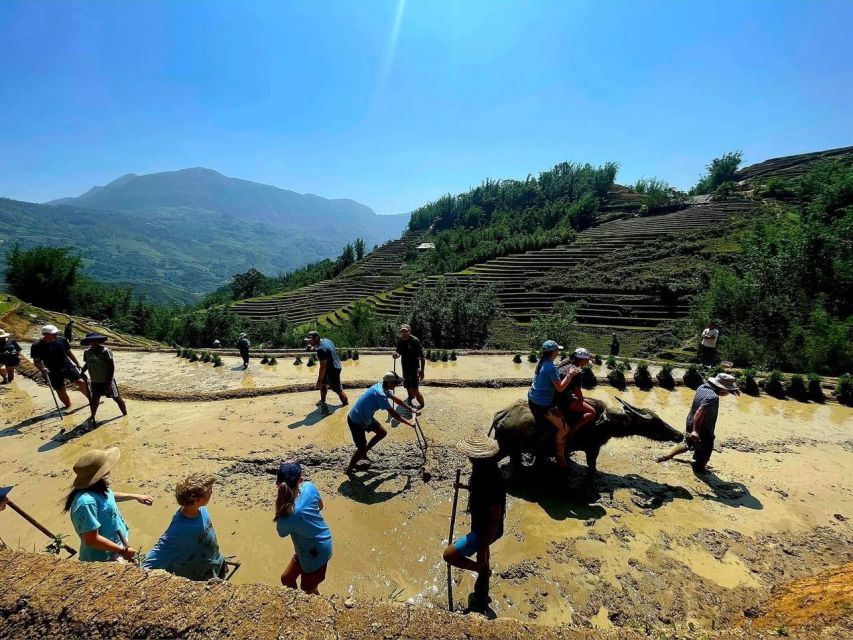
This is where footwear matters most. A January outing was described as a muddy trek, and the guide arranged rubber boots for one participant. That is a useful clue about conditions, not an odd exception. Pack shoes that can get wet and dirty, and expect the walk to take more effort if the trail has recently received rain.
You should also bring a sun hat, sunscreen, and biodegradable insect repellent. The tour provider specifically recommends all three. Water is not listed among the included items, so bringing your own bottle is a sensible precaution.
Lao Chai and the Black H’mong community

After passing through Y Linh Ho, you reach Lao Chai, a village associated with the Black H’mong people. This is the central cultural stop on the route. You can see local clothing, homes, terraces, and the setting in which families carry out daily work.
The value here comes from walking through the village rather than simply stopping at a viewpoint. Your guide can explain what you are seeing and help with conversation when language is a barrier. The experience is still brief, so it will not provide a full study of village life, but it gives you a direct look at the community and its surroundings.
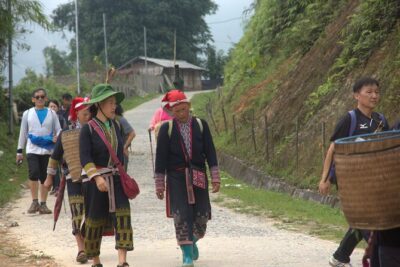
Traditional costumes are one of the visual details you are likely to notice. They are part of daily cultural identity, not merely decoration arranged for a tour group. Approach respectfully, ask before taking close-up photographs, and let your guide help with introductions.
A local guide can add a lot to this section. One highly rated guide lived in Lao Chai and safely led a small group through the rice fields. That local connection may help you understand the route in a more personal way than a guide who only knows the valley from a map.
A few more treks around Vietnam worth a look
- Sa Pa: Muong Hoa Valley Trek and Local Ethnic Villages
★ 4.6 · 864 reviews - From Hanoi: 2-Day Sapa Trekking Trip with Homestay & Meals
★ 4.8 · 704 reviews - Sapa 3 Days 2 Nights Trekking Tour (1 Night In Ta Van Village, 1 Night In Hotel)
★ 5.0 · 699 reviews - Sapa: Eco Adventure Terrace Fields and Local Villages Trek
★ 4.9 · 636 reviews
The walk to Ta Van and its stilt houses
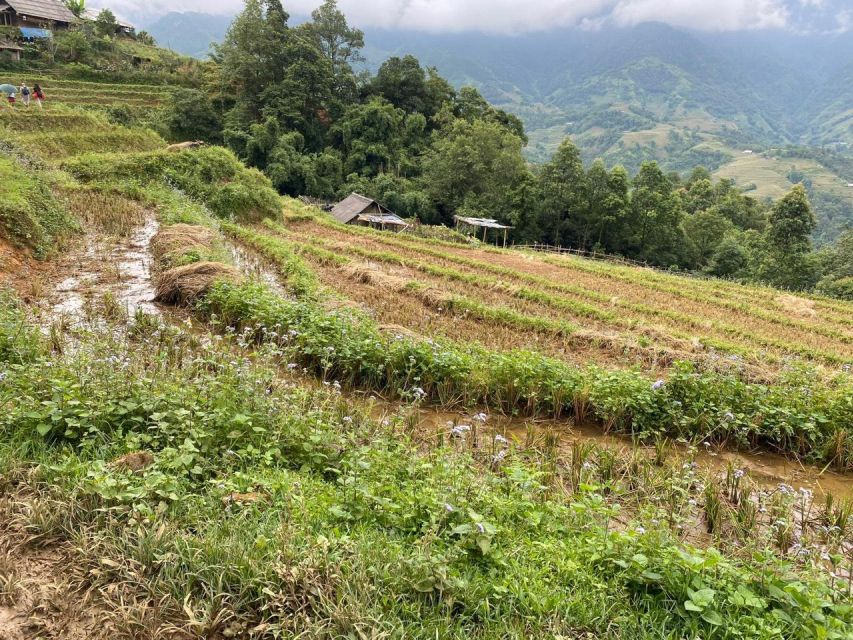
After about three hours of walking, the planned schedule places you in Ta Van. The stated distance is around 8 kilometers, though one group recorded about 11 kilometers for the full trek. The difference may reflect route conditions, detours, or the distance counted from the starting point, so I would prepare for the longer figure.
Ta Van offers another view of valley life. You see broad rice fields and stilt houses with distinctive ethnic architecture. The buildings and surrounding terraces make this a good place to pause, look back across the route, and take photographs.
The route is not just one scenic stop after another. Much of the appeal comes from the change in pace. You start in Sapa, move into a rural valley, pass through Lao Chai, and finish at Ta Van after hours on foot. By the time you arrive, the village setting feels earned.
The trail can be crowded. One outing had many groups starting together, which reduced the quiet atmosphere during part of the walk. If you want the valley entirely to yourself, this is not the right expectation for a popular Sapa route. The small group helps, but it cannot control how many other companies use the same path.
Lunch after the morning walk
Lunch is scheduled at a local restaurant around 12:30, after the main walk. The meal is included in the $23 price, along with village entrance fees, transportation, and the guide.
That inclusion improves the value considerably. A low headline price can be less useful when lunch and entry charges appear later, but this package covers the main costs you need during the outing. The supplied information does not specify the menu, so you should not book this expecting a particular dish or dietary arrangement unless the provider confirms it.
The timing also makes practical sense. After several hours on muddy or uneven paths, sitting down for an hour gives you a needed break before the return transfer. If you are not used to sustained walking, this pause may be the moment that turns the tour from tiring to enjoyable.
Handling local sellers and handmade goods
The most delicate part of the experience is the contact with sellers along the path. Some local women may walk beside your group, offer a hand on slippery sections, and then encourage you to buy handmade items or give money.
This interaction can be positive. One small group appreciated the help on muddy ground and willingly bought handicrafts after the guide explained the situation. But another group found the approach persistent and uncomfortable, especially when it became clear that the women were not part of the organized tour.
I would decide on your boundaries before setting out. If you want to buy something, set a budget and choose an item because you like it, not because you feel trapped into a purchase. If you do not want to buy, a polite, firm refusal is better than making promises. Ask your guide early about who is part of the tour and how to handle offers.
This is not a reason to reject the entire excursion, but it is an important part of the social reality of a popular village route. Knowing about it beforehand lets you enjoy the help when you want it and avoid feeling pressured.
The return to Sapa between 14:30 and 15:00
After lunch, the guide leads the group for about 1 kilometer to the bus. The vehicle then returns you to Sapa, usually arriving between 14:30 and 15:00. You can be dropped at your hotel or another stopping point in Sapa town.
The return transfer is useful because you do not have to retrace the full route on foot. It also keeps the activity within a half-day-plus schedule, leaving part of the afternoon for rest or another Sapa activity.
The schedule has a small inconsistency: the route description lists a 40-minute transfer, while the overall return window allows more time. Mountain roads and group movement can affect the timing, so keep your afternoon flexible rather than booking a tight connection immediately after the tour.
What $23 buys you
At $23, this is good value if you want a guided introduction to the valley without paying for a private excursion. The included lunch, transport, entrance fees, and English-speaking guide cover the costs that matter most.
The small group also adds value. A group of 10 is not private, but it is more workable than a large coach outing. You can hear the guide, ask questions, and move along narrow paths without waiting for a long line.
The price does not buy a polished or sheltered attraction. You are paying for access to a real walking route, and that means mud, changing weather, village sellers, and uneven ground. If you want comfort above all else, a viewpoint tour by vehicle may suit you better. If you want to walk through the valley and accept a few rough edges, the price is attractive.
The tour also offers free cancellation up to 24 hours before departure and a reserve-now, pay-later option. Those terms make it easier to keep plans flexible, especially when Sapa weather may affect your interest in a long walk.
Who should book this tour?
I would choose this tour if you want:
- A budget-friendly route from Sapa into the Muong Hoa Valley
- Several hours of walking rather than a quick roadside photo stop
- An English-speaking guide and a small group
- A chance to see Lao Chai and Ta Van in one outing
- Rice terraces, traditional clothing, and stilt houses
- Included transport, lunch, and entrance fees
You should think twice if you have trouble walking on muddy or slippery paths. The tour is not suitable for wheelchair users, and the distance may feel longer than expected. Visitors who dislike sales approaches should also prepare for possible contact with women offering handmade goods.
Comfortable shoes are essential. A sun hat, sunscreen, insect repellent, and clothing that can handle dirt will make the day easier. If the weather is wet, rubber boots may be worth asking about before departure.
FAQ
Where does the tour start?
Pickup is available from hotels in Sapa town, generally between 8:15 and 8:30 in the morning. If you do not have a hotel, you can meet at the tour office in Sapa town.
How long does the tour last?
The activity lasts about six hours. The usual schedule begins in the morning and returns you to Sapa between 14:30 and 15:00.
Which villages does the trek visit?
The route passes through Y Linh Ho and Lao Chai before reaching Ta Van. Lao Chai is associated with the Black H’mong community, while the route also includes contact with Red Dao people.
How far do you walk?
The planned description gives about 8 kilometers after roughly three hours of walking. One outing covered around 11 kilometers, so you should prepare for a walk that may be longer depending on the route and conditions.
Is lunch included?
Yes. Lunch at a local restaurant is included, along with the tour guide, transportation, and village entrance fees.
What should I bring?
Bring comfortable shoes, a sun hat, sunscreen, and biodegradable insect repellent. Shoes with good grip are especially important because sections may be muddy and slippery.
Is the tour suitable for wheelchair users?
No. The tour is not suitable for wheelchair users because it follows rural walking paths and rice terrace routes.
Should you book the Lao Chai and Ta Van trek?
Book it if you want a direct, active look at the Sapa valley and value local contact more than polished comfort. The price is fair, the group is kept small, and the route combines terraces, villages, traditional clothing, stilt houses, lunch, and transport in one useful package.
Go with realistic expectations. This can be an 8 to 11 kilometer walk on muddy ground, and popular sections may be crowded. Local sellers may also test your patience. Bring proper shoes, set clear buying boundaries, and keep your afternoon loose. With those points in mind, this is a worthwhile choice for seeing Lao Chai and Ta Van on foot.
Recently added around Vietnam
- Full Day Private Trekking Mu Cang Chai★ 5.0 · 33 reviews
- My Son sanctuary and mountain trekking★ 5.0 · 9 reviews
- Bach Ma National Park Trekking and Camping 2 days Tour★ 5.0 · 9 reviews
- Explore Bach Ma National Park – Trekking with Small Group Tour★ 5.0 · 12 reviews
- Small Group – Bach Ma National Park Trekking Tour From Hue★ 4.5 · 18 reviews
- UNESCO Listed Can Gio Mangrove and Monkey Island trek★ 5.0 · 11 reviews
- 2-Day Trekking & Biking Nam Cat Tien National Park from HCM City★ 5.0 · 12 reviews
- Trekking around Ha Giang 5 days 4 nights★ 3.0 · 2 reviews
Full-Day, compared.
Full-Day Samaria Gorge Trek Excursion & Guide
Read our review →

Full-Day Rainbow Mountain & Red Valley Trekking Tour
Read our review →
Cat Ba National Park Full Day Trekking Tour to Viet Hai Village
Read our review →
Guided Full-Day Trekking with Lunch and Drop-Off
Read our review →Browse the lists this tour appears in