
REVIEW · INDIA
Dalai Lama Himalayan Trek
India rewards travelers who leave room for surprise. I like the way this 11-day journey combines Delhi temples, an overnight train, Dharamsala, and a five-day Himalayan trek instead of treating India as a quick city tour. I also like the strong support from Manu Adventures India, including donkeys for the camp gear, warm tents, thick mattresses, sleeping bags, and meals cooked along the trail.
The main trade-off is the physical demand. You need strong fitness for steep, rocky paths, village tracks, and several days on foot. The itinerary also covers a lot of ground, from New Delhi to the Himalayas and then Agra, so this is not a slow, restful holiday.
Key points to know before booking
- Five days on Himalayan trails: You walk through villages, rhododendron forest, mountain paths, and high open ground around Triund Hill.
- Delhi with a spiritual focus: Akshardham Temple and Hanuman’s Monkey Temple offer a different view of the capital than the usual headline sights.
- An overnight Indian train: The journey to Pathankot is part of the experience, with train tickets included.
- Supported camping: Donkeys carry the tents and supplies, while the trekking team provides sleeping gear, meals, and camp support.
- A full cultural finish: The route ends with the Taj Mahal, a celebration meal, and a final afternoon in Delhi.
- Best for active visitors: A maximum group size of 35 keeps the trip organized, but the trekking portion still asks a lot from you.
Why this India trip feels different
Many India tours rush from monument to monument. This one gives you a broader taste of the country, then shifts the pace completely in the foothills of the Himalayas.
You begin in New Delhi, where religion, traffic, grand avenues, and small local surprises sit close together. You then travel north by overnight train to Pathankot and continue to Dharamsala, the home in exile of the Dalai Lama. The five-day trek takes you away from the main roads and into rural Himachal Pradesh before the route turns back toward Delhi and Agra.
I like that the trip does not pretend India can be understood in one visit. Instead, it gives you several strong contrasts: polished temples and village paths, crowded transport and quiet mountain camps, Tibetan food and a Mughal monument.
The price is $1,463.90 per person. That is a substantial amount, but it includes train tickets, an air-conditioned vehicle, 11 dinners, 10 breakfasts, five lunches, accommodation, organized transfers, and a supported camping trek. You are paying for a connected itinerary and a local team, not just separate sightseeing stops.
Tips and airport or departure taxes are not included. The experience is also non-refundable, so you should be certain about your dates and fitness before paying.
A few more treks around India worth a look
- Half day trekking (munnar valley Trekking & Tours )
★ 5.0 · 310 reviews - Nag Tibba 2 Days Trek (Pantwari to Pantwari)
★ 5.0 · 274 reviews - Bhrigu Lake and Alpine Meadow Trek
★ 5.0 · 121 reviews
Days 1 and 2: Delhi temples, tuk-tuks, and a gentle start
Your arrival begins at Indira Gandhi International Airport, where pickup is offered. The listed meeting point is the airport, with a 9:00 a.m. start time, and you are taken to your hotel before exploring nearby sights.
Hanuman’s Monkey Temple is close to the hotel area. It offers an immediate introduction to Delhi’s religious life, with a setting that feels less formal than a major palace or museum. The first day is only around four hours, which gives you time to recover from your flight and adjust to the noise, heat, and pace of the city.
A practical note: the description mentions airport pickup, but you should confirm the exact arrival arrangements and hotel details before departure. The booking information says confirmation arrives at the time of booking, so keep those details easy to find.
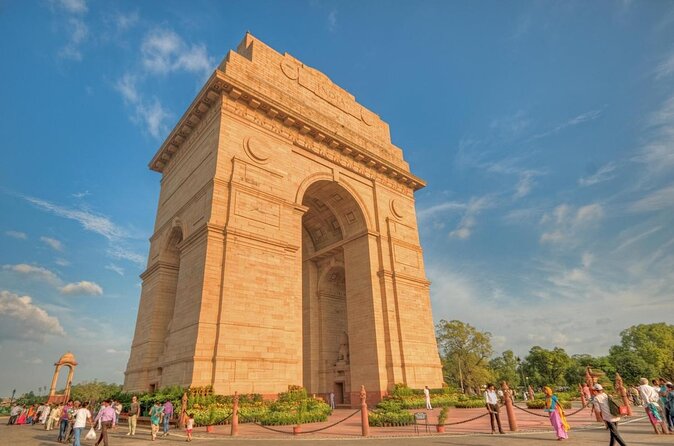
Day 2 includes India Gate and Akshardham Temple. Akshardham is the more unusual stop. Its silver decoration and glittering details reflect the care given to religious buildings in India. It is popular with local visitors, yet it sits outside the standard first-day route many international visitors follow.
You may also get some of the trip’s lighter moments in Delhi, including tuk-tuk races mentioned in the experience description. These are not the reason to book the tour, but they show the informal and playful side of the itinerary.
The Delhi sightseeing days are short, about four hours each. That is useful if you dislike being pushed through a city for ten hours, but it also means the capital is sampled rather than fully explored. You will not see everything.
Day 3: The overnight train to Pathankot
The overnight train is one of the trip’s most useful cultural experiences. It saves a long road journey and gives you a look at how many people move around India.
Train tickets are included, and the group’s bunks are arranged together. That matters. An overnight train can be confusing if you are alone and separated from your companions, especially when boarding at a busy station.
You arrive at Pathankot, eat breakfast at an open-air restaurant, and continue by vehicle to Dharamsala. After checking into your hotel, you can walk down into the village area.
This day is mostly about transition. The listed activity lasts around four hours, but the train journey makes it feel longer than a normal sightseeing day. Bring patience, a small overnight bag, and clothing that works for both warm Delhi and cooler mountain areas.
Dharamsala and the Dalai Lama’s mountain home
Dharamsala gives the tour its spiritual center. The area is closely associated with the Dalai Lama and the Tibetan community in exile, so the visit adds meaning to the mountain section rather than serving as a simple hiking base.
You have time to explore before the trek begins. That pause is valuable because Dharamsala is not only a place to sleep between activities. It is where the trip’s Indian and Tibetan influences meet.
The itinerary later includes a Tibetan-style feast in McLeod Ganj. This is one of the strongest cultural details in the program because it connects the setting to food and daily life, not just scenery.
The name McLeod Ganj is spelled in different ways in the supplied details, including McLoudganj. Keep that in mind when checking maps or transport information.
Same trailhead, a longer or shorter day out:
- Har Ki dun Trek by Himalaya Shelter
★ 5.0 · 102 reviews - Wild Elephant Anakulam & Waterfalls Tour(munnar valley Trekking)
★ 5.0 · 98 reviews - Friendship Peak Trek
★ 5.0 · 94 reviews - Half Day Hiking in Munnar Trekking Tour
★ 5.0 · 89 reviews
Days 4 to 8: What the five-day trek is really like
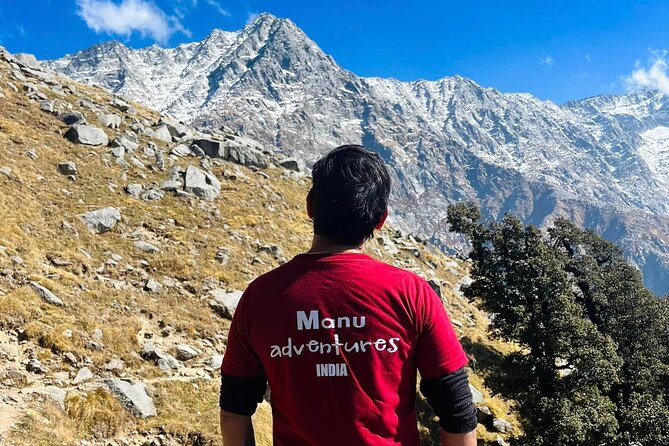
The trekking section is the heart of the experience. For five days, you follow donkey tracks through rural villages, forest, streams, and high mountain country.
At the beginning, donkeys carry the belongings, tents, and camp equipment. You carry only a day bag, which makes a major difference. The trekking team also provides warm, dry tents, thick mattresses, fleece-lined sleeping bags, and meals prepared at camp.
That level of support changes the kind of trek this is. You still need to walk for several hours a day, but you do not need to carry a full camping load. The available information describes the trek as suitable for people with strong physical fitness, so do not mistake supported camping for an easy walk.
Day 4: Kareri and the first camp
The route begins at Kareri after you meet the trekking team and the donkeys. You walk with a light pack while the equipment moves ahead with the animals.
The scenery includes small villages where children greet the group and local families care for goats and cows. That human detail is important. The walk is not just a mountain exercise. You pass through working communities where daily life continues at a much slower pace than in Delhi.
Camping beside clear, running springs gives the first night a simple appeal. You should expect basic conditions, but the team’s sleeping equipment and hot food help make the camp more comfortable than carrying your own gear would allow.
Day 5: Naddi View Point and village paths
The trail from Naddi View Point gently rises and falls through rustic villages. This is a good day for noticing the details around you: homes, animals, farming, and people moving through the area.
The food is one of the most praised parts of the trek. The camp kitchen produces substantial meals despite the remote setting, and breakfast becomes a reason to linger before walking.
The drawback is that a gentle route can still feel tiring after several days of travel, especially if you have arrived from a long flight and overnight train. Good walking shoes, modest day luggage, and a willingness to keep a steady pace will help.
Day 6: Forest, bridges, and Magic View
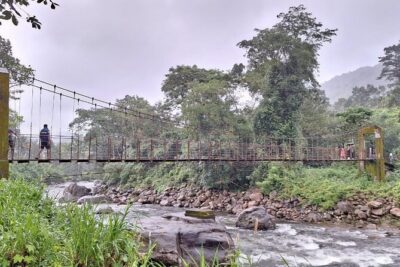
The route crosses small bridges and passes through rhododendron forest before reaching the Magic View tea shop. The name is cheerful, but the reason for it is practical: the stop offers a wide view across the mountain country.
This is the kind of break that makes the trek enjoyable. You get a place to pause, drink tea, and look back at how far you have come.
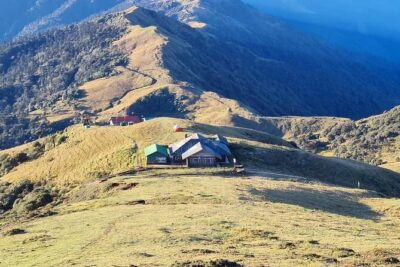
The day ends at Manu Adventures Camp at Triund Hill. The camp is high enough to make the next morning’s views feel like a real reward, yet the route still includes support from the trekking team.
Day 7: Triund Hill and the big mountain views
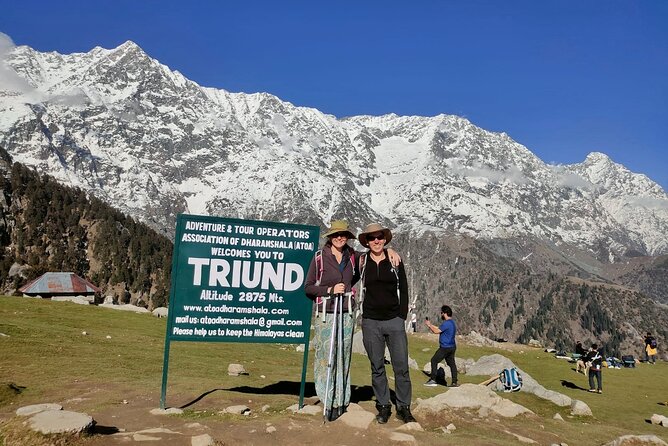
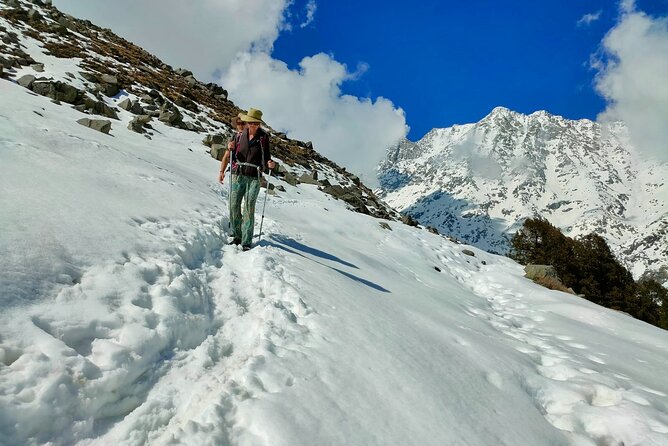
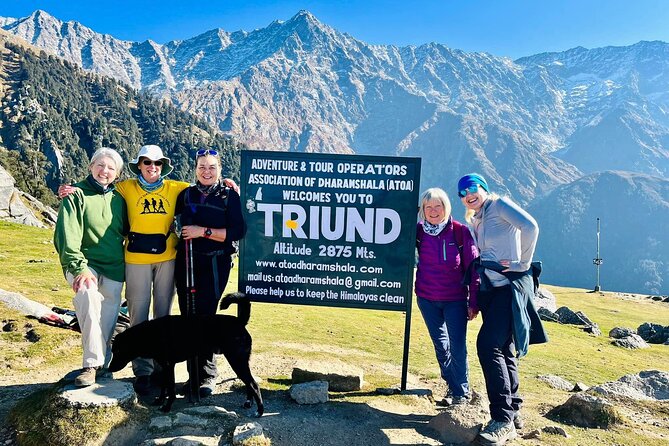
Triund Hill is the visual high point of the trek. The path can be steep and rocky, and the quiet becomes more pronounced as you gain height.
You are rewarded with views of large Himalayan peaks. The description does not provide an exact elevation or distance, so you should not plan around a fixed mileage. Instead, think of this as a full walking day with real uphill work.
The silence is part of the experience. After Delhi’s traffic and the crowded train, the change is striking. You may find the combination of effort, cold air, and open views more memorable than any single monument on the route.
Day 8: Descending to McLeod Ganj
You begin the descent after breakfast with a view. The pace is more flexible, and you can walk at your own speed before returning to Dharamsala for a shower and rest.
That shower may be one of the day’s great luxuries. A five-day trek does not require expedition skills here, but it does require stamina, and the return to a hotel gives you a needed reset.
The evening Tibetan-style meal adds a fitting close to the mountain portion. It also keeps the trip connected to the Tibetan culture associated with McLeod Ganj and Dharamsala.
Day 9: Cable car, tea, cricket, and another train
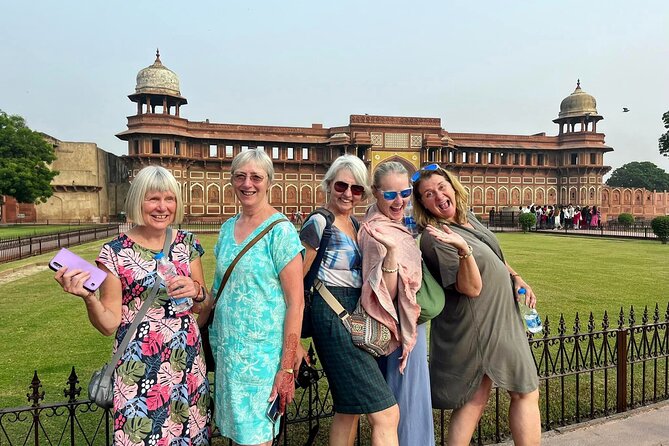
Day 9 offers a softer return to sightseeing. You take the new cable car from McLeod Ganj to Dharamsala, then visit a tea plantation and the famous cricket stadium.
The cable car adds a different view of the area after several days at walking height. The tea plantation gives you a look at local agriculture, while the stadium shows another side of regional life. Cricket is a major part of Indian culture, so this stop helps broaden the trip beyond temples and mountains.
In the evening, you transfer to Pathankot station for another railway journey toward Delhi. The itinerary is efficient, but this is also one of the longest-feeling transitions. If you prefer a relaxed holiday with frequent free time, the repeated train travel may test your patience.
Day 10: The Taj Mahal as the grand finale
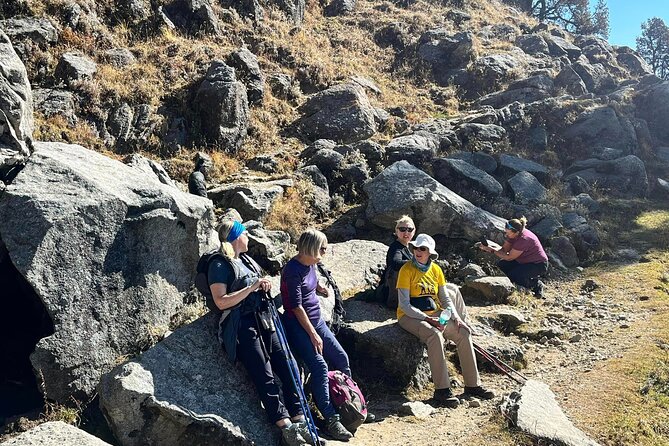
The Taj Mahal is saved for near the end, after Delhi and the Himalayas. That order works well. You first see India through its streets, temples, villages, and mountain communities, then arrive at its most famous monument.
The Taj Mahal is not a quick photo stop in spirit, even though the listed visit is around four hours. Its proportions, marble work, and setting reward time to look closely rather than simply pose in front of it.
A celebration meal at a nearby rooftop restaurant with views toward the Taj Mahal gives the day a clear finish. This is a smart choice for the itinerary because the monument becomes a shared finale rather than just another stop between transfers.
You should expect crowds and a busy approach around Agra. The appeal is not privacy. It is the chance to see an extraordinary building after a trip that has shown you many less polished parts of India.
Day 11: A final afternoon in New Delhi
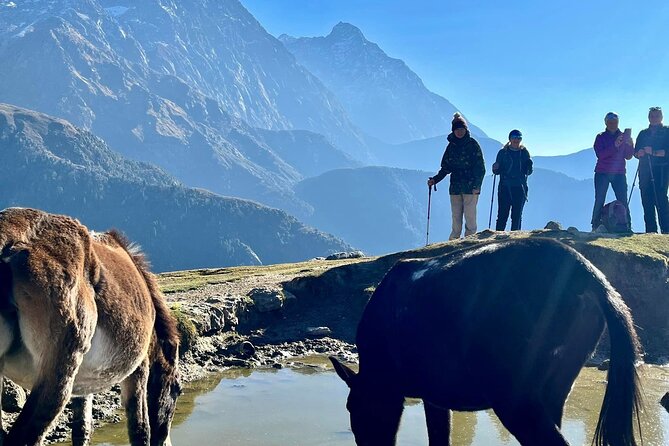
After a transfer from Agra, you return to Delhi for your last afternoon. Connaught Place is suggested for shopping, and it is a useful place to pick up final gifts or simply enjoy one last city outing.
You can also spend the time viewing preserved Delhi buildings. The final day is free rather than tightly directed, which gives you some control after a packed route.
The itinerary lists around four hours for the day. Departure details are not provided, so you should confirm how much free time you actually have before scheduling a flight.
Comfort, food, and group size
The tour includes an air-conditioned vehicle, hotels, train tickets, and substantial meal coverage. Breakfast is included on 10 days, dinner on 11 days, and lunch on five days.
That meal plan reduces daily planning, especially during the trek. The food served in camp receives particularly strong praise, and the equipment includes fleece-lined sleeping bags and thick mattresses. These are meaningful comforts when nights become cold.
The maximum group size is 35 people. That is large enough to affect the feel of the trek, especially on narrow paths, but the organized support may also make transport and camp arrangements easier.
The physical requirement is the most important practical issue. You should be comfortable walking for about four to five hours on uneven ground, including steep and rocky sections. The schedule does not list exact distances, so ask the provider for current trail details if you need to judge the trek against a medical or fitness concern.
The strongest reason to book with Manu Adventures India
The clearest strength is the care built into the trip. Manu, his family, and his colleagues are described as friendly, helpful, and attentive. Specific praise centers on quality gear, warm tents, comfortable sleeping mattresses, good food, organized transport, and train bunks kept together.
That practical support matters more than grand promises. India can be tiring even on a well-planned route, and the team’s role is to keep the difficult parts manageable.
The guide’s humor and kindness also appear to be a major part of the experience. If you want a fully independent trek, this is not that. If you want someone to organize the moving parts and help you through the unfamiliar sections, the format makes good sense.
Who should book this trip?
I would recommend it to you if you want several kinds of India in one trip and enjoy active travel. It suits people who are interested in temples, rail travel, Tibetan culture, village life, camping, and major monuments.
It is less suitable if you want a quiet luxury holiday, a slow city break, or a trek with exact published distances and elevation figures. The route covers a lot of ground, and the physical effort is not optional.
At $1,463.90, the value is strongest for someone who would otherwise need to arrange multiple hotels, transfers, train tickets, meals, guides, camping equipment, and a Taj Mahal visit separately. The price is harder to justify if you plan to skip the trek or prefer to organize each part yourself.
The non-refundable policy also deserves attention. Read the booking terms carefully and make sure you are ready for the walking demands before committing.
Should you book the Dalai Lama Himalayan Trek?
Book it if you want an active, carefully supported introduction to northern India, especially if the idea of camping in the Himalayas excites you more than spending every night in a city hotel.
The best parts are the contrast between Delhi and the mountains, the well-supported trek, the overnight train, the Tibetan connection in Dharamsala, and the Taj Mahal finale. The main costs are time, stamina, and a willingness to accept a busy schedule.
For the right person, this is not simply a sightseeing package. It is a demanding but rewarding route through several very different sides of India, with a local team handling much of the hard work.
FAQ
How long is the Dalai Lama Himalayan Trek?
The experience lasts approximately 11 days.
Where does the tour begin?
The tour begins at Indira Gandhi International Airport in New Delhi, India.
What time does the tour start?
The listed start time is 9:00 a.m.
Is airport pickup included?
Pickup is offered from Indira Gandhi International Airport.
Is the overnight train included?
Yes. Train tickets are included in the tour price.
How many days involve trekking?
The itinerary includes five days of trekking in the Himalayan area around Dharamsala and Triund Hill.
Do donkeys carry the camping equipment?
Yes. Donkeys carry belongings, tents, and camp equipment, while you walk with a day bag.
What meals are included?
The package includes 11 dinners, 10 breakfasts, and five lunches.
Is the tour suitable for all fitness levels?
No. The information says you should have a strong physical fitness level because the trek includes steep and rocky sections.
How large can the group be?
The maximum group size is 35 travelers.
Is the tour refundable if I cancel?
No. The experience is non-refundable and cannot be changed for any reason.
Recently added around India
- Moderate Himalayan Treks Near Rishikesh From Delhi★ 5.0 · 21 reviews
- Fullday Trekking in munnar (munnar valley Trekking & Tours)★ 5.0 · 20 reviews
- Munnar Letchmi hills Trekking★ 4.5 · 9 reviews
- Trekking in Munnar★ 5.0 · 11 reviews
- Munnar Mountain Trekking★ 5.0 · 12 reviews
- Sandal Wood & Sight Seeing Tour (Munnar Valley Trekking & Tours)★ 5.0 · 3 reviews
- Half Day Trekking In Munnar★ 5.0 · 2 reviews
- Meesapulimala Sunrise trek( By Munnar Info)★ 4.5 · 6 reviews
India Trekking Tours, compared.
Half day trekking (munnar valley Trekking & Tours )
Read our review →
Wild Elephant Anakulam & Waterfalls Tour(munnar valley Trekking)
Read our review →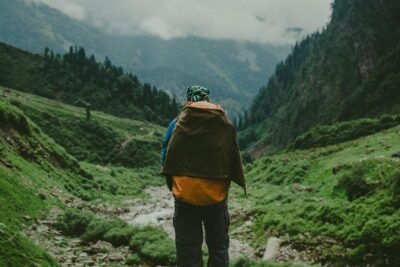
Browse the lists this tour appears in