
REVIEW · CHIANG RAI
Chiang Rai Trek: 4 Hilltribes Villages & Waterfall Only Walk
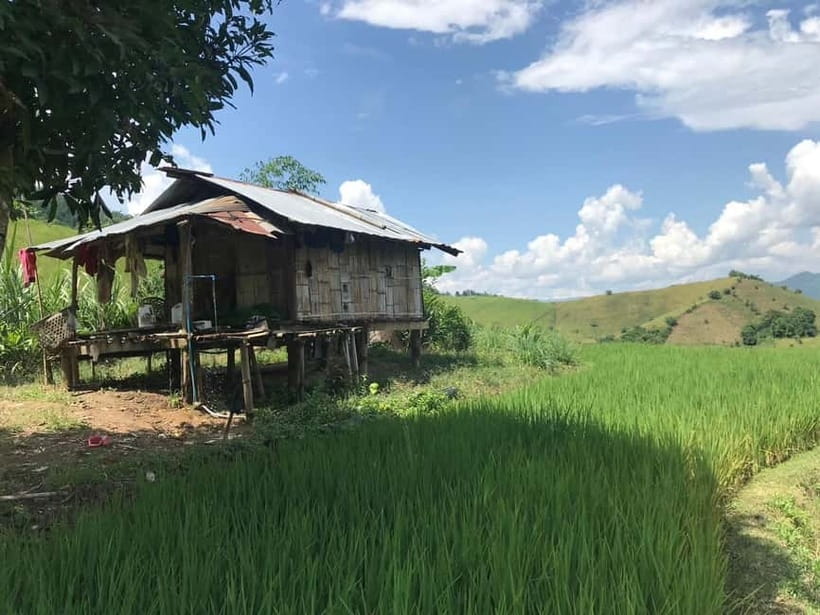
Mountain life feels close here. This Chiang Rai day trip combines a forest walk with visits to Lisu, Chinese, Akha, and Lahu communities, rather than stopping at one village for a quick look. I especially like the bamboo-hut lunch, cooked with firewood in a traditional kitchen, and the chance to swim at Huay Kaew Waterfall before finishing with a hot spring bath.
The guide adds real value by explaining plants, herbs, local customs, and village life along the way. You may taste freshly picked pineapple, leaves, fruit, and spices from the forest. The main caution is physical: the route takes about five hours on foot, covers roughly 10 kilometers, and includes steep uphill sections with few flat stretches.
Key points to know before booking
- Four hilltribe communities in one day: The route reaches Lisu, Chinese, Akha, and Lahu villages around Lam Nam Kok National Park.
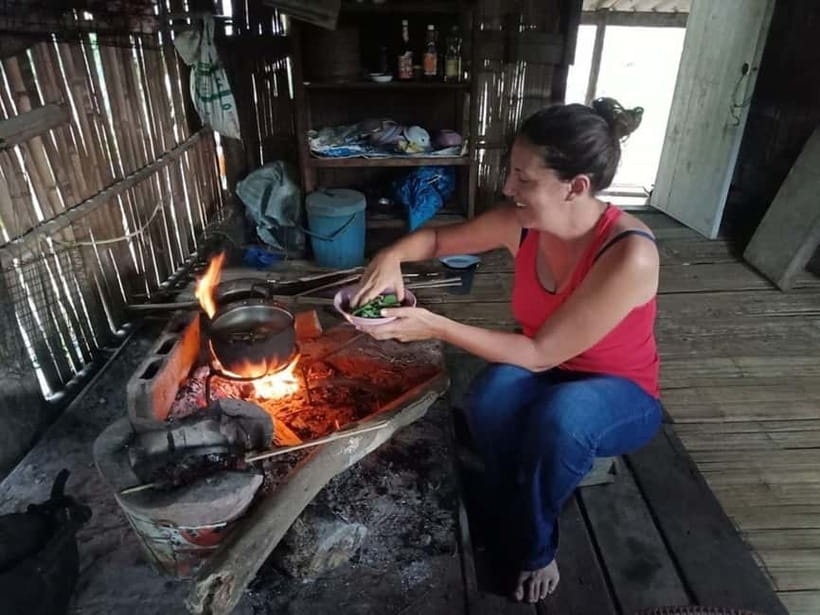
- Lunch is part of the experience: You help prepare food in a bamboo hut using firewood, not an LPG stove.
- Waterfall swim included: Huay Kaew Waterfall is described as the second-largest waterfall in Chiang Rai.
- Tea and farmland on foot: The trail passes a Chinese tea plantation and working farms growing pineapple, rice, coffee, and other crops.
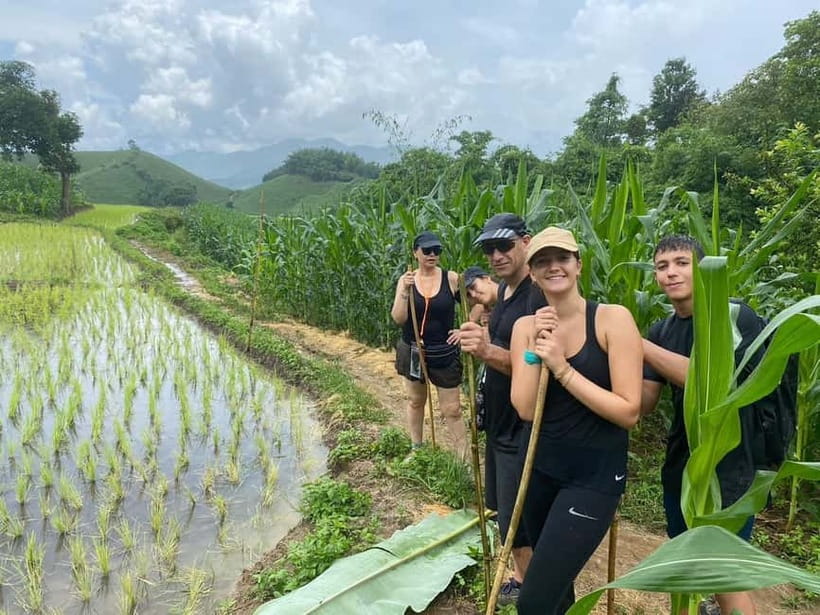
- A demanding but manageable walk: Expect about five hours of walking, close to 10 kilometers, with steep uphill parts.
- Small-group setting: The experience is designed for a small group and costs $82 per person, including transport, guide, lunch, water, and travel insurance.
Starting at the hot spring near Lam Nam Kok National Park
The day begins with pickup in Chiang Rai and a drive to the trekking area in Lam Nam Kok National Park. The walk starts at a hot spring, though the main hot spring stop comes at the end, after the trail has done its work on your legs.
This start gives the outing a clear rhythm. You leave the city by car, begin in a natural setting, and spend most of the day moving through forest, farms, and mountain villages. It is not a sightseeing circuit where you step out of a vehicle every 20 minutes. You should expect a proper walk.
The exact pickup window is listed as 8:30 to 9:00, so I would be ready before the early end of that period. Pickup can run late, and one person waited until 9:15. That is not a major problem on a full-day excursion, but it is worth knowing if you have a tight plan before or after the tour.
If you stay outside the normal Chiang Rai pickup area, contact the provider before booking. The trip starts and ends in Chiang Rai, with transport by car to and from the walking route.
More Waterfall Treks in Thailand
- Chiang Rai: 2-Day Jungle Trek only walk with Waterfall
★ 4.8 · 17 reviews - Khao Sok: Private Waterfalls and Wildlife Half-Day Trek
★ 4.5 · 337 reviews - Trekking to Waterfall Adventure Tubing 45 mins. (Only Khao lak)
★ 5.0 · 111 reviews
Forest paths and the first Lisu village
The opening section leads through forest and bamboo forest toward a Lisu village. This is where the guide’s role matters most. The walk is not only about reaching the next stop. Along the way, you may learn about edible plants, herbs, animals, and the uses of different leaves and spices.
The natural information is one of the strongest parts of the experience. A guide who can identify plants and explain how people use them turns an ordinary forest path into something more useful. You begin to see the countryside as a source of food, medicine, and daily materials, not simply as pretty scenery.
The Lisu village is one of several communities visited during the day. The value here comes from seeing village life as part of a wider route through the mountains, rather than treating one settlement as a staged attraction. Still, you should remain respectful. This is a walk through communities where people live and work, not a performance arranged for visitors.
The route also passes farmland used by Akha and Lahu communities. Pineapple, rice, coffee, tea, and other crops appear along the way, depending on the section of the route and the season. The guide can help you understand what you are seeing, which makes the farm areas more interesting than simply walking past green fields.
Bamboo cooking and a firewood lunch
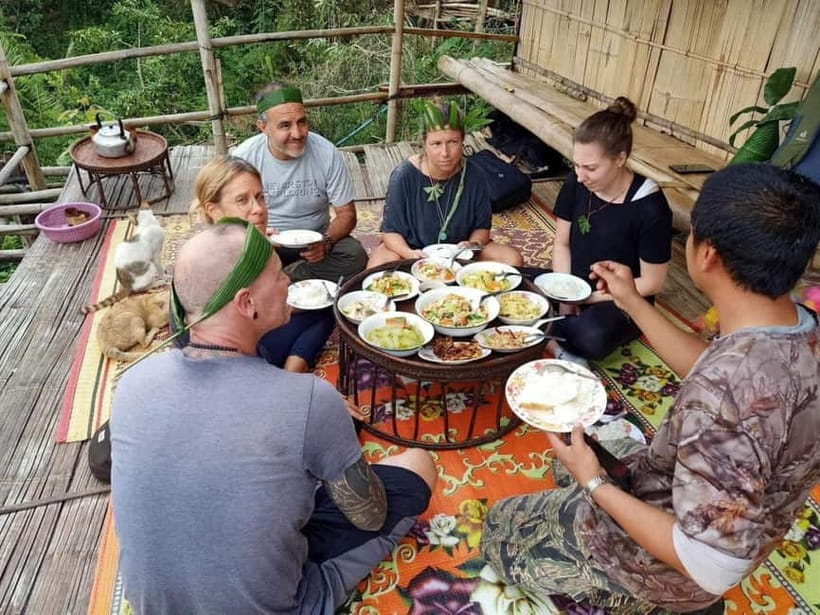
Lunch is the day’s most distinctive activity. At a bamboo hut in a hilltribe village, you cook with the guide and local kitchen setup using firewood rather than LPG. That small detail changes the feel of the meal. You are not just handed a packaged lunch at a viewpoint. You take part in a traditional cooking process.
The bamboo kitchen also offers a glimpse of how food is prepared with simple materials. Expect the activity to be hands-on, though the exact dishes are not specified. The guide may point out edible leaves, herbs, fruit, and spices found along the route, and you may have the chance to taste some of them.
I like this part because it connects the food to the place. A meal eaten in a village hut, after walking through the forest and farms, makes more sense than lunch at a restaurant in town. It also gives you time to slow down and talk with the guide.
The setting is simple. Do not expect air conditioning, restaurant service, or a fixed menu. That is the point, but it also means you should bring a good appetite and a flexible attitude. Anyone who dislikes unfamiliar foods or basic cooking conditions may find this less appealing.
The Chinese village and its tea plantation
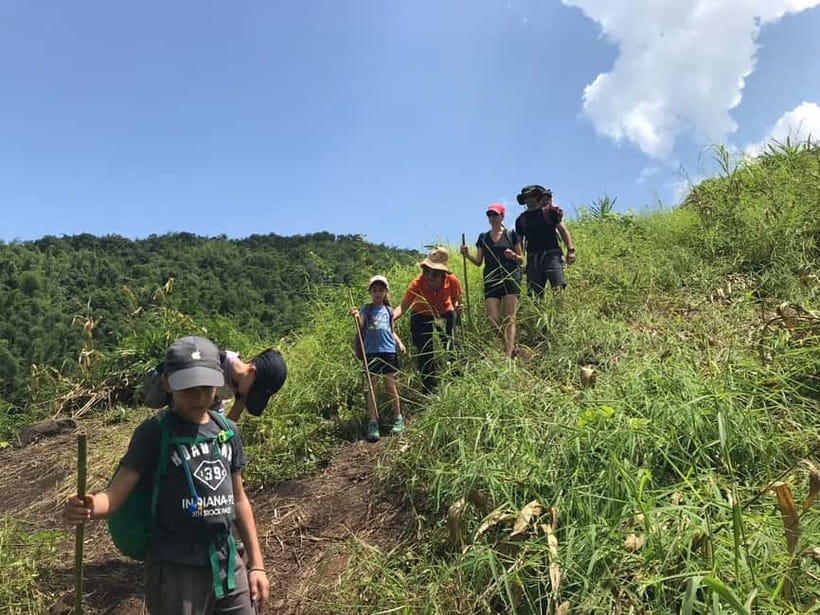
After lunch, the route continues to a Chinese village and tea plantation. The tea fields provide one of the clearest links between the agricultural setting and local daily life. Rather than visiting a polished tea attraction by road, you reach the plantation on foot as part of the countryside route.
The day includes more than tea. You may pass pineapple, rice, coffee, chocolate, and other crops, with the guide identifying plants and explaining what grows in the area. The range of food plants helps keep the walking varied. One stretch may feel like forest, another like farmland, and another like a village approach.
The scenery is attractive, but the real benefit is the explanation. Without a guide, tea plants and other crops can blur into a pleasant but forgettable view. With context, you can understand how the farms fit into mountain life.
There is no promise of a formal tea tasting or a long plantation presentation, so do not book this expecting a dedicated tea tour. The tea fields are one stop within a much longer walking day.
More Waterfall Treks in Chiang Rai:
- Bali: Munduk Waterfalls Trek, Twin Lakes and Temple Tour
★ 4.8 · 545 reviews - Selogriyo Temple and Trekking Java Rice Terraces, hidden waterfall -Nature Java
★ 5.0 · 179 reviews - Ubud: Rice Terrace, Holy Water Temple & Waterfalls Trek Tour
★ 4.9 · 115 reviews - Chiang Mai: 2-Days Jungle Trek, Waterfalls and Karen Village
★ 4.8 · 103 reviews
Huay Kaew Waterfall, the best cooling break
The route continues to Huay Kaew Waterfall, described as the second-largest waterfall in Chiang Rai. You can swim here, making it an excellent midpoint or late-day reward after the forest and farm sections.
Bring swimwear and a change of clothes. The water is not just a photo stop. The chance to get in gives the day a welcome physical break, especially in warm weather. If you prefer not to swim, you can still enjoy the stop, but the experience is clearly designed to make use of the water.
The waterfall may be quiet during the visit, though conditions can vary. You should not assume you will have it entirely to yourself. Water levels, weather, and the small-group schedule may affect the feel of the stop.
A practical warning: wet clothes become uncomfortable during the remaining walk. Pack a lightweight change of clothes and a bag for your swimwear. Insect repellent, a hat, and drinking water are also specifically recommended.
Akha farms and the Lahu village route
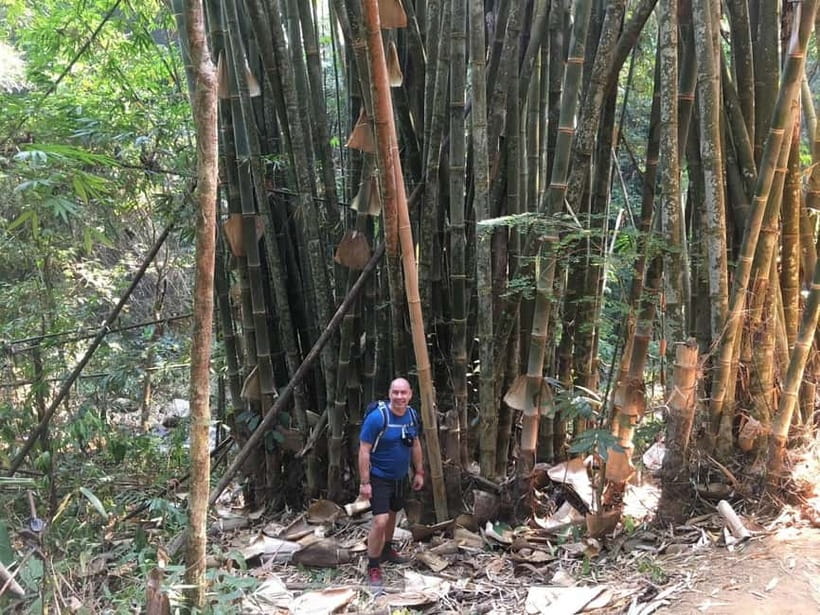
After the waterfall, the walk continues toward Akha farmland and a Lahu village. This later portion is where the physical side of the day becomes most noticeable. The route is about 10 kilometers in total, with some steep uphill sections and no guarantee of smooth, level paths.
The operator describes the total walking time as around five hours. That makes this more than a gentle village stroll, but it is not presented as an extreme expedition either. Active people who are comfortable walking on uneven ground should find it manageable. You do not need to be a top athlete, but you should be honest about your knees, balance, and stamina.
The final villages help complete the picture begun at the Lisu settlement. You see different communities within the same mountain region and walk through the farmland that supports them. The guide’s explanations about customs, plants, and ways of life give the stops more meaning than a simple list of village names.
You should also understand that village visits can feel less structured than city sightseeing. There may be no formal display, scheduled talk, or shop-lined entrance. That can be a strength if you want a quieter look at rural life, but it requires patience and respect for local routines.
Finishing with a mineral hot bath
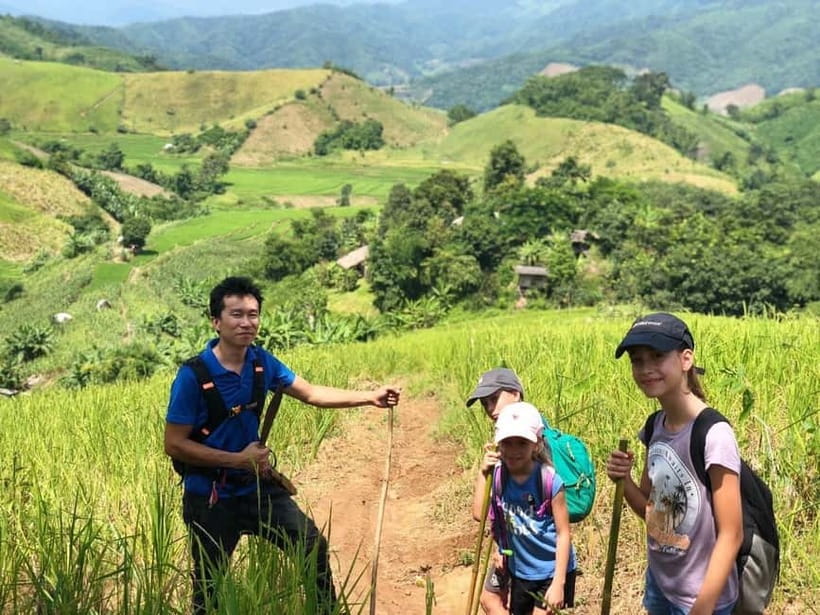
The final stop is the hot spring, where you can take a mineral bath before returning to Chiang Rai by car. This is a smart ending after several hours of walking. The waterfall cools you down, while the hot spring gives you a chance to relax before the drive back.
Bring a change of clothes because you may swim at the waterfall and then bathe at the hot spring. The information provided does not specify the exact facilities or how long the hot spring stop lasts, so do not plan around a spa-style treatment. Think of it as a simple mineral soak after a day outdoors.
The route has a satisfying shape: hot spring start, forest and villages, cooking, tea fields, waterfall, more farms and villages, then hot spring again. You spend very little of the day in a vehicle once the walk begins.
What $82 includes, and what it does not
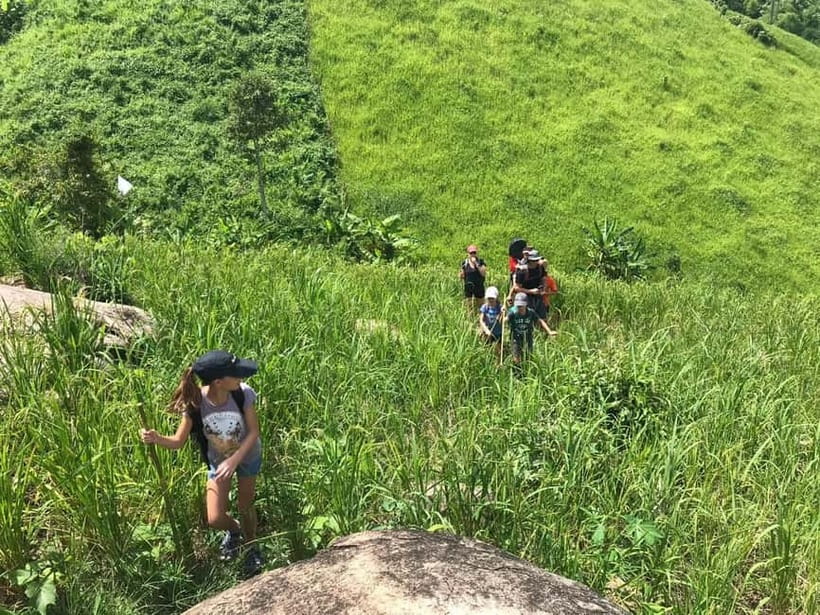
At $82 per person, this is not the cheapest way to see rural Chiang Rai. The price makes more sense when you add up what is included: transport from Chiang Rai, an English-speaking guide, lunch, drinking water, and travel insurance.
The guide is the key part of the value. A driver could take you near villages and a waterfall, but would not necessarily explain edible plants, local customs, farming, or village life while you walk. The bamboo cooking activity also gives the day a practical element that a standard sightseeing trip may lack.
The price does not include other expenses. Since no specific extras are listed, bring some Thai baht for personal needs rather than assuming every possible cost is covered.
For a full day with roughly five hours of guided walking, meals, transport, and several different stops, I consider the price fair for people who value local contact and an active schedule. It is less good value if you mainly want a short, easy outing or a polished cultural show.
Who should book this Chiang Rai trek?
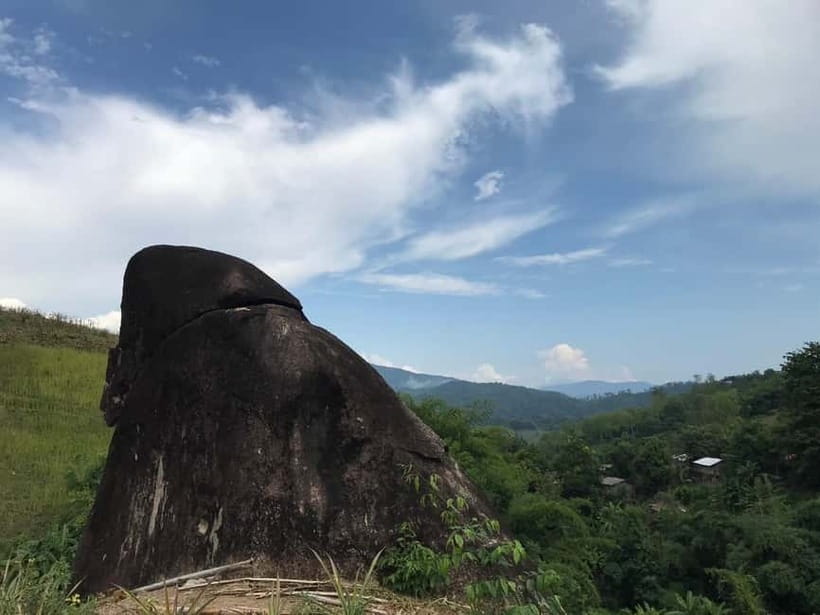
I would choose this trip if you want to combine nature with village life and are happy to work a little for the experience. It suits active adults, couples, friends, and small groups who enjoy walking, simple food, plant identification, and unhurried conversation with a guide.
It is not suitable for children under 10, wheelchair users, or people over 70 according to the stated restrictions. The uneven trail and uphill sections also make it a poor choice for anyone with limited mobility, even if they fall outside those categories.
You should also skip it if you dislike heat, insects, wet clothes, basic kitchens, or uncertain trail surfaces. The required packing list is short but important: hat, swimwear, change of clothes, water, and insect repellent.
The experience is offered in English. If you are traveling alone and want to join a group, contact the provider directly, since a one-person booking may need special confirmation.
Final advice: book it for the walking, not just the waterfall
I recommend this trek for anyone seeking a full day in the Chiang Rai countryside rather than a quick photo stop. Its best features are the guide’s plant and cultural explanations, the firewood cooking in a bamboo hut, and the variety of walking terrain from forest to tea fields and farms.
Book it only if you are ready for the physical effort. The waterfall and hot spring are pleasant rewards, but the heart of the day is the walk between them. If you want a quieter, more grounded view of northern Thailand and do not mind a little sweat, $82 is a reasonable price for the mix of transport, food, guiding, and activities.
FAQ
Where does the Chiang Rai trek start and finish?
It starts in Chiang Rai, travels to the trekking area near Lam Nam Kok National Park, and ends back in Chiang Rai.
How long is the walking portion?
The total walking time is around five hours, and the route is approximately 10 kilometers.
Which hilltribe villages are visited?
The route includes Lisu, Chinese, Akha, and Lahu villages.
Is lunch included?
Yes. Lunch is included and is prepared in a hilltribe bamboo hut using a traditional firewood kitchen.
Can I swim during the tour?
Yes. You can swim at Huay Kaew Waterfall, so bring swimwear and a change of clothes.
Is there a hot spring stop?
Yes. The walk starts near a hot spring and finishes with time for a mineral hot bath before returning to Chiang Rai.
What is included in the $82 price?
Transportation, an English-speaking guide, lunch, drinking water, and travel insurance are included.
What should I bring?
Bring a hat, swimwear, a change of clothes, water, and insect repellent.
Is the trek suitable for children?
It is not suitable for children under 10 years old.
Can someone in a wheelchair join?
No. The experience is not suitable for wheelchair users because of the forest paths, farms, and uphill walking sections.
Recently added around Chiang Rai
- Full Day Trekking & bamboo cooking Tour in Chiang Rai★ 5.0 · 7 reviews
- One Day Trekking Chiang Rai Jungle Adventure and Bamboo Cooking★ 3.5 · 3 reviews
- Trekking with Lunch cooked by Bamboo in the Chiang Rai jungle★ 5.0 · 12 reviews
- Akha private eco-trekking 2 days 1 night Chiang Rai★ 4.5 · 2 reviews
- Cultural trekking and boat trip★ 5.0 · 5 reviews
- Chiang Rai Trek:Jungle Hike, Bamboo-Cooked Lunch & Boat Ride★ 5.0 · 7 reviews
- Chiangrai: Group Trekking with Bamboo Cooking★ 4.8 · 5 reviews
- Chiang Rai: The Adventure of Trekking & Bamboo Cooking★ 5.0 · 3 reviews
Waterfall Treks, compared.
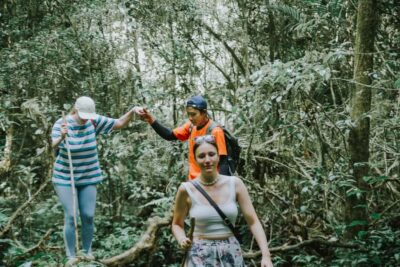
Munduk Waterfalls Trek, Twin Lakes and Temple Tour
Read our review →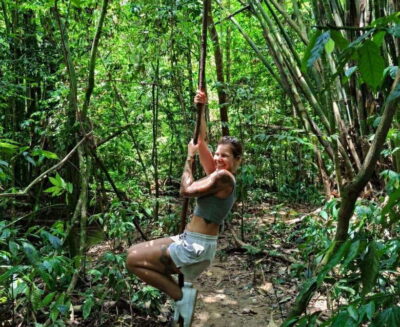

Selogriyo Temple and Trekking Java Rice Terraces, hidden waterfall -Nature Java
Read our review →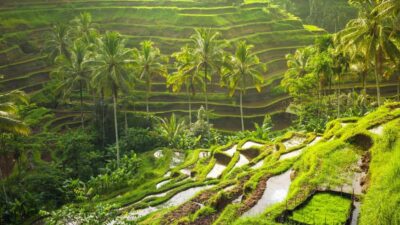
Rice Terrace, Holy Water Temple & Waterfalls Trek Tour
Read our review →
Trekking to Waterfall Adventure Tubing 45 mins. (Only Khao lak)
Read our review →
2-Days Jungle Trek, Waterfalls and Karen Village
Read our review →
Wild Elephant Anakulam & Waterfalls Tour(munnar valley Trekking)
Read our review →
Tamanique Waterfalls Complex Trek + El Tunco Beach
Read our review →Browse the lists this tour appears in