
REVIEW · LOMBOK
Mount Rinjani Trekking: 2D/1N Hike To Summit 3726m Full View
The summit starts long before sunrise. This two-day Mount Rinjani trek gives you Lombok’s highest viewpoint, a night beside the crater rim, and a demanding route through tropical forest and open volcanic slopes. I like the way the trip combines a clear goal with proper support: an English-speaking guide, porters, meals, tents, sleeping gear, and drinking water are included.
I also like the strong attention to food and group care. Anna praised the guide and the meals, while a small group of four received plenty of snacks and kind, attentive help. The main concern is the summit morning itself. Cold, darkness, steep ground, and altitude make this a serious hike, not a gentle nature walk. One sleeping bag was not warm enough, and you will need suitable clothing and a reliable headlamp.
Key points before you book
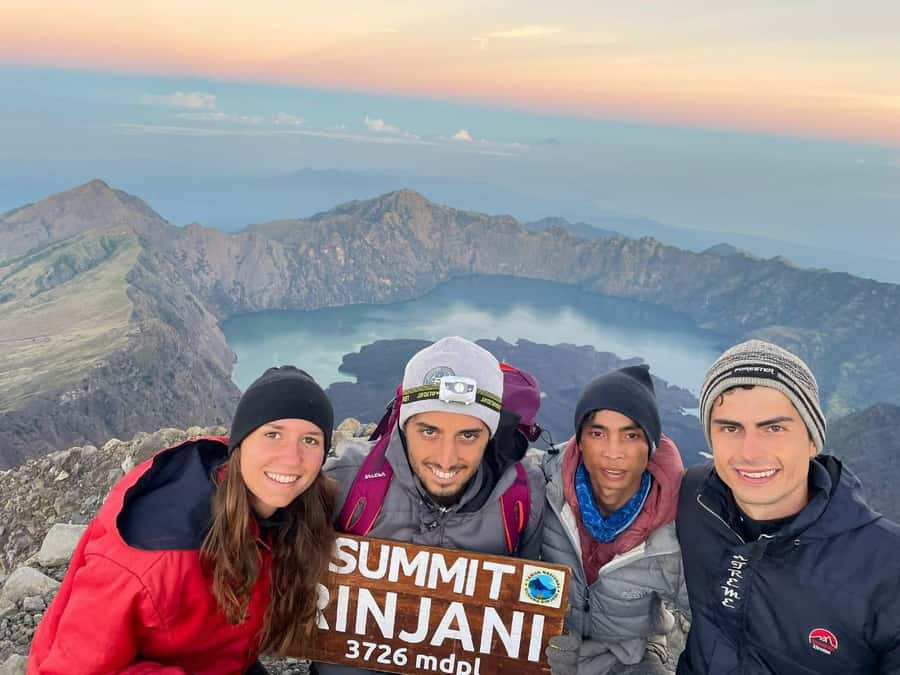
- 3,726-meter summit: You leave the crater rim before dawn to reach Mount Rinjani’s highest point for sunrise.
- Sembalun route: The trail begins in Sembalun village and climbs through forest, foothills, and exposed volcanic terrain.
- Crater-rim camping: Your tent is set at 2,639 meters, giving you a high campsite and a short starting point for the summit push.
- Porter-supported trek: Porters carry cooking gear and camping equipment, while you carry your personal daypack.
- Meals and water included: You receive three meals a day, fruit, tea, coffee, and three liters of mineral water per day.
- Fitness matters: You need to walk long distances and handle high altitude. Mountain sickness and a fear of heights are listed as reasons not to join.
What the $190 price really covers
The $190 cost per person is not just a guiding fee. It covers a working two-day camp, food, water, transport after the trek to places including Bangsal, Senggigi, and Mataram, and the national park entry charge of 250,000 Indonesian rupiah per day.
You also get a guide, professional porters, cooking equipment, a tent, sleeping mats, sleeping bags, a toilet tent, and toilet paper. Three meals a day are included, along with fruit such as pineapple and bananas, tea, coffee, and snacks. Your larger backpack can be stored at the office during the hike.
That package gives the trek good practical value, especially if you are not carrying your own tent or cooking kit. The porters make a real difference on a route that gains a great deal of height in a short time. You still need to bring your personal clothing, hiking footwear, and small items, so the price is not fully all-inclusive.
A night of accommodation before the trek is not included. Neither are flights, a GoPro, trekking shoes, trekking poles, headgear, a jacket, warm clothes, personal medicine, or tips for the guide and porters. A small backpack can be rented, but ask about the cost before you arrive.
The transport wording includes Kuta Lombok as a free option and mentions several Lombok drop-off areas. I would confirm your exact pickup and return location before paying, especially if you are staying outside the usual areas.
More Mount Rinjani Treks in Lombok
- Rinjani trekking 2D 1N RIM
★ 5.0 · 94 reviews - Rinjani Trekking 3D2N Summit
★ 4.5 · 85 reviews - 3D/2N Rinjani trekking summit,lake and hot springs.
★ 5.0 · 85 reviews
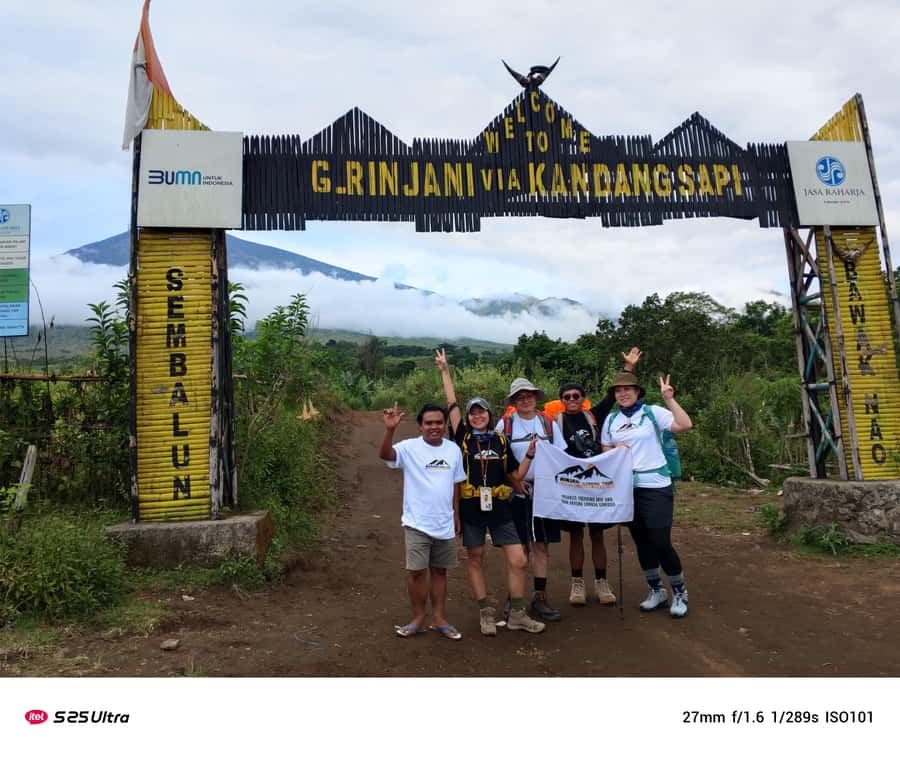
Starting at Sembalun before the climb
The day begins with an early pickup from your accommodation in Lombok. You travel to Sembalun village, where you register at the Rinjani Information Center before beginning the trek.
That early road transfer is useful, but it also makes the first day feel long. You will want breakfast before pickup and a small daypack arranged the night before. Keep water, sun protection, a jacket, medicine, and a headlamp close at hand rather than buried in a larger bag.
Sembalun is the starting point for a route that gains height steadily. The first section takes you toward Pemantauan in the lower foothills, at about 1,300 meters above sea level. This is a useful opening stretch because you can settle into your walking rhythm before the higher sections begin.
The trail then continues to Tengengean at about 1,500 meters. These early stages pass through the tropical forest and rising foothills of Lombok. You should enjoy the shade while it lasts, since the trail later becomes more exposed and the heat can make the climb harder.
Pemantauan, Tengengean, and the long lunch stop
At Pemantauan, you stop to rest. The altitude is still moderate compared with the crater rim, but this break matters because the day is not yet close to finished.
From there, the path rises toward Tengengean. You will notice the effort building gradually rather than arriving in one dramatic wall. That steady gain can be deceptive. The route may feel manageable at first, but you still have to reach 2,639 meters before camp.
Lunch takes place at Pada Balong, with a planned two-hour break. I like the length of this pause because it gives you time to eat properly and recover before the hardest part of the first day. Do not treat it as wasted time. Eat, drink, adjust your socks, and check your layers.
The included meals are a strong part of this trip. Food is cooked at camp using the equipment carried by the porters, and you receive fruit, tea, and coffee as well as the main meals. One small group found the food especially good and received plenty of snacks, which is welcome on a climb where your appetite may rise quickly.
Reaching the Sembalun Crater Rim at 2,639 meters
After lunch, you continue toward the Sembalun Crater Rim. This is the longest and most demanding section of day one, because you are still climbing after several hours on foot.
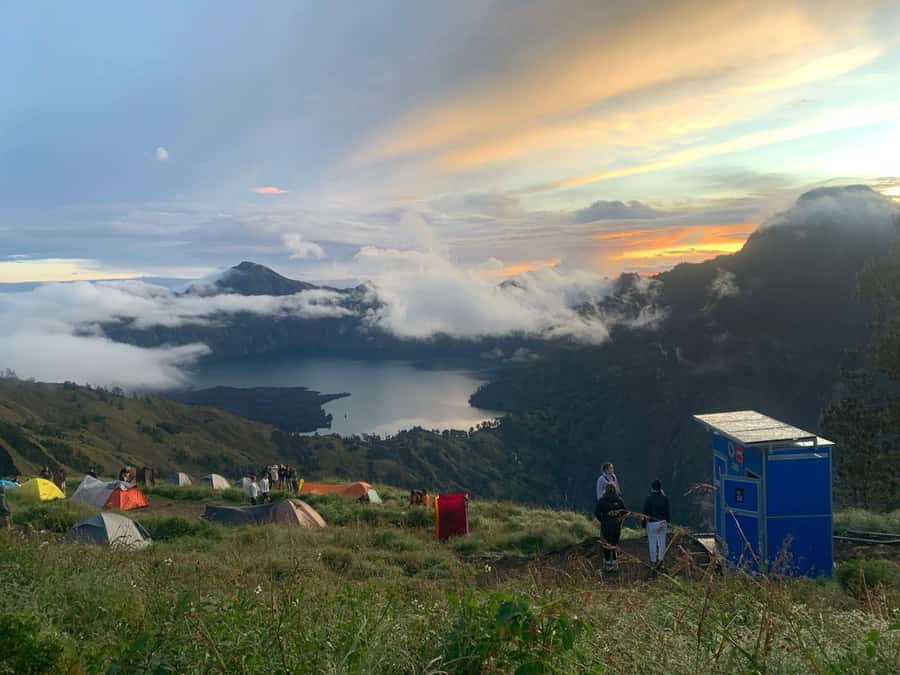
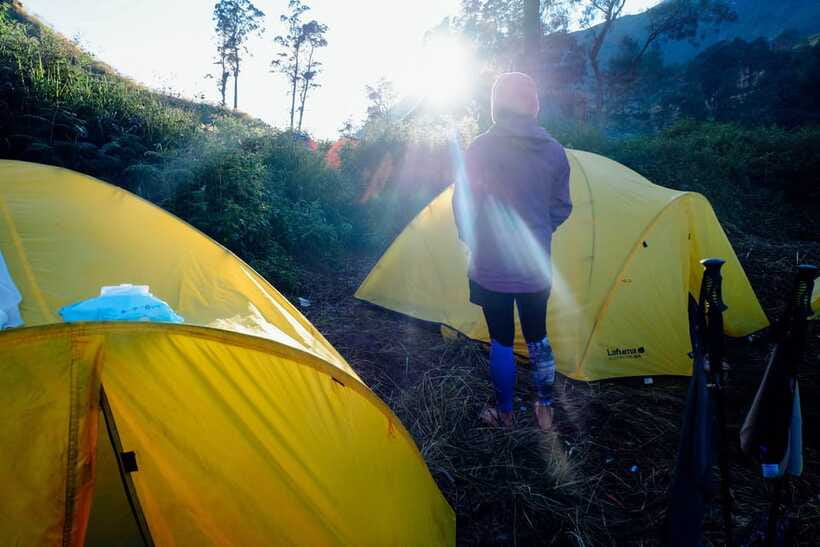
At 2,639 meters, the crater rim is high enough for colder air and a noticeable change in conditions. Your tent is set here for the night. The campsite is the practical heart of the experience: you have reached the place from which the summit attempt begins, but you are not finished yet.
Sleeping under the stars by the crater rim sounds peaceful, though the setting is also exposed and cold. Take the supplied sleeping bag and mat seriously, but bring warm clothes rather than relying on the sleeping bag alone. One sleeping bag was reported to be old and not warm enough, so a warm base layer, thick socks, and a jacket are sensible additions.
The toilet tent is included, as are toilet paper and the camping equipment. This is basic mountain camping, not a hotel moved uphill. You should expect a simple setup designed to support the climb rather than provide comfort.
If you are tired at camp, you can choose not to climb the summit. The schedule allows you to remain at the crater rim and watch the sunrise from there. That option is worth knowing about, since altitude, poor sleep, or cold can make the final ascent unsafe or simply unpleasant.
Same trailhead, a longer or shorter day out:
- 2D1N Senaru Crater Rim Trekking
★ 5.0 · 178 reviews - Rinjani Trekking 3 Days 2 Nights (Sembalun – Senaru)
★ 5.0 · 84 reviews - Trekking Mt. Rinjani 2 Days 1 Night Senaru Crater Rim
★ 5.0 · 55 reviews - Mount Rinjani Second Summit Trekking ( 2Days-1Night )
★ 5.0 · 49 reviews
The pre-dawn push to Mount Rinjani’s summit
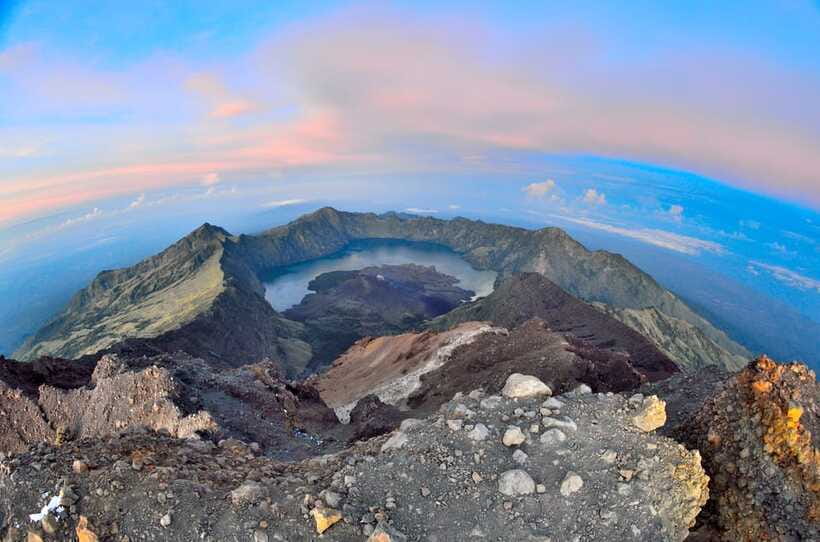
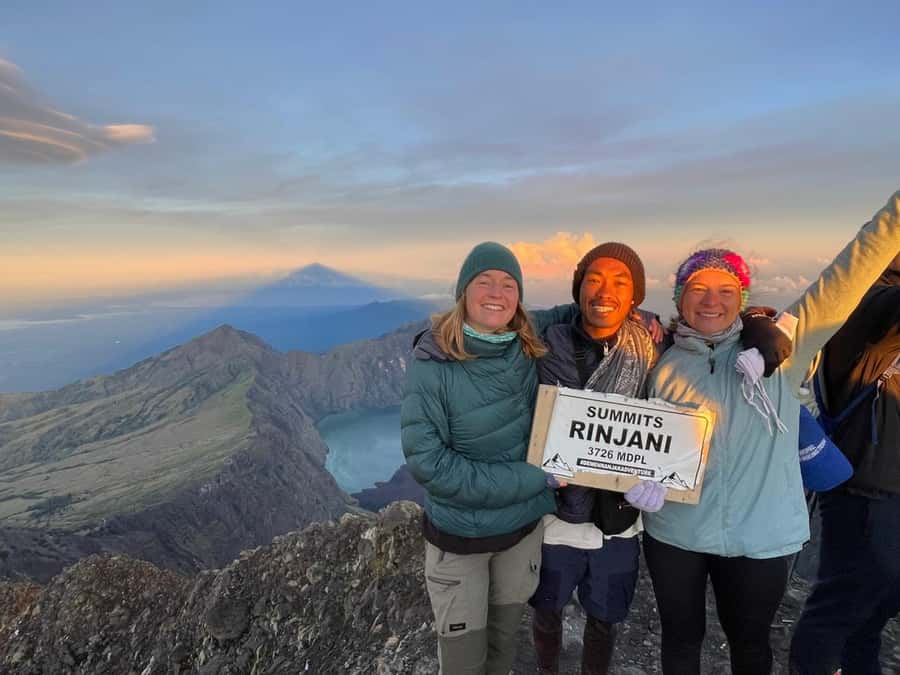
The summit group leaves before daylight. The goal is to reach the top at 3,726 meters in time for sunrise. This is the defining part of the trip, and also the section that demands the most from you.
You should expect darkness, cold, and a steep climb. The supplied advice to bring a long-life flashlight or headlamp is not a minor suggestion. A front torch keeps both hands available and helps you see where you place your feet. One participant specifically advised bringing a front torch and warm clothing for the summit.
The climb is not suitable for anyone who lacks a good level of fitness. You must be able to walk long distances, and the tour information excludes people who suffer from mountain sickness or have a fear of heights. The minimum age is 10, but age alone does not tell you if the route is suitable. Fitness, confidence, and preparation matter more.
At the summit, you get wide views from Lombok’s highest point. The phrase full view is best understood as a reward for the climb, not a promise of perfect visibility. Weather can affect what you see, and predicted extreme weather has previously led to official trail closures. Check current conditions before setting out.
If you decide not to make the summit attempt, the crater rim offers a calmer sunrise option. You will miss the highest point, but you will still have the high camp and morning views without the coldest and steepest part of the route.
Breakfast, descent, and the rainforest return
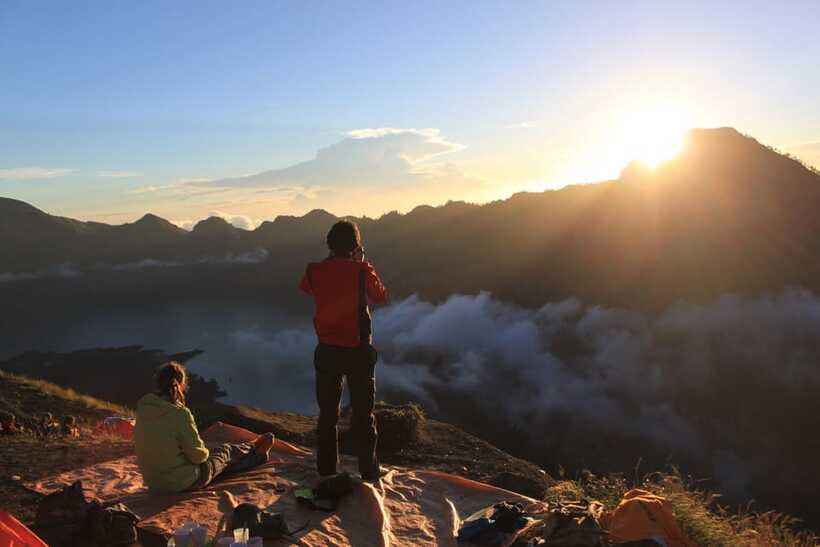
After the summit group returns to the crater rim, a hot breakfast is served. That timing is helpful because the summit effort begins before dawn, and you will likely want warm food and a drink before continuing downhill.
The return to Sembalun is not a quick stroll. You still have a long descent ahead, and tired legs can make downhill walking awkward. Trekking poles are not included, but they may be useful if you already own them or can rent them.
The route passes through pristine rainforest on the way down, where you stop for lunch. This gives the second day a different feel from the summit climb. The first morning focuses on cold, altitude, and volcanic ground. The later descent brings you back through forest before the final transfer.
After reaching Sembalun village, transport takes you back to your hotel or an agreed destination. The package lists transfers toward Bangsal, Senggigi, and Mataram, with Kuta Lombok also noted as a free option. Confirm the exact destination because Lombok’s towns are spread out and the return journey matters after two demanding days.
Food, water, and camp support
You receive three liters of mineral water per day per person. That is a useful amount for a strenuous route, though you should still manage your supply carefully and drink regularly rather than waiting until you feel thirsty.
The porters carry the cooking utensils, camping equipment, and food supplies. They also help make the meal schedule possible at a high campsite. I consider this one of the trip’s strongest features, because carrying a tent, fuel, cooking gear, and food would add a heavy burden to an already difficult hike.
The guide speaks English, and the service is designed around a guide and porter team. Good communication is especially important before the summit start, when you need to understand the timing, clothing advice, and route plan.
A small group can improve the experience. One four-person group found the atmosphere friendly and felt safe and well guided. Group size can affect pace, so ask how many people are expected on your date if that matters to you.
What to bring for a safer, warmer climb
The included equipment reduces your packing list, but it does not replace personal hiking gear. I would bring:
- Proper trekking shoes
- A thick coat or warm jacket
- Warm layers and spare socks
- A headlamp or long-life front torch
- A small backpack
- Trekking poles if you prefer extra support
- Headgear
- Small towels
- Any personal medicine
- A digital camera or handy cam
Short pants are recommended for the natural sauna section mentioned in the trip information, though that feature may not be available in all conditions. The hot springs can be closed after rain or during the rainy season, so do not book this hike mainly for that possibility.
The best clothing plan is layers. You may feel warm on lower forest sections and very cold before sunrise near the summit. A jacket, warm clothes, and dry socks should stay accessible in your own pack.
Weather, closures, and the best match for this trip
Weather is a serious factor on Mount Rinjani. The route has been officially closed during periods of predicted extreme weather, including a closure through the end of March 2018. That date is historical, but the practical lesson remains: check current park conditions before you travel.
This trek suits a fit adult or an older child who can manage long walking days and cold conditions. It also suits you if you want a focused summit attempt without committing to a longer multi-day circuit.
I would not choose it if you dislike early starts, basic camping, exposed heights, or uncertain weather. It is also a poor match if your main goal is relaxed sightseeing. The two-day schedule is efficient, but it leaves little spare time if you are slow on the trail or need a long recovery.
The experience has earned a perfect 5 rating from three recorded bookings, with particular praise for attentive guiding, good meals, safe support, and memorable views. That praise fits the structure of the trip. The staff handle the camp and food work, letting you focus on walking, but your own preparation still determines how comfortable the summit morning will be.
Should you book the Rinjani summit trek?
Book this trip if you want the shortest listed route to Mount Rinjani’s 3,726-meter summit and you are ready for a genuine physical challenge. The $190 price is reasonable for the guide, porters, camping equipment, meals, water, transport, and park fee, especially if you would otherwise need to arrange all of those pieces yourself.
Before booking, confirm the current trail status, your pickup and drop-off point, the group size, and the condition of the sleeping bags. Pack a headlamp and serious warm clothing even if the lowlands feel hot. If you can handle the effort and accept basic mountain camping, this is a strong way to experience Lombok’s highest point in two tightly planned days.
FAQ
How long is the Mount Rinjani trek?
The trek lasts two days and one night.
What is the highest point reached?
The summit is 3,726 meters above sea level.
Where does the trek begin?
The route begins in Sembalun village, where you register at the Rinjani Information Center.
Where do you sleep?
You sleep in a tent at the Sembalun Crater Rim, at about 2,639 meters above sea level.
Is the summit climb before sunrise?
Yes. The summit group leaves before daybreak to reach the top in time for sunrise. You may stay at the crater rim instead and watch the sunrise there.
Are meals included?
Yes. Three meals a day are included, along with fruit, tea, and coffee.
How much drinking water is provided?
You receive three liters of mineral water per day per person.
Is camping equipment included?
Yes. A tent, sleeping bag, sleeping mat, toilet tent, toilet paper, and cooking equipment are included.
Is transport from my accommodation included?
Pickup is available from any accommodation in Lombok. Return transport is listed for areas including Bangsal, Senggigi, and Mataram, and Kuta Lombok is listed as free. Confirm your exact location before booking.
What should I bring myself?
You should bring trekking shoes, warm clothing, a jacket, a headlamp, headgear, small towels, personal medicine, and any preferred trekking poles. A small backpack may be rented.
More Two-Day Treks in Lombok
- Trekking Rinjani Volcano To Crater Rim Senaru 2D-1N Private – Syam Trekker
★ 5.0 · 45 reviews - Trekking Rinjani Mountain Summit 2 Days 1 Night – Em Adventure
★ 5.0 · 42 reviews - Hiking Rinjani Volcano To Crater rim Senaru 2 Days, Group – Syam Trekker
★ 5.0 · 29 reviews - Mount Rinjani: 2D/1N Trekking To Sembalun Or Senaru Views
★ 4.8 · 24 reviews
Recently added around Lombok
- Trekking Rinjani 1 Day Trek Senaru Crater Rim★ 5.0 · 3 reviews
- Mount Rinjani 3D2N Private Trek – Summit, Crater Rim & Hot Spring★ 5.0 · 13 reviews
- Popular Rinjani Trekking Tour Service To Summit For 2 Days Via Sembalun Trail★ 5.0 · 8 reviews
- Rinjani Trekking 2D1N Senaru Crater rim★ 4.5 · 9 reviews
- Rinjani Trekking 1 day Trek To the rim via senaru 2,642m★ 5.0 · 16 reviews
- Rinjani Trekking 2D/1N Senaru Crater Rim★ 5.0 · 2 reviews
- 3D 2N Mount Rinjani Trekking Tour To Summit And Lake★ 4.5 · 7 reviews
- Rinjani Trekking 3D2N Summit – Full Trail★ 4.5 · 14 reviews
Mount Rinjani Treks, compared.
Mount Rinjani Trek 3D-2N To Summit – Lake – Hotspring
Read our review →
3D/2N Rinjani trekking summit,lake and hot springs.
Read our review →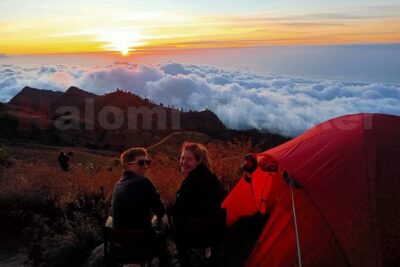
Mt Rinjani Trekking 2 Days 1 Night (Senaru Crater Rim)
Read our review →
Rinjani Trekking 3 Days 2 Nights (Sembalun – Senaru)
Read our review →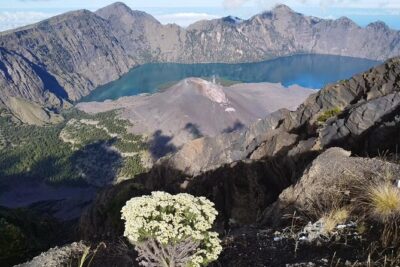
Rinjani Trekking Three Days Two Night Summit Lake
Read our review →Browse the lists this tour appears in