REVIEW · MARRAKECH
Marrakech: 3-Day Atlas Mountains Berber Villages Trek
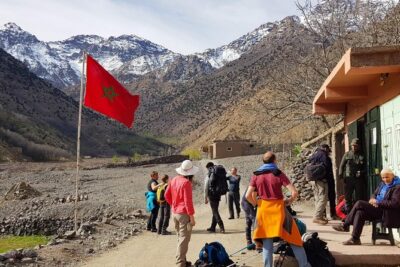
Slow down in the High Atlas. This three-day trek trades Marrakech traffic for mule paths, village lanes, river valleys, and wide mountain views. I like the focus on real Berber village life rather than a summit push, and I like that meals, a mule, lodging, guides, and transfers are included. You also get time at Azib Tamsoulte waterfall and several mountain passes without needing mountaineering experience.
The main caution is comfort. Guesthouses are basic, and the route can change with snow, weather, or damage from the September earthquake. You should also expect six to seven hours of walking on the longest days, with steep climbs and descents even though the trek is not technically difficult.
Key points before you book
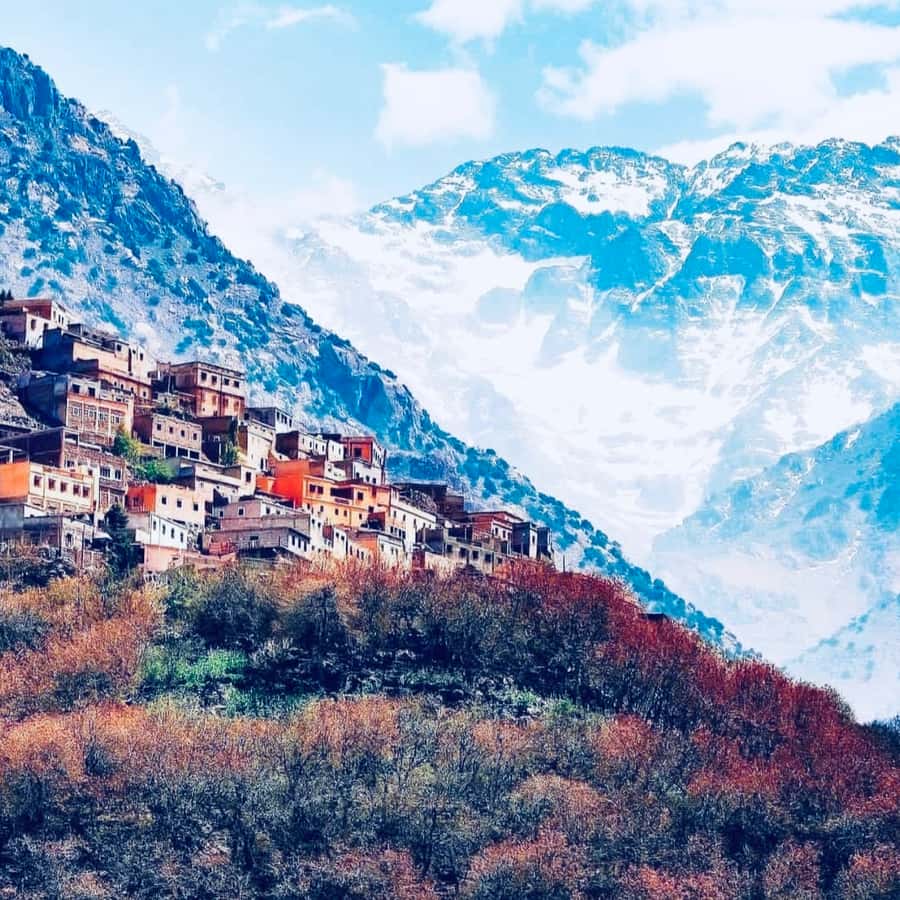
- A village-first Atlas trek: The route favors Berber communities, family-run guesthouses, and rural paths instead of the summit of Jebel Toubkal.
- Three full walking days: Plan for roughly five to seven hours of hiking each day, usually around 2,000 meters in altitude.
- A mule carries extra bags: You can leave luggage you do not need for the trek with the mule and carry only a small day pack.
- Azib Tamsoulte waterfall is a highlight: The third day includes a visit to the biggest waterfall in Toubkal National Park.
- Guides receive the strongest praise: Mohamed, Abdul, Mustapha, Ibrahim, Hussein, and Ismail are all named positively for kindness, communication, and local insight.
- Basic rooms, generous meals: Food is repeatedly praised, but the accommodation is simple rather than polished.
Why this trek makes a good alternative to Toubkal
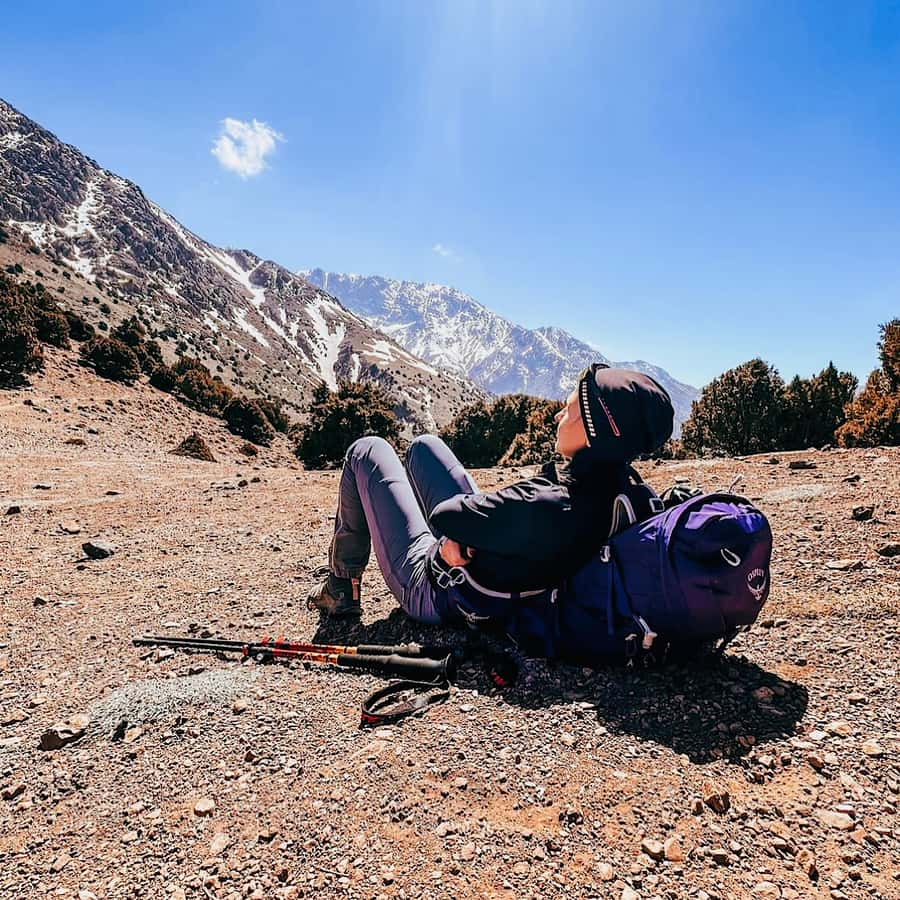
Many Atlas Mountain trips point straight toward Jebel Toubkal, North Africa’s highest peak. This route takes a different approach. You will not spend three days chasing a summit. Instead, you will walk through villages, cross passes, rest beside rivers, and see how homes and farm paths fit into the mountain valleys.
That makes the trek a good choice if you want mountain scenery with a stronger connection to local life. The villages have simple architecture that blends into the slopes, and the guide can explain how life in the valleys has changed. Mohamed was praised for discussing local history and changes in village life, while Hussein was noted for his knowledge of Berber people, towns, and nature.
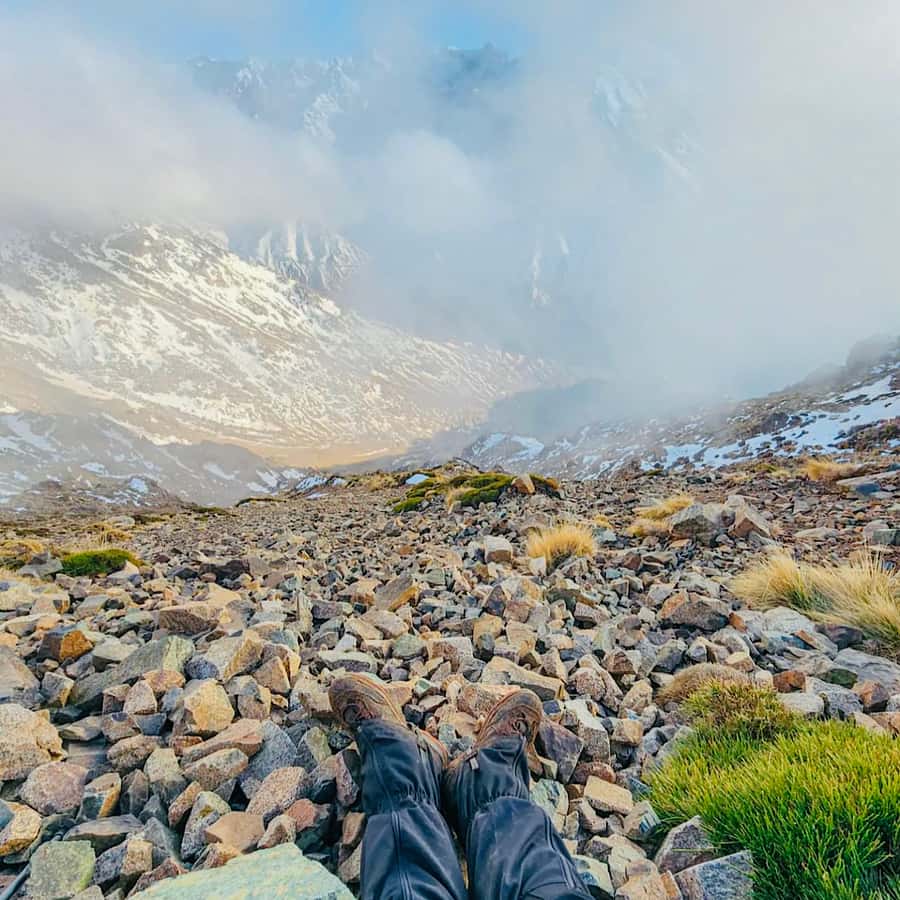
You still get fine views. The route reaches Tizi n’Tamaterte at about 2,300 meters, Oudit Pass at about 2,200 meters, and Mzik Pass at about 2,500 meters. These are proper mountain walks, but you do not need previous mountaineering experience.
The tradeoff is that the route is not a gentle sightseeing stroll. Six hours on a mountain path feels very different from six hours in a city. You should be comfortable walking uphill and downhill for much of the day, often on uneven ground.
More Homestay Treks in Marrakech
- Atlas Mountains:Full-Day Trek to Berber Villages & Waterfall
★ 5.0 · 50 reviews - 2-Day Trek, Berber Villages, and Stay in Azzaden Valley
★ 5.0 · 6 reviews - 3 Day Trek in the Atlas Mountains and Berber Villages from Marrakech
★ 4.5 · 85 reviews
From Marrakech to Imlil and Tizi n’Tamaterte
The trip begins with pickup from your hotel in Marrakech and a transfer toward Imlil, the starting point at about 1,740 meters. If you stay in a medina riad without car access, the pickup point needs to be confirmed by WhatsApp or email before departure. That is a small but important detail, since vehicles cannot simply pull up at every old-town door.
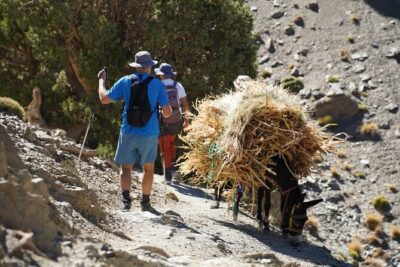
At Imlil, you meet the guide, sort out the luggage, and begin the first walking stage. The mule carries bags needed at the next guesthouses, which lets you keep your personal load manageable. This arrangement is useful on a multi-day trek, especially if you are bringing clothing for changing conditions.
The first day takes about five to six hours. You climb toward Tizi n’Tamaterte, reaching around 2,300 meters. The pass is the first major payoff: you get broad views over the High Atlas and the plains, with the trail showing how quickly the scenery changes once you leave the road.
Lunch is planned near the pass before the route continues down toward Tachdirt, also called Tamgist or Tinghourine in the trip details. The names can appear differently depending on the village or route description, so it is sensible to confirm the overnight stop with your guide on the first morning.
The first night is in a family guesthouse. Expect a clean but basic place rather than a hotel with polished rooms and extensive facilities. The value comes from location, food, and the chance to stay in a mountain community, not from luxury.
Tachdirt to Ait Aissa by village paths and Oudit Pass
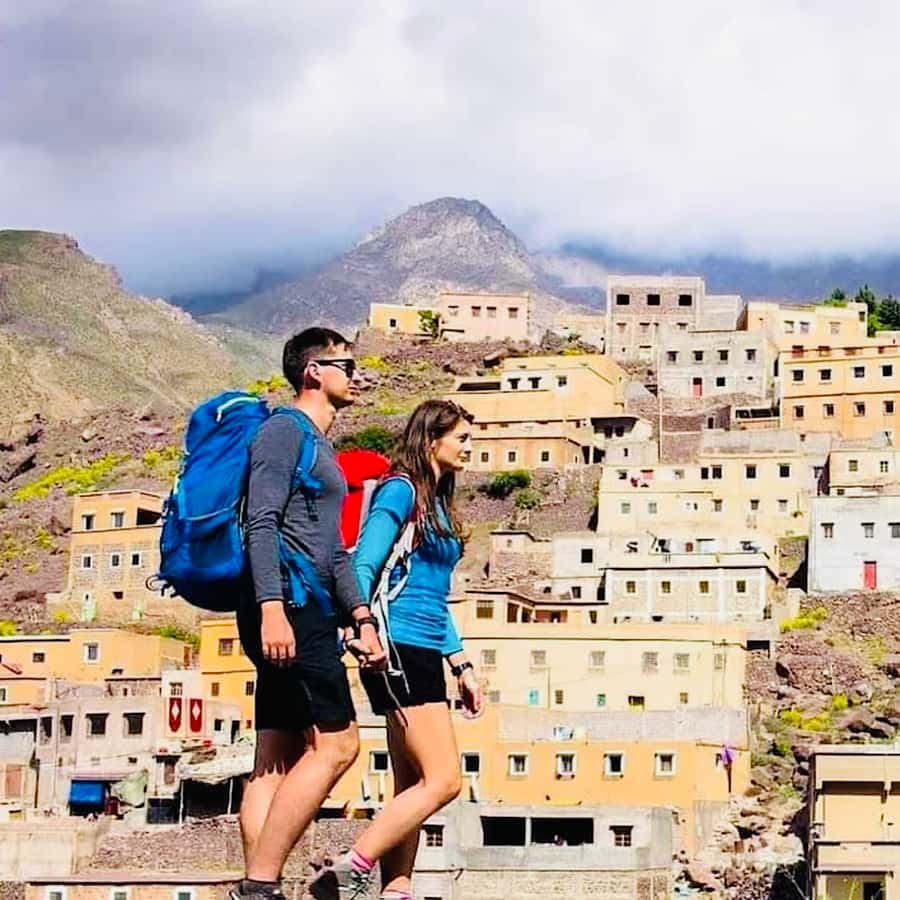
The second day is the longest, at roughly six to seven hours. You leave Tinghourine or Tachdirt and walk toward Ikkis, Aguersiwal, Matat, and Ait Aissa. The route passes through more picturesque villages, giving you repeated glimpses of daily life away from the main tourist roads.
This is the day that best matches the trek’s village-first purpose. You are not simply looking at the mountains from a vehicle window. You move through the valleys at walking speed, with time to notice the homes, footpaths, cultivated areas, and changing views.
The trail reaches Oudit Pass at about 2,200 meters. It is another steady climb followed by descent, so pace yourself rather than trying to race the group. Guides have been praised for checking that everyone is comfortable, and that matters on a long day with mixed fitness levels.
The night is in Ait Aissa, where you can use a steam bath, or hammam, if you want one. This is a useful option after a full day outside, though you should not expect a spa resort. It is a local facility connected with the gite, and the general standard remains simple.
Food is one of the strongest parts of the trip. Several people praised the cooking, with specific guides and cooks such as Ibrahim and Mustapha receiving warm comments. Meals are included, so you do not need to plan for restaurant stops during the trek. Still, bring small personal snacks if you know you need extra energy between meals.
Waterfalls, Mzik Pass, and the return to Imlil
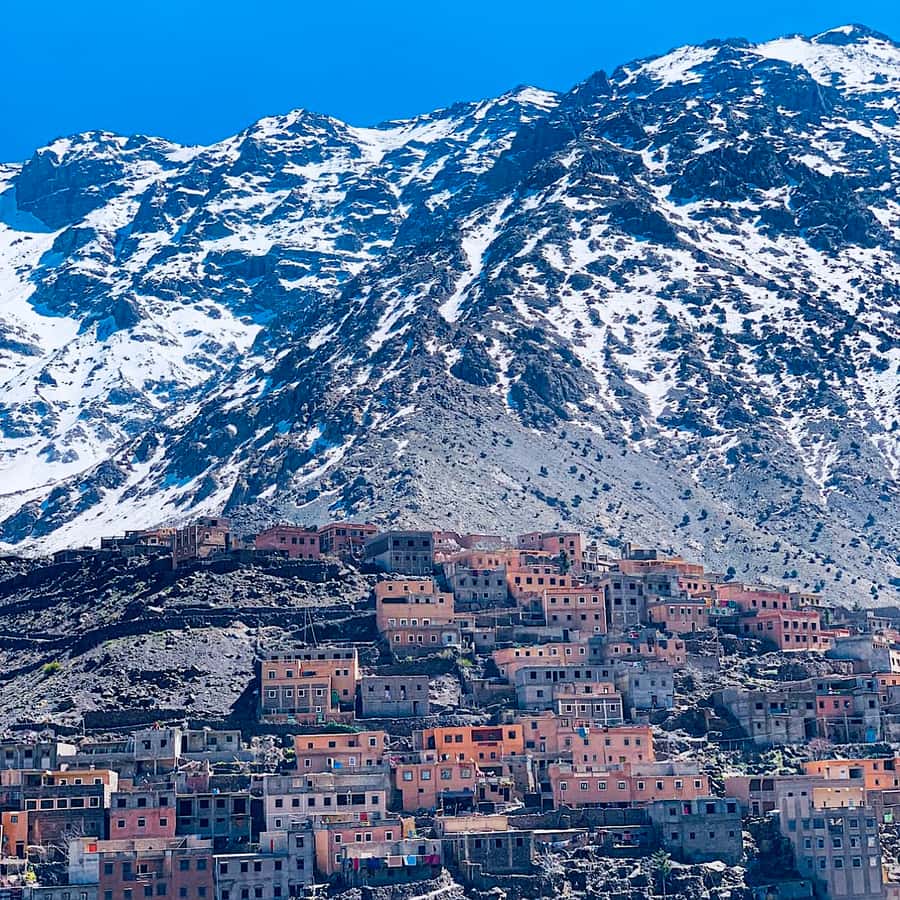
The final day takes about six hours and begins in the Ait Aissa or Tizi Oussem area. The first major stop is Azib Tamsoulte waterfall, described as the biggest waterfall in Toubkal National Park. Water levels and the exact feel of the waterfall will depend on weather and season, but it gives the final day a clear natural highlight.
After the waterfall, the trail climbs toward Mzik Pass at about 2,500 meters. This is the highest point listed on the route and brings broad views over the Ait Mizan Valley. The climb may be the toughest sustained section of the three days, particularly after two days of walking.
Lunch is in Mzik before the path drops back toward Imlil. Descents can be harder on knees than climbs, so hiking poles may be useful if you already own them. The provided information does not say that poles are supplied, so do not count on them being available.
From Imlil, transport returns you to Marrakech. The trek therefore gives you three days in the mountains without requiring you to arrange separate transport, food, guiding, and lodging yourself.
More Homestay Treks in Morocco
- 3 Days Trek Atlas Mountains Berber Villages from Marrakech
★ 4.6 · 38 reviews - 2-Day Guided Trek of the Atlas Mountains and Berber Villages
★ 4.5 · 26 reviews - 2 Days Trek to Atlas Mountains berber villages
★ 5.0 · 25 reviews - Toubkal & Berber Villages Trek
★ 5.0 · 23 reviews
What the accommodation is really like
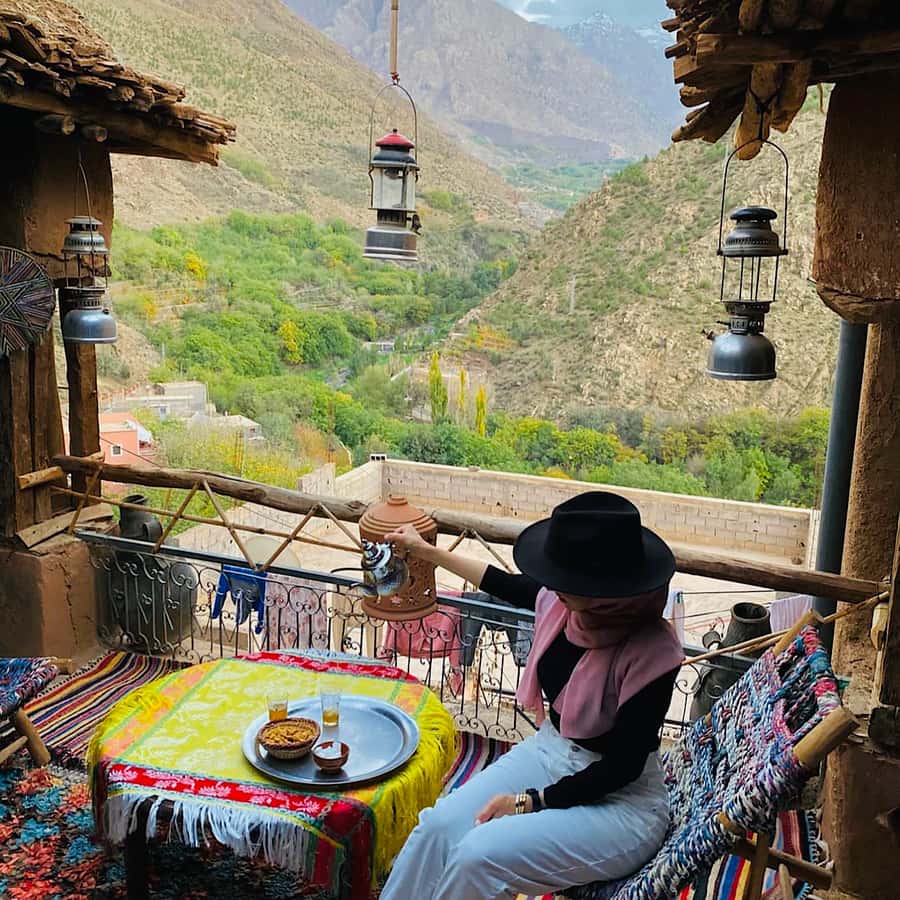
The overnight stays are in family guesthouses or gites, sometimes described as refuges. This wording points to a simple mountain setup. You should expect basic accommodation, shared or modest facilities, and a clean bed in a practical location rather than hotel-style service.
That simplicity is part of the appeal, but it is also the main comfort limitation. One account described two very basic accommodations with delicious food and friendly hosts. Another praised an Imnane riad on the first night as excellent. Conditions can vary by village and by the route used.
Bring a quick-dry towel and toilet paper. One person found both especially useful. Pack layers too, since the route stays at altitude and conditions can change quickly. Comfortable hiking shoes are essential, and proper hiking shoes are preferable to casual trainers on steep or uneven sections.
The trek is not suitable for people with mobility impairments or pregnant women. It is also a poor match if you need private, high-comfort accommodation every night.
Guides, group size, and the human side of the trek
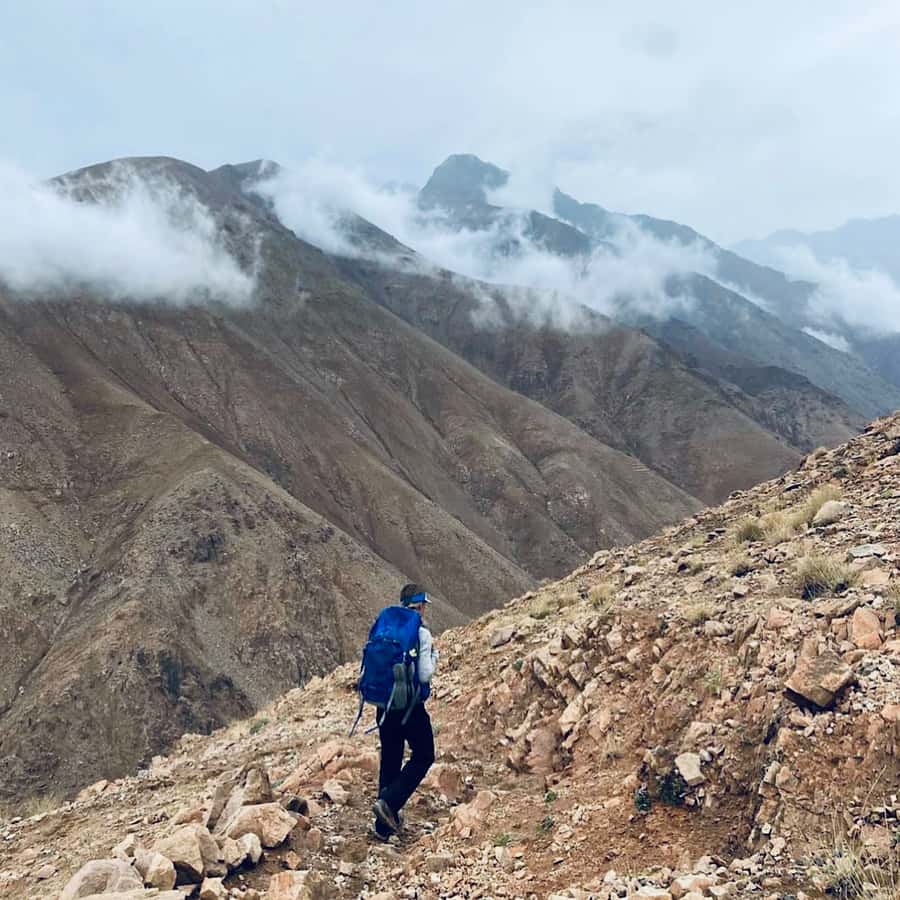
The group is limited to 16 people, which is small enough for a guide to keep an eye on the pace, though it can still feel fairly social on narrow trails. One snow-affected departure had 16 people after two groups were combined, so the advertised group limit may not always describe every situation.
Guides are available in Arabic, French, Dutch, English, Spanish, and German. English-speaking guides named in the feedback include Mohamed, Abdul, Mustapha, Ibrahim, Hussein, and Ismail. The praise is consistent: kindness, good communication, local knowledge, and attention to the group.
Mohamed was especially praised for explaining village history and social changes, while Hussein was described as friendly and highly informed about Berber culture and the natural surroundings. Another Mohamed was noted for checking that everyone was happy and helping adjust the plan when earthquake damage affected the original route.
That flexibility matters. Mountain routes are not fixed like a museum timetable. Snow can force changes, and the September earthquake damaged parts of the area. One January trip was adjusted because of snow, but the guides created a safe and enjoyable alternative. You should see route changes as a normal possibility, not as a failure of the trip.
Food, luggage, and what to pack
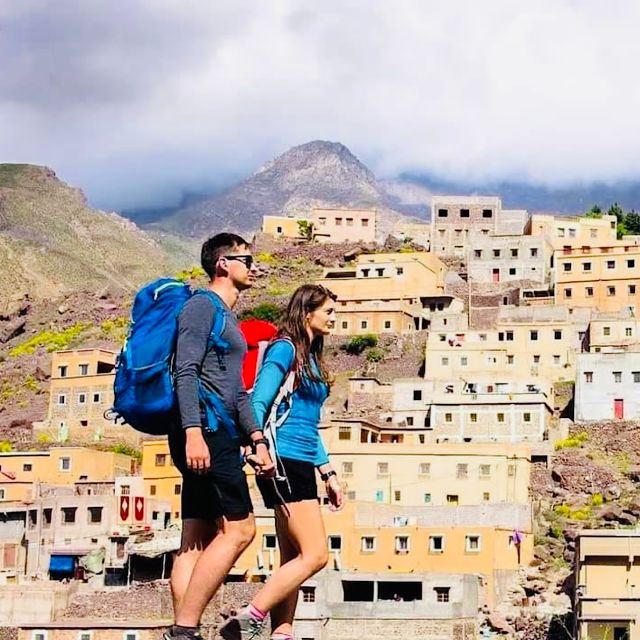
All meals are included, and food receives some of the warmest praise in the feedback. Dishes are prepared by local cooks and guides, with Ibrahim and Mustapha specifically praised for cooking. The exact menu is not stated, so do not plan around particular dishes.
The mule carries extra luggage between overnight stops. Keep your day pack light, but carry essentials yourself rather than assuming every item will be accessible during the day. A passport, camera, hiking trousers, comfortable shoes, and hiking shoes are listed as recommended items.
I would add these practical items:
- Quick-dry towel
- Toilet paper
- Warm layers
- Water and personal snacks
- Sun protection
- A small day pack
- Any medication you need during the day
Check the weather before booking. That advice is particularly important here because snow and poor conditions have already caused route changes. Summer can offer clear walking conditions but may feel warm in exposed sections, while winter can bring colder conditions and snow-related changes.
Is $159 good value?
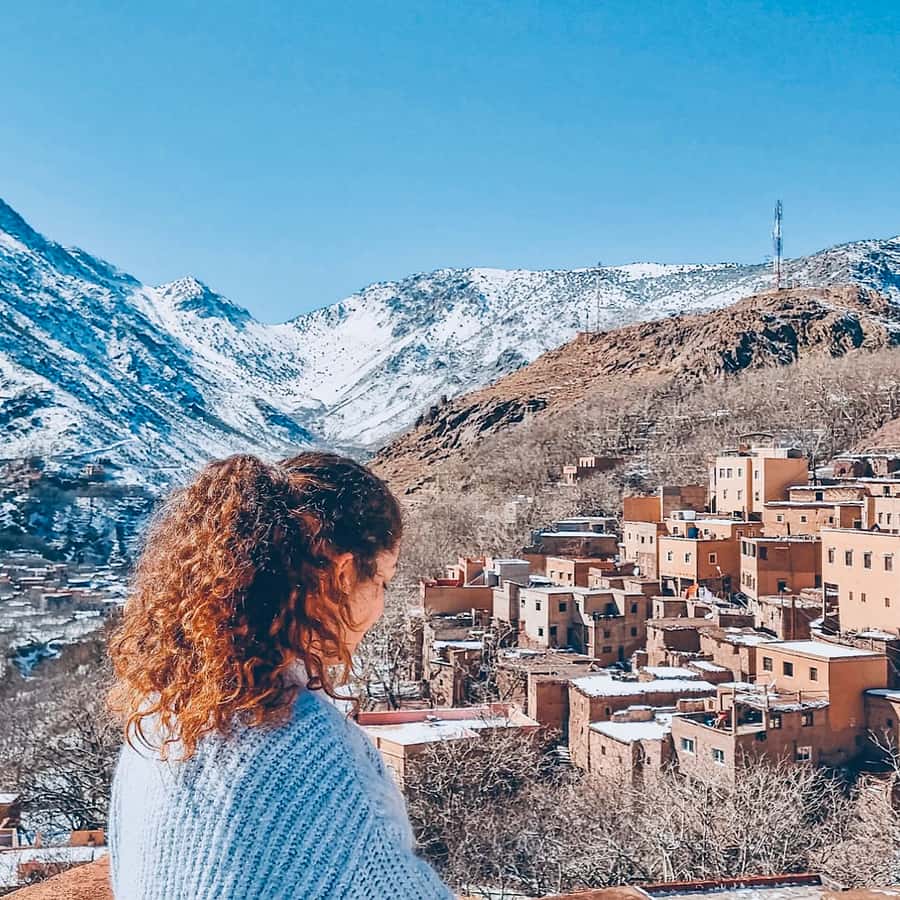
At $159 per person, the price covers three days of guiding, hotel pickup and return, a mule, all meals, and two nights of accommodation. You are also paying for the work of arranging the route, finding local lodging, coordinating luggage, and adapting the plan when mountain conditions change.
That is good value if you want an organized multi-day trek from Marrakech. Booking each part separately would take time and could make transport and luggage transfer harder. The included meals also reduce the need to carry food for three days.
The price is less attractive if you want a private guide, upscale rooms, or a tightly fixed route. The group can reach 16 people, the guesthouses are basic, and earthquake or weather damage can change the itinerary. You are buying access to a guided mountain experience, not luxury.
The free cancellation period allows cancellation up to 24 hours before departure for a full refund, and you can reserve without paying immediately. Those terms help if you are still watching the weather, but the weather itself deserves more attention than the payment schedule.
Who should book this trek?
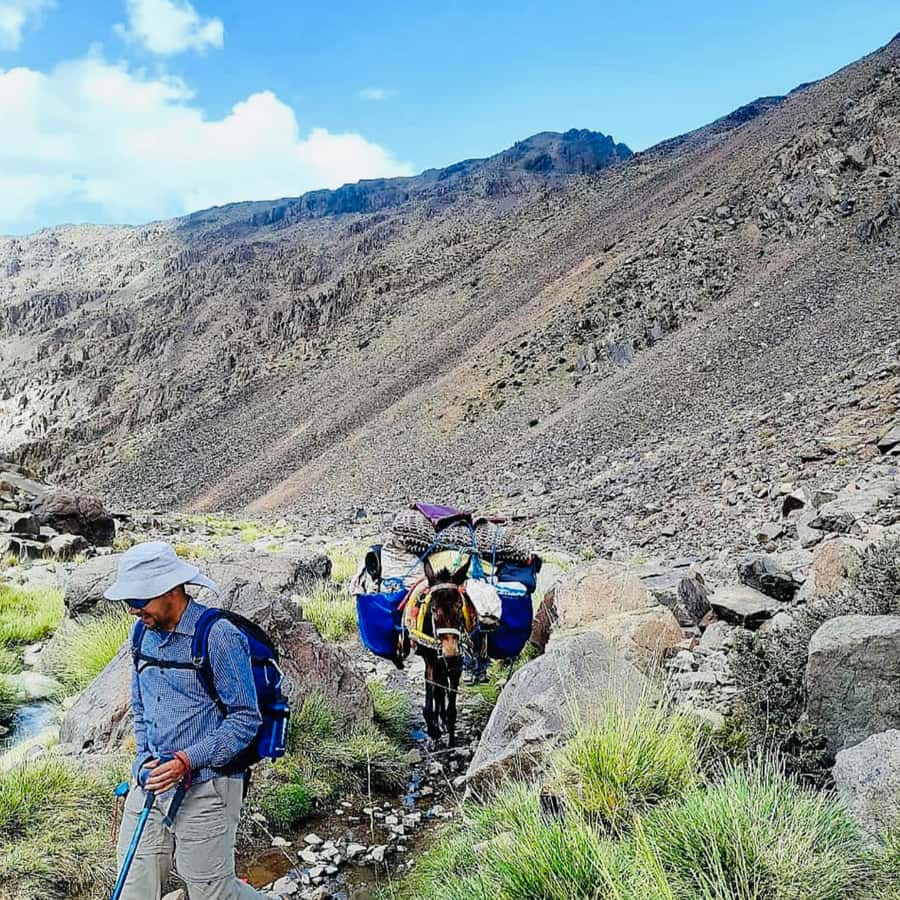
You should consider this trip if you:
- Enjoy six-hour mountain walking days
- Want villages and local life more than a summit
- Are comfortable with basic accommodation
- Like having meals, transport, and luggage support arranged
- Want a guided first trek in the Atlas Mountains
- Can adapt if snow or earthquake damage changes the route
You may want a different trip if you need accessible paths, private rooms, short walking days, or a guaranteed visit to every named stop. The route is described as technically manageable, but it is still a physical three-day trek.
Should you book it?
Yes, if your priority is a genuine village-based Atlas trek at a reasonable price. The strongest reasons are the guides, the food, the mule support, and the chance to spend two nights in mountain communities instead of rushing back to Marrakech after a short outing.
Book with realistic expectations. Bring toilet paper and a quick-dry towel, check the weather, pack for basic lodging, and expect the route to change if conditions require it. If you do, this is a practical way to see the High Atlas slowly, with enough walking to feel that you have earned the views.
FAQ
How long is the Marrakech Atlas Mountains trek?
The trek lasts three days. Walking time is about five to six hours on the first day, six to seven hours on the second day, and around six hours on the third day.
Do I need mountaineering experience?
No. The trek is described as technically not difficult, and previous mountaineering experience is not required. You should still be comfortable with long uphill and downhill walks.
What altitude does the trek reach?
Most of the walking takes place at roughly 2,000 meters. The route reaches about 2,300 meters at Tizi n’Tamaterte, 2,200 meters at Oudit Pass, and 2,500 meters at Mzik Pass.
Where do I sleep?
You stay in family guesthouses or mountain gites. The accommodation is basic, with the overnight stops located in or near villages.
Are meals included?
Yes. All meals are included for the three-day trek. The food is prepared by local cooks and guides.
Is a mule included?
Yes. A mule is included and can carry luggage needed for the next accommodations. Bags you do not need during the walking day can be left for the mule.
What languages can the guide speak?
Guides are available in Arabic, French, Dutch, English, Spanish, and German.
Can the route change because of weather?
Yes. Snow and other conditions can lead to itinerary changes. Damage from the September earthquake has also affected some routes, so the exact path may not always match the planned description.
More Homestay Treks in Marrakesh
- Hanoi – Sapa 2 Days 1 Night Overnight At Homestay
★ 5.0 · 899 reviews - From Hanoi: 2-Day Sapa Trekking Trip with Homestay & Meals
★ 4.8 · 704 reviews - Number one top rated ethical cultural trekking and homestay by ETHOS
★ 5.0 · 456 reviews - 2-Day Sa Pa Ethnic Homestay Tour & Trek with Limousine Bus
★ 4.8 · 440 reviews
More Atlas Mountains Treks in Marrakesh
- Marrakesh: 2-Day Mt. Toubkal Trek with 1-Night Stay & Meals
★ 4.7 · 795 reviews - Marrakech: 2-Day Atlas Mountains Trek with Village Stay
★ 4.8 · 717 reviews - From Marrakech: 3-Day Mount Toubkal Climbing Trek
★ 4.7 · 597 reviews - From Marrakesh: 2-Day Mount Toubkal Trek
★ 4.7 · 591 reviews
Recently added around Marrakesh
- Mount Toubkal Trek 2 Days & 1 Night★ 4.5 · 26 reviews
- Marrakech: Mount Toubkal 2-Day trek from Marrakech★ 5.0 · 2 reviews
- Marrakech: High Atlas Tedali Summit Guided Day Trek★ 5.0 · 4 reviews
- Marrakech: 2 Day Trek Atlas Mountains & Taoudja Summit 2724M★ 5.0 · 2 reviews
- Marrakech: Guided 2-Day Trek to Imlil and Imnan Valleys★ 4.6 · 14 reviews
- Marrakech: 2 Day Toubkal Trek & 1 Nights with Hotel Pick up★ 5.0 · 2 reviews
- From Marrakesh: 2-Day Trek to Ait-Benhaddou and Ouarzazate★ 4.6 · 36 reviews
- From Marrakech: Aourirt N’ouassif Summit Day Hike & Trek★ 4.9 · 10 reviews
Atlas Mountains Treks, compared.
Mt Toubkal Ascent Express Trek 2 Days 1 Nights
Read our review →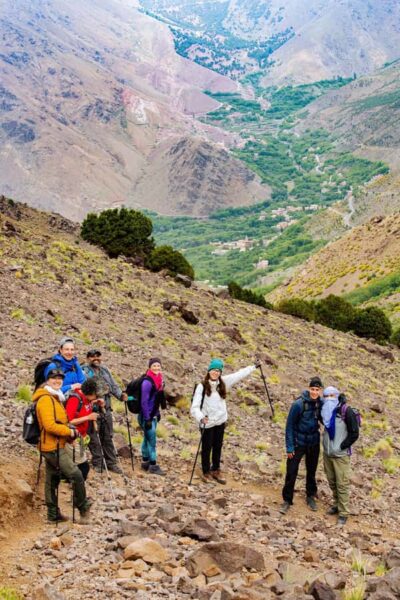
2-Day Mt. Toubkal Trek with 1-Night Stay & Meals
Read our review →
Summiting and Hiking the Atlas Mountains Day Trek from Marrakech
Read our review →