
REVIEW · MOSHI
Trek To Mount Kilimanjaro
Kilimanjaro rewards patience. Sirikwa Travel’s Lemosho route offers rainforest, open wilderness, and time on the Shira Plateau before the final approach to Africa’s highest mountain. I like the route’s quieter character and its strong focus on acclimatization, two things that matter far more than rushing toward the summit.
I also like the practical support included: mountain guides, porters, a cook, hot meals, treated drinking water, tents, oxygen, and first-aid equipment. The main concern is serious and needs clarification before you pay: the experience is advertised as lasting about two days, but the Lemosho climb described here, and the related itineraries in the company’s feedback, are normally much longer. A two-day Kilimanjaro summit attempt would not match the gradual route plan presented.
The company has earned a 5 out of 5 rating from 12 submitted ratings, with 100 percent recommending it. The strongest praise centers on caring guides, organized airport transfers, supportive porters, and careful attention from arrival to departure. Names mentioned in the feedback include Ole, Alfred, Pail, and Jyroi.
Key Points Before You Book
- Lemosho begins with forest and wilderness: The route is valued for its scenic approach and lower crowd levels.
- The Shira Plateau helps with acclimatization: Extra time at altitude is built into the route concept before the busier Barafu section.
- The support package is substantial: Guides, porters, a cook, tents, meals, water, hot washing water, oxygen, and first aid are included.
- The two-day duration needs confirmation: The written plan describes two eight-hour activity days, but a full Lemosho summit climb generally requires more time according to the supplied company information.
- The maximum group size is 10: That is small enough for personal attention while still allowing a lively group atmosphere.
- The crew receives fair wages under KPAP guidelines: This gives the price an ethical and practical dimension.
Why the Lemosho Route Is the Right Idea
Kilimanjaro is not a simple walk to a high viewpoint. The mountain rises through several distinct environments, and the Lemosho approach is designed to let you experience that change at a measured pace.
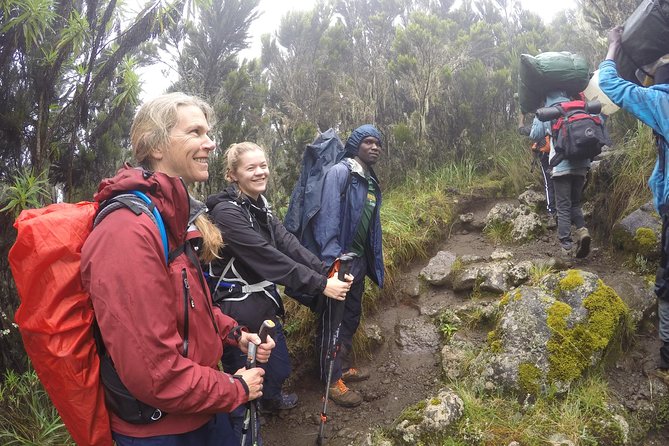
The route begins in lush rainforest. Early walking is likely to feel cooler, greener, and more sheltered than the exposed upper mountain. As you gain height, the forest gives way to open country around the Shira Plateau, where the route’s wide views become part of the reward.
I like this approach because it gives you more than a summit photo. You get a sense of the mountain as a complete ecological world, not just a steep path leading to the top. The route is also described as less travelled than some other Kilimanjaro trails, which may mean a calmer start and a better chance to enjoy the wilderness without constant foot traffic.
The key benefit is acclimatization. The route spends time crossing the Shira Plateau before joining the busier Barafu route toward the summit. That gradual increase matters because altitude, not technical climbing, is one of the main challenges on Kilimanjaro.
Still, scenic does not mean easy. You need moderate physical fitness, and the included oxygen and emergency equipment should remind you that this is a demanding mountain trip. I would treat the route as a serious trek, not a sightseeing excursion with a little uphill walking.
More Kilimanjaro Climbs in Moshi
- Best Kilimanjaro Adventure 7 days Machame route Trekking
★ 5.0 · 42 reviews - Kilimanjaro 7 Day Private Trekking Experience
★ 5.0 · 40 reviews - 6 Days Machame Route Kilimanjaro Climbing Trekking Tour
★ 5.0 · 34 reviews
Day One: Kilimanjaro National Park and the First Long Walk
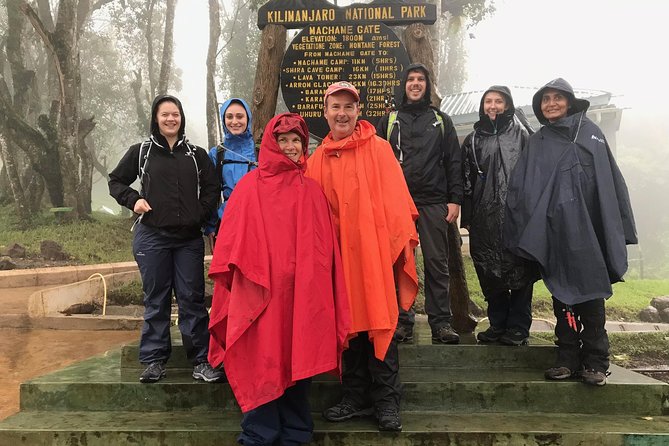
The first listed day is centered on Kilimanjaro National Park, with about eight hours of activity. Park entry is included, and the Lemosho route is presented as the scenic choice for reaching the mountain’s higher camps.
The appeal of this first stage is the change in surroundings. The forest section gives you a gradual introduction to the mountain, with thick vegetation and a sense of being far from ordinary roads and town life. The route is especially attractive if you value natural scenery and quiet walking over the shortest possible approach.
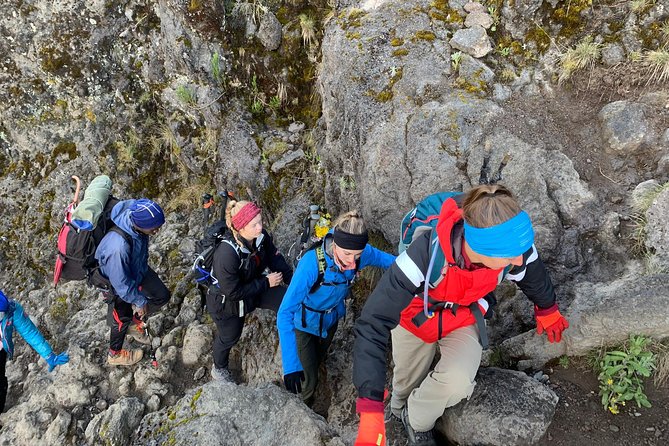
An eight-hour day is substantial, even before altitude becomes a major factor. You will need to keep a steady pace and listen carefully to your guides. The route description emphasizes acclimatization, so a measured walking rhythm should be more useful than trying to prove your fitness early on.
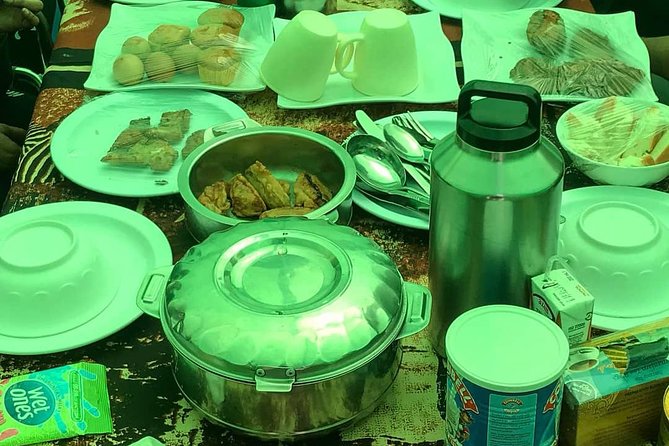
The support crew is an important part of the experience here. A guide team leads the route, porters carry equipment, and a cook prepares three hot meals daily. Tents, sleeping mattresses, a mess tent with tables and chairs, and hot water for washing are included. Those details can make a long day feel much more manageable.
The first day also shows why the advertised duration is confusing. The description talks about enjoying the first three days in the rainforest and wilderness, then spending time crossing the Shira Plateau. Yet the itinerary provides only two listed days. Before booking, ask the operator for the exact number of nights on the mountain, camp names, summit timing, and descent plan.
Day Two: Mount Kilimanjaro and the Summit Question
The second listed stop is Mount Kilimanjaro itself, again with about eight hours of activity. Kilimanjaro National Park protects the largest free-standing volcanic mass in the world and Africa’s highest mountain. That setting gives the experience real scale, even if the itinerary description is brief.
The important question is what this second day actually includes. The information does not spell out a summit schedule, a descent route, or the camps used overnight. It also does not explain how the Lemosho approach, Shira Plateau crossing, Barafu route, and summit push fit into a two-day program.
That lack of detail is the main weakness of the booking information. The company’s supplied trek references include seven-day and eight-day Lemosho climbs, as well as an eight-day trek connected to a safari. The route description itself says the first three days are especially scenic and that time on the plateau helps with acclimatization. Those details point to a longer climb, not a two-day outing.
I would not assume that the two-day wording means two full days to the summit. It may be a shortened display, a booking error, or a partial itinerary. Get the full schedule in writing before making travel plans.
If the intended trip is a normal multi-day Lemosho climb, the value of the route becomes much clearer. You are paying for a gradual ascent, overnight mountain camps, meals, support staff, and safety equipment. If the actual product is only two days, you need a very clear explanation of how it can include the route features described.
What the $2,700 Price Really Covers
The listed price is $2,700 per person. That is a significant amount, but the package includes more than guiding alone.
You receive two nights of hotel accommodation in Moshi, overland transfers to Kilimanjaro International Airport, park entry fees, camping fees, and Team Kilimanjaro Rescue fees. The package also includes 18 percent VAT on tour fees and services, which reduces the chance of an unexpected tax charge later.
On the mountain, the price covers:
- Four-season mountain tents
- Guides, porters, and a cook
- Three hot meals each day
- Treated and filtered drinking water
- Hot water for washing
- Sleeping mattresses
- A mess tent with tables and chairs
- An emergency first-aid kit
- An oxygen tank and oximeter
- Fair wages for the mountain crew under KPAP guidelines
That is a strong set of inclusions for a supported Kilimanjaro climb. I especially value the treated water, hot meals, and mess tent. They are not glamorous extras, but they affect comfort and energy every day.
The fair-wage statement also matters. A large support team is part of the Kilimanjaro system, and responsible payment should be one of your selection criteria. The price appears to include that operating cost rather than leaving all crew compensation to tips.
The value depends almost entirely on the true duration. For a properly organized multi-day Lemosho trek, $2,700 can make sense because it covers permits, accommodation, transport, food, equipment, and staff. For a literal two-day outing, the price would require much closer examination.
You still need to budget for international flights, a visa, hotel meals other than breakfast, tips for the porters and guides, and personal items such as alcohol, soft drinks, cigarettes, and snacks. Tips are not included, so ask for the company’s recommended tipping guidance before you arrive.
Same trailhead, a longer or shorter day out:
- Kilimanjaro Trekking 7Days 6Night Lemosho Route
★ 5.0 · 23 reviews - 8 Day Kilimanjaro Trek via Lemosho Route
★ 5.0 · 17 reviews - Top 6 Days Mt. Kilimanjaro Bike trek Tour by Marangu-Kilema Route
★ 5.0 · 15 reviews - 6 Days Mount Kilimanjaro Trek Marangu Route
★ 5.0 · 15 reviews
Guides, Porters, and the Human Side of the Climb
The most consistent praise connected with this experience concerns the people who run it. The feedback highlights professional guides, supportive porters, airport assistance, and close attention from the management team.
Ole is mentioned in connection with a birthday climb, and another account refers to Ole and his brother Alfred going out of their way to help a group. Pail and Jyroi are also named as guides in a particularly positive account. These names give you useful points of contact if you want to ask the company who would lead your departure.
The support team can shape your entire experience. A mountain guide does more than point out the trail. Guides manage pace, watch how you respond to altitude, and coordinate the group. Porters make it possible to camp comfortably at height, while the cook keeps meals coming after long walking days.
The maximum group size is 10. That is a sensible limit. You are not booking a huge procession, but you may still have companions to share the long hours and summit effort. For a private feel, ask how many people are expected on your departure.
The company’s feedback also mentions a group of four supported by 16 crew members on a seven-day Lemosho climb. That illustrates how staff-heavy these trips can be. It also makes responsible wages and tipping worth discussing before you go.
Comfort on the Mountain, Without Pretending It Is Luxury
This is a camping trip, but it is not presented as rough survival. Four-season tents, mattresses, a mess tent, chairs, hot meals, drinking water, and hot washing water provide a useful level of comfort.
Three hot meals each day are especially valuable. You will need steady energy on long walking days, and a cooked meal is a different proposition from carrying only snacks. Treated and filtered water also reduces the need to manage every drop yourself.
The oxygen tank, oximeter, and first-aid kit add an important safety layer. They do not remove the risks of altitude, and they should not make you careless. They show that the crew expects to monitor health and respond if a problem develops.
Hotel accommodation in Moshi before or after the climb gives you a practical base. However, only breakfast is included at the hotel. Plan to pay separately for other hotel meals and personal drinks.
This is a good package for someone who wants organized camping and does not want to carry every piece of group equipment. It is not the right choice if you expect hotel rooms on the mountain or a resort-style experience.
Airport Transfers and the Moshi Base
Pickup is offered, and overland transfers to Kilimanjaro International Airport are included. The feedback gives airport arrival and departure attention a particularly positive place, with one account praising the care shown from pickup through drop-off.
That service matters after a long international journey. It also reduces the number of separate transport arrangements you need to make in Tanzania.
The meeting time is listed as 8:00 am. Since the exact meeting location is not provided, confirm where you should go and how the pickup works. The experience is near public transportation, but a mountain departure may still involve a scheduled vehicle rather than ordinary local transit.
Moshi is a practical starting point for Kilimanjaro. The two included hotel nights can give you time to meet the team, check equipment, and clarify the route. Again, the written plan should specify whether those nights occur before the climb, after it, or one on each side.
Who Will Like This Experience Most
I would recommend the Lemosho concept to someone who values scenery, a quieter route, and gradual acclimatization. It suits fit adults who are comfortable with long walking days, camping, shared support facilities, and uncertain weather at altitude.
It also suits people who want help with the practical work. You do not need to organize park permits, camp fees, meals, water, tents, porters, or airport transfers separately.
The route could work well for a small group, a milestone birthday, or friends who want a serious shared challenge. The supplied feedback includes a 40th birthday climb and several groups from Boston, suggesting that the company has experience handling both small parties and larger groups of up to 10.
I would be cautious if you need a tightly defined schedule. The two-day description is too vague for a mountain of this scale. I would also be cautious if you have little experience with sustained walking or if you are looking for a quick, low-effort visit.
Booking Questions You Should Ask First
Before paying, ask Sirikwa Travel to confirm the following in writing:
- Is this truly a two-day experience, or is the listing describing only part of a longer Lemosho trek?
- How many nights are spent on the mountain?
- Does the price include the summit attempt and descent?
- Which camps and route sections are included?
- What are the exact pickup and hotel arrangements?
- Who will lead the group, and how many people are booked?
- What tipping guidance does the company provide?
These are not minor details. They determine whether $2,700 represents good value and whether the trip matches your expectations.
Cancellation is free if you cancel at least 24 hours before the experience starts. Cancellations inside 24 hours are not refunded, and changes inside that period are not accepted. Confirmation is provided at booking, and mobile tickets are available.
Should You Book the Sirikwa Lemosho Trek?
I like the route, the included mountain support, and the repeated praise for the guides and staff. The Lemosho approach offers a stronger Kilimanjaro experience than a rushed ascent because it gives you forest, wilderness, plateau views, and time to adjust to altitude.
But I would not book this exact offer until the duration is corrected or explained. The two-day wording conflicts with the Lemosho plan described and with the company’s own seven-day and eight-day trek examples.
If Sirikwa Travel confirms that the $2,700 price covers a full, properly paced Lemosho climb, this could be a strong choice for a small group seeking scenery and attentive support. If it really covers only two days, ask hard questions before committing. On Kilimanjaro, a clear itinerary is not paperwork fussiness. It is part of staying safe and getting the experience you paid for.
FAQ
Where does this Kilimanjaro experience begin?
The experience is based in Moshi, Tanzania. Pickup is offered, and the listed meeting time is 8:00 am.
What route does the climb use?
The experience is described as using the Lemosho route through Kilimanjaro National Park. It includes rainforest, the Shira Plateau, and the busier Barafu route toward the summit.
How long is the experience?
It is listed as approximately two days. However, the route description refers to the first three days and the company’s related trek information includes seven-day and eight-day Lemosho climbs. Confirm the exact duration before booking.
What is included in the price?
The package includes two hotel nights in Moshi, airport transfers, park and camping fees, rescue fees, VAT, tents, guides, porters, a cook, three hot meals daily on the mountain, treated drinking water, hot washing water, a mess tent, mattresses, first-aid equipment, oxygen, and an oximeter.
Are flights and visas included?
No. Flights and visas are not included.
Are tips included?
No. Tips for porters, guides, the cook, and assistant guide are not included.
How large is the group?
The maximum group size is 10 people.
Recently added around Moshi
- Mt Kilimanjaro Trek, 6 Days – Umbwe Route★ 5.0 · 4 reviews
- 7 Day Trek To The Roof Of Africa Kilimanjaro via Machame Route★ 5.0 · 5 reviews
- Mount Kilimanjaro Trek 7-Days: Lemosho Route★ 5.0 · 2 reviews
- 8 Day Kilimanjaro Trek via Lemosho Route★ 5.0 · 17 reviews
- 6-Day Kilimanjaro Machame Route – A Stunning Trek to Uhuru Peak★ 5.0 · 7 reviews
- 7-Days Tour Mount Kilimanjaro Trekking via Machame Route★ 5.0 · 2 reviews
- Unforgettable 8 Days Lemosho Route Trekking on Kilimanjaro★ 5.0 · 4 reviews
- 6-Day Rongai Route Trek in Mount Kilimanjaro★ 5.0 · 8 reviews
Kilimanjaro Climbs, compared.
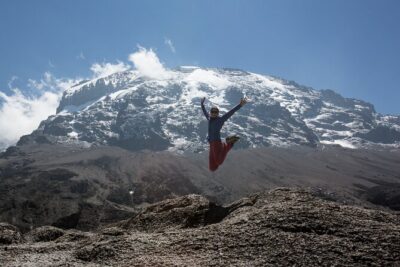
8-Day Small-group Lemosho Kilimanjaro Summit Trekking
Read our review →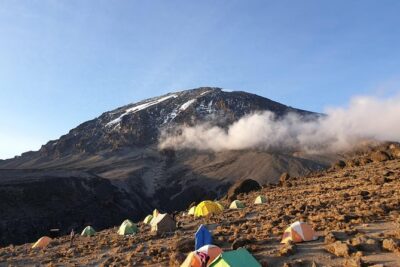
Best Kilimanjaro Adventure 7 days Machame route Trekking
Read our review →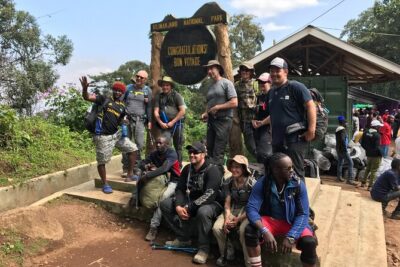
Kilimanjaro 7 Day Private Trekking Experience
Read our review →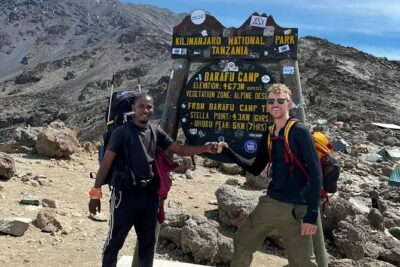
6 Days Machame Route Kilimanjaro Climbing Trekking Tour
Read our review →
Kilimanjaro Trekking 7Days 6Night Lemosho Route
Read our review →
Top 6 Days Mt. Kilimanjaro Bike trek Tour by Marangu-Kilema Route
Read our review →Browse the lists this tour appears in