
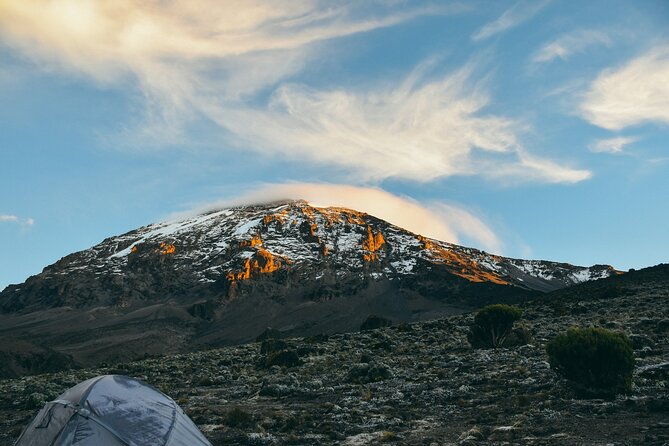
REVIEW · MOSHI
8 Days Guided Private Trekking in Mount Kilimanjaro
Africa’s highest summit demands patience. This 8-day private trek from Moshi follows a gradual high-altitude route through rainforest, moorland, alpine desert, and volcanic rock before the final push to Uhuru Peak. I like the small-group format and the careful climb-high, sleep-lower plan, which gives you more personal attention and useful time to adjust to the altitude. I also like that the trip includes a guide, accommodation, and daily meals, rather than leaving you to assemble the basics yourself.
The main consideration is the price, $2,310 per person, which is a serious investment. The schedule also contains a few details worth confirming before payment, including the exact route, what gear is supplied, and the apparent four-minute and three-minute trek durations shown for Days 3 and 6. The overall plan makes sense, but the practical details should be clear in writing.
Key points to know before booking
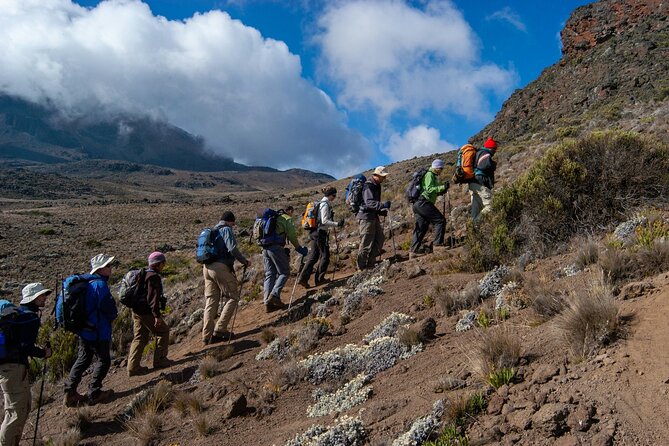
- Private trekking for your group only: You get a more personal setup than a large shared departure, with pickup offered and the day beginning at Panama Garden Resort in Moshi.
- Eight days help with altitude: The route rises in stages, reaches Lava Tower at about 4,600 meters, then drops to Barranco before climbing again.
- A demanding summit day: The Uhuru Peak attempt begins in the early hours and covers roughly 18 kilometers before you reach Mweka Camp.
- Experienced guide teams: Past trips have featured guides including Joseph, Swahele, and Zac, while William is mentioned in connection with planning and support.
- Meals are built in: The package lists eight breakfasts, eight lunches, and seven dinners, useful on a remote mountain route.
- Sustainability is part of the promise: The operator says it supports local communities and aims to reduce harm to the mountain environment.
Why this Kilimanjaro route deserves eight days
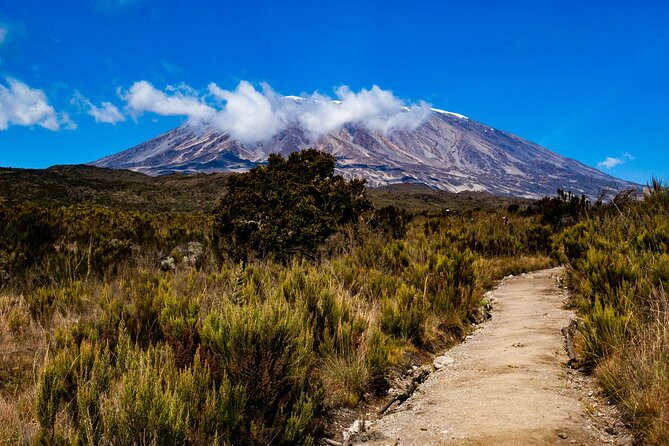
Kilimanjaro is not simply a long walk uphill. The mountain rises through several climate zones, and your body must adjust as the air gets thinner. An eight-day plan gives you more time to gain height slowly than a rushed itinerary, which is one reason I consider the schedule a sensible choice for people who want a stronger chance of reaching the summit.
The route begins at Londorossi Gate and uses camps associated with the Lemosho approach, including Mti Mkubwa, Shira 1, Shira 2, Barranco, Karanga, and Barafu. The supplied trip details also mention that some past climbs used the Machame route, so I would ask the operator to confirm your exact trail before you book. Route names matter because they affect scenery, starting point, walking hours, and camp locations.
A private trip can also change the feel of the climb. Instead of adapting to a large group’s pace, your guides can focus on your party. That matters most on summit day, when one person may be moving well and another may need a slower rhythm, more rests, or extra encouragement.
More Kilimanjaro Climbs in Moshi
- Best Kilimanjaro Adventure 7 days Machame route Trekking
★ 5.0 · 42 reviews - Kilimanjaro 7 Day Private Trekking Experience
★ 5.0 · 40 reviews - 6 Days Machame Route Kilimanjaro Climbing Trekking Tour
★ 5.0 · 34 reviews
Day 1: Londorossi Gate to Mti Mkubwa Camp
Your first day begins at Kilimanjaro National Park’s Londorossi Gate, where park registration takes place. From there, a short drive brings you to the trailhead and the first walk through the rainforest.
The distance is about 6 kilometers, with roughly three hours of walking. Mti Mkubwa, also called Big Tree Camp, sits at around 2,750 meters. This is a gentle introduction compared with the days ahead, but do not treat it as a sightseeing stroll. You are already gaining altitude, and the best approach is to walk slowly, drink regularly, and save energy.
The rainforest is a good opening chapter because it feels far removed from Moshi. Expect thick vegetation and a shaded trail rather than open mountain views. You may find the route muddy or uneven, though the supplied details do not specify trail conditions or equipment, so ask what footwear and rain protection are recommended.
Day 2: From rainforest to Shira 1
Day 2 covers around 8 kilometers and takes about four hours, continuing through the upper rainforest before reaching the moorland zone. The change in plant life is one of the pleasures of this route. The forest begins to thin, the ground feels more open, and the mountain’s volcanic form becomes easier to read.
Shira 1 Camp sits at approximately 3,505 meters. That is a meaningful rise from the first night, so your pace matters more than your walking speed. If you feel a headache, nausea, unusual tiredness, or trouble breathing, tell your guide promptly. The operator highlights safety and planned acclimatization, but good safety also depends on you being frank about how you feel.
This is one of the days when a private group helps. Your guide can pay close attention to how your party is handling the higher camp instead of treating everyone as one unit.
Day 3: Shira 2 and the alpine desert
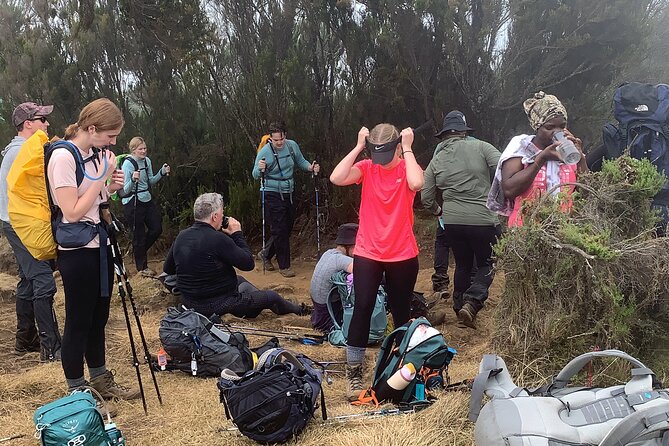
The third day is shorter, about 7 kilometers, and leads to Shira 2 Camp at roughly 3,850 meters. The ground changes again, moving toward an alpine desert setting with fewer plants and a more exposed feel.
The supplied timing lists four minutes, which is clearly not consistent with a 7-kilometer mountain walk. Treat the distance and altitude as the useful planning figures, and confirm the expected walking time with Spirit of Kilimanjaro before departure.
By this point, you may notice the thin air. That is normal at altitude, but it is also why the schedule should not be judged by distance alone. A short day can still feel demanding when you are sleeping higher than the night before. I like this pause in the itinerary because it gives your body time to adjust before the route makes a major push upward.
Same trailhead, a longer or shorter day out:
- Kilimanjaro Trekking 7Days 6Night Lemosho Route
★ 5.0 · 23 reviews - 8 Day Kilimanjaro Trek via Lemosho Route
★ 5.0 · 17 reviews - Top 6 Days Mt. Kilimanjaro Bike trek Tour by Marangu-Kilema Route
★ 5.0 · 15 reviews - 6 Days Mount Kilimanjaro Trek Marangu Route
★ 5.0 · 15 reviews
Day 4: Lava Tower, Barranco Wall, and the key acclimatization test
Day 4 is the route’s most important acclimatization day. You climb to Lava Tower at about 4,600 meters, then descend to Barranco Camp at approximately 3,960 meters. The total distance is around 10 kilometers, with about five hours of walking.
The value of this high point is simple: you gain altitude during the day, then sleep lower. That climb-high, sleep-lower pattern is one of the strongest features of the schedule. It lets you experience thinner air without spending the night at the highest point reached that day.
The descent to Barranco is not a wasted step. It sets you up for the following camps while giving your body a useful altitude lesson. Barranco Wall adds a physical challenge, but the itinerary presents it as a highlight rather than a technical climbing section. You should still expect hands-on movement and a slower pace in places.
Barranco Camp also gives you one of the route’s most memorable settings, with steep volcanic features rising around the trail. If you want a day that feels adventurous without being the summit attempt, this is it.
Day 5: Barranco to Karanga Camp
The route to Karanga Camp is only about 4 kilometers and takes roughly three hours. Do not let that distance fool you. You are now walking on high, rocky ground at around 4,035 meters, and every climb costs more effort than it would at sea level.
The shorter day offers a useful chance to recover after Lava Tower and Barranco Wall. It also gives you panoramic views across the mountain terrain. I would use this day to check your clothing, water, personal medicines, and summit-day layers. The next stage is short too, but it leads to the high Barafu base camp, where rest becomes especially important.
The itinerary describes Karanga as a transition into higher alpine ground. That is a fair way to think of it. The forest is now long behind you, and the trip feels less like a woodland hike and more like a serious high-altitude expedition.
Day 6: Barafu Camp and preparation for the summit
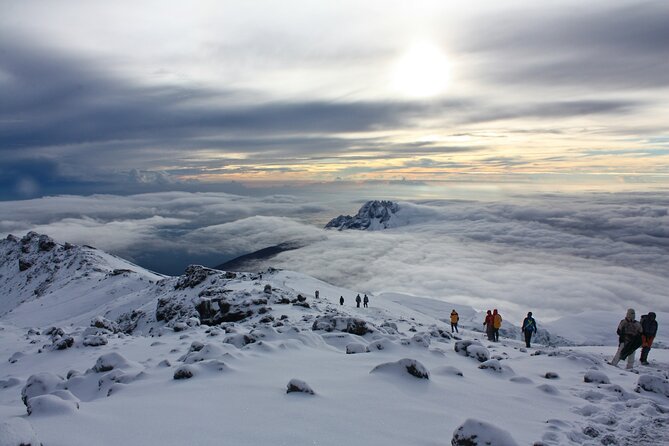
Day 6 covers about 3 kilometers and ends at Barafu Camp, at roughly 4,600 meters. This is the last camp before Uhuru Peak and the point where the schedule shifts from normal trekking to summit preparation.
The listed duration is three minutes, another figure that should be confirmed. A 3-kilometer walk at this elevation still requires time, and the key fact is not the clock but the purpose of the day. You are moving into position, eating, resting, and preparing for an early start.
Barafu can be physically demanding simply because it is high. Your body may feel tired even after a short walk. Follow the guide’s instructions, keep your kit organized, and protect your rest. The package includes accommodation and meals, but it does not spell out the sleeping arrangements, so ask whether accommodation means mountain tents, what sleeping equipment is included, and which personal items you must bring.
Day 7: Uhuru Peak before sunrise, then Mweka Camp
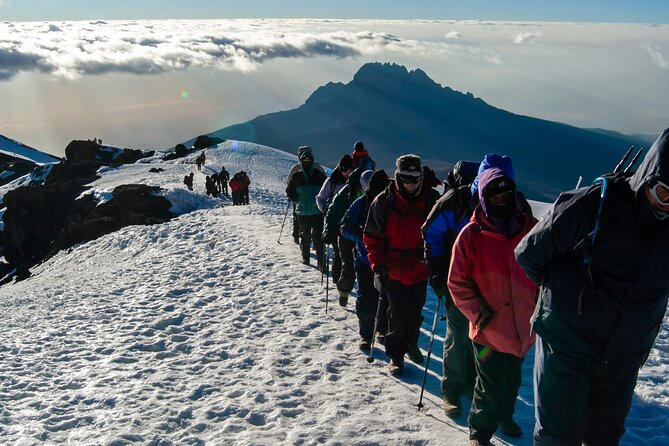
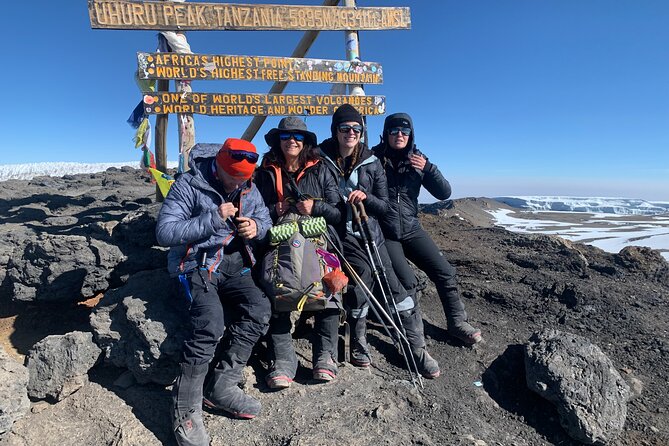
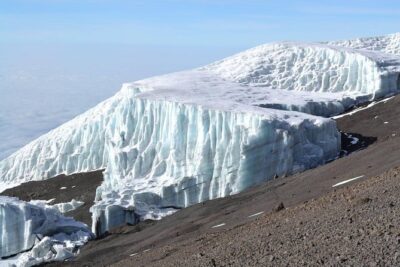
This is the hardest day by a wide margin. The summit attempt begins in the early hours, with a steep ascent toward Uhuru Peak at 5,895 meters, the highest point in Africa. The aim is to reach the summit just before sunrise, celebrate briefly, and then descend to Mweka Camp at about 3,100 meters.
The full day covers roughly 18 kilometers and is listed at about four hours, but that duration should also be verified. The summit push normally feels long because of the altitude, darkness, cold, and steep ground. The supplied information gives the correct practical warning: this is a strenuous day.
Your guide team matters most here. Past climbs connected with the company include Joseph, Swahele, and Zac, and one family group praised the flexible support given to a 70-year-old father. That does not guarantee the same guides or the same result for your party, but it suggests that the operator has experience adjusting its approach to different ages and abilities.
After Uhuru Peak, the descent to Mweka Camp is a major relief, but it is not effortless. Tired legs and loose volcanic ground can make the downward walk hard. Save some food and water for this section, and do not rush simply because you are heading downhill.
Day 8: Mweka Gate and the return to Moshi
The final day drops from Mweka Camp through the rainforest to Mweka Gate. The walk covers about 10 kilometers and takes around three hours.
This return through thicker vegetation gives you a clear sense of how far you have come. In less than a week, you have moved from forest to exposed volcanic terrain and back again. At the gate, the itinerary says you receive summit certificates and say goodbye to your guides and porters.
The activity ends back at the meeting point, Panama Garden Resort Tanzania on Shanty Town Road in Moshi. Pickup is offered, and the location is near public transportation. Confirm the exact pickup arrangement when booking, especially if you are staying somewhere other than the listed meeting point.
What the $2,310 price includes
At $2,310 per person, this is not a budget walk. The value comes from the combination of a private setup, a full eight-day schedule, a guide, accommodation, and meals on the mountain.
The food allowance is clearly stated: eight breakfasts, eight lunches, and seven dinners. That covers the trek’s eight days, with dinner apparently not included on the final day. Ask where meals are served and whether dietary needs can be handled before you arrive.
The package does not list visas, so you must budget for those separately. It also does not give a detailed equipment list. The overview refers to high-quality gear and safety planning, but the included section only names the guide, accommodation, and meals. Ask specifically about tents, sleeping bags, trekking poles, porter services, park fees, transfers, rescue coverage, and airport transport. I cannot treat those as included unless the operator confirms them.
The sustainability promise is a positive sign. The company says its work benefits local communities and protects the mountain. Ask how that works in practice, particularly in relation to porter welfare, waste, and group size. Those answers will help you judge the real value of the trip, not just the advertised price.
Who should choose this private climb?
I would consider this trip a good fit if you want a serious Kilimanjaro attempt with a private group, a gradual schedule, and guide support throughout. It may also suit families or mixed-age groups because the company has handled a party that included a 70-year-old parent.
You should be comfortable with long days, basic mountain accommodation, cold conditions, and altitude. The fact that most people can participate does not mean the climb is easy. Uhuru Peak is high, and the summit day is physically demanding even for fit walkers.
This may not suit you if you want a short, comfortable holiday or if you need every walking time and inclusion spelled out before purchase. The timing errors and unclear equipment details are small but important points to resolve.
The cancellation terms are friendly if your plans change early: you can receive a full refund when you cancel at least 24 hours before the start time. Inside that window, the amount paid is not refunded, and changes are not accepted.
Should you book the Spirit of Kilimanjaro trek?
I would shortlist this trek for its eight-day acclimatization plan, private format, and strong guide support. The route gives you a proper progression from forest to summit, rather than trying to force Kilimanjaro into too few days.
Before booking, ask Spirit of Kilimanjaro to confirm the route name, daily walking times, equipment, porter arrangements, park fees, and the exact meeting and pickup plan. If those answers are clear, the $2,310 price can make sense for a carefully supported private climb. If the answers remain vague, compare it with another operator before committing.
FAQ
Where does the trek start?
It starts at Panama Garden Resort Tanzania on Shanty Town Road in Moshi, Tanzania.
Where does the activity finish?
The activity ends back at the meeting point after the trek.
Is pickup available?
Yes, pickup is offered.
Is this a private tour?
Yes. Only your group participates in the activity.
How long is the trek?
The trek lasts approximately eight days.
Which camp is used on the first night?
The first overnight stop is Mti Mkubwa, also called Big Tree Camp, at about 2,750 meters.
What is the highest point of the trek?
The summit attempt goes to Uhuru Peak, the highest point in Africa, at approximately 5,895 meters.
What meals are included?
The package includes eight breakfasts, eight lunches, and seven dinners.
Are visas included?
No. Visas are not included.
Can I cancel for a full refund?
Yes, if you cancel at least 24 hours before the experience starts. Cancellations made less than 24 hours before the start time are not refunded.
Recently added around Moshi
- Mt Kilimanjaro Trek, 6 Days – Umbwe Route★ 5.0 · 4 reviews
- 7 Day Trek To The Roof Of Africa Kilimanjaro via Machame Route★ 5.0 · 5 reviews
- Mount Kilimanjaro Trek 7-Days: Lemosho Route★ 5.0 · 2 reviews
- 7-Days Tour Mount Kilimanjaro Trekking via Machame Route★ 5.0 · 2 reviews
- 8 Day Kilimanjaro Trek via Lemosho Route★ 5.0 · 17 reviews
- 6-Day Kilimanjaro Machame Route – A Stunning Trek to Uhuru Peak★ 5.0 · 7 reviews
- Trek To Mount Kilimanjaro★ 5.0 · 12 reviews
- Unforgettable 8 Days Lemosho Route Trekking on Kilimanjaro★ 5.0 · 4 reviews
Kilimanjaro Climbs, compared.
8-Day Small-group Lemosho Kilimanjaro Summit Trekking
Read our review →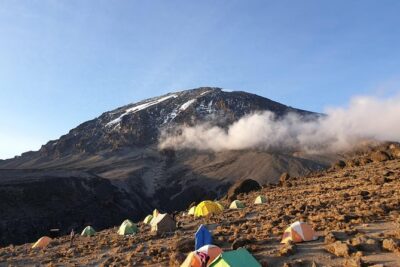
Best Kilimanjaro Adventure 7 days Machame route Trekking
Read our review →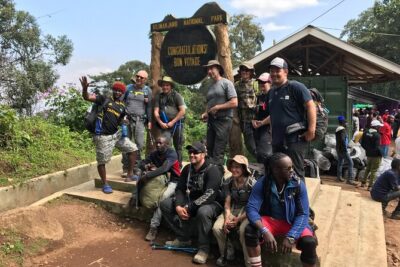
Kilimanjaro 7 Day Private Trekking Experience
Read our review →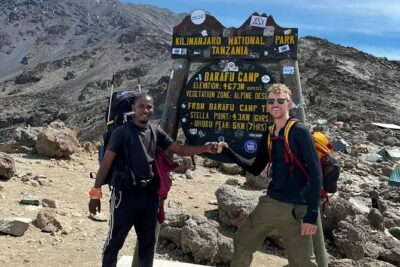
6 Days Machame Route Kilimanjaro Climbing Trekking Tour
Read our review →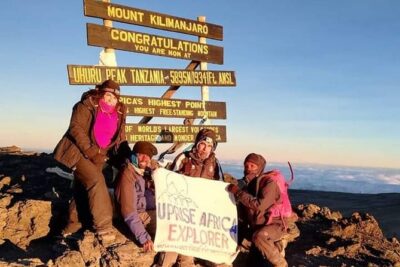
Kilimanjaro Trekking 7Days 6Night Lemosho Route
Read our review →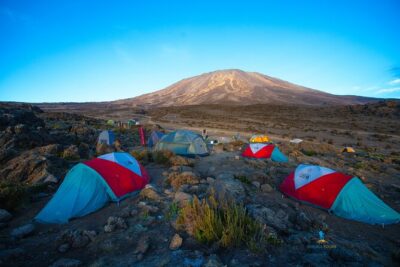
Top 6 Days Mt. Kilimanjaro Bike trek Tour by Marangu-Kilema Route
Read our review →Browse the lists this tour appears in