
REVIEW · MOROCCO
3-day trek – In the shade of palm trees
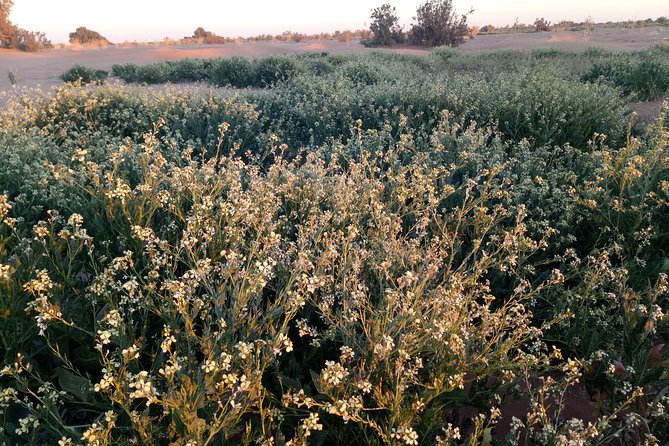
The Sahara starts beneath the palms. This three-day trek from M’Hamid trades a quick dune photo stop for slow walking, campfire nights, local food, and time with camel drivers who know the desert well. I like the shade of the palm grove on day one, and I like the route’s variety, from sand dunes to stony hamada and old wells. The main catch is simple: you need moderate fitness and a willingness to sleep in basic desert conditions.
You pay $424.09 per person for a private trip, with meals, sleeping equipment, guides, cooks, camel drivers, and taxes included. That is a fair price if you value a small, personal group and two nights outdoors, but private transportation is not included and you must bring your own sleeping bag.
- Lunch beneath M’Hamid’s palm trees gives the trek a cool and gentle start.
- Marabout Sidi Naji brings a strong sense of place, tied to the Nouaji tribal ancestry.
- Bertham’s dunes offer the classic Sahara scenery, with traces of nomadic life nearby.
- The plains of ostriches remain connected to families who still keep herds in the area.
- The hamada return route swaps soft sand for stone, fossils, wells, and desert meeting places.
- A private caravan lets your group set the pace and spend evenings with the local team.
Why This M’Hamid Trek Feels Different
Many desert outings are built around a short camel ride, a sunset, and a quick night at camp. This one takes three days and two nights, so you have time to notice the desert changing under your feet.
The route begins in the palm grove of M’Hamid El Ghizlane. From there, it reaches a tribal sanctuary, large dunes, open grazing country, and the hard stony hamada. You are not seeing only one postcard version of the Sahara. You are seeing several kinds of desert in one compact journey.
I especially like the human side of the trip. You travel with camel drivers, guides, and cooks from the Desert Bird team, rather than simply being dropped at a camp. Names connected with the guiding team include Hassan, Bakkar, Ibrahim, Mohammed, and Bachir. The exact team may vary, but the experience is clearly built around conversation, shared meals, and local knowledge.
The group is private, meaning only your party takes part. That matters here. You can ask questions, walk at a comfortable pace, and enjoy the evening without being folded into a large group with a fixed script.
Day One: From Palm Shade to Sidi Naji
The caravan starts at M’Hamid at about 8:00 in the morning. The first stretch crosses the village palm grove, an easy place to appreciate why water and shade matter so much in southern Morocco.
The palm grove is not just a pretty opening scene. It shows you the link between settled village life and the open desert beyond it. You begin among palms, shade, and cultivated ground, then gradually move toward wider, drier country.
Lunch is served beneath the palms. That is one of the small choices that makes this route pleasant. The shade gives you a break from the sun before the afternoon walking begins. Meals are included throughout the trek, and food is one of the experience’s strongest features, with past visitors describing generous local cooking and relaxed conversation around the table.
After lunch, the walk continues to Marabout Sidi Naji. This sanctuary is connected with the ancestor of the Nouajis, the tribe associated with the area. You are not simply passing a random ruin or stopping for a photo. The site gives the first day a cultural focus and links the desert route with the people who have lived here.
The first bivouac is set up near the marabout. Dinner is included, and the evening is spent around the fire beneath the stars. Music has also been part of the evening atmosphere for some groups, though it should not be treated as a guaranteed performance.
The practical point is that this is a real overnight trek, not a hotel transfer with a desert backdrop. Sleeping equipment is supplied, but your sleeping bag is not. Bring one suitable for the season, and remember that desert nights can feel much colder than the afternoon.
More Three-Day Treks in Morocco:
- From Marrakech: 3-Day Mount Toubkal Climbing Trek
★ 4.7 · 597 reviews - 3 Day Trek in the Atlas Mountains and Berber Villages from Marrakech
★ 4.5 · 85 reviews - Marrakech: 3-Day High Atlas Mountains and Three Valleys Trek
★ 4.8 · 63 reviews
Day Two: Bertham Dunes and Nomad Country
After breakfast, the caravan heads toward the dunes of Bertham. This is likely to be the most visually dramatic day, especially if you want broad sand formations and the classic Sahara setting.
Bertham is also interesting because the route includes signs of former nomadic life. You may see traces connected with herders and their animals, small reminders that these dunes were once part of daily movement rather than a sightseeing stop.
This day helps explain why a walking trek can be more rewarding than a short excursion. At walking speed, the details have time to appear. A track, a herd route, or a change in the ground can become part of the story. You are not racing from one scenic point to another.
The second bivouac is placed near the plains of ostriches, an area where nomadic families still keep flocks. The supplied information does not promise sightings of wild ostriches, so I would not book this hoping for a wildlife encounter. The value is the connection with pastoral life and the chance to see a less familiar side of the Sahara.
The team prepares dinner and breakfast, and you spend another night outdoors. Two nights away from buildings may sound modest, but it gives you enough time to settle into the rhythm of the trek. The first night is often about adjusting. By the second, you know what to keep close, how to handle the sun, and how much you enjoy the quiet.
You should expect the desert to be basic. Sleeping and eating equipment is included, but this is not described as a luxury camp. The appeal is the fire, the sky, the food, and the company. If you need private rooms, formal plumbing, or a soft mattress, this is probably not your best choice.
Day Three: Stone Desert, Fossils, and Desert Wells
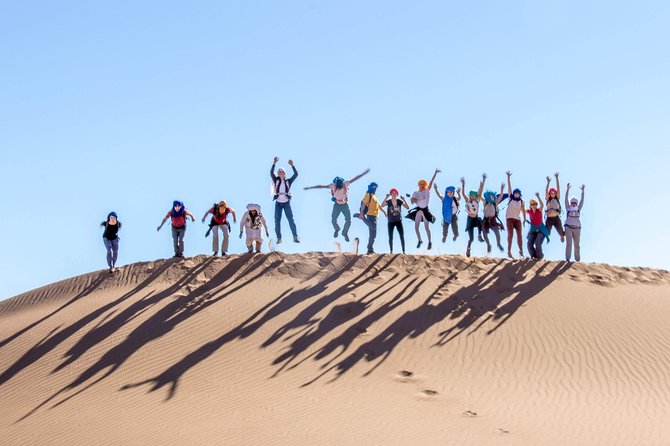
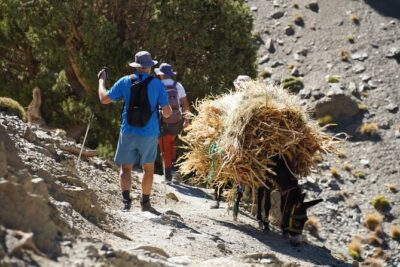
The return to M’Hamid crosses the hamada, a stony desert. This changes the feel of the walk. After the dunes of Bertham, you move across harder ground where fossils and other small desert finds may appear.
The phrase other treasures should be understood in the modest sense of interesting things you might notice on the ground, not guaranteed valuable discoveries. Keep your eyes open, but follow the guide’s advice about what can be taken and what should remain where it is.
The route also stops at wells. In the Sahara, a well is more than a water source. It is a meeting point, a place where people, herds, and news come together. This stop gives you a useful glimpse into how movement across the desert has always depended on a few reliable places.
The final stretch returns to M’Hamid, where the caravan ends at the original meeting point. The goodbye may feel surprisingly personal after three days with the guides, cooks, and camel drivers. Several people who took this sort of trip found three days almost too short, which is worth noting if you are deciding between this and a shorter desert outing.
Food, Camp Life, and the Local Team
Meals are included in a clear and useful way: three lunches, two breakfasts, and two dinners. That covers the food needed during the trek, so you do not have to plan for restaurant stops in the middle of the desert.
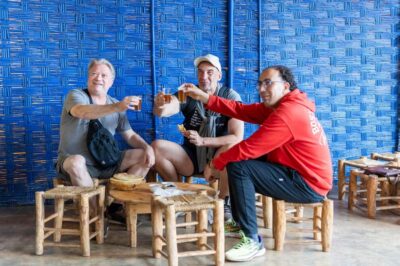
Food is repeatedly praised for being freshly prepared and generous. The meals are part of the social side of the trek, not just fuel between walking periods. Friendly discussion with the team is a major part of the appeal.
The guides are also praised for warmth and good humor. Hassan is described as passionate about his region, while Hassan and Bakkar are singled out for careful treatment of the dromedaries and respect for the environment. That matters to me. A desert trek should not treat animals as props, and the available comments suggest that care for the dromedaries is taken seriously.
You may hear music at camp, share stories, or spend much of the night simply looking at the stars. The exact evening program can change, but the setting itself is the main attraction. Bring a practical attitude. Desert camping is rewarding because it is simple, not because it recreates a city hotel outdoors.
A cheche, the traditional head covering used in the desert, and sturdy sandals were useful purchases for one group. You may want to arrange those items before setting off, especially if you do not already have clothing that handles sun, dust, and heat. The supplied information does not specify what is available for purchase, so ask the provider before relying on local shopping.
A few more treks around Morocco worth a look
- Mt Toubkal Ascent Express Trek 2 Days 1 Nights
★ 4.7 · 962 reviews - Marrakesh: 2-Day Mt. Toubkal Trek with 1-Night Stay & Meals
★ 4.7 · 795 reviews - Marrakech: 2-Day Atlas Mountains Trek with Village Stay
★ 4.8 · 717 reviews - From Marrakesh: 2-Day Mount Toubkal Trek
★ 4.7 · 591 reviews
How Much Value You Get for $424.09
At $424.09 per person, this is not the cheapest way to see dunes. It is also not an unreasonable price for a private three-day trip that includes two nights, six listed meals, sleeping equipment, guides, cooks, camel drivers, and taxes.
The price makes the most sense if you are traveling with a small private party and want time with the local team. A cheaper half-day outing may show you sand, but it will not give you the same chance to reach Sidi Naji, spend a night near the ostrich plains, cross the hamada, and stop at desert wells.
You should also account for the costs that are not included. Your sleeping bag is your responsibility, and private transportation is not part of the package. Pickup is offered, but the published meeting point is Mhamid, Morocco, so confirm exactly where you will be collected and whether any transfer charge applies.
One useful detail is that some groups arranged help from Marrakech, including an airport pickup and transport toward the desert. That arrangement is not listed as part of the standard price, so treat it as an example of what may be possible rather than something guaranteed.
The private format improves the value for couples, families, or friends who want their own pace. For a solo participant, the per-person price may feel high unless personal service and a private route matter more than keeping costs down.
Fitness, Weather, and What to Pack
You need a moderate level of physical fitness. The trip includes walking across palms, dunes, and stony ground for three days. The itinerary does not state exact walking distances, daily hours, elevation, or toilet arrangements, so ask those questions before booking if they affect your comfort.
The heat is an obvious concern, but the cold at night deserves equal attention. Pack light, breathable clothing for the day, warm layers for camp, sun protection, a head covering, sturdy footwear, personal medication, and a sleeping bag.
A few practical habits will make the route easier:
- Carry water in a container you can reach while walking.
- Use sun protection even when the sky looks hazy.
- Keep electronics protected from sand.
- Bring a small personal wash kit, since the experience is outdoors.
- Pack snacks only if you need them, because the included meals cover the main food stops.
- Ask about the expected walking pace before departure.
The trek begins at 8:00 in the morning. That early start helps you use the cooler part of the day, but you should be ready at the meeting point on time. This is a private activity, so a late start affects your own group rather than a large busload.
The trip is near public transportation, though the exact connection is not specified. If you are arriving from elsewhere in Morocco, confirm the final route to M’Hamid rather than assuming a simple direct connection.
Who Will Enjoy This Three-Day Route
I would recommend this experience to you if you want a quieter, more personal Sahara visit. It suits people who enjoy walking, local food, simple camping, and long conversations more than polished facilities.
It is especially good for:
- Couples looking for two nights beneath the stars.
- Friends who want a private desert route.
- Families with older children who can manage moderate walking.
- First-time Morocco visitors who want local contact without giving up structure.
- Anyone curious about pastoral life, wells, tribal places, and different desert terrain.
It is less suitable if you want a short sightseeing stop, a luxury camp, or a tightly scheduled list of attractions. It may also be a poor match if you dislike uneven ground, heat, basic sleeping arrangements, or carrying personal items for several days.
The perfect pace is not rushed. You are paying for time, not for a long checklist. The palm grove, Sidi Naji, Bertham, the ostrich plains, the hamada, and the wells work best as parts of one gradual story.
Booking Details and Cancellation Rules
The activity starts and ends in Mhamid, and pickup is offered. Confirmation is normally received when you book, although bookings made within two days of departure may take up to 48 hours to confirm and remain subject to availability.
The provider is L’oiseau du désert. You can cancel at least six full days before the start time for a full refund. Cancelling two to six full days ahead gives a 50 percent refund. Less than two full days ahead means no refund, and changes are not accepted inside those same time limits.
The start time is based on local time, so check your arrival plans carefully. For a private trek in a remote area, it is sensible to confirm the meeting point, pickup details, sleeping arrangements, walking expectations, and current guide team before you leave for M’Hamid.
Should You Book It?
Yes, if you want a genuine three-day desert walk rather than a quick camel-and-camp outing. The route has real variety, the local team adds warmth, the meals are included, and the private format gives you room to enjoy the Sahara at your own pace.
Book with realistic expectations. You will need moderate fitness, a sleeping bag, suitable clothing, and patience with basic conditions. If that sounds appealing, $424.09 buys more than sand and stars. It buys time in a living desert, with palm groves, herders, wells, old tribal places, and a small caravan team guiding you from M’Hamid and back again.
FAQ
Where does the trek start and finish?
It starts in Mhamid, Morocco, at about 8:00 in the morning, and ends back at the meeting point in Mhamid.
How long does the experience last?
The trek lasts approximately three days and includes two nights in desert bivouacs.
What meals are included?
The price includes three lunches, two breakfasts, and two dinners.
Is private transportation included?
No. Private transportation is not included, although pickup is offered. Confirm the pickup details and any related cost before departure.
Do I need to bring a sleeping bag?
Yes. Sleeping equipment is included, but you must bring your own sleeping bag.
Is this a private activity?
Yes. Only your group participates in the activity.
What level of fitness is required?
A moderate level of physical fitness is recommended. The route includes walking through a palm grove, dunes, and the stony hamada.
Recently added around Morocco
- Berber villages trek Day trip★ 5.0 · 12 reviews
- 2 Days Trek to Atlas Mountains berber villages★ 5.0 · 25 reviews
- Day Trekking Atlas Mountains★ 4.5 · 10 reviews
- two days valley trek in the Atlas mountains★ 4.5 · 2 reviews
- Trekking 8 days in the Moroccan desert from Marrakech★ 5.0 · 4 reviews
- 2 days Toubkal adventure Trek★ 5.0 · 5 reviews
- Mount Toubkal Trek: 2-Day Adventure★ 5.0 · 26 reviews
- Toubkal Ascent Trek – Atlas Mountains – 2 days (Private Trek)★ 5.0 · 8 reviews
Morocco Trekking Tours, compared.
Mt Toubkal Ascent Express Trek 2 Days 1 Nights
Read our review →
2-Day Mt. Toubkal Trek with 1-Night Stay & Meals
Read our review →
Summiting and Hiking the Atlas Mountains Day Trek from Marrakech
Read our review →Browse the lists this tour appears in