REVIEW · LOMBOK
Rinjani Trekking 2D/1N Senaru Crater Rim
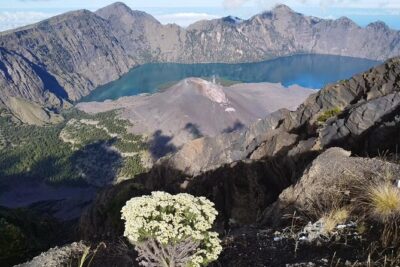
The crater rim earns every tired step. This Rinjani trip combines Kuta pickup and Senaru transport with a guided climb to Senaru Crater Rim, where you can watch sunset over Segara Anak Lake and sunrise the next morning. I like the simple setup: transport, lodging, meals, park fees, guide, and porters are bundled into one price. I also like the chance to spend part of the first day around Senaru rather than rushing straight into the mountain.
The main catch is the effort required. The climb from Senaru village to the rim takes roughly five to six hours, followed by a descent of up to nine hours. You should also note that hiking boots, a jacket, walking stick, and headlamp are not included, so you need to arrange those before setting out.
- Kuta to Senaru transfer: Pickup is offered from hotels in Kuta Lombok, with the drive taking about four hours.
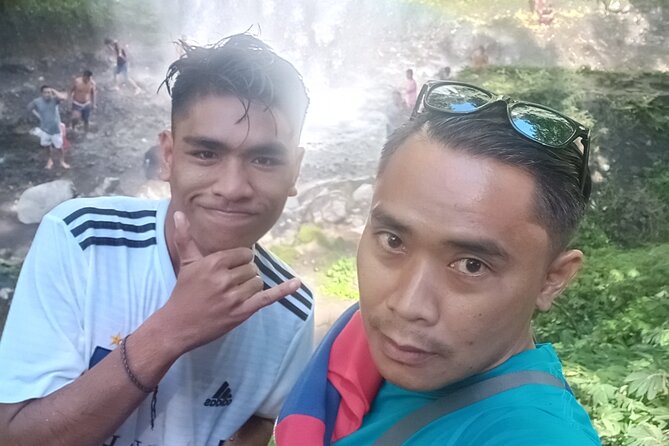
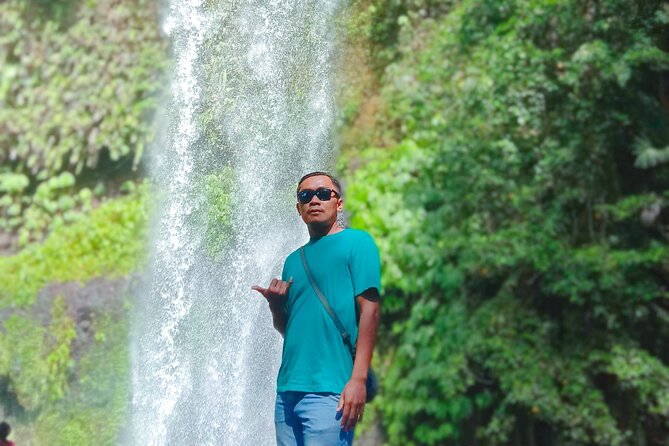
- Senaru waterfall time: The first day leaves room for a half-day visit to Senaru waterfalls before your overnight stay at the local guesthouse.
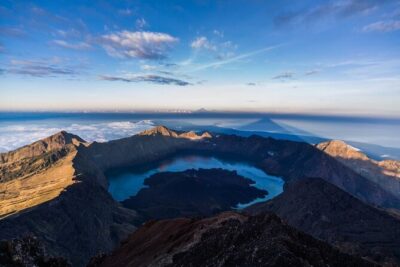
- Crater-rim views: The reward is sunset and sunrise over Segara Anak Lake from Senaru Crater Rim.
- Meals and mountain support: The package includes meals, water, a guide, porters, transport, park entry, and trekking equipment.
- Moderate fitness required: The route is not a casual walk, especially on the long descent to Senaru village.
- Small-group format: The maximum group size is 15 people, which should keep the trip more manageable than a large coach-style outing.
What the $205.13 Price Really Covers
At $205.13 per person, this is not simply a mountain permit and a guide. The price also covers your transfer from Kuta to Senaru, one night at the agency’s guesthouse, meals during the trek, water, equipment, entry fees, a guide, porters, and return transport.
That bundle matters in Lombok. Organizing a Rinjani trek involves more than reaching the trailhead. You need to arrange the long transfer from southern Lombok, register at the Rinjani Trekking Center, sort out food and water, and handle the return trip after a demanding descent. Here, the main pieces are handled together.
I would still ask for a clear explanation of the included trekking equipment before booking. The package says equipment is included, but your personal hiking boots, jacket, walking stick, and headlight are specifically excluded. Those are not minor extras on a cold, early-morning mountain route.
The value is strongest if you are staying in Kuta Lombok and want one company to connect the coast with Senaru. You are paying for convenience as well as the hike itself. If you already have transport, mountain gear, and a local guide arranged, the price may look less attractive. For a first Rinjani trip, though, the all-in structure is useful.
Day One: Four Hours to Senaru and a Softer Start
Pickup from your Kuta Lombok hotel is scheduled for about 7:30 a.m., with the meeting time listed as 8:00 a.m. I would confirm the exact pickup hour with the operator before the day begins, since the two times are slightly different.
The road transfer to Senaru takes around four hours. That is a real travel day, not a quick shuttle between nearby resorts. The benefit is that you do not need to find your own way to the mountain village, and the operator can connect your arrival with the local trekking organizer.
Once in Senaru, you can spend part of the day visiting waterfalls. The exact waterfall names are not specified, so ask what is planned and how much time you will have. This is a pleasant idea because it gives you a chance to see more of northern Lombok before the serious walking begins.
You then stay one night at the agency’s guesthouse in Senaru. That overnight stop is practical. It places you near the trailhead and avoids starting the trek after a long drive from Kuta. Still, do not expect the first day to feel like a full sightseeing tour. Four hours on the road, a waterfall visit, and preparation for the next morning can make for a fairly full schedule.
I like this pacing better than a same-day dash from Kuta to the trail. You get time to reach Senaru, settle in, and prepare. Pack your trekking clothes and personal items where you can reach them easily, rather than leaving everything buried in your main luggage.
More Mount Rinjani Treks in Lombok
- Rinjani trekking 2D 1N RIM
★ 5.0 · 94 reviews - Rinjani Trekking 3D2N Summit
★ 4.5 · 85 reviews - 3D/2N Rinjani trekking summit,lake and hot springs.
★ 5.0 · 85 reviews
The Senaru Route to POS 1 and POS 3
The mountain day begins with breakfast, a short briefing, and preparation with your guide. You are then taken to the Rinjani Trekking Center in Senaru village, where registration takes about 30 minutes.
The trek starts at the center. The first section takes about two hours to POS 1, where you stop and rest. From there, you continue toward POS 3. The schedule does not give a precise time for this section, but it is clear that the route builds gradually before lunch.
At POS 3, you stop for rest, prayer, and food while your porter prepares lunch. This is one of the package’s most useful features. You do not need to carry every meal yourself, and you have a planned break before the steepest part of the day.
The wording of the schedule makes the guide and porter support sound central to the trip. That is important on a route where timing can depend on your pace. The operator has a maximum of 15 people, but a group of that size can still contain different fitness levels. Be honest about your pace during the briefing, and stay clear on where the group will regroup.
The Final Push to Senaru Crater Rim
After lunch, the climb to Senaru Crater Rim takes roughly three to four hours, depending on your physical condition. This is the section to respect. You have already walked for several hours, and the remaining route comes when your legs are no longer fresh.
The schedule does not promise a fixed arrival time, which is sensible. A strong walker and someone who needs frequent rests will experience this section very differently. The guide should help set a pace that keeps the group together, but you should not treat the time estimate as a guarantee.
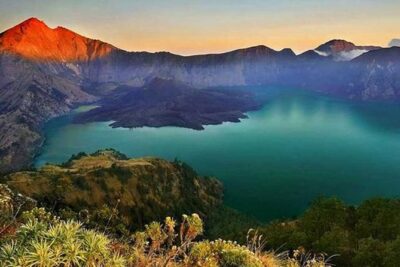
At the rim, you can rest and take in the view toward Segara Anak Lake. Sunset is the main reward on the first mountain evening. The scenery is the reason to choose the Senaru Crater Rim route, but the view comes after a long uphill effort, not before it.
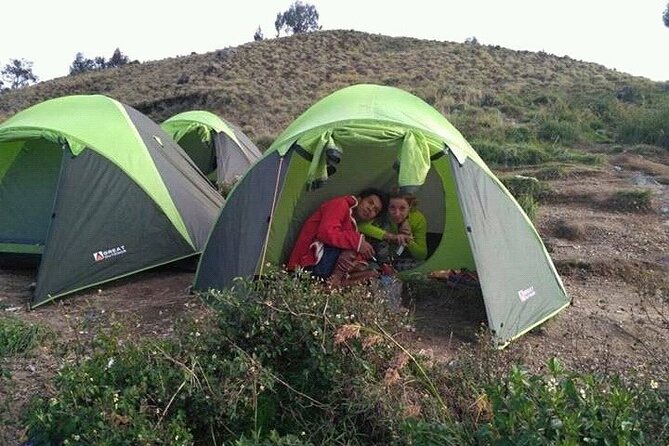
The trip description does not spell out every detail of the overnight arrangement at the rim, so ask what sleeping equipment and shelter are supplied. It does state that porters and equipment are included, while personal boots, jacket, walking stick, and headlamp are not. Clear up the difference before you leave Kuta.
One useful sign of the operator’s service style comes from the feedback attached to the trip. A customer specifically praised Hady for taking care of the group through to the end. Hady is the named contact associated with that positive comment, and the repeated praise centers on organization and personal attention. That does not erase the physical demands, but it suggests the human side of the trip is one of its strengths.
Sunrise Over Segara Anak Lake
The third calendar day begins early so you can see sunrise from Senaru Crater Rim. This is the quiet payoff of the route. You wake above the lake, have breakfast, and spend a little time enjoying the view before starting down.
The morning is not simply a photo stop. Sunrise gives you a second chance to see the setting in different light, and it breaks up the effort of the return journey. If clouds or weather reduce the view, the climb still remains a substantial mountain outing, so keep expectations realistic.
After breakfast, the descent to Senaru village takes about six hours at a normal pace. The maximum stated duration is nine hours. That range is wide, and it tells you something important: your return day can be long.
You stop for lunch on the way down. Once you arrive at the Rinjani Trekking Center, transport is waiting to take you back to your hotel or onward destination. The plan also lists a free event after arrival, which means the remainder of the day is not filled with another scheduled activity.
I would avoid booking an important evening commitment after the trek. The published maximum descent time is nine hours, and tired legs, rest breaks, and group pace can affect arrival. The included return transport is helpful, but keep your onward plans flexible.
More Volcano Treks in Indonesia
- 2D1N Senaru Crater Rim Trekking
★ 5.0 · 178 reviews - Trekking Mt. Rinjani 2 Days 1 Night Senaru Crater Rim
★ 5.0 · 55 reviews - Trekking Rinjani Volcano To Crater Rim Senaru 2D-1N Private – Syam Trekker
★ 5.0 · 45 reviews - Hiking Rinjani Volcano To Crater rim Senaru 2 Days, Group – Syam Trekker
★ 5.0 · 29 reviews
Meals, Water, Porters, and What You Carry
The package includes dinner, two lunches, and two breakfasts, along with water. It also says that three meals a day are provided during the trek. Together, that suggests food is covered across the Senaru stay and mountain section, but I would confirm the exact meal schedule with the operator.
Lunch is served at POS 3 on the ascent, and another lunch is taken during the descent. That arrangement gives you food at the points where you are likely to need it most. You should still ask about dietary needs before departure, since no special meal information is provided.
Porters are included, which reduces the amount of gear you need to carry yourself. The available information does not specify the porter baggage allowance, so ask how much personal luggage can be assigned to the porter and what you must carry during the walking day.
Your own daypack should hold the items you need between stops. The supplied details do not list a full packing guide, so keep this practical: personal documents, water, snacks if you want them, warm clothing, rain protection if needed, and any personal medication should remain accessible.
The excluded items deserve special attention:
- Hiking boots
- Jacket
- Walking stick
- Headlight
The headlight is particularly important because the schedule begins with sunrise viewing and an early morning start. The jacket also matters because conditions at the crater rim can feel very different from warm Kuta. The trip does not say that these items can be rented, so arrange them in advance.
Fitness, Group Size, and Who Will Enjoy It
The operator asks for a moderate fitness level, and that is a fair minimum based on the timing. The ascent takes about seven hours in the stated schedule, including the route to the rim and the lunch break. The descent can take six hours normally or up to nine hours at maximum.
You do not need to be an elite mountaineer based on the information provided, but this is not suited to someone looking for an easy nature walk. You should be comfortable walking uphill for several hours, resting on the trail, and descending for most of a day.
The maximum group size is 15. That is small enough for a personal feel, though the actual group may be smaller. The positive feedback gives extra weight to the care provided by Hady and the organization of the trip. I would still use the pre-trek briefing to ask about pace, breaks, porter arrangements, and the exact overnight setup.
This trip suits you best if you:
- Are staying in Kuta Lombok and want transport included
- Want sunset and sunrise from Senaru Crater Rim
- Prefer a package with meals, guides, porters, and park fees arranged
- Have moderate fitness and can handle long walking days
- Appreciate a small group rather than a large tour
It is less suitable if you want a short, gentle hike, dislike early starts, or need a fully flexible schedule. The return day in particular requires patience.
Weather, Cancellation, and Small Practical Concerns
The trek requires good weather. If poor weather causes cancellation, you are offered a different date or a full refund. The same applies if the minimum number of people is not reached, with the choice of another date, another experience, or a full refund.
For any other cancellation or amendment, the payment is non-refundable. That makes travel insurance worth considering, especially if your Lombok schedule is tight.
Confirmation is provided when you book, and mobile tickets are available. Pickup is offered, but you should confirm the exact hotel pickup point and time because the schedule gives both 7:30 a.m. and 8:00 a.m. as start references.
The operator is based in Kuta Lombok and also handles other transport and tour services. That may be useful if you need a return transfer or onward planning after the trek, though this particular package promises transport back to your hotel or next destination from Senaru.
Should You Book the Senaru Crater Rim Trek?
I would book this trip if you want a fairly straightforward way to arrange Rinjani from Kuta. The included transport, guesthouse night, food, water, park entry, guide, porters, and return ride make the $205.13 price reasonable for someone who does not want to coordinate each part separately.
The strongest reasons to choose it are the sunset and sunrise views over Segara Anak Lake, plus the personal service associated with Hady in the available feedback. The main reasons to pause are the demanding ascent, the possible nine-hour descent, and the fact that key personal gear is excluded.
Before paying, confirm the pickup time, waterfall plan, included mountain equipment, porter allowance, sleeping arrangements, and meal details. If those answers suit you and you are ready for two serious walking days, this is a practical Rinjani choice. If your fitness is uncertain, choose a gentler Lombok outing instead.
FAQ
Where does the tour pick me up?
Pickup is offered from your hotel in Kuta Lombok. The schedule says pickup is around 7:30 a.m., while the meeting time is listed as 8:00 a.m., so confirm the exact time with the operator.
How long does the experience take?
The schedule covers approximately three days. Day one includes transport from Kuta to Senaru, waterfall time, and a guesthouse stay. The mountain trek takes place over the following two days.
What is included in the price?
The price includes transport from Kuta to Senaru, one night at the Senaru guesthouse, three meals a day during the trek, water, equipment, entrance fees, a guide, porters, and return transport.
Are hiking boots and warm clothing included?
No. Hiking boots, a jacket, a walking stick, and a headlight are not included.
How fit do I need to be?
You should have a moderate level of physical fitness. The ascent to Senaru Crater Rim takes about five to six hours of walking, and the descent to Senaru village takes about six hours normally, or up to nine hours.
How many people can join the group?
The maximum group size is 15 people.
What happens if bad weather cancels the trek?
If poor weather causes cancellation, you are offered a different date or a full refund. If the minimum number of people is not reached, you are offered a different date or experience, or a full refund.
More Two-Day Treks in Lombok
- Mount Rinjani Second Summit Trekking ( 2Days-1Night )
★ 5.0 · 49 reviews - Trekking Rinjani Mountain Summit 2 Days 1 Night – Em Adventure
★ 5.0 · 42 reviews - Mount Rinjani: 2D/1N Trekking To Sembalun Or Senaru Views
★ 4.8 · 24 reviews - Mount Sangkareang Trekking 2D1N 3200msl – Tetebatu
★ 5.0 · 19 reviews
More Volcano Treks in Lombok
- Trekking Mt. Rinjani 2D1N Via Sembalun – Crater Rim – Summit
★ 5.0 · 21 reviews - Mount Rinjani 3D2N Private Trek – Summit, Crater Rim & Hot Spring
★ 5.0 · 13 reviews - Rinjani Trekking 2D1N Senaru Crater rim
★ 4.5 · 9 reviews - Trekking Rinjani 1 Day Trek Senaru Crater Rim
★ 5.0 · 3 reviews
Recently added around Lombok
- Trekking Rinjani 1 Day Trek Senaru Crater Rim★ 5.0 · 3 reviews
- Mount Rinjani 3D2N Private Trek – Summit, Crater Rim & Hot Spring★ 5.0 · 13 reviews
- Popular Rinjani Trekking Tour Service To Summit For 2 Days Via Sembalun Trail★ 5.0 · 8 reviews
- Rinjani Trekking 2D1N Senaru Crater rim★ 4.5 · 9 reviews
- Rinjani Trekking 1 day Trek To the rim via senaru 2,642m★ 5.0 · 16 reviews
- 3D 2N Mount Rinjani Trekking Tour To Summit And Lake★ 4.5 · 7 reviews
- Rinjani Trekking 3D2N Summit – Full Trail★ 4.5 · 14 reviews
- Mount Sangkareang Trekking 2D1N 3200msl – Tetebatu★ 5.0 · 19 reviews
Mount Rinjani Treks, compared.
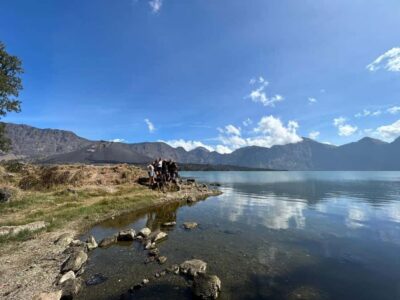
Mount Rinjani Trek 3D-2N To Summit – Lake – Hotspring
Read our review →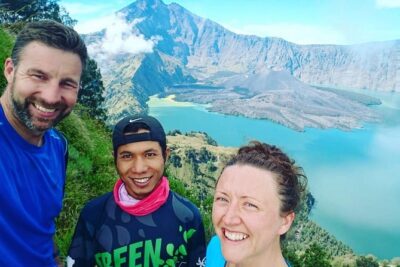
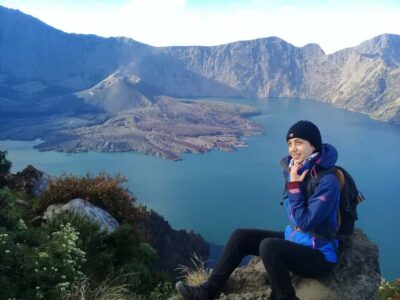
3D/2N Rinjani trekking summit,lake and hot springs.
Read our review →
Mt Rinjani Trekking 2 Days 1 Night (Senaru Crater Rim)
Read our review →
Rinjani Trekking 3 Days 2 Nights (Sembalun – Senaru)
Read our review →