
REVIEW · SAPA
Sapa3D2N TrekkingAdventures,Valleys,Bambooforest,Waterfall
Sapa rewards slow walking. This three-day route combines Dragon Mountain views, Muong Hoa Valley rice terraces, bamboo forest trails, waterfalls, and village homestays with local Hmong guides Dinh and her sister. I like the personal family welcome and the chance to spend two nights with local people rather than returning to town each evening. I also like the generous $80 price, which covers guiding, meals, village fees, lodging, water, and the ride back to Sapa.
The main consideration is the physical effort. You will walk roughly 28 to 39 kilometers over three days, often on mountain paths, with some uphill and downhill sections. The route is rewarding, but this is not a gentle sightseeing stroll, and the exact trail conditions can affect how tiring each day feels.
What makes this Sapa trek special
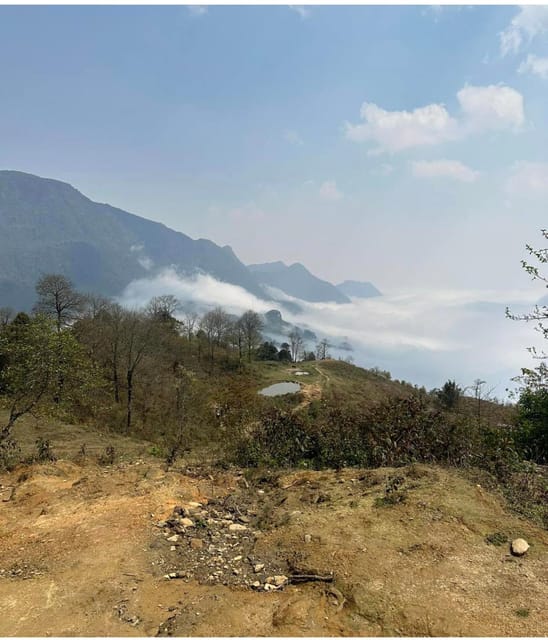
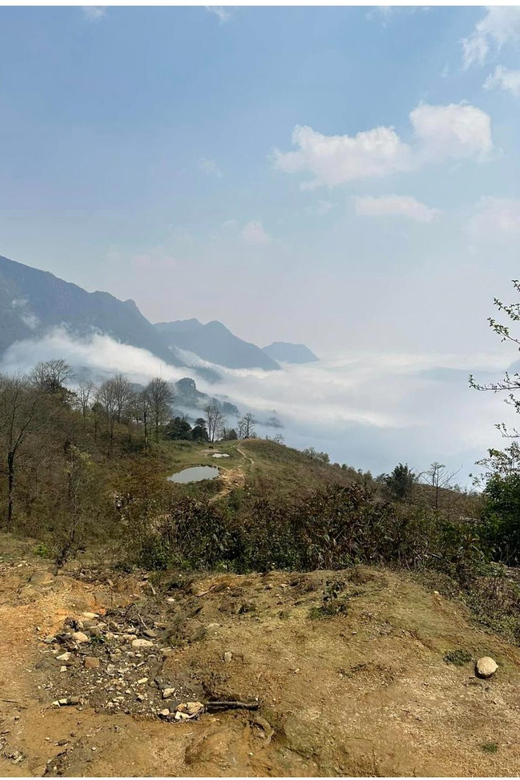
- Dragon Mountain at about 1,900 meters: Begin with wide views toward Fansipan, Sapa town, and the Muong Hoa Valley.
- Two nights with a local family: Stay in a homestay connected to your Hmong guide’s family, with shared meals and a more personal look at village life.
- Eight village entry fees included: The price covers access to the villages along the route, so you are not constantly reaching for your wallet.
- Giang Ta Chai Waterfall and bamboo forest: Day two adds forest paths, a waterfall, a second hanging bridge, and a Red Dao village.
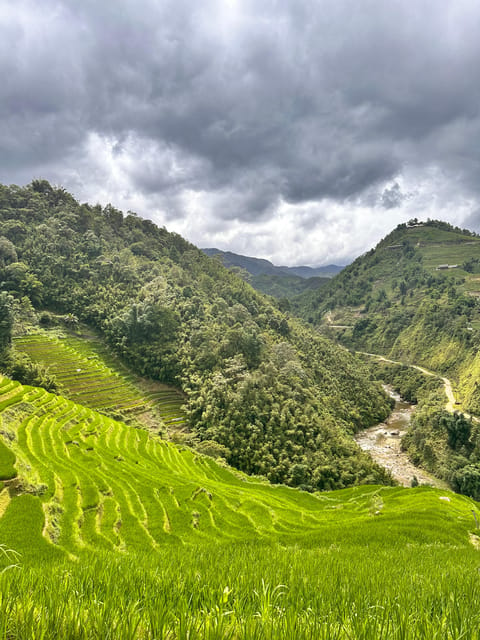
- Rice terraces from several angles: You see the famous fields from mountain viewpoints, village trails, river crossings, and the Hoang Lien Son range.
- Strong personal service: Dinh is praised for her warmth, energy, dancing, singing, and sense of fun, while her cousin also guides parts of the trek.
The real value of $80 for three days
At $80 per person, this is a good-value Sapa trek if you want meals and lodging included rather than paying for each part separately. The package covers a local English-speaking guide for three days, entry fees for eight villages, three lunches, two dinners, two breakfasts, two nights at a homestay, one bottle of water per person per day, and transportation back to Sapa at the end.
That list matters because Sapa costs can rise through small add-ons. Here, the big basics are bundled together. You still pay separately for extra drinks, such as additional bottled water or beer, and personal travel insurance is not included.
The value is also about the setting. You are not simply checking off viewpoints from a vehicle. Your meals and overnight stays bring you into a Hmong family home, and the route passes through villages where farming remains part of daily life. If you want polished hotel comfort, this is not the right bargain. If you want a local base and a full walking itinerary, the price is appealing.
The advertised duration is three days, with starting times confirmed when you check availability. The trek begins at 9 a.m. from your Sapa hotel or in front of Sapa’s main church. Dinh or one of her sisters meets you there, gives you a short introduction, and then leads you onto the trail.
More Waterfall Treks in Vietnam
- From Sapa: Waterfalls, Trekking and Tribal Villages Tour
★ 4.6 · 91 reviews - Sapa Trekking – Waterfalls And H’mong Villages
★ 5.0 · 2 reviews - Trekking Tour to Hidden Waterfall & Sturgeon Farm for dog-lovers
★ 5.0 · 67 reviews
Day one: Dragon Mountain, Hang Da, and Hau Thao
The first morning starts with a short, steep 1-kilometer climb toward Dragon Mountain. At roughly 1,900 meters, this opening viewpoint gives you a useful orientation to the whole area. You can see Sapa town, Fansipan at 3,143 meters, and the long sweep of Muong Hoa Valley.
Fansipan is the highest mountain in Indochina, and seeing it from the trail gives the first day some scale. The view also reaches toward the famous rice terraces, which are among the main reasons people come to Sapa. The exact appearance of the terraces changes with the farming season. You might see green fields, recently harvested slopes, or local people planting and working.
From Dragon Mountain, the trail continues along the mountainside toward Hang Da, a Black Hmong village. This section is useful because the route shifts from grand scenery to ordinary village life. You may see buffalo, cows, and pigs along the way, with the guide explaining what you are looking at and how the villages fit into the surrounding farmland.
Lunch is served at a small family-run restaurant. That is a simple detail, but it suits the character of the trip. You are eating in a local setting rather than stopping at a large tourist restaurant, and the meal breaks up a fairly demanding first day.
After lunch, you continue along a smaller road toward Hau Thao, another Black Hmong village. The route takes about 10 to 15 kilometers and roughly six hours, depending on pace and trail conditions. You may pass fields during planting or harvest, so the timing of your visit affects what you see.
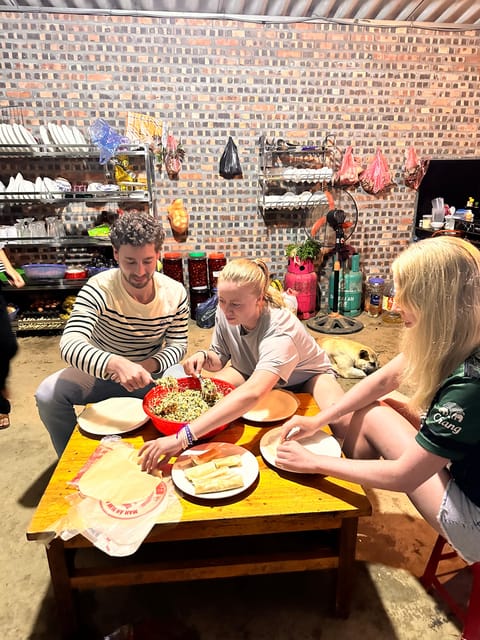
The first night is at the guide’s family homestay. You can rest, take a hot shower, and wait for dinner with the family. This is one of the strongest parts of the trip for people who want a social evening. The family atmosphere is central, and previous visitors particularly praised Mama May, who is described as both a warm host and an engaging guide.
You should expect a shared cultural evening rather than a quiet hotel night. Dinh is known for keeping the mood lively with singing, dancing, and happy water, the local rice wine custom. That can be great fun, but you should feel free to pace yourself. The next morning begins with another trek, not a late hotel breakfast.
Day two: Su Pan, Red Dao culture, and Giang Ta Chai Waterfall
After breakfast, the second day covers about 9 to 11 kilometers in approximately five and a half hours. You start from the homestay, walk down toward Hau Thao, and continue toward Su Pan, a small Black Hmong village near the mountains.
This portion gives you more time with rice fields and traditional houses. The views are broad, but the better reason to walk here is the chance to see how villages sit within the hills. The route is described as natural and less polished, which means you should be ready for uneven ground and changing trail surfaces.
The path then rises toward Giang Ta Chai Waterfall. The waterfall is one of the day’s main rewards, especially after the uphill section. The route also passes through bamboo forest, giving the scenery a different feel from the open rice terraces. Bamboo trails can be shaded and atmospheric, though they may also be slippery if the ground is wet.
Giang Ta Chai is associated with the Red Dao people. With your guide, you learn about Red Dao culture and daily life, then visit a Red Dao family. This is an important part of the itinerary because the trek is not limited to one community. You see Black Hmong villages on several sections and add a Red Dao perspective on the second day.
After the visit, you return toward the waterfall on an alternative trail and cross a second hanging bridge. The bridge adds a little excitement, but anyone uneasy with heights should ask the guide what to expect before crossing. The description does not give the bridge’s size or style, so do not assume it is a major attraction in itself. It is simply part of the mountain route.
Lunch is at a small restaurant run by a Hmong family in Giang Ta Chai village. After the break, you make your way to Ta Van and stay again with the guide’s family. The route description uses several nearby village names, including Hau Thao, Ta Van, Su Pan, and Giang Ta Chai. Ask Dinh to confirm the exact sleeping location and walking order when you book, especially since the family homestay is the fixed base for the two nights.
The second night is likely the most social. You may meet other people staying at the homestay, and the atmosphere can include shared stories, music, singing, and dancing. One especially appealing detail is the connection with local children who attend Dinh’s nearby classes. That gives the homestay a community feel rather than making it feel like a lodging business detached from village life.
Day three: Lao Chai, Y Linh Ho, and the return to Sapa
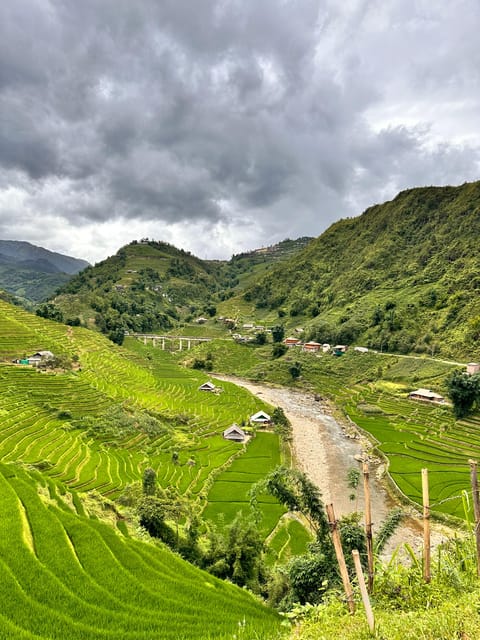
The final day covers about 9 to 13 kilometers and takes roughly five and a half hours. After breakfast, you set out toward Lao Chai and Y Linh Ho, two well-known stops in the Muong Hoa area.
The route reaches a hanging bridge over the Muong Hoa River before continuing uphill. This day brings some of the biggest rice terrace views of the trip. You also get mountain views toward the Hoang Lien Son range, so the final walk combines river scenery, cultivated slopes, and high mountain horizons.
Lao Chai and Y Linh Ho are good places to pay attention to how the terraces are shaped into steep hillsides. From a distance, the fields look like smooth lines across the mountains. Up close, you notice the narrow paths, water channels, working plots, and the amount of labor needed to maintain them.
The final walk returns you to Sapa. Transportation back to Sapa is included after the village portion ends, which helps if the route finishes outside town. The tour also helps transport your larger bags to the family house where you stay, so you do not need to carry your main luggage through all three days. You should still bring a small daypack with clothing, sun protection, water, and personal items.
More Waterfall Treks in Sa Pa:
- Bali: Munduk Waterfalls Trek, Twin Lakes and Temple Tour
★ 4.8 · 545 reviews - Khao Sok: Private Waterfalls and Wildlife Half-Day Trek
★ 4.5 · 337 reviews - Selogriyo Temple and Trekking Java Rice Terraces, hidden waterfall -Nature Java
★ 5.0 · 179 reviews - Ubud: Rice Terrace, Holy Water Temple & Waterfalls Trek Tour
★ 4.9 · 115 reviews
What the homestay adds to the trip
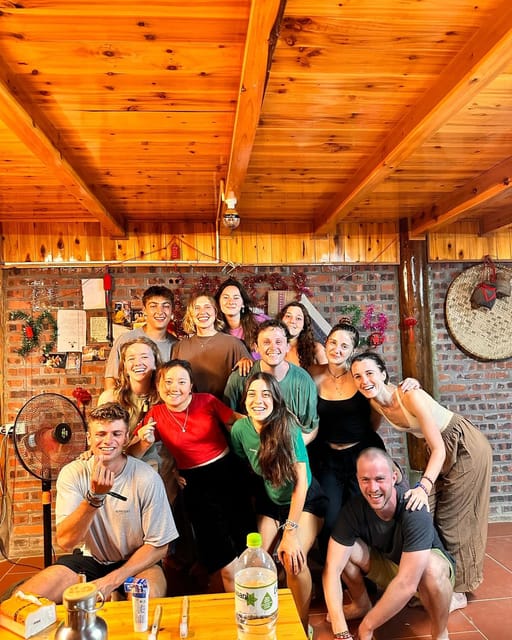
The homestay is more than a place to sleep. It shapes the tone of the tour. You eat dinner and breakfast with a local family, hear about Dinh’s background, and share space with other people who are passing through Sapa.
The food receives especially strong praise. The meals are traditional Vietnamese dishes, and the family setting makes dinner feel more like part of the visit than a standard restaurant stop. The included meals are three lunches, two dinners, and two breakfasts, so you will need to budget for additional snacks and drinks.
Comfort is more basic than at a Sapa hotel. The information confirms a hot shower, but it does not describe the beds, private bathrooms, heating, or room arrangements. If those details matter to you, ask before booking. The safest assumption is that you are choosing local hospitality and atmosphere over hotel privacy.
Dinh’s personality is another major part of the experience. She is described as enthusiastic, funny, helpful, and full of energy. Her cousin may guide the walking sections, so the person leading every kilometer may not always be Dinh herself. That is not a problem, but it is worth understanding if you specifically want Dinh as your guide for all three days.
How difficult is the walking?
The three daily distances are approximately 10 to 15 kilometers, 9 to 11 kilometers, and 9 to 13 kilometers. The route also includes mountain climbs, downhill paths, a waterfall section, bamboo forest, hanging bridges, and a return over higher ground.
You should be comfortable walking for several hours at a time. Comfortable clothing and sturdy footwear are more important than looking polished. The suggested packing list includes sunglasses, a sun hat, swimwear, spare clothes, sunscreen, and comfortable clothes. Swimwear may be useful around the waterfall, but the information does not promise swimming, so treat it as an optional item.
Bring enough personal water for the day. One bottle per person per day is included, but that may not be enough for six hours of mountain walking, especially in warm weather. Extra bottled water and beer cost more, so plan accordingly.
The tour is not suitable for people over 95 according to the activity information. That age limit does not tell you how fit you need to be, so use the distances and terrain as your real guide. If you have knee, balance, or mobility concerns, ask about current trail conditions before reserving.
Guide style, language, and cultural contact
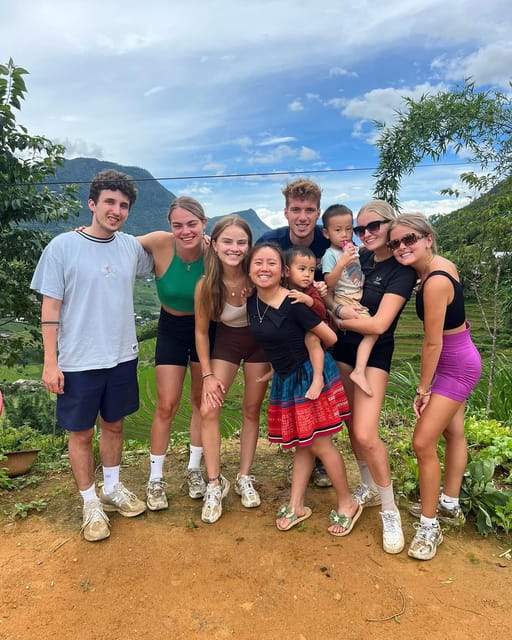
Guiding is available in English and Vietnamese. Dinh is from the Hmong ethnic group and presents the tour as a way to show you her homeland and culture. That local connection is valuable because the route is not only about taking photographs from viewpoints.
You visit Black Hmong and Red Dao communities, see Tày stilt houses in Ban Ho among the stated highlights, and spend time in villages such as Hang Da, Hau Thao, Su Pan, Giang Ta Chai, Ta Van, Lao Chai, and Y Linh Ho. The detailed three-day route does not clearly place Ban Ho into the daily sequence, so confirm whether Ban Ho and the Nam Cang Valley are included in your specific departure. They appear in the main highlights, but the day-by-day description focuses on other villages.
The local guides can also help you behave respectfully. Ask before photographing people, homes, animals, or farm work. A small purchase at a family-run restaurant or a polite interest in local customs supports the communities you pass through without turning every encounter into a transaction.
Who should book this Sapa tour?
I would choose this trek if you want a walking-first Sapa visit, village contact, and a family homestay. It suits people who enjoy long days outside, simple accommodation, local food, and a lively evening with singing or rice wine.
It is less suitable if your priority is a luxury room, a private bathroom, a fixed group schedule, or short walks between major viewpoints. The trail distances are substantial, and the homestay details are intentionally less formal than a hotel package.
The trip also works well for people who want their money to support a small local operation. Dinh, her sisters, cousins, and family all appear to play a role in guiding and hosting. That personal scale is a key reason to choose it over a larger, more standardized tour.
Free cancellation is available up to 24 hours before departure for a full refund, and you can reserve now and pay later. Those terms make it easier to hold a place while you confirm your Sapa plans, but you should still check the available starting time and the exact route before committing.
Should you book it?
Book this tour if the thought of climbing to Dragon Mountain, walking through rice terraces and bamboo forest, eating with a Hmong family, and reaching Giang Ta Chai Waterfall sounds better than staying in town. The strongest reasons to go are the family connection, the included meals and lodging, the excellent price, and Dinh’s warm, energetic hosting style.
Take a different Sapa tour if you want an easy walk or hotel comfort. For an active three-day visit with a personal local welcome, this is a strong choice at $80 per person. Confirm the Ban Ho and Nam Cang details, ask who will guide each day, and bring footwear you trust.
FAQ
Where does the Sapa trek begin?
The trek begins at 9 a.m. in Sapa. Dinh or one of her sisters meets you at your hotel or in front of Sapa’s main church.
How long does the tour last?
The tour lasts three days and includes two nights at a homestay.
How far do you walk each day?
Day one covers about 10 to 15 kilometers in roughly six hours. Day two covers about 9 to 11 kilometers in around five and a half hours. Day three covers about 9 to 13 kilometers in approximately five and a half hours.
What meals are included?
The price includes three lunches, two dinners, and two breakfasts.
Is accommodation included?
Yes. Two nights of homestay accommodation are included, with the stay connected to the local guide’s family.
Is transportation included?
Transportation back to Sapa after the village portion of the tour is included. The guide also helps move your larger bags to the house where you stay.
What languages can the guide speak?
Guiding is available in English and Vietnamese.
Is bottled water included?
One bottle of water per person per day is included. Extra drinks, including additional bottled water or beer, are not included.
Can I cancel the booking?
You can cancel up to 24 hours in advance for a full refund. The activity also offers a reserve-now, pay-later option.
Recently added around Sa Pa
- Soob Sapa Trekking Tour★ 4.3 · 3 reviews
- Sapa Trekking – Waterfalls And H’mong Villages★ 5.0 · 2 reviews
- Sapa Trekking Private Tour With Ethnic Female Tour Guide★ 4.9 · 24 reviews
- Sapa: Trekking Through Terraced Rice Fields & Valley 1 Day★ 4.8 · 4 reviews
- Sapa: Y Linh Ho – Lao Chai, and Ta Van Trekking Day Tour★ 5.0 · 25 reviews
- Sapa Trekking Guide Francophone 2 days – 1 night★ 5.0 · 2 reviews
- Sapa: Ta Phin Village Trek with Lunch and Bathing Experience★ 4.7 · 13 reviews
- Sapa small groupe activities: 1 Day trek – Meet the locals★ 4.7 · 3 reviews
Waterfall Treks, compared.
Munduk Waterfalls Trek, Twin Lakes and Temple Tour
Read our review →

Selogriyo Temple and Trekking Java Rice Terraces, hidden waterfall -Nature Java
Read our review →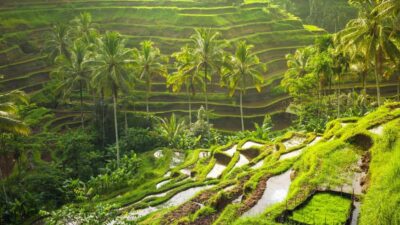
Rice Terrace, Holy Water Temple & Waterfalls Trek Tour
Read our review →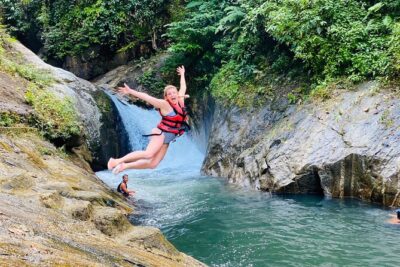
Trekking to Waterfall Adventure Tubing 45 mins. (Only Khao lak)
Read our review →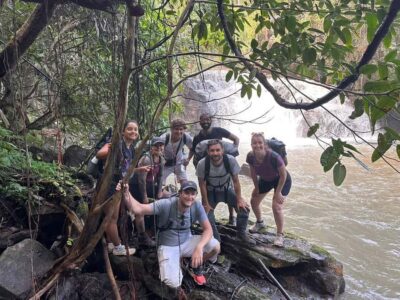
2-Days Jungle Trek, Waterfalls and Karen Village
Read our review →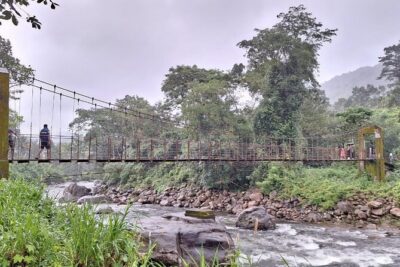
Wild Elephant Anakulam & Waterfalls Tour(munnar valley Trekking)
Read our review →
Tamanique Waterfalls Complex Trek + El Tunco Beach
Read our review →Browse the lists this tour appears in