
REVIEW · SAPA
Sapa Trekking – Waterfalls And H’mong Villages
Water, rice fields, and H’mong village life meet here. This six-hour outing combines Love Waterfall with a walk through mountain fields and Black H’mong villages, giving you both Sapa’s famous scenery and a closer look at rural life. I like the mix of easy sightseeing by car and active walking, plus the picnic lunch beside Muong Hoa stream.
I also like the route’s variety. You get forest, a tall waterfall, the O Quy Ho Pass, tea gardens, corn and rice fields, traditional wooden houses, and village paths in one day. The main consideration is physical comfort: this is not a bus-only tour, and good shoes, warm layers, and readiness for changing weather matter.
Key points to know before booking
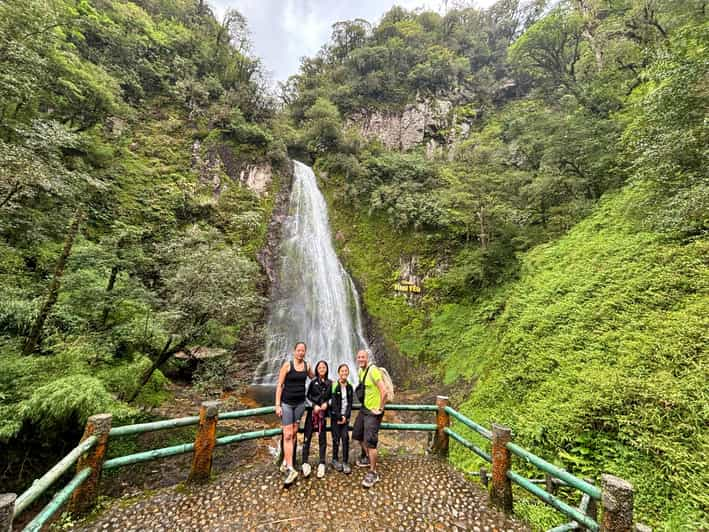
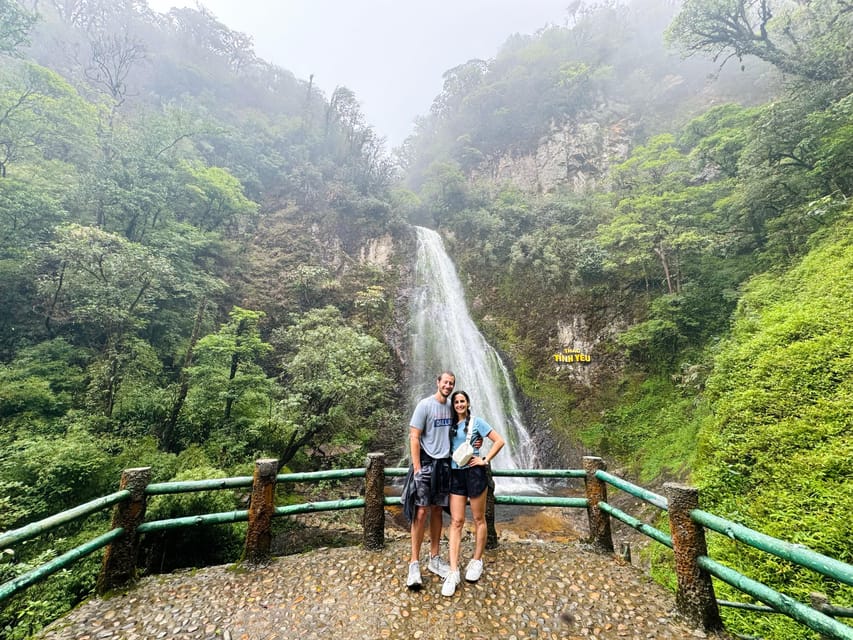
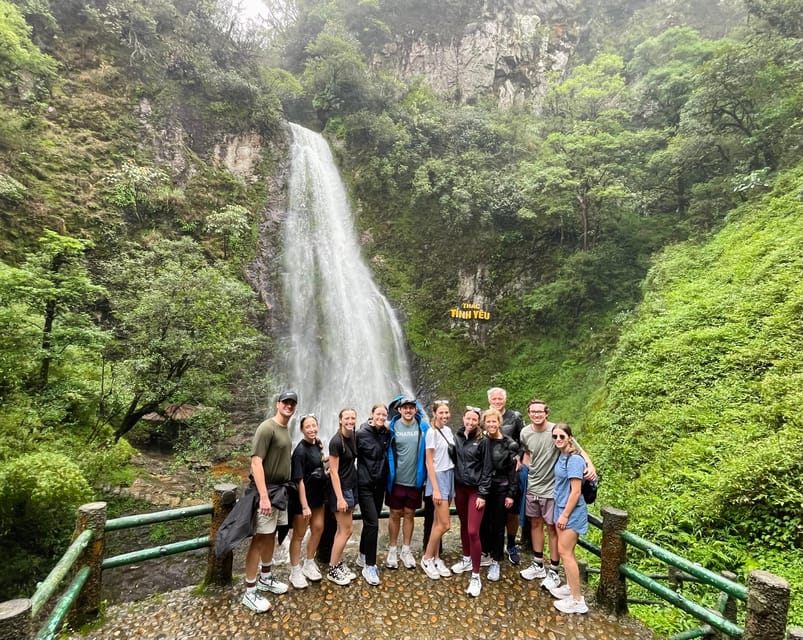
- Love Waterfall reaches about 100 meters: A roughly one-hour walk through Hoang Lien Son National Park takes you through forest to the falls and back.
- The O Quy Ho Pass ride is part of the experience: The winding road brings wide views of the Hoang Lien Son range, tea gardens, and vegetable plots.
- Haven Gate offers the big photo stop: Also called Lonely Tree, it looks across forests, valleys, and cardamom-growing areas when the weather is clear.
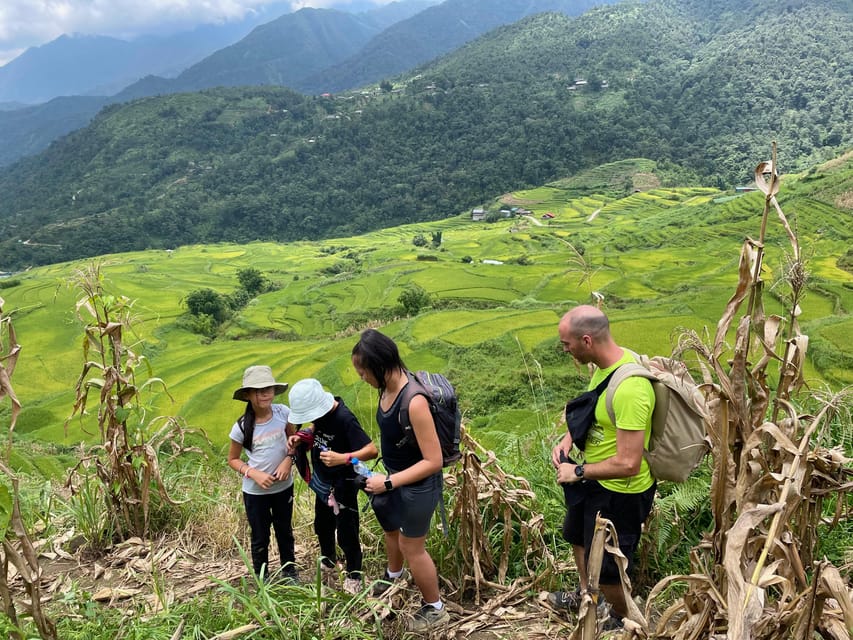
- The village walk runs through working farmland: Between Doi Du and Sin Chai, you pass rice and corn fields, tea hills, gardens, and farmers at work.
- Lunch is served beside Muong Hoa stream: The pause breaks up the hike and gives you a pleasant setting for the meal prepared by your guide.
- Guide Toa receives especially warm praise: His clear English, patience, and explanations about local culture are useful parts of the day.
A six-hour route from Sapa town
The day begins at 9 a.m. with pickup from your hotel around Sapa Center. If you do not have a hotel booked, meet the guide in front of Sapa Church, the practical central meeting point.
Your guide gives a short briefing before you leave. Transportation takes you out of town toward the O Quy Ho Pass, so the first part of the day is comfortable and scenic rather than strenuous. Around 30 minutes after leaving Sapa, you reach the Love Waterfall area.
The full outing is scheduled to finish around 3 p.m. at your hotel or back in central Sapa. That timing leaves your evening open, which is helpful if you have a night train, dinner reservation, or another activity planned. Still, mountain roads and walking conditions can affect the pace, so I would avoid arranging anything that requires military precision.
More Waterfall Treks in Vietnam
- From Sapa: Waterfalls, Trekking and Tribal Villages Tour
★ 4.6 · 91 reviews - Sapa3D2N TrekkingAdventures,Valleys,Bambooforest,Waterfall
★ 4.8 · 24 reviews - Trekking Tour to Hidden Waterfall & Sturgeon Farm for dog-lovers
★ 5.0 · 67 reviews
Love Waterfall: a forest walk before the falls
Love Waterfall sits within Hoang Lien Son National Park, at an altitude of about 2,000 meters. The waterfall drops around 100 meters, but the approach is just as important as the final view.
You walk through forest for about an hour in total, including the route in and out. Along the way, you can expect bird sounds, running water, and a quieter setting than the center of Sapa. The appeal is not only the height of the falls. The area is described as peaceful and well preserved, with the water hidden among the trees.
Wear shoes with a firm sole. The tour calls for comfortable trekking shoes, and that advice is worth taking seriously. Even a short forest walk can feel awkward in smooth sneakers, sandals, or city shoes, especially if the weather has been wet.
The stop is listed as about 1.5 hours, while the walking portion is described as roughly one hour. That leaves time for photos, looking around, and moving at a steady pace. You do not need to treat this part as a race. The forest setting rewards a slower walk.
The O Quy Ho Pass ride and Haven Gate views
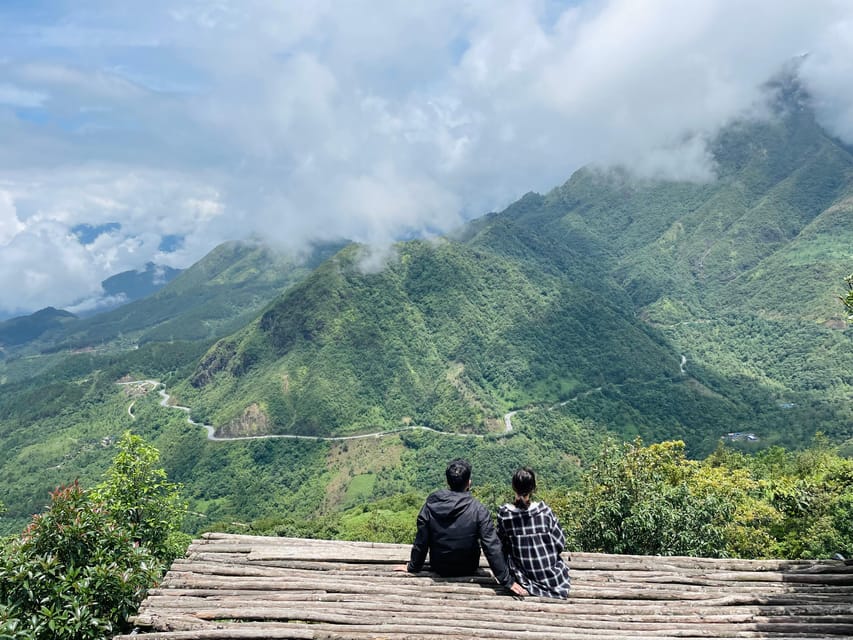
After Love Waterfall, the vehicle continues to Lonely Tree, also known as Haven Gate. This section gives you one of the day’s broadest viewpoints without requiring a long climb to reach it.
O Quy Ho Pass is described as one of the four most beautiful passes in northern Vietnam. From the vehicle, you can look toward the Hoang Lien Son range, green tea gardens, vegetable plots, and mountain scenery. The winding road is part of the attraction, though anyone prone to motion sickness should be prepared for the bends.
At Haven Gate, you stop for photos and views across forests, valleys, and local cardamom-growing areas. Clear weather makes a big difference here. On a bright day, this can be the strongest wide-angle photo stop of the tour. In mist or cloud, the mood becomes quieter, but the long view may be limited.
This is a good example of why the tour is not simply a waterfall visit. You get a high viewpoint by car, then later walk through the lower agricultural areas. The change in scale helps you see how the mountain communities use the land.
From O Quy Ho Ward into the fields
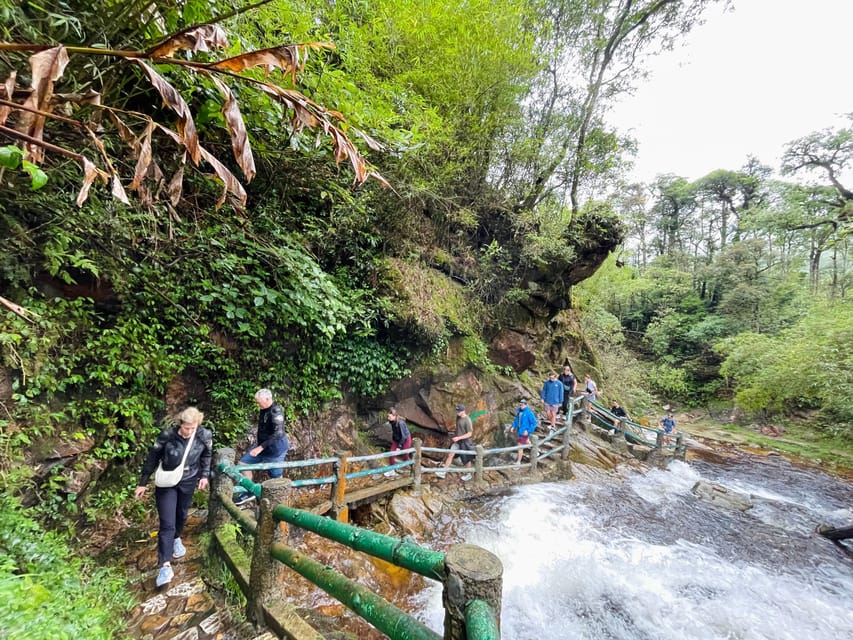
The vehicle takes you to O Quy Ho Ward, where the walking portion begins. The route leads toward Doi Du and Sin Chai villages through rice and corn fields.
This part should appeal to you if you prefer seeing ordinary work and local land use over a string of formal attractions. You may see farmers working in the fields, along with tea hills and vegetable gardens. The guide can explain what you are seeing and connect the scenery with local life.
The path is described as a trail rather than a paved sightseeing route. That makes the walk more interesting, but it also means you should expect uneven ground and changing conditions. The exact feel of the route will depend on the weather and the state of the paths that day.
The tour provides transportation between walking sections, which keeps the six-hour schedule manageable. You are not walking all the way from Sapa to the villages. Instead, the vehicle handles the longer road sections, while you walk the portions chosen for scenery and village access.
More Waterfall Treks in Sa Pa:
- Bali: Munduk Waterfalls Trek, Twin Lakes and Temple Tour
★ 4.8 · 545 reviews - Khao Sok: Private Waterfalls and Wildlife Half-Day Trek
★ 4.5 · 337 reviews - Selogriyo Temple and Trekking Java Rice Terraces, hidden waterfall -Nature Java
★ 5.0 · 179 reviews - Ubud: Rice Terrace, Holy Water Temple & Waterfalls Trek Tour
★ 4.9 · 115 reviews
Picnic lunch beside Muong Hoa stream
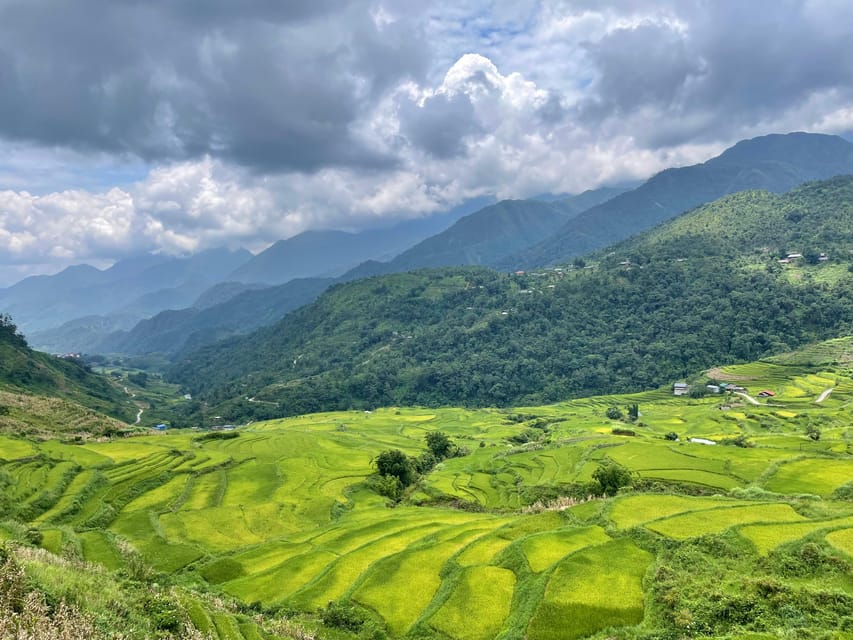
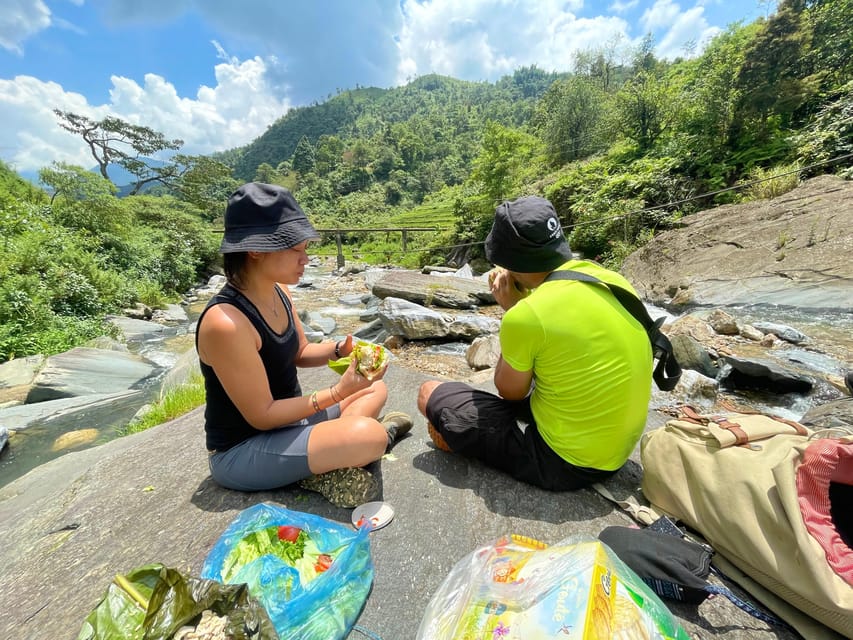
When you reach Doi Du, the group stops beside Muong Hoa stream for a picnic lunch prepared by the guide. This is a useful pause, not just a meal added to the schedule.
After the forest walk and field paths, sitting beside the water gives you time to rest before the final section. The stream also provides a natural setting that feels more connected to the route than eating in a town restaurant.
The information does not specify the exact menu, so you should not book this expecting a particular dish. The value is the setting and convenience: lunch is included, and you do not need to arrange food while walking between villages.
Bring water and personal snacks if you need extra food, as personal expenses are not included. The tour includes lunch, village entrance fees, the English-speaking guide, and transportation back to Sapa or your accommodation, but insurance and other personal costs are your responsibility.
Sin Chai and Black H’mong culture
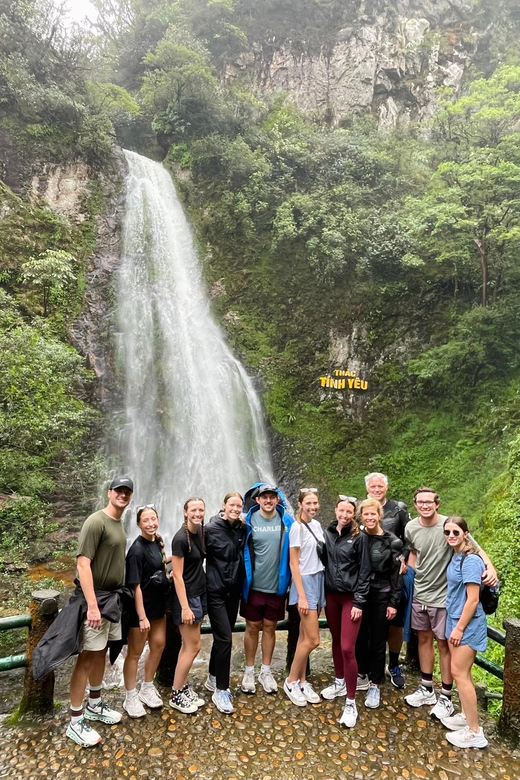
After lunch, the trek continues to Sin Chai village, home to Black H’mong people. This is the cultural heart of the day.
You can see traditional wooden houses and get a closer look at daily life in the village. Your guide explains local customs and traditions, along with details about the community’s lifestyle. The value here comes from having context. Without a guide, a village walk can become a quick photo stop. With explanations, the houses, fields, and routines become easier to read.
The tour also includes a chance to meet indigenous people and see how daily life continues outside Sapa’s busy center. You should approach this part respectfully. Ask before taking close-up photos, listen when the guide explains local practices, and remember that the village is a home, not a stage built for sightseeing.
There is also time for shopping during the village section. Since personal purchases are not included, bring money only if you want to buy something. Do not feel pressured to shop, though. The central purpose of this stop is the walk, the homes, and the chance to learn about Black H’mong culture.
What the guide adds to the day
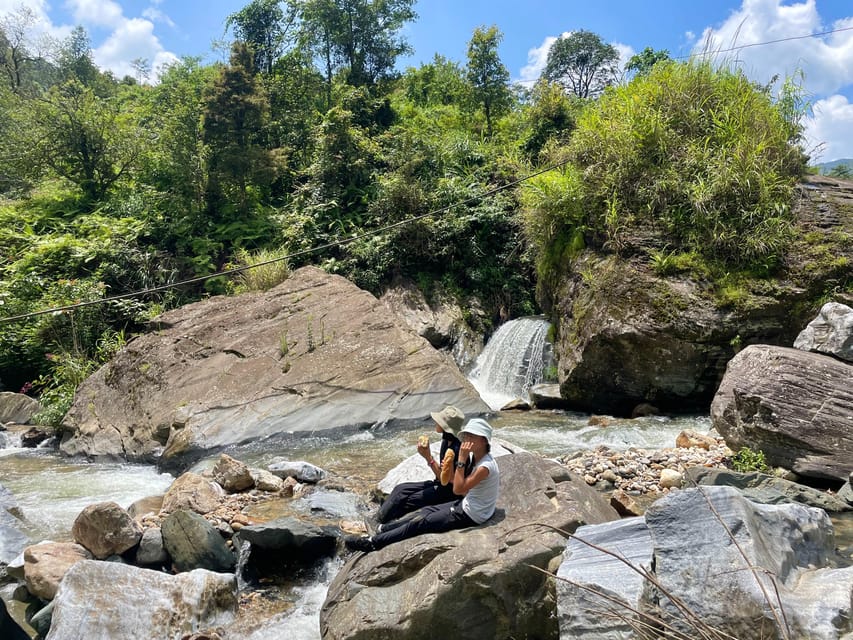
The guide can make or break a cultural walking tour. Here, Toa receives especially strong praise for clear English, patience, and explanations about Vietnam, local culture, and local people.
That matters because the route contains several transitions: national park, mountain pass, viewpoint, farmland, streamside lunch, and village. A good guide helps connect those pieces so the day feels like one story rather than separate stops.
Toa is also praised for being helpful and patient with a family group. That suggests the pace can work well for people who want time for questions and explanations, not just a fast march between viewpoints. Still, the activity is not advertised as private, and no group size is provided, so you should not assume an exclusive guide-and-car arrangement.
The tour is offered in English only. If you want cultural details explained as you go, the live English-speaking guide is a major part of the price.
How difficult is the walking?
The tour does not give a formal difficulty grade. It does specify trekking shoes, warm clothing, and preparation for changing weather, while the route includes a forest walk and a longer trek through fields and villages.
I would treat it as a moderate active day rather than a demanding mountain expedition. You do not spend six hours walking continuously, since the vehicle covers the road sections and there is a lunch break. Even so, you need to be comfortable on uneven trails and able to walk through rural terrain.
The activity is not suitable for pregnant women or wheelchair users. Smoking is not allowed. Those limits are important, especially if you are choosing the experience for a mixed group with different mobility needs.
Pack:
- Comfortable trekking shoes
- Warm clothing
- A hat
- Sunscreen
- A camera
Weather can change in the mountains. A warm layer is useful even if Sapa feels mild when you leave, and a camera earns its place on the Haven Gate and waterfall sections.
Is $56 a fair price?
At $56 per person, the price is reasonable if you want several separate Sapa experiences combined into one guided day. You are paying for a guide, lunch, village entrance fees, transport from the Sapa area, the waterfall visit, the viewpoint stop, and the village trek.
The value is strongest for someone who would otherwise need to arrange several transfers and find a guide independently. The vehicle lets you reach Love Waterfall and Haven Gate, then access the village route without spending the day on a long road walk.
The value is less clear if your main goal is a strenuous full-day trek. Much of the route is reached by car, and the activity lasts six hours rather than a full sunrise-to-sunset day. You are buying variety and convenience, not maximum trail distance.
The included lunch also makes budgeting easier. Just remember that insurance, personal expenses, and shopping are extra. Reserve now and pay later is available, and cancellation up to 24 hours before the activity brings a full refund, which helps if your Sapa plans depend on mountain weather.
Who should choose this Sapa experience?
I would recommend it to you if you want a first taste of Sapa’s countryside without committing to a multi-day trek. Families who can manage uneven paths may appreciate the combination of short drives, guided walking, and a proper lunch stop.
It also suits photographers. Love Waterfall offers forest and moving water, Haven Gate gives a broad mountain view, and the field route brings more personal scenes of farming and village life. Clear weather will have the biggest effect on the long-range views.
Culture-focused visitors should also find plenty to value, especially in Sin Chai. The guide’s explanations and the chance to see traditional wooden homes make this more useful than a quick drive past a village.
I would be cautious if you dislike winding roads, have limited mobility, are pregnant, or want a polished sightseeing day with no walking. The route includes practical rural paths, and mountain weather can change quickly.
Should you book the waterfall and village trek?
Book this tour if you want a well-balanced Sapa day: one forest waterfall, one high viewpoint, a picnic beside Muong Hoa stream, and a guided walk through Black H’mong communities. The strongest reasons to choose it are the range of scenery and the cultural explanation provided by guides such as Toa.
Skip it if you want a long, demanding trek or a fully private experience, since the available information does not promise either. For most active visitors with comfortable shoes and flexible expectations, $56 buys a useful introduction to the mountains beyond Sapa town.
FAQ
Where does the tour start?
Pickup is available from hotels around Sapa Center. If you do not have hotel information or have not booked a hotel, meet the guide in front of Sapa Church in central Sapa.
What time does the experience begin?
The trip starts at 9 a.m. Starting times should be confirmed when you check availability.
How long does the tour last?
The activity lasts about six hours. The planned return to your hotel or Sapa town is around 3 p.m.
Is lunch included?
Yes. A picnic lunch prepared by the guide is included and is served beside Muong Hoa stream near Doi Du village.
What language does the guide speak?
The live guide speaks English.
What places does the tour visit?
The route includes Love Waterfall, Lonely Tree or Haven Gate, Doi Du village, and Sin Chai village. It also passes through rice and corn fields, tea gardens, vegetable plots, and mountain scenery along O Quy Ho Pass.
Are entrance fees included?
Yes. Village entrance fees are included in the activity price.
What should I bring?
Bring comfortable trekking shoes, warm clothing, a hat, sunscreen, and a camera. You should also prepare for changing weather.
Is the activity suitable for everyone?
No. It is not suitable for pregnant women or wheelchair users. Smoking is not allowed.
Recently added around Sa Pa
- Soob Sapa Trekking Tour★ 4.3 · 3 reviews
- Sapa Trekking Private Tour With Ethnic Female Tour Guide★ 4.9 · 24 reviews
- Sapa: Trekking Through Terraced Rice Fields & Valley 1 Day★ 4.8 · 4 reviews
- Sapa: Y Linh Ho – Lao Chai, and Ta Van Trekking Day Tour★ 5.0 · 25 reviews
- Sapa Trekking Guide Francophone 2 days – 1 night★ 5.0 · 2 reviews
- Sapa: Ta Phin Village Trek with Lunch and Bathing Experience★ 4.7 · 13 reviews
- Sapa small groupe activities: 1 Day trek – Meet the locals★ 4.7 · 3 reviews
- Sapa: Private trek to Muong Hoa Valley★ 5.0 · 4 reviews
Waterfall Treks, compared.
Munduk Waterfalls Trek, Twin Lakes and Temple Tour
Read our review →

Selogriyo Temple and Trekking Java Rice Terraces, hidden waterfall -Nature Java
Read our review →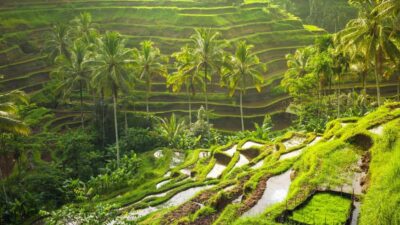
Rice Terrace, Holy Water Temple & Waterfalls Trek Tour
Read our review →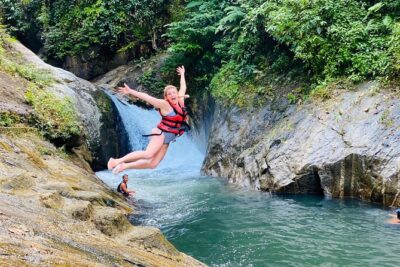
Trekking to Waterfall Adventure Tubing 45 mins. (Only Khao lak)
Read our review →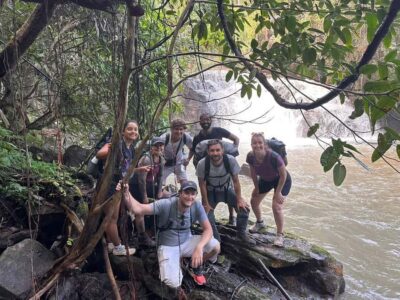
2-Days Jungle Trek, Waterfalls and Karen Village
Read our review →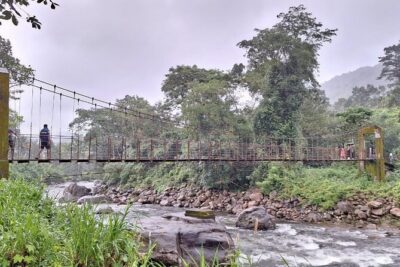
Wild Elephant Anakulam & Waterfalls Tour(munnar valley Trekking)
Read our review →
Tamanique Waterfalls Complex Trek + El Tunco Beach
Read our review →Browse the lists this tour appears in