
REVIEW · VIETNAM
SAPA 2 Day trekking & 1 night Homestay with LOCAL PEOPLE
Mountain views come with muddy shoes. This two-day Sapa trek links dragon mountain, rice terraces, bamboo forest, villages, and a family homestay in Hau Thao. I especially like the chance to spend time with Black Hmong and Red Dao communities, and I like that the English-speaking guide, Do, has ten years of experience in the area.
The $56 price includes guiding, village tickets, meals, water, the homestay, and transport back to Sapa. My main caution is the physical effort: day one covers about 14 kilometers with repeated uphill and downhill walking on small paths that can become slippery after rain.
Why this Sapa trek is worth a look
- Fansipan views from dragon mountain: See Vietnam’s highest peak, Sapa town, and the Muong Hoa Valley from an elevated trail.
- Two ethnic minority communities: Visit Black Hmong villages at Hang Da and Hau Thao, then see a Red Dao community at Giang Ta Chai.
- A real family homestay: Sleep in Hau Thao, share dinner, take a hot shower, and try local rice wine with the family.
- A varied second day: Combine a small waterfall, bamboo forest, rice fields, and villages on a shorter seven-kilometer walk.
- Small-group format: The group is limited to 15 people, which should make village visits and walking instructions easier to manage.
- Useful package price: At $56 per person, the fee covers the core costs, including meals and the ride back to Sapa.
What the two days are really about
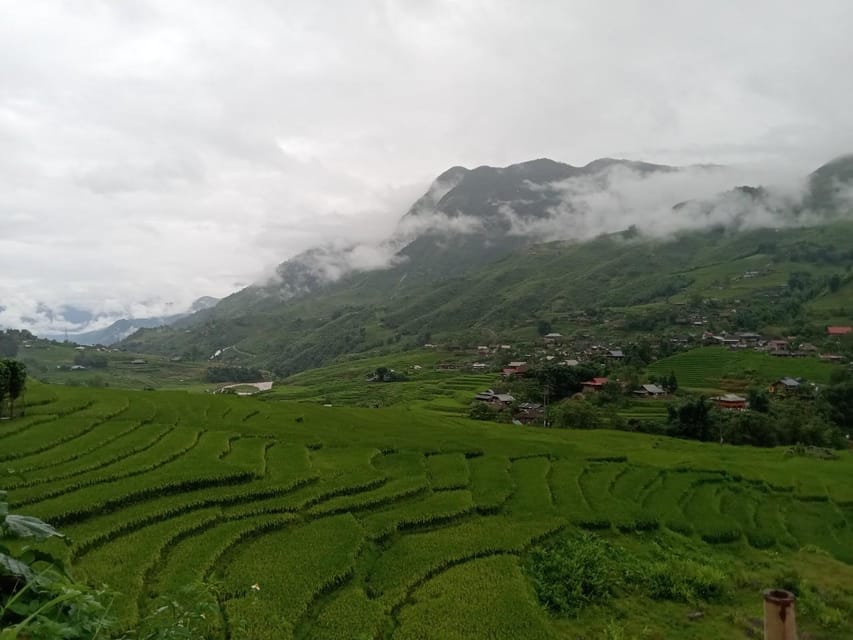
This is not a quick viewpoint walk with a staged village stop. The route is designed to show how the hills around Sapa connect town, farms, forests, and minority communities.
You begin in Sapa and finish back there after an overnight stay in Hau Thao. The first day is longer and more demanding, while the second day offers more rice fields and a gentler walking distance. That split works well if you want a full mountain day followed by a quieter morning on foot.
Do leads the trek in English and comes from the local ethnic minority community in Sapa. That matters here. You are not only being taken to a scenic viewpoint, you are being introduced to places connected to the guide’s home area and family life.
The experience is offered as a small group of up to 15 people. That is not a private walk, but it is still more manageable than a large coach excursion. You can ask questions, keep a reasonable pace, and spend more time looking around instead of waiting for a crowd.
More Homestay Treks in Vietnam
- Hanoi – Sapa 2 Days 1 Night Overnight At Homestay
★ 5.0 · 899 reviews - From Hanoi: 2-Day Sapa Trekking Trip with Homestay & Meals
★ 4.8 · 704 reviews - Number one top rated ethical cultural trekking and homestay by ETHOS
★ 5.0 · 456 reviews
Day one: Sapa to dragon mountain and Hang Da
Your meeting point is your hotel in Sapa or the area in front of Sapa’s main church. From there, you walk roughly one kilometer through town before starting the climb toward dragon mountain.
The early uphill section covers about two kilometers on a small trail. This is where your legs start working, but the reward comes quickly. From the mountain viewpoint, you can see Sapa town, Fansipan, and the Muong Hoa Valley.
Fansipan rises to 3,143 meters and is the highest mountain in Indochina. You will also look across one of Vietnam’s best-known rice terrace areas. The views are a major reason to choose this trip, so bring a hat, sunscreen, and a camera that you can safely carry while walking.
After the viewpoint, the route heads along the mountainside and down toward Hang Da. This is a Black Hmong village, and the walk gives you a chance to see ordinary farm life rather than only a viewpoint built for sightseeing.
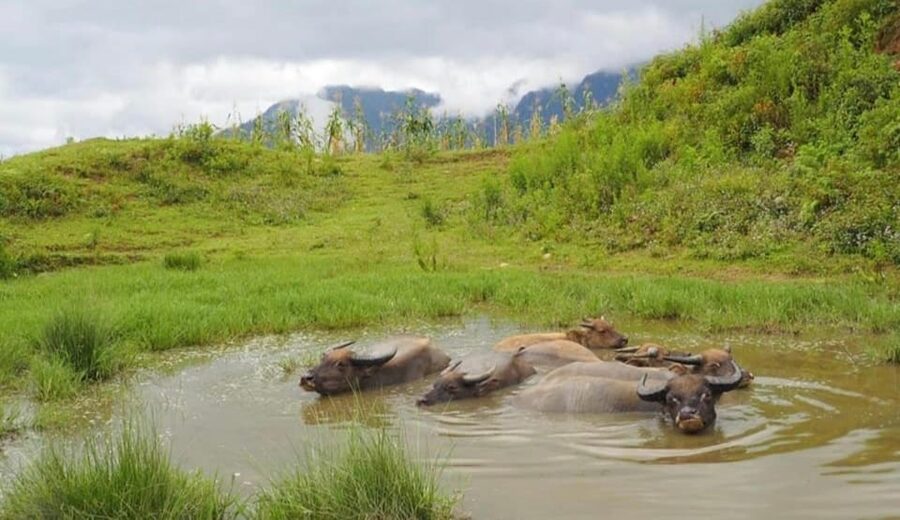
You might see buffalo, cows, and pigs along the way. Those details may sound small, but they help explain the working nature of the villages. The route passes through places where agriculture and household life remain closely linked.
The descent can be harder than the climb in a different way. Loose or wet ground puts more pressure on your knees, and small trails are less forgiving than paved roads. Good hiking shoes are far more useful here than casual sneakers with smooth soles.
Lunch with a local family near Hang Da
Lunch takes place at a small restaurant run by a local family. The tour includes lunch, although the exact menu is not specified, so you should not book this expecting a particular dish.
This pause also breaks up the longest walking day. Day one lasts around five to six hours and covers approximately 14 kilometers, so lunch is not just a meal. It gives you time to rest before the afternoon section toward Hau Thao.
The route after lunch follows a smaller road toward Hau Thao, another Black Hmong village. If the timing is right, you may see people planting or harvesting rice. Farm work changes with the season, so the activity you see will depend on when you visit.
That seasonal element is part of the appeal. You are not being promised a fixed performance or demonstration. Instead, the route passes through a living farming area, and the daily work may be visible as you walk.
Overnight in Hau Thao with a local family
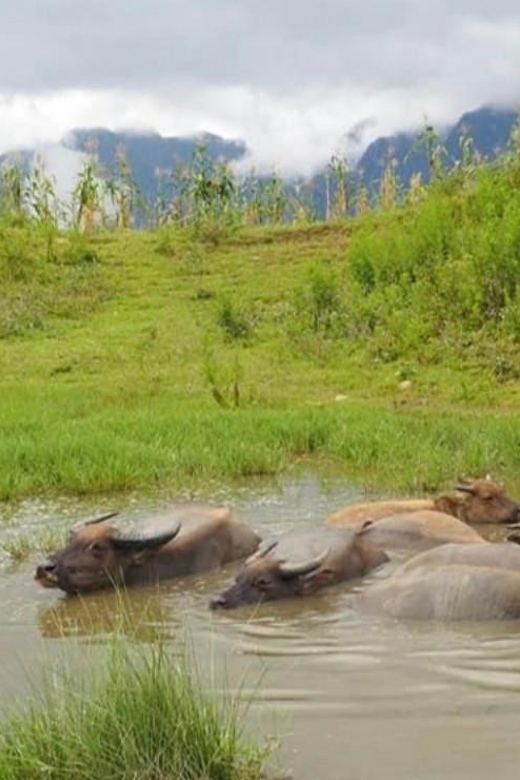
Hau Thao is where you spend the night. The family welcomes you into the homestay, where you have time to rest, take a hot shower, and wait for dinner.
This is the part that gives the trip its human side. The experience is not limited to passing through a village and taking photographs. You spend an evening with the family, and the supplied details describe the accommodation as clean, comfortable, and pleasant.
Dinner is included, and you can try local rice wine, sometimes called happy water. Drink carefully, especially after a full day of walking. The drink is part of the social welcome, but you are not required to turn a mountain trek into a drinking contest.
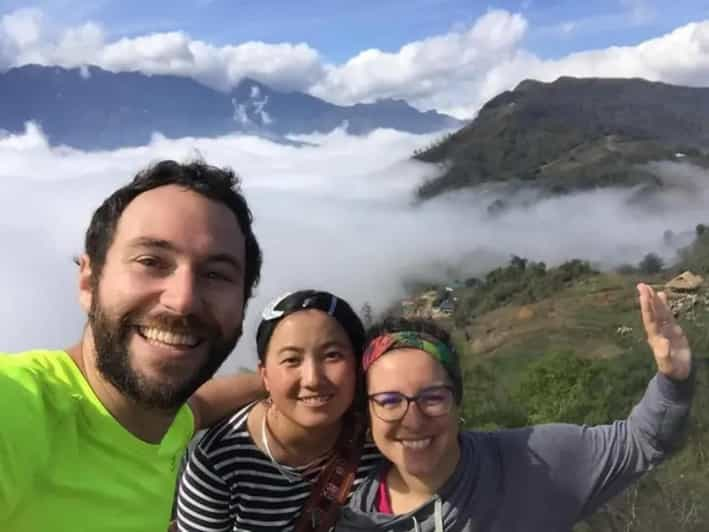
Do’s sister, Dinh, may also be involved in guiding and welcoming visitors. The strongest praise for the experience centers on Do and Dinh’s warmth, their explanations of local culture, and the feeling of being welcomed as friends. You should see this as a family-based stay, not a polished hotel with a mountain view.
The homestay is also the main point of contact with local life. You may meet family members and children, and the evening can feel more personal than a standard commercial tour. One particularly memorable account included joining a birthday celebration with the family. That kind of moment cannot be scheduled, but it shows the sort of setting this trip can create.
Same trailhead, a longer or shorter day out:
- Sa Pa: Muong Hoa Valley Trek and Local Ethnic Villages
★ 4.6 · 864 reviews - Sapa 3 Days 2 Nights Trekking Tour (1 Night In Ta Van Village, 1 Night In Hotel)
★ 5.0 · 699 reviews - Sapa: Eco Adventure Terrace Fields and Local Villages Trek
★ 4.9 · 636 reviews - 3-Day Trekking Adventure of Sapa from Hanoi – Stay Ta Van Village
★ 5.0 · 611 reviews
Day two: Giang Ta Chai, bamboo forest, and Ta Van
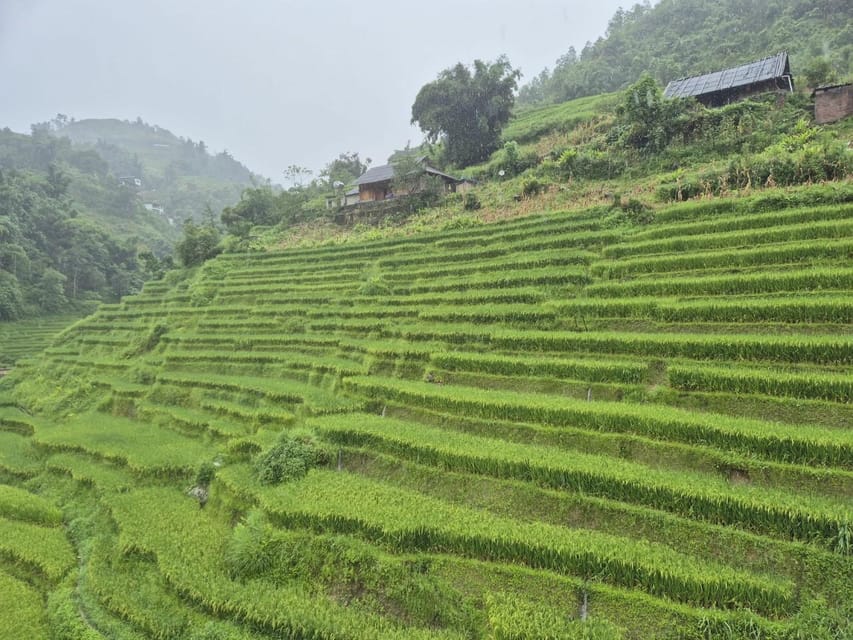
Breakfast is served at 8:30 in the morning. That gives you a slower start after the long first day, though you should still expect several hours of walking.
The route first heads toward Giang Ta Chai, a village associated with the Red Dao people. This adds another cultural layer to the trip. The first day focuses mainly on Black Hmong communities, while the second introduces a different local group.
Near Giang Ta Chai, you visit a small waterfall. The tour information does not give the waterfall’s name or size, so think of it as a natural stop along the route rather than a major attraction requiring a separate visit.
From there, the path continues through bamboo forest toward Ta Van. Bamboo changes the feel of the walk after the open mountain views and rice terraces. You move from wide views to a more enclosed, shaded setting before reaching more fields.
The route to Ta Van includes rice fields and village paths. The second day covers about seven kilometers and takes roughly three to four hours, making it considerably shorter than day one. That shorter distance is useful after the overnight stay, but the path can still include uneven ground and slopes.
Ta Van to Lao Chai and the ride back
After Ta Van, the trek continues toward Lao Chai village. You stop for lunch there before ending the walking portion of the trip.
The order of the scenery is one of the best features of the route. Day one gives you the mountain viewpoint and a long descent through Black Hmong villages. Day two gives you bamboo, a waterfall, Red Dao culture, and more rice terraces before the final village.
After lunch, a car or motorbike picks you up and returns you to Sapa. That included ride is important. You do not have to walk back to town or arrange a separate transfer after several hours on the trail.
The activity ends back at the original meeting point. If you are staying at a Sapa hotel, this makes the tour easy to fit into a wider northern Vietnam itinerary.
How difficult is the walking?
You need reasonable health and comfort with uphill and downhill walking. The first day is the test: about 14 kilometers over five to six hours, including the initial climb to the mountain viewpoint and a long descent toward the villages.
The paths are described as natural trails and small mountain roads. They are not presented as fully paved walking routes. After rain, the ground can become slippery, so your footwear and balance matter.
Pack both comfortable shoes and proper hiking shoes if you have them. A sun hat, sunscreen, and a change of clothes are also sensible. The change of clothes is particularly useful if rain or mud affects the route.
Motion sickness prevention is recommended in the packing information. That likely relates to the return by car or motorbike, though the exact vehicle and road conditions are not specified. If you are sensitive to winding rides, prepare before departure.
The tour is not suitable for people over 95, according to the stated restrictions. More broadly, the age limit is less important than your ability to handle uneven trails, slopes, and a full day outdoors.
What the $56 price includes
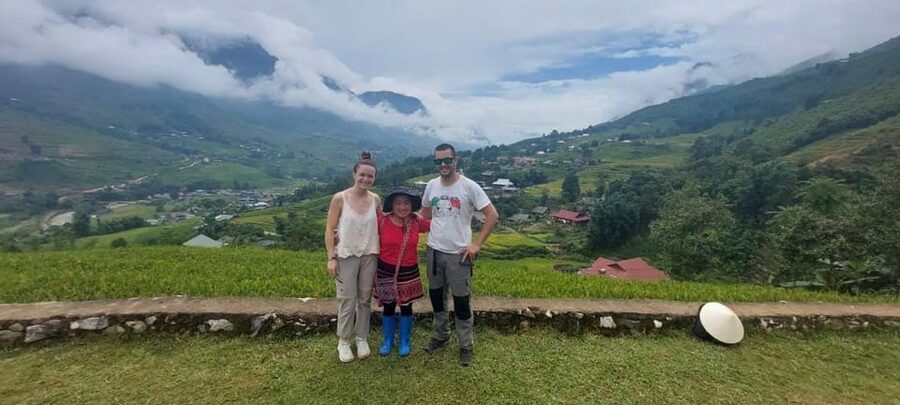
At $56 per person, this is a strong value if you want a guided trek with an overnight stay rather than only a day hike. The fee includes:
- An English-speaking local guide
- One bottle of water per person per day
- Lunch for the two trekking days
- Dinner with the homestay family
- Breakfast on day two
- Village entrance tickets
- The family homestay
- A car or motorbike back to Sapa
You still need to budget for extra drinks during the hike, such as bottled water or beer. Personal travel insurance is also excluded.
The included return transport makes a real difference to the price. So does the family dinner and breakfast. A cheaper-looking walk can become less attractive once you add meals, entrance fees, and transport on your own.
The package does not spell out the exact homestay facilities beyond a hot shower and a clean, comfortable place to stay. If you need a private room, a specific bed type, or hotel-style amenities, ask before booking. The strength here is the family setting, not luxury.
What I like most about the experience
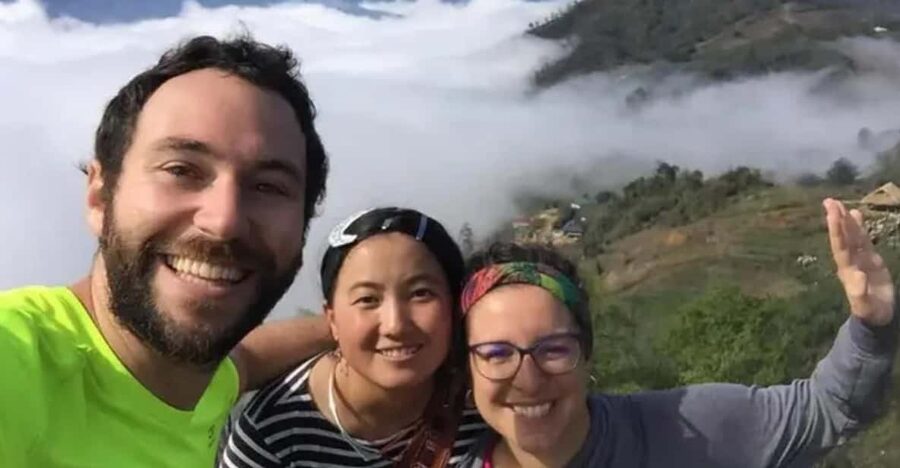
I like the balance between scenery and community contact. You get Fansipan and the Muong Hoa Valley, but you also walk through Hang Da, Hau Thao, Giang Ta Chai, Ta Van, and Lao Chai.
I also like the route’s two-day structure. The first day delivers the main mountain views and the longer physical challenge. The second day is shorter and changes the scenery with bamboo, a waterfall, Red Dao culture, and rice fields.
The guide is another major asset. Do has ten years of experience and speaks English, while Dinh may also help with the guiding and family welcome. The warm family atmosphere is a central part of the experience, not a minor extra.
The strongest personal praise focuses on the food, the clean homestay, and the generosity of the family. One account described meeting the family and children as a privilege, while another recalled joining a birthday party. Those details suggest a stay with genuine social contact rather than a quick meal served to a passing group.
Points to consider before booking
The route is not ideal if you want a relaxed sightseeing trip with little exertion. The first day is long, the trails can be steep, and rain may make them slippery.
You also need to be comfortable with a simple homestay. The accommodation is described positively, but no luxury facilities are promised. Ask questions if a private bathroom or hotel-level comfort is important to you.
The group can include up to 15 people. That is still a small group by many tour standards, but it is not the same as having Do guide only you and your companions.
Finally, the scenery depends on weather and farming seasons. You are likely to see striking mountain and rice terrace views, but the amount of planting or harvesting activity will vary. That is part of the reality of visiting a working rural area.
Who should book this Sapa trek?
I would choose this tour if you want a physically active introduction to Sapa and prefer local contact over a standard sightseeing circuit. It suits people who enjoy walking, simple accommodation, shared meals, and unscripted moments with a family.
It is also a good fit if you want a clear value package. For $56, you receive two days of guiding, meals, an overnight stay, village tickets, water, and transport back to Sapa.
I would look elsewhere if you need a private tour, guaranteed easy paths, or hotel-style accommodation. I would also avoid it if a 14-kilometer mountain day sounds tiring rather than enjoyable.
FAQ
Where does the Sapa trekking tour start?
Your guide meets you at your hotel in Sapa or in front of Sapa’s main church.
Where does the tour finish?
The activity ends back at the meeting point in Sapa after transport from the final village.
How long is the trek?
Day one takes about five to six hours and covers approximately 14 kilometers. Day two takes about three to four hours and covers approximately seven kilometers.
Where do you stay overnight?
You spend one night at a family homestay in Hau Thao village.
Which villages are included?
The route includes Hang Da, Hau Thao, Giang Ta Chai, Ta Van, and Lao Chai.
Which ethnic minority communities do you encounter?
The first day includes Black Hmong villages at Hang Da and Hau Thao. Giang Ta Chai is associated with the Red Dao people.
Is the guide English-speaking?
Yes. The tour includes an English-speaking local guide. Do is identified as the local guide, and Dinh may also help with guiding and the family welcome.
What meals are included?
Lunch is included for both trekking days, along with dinner at the family homestay and breakfast on the second day.
Is transport back to Sapa included?
Yes. A car or motorbike picks you up after lunch in Lao Chai and returns you to Sapa.
What should you bring?
Bring comfortable or hiking shoes, a sun hat, sunscreen, a change of clothes, and motion sickness prevention. Extra drinks during the hike are not included.
Can you cancel for a full refund?
You can cancel up to 24 hours in advance for a full refund. You can also reserve now and pay later.
Is the trek suitable after rain?
The trails can become slippery after rain. You should be prepared for uphill and downhill walking on small mountain paths and have suitable footwear.
More Two-Day Treks in Vietnam
- 2-Day Sa Pa Ethnic Homestay Tour & Trek with Limousine Bus
★ 4.8 · 440 reviews - From Hanoi: 2-Day Sapa Trek Tour – Luxury Limousine Transfer
★ 4.1 · 249 reviews - EXPLORE SAPA: 2D1N TREKKING & HMONG CULTURE WITH DINH
★ 4.9 · 191 reviews - Sa Pa: 2-Day Trekking Trip with Ethnic Minority Homestay
★ 4.7 · 145 reviews
More Evening Experiences in Vietnam
- Hanoi – Sapa 3 Day 2 Night Trekking With Hotel & Homestay
★ 5.0 · 389 reviews - Hanoi – Sapa 2 Days 1 Night Overnight At Local Homestay
★ 5.0 · 233 reviews - 2-Day Trekking Adventure of Sapa from Hanoi with Night Bus
★ 5.0 · 134 reviews - SAPA: 2-DAY 1-NIGHT TREKKING & CULTURE WITH HMONG GUIDE LINH
★ 4.9 · 126 reviews
Recently added around Vietnam
- Full Day Private Trekking Mu Cang Chai★ 5.0 · 33 reviews
- My Son sanctuary and mountain trekking★ 5.0 · 9 reviews
- Bach Ma National Park Trekking and Camping 2 days Tour★ 5.0 · 9 reviews
- Small Group – Bach Ma National Park Trekking Tour From Hue★ 4.5 · 18 reviews
- Explore Bach Ma National Park – Trekking with Small Group Tour★ 5.0 · 12 reviews
- UNESCO Listed Can Gio Mangrove and Monkey Island trek★ 5.0 · 11 reviews
- 2-Day Trekking & Biking Nam Cat Tien National Park from HCM City★ 5.0 · 12 reviews
- Trekking around Ha Giang 5 days 4 nights★ 3.0 · 2 reviews
Homestay & Village Treks, compared.
Number one top rated ethical cultural trekking and homestay by ETHOS
Read our review →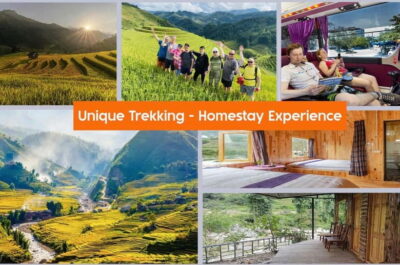
2-Day Sa Pa Ethnic Homestay Tour & Trek with Limousine Bus
Read our review →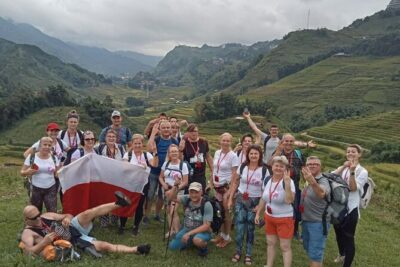
Sapa 3 Day 2 Night Trekking With Hotel & Homestay
Read our review →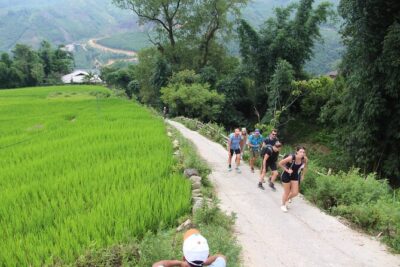
Sapa 2 Days 1 Night Overnight At Local Homestay
Read our review →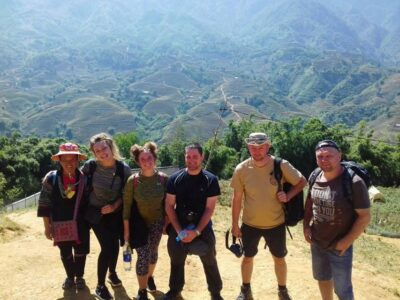
2-Day Trekking Trip with Ethnic Minority Homestay
Read our review →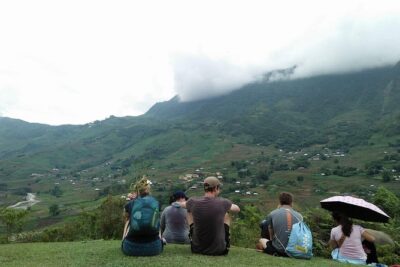
2-Day Trek & Heartwarming Homestay with an Ethnic Family
Read our review →Browse the lists this tour appears in