
REVIEW · HANOI
2 Nights At Sapa Homestay – Trekking & Fansipan Visit
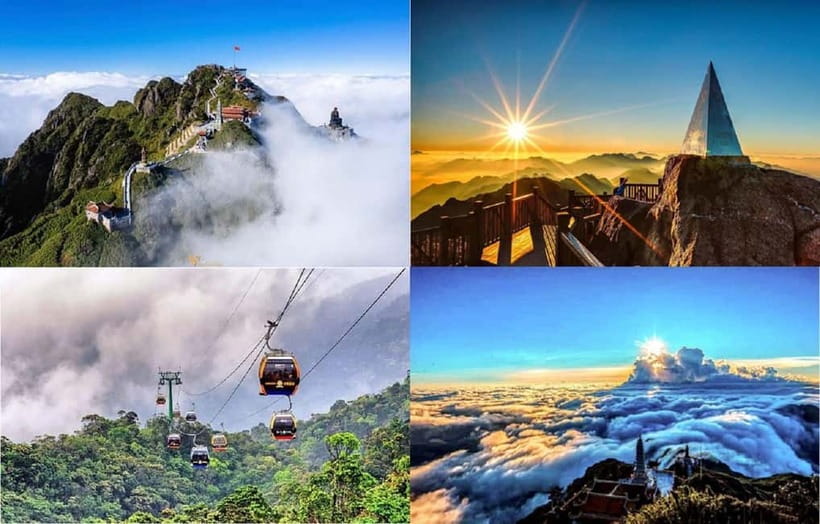
The mountains begin before breakfast. This three-day Sapa trip combines two village homestays with rice-terrace trekking, local meals, and a cable-car ride to Fansipan, Vietnam’s 3,143-meter summit. I like the change of setting from Lao Chai San to Ta Van, and I like that the route includes the Muong Hoa Valley, a suspension bridge, and time with H’Mong and Day families. The main catch is that the trekking is long, the homestay bedding is basic, and the Fansipan cable car costs extra.
The Hanoi to Sapa limousine bus keeps the trip simple, with three short breaks on the five-hour journey. Guides named Viet and Xoa have been singled out for staying in touch and helping visitors understand Sapa, though you should confirm your exact guide and meeting point before departure.
The trip at a glance
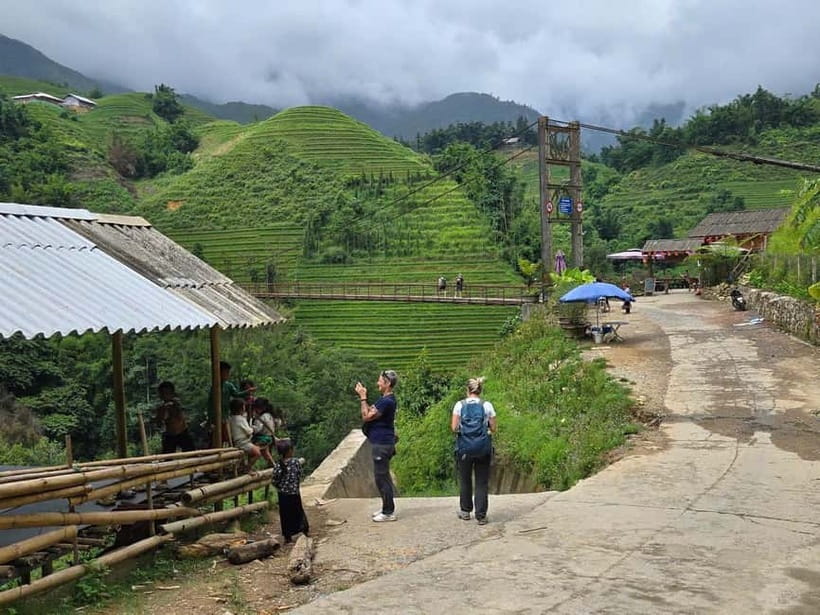
- Two nights, two villages: Sleep first in Lao Chai San with a Black H’Mong family, then in Ta Van among Day culture.
- Muong Hoa Valley on foot: Walk beside the stream, cross rice-terrace country, and pass local villages rather than seeing Sapa only from a vehicle.
- Fansipan at 3,143 meters: Add the cable-car option to reach the summit without a full mountain climb.
- Simple meals with local hosts: Breakfast, picnic lunch, and dinners are part of the package, with a chance to help cook.
- Comfortable Hanoi transport: A limousine bus carries you between Hanoi and Sapa, with water and an English-speaking guide.
- A demanding schedule: The first two days include long treks, so sturdy shoes and reasonable fitness matter.
Why this Sapa trip works well
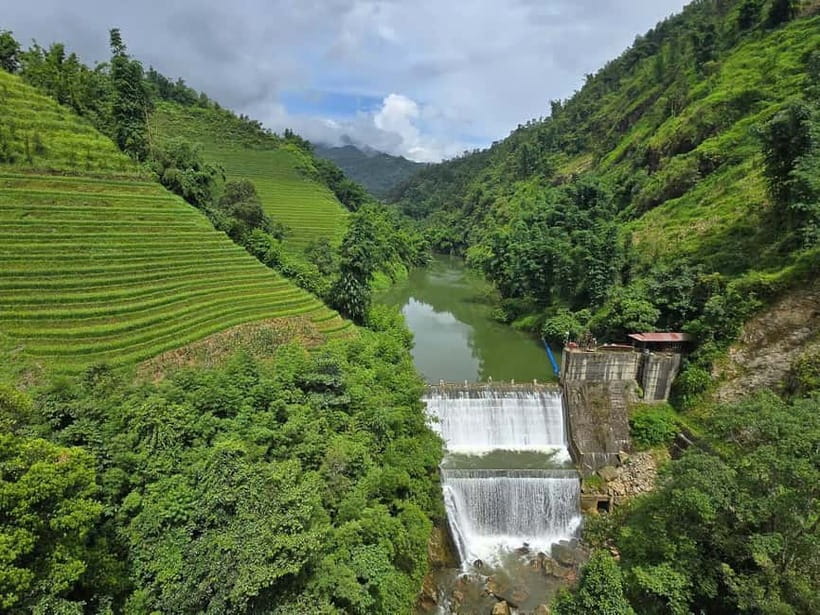
This experience gives you more than a quick look at Sapa town. You spend two nights in villages and walk through the Muong Hoa Valley, where the route follows streams, terraces, bamboo forest, and suspension bridges. That makes the trip feel connected to the region rather than built around a single viewpoint.
I especially like the switch between Lao Chai San and Ta Van. The first night introduces you to a Black H’Mong household, while the second night offers a different ethnic setting with Day hosts. That change gives the trip more texture, even though the accommodation remains simple.
The package costs $115 per person. For that price, you receive return limousine transport from Hanoi, two homestay nights, seven included meals, village transfers, a local English-speaking guide, and entrance fees. That is solid value if you want transport and meals arranged in advance. You still need to budget 850,000 Vietnamese dong for the return Fansipan cable car, drinks, tips, insurance, personal spending, and any holiday surcharge.
The cost becomes less attractive if you mainly want Fansipan. The cable car is not included, and the trip still includes several hours of trekking. You are paying for a mix of mountain scenery, village life, transport, and organization, not just a summit visit.
More Homestay Treks in Hanoi
- Hanoi – Sapa 2 Days 1 Night Overnight At Homestay
★ 5.0 · 899 reviews - From Hanoi: 2-Day Sapa Trekking Trip with Homestay & Meals
★ 4.8 · 704 reviews - 2-Day Sa Pa Ethnic Homestay Tour & Trek with Limousine Bus
★ 4.8 · 440 reviews
Leaving Hanoi for Sapa at 6:15 a.m.
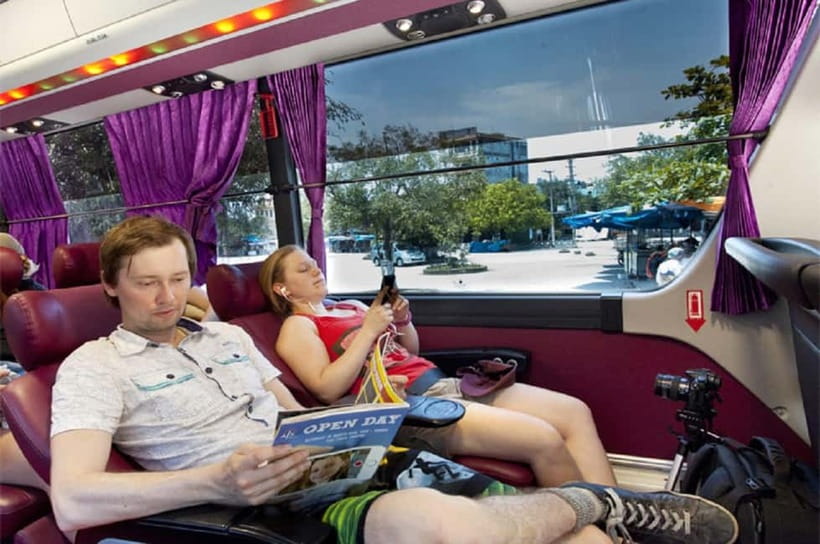
Your day begins at 204 Tran Quang Khai Street in Hanoi, with the exact meeting point depending on the option booked. Be ready by 6:15 a.m. The limousine bus takes about five hours, and the journey includes three short breaks for food, toilets, and a stretch of the legs.
This is a practical way to cover the distance. A limousine is more comfortable than a basic coach, but five hours is still five hours, so bring water, a light layer, and something to occupy you. A complimentary bottle of water is provided, and an English-speaking guide travels with the group.
The bus reaches Sapa at about 1 p.m. A company representative meets you, explains the plan, and takes you to lunch. This transition matters because you move from a long road journey straight into an active afternoon. Do not treat the first day as a relaxed arrival day.
Day one: terraces, waterfalls, and Lao Chai San
At roughly 2:30 p.m., you begin the first long trek from Y Linh Ho toward Lao Chai San. The route passes through the Muong Hoa Valley, following the Muong Hoa Stream and crossing rice-terrace country.
The scenery is the main reward here. You get a close view of the steep hillsides and cultivated terraces, rather than only seeing them from Sapa’s streets. Streams and footpaths keep changing the rhythm of the walk, and local life becomes part of the route.
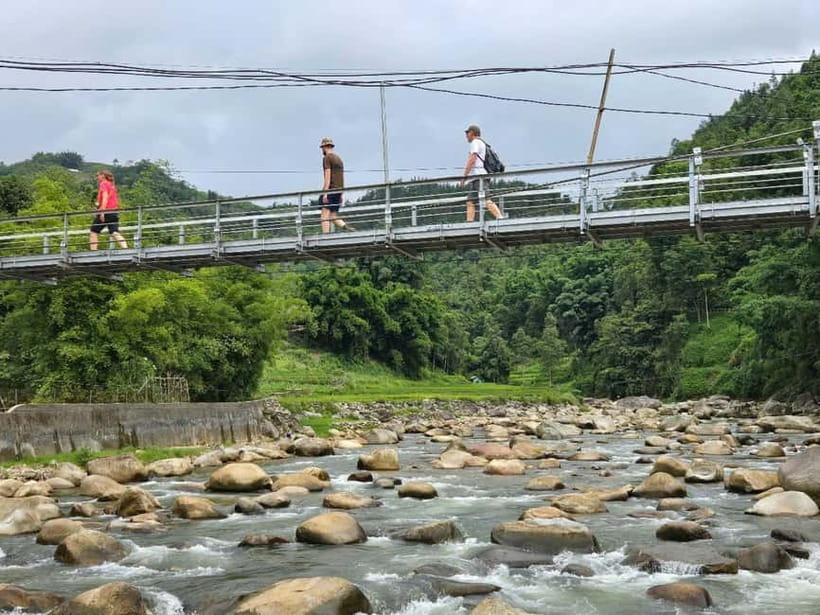
A suspension bridge and a beautiful waterfall add two clear landmarks to the afternoon. After the bridge, the path climbs toward the homestay. That final uphill section is worth taking seriously, especially after the morning bus ride. Comfortable clothes are listed as essential, but I would use that as a reminder to bring proper walking shoes as well.
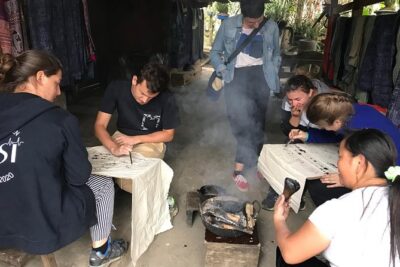
Lao Chai San is a Black H’Mong village. Your evening meal is prepared with the host family, and you may join the cooking if you wish. This is one of the more personal parts of the trip, since the meal is not simply served in a restaurant and forgotten.
The accommodation uses a single mattress at the homestay. You should expect a shared, modest arrangement rather than hotel-style privacy. A private room is not included, and the price does not cover a private upgrade. The reward is the setting and the chance to spend an evening in the village, not luxury facilities.
Day two: the best walking day through Muong Hoa
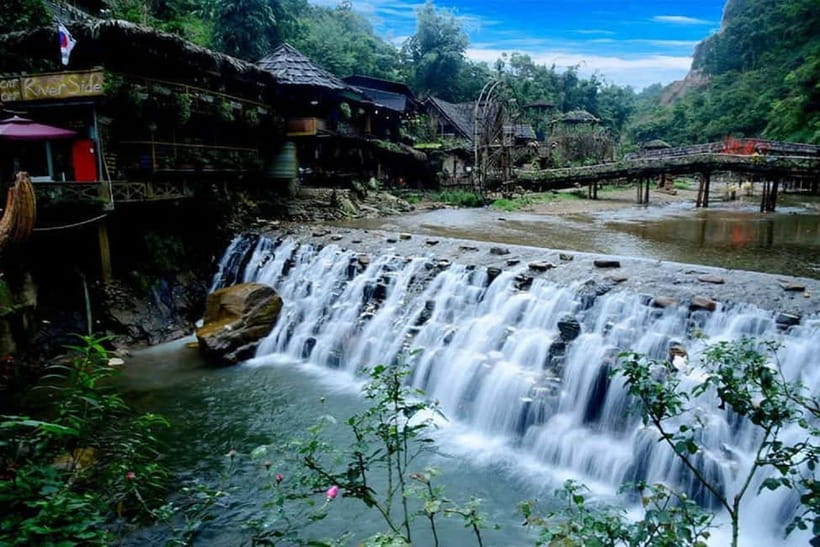
Breakfast in Lao Chai San includes pancakes with honey and fruit. After eating, your guide leads you toward Ta Van on another long walk through the Muong Hoa Valley.
This day gives you the fullest look at the area. The route includes streams, terraces, village paths, and encounters with local people. A picnic lunch prepared by the guide keeps the group moving, rather than sending you back to a restaurant in town. Bring a small day bag so you can carry personal items without making the walk awkward.
You should reach Ta Van at about 3 p.m. That timing leaves room to rest after the trek. The schedule specifically allows you to swim in a nearby stream or sit with a beer and look across the mountain scenery from the homestay. Drinks are not included, so keep some Vietnamese dong available.
Ta Van gives you a different cultural setting from Lao Chai San, with Day hosts rather than a Black H’Mong family. The distinction is important. This is not simply a second night in the same type of village, and the two homestays help you notice that Sapa is home to several ethnic communities with their own traditions.
Dinner is cooked by the host family. Since you have already spent much of the day walking, this slower evening is welcome. You can rest, watch the surroundings, and enjoy the change from Hanoi’s traffic and Sapa’s tourist center.
More Homestay Treks in Vietnam
- Hanoi – Sapa 3 Day 2 Night Trekking With Hotel & Homestay
★ 5.0 · 389 reviews - Hanoi – Sapa 2 Days 1 Night Overnight At Local Homestay
★ 5.0 · 233 reviews - From Hanoi: 2-Day Luxury Sapa Trekking Tour with Homestay
★ 4.4 · 49 reviews - 3-Night Sapa Trek and Homestay with Round Trip Transfer from Hanoi
★ 4.5 · 37 reviews
Day three: Giang Ta Chai or the Fansipan summit
Breakfast is served at about 7:30 a.m. The standard plan then takes you on a morning trek through rice paddies and bamboo forest toward Giang Ta Chai.
A panoramic view of Giang Ta Chai comes before the crossing of the Giang Ta Chai Suspension Bridge. A bus then returns you to Sapa for lunch and a shower before the journey back to Hanoi. This option gives you one last walk and a practical chance to clean up before the long bus ride.
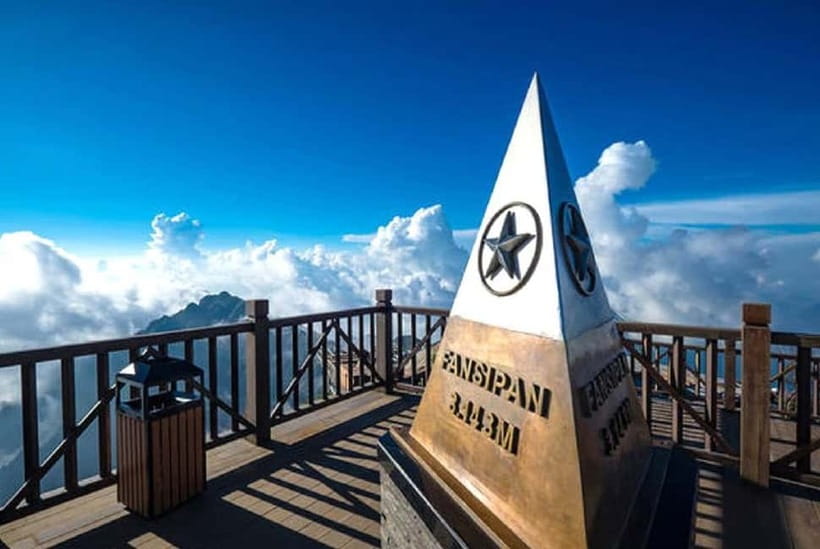
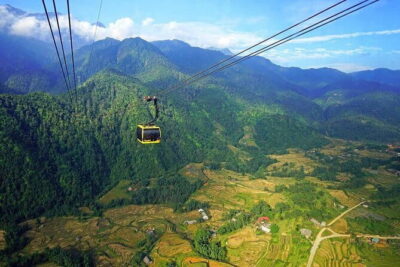
You can instead choose the Fansipan option after breakfast. A car and guide take you from Ta Van to the Fansipan cable-car station. The cable car carries you to Fansipan Peak at 3,143 meters, allowing you to reach a high mountain summit without making the entire ascent on foot.
The cable car is a useful add-on for people who want the summit experience but do not want another demanding mountain trek. At the top, you are higher than the clouds when conditions cooperate, though mountain weather can change quickly. The 850,000 dong return fare is paid separately, so factor it into the real cost before booking.
After Fansipan, a car collects you at the station and takes you to the restaurant for lunch. You then prepare for the return trip to Hanoi. Choosing Fansipan means giving up the standard Giang Ta Chai morning trek, so your decision depends on your priority: another village walk or Vietnam’s famous high summit.
The limousine bus leaves Sapa after lunch. Three short breaks break up the ride, and dinner is at your own expense. Arrival at 204 Tran Quang Khai is expected around 9 p.m., after which you make your own way to your hotel.
What the homestays are really like
The word homestay can mean different things in Vietnam. Here, it means a single mattress in a village home, local meals, and a shared setting. A private room is not included, so this suits you if you care more about location and contact with the host family than about personal space.
The two-night arrangement is a strong part of the experience because you do not rush through one village and leave immediately. You spend enough time to eat dinner, sleep, wake for breakfast, and see each place in a different light. The tradeoff is that basic bedding and shared facilities may feel less comfortable than a Sapa hotel.
One account of the trip described the accommodation as a luxury hotel, but the supplied plan specifically describes homestay mattresses in Lao Chai San and Ta Van. I would rely on the homestay details when deciding what to pack and what comfort level to expect. If a hotel-style room is important to you, ask the provider to confirm the exact accommodation before paying.
Food, guides, and the human side of the route
Seven meals are included: three lunches, two dinners, and two breakfasts. The food plan covers the main walking days, including a picnic lunch on day two. Drinks are not included, so your budget should include water, coffee, beer, and any snacks.
The meals also help the trip feel local. You eat with host families, and on the first night you may join the cooking. That small invitation can turn dinner into an activity rather than another scheduled service.
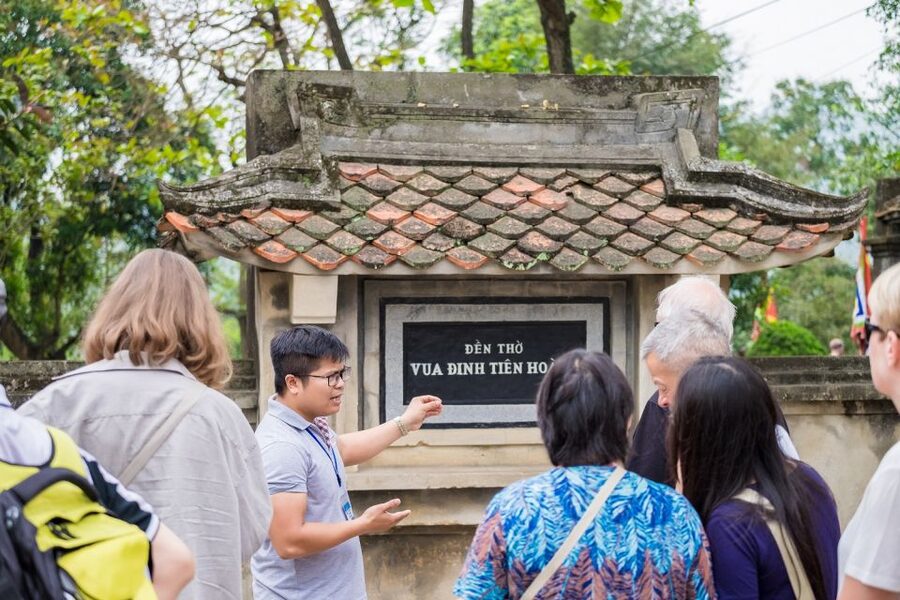
An English-speaking guide accompanies the Sapa portion. Viet is available as a contact during the trip, and Xoa has been praised for showing the sights of Sapa and keeping everything moving smoothly. Guide quality matters on a route like this because the scenery is easy to admire, but the cultural details and trail decisions are harder to understand without help.
You should still confirm who will guide your departure. Names and arrangements can change, and the information provided does not promise that Viet or Xoa will lead every departure.
The trekking effort and what to pack
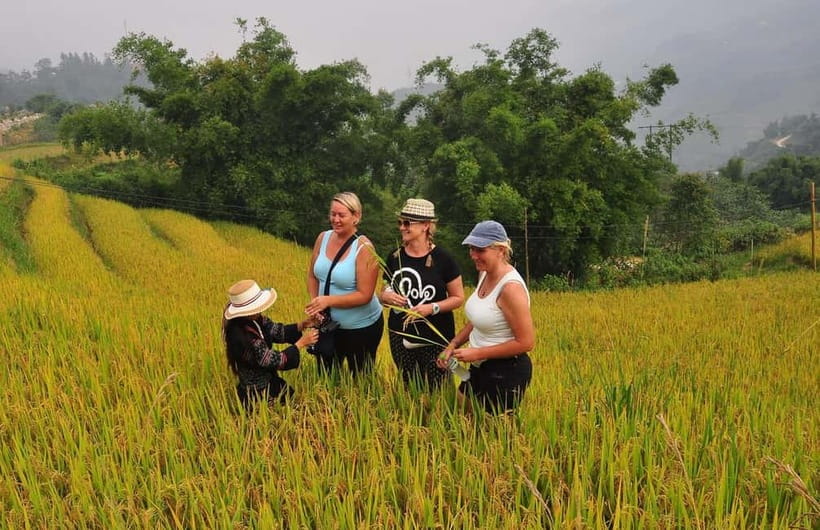
The first two days are described as long treks. The route includes climbs, streamside paths, suspension bridges, terraces, and uneven village tracks. You do not need to be a specialist mountaineer for the described itinerary, but you should be comfortable walking for several hours on hilly ground.
Bring:
- Comfortable walking clothes
- Sturdy shoes with good grip
- An umbrella or light rain protection
- A hat and sunglasses
- Insect repellent
- A small bag for daily essentials
- Extra cash for drinks, tips, and personal expenses
The tour is not suitable for children under 12, people over 70, or pregnant women. Those limits make sense given the long walks and changing mountain paths. Travel insurance is not included, so arrange your own cover if you want protection for illness, injury, or other problems.
Pets are not allowed. You should also leave your phone number with the local provider so the team can contact you about the meeting point and trip details.
Who should book this Sapa experience?
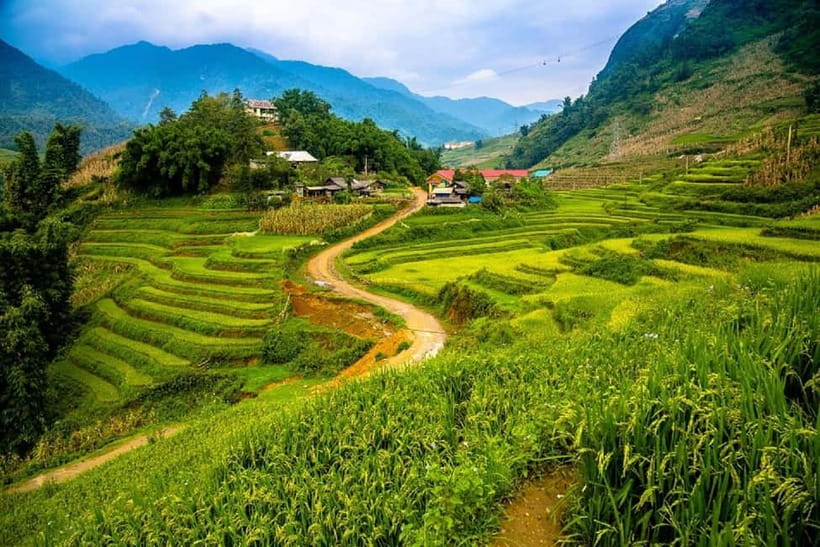
I would choose this trip if you want three things at once: a straightforward route from Hanoi, genuine village stays, and a good amount of walking. The included meals and transfers reduce the planning work, while the two homestays give you more contact with local life than a standard Sapa hotel package.
It suits an active adult who can handle long walks and shared accommodation. It also works well if you want Fansipan but prefer to reach the summit by cable car rather than commit to a full climbing expedition.
I would hesitate if you want a relaxed weekend, private rooms, or a carefully paced luxury stay. The bus ride to and from Hanoi is long, and the itinerary packs a lot into three days. The cable car option also adds a significant charge, so the final price is higher than $115.
Should you book it?
Book this Sapa trip if the main appeal is walking through Muong Hoa Valley, sleeping in two different villages, and adding Fansipan to a compact Hanoi itinerary. The strongest features are the changing ethnic settings, the local meals, the included transport, and the guide support from arrival in Sapa to the return bus.
Skip it if your priority is privacy, short walks, or a low final cost after extras. Before booking, confirm the meeting point, homestay arrangement, exact guide, Fansipan availability, and holiday surcharge. For an active three-day introduction to Sapa, the $115 base price offers a useful mix of scenery, culture, and convenience.
FAQ
How long is the trip from Hanoi to Sapa?
The limousine bus takes about five hours each way. There are three short breaks during both the outbound and return journeys.
Is the Fansipan cable car included?
No. The round-trip cable car costs 850,000 Vietnamese dong per person and is paid separately.
Where do I stay during the trip?
You spend one night at a homestay in Lao Chai San village and one night at a homestay in Ta Van village. Accommodation is provided as a single mattress, and a private room is not included.
Which meals are included?
The package includes three lunches, two dinners, and two breakfasts. Drinks are not included.
Can I choose Fansipan instead of the final trek?
Yes. After breakfast in Ta Van, you can take a car and guide to the Fansipan cable-car station. This replaces the standard morning trek through the rice paddies and bamboo forest toward Giang Ta Chai.
Is the experience suitable for children or pregnant women?
It is not suitable for children under 12, people over 70, or pregnant women. The itinerary includes long treks and uneven mountain paths.
More Fansipan Treks in Hanoi
- From Hanoi: 2-Day Sapa-Fansipan Peak & Trek & Ha Giang Bus
★ 4.8 · 52 reviews - From Hanoi: 3 Days Luxury Sapa Trek & Fansipan Peak with Dcar
★ 5.0 · 43 reviews - Sapa 2 days 1 night trekking Lao Chai Ta Van – Fansipan mountain by cable car
★ 5.0 · 36 reviews - From Hanoi: 2 Days Sapa Trek & Fansipan Adventure with Dcar
★ 5.0 · 35 reviews
Recently added around Hanoi
- Trekking around Ha Giang 5 days 4 nights★ 3.0 · 2 reviews
- From Hanoi : Sapa Moutain Trek – Halong bay Heritage★ 4.5 · 25 reviews
- 2-Day SAPA Trekking – Villages-Homestay-Ethnic-Local Food-Market★ 5.0 · 2 reviews
- 8-Days Hanoi, Sapa Trekking And Halong Bay Cruise★ 5.0 · 8 reviews
- Hanoi: 3D2N Mu Cang Chai Visit All Attractions, Trek, Ethnic Life★ 5.0 · 3 reviews
- Mai Chau – Pu Luong trekking 3 days 2 nights★ 4.5 · 7 reviews
- Trekking In Ha Giang 5 Days★ 5.0 · 4 reviews
- Sapa trekking – Unique Route – 2D1N★ 5.0 · 3 reviews
Fansipan Treks, compared.

3 Days Luxury Sapa Trek & Fansipan Peak with Dcar
Read our review →
2-Day Fansipan Mountain Trek – Indochina’s Highest Peak
Read our review →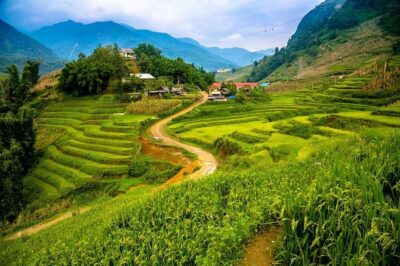
Sapa 2 days 1 night trekking Lao Chai Ta Van – Fansipan mountain by cable car
Read our review →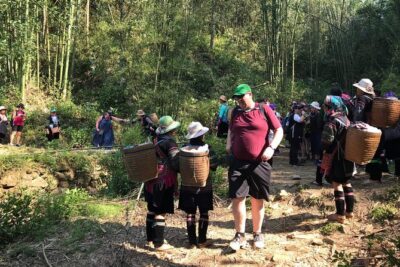
2-Days Sapa Tour with Fansipan Cable Car Trekking Three Village
Read our review →Browse the lists this tour appears in