REVIEW · NORTHERN TERRITORY, AUSTRALIA
Uluru: Guided Trek of Uluru’s Base in a Small Group
Uluru changes as the sun arrives. I love the chance to walk the full 10.5-kilometre base rather than glance at Uluru from a lookout, and I like the small vehicle, limited to 11 people, which keeps the morning personal. The guide adds meaning through Anangu creation stories, geology, wildlife, and survival skills. The catch is the very early pickup and a long walk, with breakfast that some people may find a little light.
You’ll start about an hour before sunrise from your Ayers Rock Resort hotel. I would bring more water than you think you need, sensible shoes, a hat, sunscreen, and a warm layer for the cool morning. The walk is mostly flat and easy underfoot, but 10.5 kilometres is still a proper outing in the outback heat.
At a glance: what makes this Uluru walk special
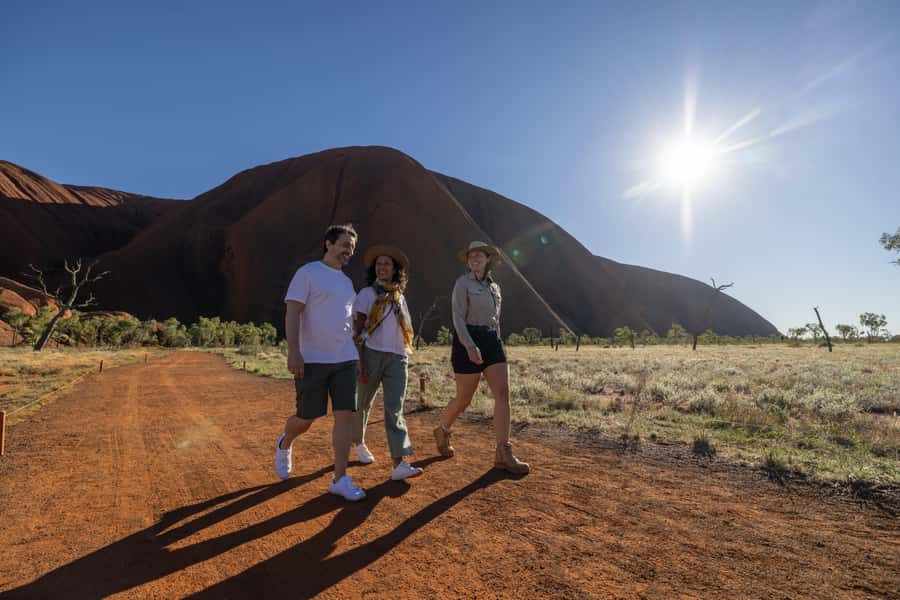
- Sunrise at the base: Begin walking before sunrise and watch the first light change Uluru’s colours and form.
- The full perimeter: See waterholes, caves, rock art, sheer walls, and quieter sections that a short visit misses.
- Stories tied to place: Hear Tjukurpa stories about Kuniya, Liru, and the Mala people in the places connected to them.
- A small group of up to 11: The format gives you more time to ask questions and keep a comfortable walking pace.
- Breakfast on the trail: Carry a simple outback picnic pack, with tea and coffee, and stop along the way.
- Audio support in six languages: Optional iPod audio guides are available in Spanish, Mandarin, French, German, Italian, and Russian.
The early pickup is part of the experience
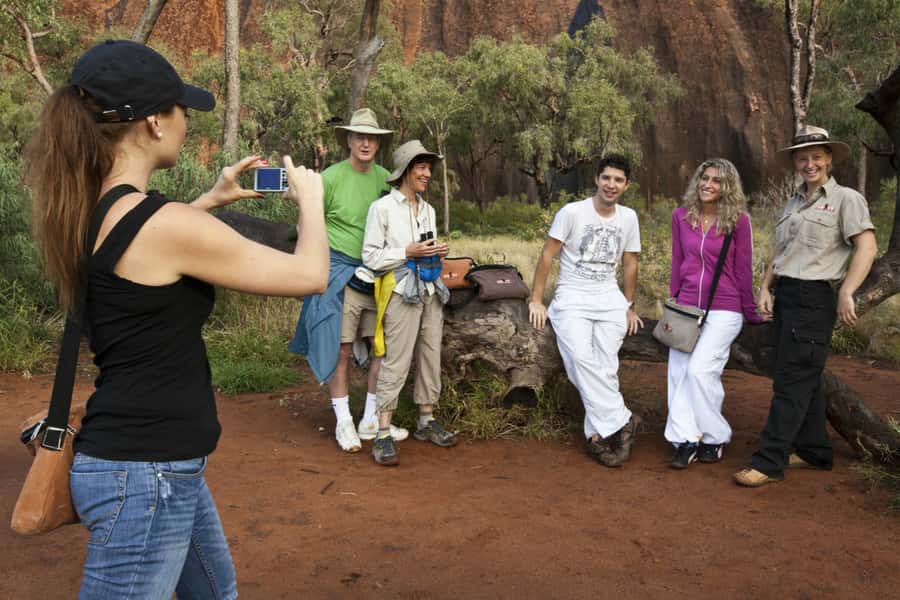
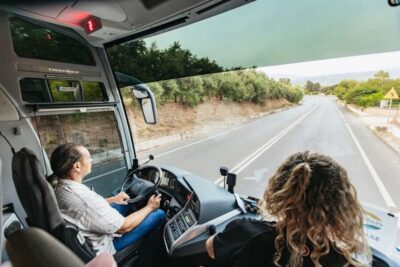
Pickup comes from outside your hotel reception at Ayers Rock Resort, roughly one hour before sunrise. The vehicle holds no more than 11 participants, a useful limit in a place where a large coach can make a quiet morning feel less quiet.
There are a few hotel details worth sorting out before you go. If you stay at Emu Walk Apartments, pickup is at Desert Gardens Hotel next door. If you stay at The Lost Camel, go to Sails in the Desert, also next door. This is simple, but a pre-dawn start is not the time to be hunting around the resort in the dark.
The ride takes you into Uluru-Kata Tjuta National Park. The park entry ticket is not included, so budget for that separately. You can buy it at the entry station, and it remains valid for three consecutive days from the date of issue. That can be useful if you plan another park visit during your stay.
The early hour is not just a scheduling nuisance. Starting before the heat builds gives you a better chance of walking comfortably, especially from late spring through summer. In cooler months, the first hour can feel genuinely cold, so keep a pullover or warm top within reach.
More Guided Treks in the world:
- Bali: Mount Batur Sunrise Trek With Guide and Breakfast
★ 4.8 · 3,461 reviews - From Chania: Full-Day Samaria Gorge Trek Excursion & Guide
★ 4.6 · 3,191 reviews - La Palma: Tajogaite Volcano Guided Trek
★ 4.8 · 1,810 reviews
Sunrise gives Uluru its first great moment
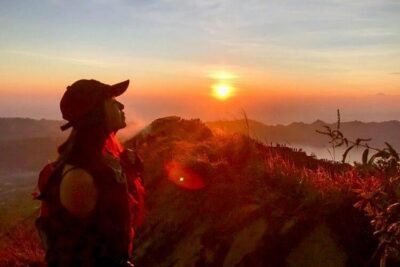
The opening sight is simple and powerful. As you approach the base, Uluru rises out of the dim light, then changes as the sun reaches its walls. This is not a quick photo stop. You have time to watch the rock take on new tones and to notice how its folds, caves, and vertical faces alter as the light moves.
Your guide positions the group for sunrise before the full walk begins. The exact starting time changes with the season, so check availability for the date you want. The schedule is built around dawn rather than a fixed clock time.
I like this start because Uluru is not treated as a single postcard view. The changing light gives you a first impression, then the walk shows how different the monolith looks from every side. The eastern and western faces, shaded sections, waterholes, and gorge areas each create a different sense of the place.
Walking the entire base, not just the famous side
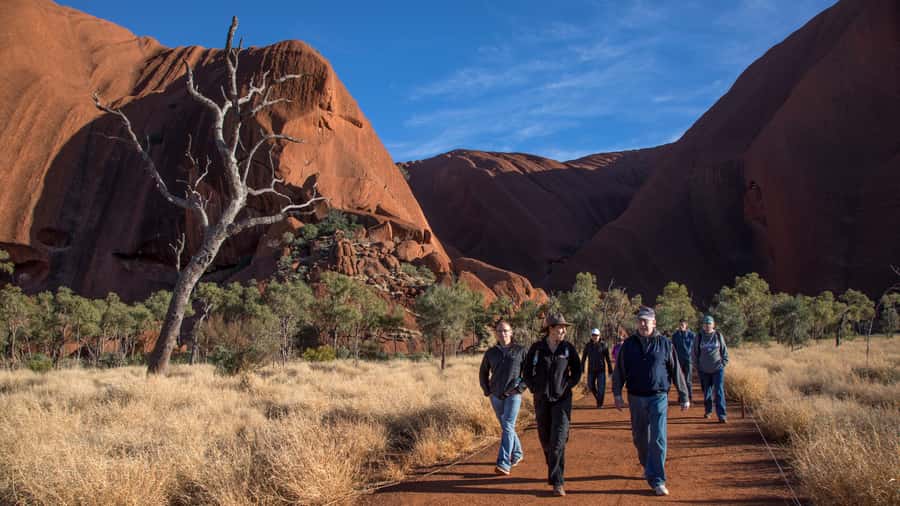
The base walk covers about 10.5 kilometres, though one person recorded slightly more than 14 kilometres depending on the route and tracking method. Allow the full six hours, including stops, stories, breakfast, and time to look around.
The track is mainly flat, gravelled, and manageable for anyone who is reasonably fit. It is not a technical hike, and one guide kept the pace relaxed with regular rests. Still, flat does not mean effortless. You will be outside for much of the morning, carrying water and food, with little room for pretending that a long walk is a short one.
A guide may take the group counterclockwise to reduce sun exposure later in the walk. That choice matters. The back half of the route can feel warmer, and walking in shade where possible makes a clear difference. The pace is adjusted to the group, so you should have chances to stop, drink, and take photographs rather than race around the rock.
There are toilets and water taps along the route, with two mentioned at different points. The tap water is filtered rainwater and may taste earthy or metallic. Do not rely on those taps alone. Carry your own bottle, and bring enough water for the distance and the conditions.
Kuniya Walk and Mutitjulu Waterhole
One of the most meaningful sections follows the Kuniya Walk toward Mutitjulu Waterhole. Here, the guide connects the setting to the Tjukurpa story of Kuniya and Liru, helping you understand that the rock is not simply a geological object. The stories belong to particular places, markings, paths, and water sources.
Mutitjulu Waterhole is also a reminder of why water matters so much in central Australia. The guide discusses Aboriginal survival and the plants and animals connected to the area. You are not just looking at a waterhole; you are learning how people read and live with an extremely dry environment.
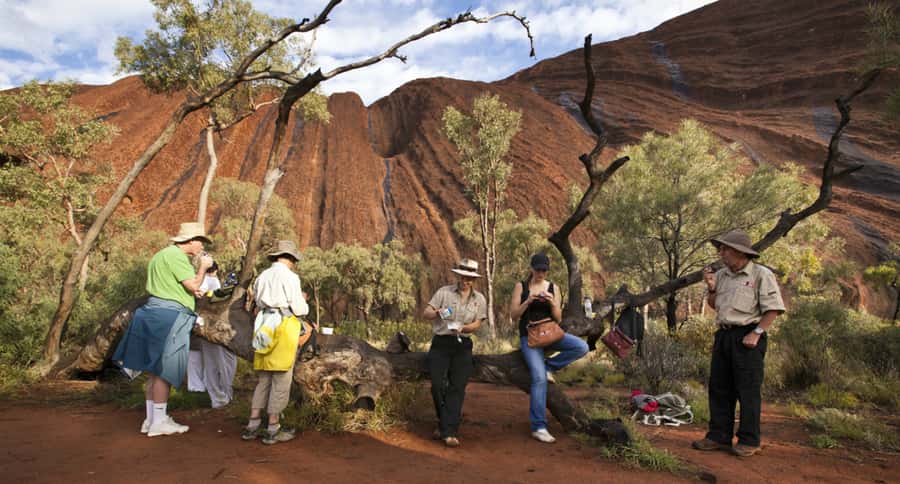
The walk gives you time to look closely at the rock. Caves, shaded folds, and changing textures can be easy to miss from a distant viewpoint. Your guide points out features and explains their cultural meaning, while also covering geology and local flora and fauna.
A few more treks around the world worth a look
- Mount Etna: Trek to 3000m with cable car and 4×4
★ 4.6 · 3,823 reviews - Mount Etna: Summit Crater Trek with Cable Car
★ 4.8 · 1,875 reviews - Etna: summit craters trekking with volcano guide 3350mt
★ 4.7 · 1,712 reviews - From Rethymno: Samaria Gorge Full-Day Trek, Pickup & Guide
★ 4.5 · 1,610 reviews
Mala Walk and Kantju Gorge
Later, the Mala Walk leads toward Kantju Gorge. This section is linked to the Mala people and their Tjukurpa story. The gorge gives you another view of Uluru, with steep rock walls and a more enclosed feeling than the open sections of the base route.
This is where a good guide earns the fee. Without context, you can see a dramatic gorge and some rock markings, then move on. With the story attached to the place, the stop becomes more memorable and more respectful. Guides such as Lucia, Michael, Lily, Rachel, Dimitri, and Max were praised for making the cultural material clear while keeping the walk friendly and easy to follow.
The cultural storytelling is not an optional extra here. It is the main reason to choose a guided base walk instead of simply walking alone. You hear why certain places matter to the Anangu, the local Aboriginal people, and you gain a better sense of Uluru as a living cultural site.
Rock art, geology, plants, and survival
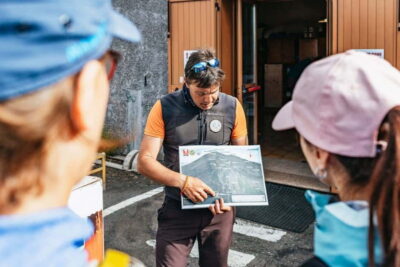
Along the way, your guide covers several subjects rather than giving one long lecture. You may hear about rock formation, Aboriginal survival methods, native plants, animals, and the meaning of visible markings and art sites.
That mix keeps the six hours from becoming repetitive. A geology explanation helps you understand the shape of the rock. A story about water and food plants shows how people have lived in this country. A Tjukurpa account explains why a particular gorge or waterhole carries cultural weight.
The English guide leads the tour, but optional audio guides are available in Spanish, Mandarin, French, German, Italian, and Russian. If you prefer one of those languages, confirm the audio-guide arrangement when booking. The live tour itself is in English.
The strongest part of the experience is the connection between story and location. You are hearing about Kuniya near the Kuniya Walk and Mala near the Mala Walk, not receiving a general cultural talk far from the places being discussed. That makes the information easier to remember and helps you move through Uluru with care.
Breakfast on the trail
The supplied breakfast comes in a carry pack, so you take it with you until the group stops. Tea and coffee are included, along with the outback picnic breakfast.
The food is described as sufficient by several people, but one person wanted something more filling. That is fair. You are walking more than 10 kilometres, so this is not a cafe breakfast or a large hot meal. If you have a big appetite, pack an extra snack if the tour rules allow it, or eat something before pickup.
The carry pack is practical, but it adds a little weight. Keep your own day bag light, and use a bottle that you can carry comfortably. The food stop also gives you a chance to rest and enjoy the surroundings instead of treating breakfast as a rushed refuelling break.
What the small group changes
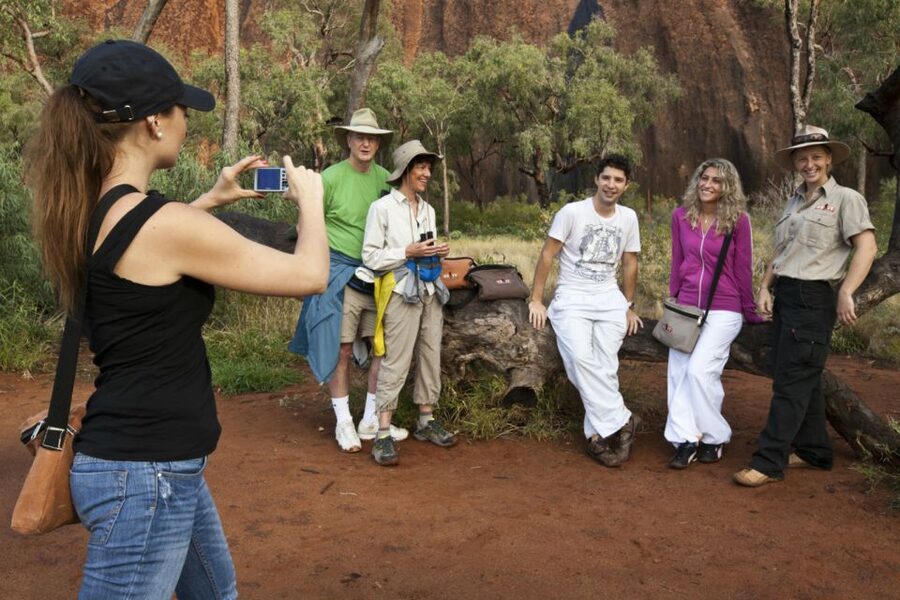
The maximum group size is 11, and that limit is one of the best reasons to pay for this outing. A smaller group lets the guide hear questions, check that nobody is struggling, and adjust the rhythm of the walk.
The format also makes cultural interpretation feel less like a performance. Guides have been praised for their warmth, care, and enthusiasm, including Lucia, Lara or Laura, Michael, Lily, Andy, Tim, Rachel, and Max. The guide quality can vary from person to person, but the strongest examples combine practical care with clear stories.
One guide helped a group that finished early by adding a visit to the cultural centre so the six-hour experience felt complete. Do not assume this will happen on every departure, since the day’s timing and guide decisions may differ, but it shows the value of a flexible small-group format.
Transport is another quiet advantage. The air-conditioned vehicle is welcome after several hours outside, and the ride back to your Ayers Rock Resort hotel is included. If you have a flight later that day, leave a generous buffer. One person added a direct airport transfer and appreciated having less stress, but airport transfer arrangements are not part of the standard tour details given here.
How hard is the 10.5-kilometre walk?
You should be comfortable walking several hours on a mostly flat gravel track. The route is not described as difficult, and one 54-year-old participant completed it alone at a steady pace. That said, heat, distance, and sun can turn an easy track into a tiring morning.
Wear proper walking shoes, not casual sandals. Bring a water bottle, sunscreen, sunglasses, a hat, and clothing that covers your shoulders. In cooler months, add a warm layer. In hot months, a fly net for your face may be useful, as one person specifically recommended.
The group normally includes rest and hydration stops. You can also refill at two points, but do not plan your water supply around those taps. A useful personal target from one experienced walker was four litres, all consumed during the outing, though your needs depend on the season, your body, and the day’s conditions.
Infant pricing includes touring and car-seat hire. The walking distance still makes this a better fit for adults, older children, and families who know their children can manage a long morning outdoors.
Is $169 good value?
At $169 per person, this is not the cheapest way to see Uluru. You are paying for hotel pickup, transport, a professional driver-guide, a six-hour outing, breakfast, tea and coffee, and interpretation throughout the walk.
I think the price is reasonable if you want the full base route and cultural context. Walking alone would give you the rock, the track, and the views, but not the same depth about Tjukurpa, Anangu survival, geology, flora, and fauna. You also avoid the work of arranging transport into the national park and planning the route around sunrise.
The value is weaker if you want only a short sunrise stop or if a 10.5-kilometre walk sounds excessive. You are buying time and guidance, not a quick attraction visit. The small group and air-conditioned transport add practical comfort, while the breakfast is useful but not a major part of the price.
Cancellation is flexible up to three days before departure for a full refund. That helps if your Central Australian plans are still shifting, but check the exact start time and availability for your date before committing.
Who should book this base walk?
I would choose it if you want to understand Uluru rather than simply photograph it. It suits people who enjoy walking, place-based stories, small groups, and a slower look at a major cultural site.
It is especially good for first-time visitors who want one substantial Uluru experience. The full perimeter gives you a broad introduction, while the guide fills in the meaning behind the waterholes, art, gorges, and rock features.
I would think twice if you dislike pre-dawn starts, cannot comfortably walk 10.5 kilometres, or want a substantial breakfast. The route is mostly flat, but it remains long. Heat, flies, and carrying water are part of the outback deal.
FAQ
How long is the Uluru base walk?
The walk is approximately 10.5 kilometres. Some people may record a longer distance depending on the route and personal tracking, with one recorded distance just over 14 kilometres.
How long does the tour last?
The full experience lasts six hours, including pickup, the sunrise start, walking, breakfast, stops, and return transport to your Ayers Rock Resort accommodation.
What time does pickup take place?
Pickup is approximately one hour before sunrise. Exact starting times vary, so check availability for your chosen date.
Where does hotel pickup happen?
Pickup is outside hotel reception within Ayers Rock Resort. Guests at Emu Walk Apartments meet at Desert Gardens Hotel, and guests at The Lost Camel meet at Sails in the Desert.
Is breakfast included?
Yes. An outback picnic breakfast is supplied in a carry pack, and tea and coffee are included. The breakfast may feel light if you normally eat a large morning meal.
Is the national park entry ticket included?
No. Uluru-Kata Tjuta National Park entry is purchased separately at the entry station. Tickets are valid for three consecutive days from the date of issue.
Are audio guides available in languages other than English?
Yes. Optional iPod audio guides are available in Spanish, Mandarin, French, German, Italian, and Russian. The live guide conducts the tour in English.
Should you book it?
Book this if you want the complete Uluru introduction: sunrise, the full base route, Anangu stories, rock art, Mutitjulu Waterhole, Kantju Gorge, breakfast, and a small group. The strongest part is the way the guide ties each story to the place where it belongs.
Skip it if you want a short, easy sightseeing stop or if you are not prepared for an early start and a long walk. For most reasonably fit visitors, though, the combination of shade-conscious pacing, helpful guides, and a full circuit makes $169 a fair price for a thoughtful morning at Uluru.
Recently added around the world
- Mt Kilimanjaro Trek, 6 Days – Umbwe Route★ 5.0 · 4 reviews
- 7 Day Trek To The Roof Of Africa Kilimanjaro via Machame Route★ 5.0 · 5 reviews
- Full Day Private Trekking Mu Cang Chai★ 5.0 · 33 reviews
- Mount Kilimanjaro Trek 7-Days: Lemosho Route★ 5.0 · 2 reviews
- 8 Day Kilimanjaro Trek via Lemosho Route★ 5.0 · 17 reviews
- 6-Day Kilimanjaro Machame Route – A Stunning Trek to Uhuru Peak★ 5.0 · 7 reviews
- 7-Days Tour Mount Kilimanjaro Trekking via Machame Route★ 5.0 · 2 reviews
- Trek To Mount Kilimanjaro★ 5.0 · 12 reviews
Guided, compared.
Mount Batur Sunrise Trek With Guide and Breakfast
Read our review →
Full-Day Samaria Gorge Trek Excursion & Guide
Read our review →
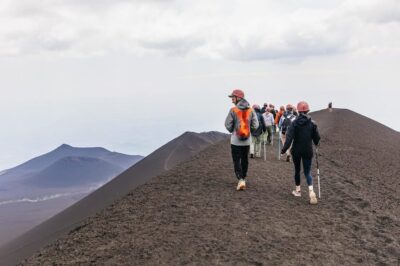
summit craters trekking with volcano guide 3350mt
Read our review →