
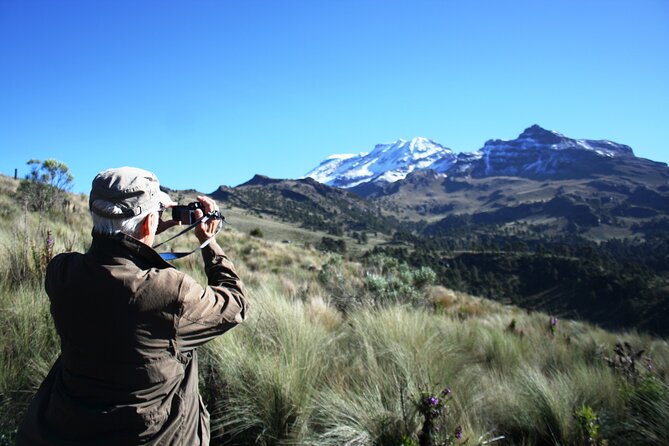
REVIEW · MEXICO CITY, MEXICO
Trekking Through The Volcanoes
Volcano country begins beyond the city.
This full-day trek takes you into Iztaccíhuatl-Popocatépetl National Park, where pine forests, high mountain valleys, waterfalls, and volcanic peaks replace Mexico City’s traffic. I like the small advertised group size of 13 and the fact that transportation, hiking poles, a backpack, food, and lunch are included. I also like the route’s variety: you are not simply walking up and down one trail, but moving between two famous volcanoes with views of Popocatépetl’s fumarole. The main consideration is altitude. This is a long mountain walk at roughly 3,500 to 4,000 meters, and the thin air can make an otherwise moderate trail feel strenuous.
The tour costs $133.34 per person and lasts about nine hours, including the drive from Mexico City. Guides such as Bernardo, Carlos, Alan, Sergio, and Alberto have been praised for steady pacing and personal attention, though the amount of commentary can vary. Bring layers, sturdy shoes, sun protection, and patience for a winding two-hour drive each way.
Five things to know before you book
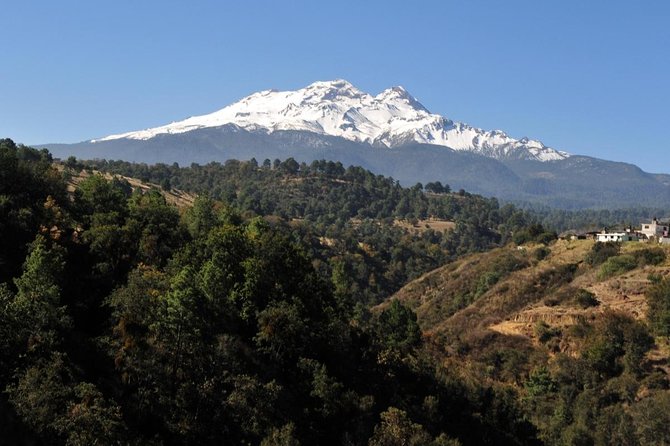
- The hike reaches high altitude quickly: You begin around 3,500 to 3,600 meters, far higher than Mexico City, and climb toward roughly 4,000 meters.
- The route offers more than volcano views: Expect pine woods, open alpine ground, ravines, volcanic ash, a waterfall, and possible icicles in colder weather.
- Lunch is a real part of the experience: After hiking, you eat tacos and quesadillas at a traditional market or roadside Mexican restaurant.
- The supplied gear keeps packing simple: Trekking poles, a backpack, water, an energy drink, snacks, and lunch are provided.
- The final road section may disappoint: Most of the route is scenic, but about four kilometers can involve walking beside a road with cars.
- You do not climb to a summit: This is a high-altitude volcano trek through the lower parts of the peaks, not a summit attempt on Iztaccíhuatl or Popocatépetl.
Why this volcano trek is worth the long drive
The great appeal is the sharp change from urban Mexico City to open mountain country. You leave the city at 7:00 a.m. from Avenida Vicente Suárez in Condesa, then ride toward the national park in private transportation. The drive takes roughly two hours each way, so this is not a quick outing. It is a full day built around getting somewhere very different.
That travel time makes sense if you want a serious taste of Mexico’s high mountains without committing to a multiday expedition. You see two of the country’s best-known volcanoes, walk through several types of terrain, and return to the city the same day.
The price is fair for what is included. Private transportation alone would add up quickly, and the tour also supplies a guide, hiking poles, a backpack, water, sports drink, snacks, and two meals in practical form. The main value is not luxury. It is convenience and access. You can enjoy a remote mountain route without arranging a vehicle, park logistics, food, and safety support on your own.
More Volcano Treks in the world:
- Mount Etna: Trek to 3000m with cable car and 4×4
★ 4.6 · 3,823 reviews - Mount Etna: Summit Crater Trek with Cable Car
★ 4.8 · 1,875 reviews - La Palma: Tajogaite Volcano Guided Trek
★ 4.8 · 1,810 reviews
Starting at Paso de Cortés between two volcanoes
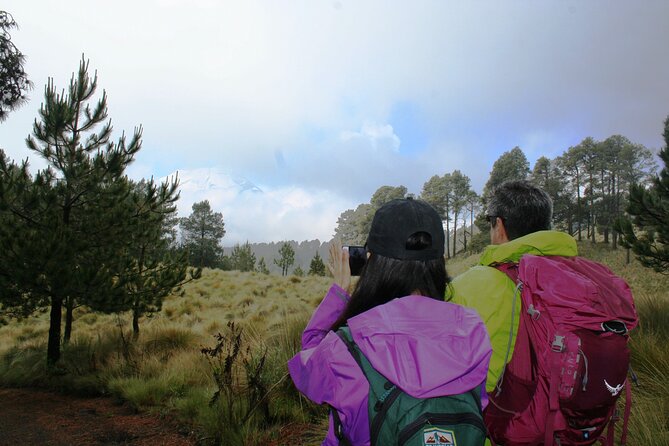
The walk begins at Paso de Cortés, a mountain pass associated with the approach to Iztaccíhuatl and Popocatépetl. From here, the route heads through forest with Iztaccíhuatl in view.
Iztaccíhuatl is often called the Sleeping Woman because its profile resembles a reclining figure. Popocatépetl, an active volcano, is the more dramatic presence. On a clear day, you may see its plume or fumarole rising from the upper slopes. One outing even caught an eruption, but that is a matter of luck and weather, not something the tour can promise.
The first section gives you time to settle into the altitude. The trail is often described as moderate rather than technical, but do not confuse a nontechnical path with an easy one. Some slopes are steep, the air is thin, and volcanic soil can be loose and dusty. In places, the surface may be slippery or covered with ash.
Your guide should set a controlled pace and stop often. Bernardo, Carlos, Alan, and Alberto have all been praised for checking on the group and allowing slower walkers to keep up. This matters here because the strongest hiker does not always handle the altitude best.
Cerro Altzomoni brings the best Popocatépetl view
The route climbs toward Cerro Altzomoni, one of the key viewpoints on the day. This is where Popocatépetl becomes the focus, with views toward its upper slopes and fumarole.
The climb is not a summit ascent. You are walking in the lower mountain zone, generally stopping below the tree line rather than attempting either volcano. That makes the trip suitable for people who want dramatic mountain scenery without the equipment and commitment required for a high-altitude summit.
The setting changes as you gain height. Forest gives way to more open ground, and the views widen. You may see broad valleys, alpine grass, old pine trees, and the pale volcanic surfaces that give parts of the route a dusty appearance. The reward comes in several smaller moments rather than one final summit view: a gap between trees, a clear look at Popocatépetl, or a sudden view back toward Iztaccíhuatl.
Clear weather matters a great deal. Rain, cloud, and mist can hide the volcanoes, especially during the rainy season. The walk can still be attractive in poor visibility, but the headline views may disappear.
Amalacaxco ravine and the waterfall section
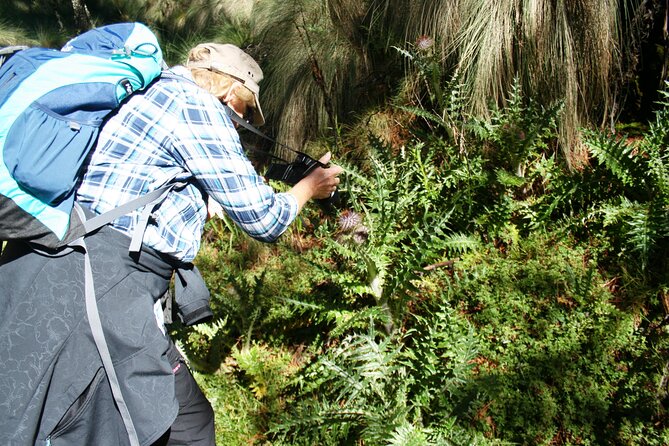
From Cerro Altzomoni, the route descends toward Amalacaxco ravine. This section adds texture to the day. Instead of walking only across exposed mountain ground, you pass through areas with more plant life and perhaps some wildlife.
A waterfall is one of the most appreciated parts of the route. In cold conditions, water and nearby vegetation can form icicles, creating an unexpected winter scene in Mexico. The waterfall also gives the group a natural rest point during the longer walk.
The route length can vary. Some outings cover about nine kilometers, while others take the longer loop of approximately 13 kilometers, or about eight to ten miles depending on the exact route. One account described roughly 400 meters of climbing, while other descriptions place the walk between about 3,500 and nearly 4,000 meters. The exact figures may depend on the route, conditions, and how the guide shapes the day.
Ask at the start which version you are doing. If you are fit and the weather is good, the longer loop gives you more time in the mountains. If altitude affects you quickly, the shorter option may be the wiser choice.
A few more treks around the world worth a look
- Bali: Mount Batur Sunrise Trek With Guide and Breakfast
★ 4.8 · 3,461 reviews - From Chania: Full-Day Samaria Gorge Trek Excursion & Guide
★ 4.6 · 3,191 reviews - Etna: summit craters trekking with volcano guide 3350mt
★ 4.7 · 1,712 reviews - From Rethymno: Samaria Gorge Full-Day Trek, Pickup & Guide
★ 4.5 · 1,610 reviews
The road section is the weak link
The most consistent criticism concerns the end of the trail. The first eight or nine kilometers can be scenic and peaceful, but the final four kilometers may use a road with passing cars.
This is worth understanding before you book. The tour description presents an off-the-beaten-track route, and much of the walk does feel quiet and remote. Still, the entire outing is not a pristine footpath. The road section can bring dust, traffic, and less attractive walking.
Volcanic ash is another practical nuisance. The ground can look like sand, and footsteps kick fine dust into the air. A scarf, buff, or light face covering can help, especially on a dry day. You may also finish with dusty shoes and trousers, so dress for a real hike rather than a polished sightseeing excursion.
The guides appear to handle tired hikers sensibly. Carlos was praised for arranging a lift for an older participant near the end, sparing him extra fatigue. That kind of judgment is more useful than a fast pace.
Altitude is the main physical test
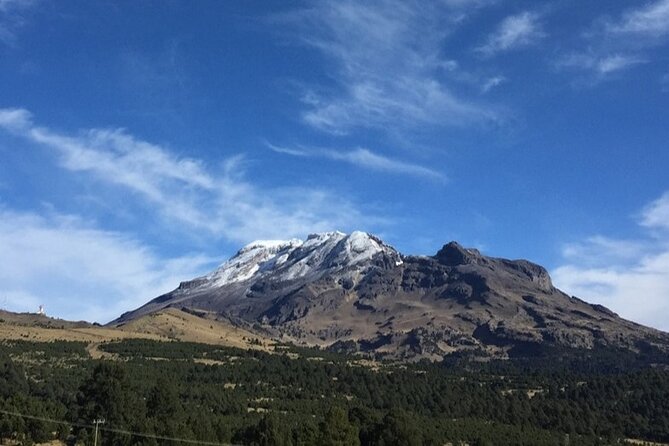
You do not need technical climbing skills, but you do need reasonable fitness. The trail includes uphill stretches, some of them steep enough to make you stop and breathe. At this elevation, a short slope can feel much harder than the same slope at sea level.
A useful preparation rule is simple: you should be comfortable walking for several hours, climbing repeated hills, and staying outdoors in changing temperatures. The hike has been completed by people ranging from children to older adults, but ability varies. A person who is fine with long walks at home may still struggle above 3,500 meters.
Altitude sickness is possible. The tour information does not promise acclimatization support beyond guide supervision, so take the issue seriously. Spending several days in Mexico City beforehand may help some people adjust, but being comfortable in the city does not guarantee an easy time at higher elevation.
Tell the guide early if you feel unwell. Do not wait until symptoms become severe. The group may move at a shared pace, and guides have been praised for frequent breaks, but you remain responsible for judging your own condition.
What to wear and carry
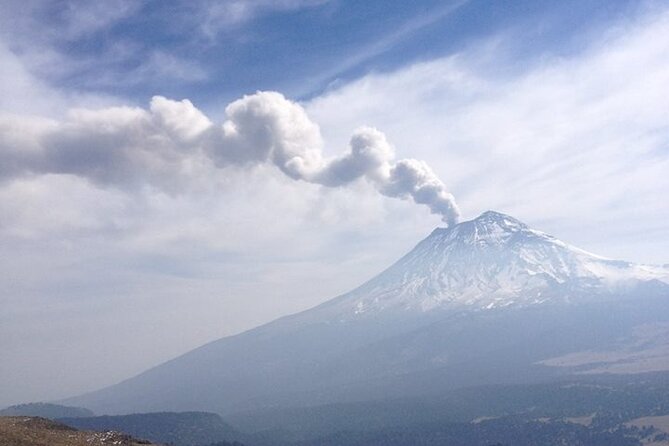
The temperature can change sharply during the day. Early starts may be around 8 degrees Celsius, with wind making it feel colder. Later, sunshine and exertion can make you warm enough for a T-shirt, so layers are more useful than one heavy coat.
Wear:
- Hiking shoes or sturdy boots with good grip
- Long trousers or flexible hiking pants
- A warm fleece or sweater
- A windproof or waterproof outer layer
- A hat, sunglasses, and sunscreen
- A scarf or face covering for dusty sections
The operator provides trekking poles and a backpack, along with food and drinks. You should still bring personal medication, extra water if you prefer more than the supplied amount, and cash for any restroom charge along the drive. There are no reliable facilities on the trail or at the trailhead, and toilet paper may not be available.
If winding roads bother you, consider motion-sickness medicine before leaving. The drive takes about two hours in each direction, and the mountain roads can feel tiring before the hike even begins.
The food makes the return trip better
The supplied trail food is more substantial than a token snack. The backpack includes a one-liter bottle of water, a 600-milliliter energy drink, a chocolate energy bar, peanuts, fruit snacks, and a sandwich or similar packed food.
That matters because the walk can last about five hours, depending on the route and pace. Eating little and relying on lunch afterward would be a mistake at high altitude.
The main meal comes after the hike at a traditional market or roadside Mexican eatery. Expect tacos and quesadillas, with fillings that may include less familiar choices such as squash flower. This is a welcome finish because it feels connected to everyday local food rather than a generic boxed meal.
The meal is included, but you may want cash for optional purchases or restroom use. The food is part of the tour’s value, especially after a long uphill day.
Guides make the difference
A good guide can turn this from a tiring walk into a memorable mountain day. Carlos has been praised for explaining the volcanoes, plants, and animals while keeping an eye on each person’s pace. Bernardo has also been singled out for regular check-ins and clear explanations of what comes next.
The guide experience is not perfectly uniform. Some outings have included lively explanations about geography, flora, and fauna. In other cases, the main guide has focused on leading and safety with little commentary unless someone asks questions.
If learning about the park matters to you, ask questions directly. Ask about Popocatépetl’s activity, the volcanic soil, the forest, and the route’s history. The small-group format should make that possible, and guides such as Carlos, Alan, Sergio, and Bernardo have shown that the trip can include plenty of useful conversation.
The advertised maximum is 13 people, which is a sensible size for a mountain walk. One recent outing was described as larger, so I would confirm the group size when booking if personal attention is important to you.
Who should book this experience?
I would recommend it to an active visitor who wants mountains rather than another day in the city. It suits solo hikers, couples, and small groups who like a long outdoor day but do not want to organize a remote national park independently.
It is also a good first high-altitude hiking experience if you have prepared properly and want a guided route without attempting a volcano summit. The route is scenic and physically real, but it is not technical climbing.
I would hesitate to recommend it to anyone with limited walking fitness, serious altitude concerns, or a strong dislike of long drives. It is also not ideal if you need a guaranteed clear view of both volcanoes. Weather controls the scenery, and the final road stretch is less appealing than the forest and mountain sections.
The activity is offered in English, uses a mobile ticket, and ends back at the Condesa meeting point. Service animals are allowed, and the tour is described as suitable for most participants, but the altitude and distance still deserve honest attention.
Should you book Trekking Through the Volcanoes?
Book it if you want a full mountain day with striking views, practical support, and a generous Mexican meal afterward. The best parts are the quiet forest sections, the views of Iztaccíhuatl and Popocatépetl, the waterfall, and the care shown by strong guides when someone needs a slower pace.
Think twice if you want a short walk, a polished path, or constant guide commentary. You will spend nearly four hours in the van, walk through dust, face thin air, and possibly finish beside a road.
For the $133.34 price, I find the package good value. Private transportation, equipment, food, a guide, and access to a difficult-to-reach national park are all covered. Pack layers, protect your face from ash, take the altitude seriously, and ask for the longer loop if your fitness and the weather allow it.
FAQ
Where does the tour start?
The tour starts at Avenida Vicente Suárez 38 in Colonia Condesa, Cuauhtémoc, Mexico City.
What time does the tour begin?
The scheduled start time is 7:00 a.m.
How long does the experience last?
The activity lasts approximately nine hours, including transportation, though some outings have lasted a little over ten hours.
How many people can join the group?
The advertised maximum is 13 participants.
Is lunch included?
Yes. Lunch includes tacos and quesadillas at a traditional market or roadside Mexican restaurant. The trail provisions include water, an energy drink, an energy bar, peanuts, fruit snacks, and a sandwich or similar packed food.
Are hiking poles provided?
Yes. Trekking poles and a backpack are provided.
How difficult is the hike?
The trail is not technically difficult, but it is long and takes place at high altitude. It includes uphill sections, loose or dusty ground, and distances ranging from about nine to 13 kilometers depending on the route.
Can I cancel for a refund?
You can cancel at least 24 hours before the start time for a full refund. Cancellations or changes made less than 24 hours before departure are not refunded or accepted. If poor weather or insufficient bookings cause the operator to cancel, you will be offered another date or a full refund.
Recently added around the world
- Mt Kilimanjaro Trek, 6 Days – Umbwe Route★ 5.0 · 4 reviews
- 7 Day Trek To The Roof Of Africa Kilimanjaro via Machame Route★ 5.0 · 5 reviews
- Full Day Private Trekking Mu Cang Chai★ 5.0 · 33 reviews
- Mount Kilimanjaro Trek 7-Days: Lemosho Route★ 5.0 · 2 reviews
- 8 Day Kilimanjaro Trek via Lemosho Route★ 5.0 · 17 reviews
- 6-Day Kilimanjaro Machame Route – A Stunning Trek to Uhuru Peak★ 5.0 · 7 reviews
- 7-Days Tour Mount Kilimanjaro Trekking via Machame Route★ 5.0 · 2 reviews
- 6-Day Rongai Route Trek in Mount Kilimanjaro★ 5.0 · 8 reviews
Volcano Treks, compared.
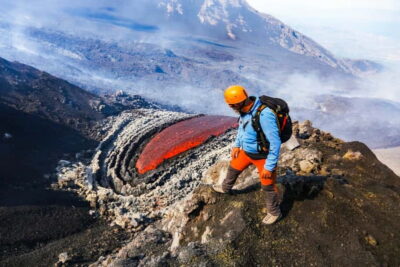
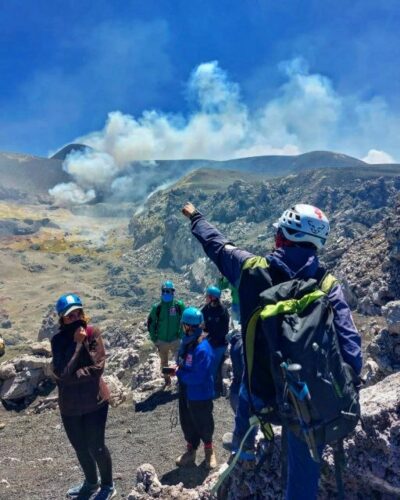
summit craters trekking with volcano guide 3350mt
Read our review →
Mount Etna Trekking Tour Beyond the Tourist Trails
Read our review →
Etna Sunset Tour: Volcano trek, Cave & tasting from Catania
Read our review →
Browse the lists this tour appears in