REVIEW · HANOI
Sapa Trekking Tours – 2 Days 1 Night Stay At Homestay
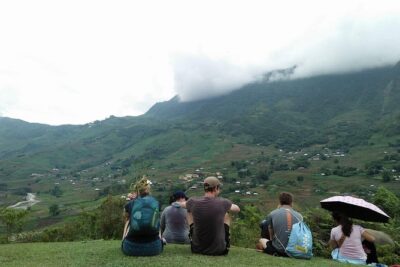
Sapa rewards sturdy shoes and an open mind. This two-day trip combines mountain walking, village visits, a local homestay, included meals, and round-trip bus travel from Hanoi, making it a fairly easy way to see northern Vietnam without arranging every piece yourself. I like the small group limit of 15 people and the friendly local guiding, especially guides such as Sung and Mung, who are praised for their energy, humor, and helpful attitude.
I also like the amount packed into the price: transport, breakfast, lunch, dinner, bottled water, tea or coffee, accommodation, and a guide. The main caution is the homestay. It is shared with other trekkers, and contact with the host family may be limited, so this is not the private, intimate village stay some people picture.
Key points to know before booking

- About 15 kilometers of walking: The two-day route includes Cat Cat, Y Linh Ho, Lao Chai, and Ta Van, with some slippery and challenging sections.
- A shared homestay: Accommodation is basic and communal, with several other trekkers staying in the same place.
- Strong guide feedback: Sung, Mung, and other local guides are praised for friendliness, energy, and good organization.
- Meals are covered: Lunch and dinner come on day one, followed by breakfast and lunch on day two.
- A compact group: The maximum group size is 15, which should make trail movement and guide contact easier than on a large coach tour.
- Check the pickup details: The tour information refers to Hanoi in the schedule, but also mentions pickup and drop-off in Hoi An. Confirm your exact departure point before paying.
Why this Sapa trip works well for a short visit
Sapa can be awkward to arrange independently when you have only two days. You need transport from Hanoi, a place to sleep, meals, village routes, and some idea of how much walking lies ahead. This tour handles those basics in one booking.
The experience is best understood as a short trekking circuit with a cultural stop, not a serious high-mountain expedition. You walk through rice-growing valleys and villages, meet local guides, stay overnight in shared accommodation, and return to Hanoi by day bus. It gives you a strong taste of the area without asking you to plan a longer northern Vietnam trip.
The total walking distance is about 15 kilometers. That sounds manageable on paper, but Sapa paths can be uneven, steep, muddy, or slippery. One person specifically found the hike a little challenging because of slippery ground. I would rate this as suitable for someone with moderate fitness, not for a visitor who wants a flat stroll between photo stops.
The guides are one of the strongest parts of the experience. Sung is described as friendly and funny, while Mung receives warm praise for her personal manner. The guiding style seems relaxed and sociable, with basic explanations along the route. You should expect useful local insight and good company, but not a long academic lecture at every stop.
More Homestay Treks in Hanoi
- Hanoi – Sapa 2 Days 1 Night Overnight At Homestay
★ 5.0 · 899 reviews - From Hanoi: 2-Day Sapa Trekking Trip with Homestay & Meals
★ 4.8 · 704 reviews - 2-Day Sa Pa Ethnic Homestay Tour & Trek with Limousine Bus
★ 4.8 · 440 reviews
Day one: Hanoi to Sapa and the walk to Cat Cat

The first day begins at 6:30 a.m., followed by a day bus from Hanoi to Sapa. That early start matters. You lose much of the morning to transport, so the walking portion is fitted into the remaining time rather than spread across a full day.
The schedule lists about five kilometers of walking and two to three hours on foot for the Cat Cat portion. That makes day one a gentler introduction than day two, though the terrain can still make the walk feel lively. Wear shoes with firm grip, and do not rely on smooth city trainers if rain is possible.
Lunch is included on the first day, followed by dinner at the homestay. Bottled water, coffee, and tea are also included, which helps keep small costs under control. Drinks beyond those inclusions are not covered, so bring some cash for personal purchases.
Cat Cat village and the first taste of Sapa
Cat Cat is the first named stop. It is a well-known village near Sapa and gives you an early look at the area’s mountain scenery, local buildings, paths, and farming life. The route is close enough to Sapa to fit neatly into a short itinerary, but it still gets you away from the town streets.
The attraction here is the setting and the chance to walk rather than simply look from a bus window. You get a first sense of how villages sit within the hills and valleys. The drawback is time. With only two to three hours of walking listed for this section, you should not expect a slow, open-ended exploration of every corner.
A guide adds value here by handling the route and pointing out details you might otherwise pass. Still, the commentary appears fairly basic. One useful improvement would be more background on the area and its history, so I would ask questions as you walk if you want more than place names and practical directions.
The shared homestay: useful, social, and quite basic
The overnight stay is central to the tour’s appeal, but it is also the part most likely to surprise you. The accommodation is a shared homestay with many other trekkers. It is not presented as a private room in a family home.
That arrangement can be fun if you like meeting people after a day outdoors. It also keeps the price at $109 per person, since the cost covers a simple communal overnight stay rather than a private hotel. If you value privacy, quiet, or a strong personal connection with the host family, you may find it disappointing.
Contact with the host family can be minimal. You may eat a traditional Vietnamese meal and sleep in a local-style setting, but the social experience is not guaranteed to involve much conversation with the people who run the home. Think of it as a practical village base with a local feel, not a carefully designed cultural exchange.
The tour includes dinner and breakfast at the homestay. Accommodation is included only for the first night. Day two ends with the bus back to Hanoi, so there is no second night in Sapa.
One useful detail is that a previous participant arranged a hotel in Sapa instead of using the homestay. That suggests an alternative may sometimes be possible, but it is not included as a standard feature. If a private hotel room matters to you, ask the operator before booking and confirm any extra cost.
More Homestay Treks in Vietnam
- Hanoi – Sapa 3 Day 2 Night Trekking With Hotel & Homestay
★ 5.0 · 389 reviews - Hanoi – Sapa 2 Days 1 Night Overnight At Local Homestay
★ 5.0 · 233 reviews - From Hanoi: 2-Day Luxury Sapa Trekking Tour with Homestay
★ 4.4 · 49 reviews - 3-Night Sapa Trek and Homestay with Round Trip Transfer from Hanoi
★ 4.5 · 37 reviews
Day two: Y Linh Ho, Lao Chai, and Ta Van
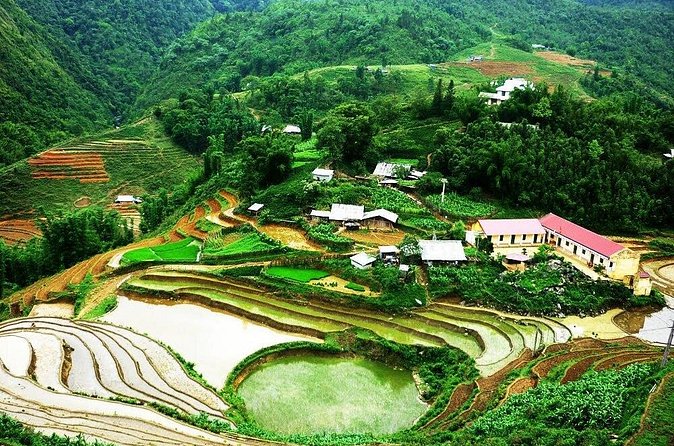
Day two is the stronger walking day. The route runs from Sapa through Y Linh Ho, Lao Chai, and Ta Van, then returns to Sapa for the bus to Hanoi. The exact distance is not separated by stop, but the overall trek is around 15 kilometers across both days.
Breakfast comes before setting out, and lunch is included during the day. That is helpful because you do not need to organize food while moving between villages. You should still pay attention to water and personal snacks, especially if you usually eat between meals. Bottled water is included, but other drinks are not.
Y Linh Ho and the valley paths
Y Linh Ho is part of the route through the valleys around Sapa. This section is about walking through the countryside rather than checking off a single monument. The reward comes from the rice fields, mountain views, village paths, and changing elevation.
This is where footwear and fitness matter most. Slippery trails can slow the group and make downhill sections awkward. Take your time, use the guide’s pace, and avoid treating the walk as a race. The tour is more enjoyable when you look up from your feet often enough to notice the scenery.
Lao Chai village
Lao Chai is one of the main stops and gives the day a clear cultural focus. You pass through a working village setting rather than a museum display. That helps you see how homes, paths, fields, and daily routines fit together in the mountain valleys.
The guide is important here. A local guide can add context about village life and help you notice details that are easy to miss. Based on the comments about the commentary, I would keep your expectations sensible. You are likely to receive useful explanations, but you should ask direct questions if you want more detail about local customs or the communities you pass through.
Ta Van and the return to Sapa
Ta Van completes the village section before you return to Sapa. By this point, the walk has given you a broad view of the region rather than one isolated attraction. You see the contrast between town access, village paths, cultivated valleys, and homestay life.
The return to Sapa is followed by the day bus back to Hanoi. This makes the final day long. You have a morning of walking, lunch, a return to town, and then road travel. I would not plan an important evening appointment in Hanoi unless you have plenty of spare time.
What the $109 price really covers

At $109 per person, the tour offers reasonable value if you want convenience. The price includes the bus travel described in the schedule, the guide, one night at the homestay, breakfast, two lunches, dinner, bottled water, coffee, and tea. Fuel and facility fees are also included.
That bundle saves you from paying for each basic part separately. It also reduces the risk of booking a room in the wrong place or missing a village route. For a first Sapa visit, that organization has real value.
The price is less attractive if you want luxury or privacy. The homestay is shared, the guide commentary may be brief, and the walking conditions are not softened for comfort. You are paying for access, meals, local guiding, and a compact route, not a premium retreat.
Tips, personal travel insurance, and other drinks are extra. Since the activity is non-refundable and cannot be changed after booking, check your dates, pickup point, fitness level, and accommodation expectations first.
Group size, guides, and the feel of the walk

A maximum of 15 people is a sensible limit for this type of route. A smaller group can keep the guide within reach and reduce the stop-and-start problem that comes with a large crowd. It also suits the communal nature of the homestay, where you may meet other people from the group and beyond.
The strongest praise goes to the guides’ attitude. They are described as lovely, energetic, friendly, funny, and helpful. That matters on wet or tiring paths. A good guide can make an uneven trail feel like part of the adventure instead of a chore.
The weaker point is the depth of information. Basic commentary may be enough for someone who mainly wants scenery and company. If you want detailed explanations of local culture, history, and village life, prepare questions and make your interests clear early.
Practical tips for making the two days easier

Bring shoes with good grip. Slippery walking conditions are specifically noted, and the route is not just a paved town walk.
Pack lightly, but include a rain layer and dry clothes for the homestay. The supplied information does not give a packing list, so keep your bag practical rather than assuming hotel-style storage and comforts.
Allow extra time for the bus. The schedule calls the transport a day bus in both directions, but it does not give journey times. The early start and late return make this a full two-day commitment.
Confirm the departure details. The tour is described as based in Hanoi, and the day-by-day schedule begins and ends there. Elsewhere, the description refers to pickup and drop-off in Hoi An, which does not match the Sapa itinerary. Get written confirmation of your hotel pickup point before the trip.
A mobile ticket and booking confirmation are provided, and group discounts may be available. The activity requires a moderate fitness level and is capped at 15 people.
Who should book this Sapa experience?

I would choose this tour if you want a structured first look at Sapa and prefer a guide to arrange the moving parts. It suits people who enjoy walking, shared accommodation, simple meals, and local scenery more than polished hotel comfort.
It is also a good fit if you have limited time in Vietnam. Two days is short, but the route covers several important village areas and includes an overnight stay, which gives you more time than a quick day visit.
I would hesitate if you need a private room, quiet accommodation, gentle paths, or detailed historical interpretation. The homestay is shared, the trails can be slippery, and the commentary may stay at a basic level.
FAQ
How long is the tour?
The experience lasts two days and one night, with a day bus from Hanoi to Sapa and a return day bus on the second day.
What time does the tour start?
The stated start time is 6:30 a.m.
How much walking is involved?
The total trek is about 15 kilometers. Day one lists five kilometers and two to three hours of walking around Cat Cat village.
Which villages are included?
The route includes Cat Cat village on day one, followed by Y Linh Ho, Lao Chai, and Ta Van on day two.
Is accommodation included?
Yes. One night at a homestay is included on day one. No accommodation is included on day two.
What meals are included?
Lunch and dinner are included on day one. Breakfast and lunch are included on day two.
Are drinks included?
Bottled water, coffee, and tea are included. Other drinks are not included.
How large is the group?
The maximum group size is 15 people.
Can I cancel for a refund?
No. The experience is non-refundable and cannot be changed after booking.
Should you book it?
Book this tour if you want Sapa’s mountain paths and villages without arranging transport, meals, guiding, and a homestay yourself. The best reasons to go are the friendly local guides, the manageable two-day format, and the amount included in the $109 price.
Go in with clear expectations: this is a shared, basic homestay and a real walking trip, not a private cultural retreat. Confirm the Hanoi or Hoi An pickup detail, prepare for slippery ground, and ask about a hotel alternative if communal sleeping is not for you. With those points settled, it offers a practical and good-value introduction to Sapa.
More Two-Day Treks in Hanoi
- From Hanoi: 2-Day Sapa Trek Tour – Luxury Limousine Transfer
★ 4.1 · 249 reviews - 2 days AMAZING trekking Sapa from Hanoi with various options
★ 4.5 · 53 reviews - From Hanoi: 2-Day Sapa-Fansipan Peak & Trek & Ha Giang Bus
★ 4.8 · 52 reviews - 2 Days Pu Luong Offbeat Trekking Best for Mountain Lovers
★ 5.0 · 47 reviews
More Evening Experiences in Hanoi
- Sapa 3 Days 2 Nights Trekking Tour (1 Night In Ta Van Village, 1 Night In Hotel)
★ 5.0 · 699 reviews - 2-Day Trekking Adventure of Sapa from Hanoi with Night Bus
★ 5.0 · 134 reviews - Sapa Trekking Tour 2 Days 1 Night By Bus
★ 5.0 · 86 reviews - Sapa: 3-Day, 3-Night Trek and Hotel with Overnight Train
★ 4.2 · 64 reviews
Recently added around Hanoi
- Trekking around Ha Giang 5 days 4 nights★ 3.0 · 2 reviews
- From Hanoi : Sapa Moutain Trek – Halong bay Heritage★ 4.5 · 25 reviews
- 2-Day SAPA Trekking – Villages-Homestay-Ethnic-Local Food-Market★ 5.0 · 2 reviews
- 8-Days Hanoi, Sapa Trekking And Halong Bay Cruise★ 5.0 · 8 reviews
- Hanoi: 3D2N Mu Cang Chai Visit All Attractions, Trek, Ethnic Life★ 5.0 · 3 reviews
- Mai Chau – Pu Luong trekking 3 days 2 nights★ 4.5 · 7 reviews
- Trekking In Ha Giang 5 Days★ 5.0 · 4 reviews
- Sapa trekking – Unique Route – 2D1N★ 5.0 · 3 reviews
Homestay & Village Treks, compared.


Number one top rated ethical cultural trekking and homestay by ETHOS
Read our review →
2-Day Sa Pa Ethnic Homestay Tour & Trek with Limousine Bus
Read our review →
Sapa 3 Day 2 Night Trekking With Hotel & Homestay
Read our review →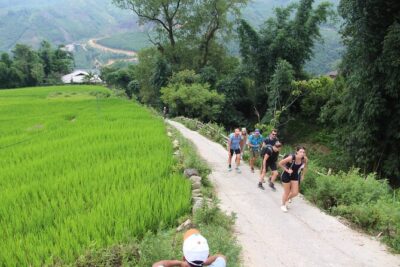
Sapa 2 Days 1 Night Overnight At Local Homestay
Read our review →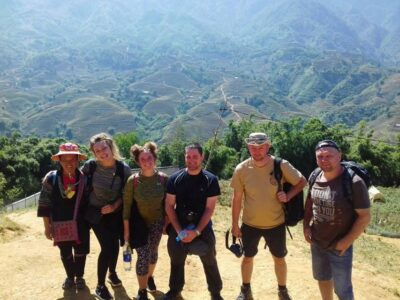
2-Day Trekking Trip with Ethnic Minority Homestay
Read our review →