REVIEW · HANOI
Sapa Trekking & Homestay 2 Days 1 Night
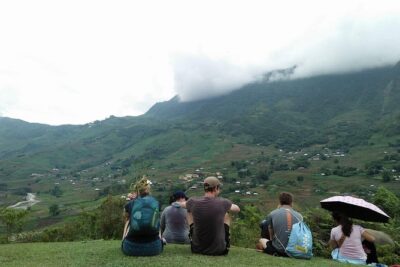
Rice fields, mountain paths, and a village homestay await. This two-day Sapa trek takes you from Hanoi into the Muong Hoa Valley, with time among the Black H’mong, Giay, and Red Dao communities. I like the chance to sleep in Y Linh Ho village rather than simply passing through, and I like that transportation, meals, a guide, and one night’s lodging are bundled into the $53.75 price. The main drawback is the long bus ride from Hanoi, followed by trekking on narrow and possibly slippery paths.
This is a small-group outing, capped at 15 people, which should make the walking and village visits easier to manage than a large coach excursion. Still, you need moderate physical fitness, and the schedule leaves little spare time if the bus runs late or the weather turns poor.
Five details that shape the experience
- Early Hanoi pickup: Be ready at your Old Quarter hotel lobby at 6:30 a.m. for the bus.
- Muong Hoa Valley walking: The route passes through rice fields, bamboo forest, villages, and a waterfall.
- Three ethnic communities: You visit Black H’mong, Giay, and Red Dao villages, each with its own customs and style.
- Overnight in Y Linh Ho: The homestay gives you a closer look at local life than a standard Sapa hotel.
- Small group size: The maximum of 15 people keeps the trip fairly manageable on narrow paths.
- Weather matters: Fog, cold, and slippery ground can change the feel of the trek, and poor weather may lead to a date change or refund.
Leaving Hanoi at 6:30 for the mountain town

The trip begins early. You wait in your hotel lobby in Hanoi’s Old Quarter at 6:30 a.m., then board the air-conditioned bus around 7:00. The ride to Sapa is scheduled to take much of the morning, with two short stops along the way.
The bus is one of the more useful inclusions here. You do not need to arrange a separate train, transfer, or taxi to the mountains. A past participant described the vehicle as having fairly comfortable reclining berths, though the journey felt long because of the stops. That is a fair warning: the transport is convenient, but this is not a quick hop out of Hanoi.
You should expect to spend several hours watching the countryside pass by before reaching Sapa at around 1:00 p.m. After arrival, a van takes you onward toward the trekking route. The timing is important because the actual walk does not begin until about 3:00 p.m. You have enough time for the transfer, but not much room for a relaxed Sapa lunch unless it is arranged as part of the tour.
The air-conditioned bus and included transfers make the $53.75 price easier to justify. If you were arranging transport, a village stay, meals, and a local guide separately, the costs and coordination would quickly add up.
More Homestay Treks in Hanoi
- Hanoi – Sapa 2 Days 1 Night Overnight At Homestay
★ 5.0 · 899 reviews - From Hanoi: 2-Day Sapa Trekking Trip with Homestay & Meals
★ 4.8 · 704 reviews - 2-Day Sa Pa Ethnic Homestay Tour & Trek with Limousine Bus
★ 4.8 · 440 reviews
Y Linh Ho and the Black H’mong village stay
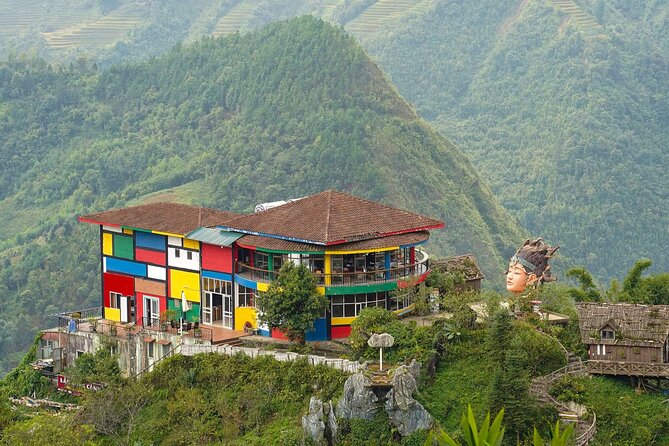
At about 3:00 p.m., you begin walking through the fields toward Y Linh Ho. This is home to the Black H’mong people, who have their own language, customs, and strong sense of cultural identity.
The walk lasts around two hours. It is not presented as a gentle town stroll. You follow paths through fields and rural terrain, so sensible shoes are important. Conditions can be especially challenging in wet or cold weather. One account describes fog, cold temperatures, and slippery ground, all of which can turn an otherwise moderate walk into a tougher outing.
The reward is the setting. Instead of viewing the valley from a roadside lookout, you move through the fields and approach a village on foot. That gives you a better sense of how the rice-growing communities relate to the slopes and valleys around them.
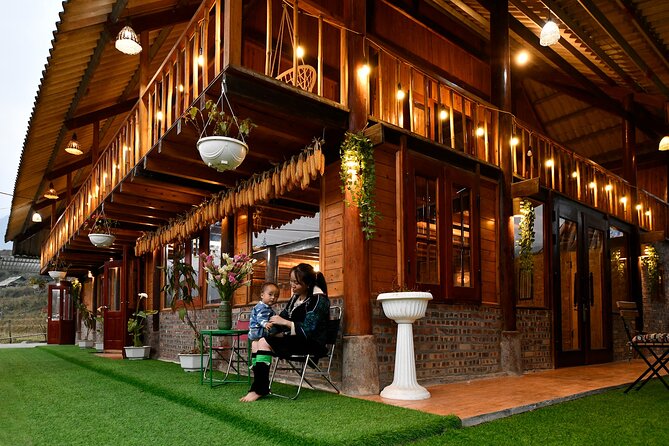
Your overnight stay is in a local homestay in Y Linh Ho. The accommodation is simple by design. You are choosing a family-style village stay, not a private room at a resort. A single room costs an extra $10, so confirm the sleeping arrangement if privacy matters to you.
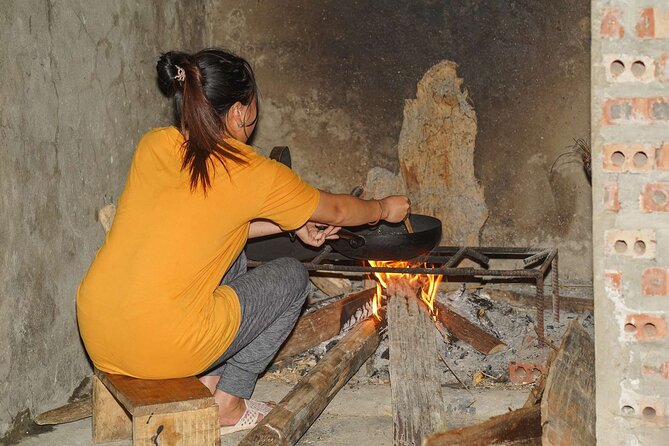
Dinner is included, and the food received especially warm praise. The meal gives the evening a local character and is one of the practical pleasures of the stay. Drinks are not included, so bring some Vietnamese cash if you want to buy beverages or need anything extra.
The homestay is also the point where the cultural side of the trip becomes more personal. Your guide helps you understand local customs, but you should still approach the household with care. The purpose is not simply to collect photographs. It is to spend an evening in a community with a different daily rhythm from Hanoi or central Sapa.
Lao Chai at the start of day two
Breakfast comes before an 8:00 a.m. departure. You say goodbye to your hosts and continue toward Lao Chai, another Black H’mong village.
This section lasts about 45 minutes, with narrow paths running through the fields. The route keeps you close to daily rural life rather than separating you from it behind a vehicle window. You may find the walking more interesting than the stop itself because the path links the villages and gives you repeated views of the valley.
Lao Chai is a useful continuation of the first day. You have already spent the night in a Black H’mong village, and now you can see more of the community and its surroundings in daylight. The pace is fairly brisk, so this is not a long village workshop or an extended cultural class. It is a short visit within a larger walking route.
If you want hours of independent exploration in each village, this tour may feel too structured. If you prefer a guided route that links several communities without arranging every transfer yourself, the compact schedule works well.
Ta Van and the Giay way of life
From Lao Chai, you walk for about 45 minutes to Ta Van. This village is associated with the Giay people, whose culture and lifestyle differ from those of the Black H’mong.
The Giay communities here live in mountain valleys close to their fields, where they cultivate wet rice. That detail helps explain why the route is so focused on valley floors, terraces, and cultivated slopes. You are not just moving between scenic viewpoints. The scenery is tied to work, food, and settlement.
Ta Van is a good place to pay attention to how the villages sit in relation to the fields. The trip does not promise a long formal presentation, so much of the value comes from listening to the guide and observing respectfully as you walk.
The 45-minute stop is also a reminder that this is a trekking tour first. Village visits are woven into the route rather than treated as separate attractions with long scheduled stops. Wear footwear that gives you confidence on uneven ground, and keep your daypack light.
More Homestay Treks in Vietnam
- Hanoi – Sapa 3 Day 2 Night Trekking With Hotel & Homestay
★ 5.0 · 389 reviews - Hanoi – Sapa 2 Days 1 Night Overnight At Local Homestay
★ 5.0 · 233 reviews - From Hanoi: 2-Day Luxury Sapa Trekking Tour with Homestay
★ 4.4 · 49 reviews - 3-Night Sapa Trek and Homestay with Round Trip Transfer from Hanoi
★ 4.5 · 37 reviews
Bamboo forest and Giang Ta Chai waterfall
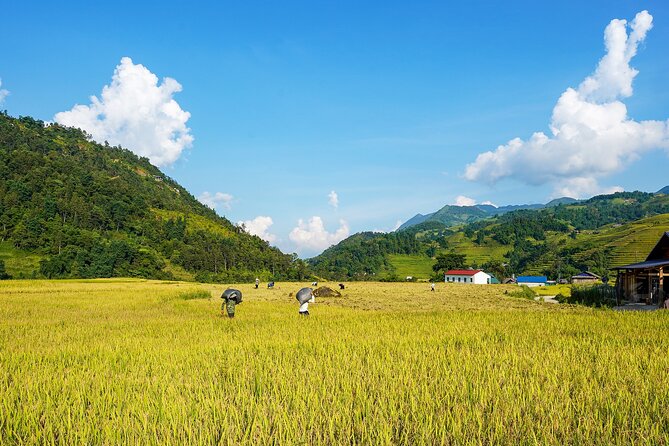
The route then continues toward Giang Ta Chai village. This is one of the most varied stretches of the trip, taking you through a bamboo forest and past a waterfall before reaching the Red Dao community.
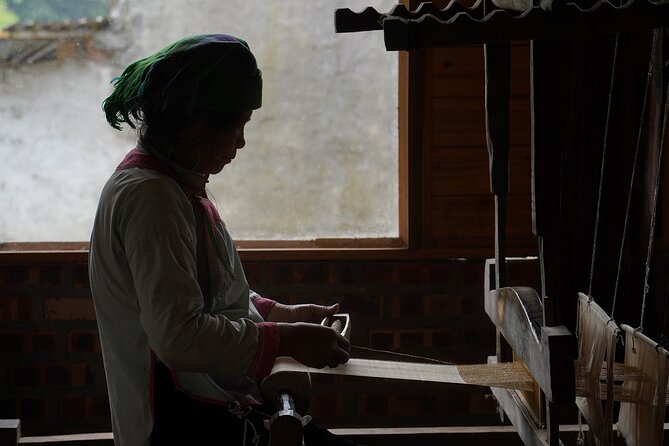
The Red Dao are known for distinctive red embroidery, especially in women’s clothing. This adds another cultural layer to the journey. In two days, you encounter three different ethnic groups, not one generalized idea of mountain village life.
The bamboo forest and waterfall also break up the rice-field walking. If the ground is wet, this part may be slippery, so keep your footing in mind rather than rushing to keep up. The tour is best for someone who enjoys changing terrain and does not need every path to be polished.
Giang Ta Chai is scheduled for about 45 minutes. That gives you time to look around and hear about the community, but it is not enough for a long independent visit. The local guide is important here because the guide connects what you see with the customs and daily lives of the people who live in the valley.
Lunch, a Sapa break, and the ride back
After Giang Ta Chai, you stop for lunch before leaving the walking route. Two lunches are listed as included, along with breakfast and dinner, which keeps most of your main meals covered during the trip.
You then drive back to Sapa and have time to rest at the Symphony Hotel before the afternoon bus to Hanoi. This pause is welcome. After two days of mountain paths, a place to sit, reorganize your bags, and recover your legs makes the return journey easier.
The bus arrives in Hanoi in the evening and drops you at a stop near the Old Quarter. You should not expect a hotel drop-off at the end unless the operator confirms otherwise. Since the next morning starts early and the return timing depends on road conditions, this trip works best when you leave your Hanoi schedule flexible.
What the $53.75 price really includes
At $53.75 per person, the tour offers solid value for a short Sapa outing. The price covers:
- Air-conditioned bus travel between Hanoi and Sapa
- Local transfers connected with the trek
- One night at a Y Linh Ho homestay
- Breakfast, dinner, and two lunches
- An English-speaking local guide
- Tour fees and taxes
- Bus insurance during the included transport
- Mobile ticketing and pickup from the Old Quarter area
That is a lot of moving parts for one price. The most valuable inclusion is probably the overnight stay. A day trip could show you the valley, but sleeping in Y Linh Ho gives you more time around the community and avoids reducing Sapa to a quick photo stop.
The price does not cover drinks, tips, travel insurance, or extra services. A private room costs $10 more. You should also remember that insurance applies during the bus portion, while separate travel insurance is not included. If you want broader cover for illness, belongings, or the trek itself, arrange it separately.
The group limit of 15 is another positive. It is not a private tour, but it is small enough to keep the guide’s explanations useful and reduce the chance of a large crowd filling a narrow path.
Fitness, weather, and the real level of comfort

The tour asks for moderate physical fitness. That wording matters. You will walk through fields, along narrow paths, through bamboo forest, and near a waterfall across two days. The tour does not provide a precise total distance, so you should judge your readiness by the terrain rather than by mileage alone.
Weather can change the experience sharply. Fog may hide distant views, cold can make the morning uncomfortable, and rain can make paths slippery. The mountain scenery can still be memorable in mist, but poor conditions demand more care and patience.
Pack light, bring sturdy footwear, and carry a rain layer. Those are sensible choices for any route that includes fields, forest, and village paths. Since the first trekking section begins in the afternoon, you may also want easy access to warmer clothing after the long bus ride.
The homestay is part of the appeal, but it is not a luxury hotel substitute. If your priority is private space, polished facilities, or a slow schedule, you may prefer staying in Sapa itself. If you value local contact and do not mind simple accommodation, the homestay is one of the strongest parts of the trip.
Who should choose this Sapa tour?
I would recommend this experience to you if you want a short introduction to northern Vietnam’s mountain communities without arranging transport, meals, guiding, and lodging on your own.
It suits people who:
- Want to walk through the Muong Hoa Valley rather than only view it from a vehicle
- Enjoy village stays and simple local accommodation
- Are curious about Black H’mong, Giay, and Red Dao customs
- Can handle a long bus ride from Hanoi
- Have moderate fitness and are comfortable with uneven paths
- Prefer a small group instead of a large coach tour
I would think twice if you want a luxury stay, a slow cultural program, or a private itinerary. The schedule is tight, and the Hanoi to Sapa ride takes up much of the first day. You also need to accept that weather may affect the route and the views.
Free cancellation is available up to 24 hours before the start time. If poor weather or an insufficient group causes cancellation, you are offered another date or a full refund. Last-minute changes are not accepted, so keep that cutoff in mind before booking.
Should you book the 2-day Sapa trek?
Book it if you want strong value and a real village overnight without the work of planning the route yourself. The most appealing combination is the walk through the Muong Hoa Valley, the local dinner at Y Linh Ho, and the chance to see three ethnic communities across two days.
Skip it if long bus journeys frustrate you or if you need hotel-level comfort. The scenery may be misty, paths may be slippery, and the schedule leaves little room for wandering alone.
For the price, this is a practical and culturally focused introduction to Sapa. Go prepared for basic lodging, early starts, and active walking, and the trip gives you far more than a quick mountain photo stop.
FAQ
Where does the tour begin?
Pickup is offered from your hotel lobby in Hanoi’s Old Quarter at about 6:30 a.m.
How long is the bus ride to Sapa?
The bus leaves Hanoi around 7:00 a.m. and reaches Sapa at approximately 1:00 p.m., with two short breaks along the way.
Where do I spend the night?
You spend one night at a local homestay in Y Linh Ho village.
Which ethnic communities does the tour visit?
The route includes the Black H’mong in Y Linh Ho and Lao Chai, the Giay in Ta Van, and the Red Dao in Giang Ta Chai.
Are meals included?
Breakfast, dinner, and two lunches are included. Drinks and tips are not included.
Is the trek suitable for all fitness levels?
No. The tour requires a moderate level of physical fitness because it includes walking through fields, along narrow paths, through bamboo forest, and near a waterfall.
What happens if the weather is poor?
If poor weather causes the experience to be canceled, you are offered a different date or a full refund.
More Two-Day Treks in Hanoi
- From Hanoi: 2-Day Sapa Trek Tour – Luxury Limousine Transfer
★ 4.1 · 249 reviews - 2 days AMAZING trekking Sapa from Hanoi with various options
★ 4.5 · 53 reviews - From Hanoi: 2-Day Sapa-Fansipan Peak & Trek & Ha Giang Bus
★ 4.8 · 52 reviews - 2 Days Pu Luong Offbeat Trekking Best for Mountain Lovers
★ 5.0 · 47 reviews
More Evening Experiences in Hanoi
- Sapa 3 Days 2 Nights Trekking Tour (1 Night In Ta Van Village, 1 Night In Hotel)
★ 5.0 · 699 reviews - 2-Day Trekking Adventure of Sapa from Hanoi with Night Bus
★ 5.0 · 134 reviews - Sapa Trekking Tour 2 Days 1 Night By Bus
★ 5.0 · 86 reviews - Sapa: 3-Day, 3-Night Trek and Hotel with Overnight Train
★ 4.2 · 64 reviews
Recently added around Hanoi
- Trekking around Ha Giang 5 days 4 nights★ 3.0 · 2 reviews
- From Hanoi : Sapa Moutain Trek – Halong bay Heritage★ 4.5 · 25 reviews
- 2-Day SAPA Trekking – Villages-Homestay-Ethnic-Local Food-Market★ 5.0 · 2 reviews
- 8-Days Hanoi, Sapa Trekking And Halong Bay Cruise★ 5.0 · 8 reviews
- Hanoi: 3D2N Mu Cang Chai Visit All Attractions, Trek, Ethnic Life★ 5.0 · 3 reviews
- Mai Chau – Pu Luong trekking 3 days 2 nights★ 4.5 · 7 reviews
- Trekking In Ha Giang 5 Days★ 5.0 · 4 reviews
- 2-Day Trekking in Sa Pa from Ha Noi by sleeping bus★ 5.0 · 4 reviews
Homestay & Village Treks, compared.

Number one top rated ethical cultural trekking and homestay by ETHOS
Read our review →
2-Day Sa Pa Ethnic Homestay Tour & Trek with Limousine Bus
Read our review →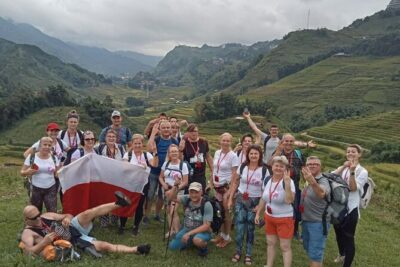
Sapa 3 Day 2 Night Trekking With Hotel & Homestay
Read our review →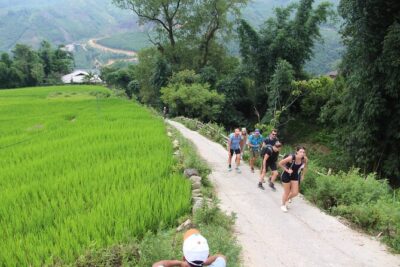
Sapa 2 Days 1 Night Overnight At Local Homestay
Read our review →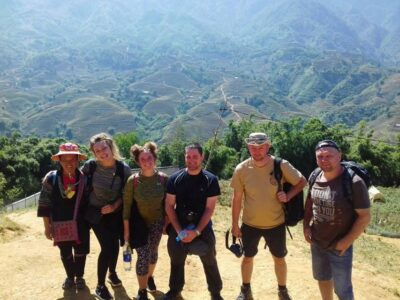
2-Day Trekking Trip with Ethnic Minority Homestay
Read our review →