

REVIEW · HANOI
Sapa Trek 3 days 3 nights small group tour – Homestay and Hotel from Hanoi
Leave Hanoi after dark. This three-day Sapa trip trades city traffic for mountain paths, village life, and the broad rice terraces of the Muong Hoa Valley. I like the mix of one homestay night and one 3-star hotel night, and I also like that transport, meals, entrance fees, guides, and transfers are bundled into the $198 price.
The long treks are the heart of the experience. You walk through Y Linh Ho, Lao Chai, Ta Van, Giang Ta Chai, and Su Pan, with a local guide explaining farming, village customs, and the different ethnic communities. The catch is stamina: the first two days involve long walks, and the homestay is simpler than the hotel.
Key points before you book
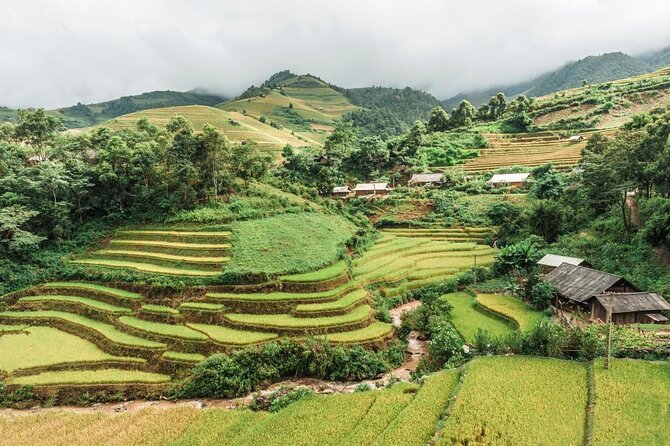
- The first day covers Y Linh Ho, Lao Chai, and Ta Van: Expect roughly 8 kilometers of village paths and rice terraces before reaching the homestay.
- The trip begins with an overnight train: You leave Hanoi around 8:00 p.m. and arrive at Lao Cai early the next morning.
- The homestay is part of the cultural experience: Facilities are basic, so pack with flexibility rather than expecting hotel comforts.
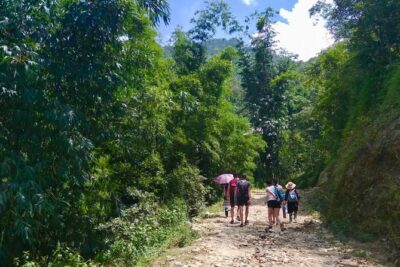
- Day two is the strongest trekking day: Bamboo forest, waterfall, suspension bridge, Red Dao villages, and mountain views fill the route.
- Cat Cat Village is more tourist-oriented: It is scenic and easy to reach, but less quiet and more commercial in feel than the rural walking routes.
- A group of up to 10 keeps things manageable: That is small enough for a more personal guide experience without paying private-tour prices.
Why this Sapa trip works well from Hanoi

Sapa is far enough from Hanoi that a short visit needs careful planning. This package handles the awkward parts: getting to Lao Cai, reaching Sapa before breakfast, arranging village transfers, supplying meals, and returning you to Hanoi by bus on the final afternoon.
The price is $198 per person. That is good value if you want a guided trek rather than simply reaching Sapa and arranging each piece yourself. You receive the train ticket in the same class, hotel and homestay accommodation, three breakfasts, three lunches, two dinners, transfers, entrance fees, and a tour guide.
The package is not aimed at independent hikers who want to choose every trail or sleep in a private room each night. It is better for you if you want a fixed plan, local assistance, and a clear route through the main villages. Drinks, tips, and personal spending are extra, so the trip is not literally every expense paid.
The group maximum is 10 people. That matters on narrow paths and at village stops. You are not joining a huge coach party for the walking sections, though shared transport is still part of the arrangement.
More Homestay Treks in Hanoi
- Hanoi – Sapa 2 Days 1 Night Overnight At Homestay
★ 5.0 · 899 reviews - From Hanoi: 2-Day Sapa Trekking Trip with Homestay & Meals
★ 4.8 · 704 reviews - 2-Day Sa Pa Ethnic Homestay Tour & Trek with Limousine Bus
★ 4.8 · 440 reviews
The overnight train from Hanoi to Lao Cai
The trip starts at about 8:00 p.m., when the guide and driver meet you and take you to Hanoi Station. From there, you board the overnight train to Lao Cai, the rail gateway for Sapa.
This is an efficient use of time. Instead of losing a full daytime journey, you travel while sleeping and arrive around 6:00 a.m. The early arrival also gives you a full first trekking day, but it means the first morning can feel demanding. You will want to keep the evening before departure calm and carry only what you need close at hand.
At Lao Cai, a shared minivan takes you uphill to Sapa. The drive lasts a little over an hour. You have breakfast at the hotel around 7:00 a.m., then some time before the trek begins at approximately 9:30 a.m.
The schedule is tight. You should not book this expecting a gentle first day after the train. The reward is that you start walking while the mountains and villages are fresh, rather than spending half the day waiting for check-in.
Y Linh Ho to Ta Van: the best introduction to village life
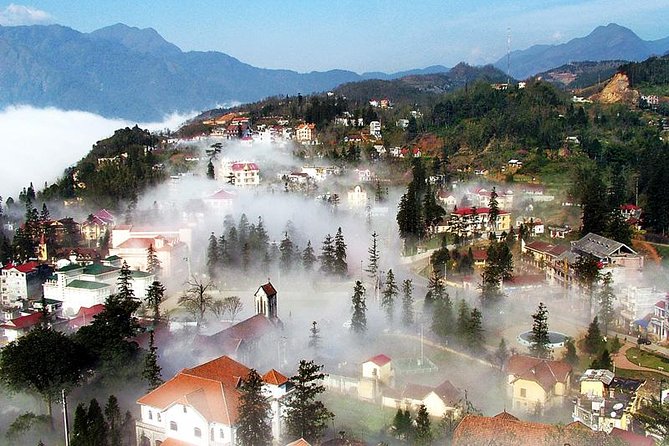
The first trek follows the southeastern side of the Muong Hoa Valley toward Y Linh Ho, home to Black Hmong people. The route drops through mountain country and takes you away from Sapa’s town streets and hotel zone.
From Y Linh Ho, you continue about 2 kilometers to Lao Chai, another Hmong village. The full walking distance is described as roughly 8 kilometers for this section, though the day lasts around 10 hours once meals, stops, and transfers are counted.
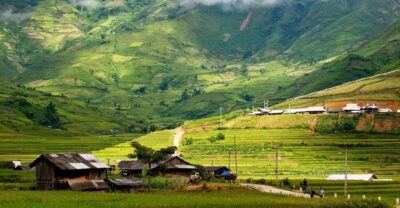
This is the part of the trip I would value most if your main goal is scenery and rural life. You cross paths beside terraced fields and move between small communities rather than simply stopping at a viewpoint. The guide can add meaning to what you see, especially the way local people farm the steep slopes.
Lunch is served at a local family. That gives the day a more direct connection to village life than a restaurant stop in town. It also breaks up the walk at a useful point, since the route continues afterward through rice terraces toward Ta Van.
Ta Van is home to the Dzay people and is the first overnight homestay location. A homestay here is not a hotel with a few ethnic decorations added for effect. The facilities are plainly described as more basic than those in Sapa, so you should be ready for a simpler room and fewer comforts.
That simplicity is part of the point, but it is also the clearest compromise in the package. If you need predictable hotel facilities every night, this may not suit you. If you want to spend the night in a village and accept modest conditions, it gives the trek a stronger sense of place.
The Ta Van homestay: useful expectations
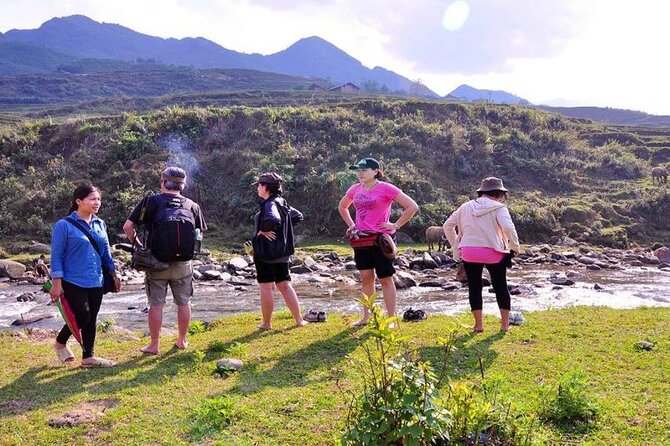
Breakfast comes at the homestay around 7:00 a.m. on the second day. You should bring warm layers and personal essentials, since mountain weather can shift quickly and the homestay does not offer the same setup as the 3-star hotel.
The accommodation arrangement may sometimes be switched, with the homestay occurring on the second night rather than the first. The tour leader is expected to explain the final order during the bus ride to Sapa. That flexibility is worth knowing in advance, especially if you are planning what to keep in your day bag.
A local guide can make a major difference here. One highly praised guide is Khu, who is described as patient and good at explaining village history, ethnic groups, and terrace farming. That kind of interpretation turns a walk through fields into a lesson in how people use difficult mountain terrain.
Do not expect a private cultural encounter at every moment. The route is organized and includes several well-known villages. Still, the overnight stay and the walking connections between villages give you more contact with rural Sapa than a quick bus tour.
More Homestay Treks in Vietnam
- Hanoi – Sapa 3 Day 2 Night Trekking With Hotel & Homestay
★ 5.0 · 389 reviews - Hanoi – Sapa 2 Days 1 Night Overnight At Local Homestay
★ 5.0 · 233 reviews - From Hanoi: 2-Day Luxury Sapa Trekking Tour with Homestay
★ 4.4 · 49 reviews - 3-Night Sapa Trek and Homestay with Round Trip Transfer from Hanoi
★ 4.5 · 37 reviews
Giang Ta Chai, the bamboo forest, and Su Pan
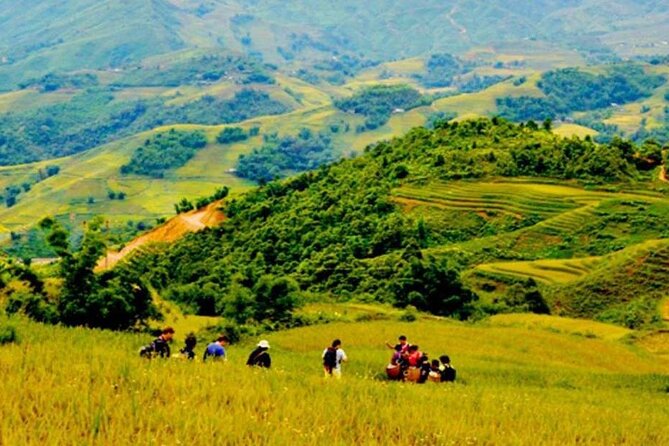
Day two begins with breakfast at 7:00 a.m. and trekking from Ta Van at about 9:00 a.m. The route follows the Hoang Lien Son mountain range and passes more rice terraces and small Hmong hamlets.
You then enter a bamboo forest and reach a waterfall, where the itinerary allows time for a break and views. This section adds variety to the first day. Instead of repeating the same type of terrace walk, you get forest, water, village paths, and changing elevations.
From the waterfall, the trail continues to Giang Ta Chai, a Red Dao village positioned on a hill above the Muong Hoa River. The mix of ethnic communities is one of the trip’s strengths. You are not seeing only one village presented as a generic picture of Sapa. The route introduces Hmong, Dzay, and Red Dao communities in different settings.
A suspension bridge takes you across the river toward Su Pan. The bridge crossing is a memorable physical point in the walk, but it also marks the end of the more remote-feeling section. From Su Pan, you return to the road and transfer to Sapa.
After the trek, you check into a 3-star hotel with a deluxe mountain-view room. This change from homestay to hotel is practical. Two long walking days call for a proper rest, and the hotel gives you a cleaner break before the final morning.
Day two also lasts about 10 hours. Even if the distance seems manageable on paper, uneven paths, hills, damp ground, and stops can make it tiring. Good walking shoes are essential.
Cat Cat Village and Sin Chai on the final day
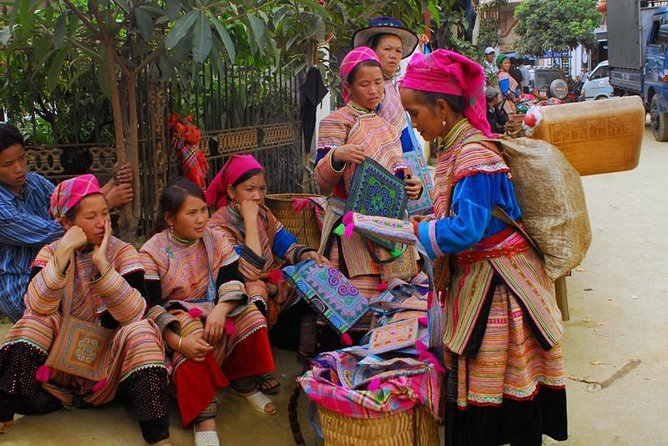
Breakfast is served at the hotel at 7:00 a.m. You check out, then leave around 9:00 a.m. for Cat Cat and Sin Chai, both associated with the Black Hmong community near the foot of Fansipan Peak.
The guide shows aspects of daily life before you walk down toward the valley bottom. The route includes a waterfall and a French-built hydraulic power station. A bridge near the waterfall provides a natural photo stop, and the setting gives the final day a clear attraction even though the walking section is shorter.
Cat Cat is the most touristy part of the trip. That does not make it worthless, but you should adjust your expectations. The first two days are about moving through rural villages and terraces. Cat Cat is more developed for sightseeing, with a set route and a greater focus on the visitor experience.
After walking uphill to meet the bus, you return to Sapa for lunch at about 1:00 p.m. You then have free time from roughly 2:30 to 3:00 p.m. A public bathroom at the hotel is available if you want to shower before the return journey.
At 3:00 p.m., the group meets at the hotel, and around 3:15 p.m. you are taken to the bus station for the trip back to Hanoi. The return leg is by bus rather than train, so the end of the excursion is another long transport period. Check the final arrival details carefully when booking, since the supplied schedule gives the departure from Sapa but not a precise Hanoi arrival time.
What to pack for Sapa weather

Sapa weather is unpredictable, and the advice to pack warm clothing is worth taking seriously. September through March can be cold, with December, January, February, and March also bringing fog at times because of the altitude.
Bring layers rather than one heavy item. A scarf, hat, or cap can help on exposed sections, while sun cream and sunglasses matter even when the air feels cool. Insect repellent is also recommended.
Your footwear matters more than your outfit. Use trekking shoes with a firm sole. Trainers may be uncomfortable or slippery on wet, uneven paths.
Carry cash in Vietnamese dong. The banking system in Sapa can sometimes fail, and drinks and personal purchases are not included. US dollars, euros, and Australian dollars are also accepted in Sapa, but local currency is the safer choice for small expenses.
Pack any medicine you may need. Chemist shops are available in Sapa, but access is less convenient once you are on the trail or staying in a village.
Who should choose this trek?
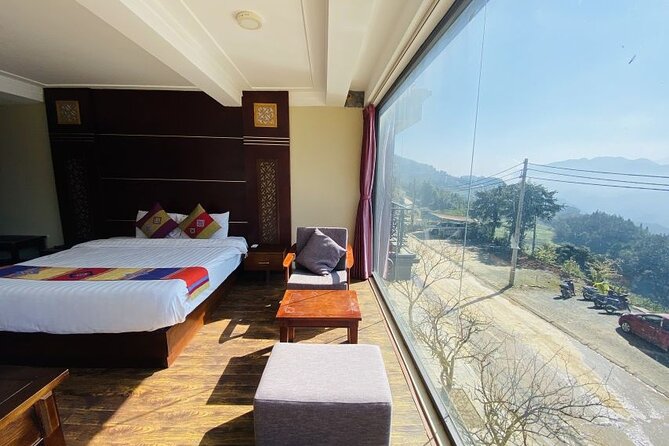
This trip suits you if you want a guided introduction to Sapa and are happy to trade comfort for access to village paths. It works particularly well for first-time visitors who want transport, meals, and accommodation arranged in one booking.
You should be comfortable walking for several hours on mountain routes. The first two trekking days are long, and the tour information specifically advises that older people and children should not attend the 9-kilometer trek. That warning should be taken seriously rather than treated as routine wording.
Most adults with reasonable fitness can participate, but this is not a sightseeing tour with only short walks between buses. The schedule combines an overnight train, a full first day, another long trekking day, and a return bus. You need to manage your energy.
The trip is also a good fit if you care about explanation, not just photographs. A guide such as Khu can help you understand the villages, ethnic groups, and farming methods. Without that context, the terraces are beautiful, but you miss much of what makes them important.
Is $198 good value?
At $198, the package offers strong practical value for a three-day, three-night trip. You receive the outbound train, return bus transfer, local transport, guide, entrance fees, two nights of accommodation, three breakfasts, three lunches, and two dinners.
The main value is convenience. You do not have to separately arrange a Lao Cai transfer, a Sapa hotel, a homestay, village transport, or trail access. The small group limit also helps keep the walking portions from becoming unwieldy.
The price does not cover drinks, tips, or personal expenses. You should also remember that the same price includes two different accommodation standards. The hotel is a comfort stop, while the homestay is a more basic cultural stay.
I would compare this trip with the cost of arranging the train, transfers, guide, food, and accommodation separately. For many visitors, the package is worthwhile because it turns a complicated route into a single plan. Independent hikers may prefer more freedom, but they will need to handle more details themselves.
Should you book the Sapa trek?
Book it if you want two serious days of walking, a homestay, and a practical all-in-one route from Hanoi. The best parts are the Muong Hoa Valley paths, the visits to several ethnic villages, the bamboo forest and waterfall, and the chance to learn from a patient local guide such as Khu.
Think twice if you dislike overnight transport, basic accommodation, long hikes, or fixed group schedules. Cat Cat is also more touristy than the rural sections, so it should be viewed as a scenic final stop rather than the cultural high point.
For an active visitor who wants to see more than Sapa town, this is a well-priced and thoughtfully arranged choice. Pack light, wear proper shoes, bring cash and warm layers, and save your energy for the trails.
FAQ
How long does the Sapa tour last?
The experience lasts three days and three nights, including the overnight train from Hanoi to Lao Cai and the return journey to Hanoi by bus.
What time does the tour start?
The meeting and pickup time is around 10:00 p.m., with the guide and driver meeting you for the transfer to Hanoi Station. The detailed schedule says the train journey begins around 8:00 p.m., so confirm the exact pickup time when booking.
How many people are in the group?
The group can have a maximum of 10 travelers.
What accommodation is included?
The trip includes one night at a local homestay and one night at a 3-star hotel with a deluxe mountain-view room. The order of the homestay and hotel may change.
Which meals are included?
The package includes three breakfasts, three lunches, and two dinners.
Is the overnight train included?
Yes. The train ticket from Hanoi to Lao Cai, in the same class for the group, is included.
Is Cat Cat Village part of the itinerary?
Yes. The final day visits Cat Cat and Sin Chai villages, the waterfall, and the French-built hydraulic power station.
Can I cancel for a full refund?
Yes, provided you cancel at least 24 hours before the experience starts. Cancellations or changes made less than 24 hours before the start time are not refunded.
More Three-Day Treks in Hanoi
- Sapa 3 Days 2 Nights Trekking Tour (1 Night In Ta Van Village, 1 Night In Hotel)
★ 5.0 · 699 reviews - 3-Day Trekking Adventure of Sapa from Hanoi – Stay Ta Van Village
★ 5.0 · 611 reviews - From Hanoi: Trek and Stay: 3-Day Sapa Highlands Adventure
★ 4.6 · 152 reviews - Sapa 3 Days 2 Nights Trekking Tour From Hanoi (2 Nights in Hotel)
★ 5.0 · 112 reviews
Recently added around Hanoi
- Trekking around Ha Giang 5 days 4 nights★ 3.0 · 2 reviews
- From Hanoi : Sapa Moutain Trek – Halong bay Heritage★ 4.5 · 25 reviews
- 2-Day SAPA Trekking – Villages-Homestay-Ethnic-Local Food-Market★ 5.0 · 2 reviews
- 8-Days Hanoi, Sapa Trekking And Halong Bay Cruise★ 5.0 · 8 reviews
- Mai Chau – Pu Luong trekking 3 days 2 nights★ 4.5 · 7 reviews
- Hanoi: 3D2N Mu Cang Chai Visit All Attractions, Trek, Ethnic Life★ 5.0 · 3 reviews
- Trekking In Ha Giang 5 Days★ 5.0 · 4 reviews
- Sapa trekking – Unique Route – 2D1N★ 5.0 · 3 reviews
Homestay & Village Treks, compared.

Number one top rated ethical cultural trekking and homestay by ETHOS
Read our review →
2-Day Sa Pa Ethnic Homestay Tour & Trek with Limousine Bus
Read our review →
Sapa 3 Day 2 Night Trekking With Hotel & Homestay
Read our review →
Sapa 2 Days 1 Night Overnight At Local Homestay
Read our review →
2-Day Trekking Trip with Ethnic Minority Homestay
Read our review →
2-Day Trek & Heartwarming Homestay with an Ethnic Family
Read our review →Browse the lists this tour appears in