REVIEW · MAGDALENA, COLOMBIA
Santa Marta: Multi-Day Trek to The Lost City
The jungle keeps its secrets well. This four-day trek from Santa Marta leads you through the Sierra Nevada to the Lost City, an ancient Tayrona site reached by 1,200 stone steps. I like the mix of serious hiking and cultural contact, and I also like that meals, jungle lodging, guides, transport, water, and entrance fees are included. The main caution is simple: this is not a normal sightseeing walk. The heat, humidity, mud, river crossings, and long uphill days can push even a reasonably fit person.
I also appreciate the choice of four, five, or six days, since you can match the pace to your stamina. The longer trips give you more time around the rivers and indigenous communities rather than rushing from camp to camp. The price, listed at $713 per person for the four-day option, is not cheap, and one practical complaint is that some people found the return transport crowded and felt extra purchases such as soft drinks or mule support should have been clearer.
Key points to know before you book
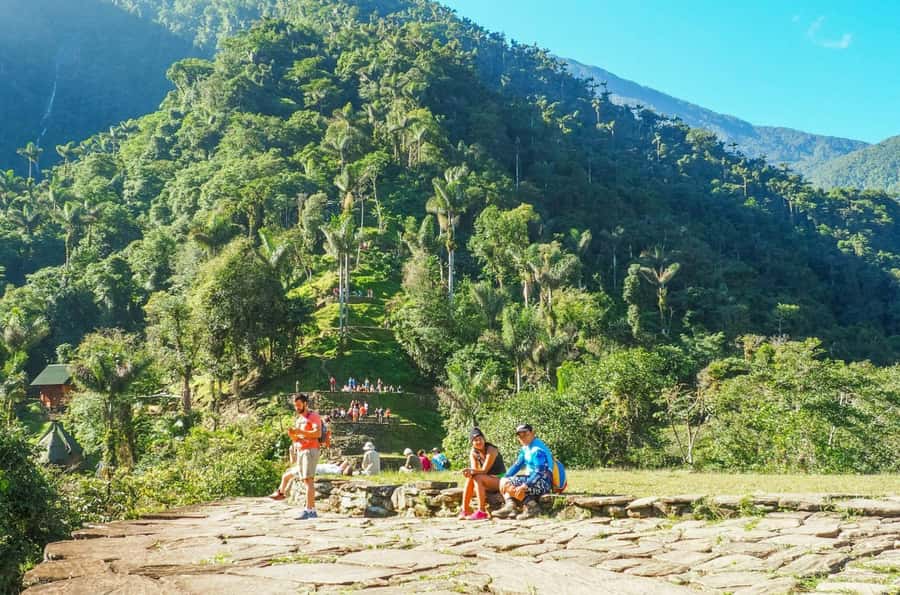
- The Lost City sits above 1,200 stone steps: The final climb is steep, humid, and rewarding, with 169 terraces, tiled roads, and circular plazas waiting at the top.
- The four-day route is physically demanding: One day covers about 14.7 kilometers and seven hours, with plenty of uphill walking.
- The six-day option gives you more breathing room: It includes extra time at an indigenous reserve and a gentler walking schedule before the main climb.
- Jungle camps are basic but functional: You sleep in hammocks or beds with mosquito nets, with electricity, toilets, and showers available.
- The cultural element is part of the value: Contributions help indigenous communities, and guides explain Wiwa and Kogui traditions along the route.
- Small groups make the long days easier: Groups are limited to 15 people, with Spanish and English guide service available.
Why the Lost City trek is worth the effort
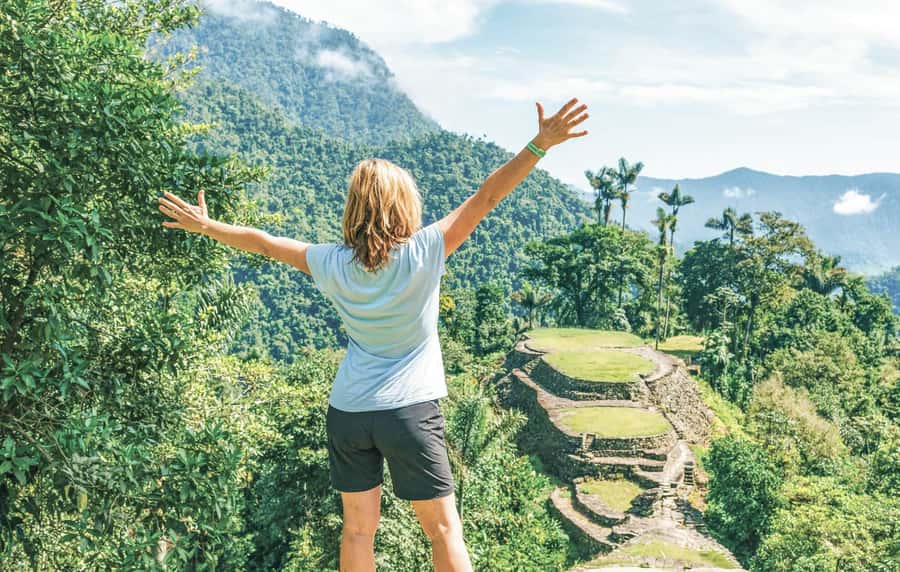
The Lost City, or Ciudad Perdida, is believed to have been founded around 800 CE, roughly 650 years before Machu Picchu. That comparison helps explain its importance, but the setting gives the site its real power. You reach it through thick jungle, not by road, cable car, or short paved path.
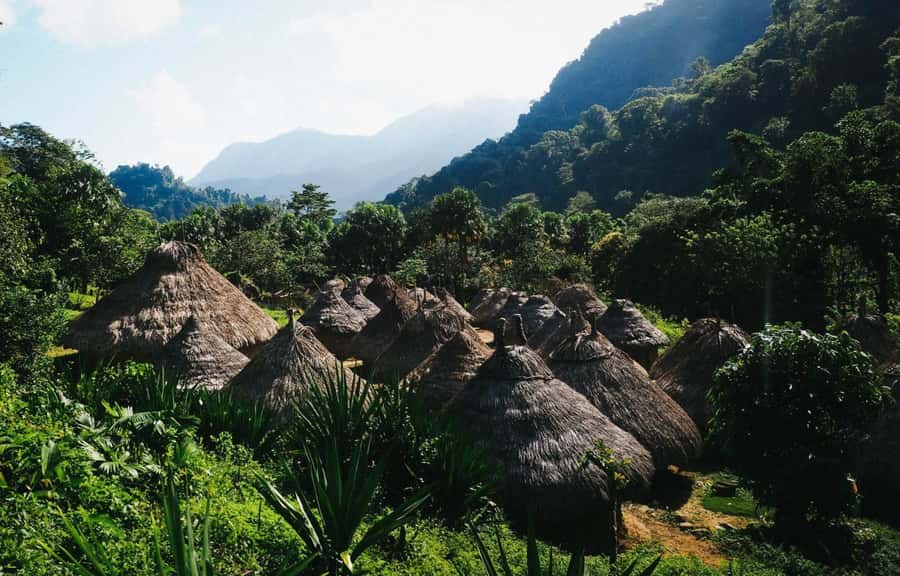
The archaeological area contains 169 terraces cut into the mountainside, along with stone roads and small circular plazas. These are not grand stone buildings in the style of a major Andean citadel. Instead, the site feels connected to the mountain itself, with the ruins spread along steep slopes and reached by old stone stairways.
I like that the walk gives you time to understand the place before arriving. The guide points out plants and animals, explains ancestral stories, and helps you make sense of the settlements you pass on the way. This is much better than arriving at an archaeological site with only a quick photo stop and a few dates to remember.
The site remains connected to the indigenous cultures of the Sierra Nevada. The route passes near Wiwa and Kogui communities, and the tour includes contributions for local development. You should still approach these communities respectfully. Listen to your guide, avoid treating people or homes as photo props, and remember that this is a lived cultural area, not a theme park.
A few more treks around the world worth a look
- Mount Etna: Trek to 3000m with cable car and 4×4
★ 4.6 · 3,823 reviews - Bali: Mount Batur Sunrise Trek With Guide and Breakfast
★ 4.8 · 3,461 reviews - From Chania: Full-Day Samaria Gorge Trek Excursion & Guide
★ 4.6 · 3,191 reviews
Choosing four, five, or six days
The four-day trek is the fastest and hardest version. It works best if you want to reach the Lost City with the fewest nights in the jungle and you are prepared for long walking days. The most demanding section comes before and around the visit to the ruins, when several hours of hiking are combined with the 1,200-step climb.
The five-day trip spreads the return journey out a little more. After the Lost City visit, you spend extra time at camp instead of pushing directly toward El Mamey. That additional night can make a difference if your knees are tired or you prefer a slower rhythm.
The six-day route is the gentlest choice. It adds a day at an indigenous reserve, with only about three hours of relatively smooth walking before time to enjoy the river and cultural exchange. The next day involves around five hours of walking through the Buritaca River valley, with some climbs and descents, followed by the major visit to the Lost City on day four.
I would choose six days if you have the time and want the journey to matter as much as the ruins. Choose four days if your schedule is tight and you are confident about the physical demands. The five-day option sits between those two: still active, but with a little more recovery time.
Day one: El Mamey, fruit stops, and the first camp
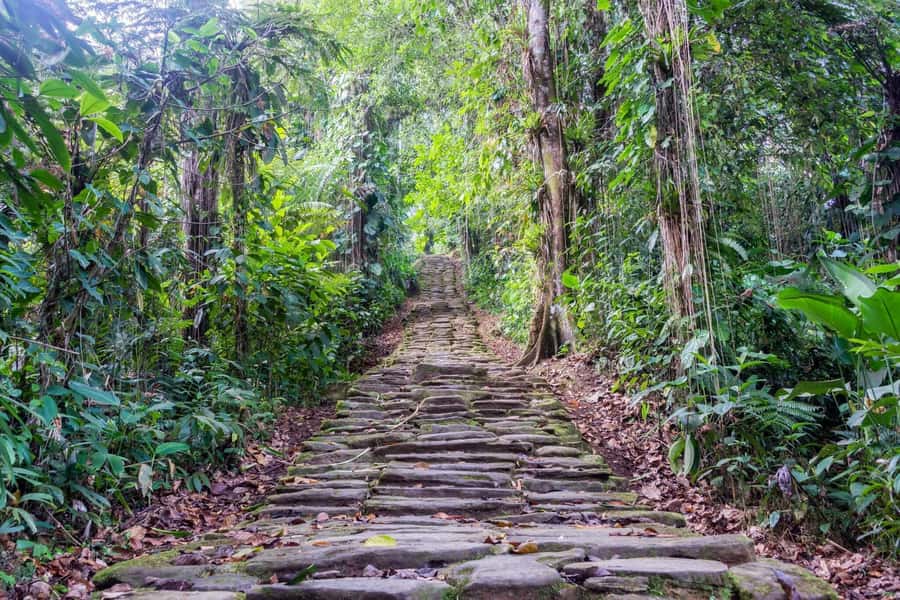
Pickup starts around 9:30 in the morning from Santa Marta’s urban area, Rodadero, or Taganga. A 4WD jeep takes you on a roughly three-hour drive to El Mamey, where you eat lunch and begin walking.
The first hike covers about 7.6 kilometers and takes around four hours. It is described as a smoother introduction, though smooth does not mean flat. You will be in warm, humid conditions, and the trail can become muddy when rain arrives around sunset.
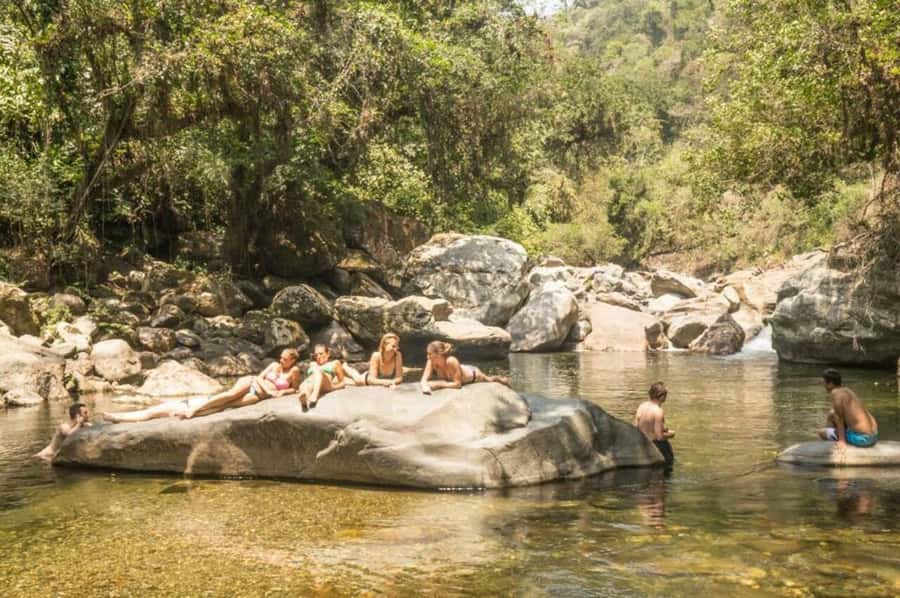
A stop at Las Tres Cruces lookout breaks up the walk. You get fruit and a chance to catch your breath while looking across the surrounding mountain country. Natural pools and waterfalls provide another welcome pause before you reach the first camp late in the afternoon.
This first day is useful for learning how your body handles the conditions. Keep your daypack light, drink often, and do not race ahead early. The walk may feel manageable at first, but the heat and moisture build up quickly.
Dinner and sleeping arrangements follow at camp. You may sleep in a hammock or a bed, both protected by a mosquito net. Camps have electricity, toilets, and showers, but this is still jungle accommodation, not a hotel. Pack flip-flops for the shower area and a headlamp or flashlight for moving around after dark.
Day two: Rivers, Mutanyi, and the long uphill push
On the standard four or five-day schedule, day two is the big walking day. After breakfast, you head toward Wiwa camp beside the Buritaca River. A river bath and lunch offer a proper reset before the trail continues.
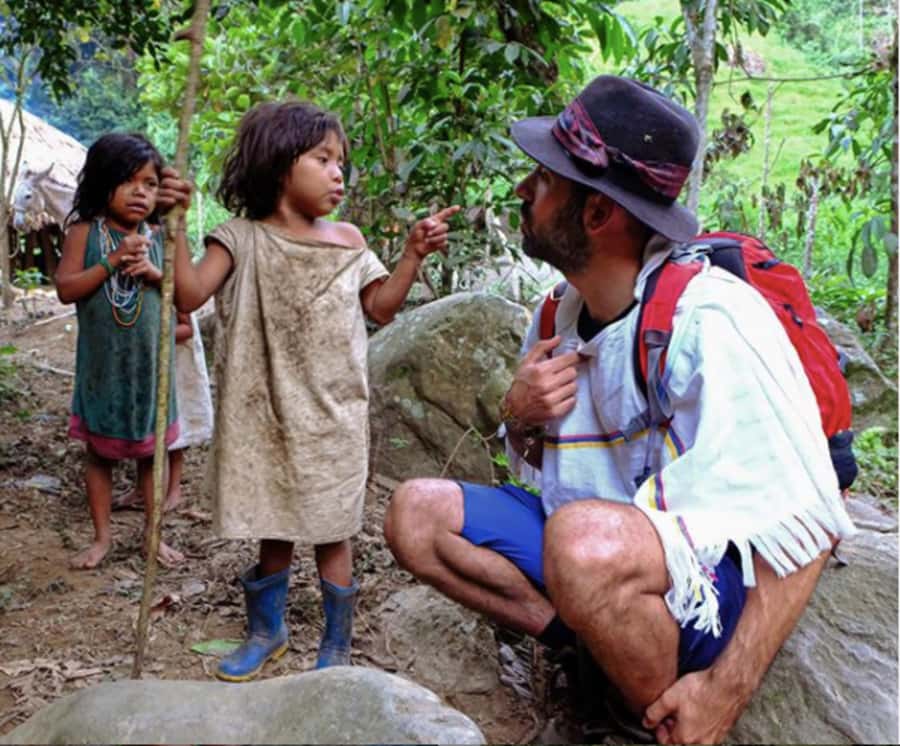
The route then passes through the area of Mutanyi, a Kogui indigenous village made up of several homes. You continue through thick jungle toward the next camp, covering about 14.7 kilometers in roughly seven hours. Most of the route is uphill, with some downhill stretches.
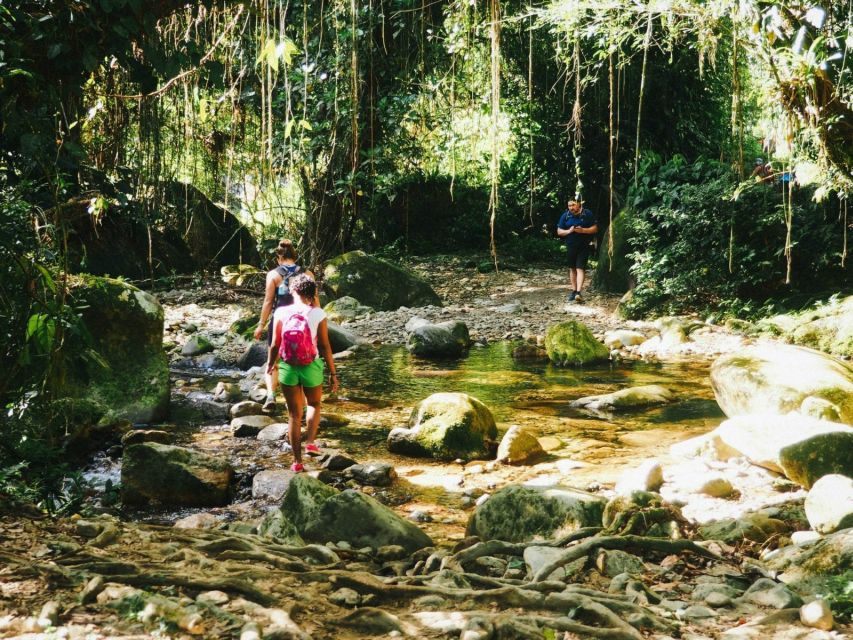
This is where the trek stops feeling like a casual nature walk. You need steady legs, patience, and a willingness to get sweaty and muddy. The route includes river and stream crossings, and mosquitoes are part of the setting. Long socks, insect repellent, and quick-dry clothing are more useful than extra fashion choices.
On the six-day route, this stage is broken up. You spend day two at an indigenous reserve after only about three hours of relatively easy walking. That gives you time for cultural exchange, river swimming, and a slower look at the Wiwa and Kogui way of life.
I see this as the strongest argument for taking six days. The extra time does not merely reduce walking hours. It gives the cultural side of the trip room to breathe.
Same trailhead, a longer or shorter day out:
- Mount Etna: Summit Crater Trek with Cable Car
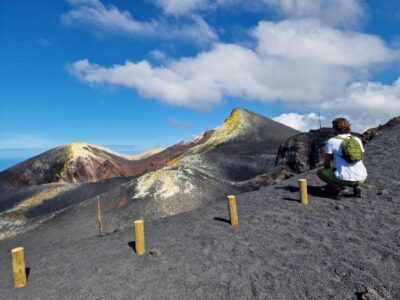
★ 4.8 · 1,875 reviews - La Palma: Tajogaite Volcano Guided Trek
★ 4.8 · 1,810 reviews - Etna: summit craters trekking with volcano guide 3350mt
★ 4.7 · 1,712 reviews - From Rethymno: Samaria Gorge Full-Day Trek, Pickup & Guide
★ 4.5 · 1,610 reviews
Day three or four: Climbing to the Lost City
The approach to the Lost City begins early. You eat breakfast before setting out, because the climb is easier before the day becomes hotter.
The final approach uses about 1,200 stone steps built by the Tayrona people. Some sections are narrow and can be slippery, especially after rain. Take your time and use care. This is not a place to prove how fast you can climb.
At the top, the guide explains the terraces, stone roads, plazas, relics, and stories linked to the site. You have time to look around, enjoy the mountain views, and take photographs. The setting feels remote because it is remote. The only way in is on foot, and the jungle presses close around the archaeological remains.
The visit is the emotional center of the trek, but it is not the whole point. The walk through rivers, farms, forest, and indigenous settlements gives the ruins context. You understand that the Lost City was part of a wider society with roads, homes, public spaces, and links to the surrounding mountains.
After the visit, you return to the camp where you began the morning, eat lunch, and continue toward the Wiwa camp. The day totals about seven hours, with roughly six kilometers of uphill and downhill walking. That makes the schedule feel long even if the distance does not sound extreme.
The six-day itinerary places this visit on day four. The extra earlier stages mean you approach the site with a little more energy, which is a strong reason to choose the longer version.
The return walk and the 4WD ride back
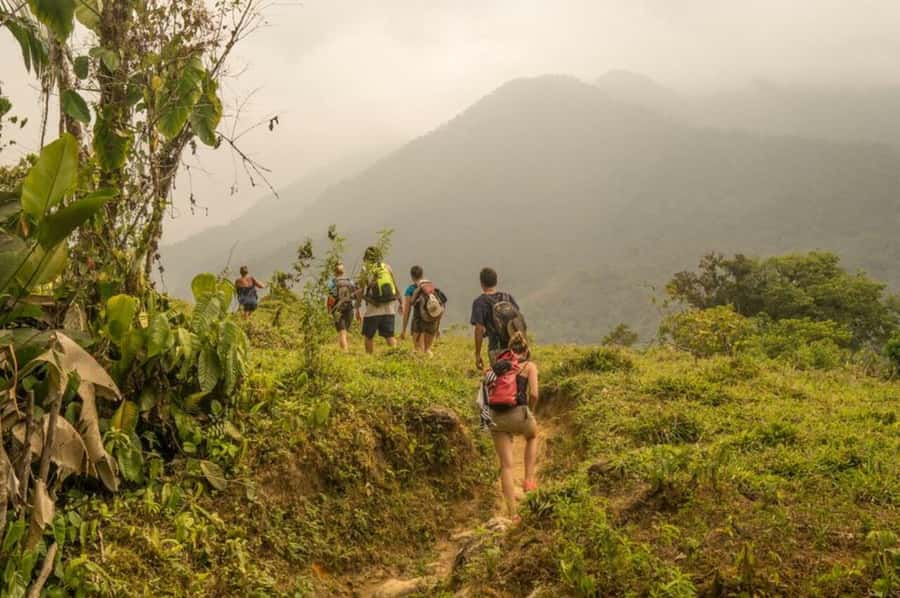
On the four-day trip, day four starts with a two-hour walk to the first camp. After a short rest with fruit and water, you continue for another four hours toward El Mamey. Lunch comes there, followed by the 4WD drive back to Santa Marta.
The five-day schedule lets you stop at that earlier camp for lunch and spend the rest of the day resting, looking at the views, and talking with the group. You then walk to El Mamey on day five.
The six-day route uses the same idea at a slower pace. After the Lost City visit, you walk to the next camp, spend more time recovering, and reach El Mamey on the final day.
The vehicle transfer is practical but not luxurious. It is a rough rural connection, and the available information indicates that the ride can feel crowded. If you are tired after several days on foot, that final jeep trip may test your patience. Still, it removes the need to arrange separate transport from El Mamey and keeps the route together from start to finish.
Meals, water, and sleeping in the jungle
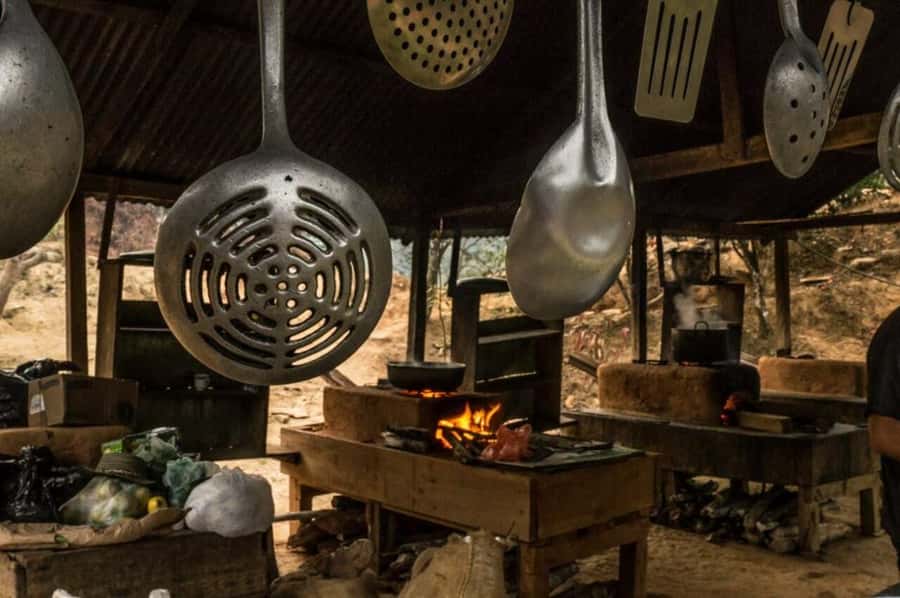
Breakfast, lunch, and dinner are included, along with purified water, fruit, and snacks during the walks. That matters because you will burn a lot of energy over several days. Meals are intended to keep you moving, not provide restaurant-style variety.
You should still bring cash for drinks beyond water. Soft drinks, sports drinks, and similar extras are not included, and some people felt those additional costs should have been clearer. The safest approach is to budget for small purchases rather than assume every drink is covered.
The camps are community-run. Service can vary because the accommodation and food businesses are operated by the local communities rather than one centralized hotel company. You get basic shelter, mosquito nets, electricity, toilets, and showers, but do not expect polished resort service.
I would pack a towel, toiletries, warm clothing for cooler nights, and a dry change of clothes. Days are generally around 26 to 32 degrees Celsius, while nights can fall to about 18 degrees. Rain, mud, sweat, and wet footwear are all realistic possibilities.
Guides, group size, and the cultural side
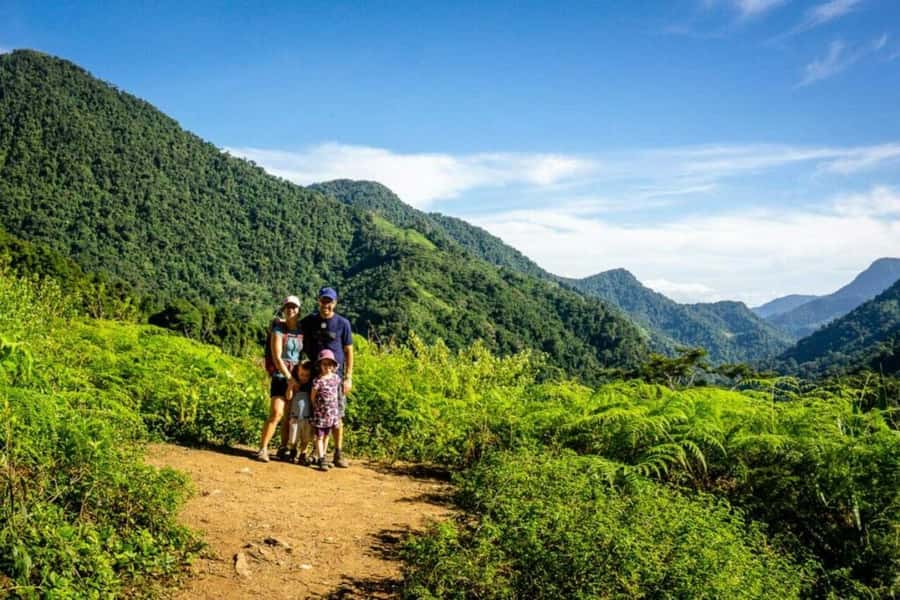
Groups are limited to 15 people, which is a sensible size for a route where the group regularly stretches out along the trail. English and Spanish guide service is available.
The guide can make a major difference on this trip. Teams have included guides and support staff such as Arghenith, Victor, Bridgette, Francisco, Emilie, Miguel, and Coco. Francisco is associated with explanations of indigenous traditions and the story of the surrounding communities, while Emilie was especially encouraging during difficult sections. The exact team can vary, but you should expect the guide to help with pacing, route details, cultural context, and motivation.
A translator may also be part of the team. That is valuable if you do not speak Spanish, especially when learning about the Wiwa and Kogui communities. Still, translations can vary from one group to another, so ask questions when you need more detail.
The cultural contributions included in the cost are a positive feature. They recognize that the trail passes through territory belonging to indigenous communities and that local people provide food, lodging, and services. Your own behavior matters too. Keep voices low around homes, follow photography guidance, and let the guide explain what is appropriate.
Is $713 good value?
At $713 per person for four days, the price is substantial for Colombia. It includes the Lost City entrance, all main meals, jungle accommodation, purified water, fruit and snacks, 4WD transport between Santa Marta and El Mamey, accident insurance, guide service, community contributions, and storage for your larger suitcase.
That is a useful package. You do not need to organize separate transfers, camps, permits, or meals, and the route is not easy to arrange independently. The professional guide and local logistics are especially important in a remote area.
Still, value depends on what you expect. If you want a low-cost hiking trip, this may feel expensive. Some people considered the food portions average and felt that extra expenses for drinks, mule help, or motorbike support should have been included. The crowded transport also weakened the value for at least one group.
I would see the cost as fair if you value an organized route, cultural interpretation, included entrance fees, and reliable support. Before booking, compare the exact inclusions and price with other local operators. A large price difference for the same route is worth investigating.
Who should book this trek?
You should consider it if you enjoy long days outdoors, do not mind basic camps, and want an archaeological site reached by effort rather than convenience. It suits people who can manage heat, humidity, steep trails, slippery mud, and several hours of walking each day.
I would choose the six-day version if you are fit but not a regular long-distance hiker, or if cultural visits and river time matter to you. The four-day option suits experienced hikers with limited time. The five-day version gives you a useful middle ground.
This is not suitable for pregnant women or wheelchair users. You also cannot bring a drone. Bring hiking shoes, rain gear, swimwear, insect repellent, sunscreen, cash, a daypack, personal medication, a charged smartphone, and a flashlight.
Cancellation is flexible up to 24 hours before departure for a full refund, and you can reserve now and pay later. Pickup covers Santa Marta’s urban perimeter, Rodadero, and Taganga, but not Bonda, Minca, Palomino, or areas outside that zone.
Should you book the Lost City trek?
Book it if you want the Lost City as part of a demanding jungle journey, not as a quick archaeological stop. The strongest parts are the remote approach, the indigenous cultural context, the natural pools and rivers, and the chance to share several days with a small group and guide team.
Skip it if you dislike basic accommodation, long uphill walks, mosquitoes, muddy trails, or uncertain comfort at camp. For most people, I would favor the six-day route if time allows. It spreads out the walking and gives the Wiwa and Kogui cultural element more space.
The four-day version can be a memorable achievement, but it asks a lot from you. Pack light, train your legs, protect your feet, and accept that the jungle sets the schedule.
FAQ
How many days can I choose for the Lost City trek?
You can choose a four-day, five-day, or six-day trek. The six-day option spreads the walking out and includes extra time at an indigenous reserve.
How difficult is the Lost City hike?
It is physically demanding. The route includes long uphill sections, humid heat, mud, river crossings, and a climb of about 1,200 stone steps to reach the archaeological site.
Where does pickup take place?
Pickup is available within Santa Marta’s urban perimeter, as well as Rodadero and Taganga. Pickup is not included from Bonda, Minca, Palomino, or locations outside the stated urban area.
Where will I sleep?
You will sleep in jungle camps in either hammocks or beds with mosquito nets. Camps have electricity, toilets, and showers, though the accommodation remains basic.
Are meals and water included?
Breakfast, lunch, dinner, purified water, fruit, and snacks during the walk are included. Drinks besides water are not included.
Is the tour available in English?
Yes. Guide service is available in Spanish and English. The group size is limited to 15 participants.
Recently added around the world
- Mt Kilimanjaro Trek, 6 Days – Umbwe Route★ 5.0 · 4 reviews
- 7 Day Trek To The Roof Of Africa Kilimanjaro via Machame Route★ 5.0 · 5 reviews
- Full Day Private Trekking Mu Cang Chai★ 5.0 · 33 reviews
- Mount Kilimanjaro Trek 7-Days: Lemosho Route★ 5.0 · 2 reviews
- 8 Day Kilimanjaro Trek via Lemosho Route★ 5.0 · 17 reviews
- 6-Day Kilimanjaro Machame Route – A Stunning Trek to Uhuru Peak★ 5.0 · 7 reviews
- 7-Days Tour Mount Kilimanjaro Trekking via Machame Route★ 5.0 · 2 reviews
- Trek To Mount Kilimanjaro★ 5.0 · 12 reviews
Trekking Tours, compared.
Mount Batur Sunrise Trek With Guide and Breakfast
Read our review →
Full-Day Samaria Gorge Trek Excursion & Guide
Read our review →
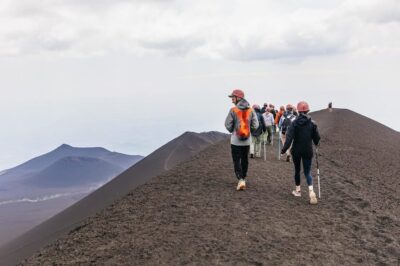
summit craters trekking with volcano guide 3350mt
Read our review →