
REVIEW · INDONESIA
Mount Rinjani Trekking 2D/1N Summit Sunrise & Sunset Views
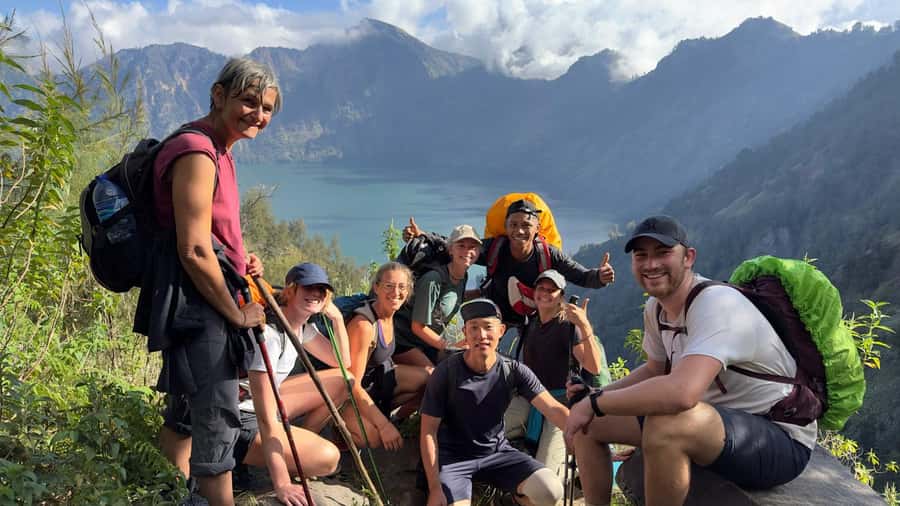
The summit push begins before dawn. This two-day Mount Rinjani trek follows the Sembalun Route, camps at the crater rim, and sends you toward the summit around 2:30 a.m. for sunrise. I like the careful support from English-speaking guides and porters, and I like that the $200 price covers food, water, camping equipment, transport after the trek, and storage for the bag you do not need on the mountain.
I also like the variety packed into a short trip: open views from Sembalun, the Segara Anak Lake, a sunset from the crater rim, and thick rainforest on the descent if your route finishes in Senaru. The main catch is simple: this is a demanding climb, not a casual mountain walk. Loose gravel near the summit, cold temperatures, a very early start, and a full descent can test even fit hikers.
Key points at a glance
- 2:30 a.m. summit start: You climb in darkness to reach the peak shortly before sunrise.
- Sembalun Route: The approach includes a long first day of uphill walking and a late-afternoon arrival at the crater rim.
- Crater-rim camp: Porters set up the tent while you enjoy the view, dinner, and sunset before sleeping at altitude.
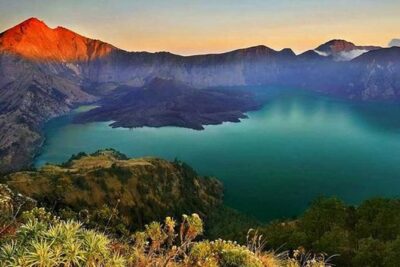
- Segara Anak Lake views: The crater and lake are major rewards, with the strongest views from higher points.
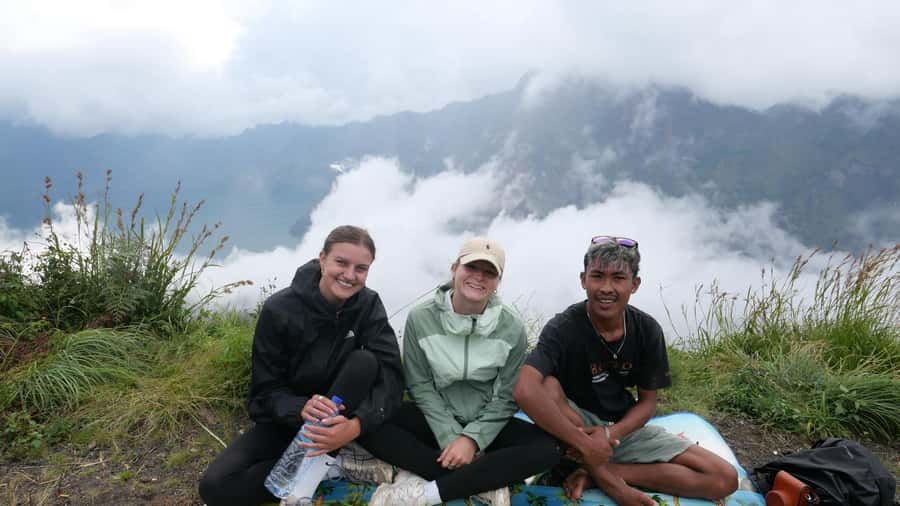
- Strong porter and guide support: Guides such as Jack, August, Nun, Ajis, Wahdi, and Peaky have received warm praise for care and encouragement.
- $200 value: The cost includes meals, three liters of mineral water per person per day, camping gear, porters, transport, and basic trekking insurance.
What the $200 price really covers
At $200 per person, this trek is priced as a supported mountain trip rather than a simple guided walk. Your fee includes an English or Indonesian-speaking guide, professional porters, cooking equipment, a tent, sleeping mat, sleeping bag, toilet tent, toilet paper, food, tea, coffee, fruit, and drinking water.
The water allowance is listed as three liters of mineral water per person per day. That is useful, but you are still advised to bring extra water and snacks for your own needs. A few portions, especially breakfast, may feel modest after the summit climb, so pack compact, high-energy food.
The porters carry the cooking utensils and camping supplies, which makes a real difference. You still need to carry your daypack, clothing, camera, water, snacks, and personal items, but you are not hauling a full camping load up the mountain.
Transport is included to the starting point, along with transport after the trek to Bangsal Harbor or Mataram. Hotel pickup around Senaru is also included, as is storage at the office for the backpack you do not need on the hike. That last detail is easy to overlook, but it saves you from carrying everything you brought to Lombok.
The price does not include trekking shoes, warm clothing, a daypack, extra food, tips, or a GoPro. You can rent a small backpack, but you should confirm the arrangement before setting off. If you need to buy hiking shoes and warm layers as well, the real cost of the trip will be higher than $200.
More Mount Rinjani Treks in Indonesia:
- Mount Rinjani Trek 3D-2N To Summit – Lake – Hotspring
★ 4.7 · 111 reviews - Rinjani trekking 2D 1N RIM
★ 5.0 · 94 reviews - Mount Rinjani 2-Day Trek to Senaru Crater Rim
★ 4.8 · 89 reviews
Day one from Sembalun to the crater rim
The day begins with breakfast and coffee or tea, followed by about a one-hour drive to Sembalun. From there, you hike for most of the day, with a lunch stop along the way.
The Sembalun approach gives you broad mountain views and a gradual sense of the scale of Rinjani. It is not a quick walk to a viewpoint. You spend the day gaining height, and the late-afternoon push can feel long because your legs have already done several hours of work.
Your guide sets the pace and the porters move ahead with the camping equipment. When you reach the crater rim, usually in the late afternoon, the tent should already be going up. That arrangement lets you focus on resting, taking photographs, and looking across toward Segara Anak Lake rather than watching someone wrestle with poles and ropes.
This is also your best chance to enjoy the sunset from the Senaru crater rim, when conditions allow and when the route plan uses that side of the mountain. The views are a major reason to choose this trek, but weather can change the picture quickly. Clouds may block the sunset, and poor conditions can affect the schedule or even close the summit.
Dinner is prepared by the guide and porters. The included food is one of the trip’s stronger practical features, with meals, tea, coffee, and fruit such as pineapple and bananas provided during the trek. You sleep at the crater rim in a tent, so expect a basic mountain camp rather than comfort. Bring warm layers, since temperatures at the rim and summit can be cold.
The 2:30 a.m. climb to sunrise
Wake-up comes at about 2:00 a.m. You have a quick breakfast, then begin the summit attempt around 2:30 a.m. The timing is designed to put you at the top just before sunrise.
The first part of the climb takes place in darkness, so a flashlight is essential. Walking boots are strongly recommended, especially for the loose upper section. You will be moving slowly, with frequent pauses as the altitude and steep ground demand more effort.
Around 5:00 a.m., you reach the hardest section. The route becomes a rocky ascent with loose, gravel-like footing. The ground can slide beneath your shoes, making each step feel inefficient. The supplied information notes that this section is strenuous because of the loose rock, but you are not walking beside an exposed drop where a small slip means a fall off the mountain.
That distinction matters. The summit route is difficult mainly because of steepness, loose footing, cold, darkness, and fatigue. You need good balance and patience, not just enthusiasm. A guide can help you choose a steadier line and keep the group together.
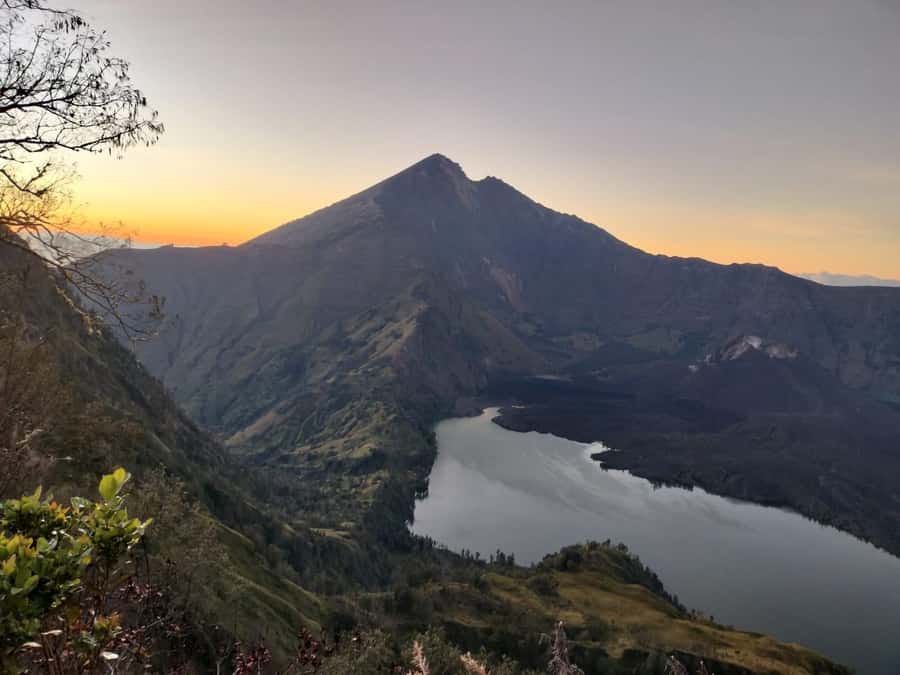
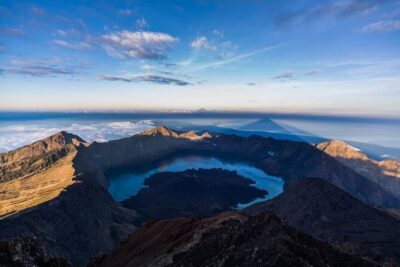
If the weather cooperates, you reach the summit shortly before sunrise and spend about 20 to 30 minutes at the top. The reward is a wide view over the surrounding area and the crater, with Segara Anak Lake below. Sunrise at this point feels earned rather than simply observed from a roadside lookout.
Do not expect a long, relaxed summit visit. Cold, wind, tired legs, and the need to descend all limit your time at the top. Keep your camera ready, but protect batteries and small items from the cold as best you can.
Breakfast, then the long descent
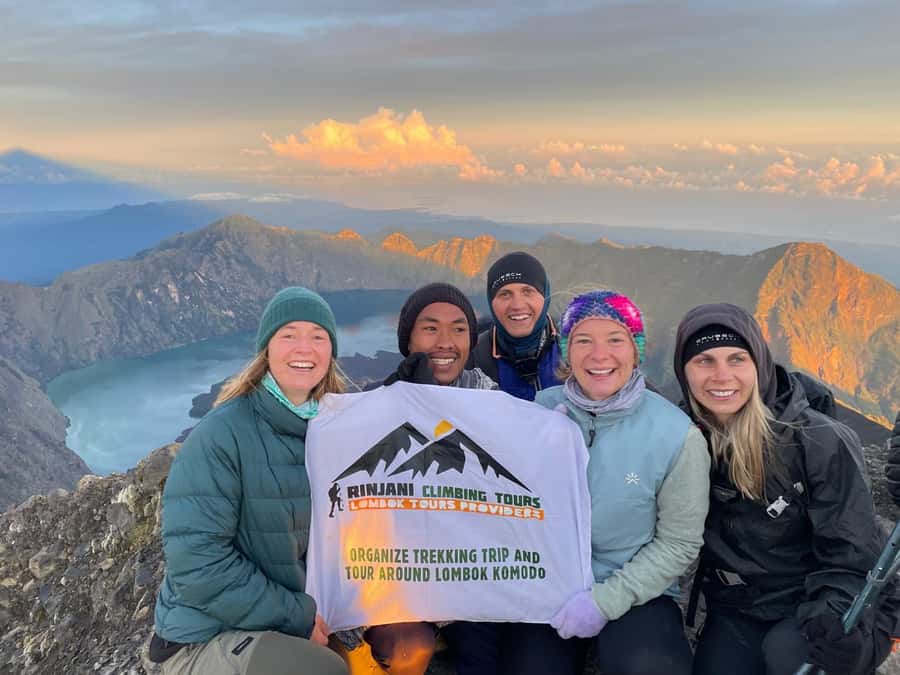
After returning to the crater rim, you receive a larger breakfast and prepare for the descent. This is where the trip can feel surprisingly demanding. Reaching the summit is only the first major test. You still have to come down the mountain after starting the day in the middle of the night.
If the route finishes toward Sembalun, the descent is described as mildly steep. If it finishes toward Senaru, much of the day passes through thick rainforest. Those options create a different second half, so confirm the direction before departure. One booking party initially had the route direction changed without advance notice, although their guide, Wahdi, explained the reason and worked with the group to adjust the plan.
The Senaru route offers a change from the open, rocky upper mountain to shaded forest. It may be easier on you in the heat, but a long descent through uneven ground still demands care. The Sembalun descent is more open and can feel exposed to sun, while the Senaru side brings a more enclosed forest setting.
Lunch comes around the middle of the day, followed by more walking before you reach the bottom. From there, transport takes you onward to Bangsal Harbor or Mataram, with airport or port transfer described as part of the post-trek arrangement. If you have another adventure booked with the same operator, you can be brought back to the homestay in Senaru.
The itinerary contains one confusing reference to a third day, but the experience is presented as a two-day, one-night trek. In practical terms, you start day one in Sembalun, sleep at the crater rim, climb the summit early on day two, and descend afterward.
More Sunrise Treks in Indonesia:
- Bali: Mount Batur Sunrise Trek With Guide and Breakfast
★ 4.8 · 3,461 reviews - Mount Batur Sunrise Trekking Private All Inclusive
★ 5.0 · 906 reviews - Mount Batur Sunrise Trekking Private Tour with Breakfast and Hotel Transfer
★ 5.0 · 885 reviews - Private Mount Batur Sunrise Trekking Tour
★ 5.0 · 634 reviews
The views, from crater rim to Segara Anak Lake
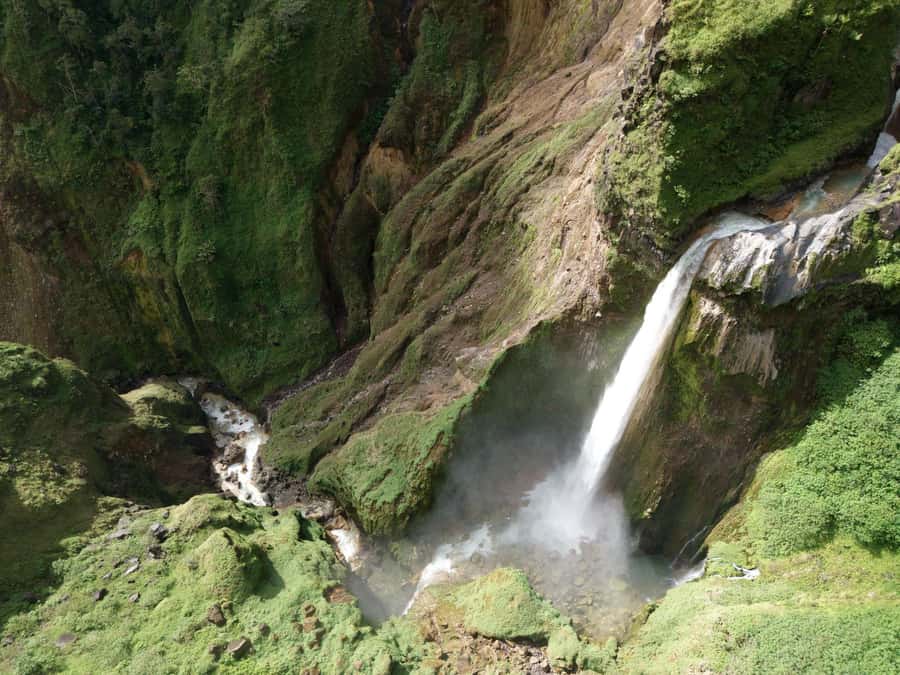
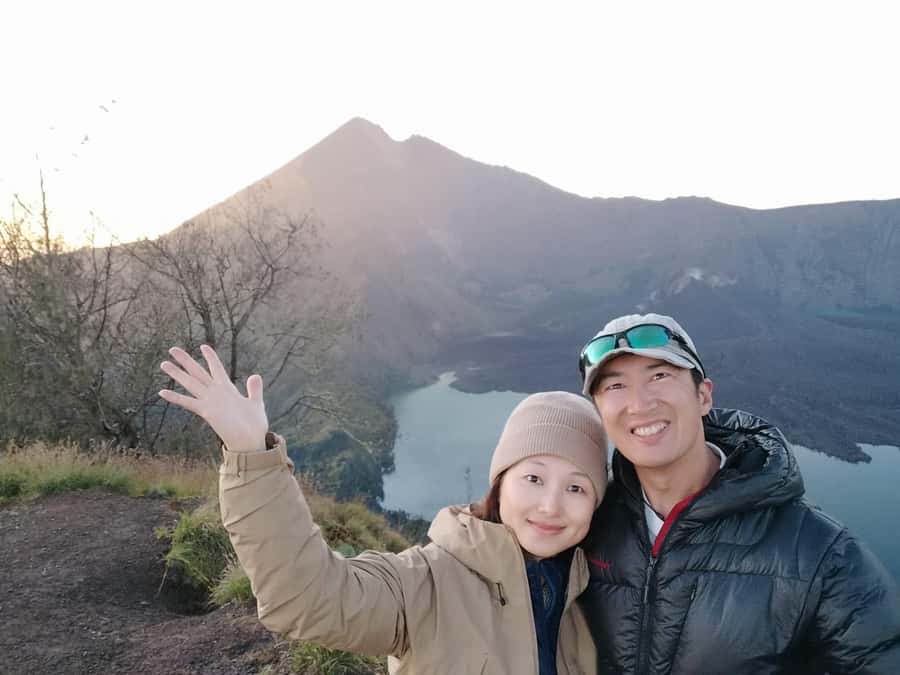
The scenery changes sharply as you climb. Sembalun offers open mountain views and a broad approach. The crater rim gives you the strongest sense of Rinjani’s scale, with the caldera and Segara Anak Lake forming the main visual reward.
The lake is not simply a quick stop on this schedule. The supplied plan focuses on the summit and crater-rim camp, and it mentions views of Segara Anak Lake rather than promising a separate lake visit. That distinction is important if you want time at the lakeshore or a longer crater itinerary. This short trip is built around the summit sunrise and the crater-rim sunset.
You may also see the route differently depending on the direction of descent. Sembalun gives you open, high-country views, while Senaru brings thick rainforest. The combination makes the route feel varied, but the short schedule leaves little room for delays or extended stops.
Weather is the deciding factor. Cloud can hide the summit, sunset, or lake, and the summit may close for safety. One group reached the mountain during conditions that led to a summit closure. They still found the trip worthwhile, but you should book this with the understanding that the peak is an aim, not a guarantee.
Guides, porters, and the human side of the trek
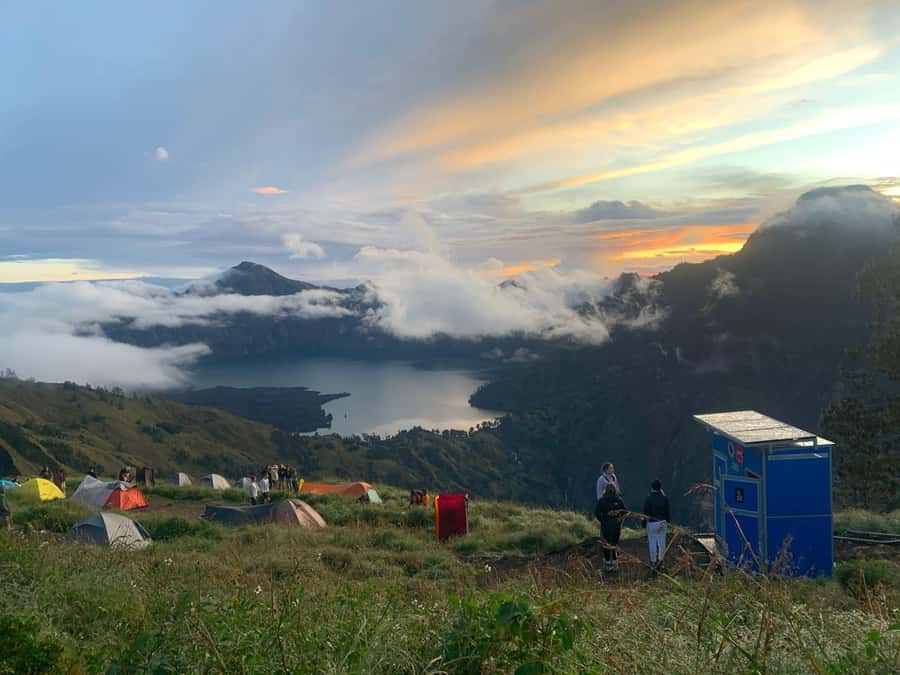
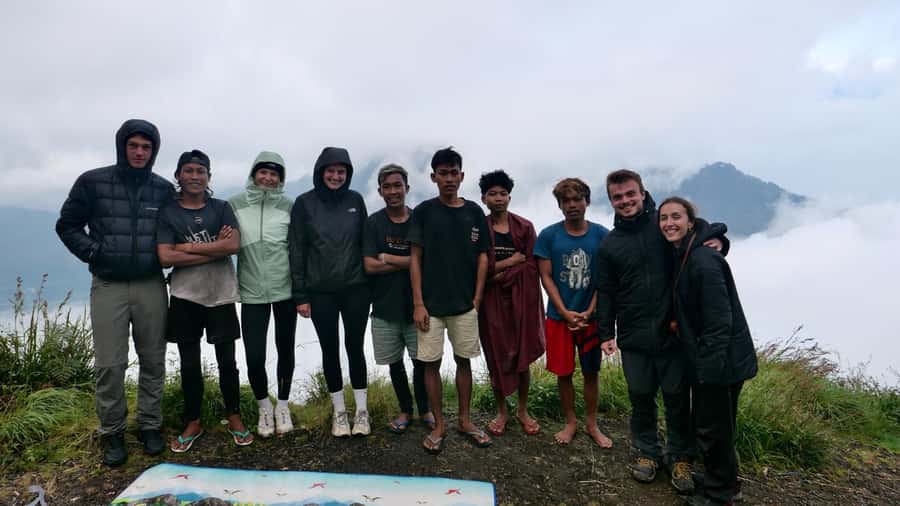
The strongest praise has gone to the guiding and porter team. Jack and August were described as kind and central to the experience. Nun was praised for experience, while Ajis was credited with helping a hiker reach the top. Another group enjoyed the support of Peaky, and Wahdi received credit for adapting the plan after a route change.
Those names matter because a hard trek depends on more than route knowledge. You need a guide who notices when you are struggling, explains what is ahead, manages the pace, and keeps morale steady. The accounts supplied here repeatedly point to attentive guides and strong porters.
Porters carry heavy camping and cooking gear, prepare hot food and drinks, and help make the camp workable. Tea, coffee, and water at useful moments can feel like a luxury after a cold, tiring section. Their work is a major part of the trip’s value, so bring money for an extra tip if the support is good.
English is available, though communication may not always be perfect. One group had an early communication problem about the route direction, but the guide resolved it. I would confirm the route, pickup details, and expected finishing point before you begin.
How hard is Mount Rinjani in two days?
This is a serious physical challenge. The first day lasts until late afternoon, the summit climb begins around 2:30 a.m., and the second day continues with a long descent after sunrise. Even strong walkers may find the schedule tiring.
You should be comfortable with long uphill walks, uneven ground, early mornings, and cold conditions. The summit section requires steady footing on loose gravel. A low level of fitness, heart problems, and vertigo are listed as reasons this activity may not be suitable.
Use trekking shoes with a firm grip. Bring a headlamp or flashlight, warm clothing, a hat, sunscreen, rain gear, water, snacks, and a camera. Warm clothing is not optional decoration. You may be sweating on the approach and cold at the summit within the same trip.
Training helps, but equipment and attitude matter too. Walk at a sustainable pace, take the guide’s advice, and do not treat the summit as a race. The goal is to reach the top safely, not to arrive first.
What the meals and camp are really like
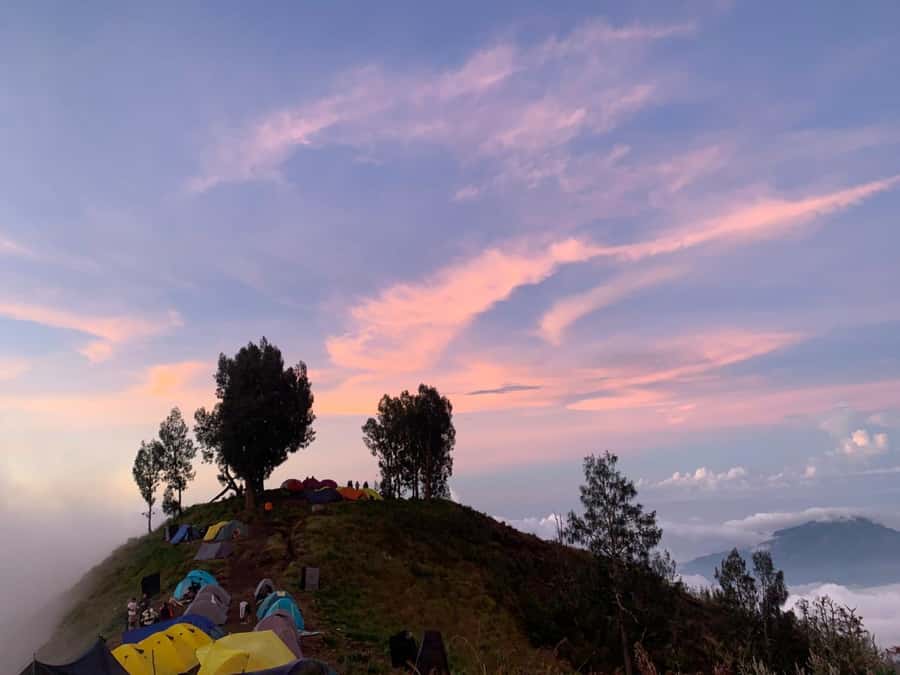
Food is cooked during the trek, and the package includes three meals a day, fruit, tea, coffee, and drinking water. Food quality received strong praise, with one person calling the meals fresh, warm, and better than expected for a mountain trek.
Portions may not satisfy every appetite. One person specifically wished for a larger breakfast, which is why I would pack extra snacks. Nuts, energy bars, dried fruit, or other compact foods are useful, provided they are allowed and carried out again.
The tent, sleeping bag, mat, and toilet tent are included. This keeps the cost sensible and reduces the equipment you must bring from home. Still, camping at the crater rim is basic. You should expect a functional overnight stop, not a comfortable hotel room with a view.
Smoking and littering are not allowed, and you are asked not to touch plants. Respect the mountain by carrying rubbish, following the guide, and keeping food packaging secure.
Who should book this trek?
I would choose this trip if you have limited time in Lombok and want the main Rinjani experience: Sembalun, crater-rim camping, a summit sunrise attempt, and a long descent. The private-group option is useful if you want more control over pace and group atmosphere.
It suits fit hikers who accept discomfort as part of the deal. You should also be happy with simple camping, an early alarm, changing weather, and the possibility that the summit or sunset may not be visible.
I would not choose it if you want a gentle introduction to hiking, dislike loose rock, have a low fitness level, or need a strong guarantee of reaching the summit. A longer itinerary may offer more recovery time, but that option is not described here.
Free cancellation is available up to 24 hours before departure, and you can reserve now and pay later. Those terms reduce the risk of committing before checking the weather and your own fitness, but they do not remove the physical demands of the climb.
Should you book the Mount Rinjani 2D/1N trek?
Book it if you want a short, fully supported Rinjani challenge and you are prepared for a very early summit push. At $200, the inclusion of guides, porters, meals, water, tent, sleeping gear, storage, pickup around Senaru, and transport after the hike makes the package good value.
Go in with realistic expectations. The views can be extraordinary, but weather may close the summit, breakfast may feel small, and the descent can be as tiring as the climb. Bring proper shoes, warm layers, a light, and plenty of snacks. If you do that, this is a demanding but rewarding way to see Mount Rinjani in two days.
FAQ
How long is the Mount Rinjani trek?
The activity lasts two days and includes one night of camping at the crater rim.
Which route does the trek use?
The trek begins via the Sembalun Route. The descent may finish toward Sembalun or Senaru, so confirm the direction before departure.
What time does the summit climb begin?
You wake at about 2:00 a.m. for a quick breakfast and begin hiking toward the summit around 2:30 a.m.
Is the trek suitable for beginners?
The trek requires good physical fitness and is not suitable for people with a low level of fitness, heart problems, or vertigo. The loose gravel near the summit is especially strenuous.
What equipment is included?
The package includes a tent, sleeping bag, sleeping mat, toilet tent, toilet paper, cooking equipment, and porters to carry the camping and cooking supplies.
How much water and food are provided?
You receive food during the trek, three meals a day, fruit, tea, coffee, and three liters of mineral water per person per day. You should still bring extra snacks and enough personal water for your needs.
What should I bring?
Bring warm clothing, a hat, camera, snacks, hiking shoes, sunscreen, water, and rain gear. A flashlight is also strongly recommended for the pre-dawn summit climb.
More Early-Start Treks in Indonesia
- Mount Batur Sunrise Trekking (Private Tour and Breakfast at Restaurant)
★ 5.0 · 598 reviews - Private Tour Mount Batur Sunrise Trekking and Natural Hot Spring
★ 5.0 · 431 reviews - Private Tour : Mount Batur Sunrise Trekking With Private Guide
★ 5.0 · 422 reviews - Bali: Mount Batur Guided Sunrise Trek with Breakfast
★ 4.6 · 321 reviews
More Evening Experiences in Indonesia
- Mount Batur Sunset Trekking
★ 5.0 · 353 reviews - Bali: Mount Batur Sunset Trek with Picnic
★ 4.7 · 345 reviews - 2 Days and 1 Night Ethical Jungle Trek
★ 5.0 · 229 reviews - 2 Days 1 Night Ethical Jungle Trekking
★ 5.0 · 153 reviews
Recently added around Indonesia
- Overnight Trekking Adventure in Ketambe★ 5.0 · 2 reviews
- Wonderful 7 Days North Sumatra Tour (Include: 2 Days 1 Night Jungle Trekking)★ 5.0 · 27 reviews
- 5 Day’s 4 Night’s jungle Tour trekking in Bukit Lawang★ 5.0 · 7 reviews
- 1 Day Ethical Jungle Trekking★ 5.0 · 14 reviews
- ONE DAY JUNGLE TREKKING 6-7 hours (see orang utan) + RAFTING in BUKIT LAWANG★ 5.0 · 37 reviews
- TOUR PACKAGE (Taxi, Room, Jungle Trekking) 3 Days in BUKIT LAWANG★ 5.0 · 17 reviews
- 6 Day North Sumatra Jungles Orangutans Overnight trek and Hot Springs★ 5.0 · 2 reviews
- FAMILY JUNGLE TOUR: Orangutan Trek (4-hours hike) by EcoTravel Bukit Lawang★ 5.0 · 10 reviews
Mount Rinjani Treks, compared.
Mount Rinjani Trek 3D-2N To Summit – Lake – Hotspring
Read our review →
3D/2N Rinjani trekking summit,lake and hot springs.
Read our review →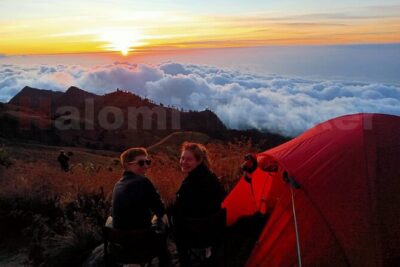
Mt Rinjani Trekking 2 Days 1 Night (Senaru Crater Rim)
Read our review →
Rinjani Trekking 3 Days 2 Nights (Sembalun – Senaru)
Read our review →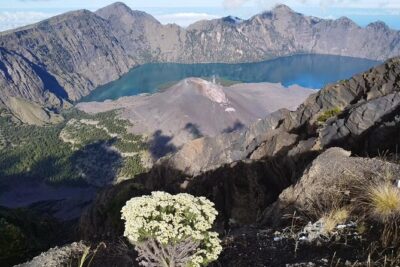
Rinjani Trekking Three Days Two Night Summit Lake
Read our review →Browse the lists this tour appears in