
REVIEW · BISHKEK, KYRGYZSTAN
Horse Trek to Kel Suu Lake
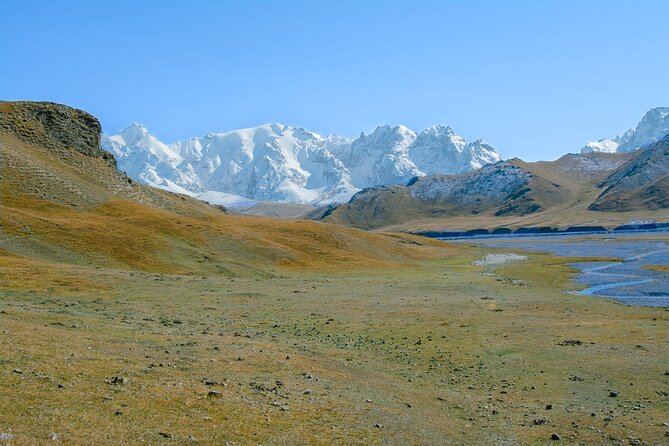
The road to Kel Suu is half the adventure. This six-day Kyrgyzstan trip combines long mountain drives, two days on horseback, and a final visit to one of the Tian Shan’s most striking alpine lakes. I especially like the small group limit of eight and the chance to meet local horsemen and stay in traditional camps rather than simply viewing the mountains from a vehicle. The scenery, horses, and personal care from guide Sanjar receive the strongest praise.
The main catch is the physical demand. You need moderate fitness, comfort with several hours in the saddle, and patience for long drives of up to 315 kilometers. At $1,400 per person, this is not a budget outing, but the price includes transport from Bishkek, horses, horsemen, camping equipment, permits, and most meals. You still need to bring a sleeping bag, helmet, insurance, drinks, and money for personal expenses.
Key things to know before riding toward Kel Suu
- Two days on horseback: Ride 13 kilometers on day three and 18 kilometers on day four, with steep mountain passes and changing altitude.
- Kel Suu sits in remote high country: The route crosses Car Pass at 3,791 meters before reaching the lake.
- The trip starts and ends in Bishkek: Pickup is offered, with the stated meeting point at 573 Frunze Street.
- A maximum of eight people: This keeps the group more manageable on narrow trails and around camp.
- Sanjar is a major strength: His humor, care, and knowledge of local places are repeatedly praised.
- Plan for basic mountain conditions: Camping gear is supplied, but sleeping bags and helmets are not.
Why Kel Suu makes a memorable six-day trip
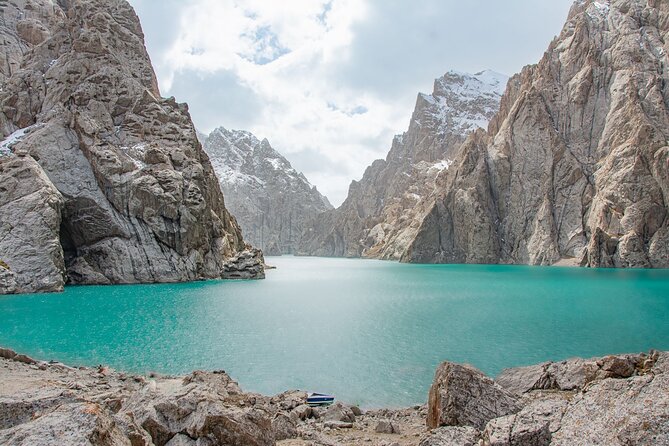
Kel Suu Lake is the prize at the end of a route through Kyrgyzstan’s high country. Its turquoise water sits between steep rock walls, giving the lake a quiet, almost unreal appearance. The setting feels far removed from Bishkek’s streets and ordinary sightseeing routes.
What I like here is the mix of transport and riding. You do not spend six straight days on horseback, which would be too much for many people. Instead, a minibus carries you through broad valleys and remote roads, while the two central riding days bring you closer to the terrain.
The cultural side matters, too. Traditional yurts, local herders, horsemen, and shared meals offer more contact with Kyrgyz life than a quick photo stop ever could. You should not expect polished resort comforts. The reward is a closer look at how people live and move through this high mountain country.
The schedule is compact but not gentle. The trip covers long distances by road and includes passes above 3,700 meters. Weather can affect the plan, and the operator requires suitable conditions for departure. That is sensible in such remote country, but you should keep some flexibility in your wider Kyrgyzstan itinerary.
More Horse Riding Trips in the world:
- Cardrona High Country Pub Trail Horse Trek (Intermediate level+)
★ 5.0 · 269 reviews - Rubicon Valley Horse Treks – 2 Hour River Trail Horse Trek
★ 5.0 · 196 reviews - Guided Horse Trekking from Rotorua
★ 5.0 · 159 reviews
Day one: Burana Tower, the road to Naryn, and a long first drive
The journey begins after breakfast in Bishkek with a drive toward Naryn. The stated road distance is 315 kilometers, and the driving time is about six hours, so this is a proper transfer day rather than a relaxed sightseeing day.
A stop at Burana Tower breaks up the trip. This historic minaret is one of the most useful cultural additions to the route because it gives you a connection to Kyrgyzstan’s past before the trip turns toward remote mountain country. The road then continues through valleys and smaller towns toward Naryn.
You spend the night in a homestay. That choice fits the character of the trip: simple accommodation, local contact, and a chance to settle into the rhythm of the region. Do not book this expecting a city hotel or a long evening of free time. The day is mainly about getting from Bishkek to the starting area.
The long drive is a drawback for anyone who dislikes road transfers. On the other hand, it makes the rest of the route possible. Without this first push into the interior, Kel Suu would remain a much harder place to reach.
Day two: Bosogo Pass and the wide Ak-Sai Valley
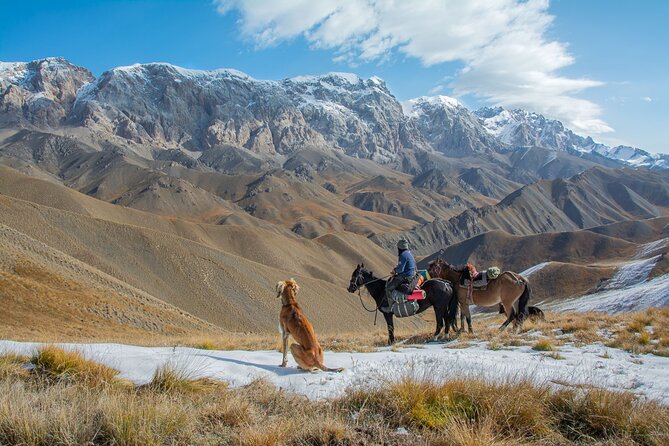
After roughly an hour on the road from Naryn, the route climbs over the switchbacks of Bosogo Pass. The change in scenery is one of the first big moments of the trip. The road opens toward the broad Ak-Sai Valley, with snow-covered peaks around it and a strong sense of space.
The driving distance is listed as 140 kilometers, with around three hours allocated to the stop and route details. Times can feel flexible in mountain country, so use the schedule as a guide rather than a promise of exact arrival times.
You continue toward Kok-Kiya Valley, where the setting becomes more remote. This is the point when the trip shifts from a road journey into a horse trek. You may have time to appreciate the scale of the valley, take photographs, and prepare for the next morning.
The high altitude is worth taking seriously. Even if you are fit, steep roads and thin air can make the first days tiring. Move at a steady pace, drink water, and tell your guide if you are feeling unwell. Bottled water is not included, so arrange your supply before leaving Bishkek or ask the operator what is available along the way.
Day three: Your first ride through Kok-Kiya Valley
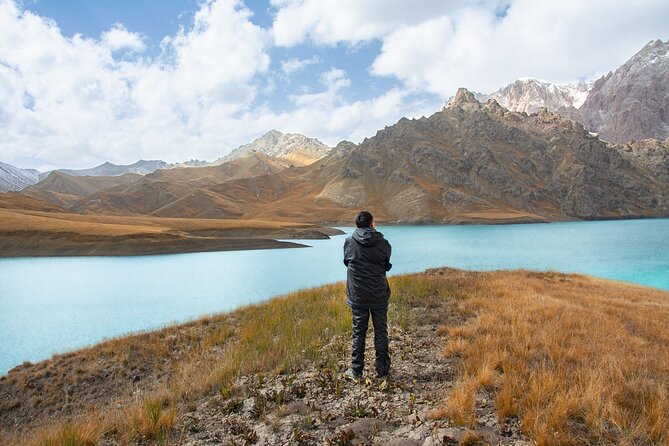
After breakfast, you meet your horse and receive a short riding briefing. This is useful for riders who have some experience but do not spend every week in a saddle. The route covers 13 kilometers, with 514 meters of ascent and 414 meters of descent, and takes about six hours.
The trail crosses rivers and winds through the valley. Those details tell you more than the distance alone. A 13-kilometer ride over uneven mountain ground is not comparable to a flat trail ride in a park. You will need to adjust to the horse, the slopes, the river crossings, and the changing pace of the group.
The horses are one of the most praised parts of the experience. They are described as well trained and dependable, while the horsemen help manage the animals and route. That support matters if you are new to riding in open mountain terrain.
The day gives you time to settle into the trip without immediately pushing to the lake. It also lets you see how your body responds to several hours of riding. Wear practical clothing, protect yourself from the sun, and expect dust, mud, and shifting weather. Helmets are not included, so bring your own if you want one.
A few more treks around the world worth a look
- Mount Etna: Trek to 3000m with cable car and 4×4
★ 4.6 · 3,823 reviews - Bali: Mount Batur Sunrise Trek With Guide and Breakfast
★ 4.8 · 3,461 reviews - From Chania: Full-Day Samaria Gorge Trek Excursion & Guide
★ 4.6 · 3,191 reviews - Mount Etna: Summit Crater Trek with Cable Car
★ 4.8 · 1,875 reviews
Day four: Car Pass at 3,791 meters
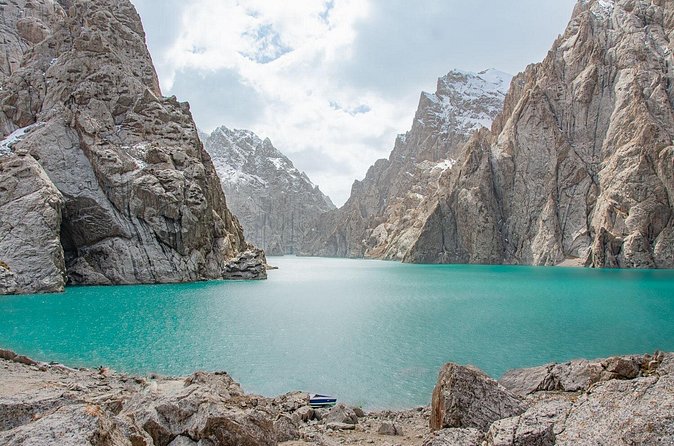
Day four is the most serious riding day. You travel 18 kilometers, climb 470 meters, descend 488 meters, and spend about six hours on horseback. The route crosses Car Pass at 3,791 meters, a major high point with wide views over the surrounding mountains.
The pass is not just a viewpoint. It is also a test of stamina and altitude tolerance. The ascent and descent figures are moderate on paper, but the ground can make every kilometer feel longer. Your horse does much of the work, yet you still need balance, patience, and the ability to remain comfortable in the saddle.
This is where the small group size earns its keep. With no more than eight people, the guide and horsemen can keep a closer eye on pace and safety. The experience is still an outdoor expedition, not a controlled attraction, so conditions on the trail matter more than the printed timetable.
The reward is the feeling of moving through country that vehicles cannot easily reach. You see the mountains from the trail level, pass through open valleys, and experience the quiet that comes with being far from towns. For many people, this will be the strongest day of the trip.
Day five: Reaching the turquoise water of Kel Suu
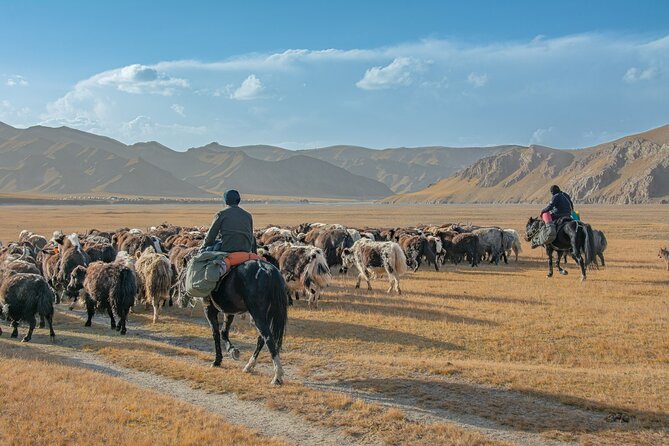
The final riding section leads toward Kel Suu Lake. The ride is listed at 12 kilometers and about three hours, with 180 meters of ascent and 261 meters of descent. Compared with day four, it is shorter and gives you more time to appreciate the lake itself.
Kel Suu is known for turquoise water hemmed in by dramatic cliffs. The color and setting are the visual payoff for the previous days of driving and riding. You get the pleasure of arriving on horseback, rather than simply stepping from a vehicle at a roadside viewpoint.
After the ride, the route includes a 140-kilometer drive. That means the day combines a morning or daytime ride with another road transfer, so it may feel longer than the three-hour riding figure suggests. Check the exact overnight arrangement with the operator before departure, since the supplied schedule lists the riding and driving but does not spell out every night’s accommodation.
The overview refers to traditional yurt camps, and the equipment list includes tents, mats, cooking gear, and gas. These details point to basic mountain camping rather than hotel-style lodging. Bring a sleeping bag, since one is specifically excluded. You should also confirm how the yurt and tent nights are divided.
Day six: Returning to Bishkek
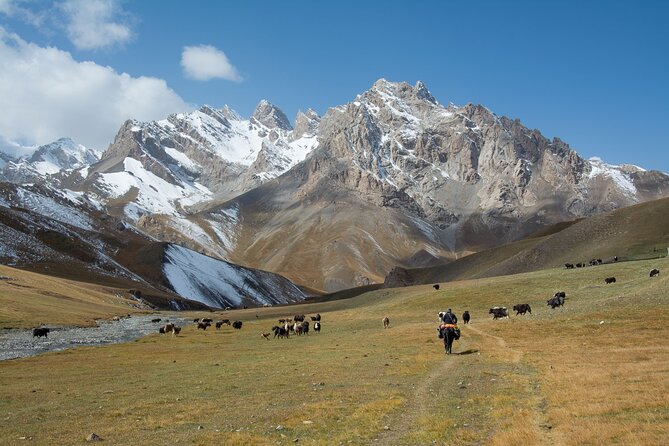
The final day reverses the first transfer, with a 315-kilometer drive back to Bishkek. The stated driving time is about five hours, with scenic stops for photographs and breaks along the way.
You are expected to arrive by early afternoon, leaving some time to rest or continue your stay in the capital. Since the tour returns to the original meeting point at 573 Frunze Street, it is convenient to book accommodation in the same general area or arrange a simple city transfer afterward.
The return drive is long, but it avoids adding another riding day when most people will be ready for a shower and a proper bed. If you plan a flight from Bishkek on the same day, leave plenty of extra time. Mountain roads, stops, and weather can affect the schedule, and this is not a good tour to pair tightly with an international departure.
What the $1,400 price covers
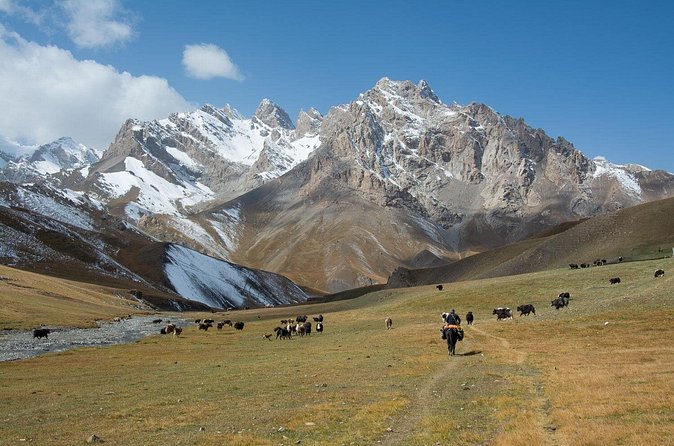
At $1,400 per person, the tour costs more than a simple Kyrgyzstan road trip. The value comes from the number of moving parts included: transport from and back to Bishkek, horses, horsemen, a border permit, camping equipment, and meals for the five nights of the active tour.
Five breakfasts, five lunches, and five dinners are included. Meals for the staff are also covered, which suggests a fully supported mountain operation rather than a trip where you must cook every meal yourself. Coffee, soda, alcohol, bottled water, and other personal drinks are extra.
The price does not include insurance, sleeping bags, or helmets. Those are not minor details on a high-country horse trek. Arrange insurance that covers the kind of outdoor activity you are undertaking, and bring suitable sleeping gear. Personal expenses are also your responsibility.
The strongest value comes if you want the entire route organized for you. You avoid arranging a long-distance vehicle, horses, horsemen, border paperwork, food, and remote camping separately. If you already have local transport, riding contacts, and camping gear, the price may feel high. For a first visit to this part of Kyrgyzstan, the support can justify it.
The guide, driver, and support team
Guide Sanjar receives unusually strong praise for his humor, care, and ability to add context to the journey. The trip is not only about getting from Bishkek to a lake. A good guide can make the long drives easier, explain local customs, and help you feel at home around the horsemen and hosts.
The driver is also an important part of the experience because so much of the route is by minibus. Milran is specifically praised for being friendly and professional. That matters on a six-day trip with two long transfers of 315 kilometers.
You also receive support from the horsemen, who handle the horses and help keep the riding days organized. The combination of guide, driver, and horsemen is one of the main reasons this tour feels more dependable than an independent attempt to reach Kel Suu.
Comfort, packing, and physical demands
You need moderate physical fitness. The riding distances are not extreme, but the route includes mountain passes, river crossings, ascent and descent, and several hours in the saddle. Prior riding experience is helpful, though the itinerary includes a basic briefing before the first ride.
Pack for changing mountain weather and basic camp conditions. The provided equipment includes tents, mats, gas, and cooking dishes, but not sleeping bags or helmets. The tour does not include bottled water, so plan carefully for hydration.
Meals are provided, but drinks beyond the included food are not. You should also budget for personal expenses and insurance. The remote setting makes preparation more important than fashion, so favor useful layers, sturdy footwear, sun protection, and clothing you do not mind getting dirty.
The activity runs from July 1 through September 15, 2026, with daily operating hours listed from 9:00 a.m. to 8:00 p.m. The summer window is short because high mountain conditions can be demanding outside the warmer season.
Who should book this horse trek?
I would recommend this trip to you if you want a real mountain journey rather than a quick lake visit. It suits riders with moderate fitness, people who enjoy basic camping, and anyone interested in Kyrgyz hospitality, local horse culture, and wide-open mountain scenery.
It is less suitable if you want predictable hotel comfort, short transfer times, or a flexible schedule. The road days are long, the weather can change plans, and you must provide some important gear yourself.
The maximum group size of eight is a useful middle ground. You get some social contact without joining a large coach party, and the guide can keep the group together on the trail. Free cancellation is available up to 24 hours before departure, while weather or minimum group requirements can also lead to a date change or full refund.
Should you book the Kel Suu horse trek?
Book it if the combination of high mountain riding, yurt and camp life, local support, and a remote alpine lake sounds better than a polished sightseeing tour. The scenery is the headline, but the horses, horsemen, guide Sanjar, and personal scale of the trip are what give it character.
Think carefully before booking if you dislike long drives or have little tolerance for basic sleeping arrangements. At $1,400, this is a serious purchase, yet it covers the difficult logistics of reaching Kel Suu and supports a small, organized expedition. Bring your sleeping bag, helmet, insurance, and water plan, then allow extra time around the trip. For the right kind of adventurer, this is a strong way to see one of Kyrgyzstan’s most remote mountain settings.
FAQ
Where does the Horse Trek to Kel Suu Lake begin?
The stated meeting point is 573 Frunze Street in Bishkek, Kyrgyzstan. The tour also offers pickup.
Where does the tour finish?
The activity ends back at the meeting point in Bishkek.
How long does the tour last?
The tour lasts approximately six days.
What is the price?
The listed price is $1,400 per person.
How many people can join the tour?
The maximum group size is eight people.
Is horse riding experience required?
The tour requires moderate physical fitness and includes a short riding briefing before the first ride. The provided information does not state a specific riding experience requirement.
How far do you ride on horseback?
You ride 13 kilometers on day three, 18 kilometers on day four, and 12 kilometers on day five.
What is the highest pass on the route?
Car Pass reaches 3,791 meters.
Are meals included?
Five breakfasts, five lunches, and five dinners are included. Bottled water, alcoholic drinks, coffee, and soda are not included.
Is camping equipment provided?
Tents, mats, gas, and cooking dishes are provided. Sleeping bags and helmets are not included.
Is insurance included?
No. Insurance is not included in the tour price.
Can I cancel for a full refund?
Yes, you can cancel at least 24 hours before the experience start time for a full refund. Cancellations or changes made less than 24 hours before the start time are not accepted for a refund.
Recently added around the world
- Mt Kilimanjaro Trek, 6 Days – Umbwe Route★ 5.0 · 4 reviews
- Full Day Private Trekking Mu Cang Chai★ 5.0 · 33 reviews
- Mount Kilimanjaro Trek 7-Days: Lemosho Route★ 5.0 · 2 reviews
- 7 Day Trek To The Roof Of Africa Kilimanjaro via Machame Route★ 5.0 · 5 reviews
- 8 Day Kilimanjaro Trek via Lemosho Route★ 5.0 · 17 reviews
- 6-Day Kilimanjaro Machame Route – A Stunning Trek to Uhuru Peak★ 5.0 · 7 reviews
- 7-Days Tour Mount Kilimanjaro Trekking via Machame Route★ 5.0 · 2 reviews
- Trek To Mount Kilimanjaro★ 5.0 · 12 reviews
Horses, compared.
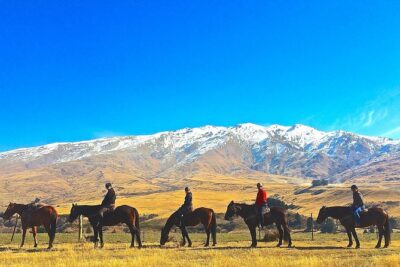
Cardrona High Country Pub Trail Horse Trek (Intermediate level+)
Read our review →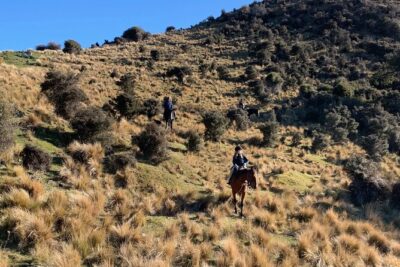
Rubicon Valley Horse Treks – 2 Hour River Trail Horse Trek
Read our review →
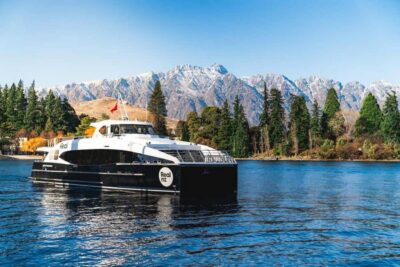
Queenstown: Walter Peak Horse Trek & Queenstown Lake Cruise
Read our review →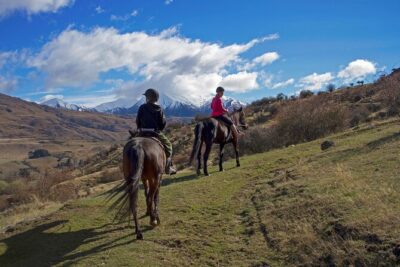
Gold Discovery Trail Horse Trek Cardrona – Most popular!
Read our review →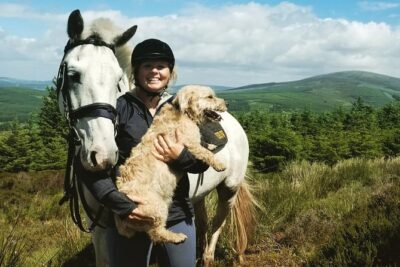
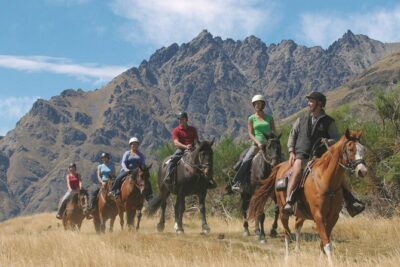
Half Day Walter Peak Horse Trek and Cruise from Queenstown
Read our review →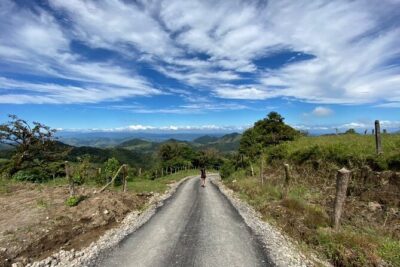
3-in-1 Monteverde Cloud Forest Waterfalls, Wild Trekking and Horseback Riding
Read our review →Browse the lists this tour appears in