
REVIEW · CANTERBURY, NEW ZEALAND
Rubicon Valley Horse Treks – 2 Hour River Trail Horse Trek
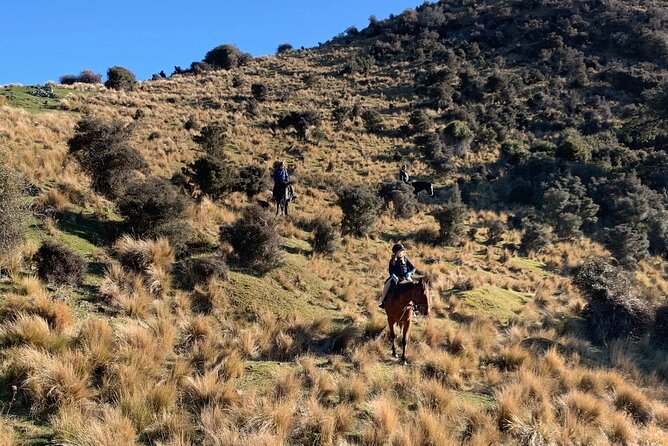
The mountains come with a saddle. Rubicon Valley Horse Treks takes you from a sheep farm near Springfield to the Otarama lookout, where the Waimakariri Canyon opens below and the Southern Alps fill the distance. I like the small groups of up to six riders per guide, and I like that Chris adjusts the pace for first-timers while still offering experienced riders a chance to trot or canter.
The two-hour route has real variety: farm tracks, gentle hills, terraces, a stream crossing, and a musterers’ trail. The main consideration is practical rather than glamorous: you must be at least 12, weigh less than 120 kilograms, wear long trousers and sturdy closed shoes, and accept that poor weather can cancel the ride.
Quick facts worth knowing
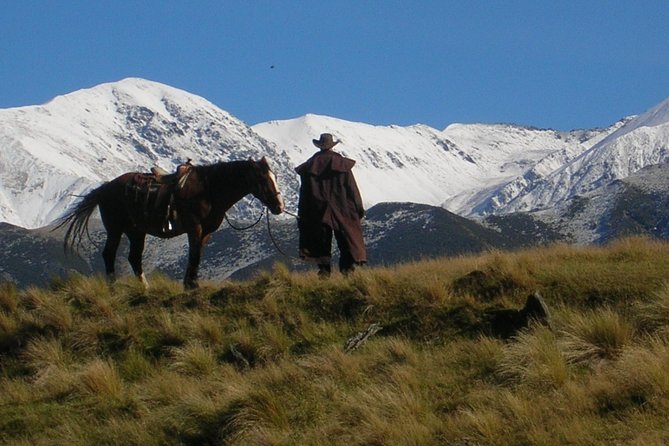
- Chris leads most rides: His calm instruction helps nervous and first-time riders settle in quickly.
- The Otarama lookout is the high point: Stop here for views over the snow-fed Waimakariri Canyon and the Torlesse Basin.
- The group stays small: The normal ratio is one guide to six riders, which allows useful help with each horse.
- The pace is flexible: Beginners can stay at a walk, while confident riders may get chances to trot or canter.
- You ride on a working farm: The route passes through high-country sheep-farm land rather than a purpose-built riding arena.
- Safety gear is supplied: Helmets are required, and wet-weather gear is available if conditions turn rough.
Why this Springfield horse trek works so well
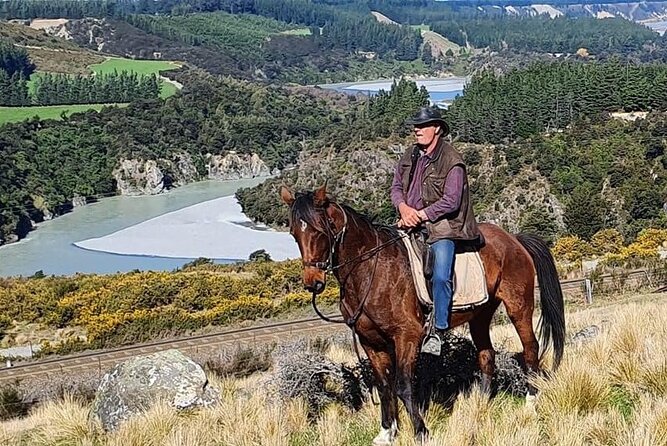
This is not a polished resort ride with a line of horses following one another around a paddock. You ride through a working high-country sheep farm, following trails toward the Waimakariri Canyon. That gives the outing a stronger sense of place. You are not simply sitting on a horse for a photo. You are moving through the same broad valley and farm country that make this part of inland Canterbury special.
I especially like the balance between scenery and horsemanship. The views provide the big reward, but the ride also gives you time to learn how to control your horse. Several riders with little experience found they were handling the reins and feeling comfortable within the first part of the trek. That matters because two hours can feel long if you are tense in the saddle.
The experience is also unusually friendly to mixed groups. If one person in your party rides regularly and another has only sat on a horse once or twice, both can take part. Chris keeps the group together, explains how to handle the horses, and adjusts the speed so beginners do not feel rushed.
There is one limit to keep in mind. This is suitable for beginners, but it is still a real outdoor ride across uneven farm ground. You will go up and down small hills and may cross a stream. A moderate level of fitness is recommended, and anyone expecting a fast, athletic ride for the full two hours may find the pace too gentle.
More Horse Riding Trips in the world:
- Cardrona High Country Pub Trail Horse Trek (Intermediate level+)
★ 5.0 · 269 reviews - Guided Horse Trekking from Rotorua
★ 5.0 · 159 reviews - Gold Discovery Trail Horse Trek Cardrona – Most popular!
★ 5.0 · 151 reviews
Arriving at the Rubicon Valley farm
The meeting point is Rubicon Valley Horse Treks at 534 Rubicon Road, Springfield 7681. The tour begins and ends here, and hotel pickup and drop-off are not included. You will need to arrange your own transport to the farm and allow enough time to arrive ready for the safety briefing.
Before setting out, each rider signs a waiver. You receive a safety helmet, which must stay on while riding. Long trousers and sturdy closed shoes are required, though running shoes are accepted. Sandals and loose footwear are not suitable for this activity.
The rules are straightforward. Riders must be at least 12 years old, and children need to be accompanied by an adult. The listed weight limit is less than 120 kilograms, or 264 pounds. These limits are worth checking before you book, since they are firm conditions of participation.
The six-to-one guide ratio is one of the best practical features. Chris can help match riders with horses, explain the basic controls, and keep an eye on the group without trying to manage a large file of people. If your party has more than six riders, contact the operator ahead of time, since larger groups may need a different arrangement.
Getting comfortable in the saddle
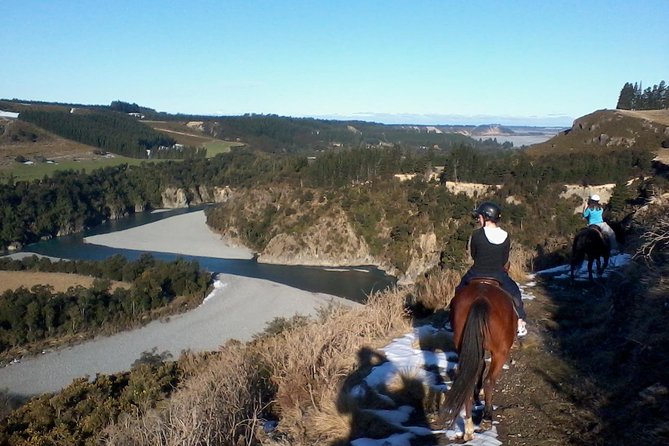
The first part of the ride is important for beginners. You learn how to guide the horse, control your speed, and respond to basic instructions. You are not expected to arrive as an experienced rider, but you should be confident enough to sit on a horse and follow directions.
Chris has earned strong praise for his patient teaching. Riders on only their second horse trek found his explanations clear and reassuring. That kind of instruction can make the difference between spending the morning worrying about your horse and actually noticing the scenery.
The horses also seem to be a major strength of the experience. Riders describe them as calm, reliable, and well cared for. One particularly useful detail is that you do not have to trot or canter if you do not want to. The horses are not described as taking off unexpectedly, and Chris gives tips that help riders feel more in control.
That said, riding ability still affects the experience. Beginners will likely spend most or all of the trek at a walk, with perhaps some gentle changes of pace depending on the group. If you ride regularly, tell Chris about your experience. He may be able to include some faster riding when conditions and the group allow.
Following the river toward Otarama lookout
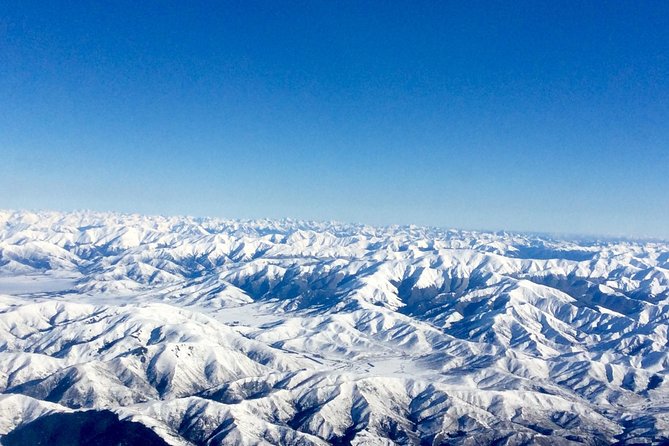
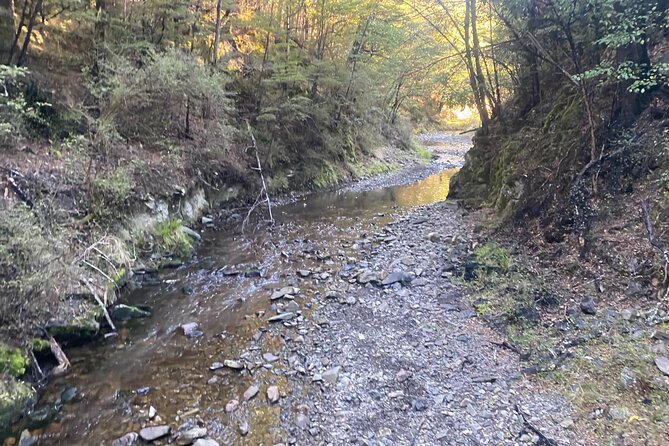
The route leads through the farm valley toward Otarama lookout. You ride with the Waimakariri Canyon nearby, and the snow-fed river cuts through the country below. The scenery is the main reason to choose this particular trek over a basic farm ride.
The Torlesse Basin and Southern Alps provide the wide views. On a clear day, the combination of open farm country, mountain ridges, and the canyon gives you the kind of setting that is difficult to appreciate from a car window. Horseback also keeps the outing quiet and unhurried. You have time to look around instead of concentrating only on the next road junction.
The route is not flat. Expect small climbs and descents as the horses move through the valley. That adds interest, but it also means you should be ready for some movement in the saddle. If you have never ridden before, your legs and balance may feel the work by the end.
The setting is especially good for people who want a close look at inland Canterbury. You are seeing sheep-farm country as working land, not just as a scenic backdrop. The mix of farm tracks, hills, river views, and mountain horizons gives the ride a stronger local character.
Same trailhead, a longer or shorter day out:
- Mount Etna: Trek to 3000m with cable car and 4×4
★ 4.6 · 3,823 reviews - Bali: Mount Batur Sunrise Trek With Guide and Breakfast
★ 4.8 · 3,461 reviews - From Chania: Full-Day Samaria Gorge Trek Excursion & Guide
★ 4.6 · 3,191 reviews - Mount Etna: Summit Crater Trek with Cable Car
★ 4.8 · 1,875 reviews
The lookout stop and photo break
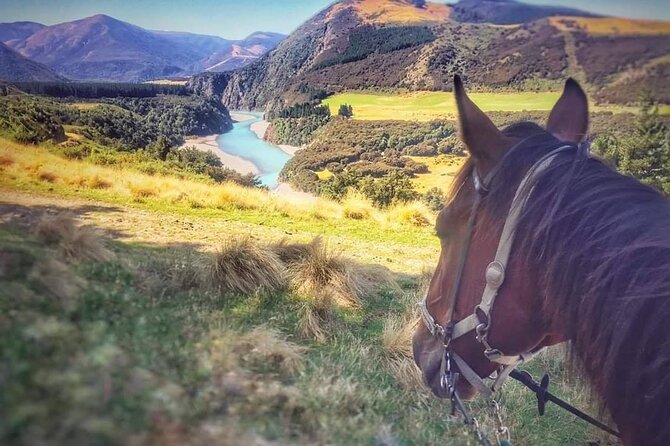
At Otarama lookout, the group stops for refreshments and photographs. This is the natural pause in the ride, and it gives you a chance to stretch, settle your horse, and take in the view over the canyon.
The stop matters because the best scenery deserves more than a quick glance while riding. You can look toward the Southern Alps, study the Torlesse Basin, and photograph the Waimakariri Canyon without trying to hold a camera while managing a horse.
Refreshments are included during the stop, but lunch is not. Think of this as a short break rather than a meal. If you need a substantial lunch, plan it separately before or after the trek.
Weather will shape this part of the outing. The tour requires good weather, and poor conditions may lead to a rescheduled date or a full refund. Wet-weather gear is available if needed, but that does not guarantee clear mountain views. For the best chance of seeing the Alps and canyon clearly, keep your expectations flexible.
Down the terraces and across the farm
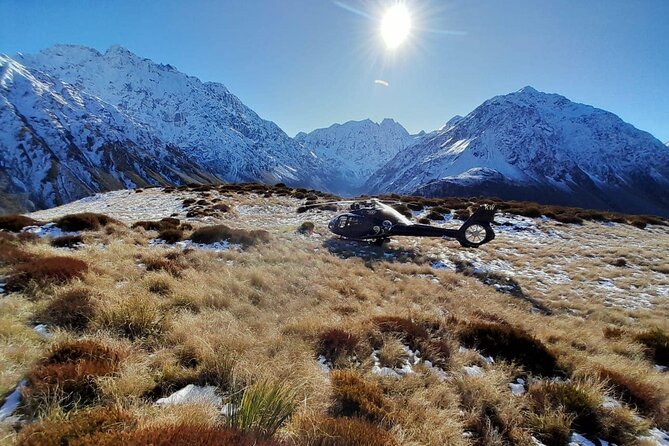
After the lookout, the horses head down the terraces and follow a musterers’ trail through the farmland. This gives the return journey a different feel from the climb toward the viewpoint. You are no longer simply retracing a road. The trail passes through the farm country and keeps the ride varied.
The route can include uneven ground, gentle slopes, and a stream crossing. One of the appealing details is that the ride feels active without demanding advanced riding skills. You are still responsible for your horse, but the guide remains close and helps you handle the changes in terrain.
This is also where experienced riders may appreciate the flexible pace. The activity is built for all riding abilities, so the group must move at a speed that suits the least experienced rider. If everyone is comfortable, Chris may offer opportunities for a trot or canter. These faster sections are optional, not forced.
That approach makes the outing a good choice for couples or families with different levels of confidence. A skilled rider can enjoy some extra movement, while a beginner can remain at a walk and focus on steering and scenery.
What the two-hour length really means
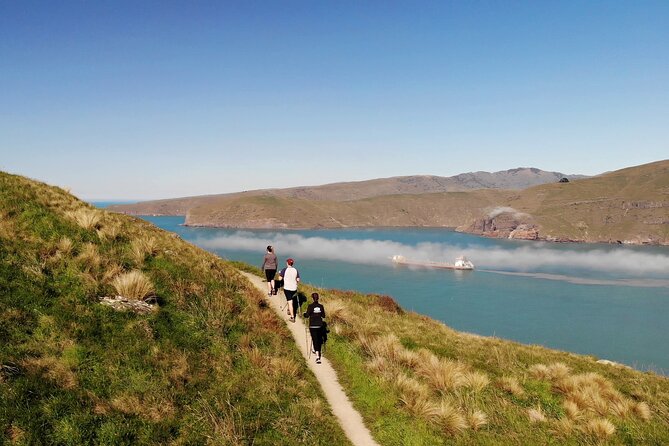
Two hours is a useful middle ground. A shorter trek might not give you enough time to reach the canyon viewpoint, while a full-day ride would demand more stamina and riding experience. Here, you get a proper outing with a clear destination and a break along the way.
Still, two hours in a saddle is not the same as two hours sitting in a sightseeing vehicle. If you are new to riding, you may feel tired afterward. The activity calls for moderate fitness, and the hills add a little extra work.
The pace will also depend on the group. With up to six riders, the guide can keep things orderly, but a group containing several beginners will naturally move more slowly. That is not a flaw. It is part of making the trip comfortable and safe for everyone.
The small-group format gives you more personal attention than a large trail ride. You can ask questions, get help with your horse, and tell Chris if you are nervous about a hill, stream crossing, or faster pace.
Is the $91.47 price good value?
At $91.47 per person, this is not the cheapest way to spend two hours near Christchurch. You are paying for more than time on a horse, though. The price includes a professional guide, safety equipment, a small group with a six-to-one maximum ratio, wet-weather gear if needed, and access to a scenic farm route leading to a canyon lookout.
The value is strongest if you are new to horseback riding or want a guided activity with scenery built into the route. A basic horse ride can feel repetitive when it stays in one paddock. This trek includes a river canyon, mountain views, farm trails, terraces, and a lookout stop.
Experienced riders may also find the price fair if the group allows some trotting or cantering. The experience is not designed as a high-speed riding lesson, however. If your main goal is advanced instruction or a long day in the saddle, this two-hour outing may not go far enough.
The price does not include lunch or transport to the farm. Factor those costs into your day, especially if Springfield is one stop in a larger Christchurch itinerary.
Clothing, weather, and useful preparation
Wear long trousers and sturdy closed shoes. Running shoes are accepted, but proper riding boots are not listed as required. Choose clothing that can handle dust, changing temperatures, and contact with the saddle.
Helmets are provided and must be worn at all times when riding. Wet-weather gear is also available if conditions require it. Even so, weather can cancel the activity, so do not build an unchangeable schedule around the ride.
Bring a camera if you want photos at Otarama lookout, but keep your hands free while the horses are moving. The main photo opportunity comes during the break, when you can concentrate on the canyon and mountain views.
You also need to sign a waiver before departure. Confirmation is sent within 48 hours of booking, subject to availability. Free cancellation is available up to 24 hours before the start time. If you cancel later, the payment is not refunded. If poor weather forces cancellation, you are offered another date or a full refund.
Who should book this ride?
I would choose this trek for a first-time rider who wants more than a short circle around a paddock. The patient instruction, calm horses, small group, and controlled pace make it approachable.
It also suits an experienced rider traveling with less confident companions. You may not get a fast ride for the whole two hours, but you can still enjoy the scenery and may have a chance to trot or canter when appropriate.
Families should note the minimum age of 12 and the requirement that children be accompanied by an adult. The weight limit and moderate fitness requirement also need to be taken seriously.
You may want to choose another activity if you dislike being outdoors in changing weather, cannot wear a helmet, or want a guaranteed fast-paced ride. The route is scenic and varied, but safety and group comfort come first.
Should you book the Rubicon Valley Horse Trek?
Yes, if you want a personal, scenic ride through Canterbury farm country and you are happy with a relaxed pace. The strongest reasons to book are the Waimakariri Canyon viewpoint, the Southern Alps scenery, and Chris’s patient handling of both horses and riders.
I would be especially keen to book this for a mixed-ability group. Beginners get support without being made to feel out of place, while experienced riders can ask about faster sections. Just arrive in the right clothing, arrange your own transport to Springfield, and remember that mountain weather has the final say.
FAQ
Where does the horse trek begin and end?
The trek begins and ends at Rubicon Valley Horse Treks, 534 Rubicon Road, Springfield 7681, New Zealand.
How long is the ride?
The guided horse trek lasts approximately two hours.
What age must riders be?
Riders must be at least 12 years old. Children must be accompanied by an adult and be confident enough to take part.
Is the trek suitable for beginners?
Yes. The ride is suitable for all riding abilities, including people with limited previous experience. Beginners receive instruction and can remain at a slower pace.
How many people are in each group?
The normal maximum is six riders per guide, giving a client-to-guide ratio of 6:1.
What should I wear?
You must wear long trousers and sturdy closed shoes. Running shoes are acceptable. Helmets are provided and must be worn while riding.
What happens if the weather is poor?
The activity requires good weather. If it is canceled because of poor conditions, you will be offered another date or a full refund.
Recently added around the world
- Mt Kilimanjaro Trek, 6 Days – Umbwe Route★ 5.0 · 4 reviews
- 7 Day Trek To The Roof Of Africa Kilimanjaro via Machame Route★ 5.0 · 5 reviews
- Full Day Private Trekking Mu Cang Chai★ 5.0 · 33 reviews
- Mount Kilimanjaro Trek 7-Days: Lemosho Route★ 5.0 · 2 reviews
- 8 Day Kilimanjaro Trek via Lemosho Route★ 5.0 · 17 reviews
- 6-Day Kilimanjaro Machame Route – A Stunning Trek to Uhuru Peak★ 5.0 · 7 reviews
- 7-Days Tour Mount Kilimanjaro Trekking via Machame Route★ 5.0 · 2 reviews
- Trek To Mount Kilimanjaro★ 5.0 · 12 reviews
Horses, compared.
Cardrona High Country Pub Trail Horse Trek (Intermediate level+)
Read our review →
Queenstown: Walter Peak Horse Trek & Queenstown Lake Cruise
Read our review →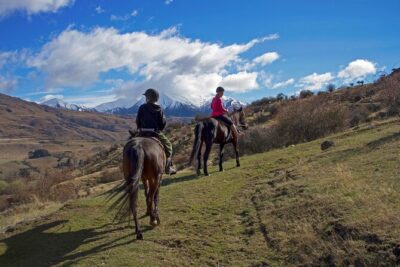
Gold Discovery Trail Horse Trek Cardrona – Most popular!
Read our review →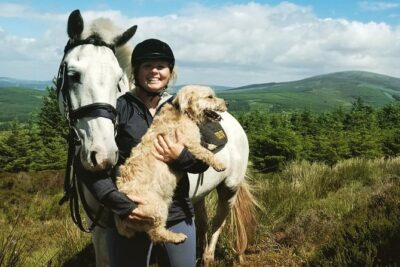
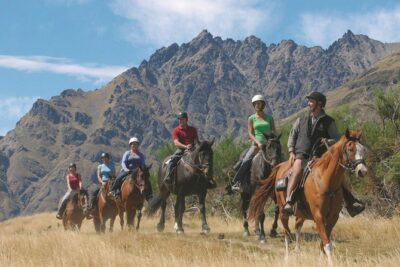
Half Day Walter Peak Horse Trek and Cruise from Queenstown
Read our review →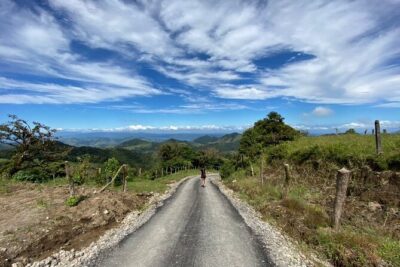
3-in-1 Monteverde Cloud Forest Waterfalls, Wild Trekking and Horseback Riding
Read our review →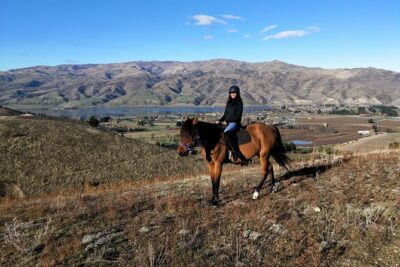
Browse the lists this tour appears in