
REVIEW · VIETNAM
Hanoi: 3-Day Mu Cang Chai Trekking, Hidden Trail, Local Life
Mu Cang Chai rewards the patient traveler. This three-day trip trades Hanoi’s traffic for mountain roads, terraced fields, village walks, and evenings in wooden stilt houses. I like the private transport and flexible stops, and I like the chance to meet Thai and H’mong families through farming, meals, and local storytelling. The main drawback is the travel time: the road to Mu Cang Chai takes about six hours each way.
I also like that the route uses local guides and private transport rather than rushing you through a crowded coach schedule. Guides Mr. Tai and Cau are specifically praised for their care, clear explanations, and help on the trekking routes. You should still come ready for long drives, basic homestay conditions, and outdoor walking in changing mountain weather.
Key points to know before you book
- About six hours each way from Hanoi: The scenery improves as you leave the city, but this is a road trip as much as a hiking tour.
- Two nights in wooden stilt-house homestays: You sleep in Tú Lệ and Mu Cang Chải, with meals and cultural activities included.
- Rice terraces are the main event: Lim Mong, Lim Thai, La Pan Tan, Chế Cu Nha, and Horseshoe Hill offer different views and walking routes.
- Private travel keeps the day flexible: You can stop for photographs and scenery instead of following a large group.
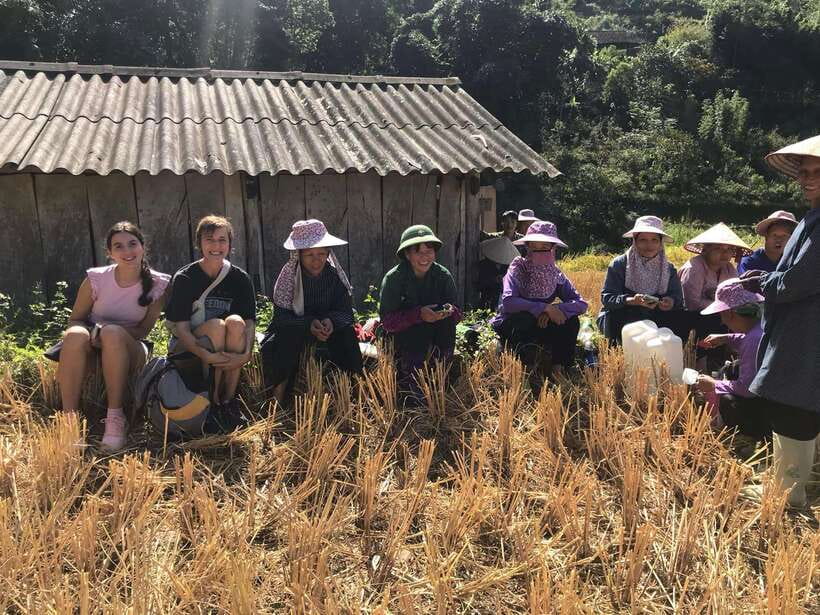
- Thai and H’mong culture is part of the route: Farming activities, local cooking, dances, stories, and village visits give the scenery a human side.
- The price covers most major costs: At $193 per person, transport, meals, lodging, entrance fees, permits, guide service, water, insurance, and Hanoi transfers are included.
Why this three-day route is worth the long road
Mu Cang Chai is not a quick side trip from Hanoi. The journey takes time, and the mountain roads make a full day of driving unavoidable. That sounds like a drawback, but it also explains why the area feels less packaged than easier-to-reach destinations.
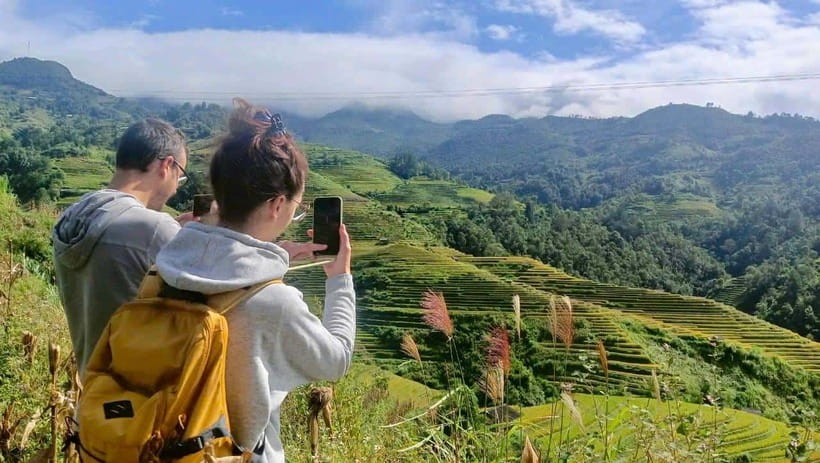
I like this trip because it gives you time to move through several settings rather than stopping at one viewpoint. You begin with Nghĩa Lộ and Tú Lệ, continue over Khau Phạ Pass, walk among rice terraces near Mu Cang Chải, and finish at Horseshoe Hill in Sang Nhu Village.
The private arrangement matters here. You travel in a modern, air-conditioned vehicle with a private group, an English-speaking guide, and a driver. You can stop for photographs along the way, and you avoid finding separate taxis or negotiating mountain transport after arriving.
The cultural side is equally important. This is not only a scenic drive. You may plant or harvest rice, meet Thai and H’mong residents, eat local dishes, and take part in an evening of dances and storytelling. The activities depend on the season and local conditions, so think of them as hands-on opportunities rather than guaranteed performances.
More Three-Day Treks in Vietnam:
- Sapa 3 Days 2 Nights Trekking Tour (1 Night In Ta Van Village, 1 Night In Hotel)
★ 5.0 · 699 reviews - 3-Day Trekking Adventure of Sapa from Hanoi – Stay Ta Van Village
★ 5.0 · 611 reviews - Hanoi – Sapa 3 Day 2 Night Trekking With Hotel & Homestay
★ 5.0 · 389 reviews
Day 1: Hanoi to Nghĩa Lộ and the Tú Lệ valley
The day begins at 7:30 a.m. with pickup in Hanoi’s Old Quarter. Pickup and return are available around Hoàn Kiếm Lake and the Old Quarter, with airport pickup available at any time. If you stay outside central Hanoi, a small extra fee may apply.
The first notable stop is Nghĩa Lộ in Yên Bái Province. Around noon, you stop for lunch at a local restaurant and get time to stretch after the drive. This break is useful, since the first section of the trip is mostly about leaving the city and reaching the mountain region.
After lunch, the road continues to Tú Lệ. The valley brings rice fields, springs, and Thai and H’mong villages. The schedule allows about four hours for guided sightseeing, walking, photographs, and scenic driving, so this is more than a quick roadside stop.
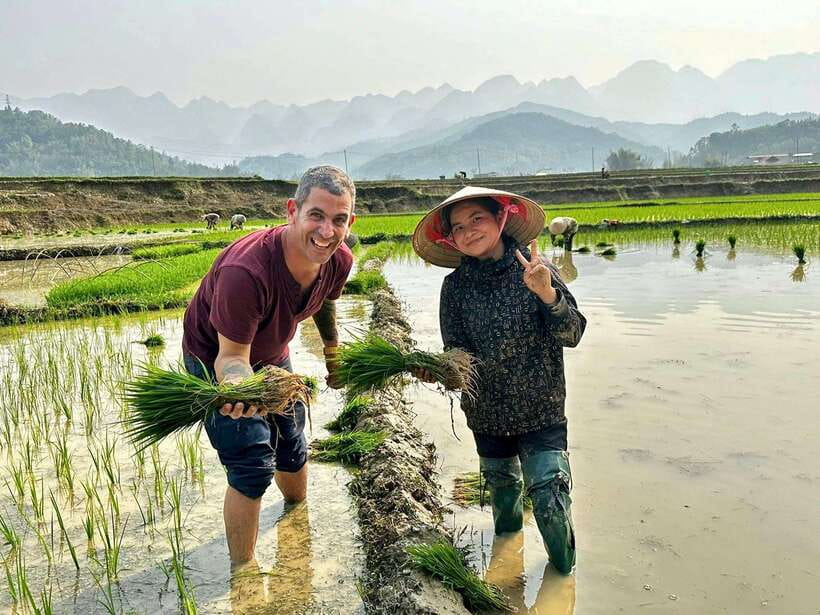
A particularly appealing part of the afternoon is the chance to join seasonal farming work. You might help with rice planting or harvesting and learn how local families work the fields. The exact activity will depend on the farming calendar, but the idea is valuable: you are seeing the terraces as working land, not just as a pretty backdrop.
By about 5 p.m., you check into a wooden stilt-house homestay in Tú Lệ. The accommodation is described as a private twin room, but you should still expect a simple mountain stay rather than hotel facilities. Dinner follows at about 6:30 p.m., with local specialties and time for conversation with residents.
This first night sets the tone. You are not sleeping in a resort outside the villages. You are staying close to local life, with the tradeoff of fewer conventional comforts.
Day 2: Lim Mong, Khau Phạ Pass, and the best terraces
Day two begins early, with breakfast around 6 a.m. That start gives you cooler air for the morning walk and helps fit several major sights into one day.
At about 8 a.m., you walk toward Lim Mong and Lim Thai. The route is described as a soft trek, but you still need proper hiking shoes and clothing suited to outdoor activity. The route includes rice terraces, village scenery, and meetings with local residents.
This is where guide quality matters most. The guides are expected to explain Thai and H’mong customs, farming methods, and local life while keeping you moving safely along the route. Cau, who led one three-day trip, was praised for his help on the walks and for explaining the differences between the two communities.
You then drive through Khau Phạ Pass, one of Vietnam’s Four Great Passes. The road offers broad views over the mountain scenery, with a stop near paragliding areas. Even if you have no interest in flying, the pass is a strong place for photographs and a useful pause between walking sections.
Around noon, you reach Mù Cang Chải, check into another traditional homestay, and eat lunch. The schedule then turns to two of the area’s best-known terrace areas, La Pan Tân and Chế Cu Nha.
The afternoon walk gives you a closer look at H’mong farming areas. You may meet farmers, see how rice cultivation works, and try planting rice yourself. If you visit during a growing or harvest period, the fields may look very different from the golden terraces seen in promotional photographs. That is worth remembering when planning your expectations.
La Pan Tân and Chế Cu Nha are scenic, but the route also includes off-road travel and walking. The combination can make the afternoon feel full. You will have time for photographs, but this is not a slow, do-nothing sightseeing day.
Dinner is prepared by a Thai cook and features regional flavors. Afterward, the schedule includes cultural exchange by the fire, with traditional dances and storytelling. Since this is a local activity rather than a large stage show, it should be approached with respect and an open mind. You are sharing an evening in a village, not watching a polished theater production.
The second homestay gives you another chance to experience mountain life, but again, comfort is simple. Bring insect repellent, a jacket, and clothing suited to the weather.
Day 3: Horseshoe Hill and the return to Hanoi
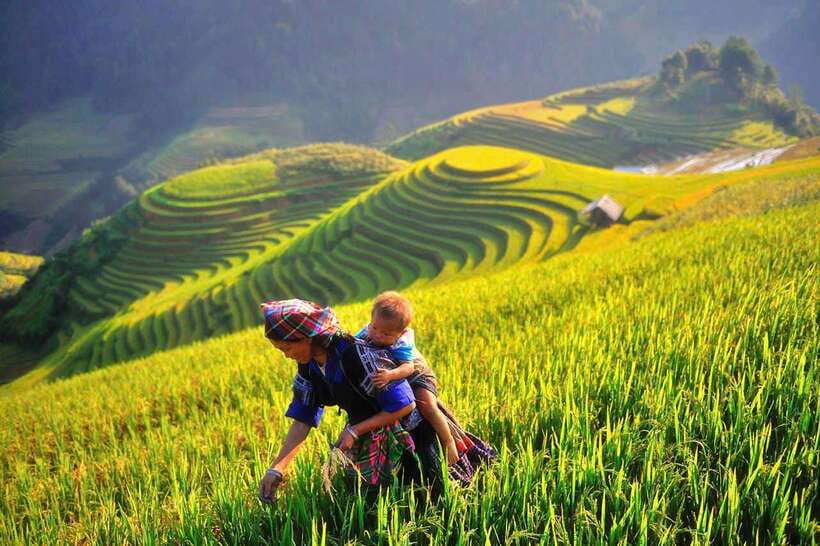
After breakfast, you visit Horseshoe Hill in Sang Nhu Village at about 7 a.m. The stop lasts roughly two and a half hours and includes walking, scenery, and photographs.
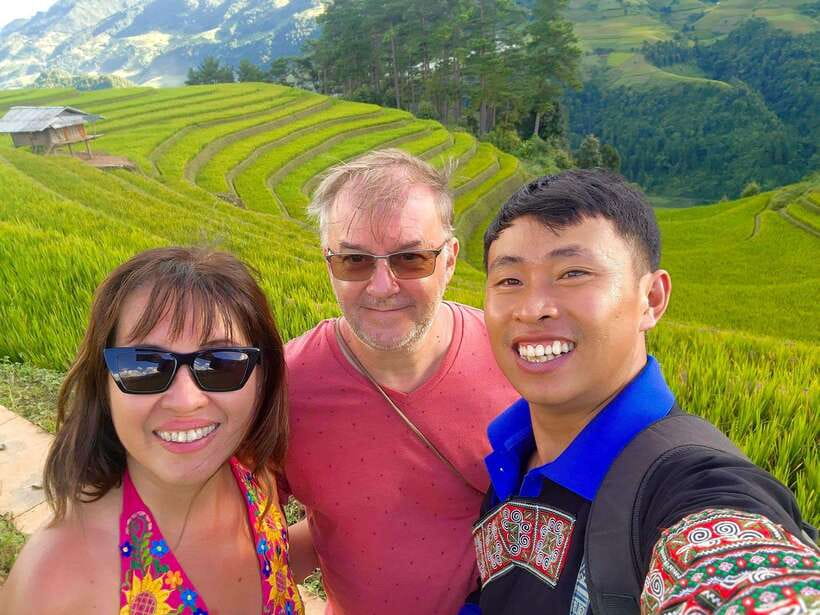
Horseshoe Hill is especially attractive during the rice harvest, when the curved terraces may show golden tones. If you visit at another time of year, the colors and field conditions will differ. The view is still part of the appeal, but the famous harvest-season image should not be treated as a year-round guarantee.
The morning visit is a good final walk because it lets you see another terrace area before spending much of the day in the vehicle. Afterward, you stop for lunch in Nghĩa Lộ or Tú Lệ, depending on the schedule and road conditions.
The return to Hanoi is expected to take about six hours. Arrival is planned for around 5:30 p.m., although mountain traffic, weather, and road conditions can affect timing. I would avoid booking a tight evening flight or an important appointment after the tour.
A few more treks around Vietnam worth a look
- Sa Pa: Muong Hoa Valley Trek and Local Ethnic Villages
★ 4.6 · 864 reviews - From Hanoi: 2-Day Sapa Trekking Trip with Homestay & Meals
★ 4.8 · 704 reviews - Sapa: Eco Adventure Terrace Fields and Local Villages Trek
★ 4.9 · 636 reviews - From Ho Chi Minh City: Can Gio Mangrove & Monkey Island Trek
★ 4.7 · 512 reviews
What the $193 price really covers
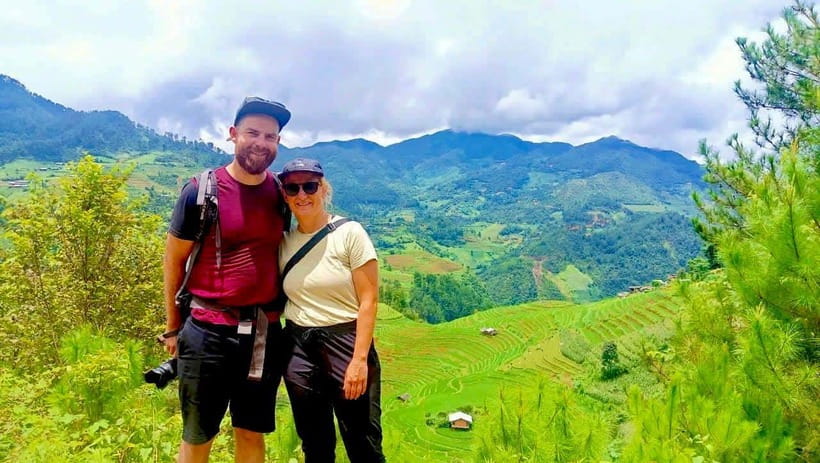
At $193 per person, this trip offers solid value if you would otherwise need to arrange transport, accommodation, meals, village visits, and a guide separately. The price includes two breakfasts, three lunches, two dinners, private twin accommodation, a modern air-conditioned vehicle, an English-speaking guide, entrance fees, frontier travel permits, bottled water, local happy water, travel insurance, and Hanoi Old Quarter transfers.
The private vehicle is a major part of the value. A cheaper shared option might reduce the price, but the long journey would be less flexible and you could spend more time dealing with local taxis after reaching the mountains. This package removes much of that work.
The price does not include drinks or personal expenses. Bring cash for anything beyond the stated meals and water. You should also budget for small personal purchases, though the trip does not list extra activity fees.
Vegetarian meals are available if requested in advance. I would make that request before departure, along with any important food concerns.
How demanding are the walks?
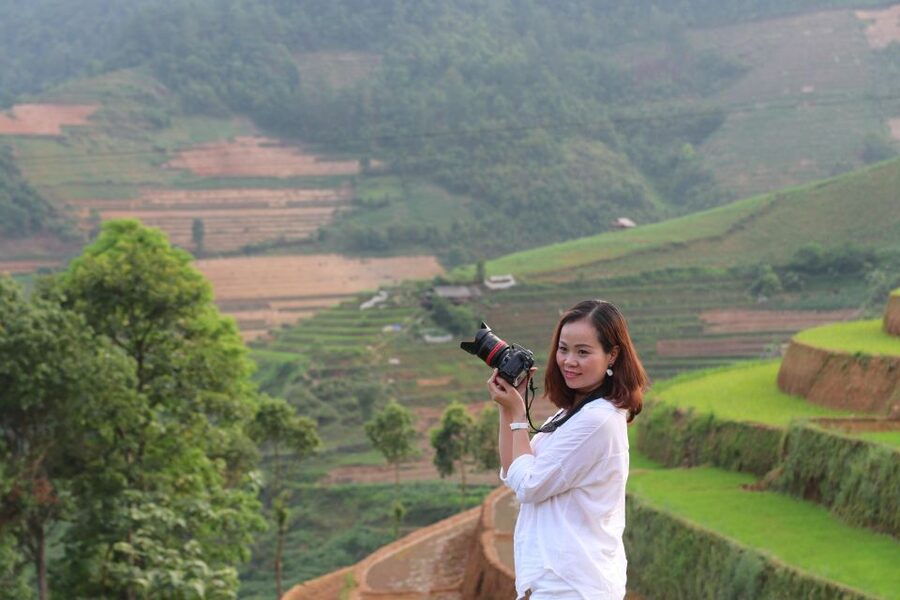
The itinerary describes the trek as a soft trek, but this is still a walking holiday in a mountain area. You should be comfortable walking on village paths and uneven outdoor ground for several hours at a time.
The schedule includes walking at Tú Lệ, Lim Mong, Lim Thai, La Pan Tân, Chế Cu Nha, and Horseshoe Hill. The tour data does not provide exact distances, elevation gains, or trail surfaces, so you should ask the provider for current details if those points matter to you.
Good walking shoes are essential. Sunglasses, a sun hat, insect repellent, a camera, a jacket, cash, and weather-appropriate clothing are also recommended. Weather can change in the mountains, and the tour may be moved or cancelled if conditions are poor.
Children must be accompanied by at least one adult. The private format can suit couples and families who want to set their own pace, but anyone with limited mobility should ask about the current walking conditions before booking.
Homestays, meals, and local contact
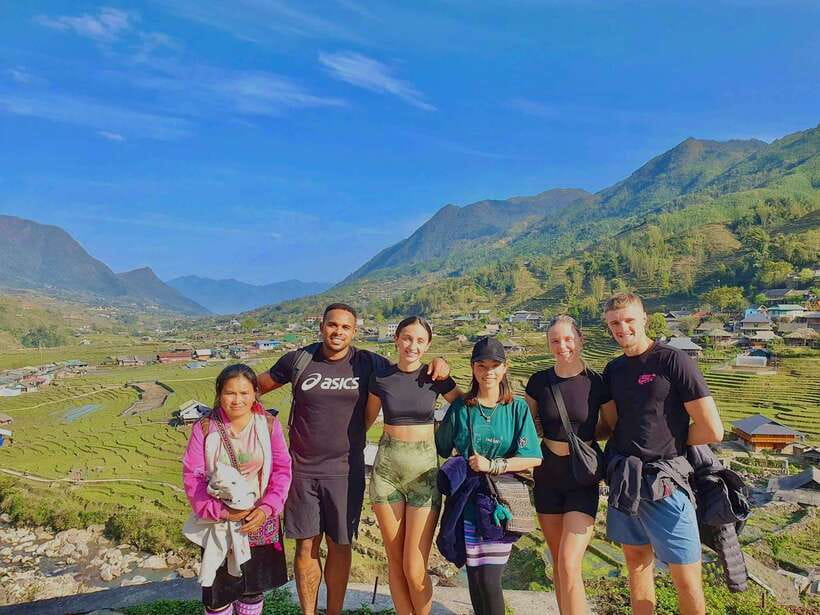
The two overnight stays are in wooden stilt houses, one in Tú Lệ and one in Mu Cang Chải. You receive a private room based on twin occupancy, but the overall setting remains a village homestay.
That means the lodging is valuable for location and local contact, not for hotel-style service. You can expect a simpler setup than in Hanoi, with the reward of staying near the communities you came to see.
Meals are included as scheduled, with local specialties served at restaurants and homestays. The food is part of the regional introduction, particularly at the Tú Lệ dinner and the Thai-prepared meal in Mu Cang Chải. Drinks beyond bottled water and the included local wine are extra.
The guide and driver make a real difference
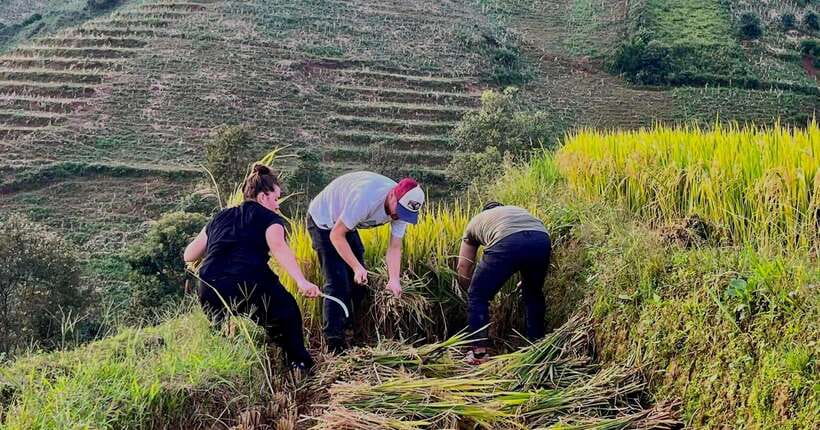
A long mountain journey depends heavily on the people running it. The available feedback gives special credit to Mr. Tai and Cau, along with the driver. Mr. Tai was praised for being considerate and for explaining Vietnam’s past and its ethnic communities. The driver was also praised for careful service.
Cau received similar praise for leading the walks and explaining Thai and H’mong culture. These details matter because the road time is substantial, and the guide helps turn scenery into understanding.
The company also offers 24-hour hotline support and says its guides can take photographs during the trip. You should still share your WhatsApp number or email before departure so the pickup time and location are clear.
Who should book this Mu Cang Chai trip?
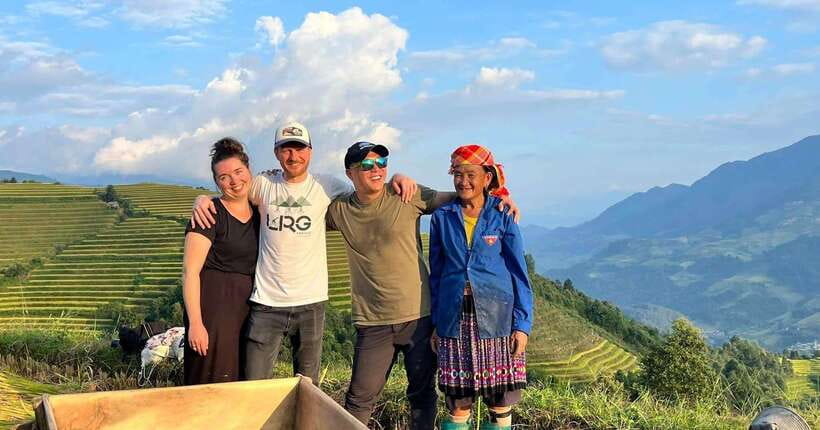
I would recommend it to you if you want mountain scenery and local contact without arranging several separate bookings. It is particularly suitable for couples, small private groups, and people who prefer a guide-led trip with flexible photo stops.
It also suits you if you value cultural contact more than hotel comfort. Farming activities, village walks, homestays, local meals, and evening storytelling are central parts of the schedule.
I would think twice if you dislike long road journeys, basic accommodation, early starts, or changing weather. You should also be cautious about booking it immediately before a flight or another fixed appointment in Hanoi.
Free cancellation is available up to 24 hours before departure, and you can reserve now and pay later. Poor weather may lead to a new date, a different experience, or a full refund.
Should you book it?
Book this trip if you want Mu Cang Chai with the difficult transport handled for you. The strongest reasons are the private vehicle, village-based overnight stays, local guides such as Cau and Mr. Tai, and the range of terrace areas included in three days.
Skip it if you want a short trip or polished resort comfort. The road is long, the walking is real, and the homestays are simple. For the right visitor, though, $193 buys far more than photographs: it buys time in the mountains, contact with Thai and H’mong communities, and a practical way to reach one of northern Vietnam’s most striking rural areas.
FAQ
How long does the Mu Cang Chai tour last?
The tour lasts three days, with two overnight stays in mountain homestays.
Where does pickup take place in Hanoi?
Pickup is available around Hoàn Kiếm Lake and Hanoi’s Old Quarter. You should be ready in your hotel lobby 10 minutes before departure.
Is airport pickup available?
Yes. Airport pickup is available 24 hours a day. Pickup or drop-off outside central Hanoi may require a small additional fee.
How long is the drive from Hanoi to Mu Cang Chai?
The drive takes about six hours each way, depending on road and weather conditions.
What meals are included?
The tour includes two breakfasts, three lunches, and two dinners. Vegetarian food is available if requested.
Are drinks included?
Bottled water and local happy water are included. Other drinks and personal purchases are not included.
What type of accommodation is provided?
You stay for two nights in wooden stilt-house homestays, with a private room based on twin occupancy.
Is the tour private?
Yes. The tour is offered for a private group with private modern, air-conditioned transport.
What language does the guide speak?
The live guide speaks English. Other languages may be available on request.
What should I bring?
Bring hiking shoes, weather-appropriate clothing, a jacket, sunglasses, a sun hat, insect repellent, a camera, and cash.
Recently added around Vietnam
- Full Day Private Trekking Mu Cang Chai★ 5.0 · 33 reviews
- My Son sanctuary and mountain trekking★ 5.0 · 9 reviews
- Bach Ma National Park Trekking and Camping 2 days Tour★ 5.0 · 9 reviews
- Small Group – Bach Ma National Park Trekking Tour From Hue★ 4.5 · 18 reviews
- Explore Bach Ma National Park – Trekking with Small Group Tour★ 5.0 · 12 reviews
- UNESCO Listed Can Gio Mangrove and Monkey Island trek★ 5.0 · 11 reviews
- 2-Day Trekking & Biking Nam Cat Tien National Park from HCM City★ 5.0 · 12 reviews
- Trekking around Ha Giang 5 days 4 nights★ 3.0 · 2 reviews
3-Day Experiences, compared.
Sapa 3 Days 2 Nights Trekking Tour (1 Night In Ta Van Village, 1 Night In Hotel)
Read our review →
3-Day Trekking Adventure of Sapa from Hanoi – Stay Ta Van Village
Read our review →

3-Day Ethical Orangutan Jungle Trek | Bukit Lawang, Sumatra
Read our review →
Sapa 3 Day 2 Night Trekking With Hotel & Homestay
Read our review →
Monkey Business 3 days – 2 nights Jungle trekking (including rafting)
Read our review →
3 Days Small Group Trekking And Motorbike Combine + Private room
Read our review →
Browse the lists this tour appears in