
REVIEW · PUEBLA STATE, MEXICO
From CDMX: Trekking to Iztaccihuatl Volcano accompanied by a mountaineer
The mountains begin before breakfast. This 11-hour trip from Mexico City takes you to Iztaccihuatl in Puebla State, where you hike volcanic slopes with a mountaineer and reach about 4,300 meters above sea level. I like the early start because it gives you a full day in the mountains, and I like the changing views of volcanoes, villages, and the Valley of Mexico. The main drawback is that this is a demanding outing with limited detail about the schedule, facilities, and guiding style.
I also like that the hike begins at La Joya, rather than pretending you are climbing to the summit. You get a real mountain experience without signing up for a technical mountaineering expedition. Still, you should be in good physical condition, comfortable on uneven ground, and ready for thin air, a long ride, and a pace set by the whole group.
The essential facts before you book
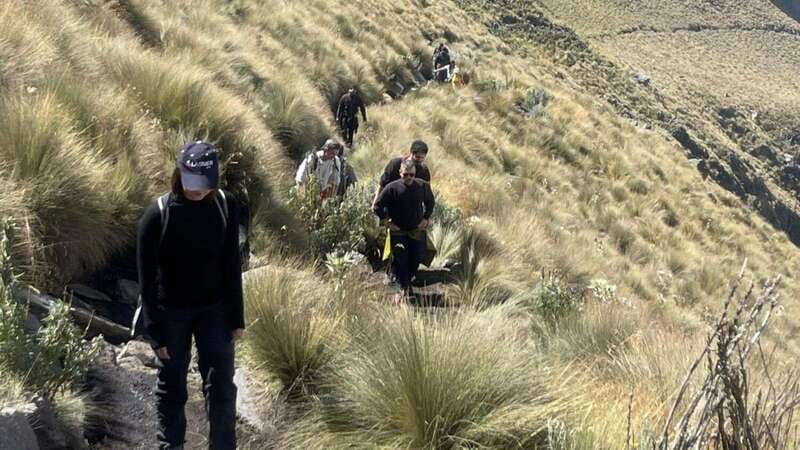
- Reach about 4,300 meters: This is a high-altitude hike, not a casual park walk.
- Begin at historic Paso de Cortés: The mountain pass is linked to Hernán Cortés and his 1519 route toward Mexico-Tenochtitlan.
- Hike Iztaccihuatl from La Joya: The route gives you mountain scenery and volcanic terrain without promising a summit climb.
- Expect roughly three hours on foot: The walking section includes uneven ground and a pace adjusted to the group.
- Plan for an early meeting: Meet at Calle Isabel la Católica 61-A in Mexico City at 6:20 a.m.
- Pay for transport and guidance: At $153 per person, the value depends on how much you value organized transport, park access, and a mountaineer-led outing.
What kind of mountain day is this?
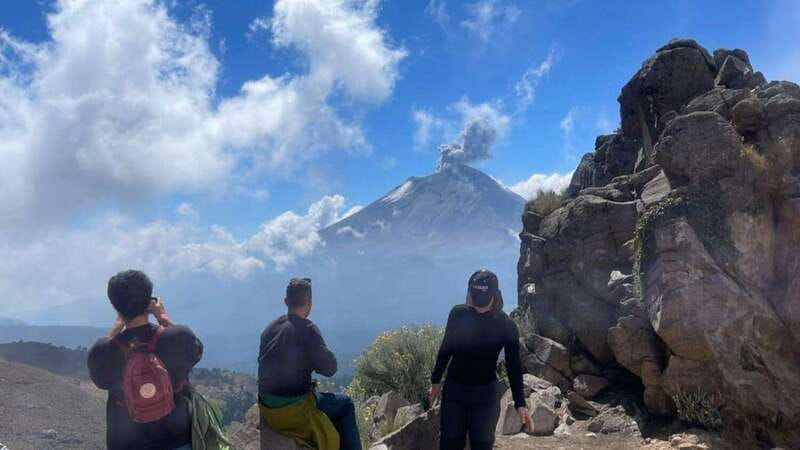
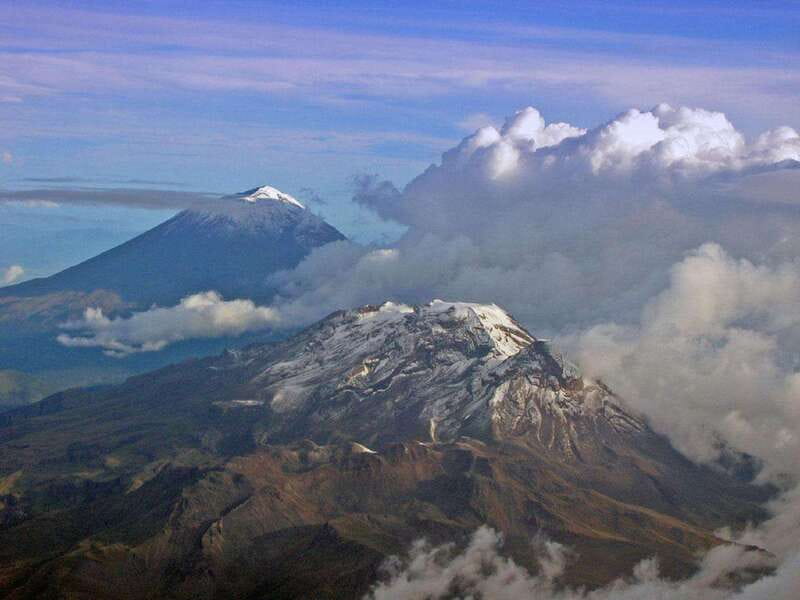
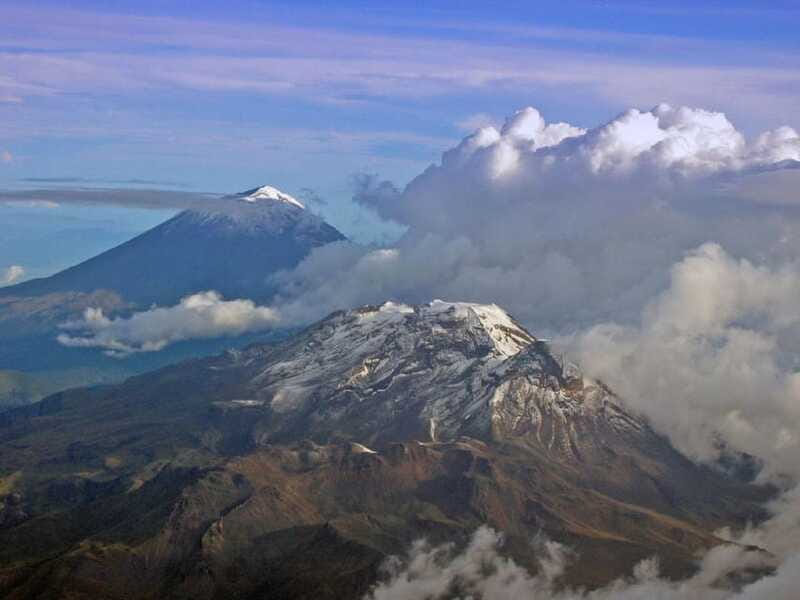
Iztaccihuatl is one of Mexico’s best-known volcanoes, and this trip takes you onto its lower mountain slopes inside Iztaccíhuatl-Popocatépetl National Park. The experience is about walking in a dramatic volcanic setting, not reaching the summit.
That difference matters. You will not spend the day on ropes, ice, or a technical ascent. You will, however, walk on uneven terrain and climb to an altitude that can challenge even fit people who are not used to high mountains. The advertised maximum is about 4,300 meters, so your breathing and energy can change quickly as you gain height.
I like the balance here. You get a serious taste of high-altitude hiking without the equipment and commitment required for a professional climb. But do not treat the word trekking as a soft option. The activity is specifically unsuitable for children under 16, pregnant women, people with mobility impairments, wheelchair users, and people with heart or respiratory problems.
More Volcano Treks in the world:
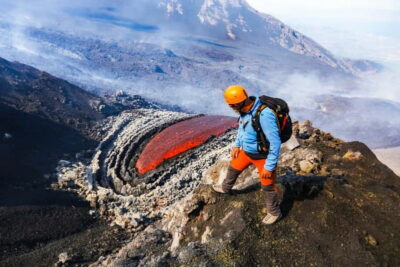
- Mount Etna: Trek to 3000m with cable car and 4×4
★ 4.6 · 3,823 reviews - Mount Etna: Summit Crater Trek with Cable Car
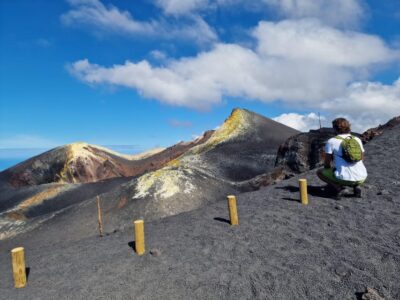
★ 4.8 · 1,875 reviews - La Palma: Tajogaite Volcano Guided Trek
★ 4.8 · 1,810 reviews
The 6:20 a.m. meeting in Mexico City
The standard meeting point is Calle Isabel la Católica 61-A in the Historic Center of Mexico City. You should arrive ready to leave at 6:20 a.m., with comfortable clothes, sturdy comfortable shoes, and your passport or a copy.
The early departure is practical. The mountain is well outside central Mexico City, and the transport takes about 105 minutes each way before you reach the first scenic stop. A van or bus handles the long road sections, so this is not a tour where you spend the entire day walking from the city.
Pickup may be available depending on the option you select, but the stated meeting point is the safest detail to plan around. Bring only what you can manage easily on the trail. Meals and drinks are not included, and the tour does not provide hiking equipment.
One important administrative detail is easy to miss: every participant must show a passport, either digitally, in the original, or as a photocopy, to prove legal stay in Mexico. Take care of this before leaving your hotel. It is a small item that can prevent a very large morning problem.
Paso de Cortés, where history meets volcano views
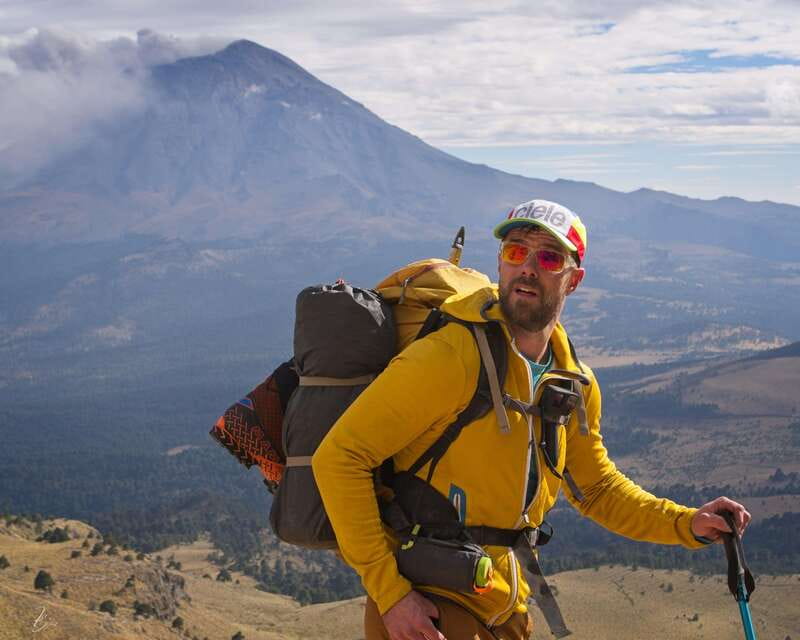
After the first road journey, the group stops at Paso de Cortés for about 15 minutes. This is both a practical orientation point and one of the most interesting places connected with the day.
The pass is associated with Hernán Cortés and his forces, who crossed here in 1519 on their way toward Mexico-Tenochtitlan. You are not getting a full historical lecture or a museum visit, but the setting gives that famous route a physical sense. You can look across the high mountain country and understand why this passage mattered.
The stop also includes a safety briefing and time for photographs. Use those minutes to ask about the hike, the expected pace, restroom arrangements, and where you should regroup later. One weakness of the experience is that the schedule and practical instructions may not always be explained clearly. A short question at the start can save confusion on the mountain.
The views are the real reward here. Depending on the weather, you may see nearby villages, volcanic peaks, and broad views toward the Valley of Mexico. Conditions can change quickly, so do not judge the whole day by what you see at the pass.
La Joya, the trailhead at the foot of Iztaccihuatl
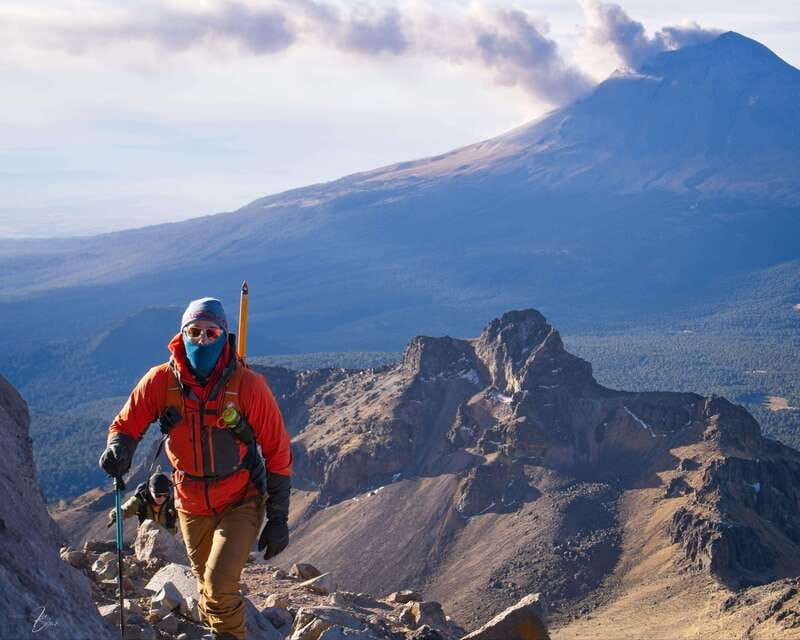
A second vehicle transfer takes about 30 minutes and brings you toward La Joya. The road segment is short compared with the Mexico City drive, but it places you much closer to the walking route.
La Joya is where the hike begins, although the schedule describes the stop briefly rather than promising a long orientation there. You may pass through the area before setting off, so listen carefully for instructions about the meeting place and route.
From here, the character of the day changes. You leave the vehicle behind and walk through the national park, with the route reaching roughly 4,300 meters. The terrain is uneven, and your pace depends on the physical level of the group. That group-based pace can be helpful if you need to settle into the altitude, but it may feel slow if you are a strong hiker.
The route passes through changing mountain conditions. Seasonal snow can appear, while local flora and fauna add detail to what might otherwise feel like a stark volcanic slope. The exact mix depends on the season and weather. Do not expect the same view or trail surface in April as in winter.
A few more treks around the world worth a look
- Bali: Mount Batur Sunrise Trek With Guide and Breakfast
★ 4.8 · 3,461 reviews - From Chania: Full-Day Samaria Gorge Trek Excursion & Guide
★ 4.6 · 3,191 reviews - Etna: summit craters trekking with volcano guide 3350mt
★ 4.7 · 1,712 reviews - From Rethymno: Samaria Gorge Full-Day Trek, Pickup & Guide
★ 4.5 · 1,610 reviews
Three hours of walking in the national park
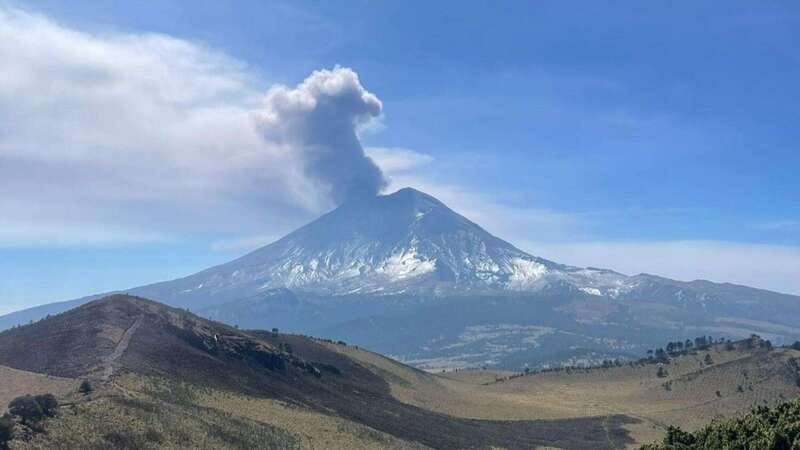
The main visit to Iztaccíhuatl-Popocatépetl National Park lasts about three hours and combines walking, guided interpretation, and scenic pauses. This is the heart of the experience.
I would treat the hike as a test of endurance rather than a race. The goal is to keep moving steadily, protect your breathing, and enjoy the mountain rather than burn all your energy in the first climb. The guide’s instructions matter, especially as the altitude increases. Follow the pace set for the group, drink when you can, and tell the guide if you feel unwell.
The views are likely to be strongest when the air is clear. You may look down toward villages and the Valley of Mexico, then turn toward neighboring volcanoes and high ridges. The visual reward comes from the scale of the setting. Mexico City feels far away, even though you started there that morning.
Photography is another strong point. The open mountain setting provides plenty of chances for wide views and changing weather. Keep your camera accessible, but do not let it distract you from foot placement. Volcanic ground can be loose or uneven, and one careless step can spoil a good photo day.
The guiding can vary in feel. A guide such as Fabricio has been praised for caring well for the group during the hike. At the same time, one account found the explanations too limited and felt the outing offered more transport than service. That is useful advice: book this mainly for the mountain access and scenery, not for a long, polished lecture at every stop.
Returning to La Joya and the final viewpoint
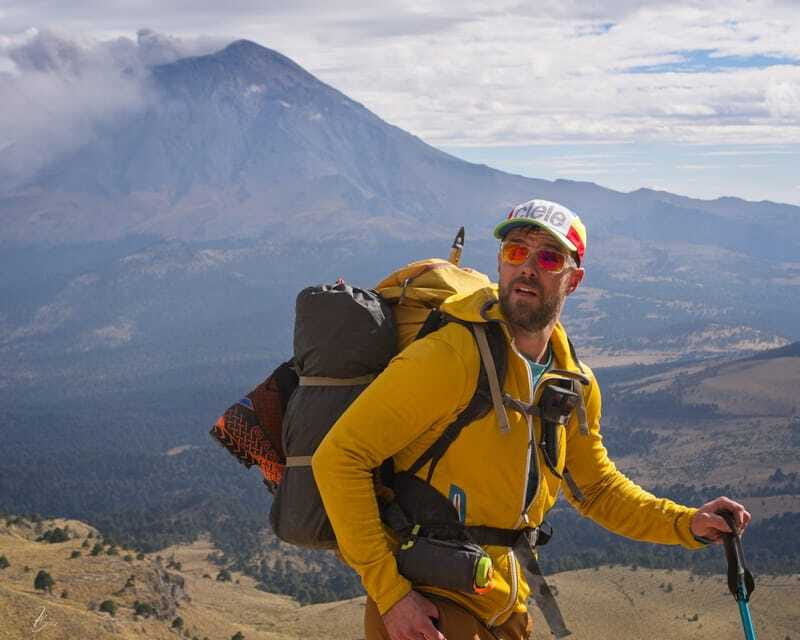
After the park walk, you return toward La Joya, with about 30 minutes allocated to that part of the route. The schedule also includes a short photo stop and free time, roughly 10 minutes, before the return drive.
This final pause gives you a chance to take photographs, catch your breath, and enjoy one last view without rushing through the trail. It may feel brief, especially if the weather is excellent. Keep your expectations realistic: this is an organized day trip with a set return schedule, not an open-ended day in the park.
Restroom information deserves attention here. Practical details such as where to find facilities and exactly when to regroup may not always be explained early. Ask before leaving the vehicle, and use every reasonable opportunity. High-altitude hiking is not the place to rely on guesswork.
The long ride back to Mexico City
The return bus or coach journey takes about 105 minutes. Added to the morning drive and the 30-minute transfer near the mountain, transportation takes a substantial part of the 11-hour day.
That is not necessarily a flaw. I would find the organized transport worthwhile because reaching the trailhead independently would add planning, navigation, and park-access concerns. But the price makes the time in the vehicle more noticeable. If you want a short hike with little transit, this is not the right outing.
The scheduled drop-off is in Mexico City, with Isabel La Católica 61-A listed as one destination. Confirm your exact return point with the guide, especially if you have evening plans. After a high-altitude walk and a full day away from the city, you may want a quiet evening rather than a tightly timed dinner reservation.
Is $153 a fair price?
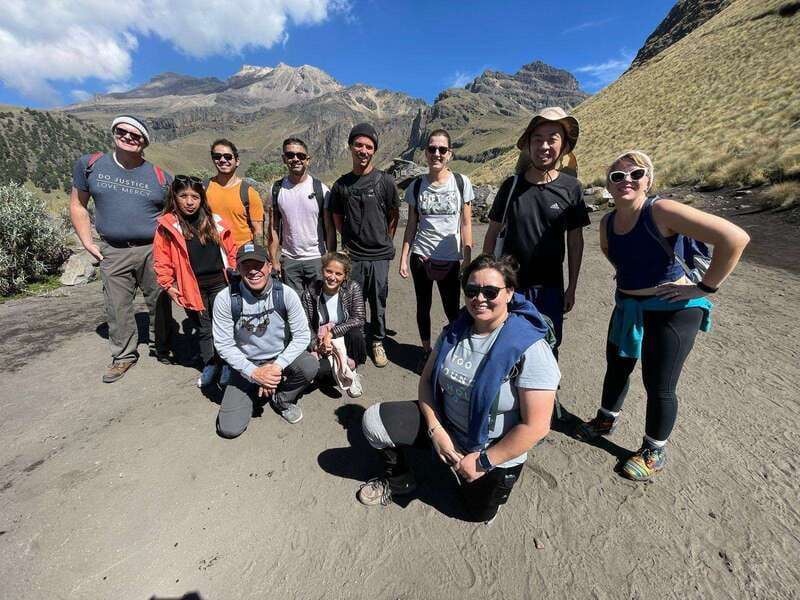
At $153 per person, the cost is not low for a day trip from Mexico City. You are paying for round-trip transportation from the meeting point, a mountaineering guide, and access to the national nature reserve. English and Spanish guiding are available, and a private group option may be offered.
The value is strongest if you want someone else to handle the long transport and mountain access. A private car, park arrangements, and a guide could cost more or require much more work. You also gain a structured outing in a place where weather, altitude, and route conditions matter.
The value is weaker if you expect a highly detailed cultural tour, frequent explanations, meals, or supplied equipment. None of those are included. One low rating described the outing as overpriced for the level of explanation and organization, while higher ratings praised the views, the walk, and the care shown during the hike.
My advice is to compare this with what you want from the day. If your priority is fresh mountain air, high-altitude scenery, and a guided walk, the cost may be reasonable. If your priority is polished storytelling and extensive personal attention, ask the operator what the guide will cover before paying.
What to pack for Iztaccihuatl
The official advice is simple: comfortable shoes, comfortable clothing, and a passport or copy. I would take that seriously, then add a few practical habits without assuming the operator supplies anything.
Wear footwear that feels secure on uneven ground. The information does not promise rental boots or other hiking equipment, so do not arrive expecting gear at the trailhead. Since food and beverages are excluded, plan your own refreshments for a long day.
Dress for changing conditions. The mountain can include seasonal snowfall, and the altitude may feel much colder than central Mexico City. At the same time, a clear day can make exposed slopes feel bright and dry. Layers are more useful than one bulky item.
Respect the park rules. Smoking, littering, and making fires are not allowed. These rules protect a fragile high-altitude area and make the outing safer for everyone.
Who should book this hike?
I would recommend it to an active adult who wants a challenging day in nature and is comfortable with a long schedule. You should enjoy walking for several hours, accept an uneven trail, and be willing to adjust your pace for the group.
It is also a good fit if you want to see Iztaccihuatl without attempting a professional summit climb. The mountaineer-led format gives you guidance while keeping the outing within the reach of a fit hiker.
I would not book it if you have a heart or respiratory condition, limited mobility, or little tolerance for high altitude. Children under 16 are not allowed. Pregnant participants should also choose another activity.
Weather is a real factor. The outing may be rescheduled or canceled in poor conditions, so keep some flexibility in your Mexico City plans. Free cancellation is available up to 24 hours in advance for a full refund, and you can reserve now and pay later if that option suits your booking.
Should you book it?
Book this trip if the main attraction is walking high on Iztaccihuatl with mountain views, organized transport, and a guide who can help manage the route. The strongest parts are the setting, the fresh air, the changing mountain scenery, and the sense of getting far beyond the city in one day.
Skip it if you want an easy stroll, a full meal plan, detailed historical commentary, or a luxury-level service experience. At $153, you should be paying for access and logistics more than entertainment.
For a fit hiker with realistic expectations, this is a memorable and demanding day. Bring proper shoes, your passport copy, food and drinks, and patience for the long drive. Ask clear questions at the start, then let the volcano set the pace.
FAQ
Where does the tour meet in Mexico City?
The standard meeting point is Calle Isabel la Católica 61-A in the Historic Center of Mexico City. The stated meeting time is 6:20 a.m.
How long does the experience last?
The full experience lasts about 11 hours, including transportation between Mexico City, the national park, and the return point.
How high does the hike go?
The hike reaches approximately 4,300 meters above sea level.
Is this a summit climb?
No. The activity begins near La Joya and offers a guided hike on the slopes of Iztaccihuatl. It is not described as a professional summit expedition.
How long do you walk?
The main guided visit and walking portion in Iztaccíhuatl-Popocatépetl National Park lasts about three hours.
Is transportation included?
Yes. Round-trip transportation from the meeting point is included. The drive from Mexico City takes about 105 minutes each way, with an additional transfer of about 30 minutes near the mountain.
Are meals and drinks included?
No. Meals and beverages are not included, so you should arrange your own refreshments for the day.
Is hiking equipment provided?
No. Hiking equipment is not included. You should bring comfortable shoes and suitable clothing.
Is a passport required?
Yes. Every participant must present a passport in digital, original, or photocopied form to prove legal stay in Mexico.
Can children join the hike?
No. Children under 16 years old are not allowed to participate. The activity is also unsuitable for pregnant women and people with mobility, heart, or respiratory problems.
Recently added around the world
- Mt Kilimanjaro Trek, 6 Days – Umbwe Route★ 5.0 · 4 reviews
- 7 Day Trek To The Roof Of Africa Kilimanjaro via Machame Route★ 5.0 · 5 reviews
- Full Day Private Trekking Mu Cang Chai★ 5.0 · 33 reviews
- Mount Kilimanjaro Trek 7-Days: Lemosho Route★ 5.0 · 2 reviews
- 8 Day Kilimanjaro Trek via Lemosho Route★ 5.0 · 17 reviews
- 6-Day Kilimanjaro Machame Route – A Stunning Trek to Uhuru Peak★ 5.0 · 7 reviews
- 7-Days Tour Mount Kilimanjaro Trekking via Machame Route★ 5.0 · 2 reviews
- Trek To Mount Kilimanjaro★ 5.0 · 12 reviews
Volcano Treks, compared.
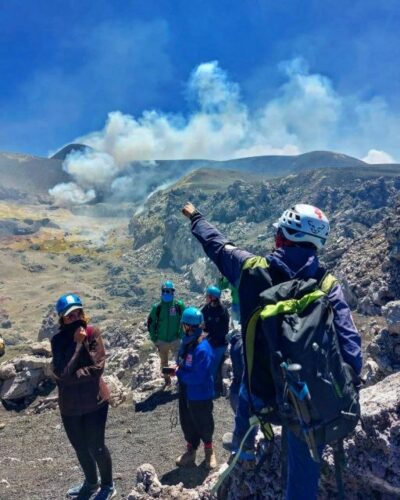
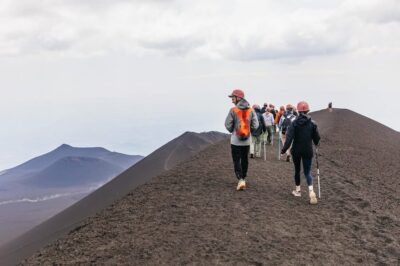
summit craters trekking with volcano guide 3350mt
Read our review →
Mount Etna Trekking Tour Beyond the Tourist Trails
Read our review →
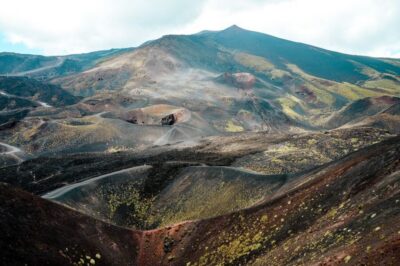
Etna Sunset Tour: Volcano trek, Cave & tasting from Catania
Read our review →
Browse the lists this tour appears in