
REVIEW · CHIANG MAI
Chiang Mai: 3Days Nature&Cultural Trek in Doi Inthanon Area
The jungle is your dining room here. This three-day Doi Inthanon trek combines Karen village life with forest walks, waterfall swims, local food, and two nights in mountain communities. I especially like the stop at a traditional market to gather fresh supplies, and the chance to cook dinner with your guide instead of simply eating from a tour bus buffet.
The experience is priced at $142 per person, including transport, seven meals, insurance, guiding, and accommodation. That is strong value for three days in the mountains. My main caution is the physical demand: steep or uneven paths, long walking days, and limited comfort may not suit you if you have mobility, back, or pregnancy concerns.
Key points at a glance
- Traditional market start: You help gather fresh food before heading into the Doi Inthanon mountains.
- Karen family connection: The route includes time in private Karen villages, with local customs, food, and daily life at the center.
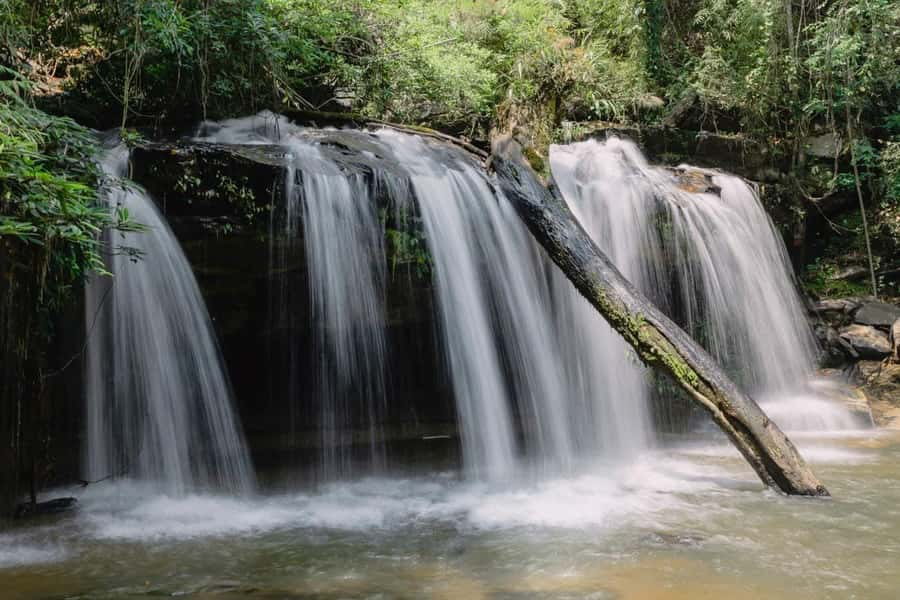
- Waterfall swimming: Bring a swimsuit, towel, sandals, and a change of clothes for jungle pools and waterfall stops.
- Forest cooking: You prepare Thai food with your guide and use local ingredients, including wild herbs, mushrooms, and bamboo shoots.
- Two mountain nights: The trip combines a forest campsite and Karen homestay-style accommodation, so confirm the exact sleeping arrangements before booking.
- Small details matter: Shops in the villages sell drinking water, but you should still carry snacks, insect repellent, sunscreen, and a charged phone.
Why this Doi Inthanon trek feels different
Many Chiang Mai excursions offer a quick hill village visit, a short walk, and a return to town before dinner. This trip gives you three days to adjust to the forest rhythm. You walk from village to village, eat food prepared along the route, stop at waterfalls, and spend the night away from Chiang Mai’s bright streets.
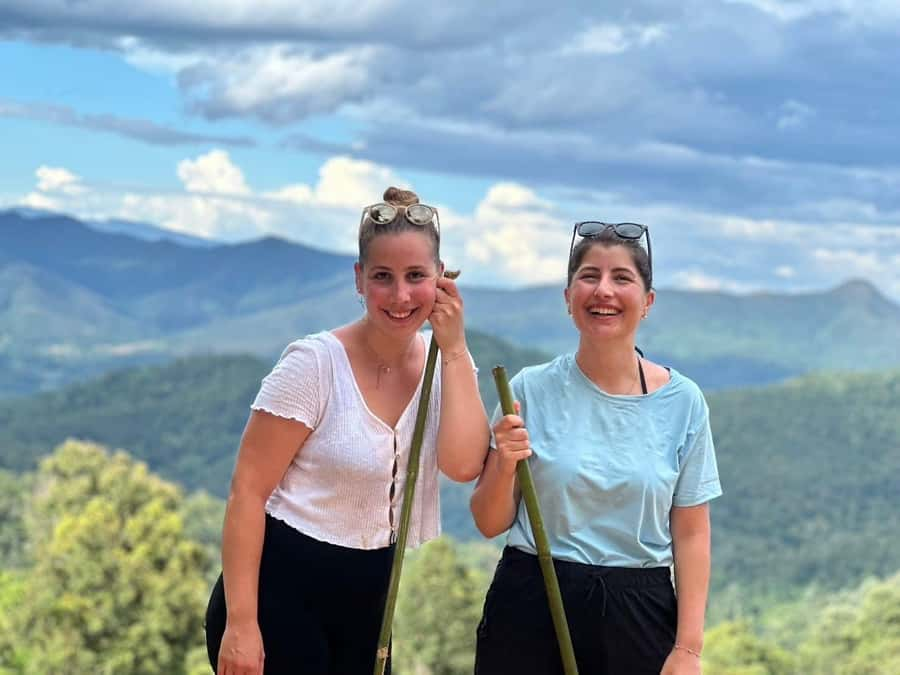
The Karen focus is the heart of the experience. You are not simply looking at a village from a van window. You spend time with a Karen family, learn about food and traditional skills, and share meals around a fire. That makes the cultural side more meaningful, though you should approach it with respect. Ask before photographing people, follow local customs, and remember that this is someone’s home, not a staged attraction.
The route is described as private and locally protected, with paths, campsites, and waterfalls that see few outside visitors. The exact group size is not provided, so I would ask the operator before paying if a private booking means only your party and guide, or a small mixed group.
More Three-Day Treks in Chiang Mai:
- 3-Day Chiang Dao Mountain Trek
★ 5.0 · 36 reviews - Chiang Mai: 3-Day Karen Hill Tribe Immersion with Trekking
★ 5.0 · 11 reviews - Sapa 3 Days 2 Nights Trekking Tour (1 Night In Ta Van Village, 1 Night In Hotel)
★ 5.0 · 699 reviews
Day one: market supplies, rice terraces, and a waterfall camp
Pickup is scheduled between 7:00 and 7:30 in Chiang Mai. The early start is useful because the first day includes transport, shopping, village time, and a long walk. You will want breakfast before pickup, even though meals begin during the tour.
The first stop is a traditional market. Here, you gather fresh supplies for the journey. This is a practical introduction to the trip’s food theme, and it gives you a look at ordinary local shopping before the forest takes over. It also means the meals are tied to the route rather than selected from a fixed tourist menu.
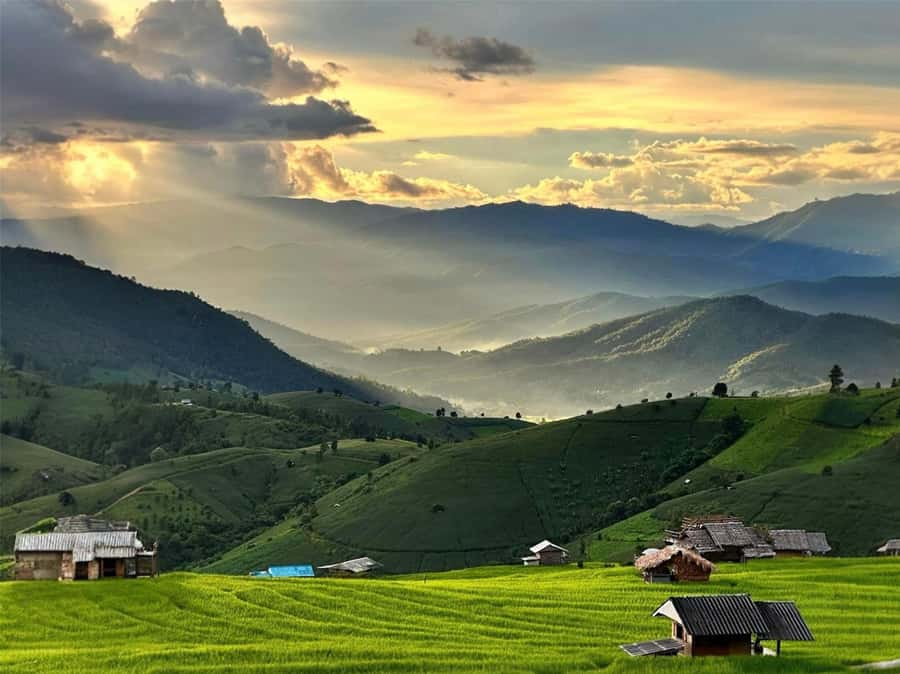
From the market, you continue to a Karen village in the mountains. The walk begins through rice terraces, bamboo groves, and shaded forest paths. These settings offer variety, but they also mean the footing can change often. Wear proper hiking shoes with good grip, not casual canvas sneakers.
Lunch is served beside a river and wrapped in banana leaves. That detail matters because it turns a simple meal into part of the place. You are eating outdoors, near the water, with the forest around you, rather than stopping at a standard roadside restaurant.
The afternoon continues toward a campsite near a secluded waterfall. You can soak in the water, cool your feet, and rest after the walk. Bring swimwear, a towel, sandals, and clothes that can get dirty. A waterproof bag for wet clothing would also be sensible, though it is not listed among the included items.
Dinner is prepared with your guide. You learn how Thai food is cooked, using the supplies collected earlier and possibly local ingredients found along the way. The evening centers on a fire, conversation, and stargazing. If you like polished hotel comfort, this will feel basic. If you enjoy sitting outside with a small group and no city noise, it may be one of the trip’s best moments.
The accommodation details deserve a careful note. The program describes a forest campsite on the first night, while the included services describe two nights of homestay accommodation. Ask the operator whether the first night uses a family campsite, a simple hut, or another arrangement, and what bedding is supplied.
Day two: wild plants and a closer look at Karen life
Day two starts with a simple breakfast. It is not presented as a hotel-style spread, so bring patience and enjoy the practical side of mountain living. You will then follow less-used forest trails with your guide.
The food lesson continues on foot. Your guide points out edible mushrooms, wild bamboo shoots, herbs, and other plants used by Karen families. This is one of the most valuable parts of the experience because it connects the forest to everyday life. You are not just walking through trees. You are learning how local people read the seasons and use what grows around them.
Do not pick or touch plants on your own. The safety notes specifically ask you to avoid touching vegetation, and that is good advice anywhere in unfamiliar forest. Let the guide identify anything edible or safe.
The walk leads to a small Karen village for lunch and cultural exchange. The phrase cultural exchange should be understood simply here: you spend time with local people, share food, and learn about their way of life. The quality of this part depends heavily on your attitude. A few polite questions and genuine interest will take you further than treating the village as a photo stop.
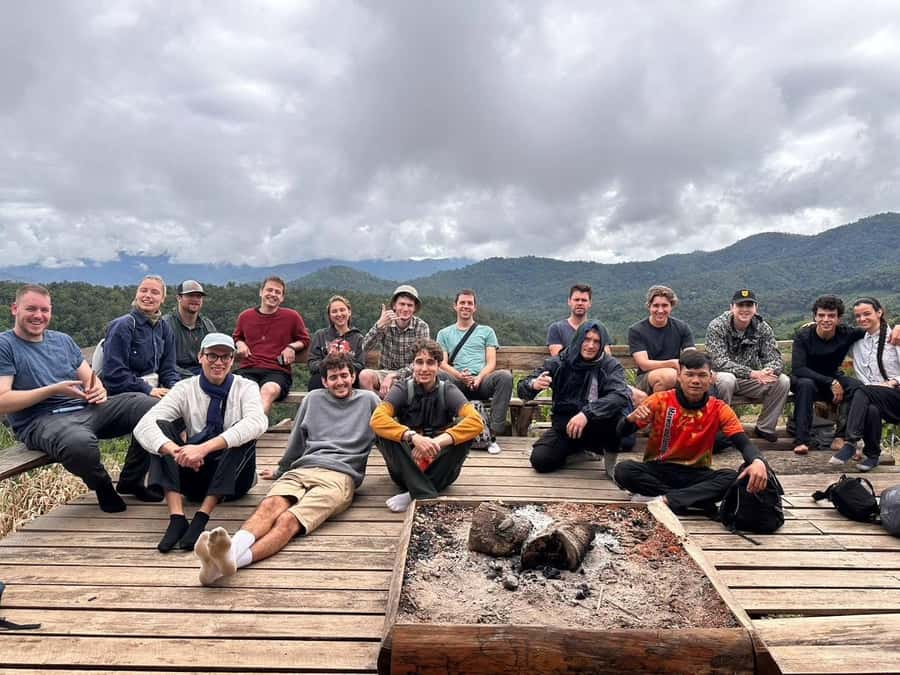
Later, you continue on foot to another remote settlement. The second night is spent in the community, with shared food, traditional skills, and time around the fire. This is likely the most social evening of the trip. You can tell stories with your group, talk with your hosts through the English-speaking guide, and enjoy a quieter version of mountain life.
The tradeoff is privacy and comfort. A community homestay may mean simple facilities and less control over your sleeping arrangements than a hotel. The tour does not give details about toilets, showers, bedding, or room sharing, so ask those questions if basic facilities matter to you.
Day three: ridges, farmland, and a slow waterfall farewell
The final day brings a different mix of scenery. You cross farmland, misty forest, and mountain ridges while stopping at several waterfalls. The route is designed to give you time at the water, not just a quick photograph before moving on.
Bring your swimsuit again. You may want to swim, rest beside the falls, or simply sit in the shade. Goggles are listed among the suggested items, which could be useful if you plan to spend time in the pools, though you should follow your guide’s advice about safe swimming areas.
A forest lunch keeps the day outdoors. After three days of walking, the pace of this final stop matters. You can eat, dry off, and enjoy the setting before the return journey. The program gives an arrival time in Chiang Mai of around 18:00, so do not schedule a tight evening flight or important appointment.
The last afternoon is less about checking off attractions and more about leaving the mountain at an easy pace. You return with the contrast of farmland, forest, waterfalls, and village life fresh in your mind. That slow finish is welcome after a physically active trip.
A few more treks around Chiang Mai worth a look
- 3-in-1: Doi Inthanon Tour, Elephant Sanctuary, and Trekking Trail
★ 5.0 · 1,087 reviews - Chiang Mai: Doi Inthanon Trip with Pha Dok Siew Guided Trek
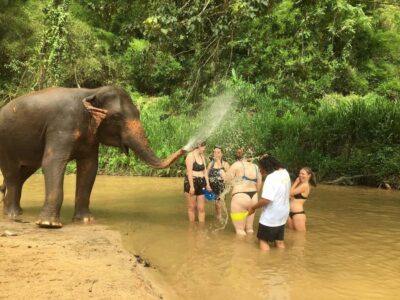
★ 4.6 · 910 reviews - Chiang Mai: 2-Day Jungle Trek with Elephant Farm & Raft Ride
★ 4.7 · 881 reviews - Chiang Mai: Doi Inthanon Park and Pha Dok Siew Trail Trek
★ 4.6 · 752 reviews
What $142 includes, and what it does not
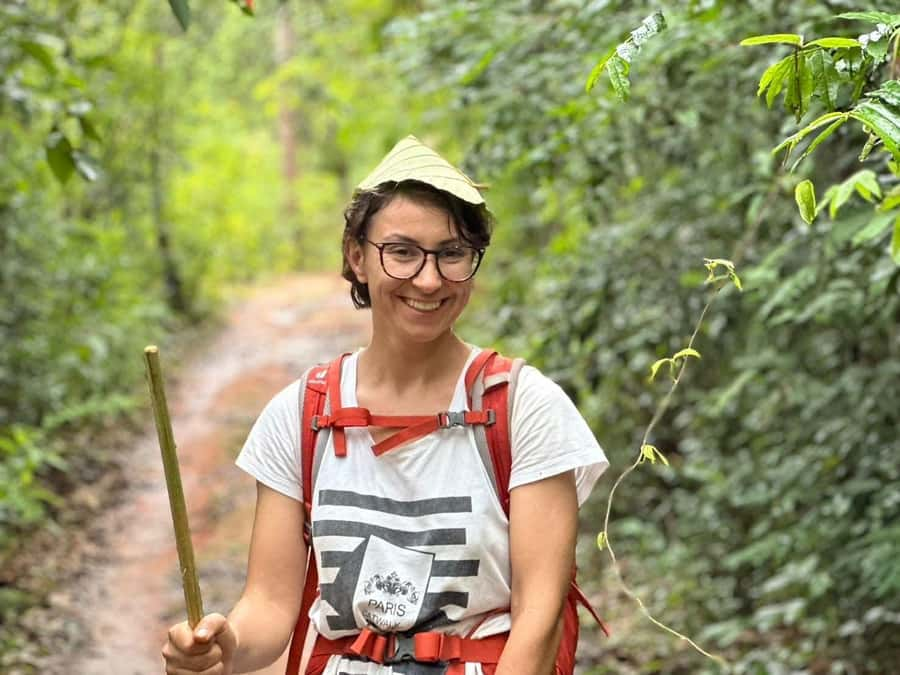
At $142 per person, the package covers hotel pickup and drop-off, seven meals, two nights of accommodation, insurance, an English-speaking guide, cultural activities, and luggage storage. For three days, that is a useful bundle. You are paying for transport into a remote area, food preparation, local guiding, and access to a route that would be difficult to organize alone.
The seven included meals also reduce the need to plan food in the mountains. Drinks are not included, but the program says you can buy bottled water at small village shops. You do not need to carry three days of water, though you should still stay hydrated and keep a bottle with you during each walk.
Personal expenses, snacks, and drinks are extra. Bring some money for village purchases, and carry snacks for energy. The package does not mention whether specialist trekking equipment is provided, so bring your own suitable shoes, clothing, and personal medication.
Luggage storage is helpful if you are traveling with a larger suitcase. You can leave nonessential items in Chiang Mai and take only what you need into the mountains. Pack light, but bring enough dry clothing for wet weather, swimming, and dirt.
Fitness, comfort, and what to pack
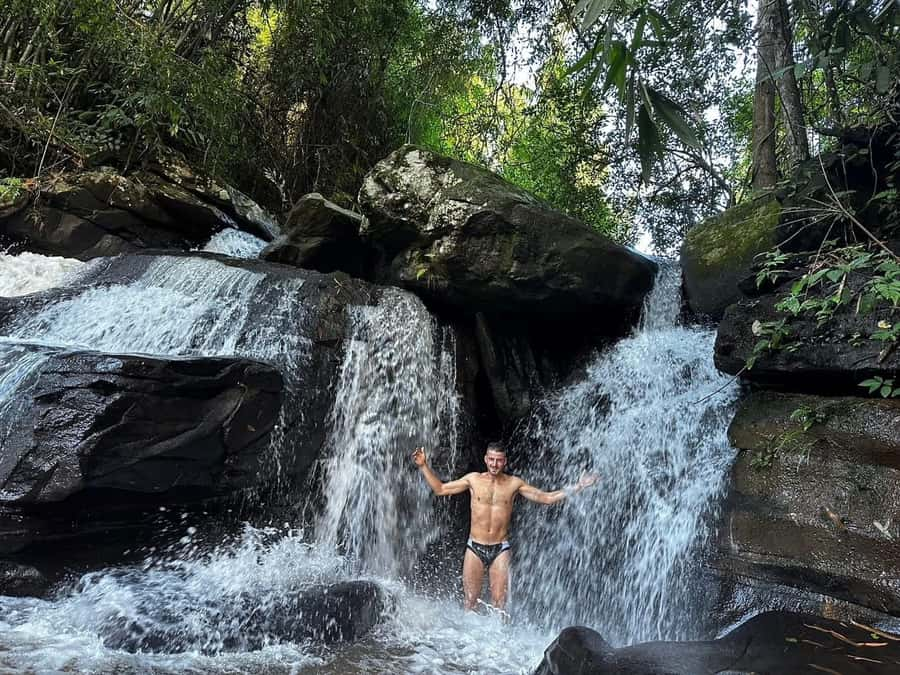
This is a real walking trip, not a gentle nature outing. You will walk through forest, farmland, terraces, bamboo groves, and mountain areas over three days. The supplied restrictions exclude children under six, pregnant women, people with back problems, people with mobility impairments, and wheelchair users.
The safest packing list is simple:
- Hiking shoes or sturdy walking shoes
- Long pants and a long-sleeved shirt
- T-shirts and shorts for warm conditions
- Swimwear, towel, and sandals
- Sun hat, sunscreen, and insect repellent
- Change of clothes and clothing that can get dirty
- Snacks and personal medication
- Charged smartphone and camera
- Basic first aid supplies
- Rain protection if you have it, since the provided information does not specify whether rain gear is supplied
The jungle can be hot, wet, muddy, or slippery. Comfortable shoes are not optional. Avoid making fires outside the supervised campfire, and do not touch plants. Respect the forest as a living place, not just a backdrop for photographs.
The guide makes or breaks the experience

The English-speaking guide has an unusually important role here. You depend on the guide for navigation, plant knowledge, food preparation, communication with the Karen families, and advice around waterfalls. One review singled out the guides for showing the secrets of the jungle, which points to the strongest part of the trip: local interpretation rather than simple trail walking.
No guide names are provided, so I cannot tell you who will lead your departure. You can ask for the guide’s name, language ability, and experience with the particular route before departure. That is especially useful if you want detailed explanations of Karen food, plants, and customs.
The guide also sets the tone around the fire. This trip includes social time, cooking, and shared stories, but you should not expect a party-focused holiday. The mood may depend on the group, the weather, and the energy left after walking.
Who should book this experience
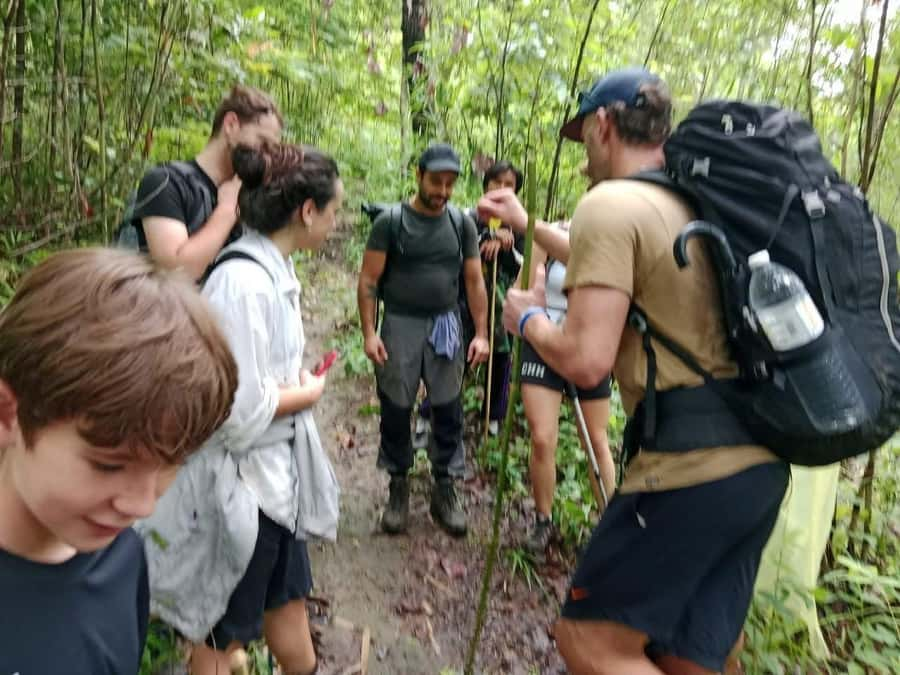
I would recommend this trek to you if you want active days, simple accommodation, local food, and direct contact with village life. It suits people who prefer a forest path to a polished attraction and who are comfortable adapting to basic conditions.
It is also a good choice if you want more than a one-day waterfall trip from Chiang Mai. Three days gives you time to move beyond the first viewpoint and settle into the mountain setting.
I would hesitate if you need firm comfort standards, private bathrooms, short walks, or a tightly fixed schedule. The itinerary leaves some practical details open, including exact lodging arrangements and group size. Ask before booking if those points affect your decision.
Should you book the Doi Inthanon trek?

Book it if the idea of gathering market food, walking with Karen guides, swimming at forest waterfalls, and cooking beside a campfire sounds better than a standard sightseeing loop. The $142 price is fair for the included transport, meals, guide, insurance, accommodation, and three days of activities.
Skip it if you are not comfortable with uneven walking, simple homestay conditions, or wet and dirty clothing. For the right person, this is a strong Chiang Mai choice because the best moments are ordinary ones: food wrapped in banana leaves, a local plant explained on the trail, and a quiet evening shared around a fire.
FAQ
How long does the Doi Inthanon trek last?
The experience lasts three days and two nights. Pickup from Chiang Mai is scheduled between 7:00 and 7:30 in the morning on day one, with a return around 18:00 on day three.
What is included in the $142 price?
The price includes hotel pickup and drop-off, seven meals, two nights of accommodation, insurance, an English-speaking guide, cultural activities, and luggage storage.
Are drinks included?
No. Drinks and personal expenses are not included. Small local shops in the villages sell drinking water along the route, so you do not need to carry three days of water.
Will I visit Karen villages?
Yes. The route includes visits to Karen villages, time with a Karen family, shared meals, local customs, and traditional skills.
Can I swim at the waterfalls?
Yes. Swimming and soaking in waterfall water are part of the experience. Bring swimwear, a towel, sandals, goggles if useful, and a change of clothes.
What should I bring for the trek?
Bring comfortable hiking shoes, sun protection, insect repellent, snacks, a charged smartphone, personal medication, long and short clothing, swimwear, a towel, and clothes that can get dirty.
Is this trek suitable for everyone?
No. It is not suitable for children under six, pregnant women, people with back problems, people with mobility impairments, or wheelchair users. You should be comfortable walking on forest and mountain paths.
Recently added around Chiang Mai
- Trek to a Jungle Waterfall★ 5.0 · 14 reviews
- Small Group : Trekking Trip in Chiang Mai (Doi Suthep Area) with Market Tour★ 5.0 · 4 reviews
- Trekking at the Monk Trail and Doi Suthep Temple Private Tour★ 5.0 · 3 reviews
- Fantastic! Famous Doi Inthanon National park tour with 2hr trekking★ 4.5 · 17 reviews
- Private Tour 2 Difference Trails Trekking at Doi Inthanon National Park★ 5.0 · 19 reviews
- 8KM White Water Rafting and 3HRS Jungle Trekking Adventure★ 5.0 · 9 reviews
- One day Doi Inthanon & Trekking at Pha Dok Siew★ 3.5 · 3 reviews
- Half Day Doi Suthep Temple and short trekking on monk trail (Private Tour)★ 5.0 · 3 reviews
Chiang Mai Trekking Tours, compared.
3-in-1: Doi Inthanon Tour, Elephant Sanctuary, and Trekking Trail
Read our review →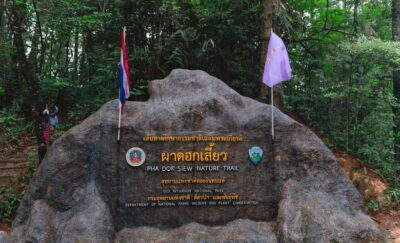
2-Day Jungle Trek with Elephant Farm & Raft Ride
Read our review →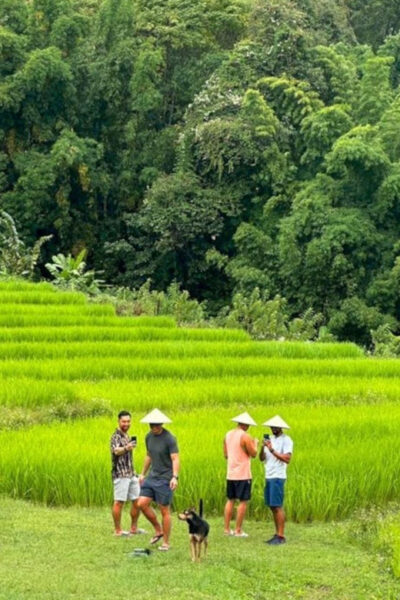
Doi Inthanon Private Tour with Trek & Lunch from Chiang Mai
Read our review →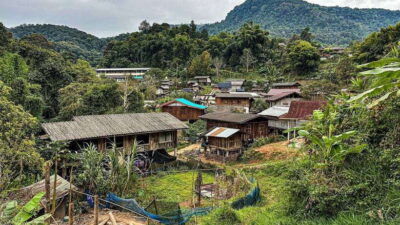
Doi Inthanon National Park and Pha Dok Siew Trek
Read our review →
Gibbons, Trekking & Mae Kampong Small Group Tour
Read our review →
Doi inthanon National Park + 2Hour Fantastic Trekking with Lunch
Read our review →Browse the lists this tour appears in