
REVIEW · CHIANG MAI
3-Day Chiang Dao Mountain Trek
Leave the city far behind. This three-day trek takes you into the remote Chiang Dao mountains north of Chiang Mai, where bamboo forest, jungle paths, mountain ridges, and hill tribe villages replace the usual sightseeing circuit. I like the small group size, capped at 10 people in the tour description, though another detail lists a maximum of 12. I also like the home-cooked meals and village homestays, which give the trip a human feel rather than turning it into a standard hotel-and-minivan outing.
The main catch is simple: this is a proper physical trek, not a gentle walk with scenic stops. You should be ready for five to six hours of hiking on undulating ground, with a particularly demanding second day. Basic sleeping conditions, barking dogs, roosters, and uneven trails are part of the deal.
Key points to know before you go
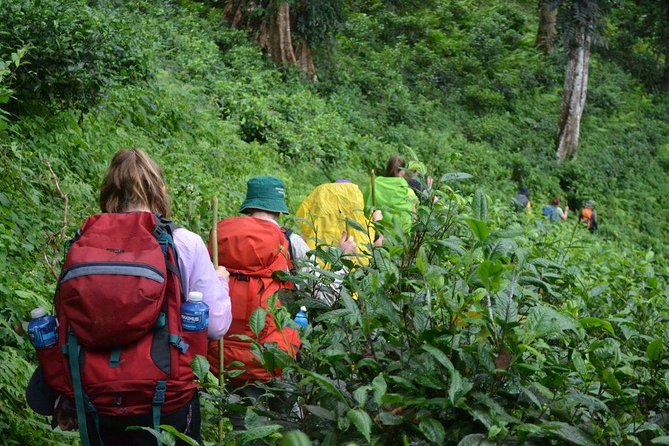
- Day two is the test: Expect steep climbs, descents, jungle paths, and a long day on foot.
- Your guide cooks: Guides such as Tan and Sap prepare Thai meals and explain local plants, wildlife, farms, and village life.
- Pack very light: You carry your own belongings, and the recommended limit is a 45-liter backpack.
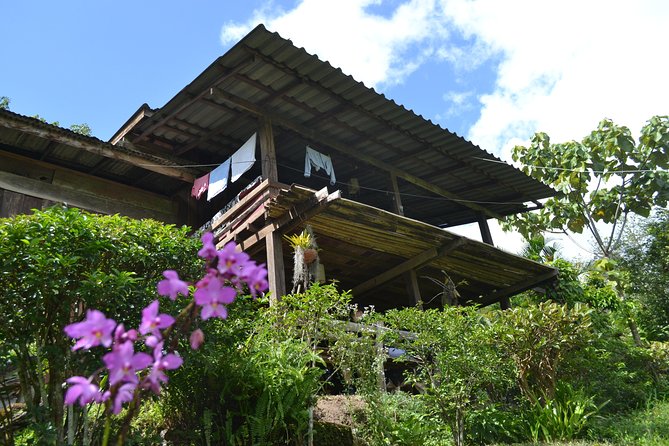
- The homestays are basic but meaningful: Mountain views, fires, solar power, and local life come with village noise.
- The route feels remote: Bamboo forests, ridges, waterfalls, farms, and small villages replace crowded attractions.
- The price includes a lot: At $256, you get transport from Chiang Mai, two nights, seven included meals, guiding, and a small-group experience.
Why this Chiang Dao trek feels different
Chiang Mai is an easy base for temples, markets, and cooking classes. Chiang Dao gives you a different northern Thailand: forest trails, mountain farms, village homes, and long hours without city comforts. The route passes through the Maetang River valley and remote upland communities, so the appeal is not one famous viewpoint. It is the steady change in scenery and the chance to see how people live in the hills.
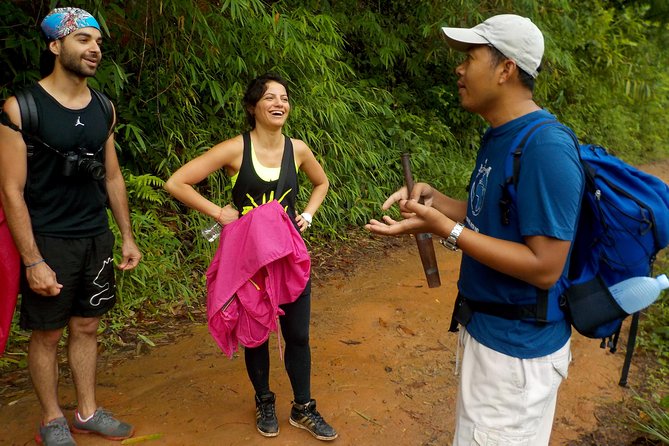
I especially like the role of the guide here. Tan, Sap, and other local guides do more than lead the way. They explain plants, point out edible forest growth, talk about local customs, and adjust the pace to the group. Several guides also cook, which adds a practical and personal touch to the trip.
That local element matters. A guide who can identify useful plants or explain a farm is offering something you cannot get by following a marked path alone. One guide, Tan, is described as having more than 30 years of trekking experience. Another guide, Sap, is praised for his relaxed manner and strong knowledge of jungle plants and animals.
The route is not presented as untouched wilderness in a strict sense. You pass farms and villages, and you sleep in local homes. But it does feel far from the usual tourist path, with little of the polished infrastructure found near Chiang Mai.
More Three-Day Treks in Chiang Mai:
- Chiang Mai: 3-Day Karen Hill Tribe Immersion with Trekking
★ 5.0 · 11 reviews - Chiang Mai: 3Days Nature&Cultural Trek in Doi Inthanon Area
★ 5.0 · 2 reviews - Sapa 3 Days 2 Nights Trekking Tour (1 Night In Ta Van Village, 1 Night In Hotel)
★ 5.0 · 699 reviews
Day one: markets, mountain roads, and the first homestay
Pickup is listed around 8:30 a.m. from accommodation within Chiang Mai’s second ring road area. The formal meeting point is Le Dta’ Wan Food Market in the Chang Khlan area, with the experience ending back there after the return drive. Confirm your exact pickup arrangement before departure, since the information gives both hotel pickup and a specific meeting point.
The drive heads north out of Chiang Mai toward Chiang Dao. A stop at a local market helps set up the food side of the trip. Your guide can introduce ingredients there, and this is a useful moment to ask questions about what you will eat during the trek.
The first walking section is shorter than the second day. One account describes roughly four hours of hiking on day one, though the exact time can change with the route and group pace. You move through mountain paths, farms, and forest toward the first overnight stop.
The first homestay receives especially strong praise. It is described as peaceful, clean, and scenic, with some stays offering broad mountain views and a quiet setting. A campfire may be built, and the evening gives you time to eat, rest, and listen to the village after dark.
Do not expect hotel silence. The villages are working communities, and chickens, dogs, roosters, and perhaps pigs are part of daily life. Bring earplugs if you sleep lightly. This is not a complaint so much as a useful warning: the sounds are authentic, but they may start early.
Dinner is included, along with breakfast and lunch on the following days. The food is one of the trip’s strongest features. Guides such as Tan and Sap prepare Thai meals during the trek, and the cooking becomes part of the experience rather than a background service.
Day two: the hardest hiking and the best views
Day two begins with breakfast and locally grown tea or coffee from the surrounding area. It is the main walking day, and you should treat it seriously. The route follows ridges, jungle tracks, bamboo forest, and crossing trails with repeated climbs and descents.
The information allows for five to six hours of hiking on uneven ground, but one account describes day two as lasting around nine hours. That difference tells you something important: timing depends heavily on the route, terrain, stops, and group pace. Ask the operator for the expected walking time for your departure.
This is also where the trek earns its challenging reputation. Going uphill works your lungs, while steep downhill sections can be rough on your knees. You may find overgrown sections, and one account describes the guide clearing parts of the way with a knife. Conditions can change with weather and vegetation, so sturdy shoes are essential.
The reward is variety. The day may take you along high ridges with open views, then back into thick forest. Bamboo, jungle growth, farms, and village paths keep the scenery changing. You are not simply walking to a viewpoint and returning. The walking itself is the main event.
This is when a good guide makes a real difference. Tan is praised for reading the group well, including a mixed-age party with people in their twenties and early sixties. Sap is praised for patience and care when the route becomes demanding. You still need fitness, but you are not left to solve every difficult section alone.
The guide may stop to explain plants or let you taste safe local growth. That can be fascinating, but follow instructions carefully and do not eat anything without permission. The value lies in learning how the forest is used, not in treating the jungle like a free snack shelf.
Lunch and dinner are included, as are the meals on the other days. Drinks at the homestays and restaurants are not included, so carry enough water and budget for personal purchases. The tour details do not specify a full packing list, but the operator provides a seasonal kit list after booking.
The second night is generally more basic and can be noisier than the first. Dogs, roosters, singing, and village activity may continue after dark. Solar power may provide electricity at some accommodations, but you should not assume the comfort level of a city hotel.
Day three: a long descent to the Maetang River valley
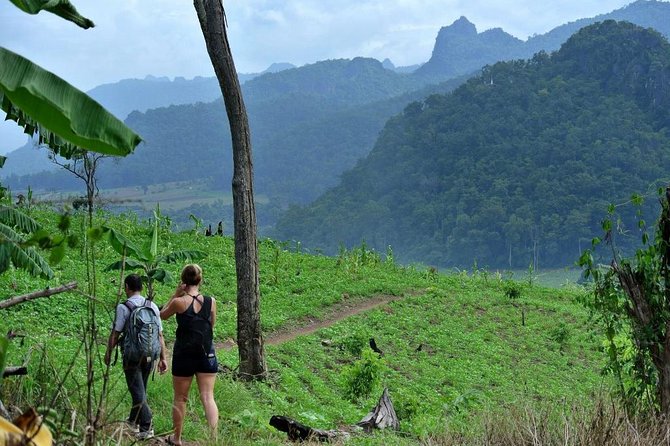
The final morning starts with breakfast in the mountains. From there, the route descends toward the Maetang River valley. The stated descent takes about three hours, although one account describes only two hours of walking on the final day. Again, route conditions and the group can affect the schedule.
A waterfall stop gives you a natural break during the descent. After two demanding days, this pause is welcome. The changing scenery is part of the pleasure: upland forest gives way to the lower valley, and the character of the surroundings shifts as you lose height.
Lunch is served in a peaceful riverside setting. This is a pleasant contrast to the strenuous ridge walking and a chance to slow down before the drive back. The itinerary then continues by vehicle toward Chiang Mai and the original meeting point.
The final day is easier than day two, but do not mistake a descent for an effortless stroll. Downhill walking can be hard on your knees, especially after a long trek. Trekking poles are not mentioned as part of the supplied equipment, so bring your own if you use them and confirm whether they can be transported.
A few more treks around Chiang Mai worth a look
- 3-in-1: Doi Inthanon Tour, Elephant Sanctuary, and Trekking Trail
★ 5.0 · 1,087 reviews - Chiang Mai: Doi Inthanon Trip with Pha Dok Siew Guided Trek
★ 4.6 · 910 reviews - Chiang Mai: 2-Day Jungle Trek with Elephant Farm & Raft Ride
★ 4.7 · 881 reviews - Chiang Mai: Doi Inthanon Park and Pha Dok Siew Trail Trek
★ 4.6 · 752 reviews
Homestays, meals, and the value of local contact
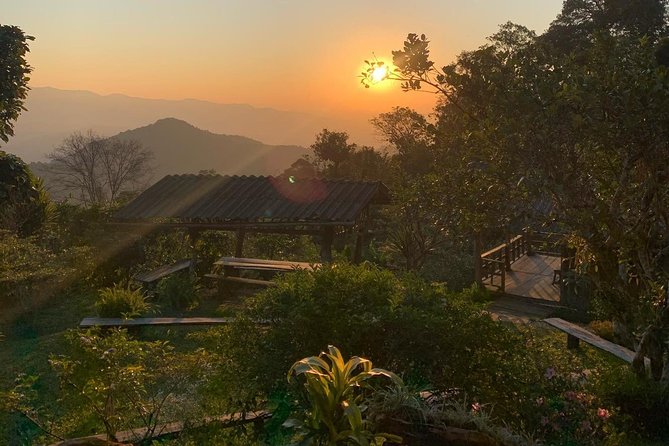
The accommodation is basic, but that is part of the point. You sleep in or near hill tribe villages rather than returning to Chiang Mai each evening. Some accounts describe lovely mountain views, sunrises, sunsets, clean rooms, and even limited electricity from solar power.
The tradeoff is privacy and quiet. Village homes may be simple, and noise from animals is difficult to control. If you need air conditioning, a silent room, and a private bathroom every night, this is not the right trip.
Food is a different story. It receives nearly universal praise, especially meals prepared by the guides. The cooking is practical, fresh, and tied to the local setting. Vegetarian meals can be arranged, but you must request them when booking.
Seven meals are included: two breakfasts, three lunches, and two dinners. Drinks at homestays and restaurants cost extra. Personal spending also sits outside the tour price, so carry money for beverages or small purchases.
Is $256 good value for three days?
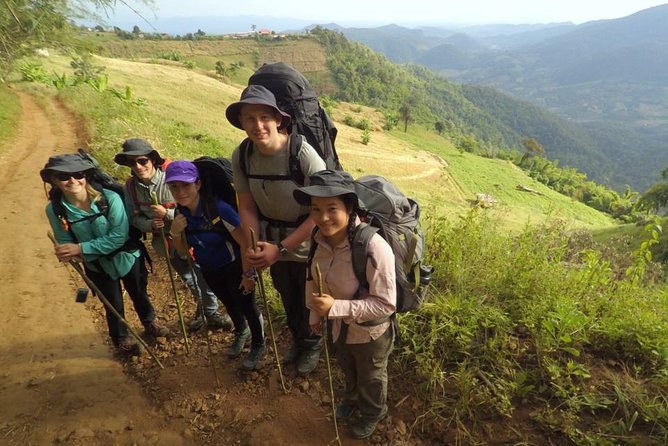
At $256, this is not the cheapest way to see northern Thailand. But the price covers several costs that would be awkward to arrange independently: pickup and return transport from Chiang Mai, a local guide, two nights of homestay accommodation, seven meals, and a route through remote mountain areas.
The small group also matters. A maximum of 10 people is stated in the main description, while the additional information gives a maximum of 12. Either way, this is much more personal than a large coach excursion. Ask for the confirmed group limit when booking if that detail matters to you.
You are also paying for local route knowledge. In remote forest areas, a guide who knows the paths, villages, plants, and seasonal conditions offers real value. The route is not simply a marked public hiking trail that you could easily duplicate with a map.
The price makes the most sense if you want serious walking and a local stay. It makes less sense if you mainly want mountain photos with a small amount of exercise. In that case, a shorter day trip may suit you better.
What to pack and how to prepare
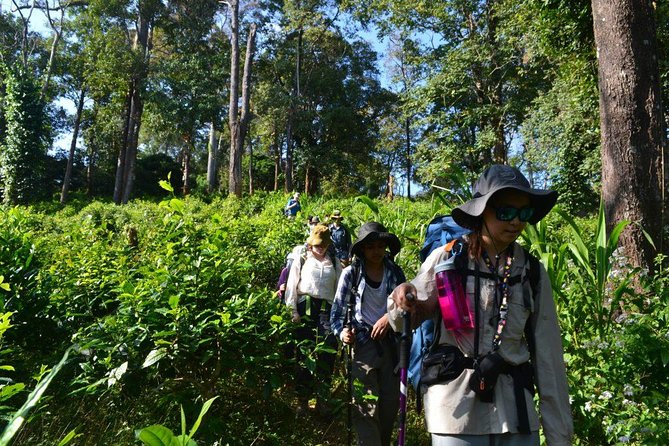
You need to carry your belongings through the trek, with a limit of about 45 liters. Pack light. Every unnecessary item becomes a burden on the climbs and descents.
Wear hiking boots or reliable trail shoes. Running shoes may be suitable if they have good grip, but flimsy sneakers are a poor choice for steep or uneven paths. Use lightweight outdoor clothing and follow the seasonal kit list supplied by the operator.
Useful planning points include:
- Bring earplugs for the village nights.
- Carry money for drinks and personal purchases.
- Tell the operator about vegetarian meals when reserving.
- Prepare for five to six hours of hiking, with day two potentially longer.
- Keep your pack within the 45-liter limit.
- Bring suitable clothing for changing mountain conditions.
- Be ready for basic accommodation and shared village sounds.
The trek is not suitable for children under 10 unless they already handle several hours of hiking. Adults should have a moderate fitness level and be comfortable with repeated uphill and downhill walking.
The guides make or break the experience
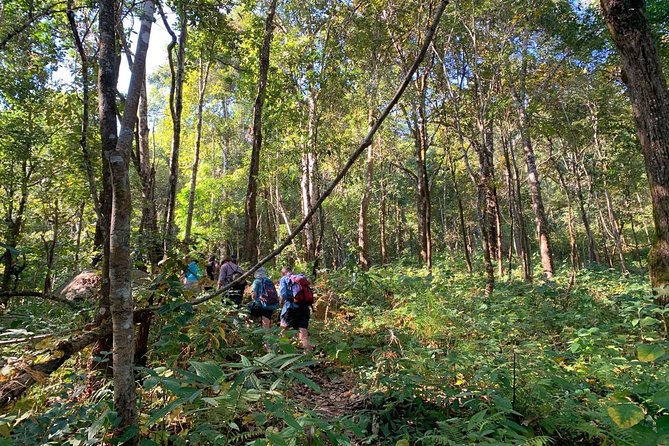
The strongest part of the trip is the guide service. Tan receives praise for his humor, cooking, plant knowledge, and ability to manage mixed groups. Sap is praised for patience, care, and a calm way of explaining local nature and culture.
Guides may also serve as cooks, route leaders, interpreters, and informal hosts. That is a lot of work across three days. The best moments are likely to come from these small interactions: tasting a plant with permission, hearing about village farming, or sharing a meal after a tiring climb.
Communication before departure may not always be perfect, so confirm pickup details, the meeting point, expected walking times, and the current route. That small bit of preparation can prevent confusion on the morning of departure.
Who should book this trek?
You should consider it if you want a physically active trip with local contact, basic homestays, and remote scenery. It suits people who enjoy walking for several hours, do not need polished facilities, and want more than temples and markets.
It is especially good for hikers who want to learn as they walk. The route offers plants, farms, village life, jungle paths, mountain views, and food prepared by the guide. You get a broad sense of northern Thailand in three days.
Think twice if you have knee problems, dislike steep descents, need quiet accommodation, or want a carefully predictable schedule. The daily walking can vary, and the second day may be very demanding.
The activity has a 4.9 rating from 36 reviews, with 100 percent recommending it. Those figures match the strongest themes of the trip: excellent guides, good food, striking scenery, and an authentic feel. They do not erase the hard walking or basic sleeping conditions, so read the physical demands honestly.
Should you book the Chiang Dao Mountain Trek?
Book it if you want the real work of reaching the mountains, not just a quick look at them. The combination of local guides, jungle trails, hill villages, home cooking, and homestays gives the trip a strong sense of place.
Skip it if you want comfort first. This is a demanding three-day outing with uneven paths, a long second day, village noise, and a backpack on your shoulders.
For the right person, $256 is fair value. You are buying transport, food, accommodation, guiding, and access to a part of northern Thailand that is difficult to experience on your own. Pack light, bring earplugs, train for hills, and you will be ready for one of Chiang Mai’s most rewarding active trips.
FAQ
Where does the Chiang Dao Mountain Trek start?
Pickup is offered from accommodation in Chiang Mai within the second ring road area. The listed meeting point is Le Dta’ Wan Food Market in Chang Khlan, Chiang Mai.
What time does the trek begin?
Pickup is listed for about 8:30 a.m., while the formal activity start time is listed as 9:00 a.m. Confirm the exact pickup time with the operator.
How long do I hike each day?
You should be able to hike five to six hours on undulating ground. Day two is the most demanding and may take longer depending on the route, terrain, and group pace.
How difficult is the trek?
It requires a moderate level of fitness and includes uphill and downhill walking, jungle trails, ridges, and uneven terrain. The second day is described as particularly challenging.
Where do I sleep?
You stay in local homestay accommodation in the mountain villages. Conditions are basic, and village sounds such as dogs and roosters may be audible at night.
Are meals included?
Yes. The price includes two breakfasts, three lunches, and two dinners. Beverages at homestays and restaurants are not included.
Can vegetarian meals be arranged?
Yes, but you must request vegetarian meals when you make the reservation.
What happens if bad weather cancels the trek?
If poor weather causes cancellation, you will be offered another date or a full refund. A full refund is also available if you cancel at least three full days before the start time.
Recently added around Chiang Mai
- Trek to a Jungle Waterfall★ 5.0 · 14 reviews
- Small Group : Trekking Trip in Chiang Mai (Doi Suthep Area) with Market Tour★ 5.0 · 4 reviews
- Trekking at the Monk Trail and Doi Suthep Temple Private Tour★ 5.0 · 3 reviews
- Fantastic! Famous Doi Inthanon National park tour with 2hr trekking★ 4.5 · 17 reviews
- Private Tour 2 Difference Trails Trekking at Doi Inthanon National Park★ 5.0 · 19 reviews
- 8KM White Water Rafting and 3HRS Jungle Trekking Adventure★ 5.0 · 9 reviews
- One day Doi Inthanon & Trekking at Pha Dok Siew★ 3.5 · 3 reviews
- Half Day Doi Suthep Temple and short trekking on monk trail (Private Tour)★ 5.0 · 3 reviews
Chiang Mai Trekking Tours, compared.
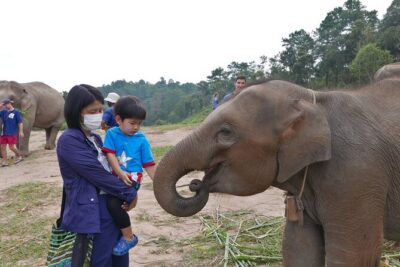
3-in-1: Doi Inthanon Tour, Elephant Sanctuary, and Trekking Trail
Read our review →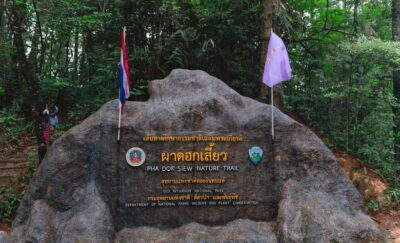
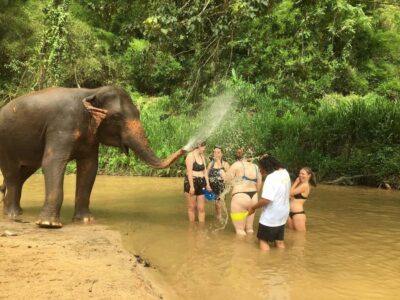
2-Day Jungle Trek with Elephant Farm & Raft Ride
Read our review →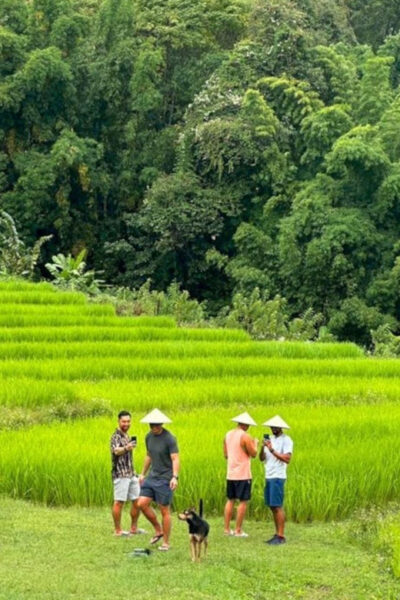
Doi Inthanon Private Tour with Trek & Lunch from Chiang Mai
Read our review →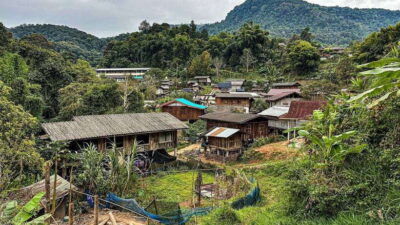
Doi Inthanon National Park and Pha Dok Siew Trek
Read our review →
Gibbons, Trekking & Mae Kampong Small Group Tour
Read our review →
Doi inthanon National Park + 2Hour Fantastic Trekking with Lunch
Read our review →Browse the lists this tour appears in