
REVIEW · CHIANG MAI
Chiang Mai: 1-Day Trekking Experience to Village & Waterfall
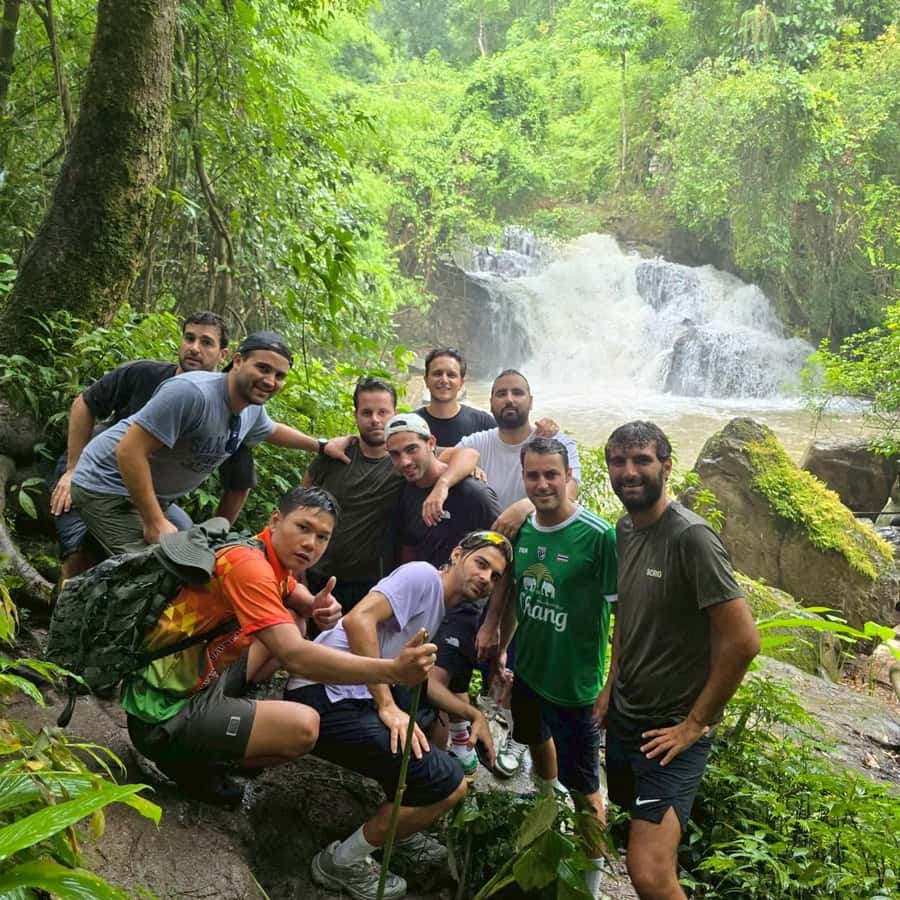
Cool water and Karen country await. This 11-hour outing takes you south of Chiang Mai for a 10 km trek through jungle, farmland, mountain views, villages, and four waterfalls. I like the chance to swim twice in beautiful falls, and I like that the trip supports local communities rather than keeping you in town. The main thing to consider is that parts of the walk pass through farmland and village areas, so this is not a full day of untouched jungle.
You leave early, walk for five to six hours, eat a simple Thai lunch by a waterfall, and return to Chiang Mai around 6:00 to 6:30 PM. The pace and terrain suit active visitors, but the day is too demanding for young children, pregnant people, wheelchair users, people with altitude sickness, or anyone over 70.
Key points at a glance
- 10 km on foot: Expect about five to six hours of walking through jungle, farmland, and hill country.
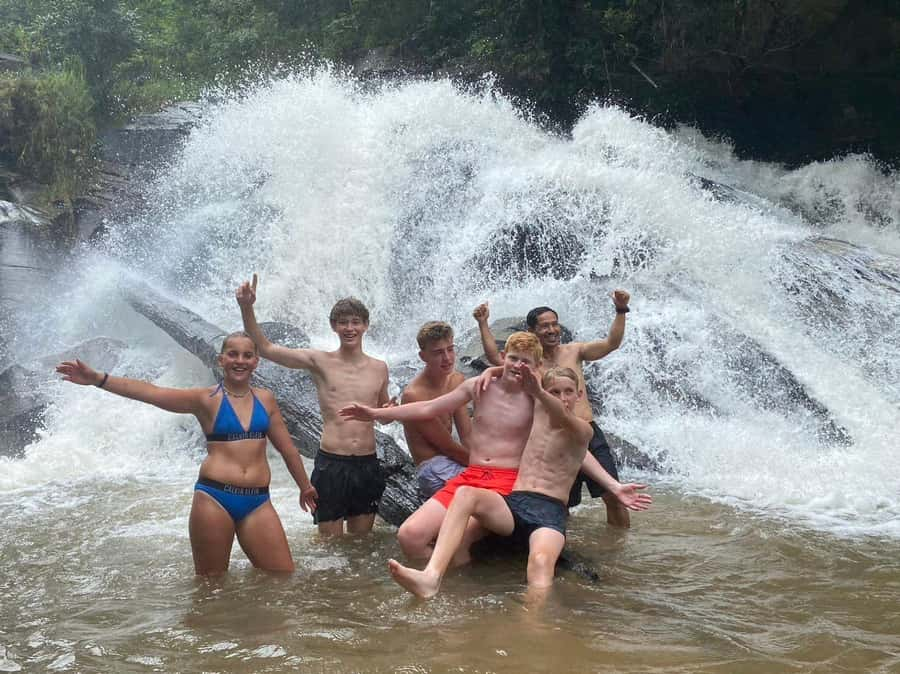
- Four waterfall stops: You can swim at the falls, with two good swimming breaks noted during the day.
- Two hill tribe villages: The route includes a White Karen village and another hill tribe village, though the first may feel quiet or empty.
- Rice fields change by season: September and October offer the greenest fields, while November and December bring harvest activity.
- Simple full-day logistics: Hotel pickup, transport, an English-speaking guide, lunch, and travel insurance are included.
- Bring proper gear: Hiking shoes, swimwear, a towel, dry clothes, sunscreen, insect repellent, and a rain jacket make the day much easier.
A long day south of Chiang Mai
The day begins with hotel pickup from inside Chiang Mai’s old city walls, usually between 7:00 and 7:30 AM. If your hotel is outside the walls, pickup is generally between 7:30 and 8:00 AM, but you may need to meet at Wat Phra Singh or Maya Shopping Center if you are outside the service area.
That early start matters. The trip lasts about 11 hours, and much of that time goes toward reaching the Mae Wang and Mae Win areas. You should be ready at your hotel with water, sun protection, and your walking clothes already on.
The first drive takes about 40 minutes south of Chiang Mai. The group then stops at a local market, where you can buy snacks or drinks for the trek. This is a useful pause rather than a sightseeing stop. It gives you a last chance to pick up something extra before the longer drive.
From the market, expect another 30 minutes to Mae Win District. This is where the walking begins. Transportation is included, along with hotel drop-off at the end, so you do not need to arrange a separate car for a remote rural area.
More Waterfall Treks in Chiang Mai
- Chiang Mai: 2-Days Jungle Trek, Waterfalls and Karen Village
★ 4.8 · 103 reviews - Chiang Mai ATV & White Water Rafting & Trekking to Waterfall
★ 4.7 · 84 reviews - Chiang Mai Untouched Elephant: Nature Walk & Waterfall Trek
★ 4.7 · 77 reviews
The trail through jungle and rice country
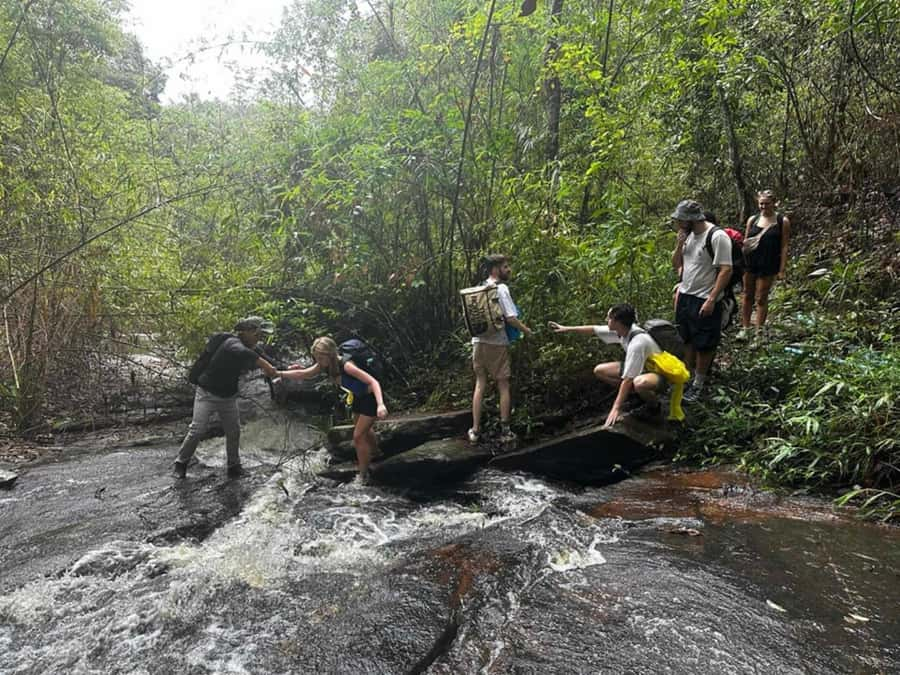
The walk begins among jungle, farmland, and mountain views, not on a single type of path. That variety gives the day its character. One moment you may be walking under trees, and the next you may be looking over cultivated land and hills.
The total distance is about 10 km, with five to six hours spent hiking. The supplied details do not state a technical grade or exact elevation gain, so you should think of this as a serious full-day walk rather than a gentle nature stroll.
Comfortable sports shoes are mentioned as the minimum, but hiking shoes are the better choice. Wet ground, uneven trail sections, and waterfall areas can make ordinary sneakers a poor fit. You should also pack a rain jacket in the wet season, when a dry afternoon can change quickly.
The farmland is especially interesting during rice-growing season. In July and August, farmers are planting or preparing the paddies. September and October usually bring the most attractive rice views, with fields bright green and slowly turning gold. November and December are harvest months, when you may see rice being cut and gathered as part of Karen rural life.
That seasonal detail can shape your choice of travel dates. If you care most about green fields, aim for September or October. If you want to see harvest work, November or December may offer more useful rural context. Outside those periods, the fields may not have the same visual appeal.
Meeting the White Karen village
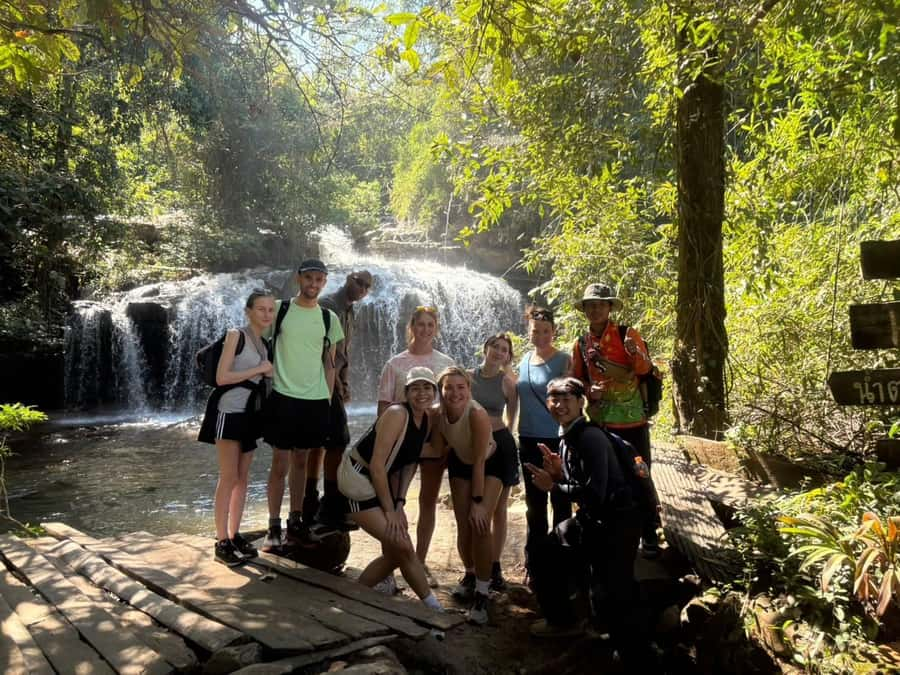
The route reaches a traditional White Karen hill tribe village after the first section of walking. The visit offers a look at village life and local customs, which adds human meaning to a day that could otherwise be only a forest walk.
You should keep your expectations measured. One account described the Karen village as empty, with no real chance to meet residents or share customs. That does not mean every visit will feel the same, but it does mean you should not book this outing expecting a carefully arranged cultural workshop or a long conversation with village families.
The strongest part of the village visit is the setting within the walking route. You are not being taken to a separate staged attraction in town. Instead, the village appears as part of the rural area you are passing through, alongside farmland and mountain scenery.
For a respectful visit, follow the guide’s instructions and avoid treating homes, people, or daily work as a photo display. The tour says it supports local communities and eco-tourism, but the available information does not specify a village payment system, homestay, or community-run activity.
Waterfalls, swimming, and a picnic lunch
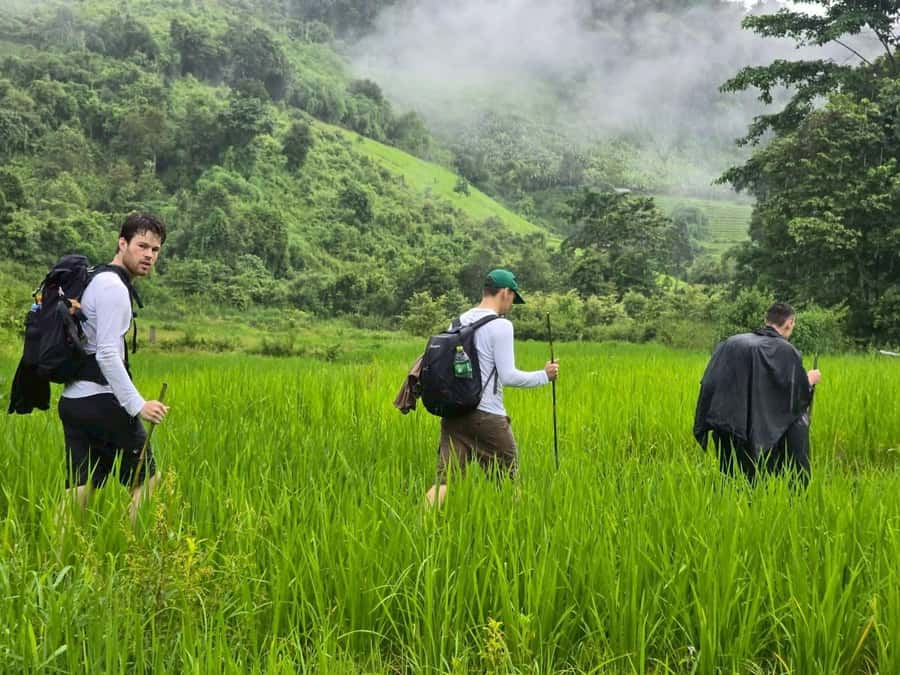
The first waterfall is a major reward after the opening hike. You can swim, cool off, or simply sit near the water before lunch. One booking specifically enjoyed swimming twice at beautiful waterfalls, so pack for actual water time rather than treating swimming as a minor option.
Lunch is a picnic-style Thai meal served near the waterfall. This is practical and pleasant, but it is not a restaurant lunch with a menu. Bring snacks from the market if you tend to get hungry after several hours of walking, especially if you are used to eating early.
In the afternoon, the trail continues toward another hill tribe village. Along the way, you stop at three more waterfalls. These breaks help divide the long hike into manageable sections and give you several chances to cool down.
Water levels and swimming conditions can vary, and no exact swimming rules are provided. Use common sense around wet rocks, follow the guide, and bring a towel plus a complete change of clothes. A waterproof bag for your phone and other small items would also be sensible, though it is not listed as required equipment.
The route may also offer sightings of local birds and wildflowers. These are possibilities rather than guaranteed wildlife encounters. If you are hoping for a focused nature study, this is not the right choice. The guide may point out what appears along the trail, but the stated program centers on walking, village visits, and waterfalls.
More Waterfall Treks in Thailand
- Chiang Mai: Whitewater Rafting and Waterfall Trekking Tour
★ 4.9 · 58 reviews - Chiang Mai Adventure: Trekking, Tubing & Waterfall Slide
★ 4.9 · 20 reviews - Chiang Mai: Elephant Sanctuary & Jungle Trek w/ Waterfall
★ 4.5 · 18 reviews - Trek to a Jungle Waterfall
★ 5.0 · 14 reviews
What the second village adds
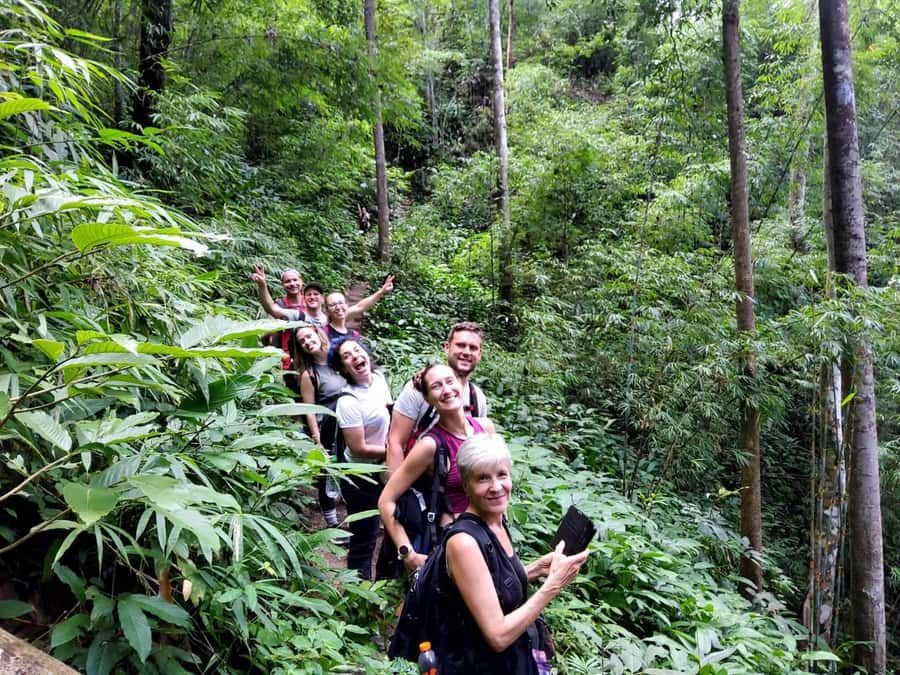
The afternoon route finishes at another hill tribe village. This gives the day a second cultural stop, but the available details do not identify the community or promise a formal talk.
The value here depends on what you want from a village visit. If you like seeing how rural settlements fit into the surrounding farmland and forest, the stop adds useful context. If you want a detailed explanation of Karen traditions, family life, and current challenges, you may find the contact too limited.
The language offered is English, and a live guide leads the tour. A recent booking praised a guide known as Jungle Boy, suggesting that guide quality can add warmth and energy to the day. Still, guides can vary, and no fixed guide assignment is provided.
The real value of $61
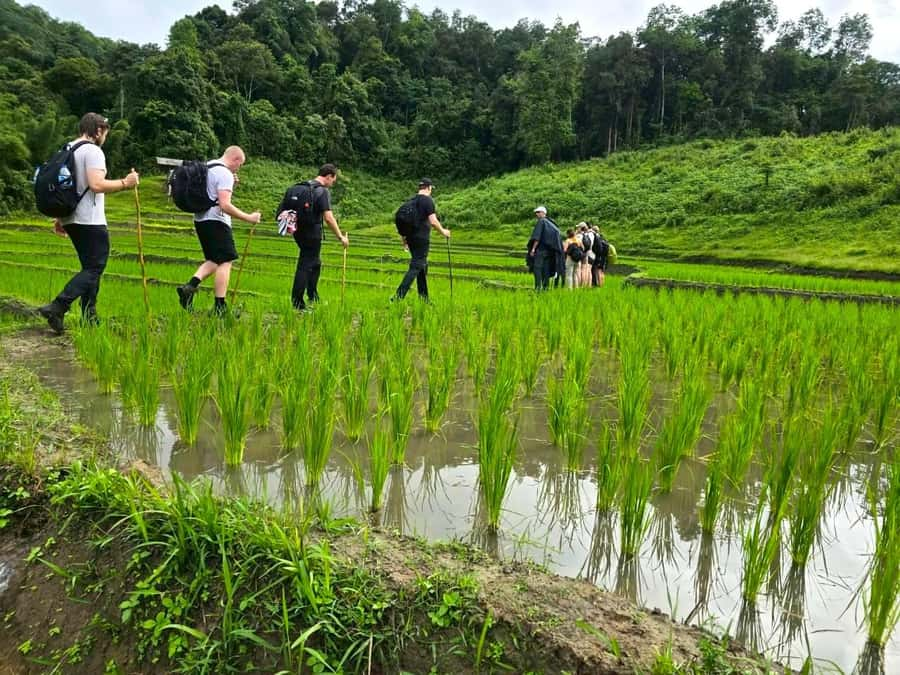
At $61 per person, this is not just a paid hike. The price includes transportation from Chiang Mai, an English-speaking guide, lunch, travel insurance, and hotel pickup and drop-off within the old city walls.
That package matters because Mae Win is well beyond the center of Chiang Mai. Organizing your own transport, finding the trail, arranging a guide, and reaching the waterfalls would take time and would not necessarily cost less.
The price is strongest for people who want a full day handled from start to finish. You pay for access to a remote walking area, local guidance, transport, and the convenience of returning to your hotel in the evening.
The value is less clear if you mainly want a short jungle walk or a carefully planned cultural encounter. You spend much of the day on the road and trail, and the village contact may be brief. The waterfalls and scenery are the more reliable reasons to book.
Free cancellation up to 24 hours before departure and reserve-now, pay-later terms also reduce the risk of committing too early. Pickup does not cover the airport or airport parking areas, so do not use this as an airport transfer.
Who should book this trek?
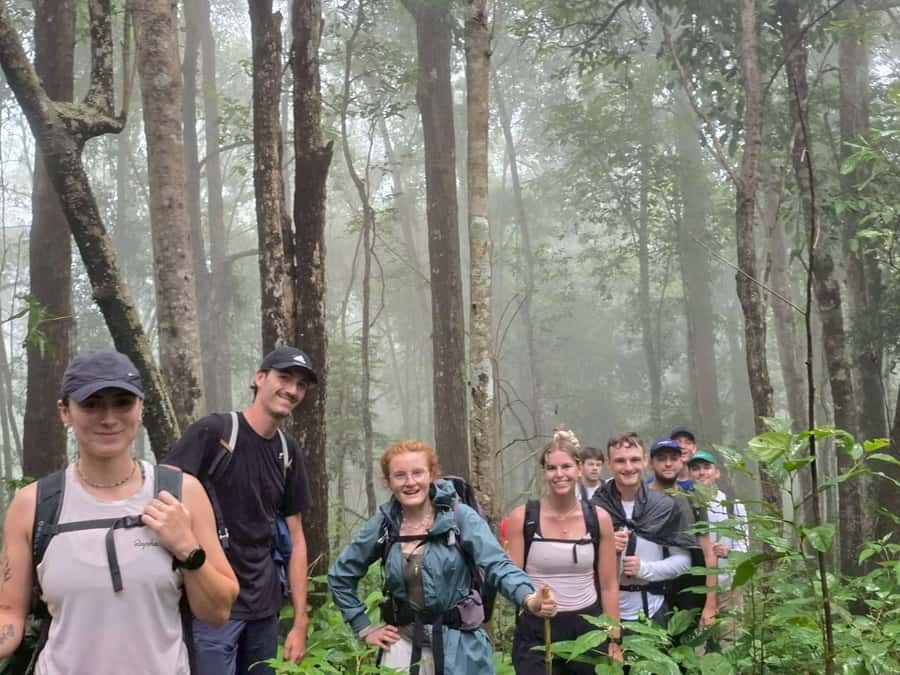
I would recommend it to active adults who want a full day outdoors and do not mind a long schedule. It suits you if swimming in natural waterfalls sounds better than spending another day in Chiang Mai’s cafes and temples.
It is also a good match if you want several kinds of scenery in one outing: forest, rice fields, mountain views, villages, and falls. The walk is long enough to feel like a real day in the countryside rather than a quick photo stop.
You may want another tour if your main goal is meeting Karen residents in a direct, structured way. The village may be quiet, and the program does not promise a workshop, home visit, or extended cultural exchange.
This also is not a good pick if you dislike wet clothing, muddy paths, early starts, or long drives. Children under four cannot join, and the tour is not suitable for pregnant women, wheelchair users, people with altitude sickness, or people over 70.
Pack for water, sun, and changing weather
The packing list is sensible, but I would take every item seriously. Wear hiking shoes or sturdy sports shoes, not sandals. Pack swimwear, a towel, dry clothes, sunscreen, insect repellent, sunglasses, and a sun hat.
A rain jacket is especially important during the rainy season. The day includes exposed farmland as well as shaded forest, so you need protection from both sun and rain.
Bring snacks or drinks from the market stop if you want more than the included lunch. Keep your load light, since you will carry everything for five to six hours.
Pets are not allowed. Since pickup is limited by location, confirm that your hotel sits within the old city walls or prepare to meet at Wat Phra Singh or Maya Shopping Center.
Should you book it?
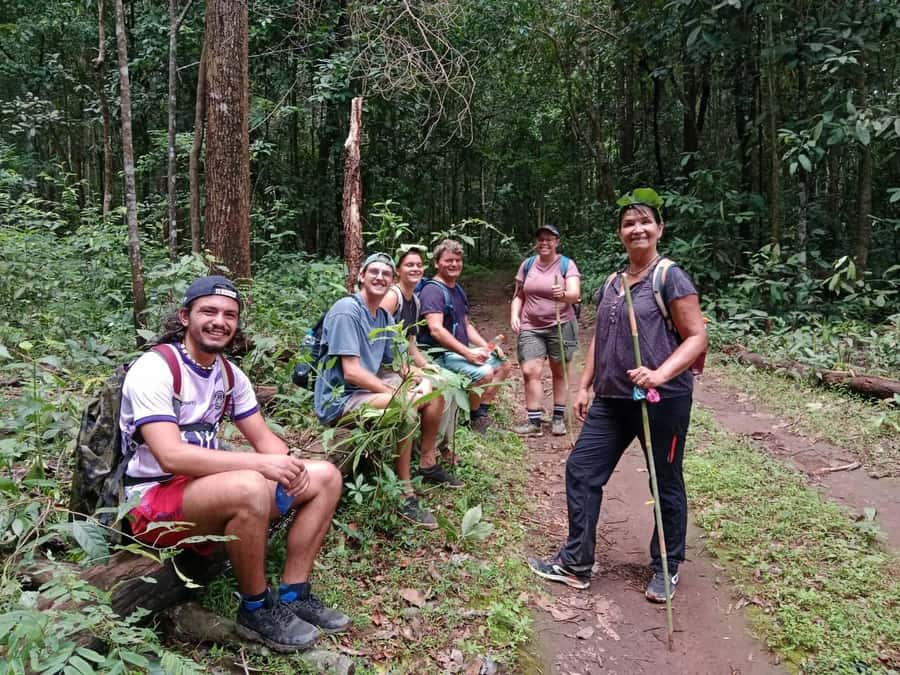
Book this trek if you want waterfalls and a substantial country walk more than a polished cultural program. The four waterfall stops, two reported swimming breaks, rice-field scenery, and included transport make $61 a fair price for a long day outside Chiang Mai.
Skip it if you need a short outing, guaranteed wildlife sightings, or a close encounter with an active Karen village. The most dependable parts are the walking, scenery, swimming, lunch, and guide-led transport. Go prepared for a quiet village visit, and you will have a more realistic and enjoyable day.
FAQ
How long does the Chiang Mai trekking tour last?
The full activity lasts about 11 hours, with pickup in the morning and return to Chiang Mai around 6:00 to 6:30 PM.
How far do you walk?
The trek covers about 10 km, with approximately five to six hours of hiking.
Where does hotel pickup take place?
Pickup is available at hotels within Chiang Mai’s old city walls. Hotels outside the walls have later pickup times, while people outside the service area must meet at Wat Phra Singh or Maya Shopping Center.
Are swimming stops included?
Yes. The route visits a waterfall suitable for swimming and then continues to three more waterfalls. You should bring swimwear, a towel, and dry clothes.
Is lunch included?
Yes. A picnic-style Thai lunch is served near one of the waterfalls.
What language does the guide speak?
The tour has a live English-speaking guide.
Can children and wheelchair users join?
Children under four, pregnant women, wheelchair users, people with altitude sickness, and people over 70 are not considered suitable for this tour.
More One-Day Treks in Chiang Mai
- Doi Inthanon National Park with Nature Trail Trekking 1-Day Tour
★ 4.5 · 230 reviews - 1 Day Trekking in Chiang Mai
★ 5.0 · 13 reviews - One day Doi Inthanon National Park & Trekking on Kew Mae Pan
★ 5.0 · 12 reviews - Inthanon national park, Trekking and Sightseeing in one day.
★ 5.0 · 5 reviews
Recently added around Chiang Mai
- Trek to a Jungle Waterfall★ 5.0 · 14 reviews
- Small Group : Trekking Trip in Chiang Mai (Doi Suthep Area) with Market Tour★ 5.0 · 4 reviews
- Trekking at the Monk Trail and Doi Suthep Temple Private Tour★ 5.0 · 3 reviews
- Fantastic! Famous Doi Inthanon National park tour with 2hr trekking★ 4.5 · 17 reviews
- Private Tour 2 Difference Trails Trekking at Doi Inthanon National Park★ 5.0 · 19 reviews
- 8KM White Water Rafting and 3HRS Jungle Trekking Adventure★ 5.0 · 9 reviews
- Half Day Doi Suthep Temple and short trekking on monk trail (Private Tour)★ 5.0 · 3 reviews
- One day Doi Inthanon National Park & Trekking on Kew Mae Pan★ 5.0 · 12 reviews
Waterfall Treks, compared.
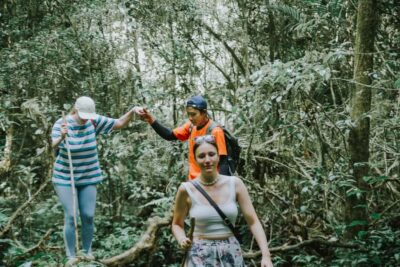
Munduk Waterfalls Trek, Twin Lakes and Temple Tour
Read our review →

Selogriyo Temple and Trekking Java Rice Terraces, hidden waterfall -Nature Java
Read our review →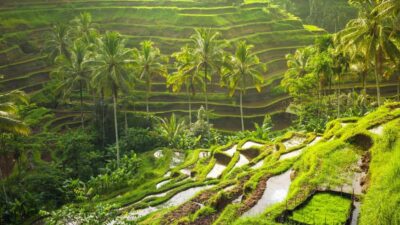
Rice Terrace, Holy Water Temple & Waterfalls Trek Tour
Read our review →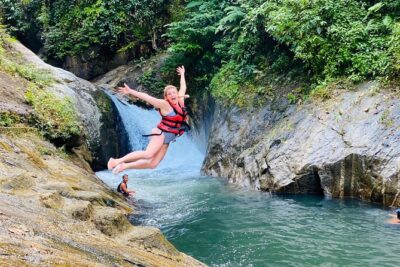
Trekking to Waterfall Adventure Tubing 45 mins. (Only Khao lak)
Read our review →
2-Days Jungle Trek, Waterfalls and Karen Village
Read our review →
Wild Elephant Anakulam & Waterfalls Tour(munnar valley Trekking)
Read our review →
Tamanique Waterfalls Complex Trek + El Tunco Beach
Read our review →Browse the lists this tour appears in