
REVIEW · HANOI
Hanoi- SaPa: 3-Day Homestay Trek to Explore Ethnic cultures
Wake up where the mountains begin. This three-day Sapa trek combines rice terraces and village trails with two nights in local homestays, giving you more contact with daily life than a quick viewpoint stop. I like the small group of up to 14 and the chance to meet Hmong, Giay, and Red Dzao families. The main drawback is the overnight bus: it saves a hotel night, but the ride can be dirty, cramped, and tiring.
I also like the thoughtful arrival routine. You reach Sapa around 4:00 AM, sleep on the bus until 6:00, then get breakfast before the trek begins at 9:00. Guides such as Su and Sang have earned strong praise for their care, cultural explanations, and willingness to adjust the pace. Still, transfers around Sapa can become confusing, particularly during Tet, and the walking is not a soft stroll.
- Two very different homestays: Sleep in Ta Van with Giay residents, then in Ban Ho among local families.
- Three ethnic cultures in one route: Meet Hmong people in Lao Chai, Giay people in Ta Van, and Red Dzao communities near Giang Ta Chai and Nam Tong.
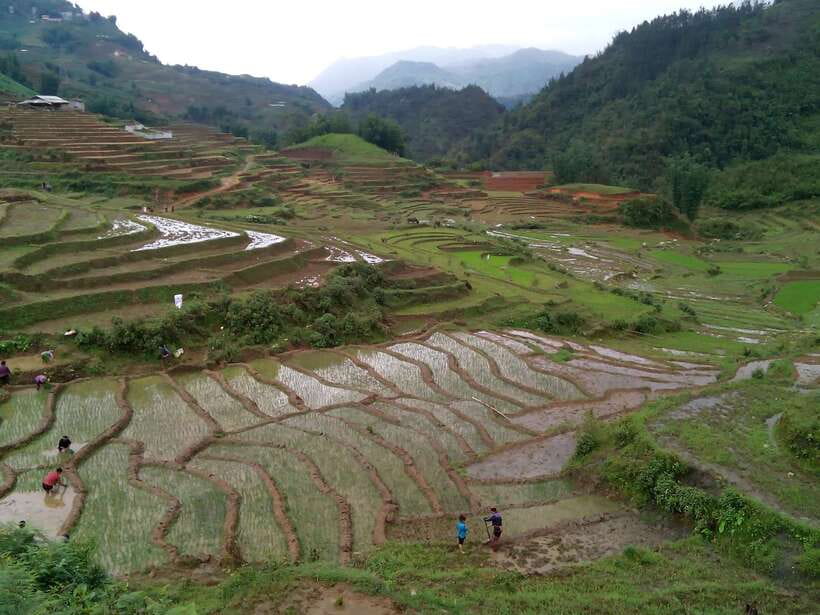
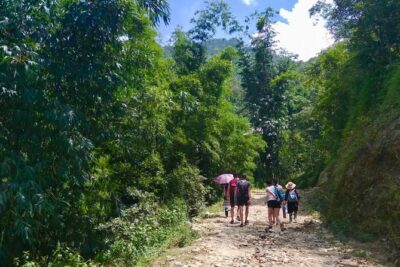
- A proper mountain walk: The route includes bamboo forest, village paths, rice terraces, Rattan Bridge, and valley scenery.
- Overnight travel from Hanoi: Your tour date refers to the evening departure from Hanoi Old Quarter, not simply the first morning in Sapa.
- Good support for a small group: An English-speaking guide leads a group capped at 14 people, with meals and mineral water included.
- A demanding but worthwhile value: At $139 per person, transport, six meals each day across the trek, two homestays, and guiding are bundled together.
The overnight bus sets the tone
Your trip begins in Hanoi Old Quarter, with pickup around 8:45 PM from 30 Hang Muoi, near Ly Thai To. You have the day free to explore Hanoi before leaving, which makes this useful for a short Hanoi stay. Pack your Sapa clothes and trekking shoes in a small day bag so you are not rummaging through luggage on the bus.
The bus reaches Sapa at about 4:00 AM. You can sleep until 6:00 AM, then move to a boutique hotel for breakfast and a chance to freshen up before meeting the guide. This arrangement is practical, but do not expect a full hotel room for a morning rest. One account describes having to use a shared bathroom near reception rather than a private room.
The bus is the weak link in the trip. It gets you between Hanoi and Sapa without adding another hotel night, but comfort and cleanliness may be limited. The return bus leaves Sapa at 4:00 PM on the final day and reaches Hanoi around 10:00 PM, so the beginning and end both involve long road hours.
That tradeoff is easier to accept if you value time on the trail over polished transport. It is less appealing if you sleep badly on buses or need a calm start to a walking holiday.
Day one: Lao Chai, Hmong country, and Ta Van
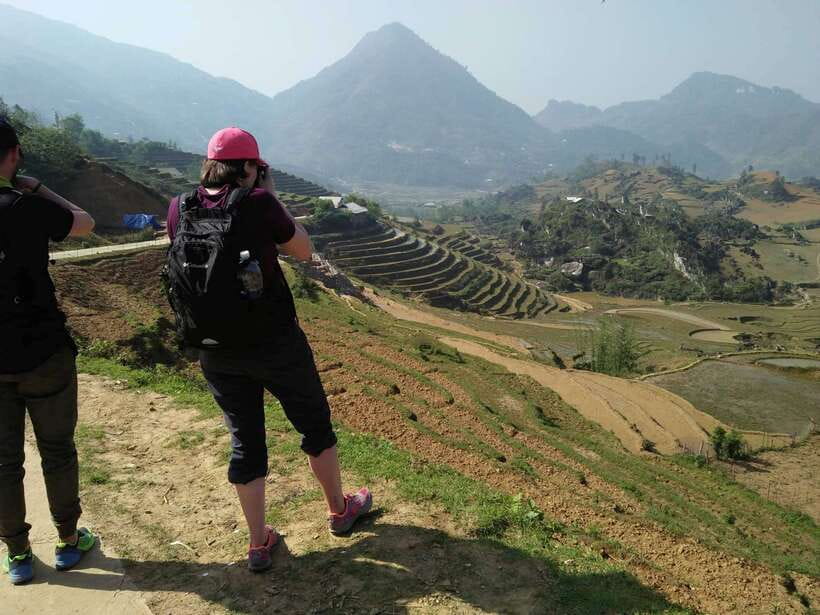
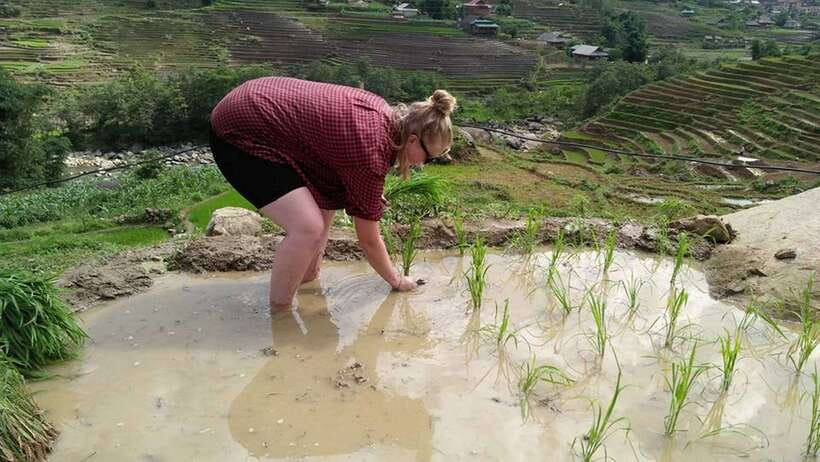
After breakfast, you meet your guide at 9:00 AM and begin walking toward Lao Chai through Y Linh Ho village. This first stretch introduces the terraced hills and the Hmong communities of the area. The scenery is the reason to bring a camera, but the route is also a useful introduction to how villages sit among fields, slopes, and narrow paths.
The path leads to Lao Chai, where lunch is served in the home of a local family. That setting matters. You are not just stopping at a restaurant between attractions. You are eating in a household connected to the community you have just walked through, with a chance to see a little of the local rhythm.
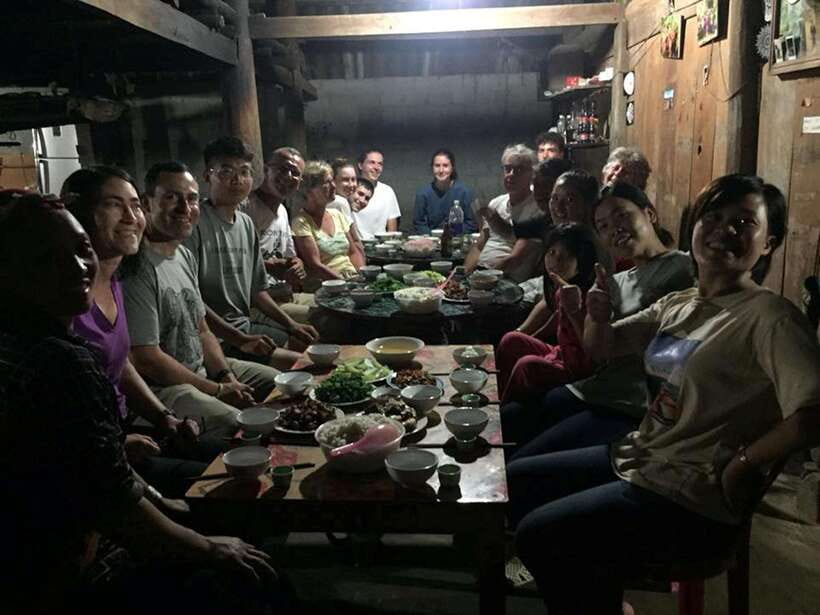
After lunch, you continue to Ta Van, home to Giay people. The day ends with dinner and a night in a homestay. Expect a simple, home-style stay rather than a private hotel room. The accommodation has been described as clean and comfortable enough, with generous food and welcoming hosts, but English may be limited.
This is also the day when weather can change your view of Sapa. In cold, wet conditions, clouds may block the terraces and reduce visibility to a short distance. Bring a waterproof layer and keep your expectations flexible. The walk can still be rewarding when the famous views disappear, but you should not pay for this trip expecting clear mountain photographs every hour.
More Homestay Treks in Hanoi
- Hanoi – Sapa 2 Days 1 Night Overnight At Homestay
★ 5.0 · 899 reviews - From Hanoi: 2-Day Sapa Trekking Trip with Homestay & Meals
★ 4.8 · 704 reviews - 2-Day Sa Pa Ethnic Homestay Tour & Trek with Limousine Bus
★ 4.8 · 440 reviews
What a Ta Van homestay really adds
The first homestay gives the route its human side. In Ta Van, you have time to notice local customs and hear about Giay traditions from the guide and host family. A guide can bridge the language gap, but you should still expect some quiet moments and simple gestures rather than a long conversation in English.
Food is one of the strengths of the experience. Breakfast, lunch, and dinner are included on the first two days, and portions have been described as generous. Drinks beyond the supplied mineral water cost extra, so keep some cash available if you want tea, soft drinks, or other beverages.
The best moments may come without a formal activity. One family invited the group into the kitchen to help prepare dinner. That kind of welcome cannot be guaranteed, but it shows why a homestay is different from sleeping in Sapa town. You are closer to household routines, not just looking at village buildings from a trail.
Show respect in the house. Dress modestly, ask before photographing people, and follow your guide’s advice about local customs. The trip specifically asks you to respect local culture, and that is not a minor point. These are homes and communities, not open-air displays.
Day two: bamboo forest, Giang Ta Chai, and Ban Ho
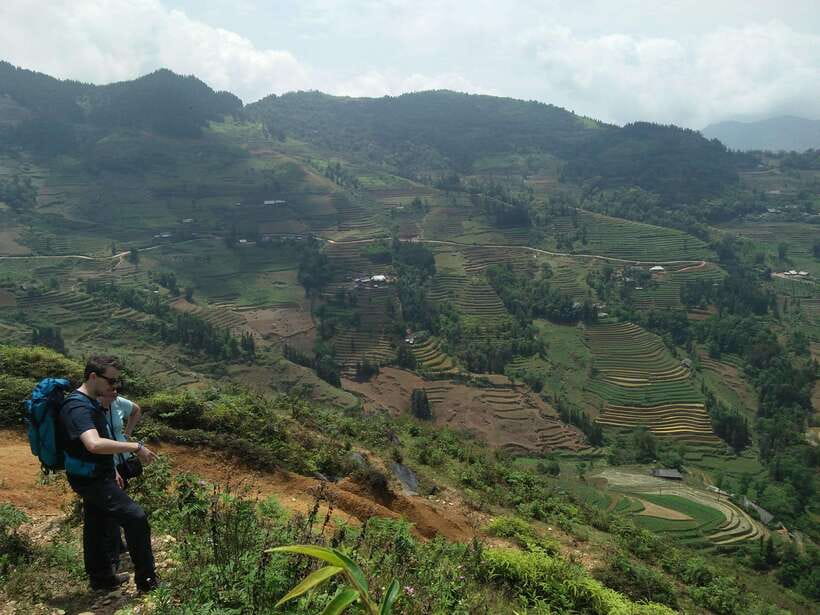
Day two begins with a local breakfast in Ta Van. You then leave the village and walk through bamboo forest toward Giang Ta Chai, where Red Dzao people live. This section changes the feel of the walk. The forest offers shade and a more enclosed route, while the village and surrounding countryside bring you back into open views.
You visit Rattan Bridge and a Red Dzao family home before eating lunch along the trail. The exact feel of the path depends on rain, so good trekking shoes matter. Mud, wet stone, and uneven ground are realistic possibilities, even when the schedule itself is straightforward.
After lunch, you continue to Ban Ho. This is the longest-feeling part for many people because you have already walked for a full day and a half. Your guide can help with pacing, but you need reasonable fitness and steady footing. The tour is not suitable for people with limited mobility, wheelchair users, or pregnant women, and children under six cannot join.
Ban Ho provides a slower finish to the day. You have free time to relax and stroll through the village before dinner at the second homestay. This pause is important. The route does not rush you from one photo stop to another, and you get a chance to let the walking settle before another night with a local family.
The second night brings a different village view
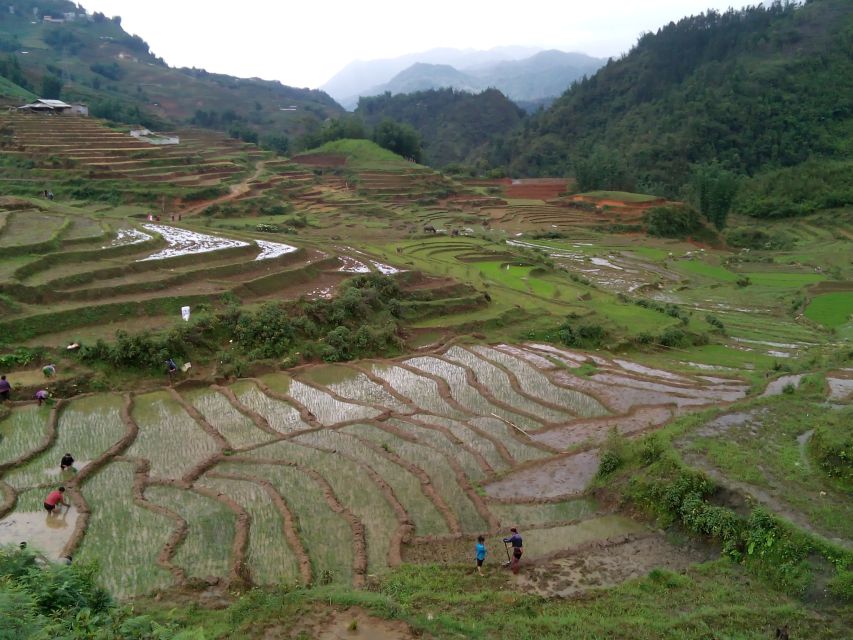
The Ban Ho homestay continues the cultural focus, but it is not simply a repeat of Ta Van. The route has taken you through a different community and into the Red Dzao area around Giang Ta Chai and Nam Tong. Your guide can help explain the customs and differences between the groups, although the depth of those conversations depends on the guide and on translation.
Guides Su and Sang have received especially warm praise for being attentive and flexible. Su was described as answering questions, sharing stories about local culture, and adjusting plans when people felt unwell. Another guide changed the route to spend more time in nature. Those examples suggest that the human quality of the trip can make a large difference, especially when the weather or your energy does not match the printed schedule.
Do not expect every guide to speak fluent English on every subject. Phone translation may be needed for detailed questions. That is part of the experience, but it can also limit discussions about complex customs or personal history.
Rice wine may be offered at the homestays. Accept only what you are comfortable with, and remember that hospitality does not require you to drink. Mineral water is included, but the amount supplied may not last through three active days. Buy extra water when possible, particularly before a long walking section.
More Homestay Treks in Vietnam
- Hanoi – Sapa 3 Day 2 Night Trekking With Hotel & Homestay
★ 5.0 · 389 reviews - Hanoi – Sapa 2 Days 1 Night Overnight At Local Homestay
★ 5.0 · 233 reviews - From Hanoi: 2-Day Luxury Sapa Trekking Tour with Homestay
★ 4.4 · 49 reviews - 3-Night Sapa Trek and Homestay with Round Trip Transfer from Hanoi
★ 4.5 · 37 reviews
Day three: sunrise in Ban Ho and Nam Tong
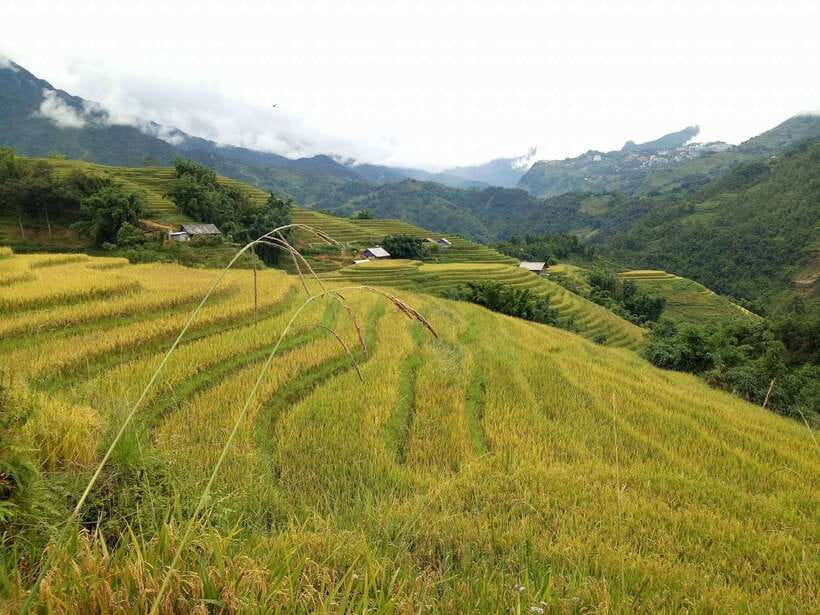
The final morning starts with breakfast and sunrise in Ban Ho valley. Early light can be the best time for photographs, and the valley gives the last morning a gentler pace than the previous day’s longer walk.
You then take a short trek to Nam Tong village, inhabited by Red Dzao people. This is another chance to learn about local traditions before returning to Ban Ho. The walking is shorter, but you still need proper shoes because mountain paths do not become flat simply because the schedule is winding down.
A van collects you in Ban Ho and returns you to Sapa. You have time to relax at the hotel before boarding the 4:00 PM bus to Hanoi. This break is welcome after two nights in homestays and three days on foot, though the available facilities may be basic rather than a full hotel room.
The bus arrives in Hanoi at about 10:00 PM at the same meeting point. Plan no important late-night connection after this. Delays, traffic, or confusion during a holiday period could push the arrival later.
What the $139 price covers
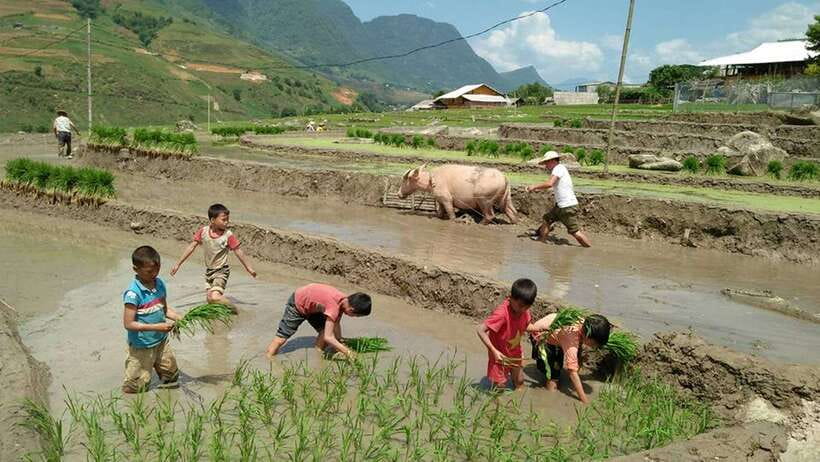
At $139 per person, the price is fair if you want a ready-made mountain trip from Hanoi. It includes round-trip bus transport, an English-speaking guide, two homestay nights, three breakfasts, three lunches, two dinners, and mineral water.
The food package has real value because meals are provided during the walking days, when finding a restaurant would be inconvenient. The guide and local transport on day three also remove much of the planning work. You are paying for access, route coordination, and local contact as much as for accommodation.
The price does not include drinks, personal expenses, travel insurance, or VAT. There is also a $75 per person Lunar New Year surcharge from January 26 through February 2, 2025, payable at the meeting point. That date range should be checked carefully when you book.
I would budget for extra water and paid drinks, and I would carry some cash for small purchases. The basic price is not the final amount if you want beverages or have personal spending along the way.
Who will enjoy this Sapa trek most
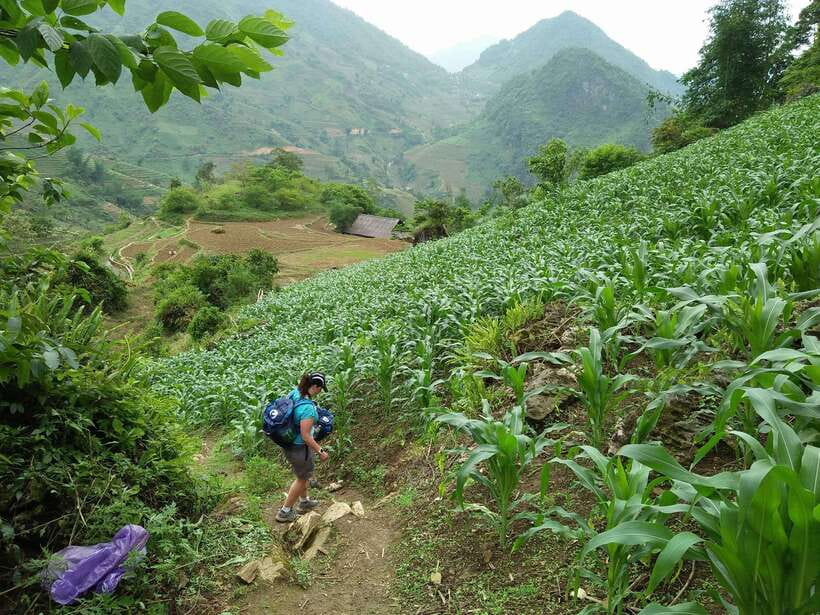
I would choose this trip if you want to walk through villages rather than simply visit a Sapa viewpoint. It suits people who value local meals, modest accommodation, and time with a guide over polished hotels and private transport.
You should be comfortable walking for several hours on uneven trails. The route includes hills, bamboo forest, village paths, and changing weather. Trekking shoes, sunscreen, insect repellent, a sun hat, and sunglasses are sensible basics. From October through March, add warm layers because Sapa can be cold.
This is a good fit for a small group, solo visitors, couples, and families with older children who can manage the walking. It is not suitable for children under six, pregnant women, wheelchair users, or anyone with limited mobility.
The group limit of 14 is useful. It is small enough for a guide to notice when someone is tired, but not so small that you should expect a private tour. If you need a custom pace or a fully private schedule, ask before booking.
Practical concerns to settle before departure
Pickup is available only from Hanoi Old Quarter. If you stay elsewhere, you need to reach the bus station yourself, so confirm the meeting instructions early. The exact date you select refers to the evening departure from Hanoi, followed by arrival in Sapa the next morning.
Communication before departure has generally been quick through WhatsApp, but transport information can become muddled. Confirm the pickup time, meeting place, and return arrangements before leaving Hanoi. This is especially wise around Tet, when holiday traffic and staffing can create confusion.
Free cancellation is available up to 24 hours before departure, and you can reserve now and pay later. Those terms help if your Hanoi plans are still shifting, but you should still check the final conditions at booking.
The English-speaking guide is central to the experience. A good guide can explain the differences between Hmong, Giay, and Red Dzao communities, help you manage the trail, and smooth over communication at the homestays. The strongest experiences here appear to come when the guide is attentive and willing to adjust the day.
Should you book this three-day Sapa experience?
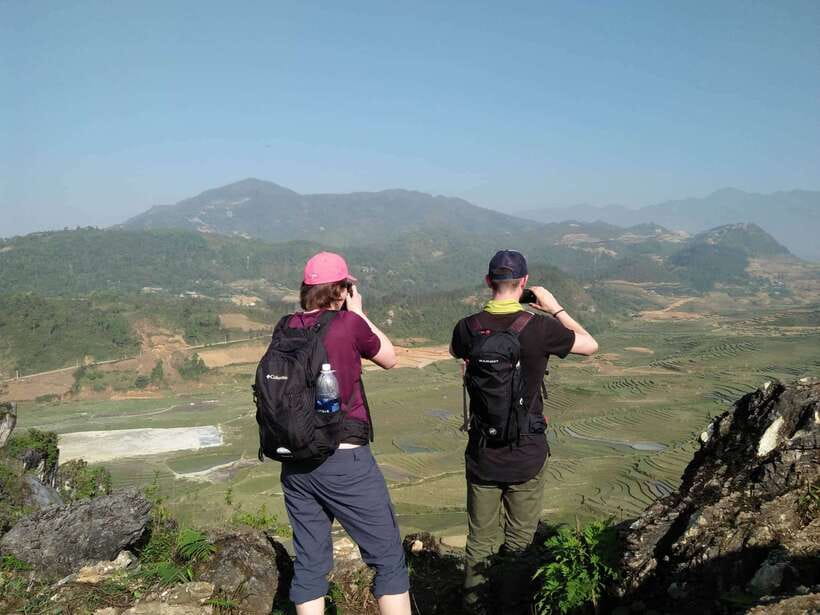
Book it if you want a real walking route through village communities, two homestay nights, and cultural contact at a reasonable price. The best parts are the local meals, the changing scenery between Lao Chai and Ban Ho, and guides such as Su and Sang who bring patience and personal stories to the route.
Skip it if an overnight bus sounds miserable, if you need private bathrooms and predictable hotel service, or if you want guaranteed mountain views. Weather can hide the terraces, and transport coordination may not be perfectly smooth.
For an active visitor with limited time in Vietnam, this is a strong way to reach Sapa from Hanoi without arranging each transfer and meal alone. Pack light, bring warm and waterproof clothing, carry extra water, and treat the homestays as family homes rather than basic hotels. That approach gives you the best chance of enjoying what this trip does well.
FAQ
Where does the tour start?
The tour starts at 30 Hang Muoi, Ly Thai To, Hoan Kiem, Hanoi, Vietnam.
When does pickup from Hanoi take place?
Pickup is around 8:45 PM from Hanoi Old Quarter.
Does the tour begin in Hanoi or Sapa?
It begins in Hanoi with an overnight bus to Sapa. The booked date refers to the initial departure from Hanoi.
What time do you arrive in Sapa?
The bus is expected to arrive around 4:00 AM the next morning. You can sleep on the bus until 6:00 AM before breakfast.
How many nights are spent in homestays?
The tour includes two nights in homestays, one in Ta Van and one in Ban Ho.
Which communities do you visit?
The route includes Hmong communities around Y Linh Ho and Lao Chai, Giay people in Ta Van, and Red Dzao communities around Giang Ta Chai and Nam Tong.
What meals are included?
The package includes three breakfasts, three lunches, and two dinners.
Is mineral water included?
Yes, mineral water is included. Other beverages are not included and cost extra.
Is the trek suitable for children and people with limited mobility?
The tour is not suitable for children under six, pregnant women, people with mobility impairments, or wheelchair users.
What happens at the end of the tour?
You return to Sapa by van from Ban Ho, take the bus to Hanoi at about 4:00 PM, and arrive back at the Hanoi meeting point around 10:00 PM.
More Three-Day Treks in Hanoi
- Sapa 3 Days 2 Nights Trekking Tour (1 Night In Ta Van Village, 1 Night In Hotel)
★ 5.0 · 699 reviews - 3-Day Trekking Adventure of Sapa from Hanoi – Stay Ta Van Village
★ 5.0 · 611 reviews - From Hanoi: Trek and Stay: 3-Day Sapa Highlands Adventure
★ 4.6 · 152 reviews - Sapa 3 Days 2 Nights Trekking Tour From Hanoi (2 Nights in Hotel)
★ 5.0 · 112 reviews
Recently added around Hanoi
- Trekking around Ha Giang 5 days 4 nights★ 3.0 · 2 reviews
- From Hanoi : Sapa Moutain Trek – Halong bay Heritage★ 4.5 · 25 reviews
- 2-Day SAPA Trekking – Villages-Homestay-Ethnic-Local Food-Market★ 5.0 · 2 reviews
- 8-Days Hanoi, Sapa Trekking And Halong Bay Cruise★ 5.0 · 8 reviews
- Hanoi: 3D2N Mu Cang Chai Visit All Attractions, Trek, Ethnic Life★ 5.0 · 3 reviews
- Mai Chau – Pu Luong trekking 3 days 2 nights★ 4.5 · 7 reviews
- Trekking In Ha Giang 5 Days★ 5.0 · 4 reviews
- Sapa trekking – Unique Route – 2D1N★ 5.0 · 3 reviews
Homestay & Village Treks, compared.
Number one top rated ethical cultural trekking and homestay by ETHOS
Read our review →
2-Day Sa Pa Ethnic Homestay Tour & Trek with Limousine Bus
Read our review →
Sapa 3 Day 2 Night Trekking With Hotel & Homestay
Read our review →
Sapa 2 Days 1 Night Overnight At Local Homestay
Read our review →
2-Day Trekking Trip with Ethnic Minority Homestay
Read our review →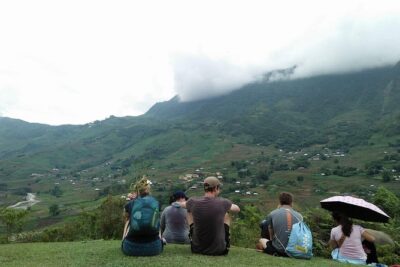
2-Day Trek & Heartwarming Homestay with an Ethnic Family
Read our review →Browse the lists this tour appears in