
REVIEW · HANOI
Hanoi: 3-Day Sapa Trek with Homestay
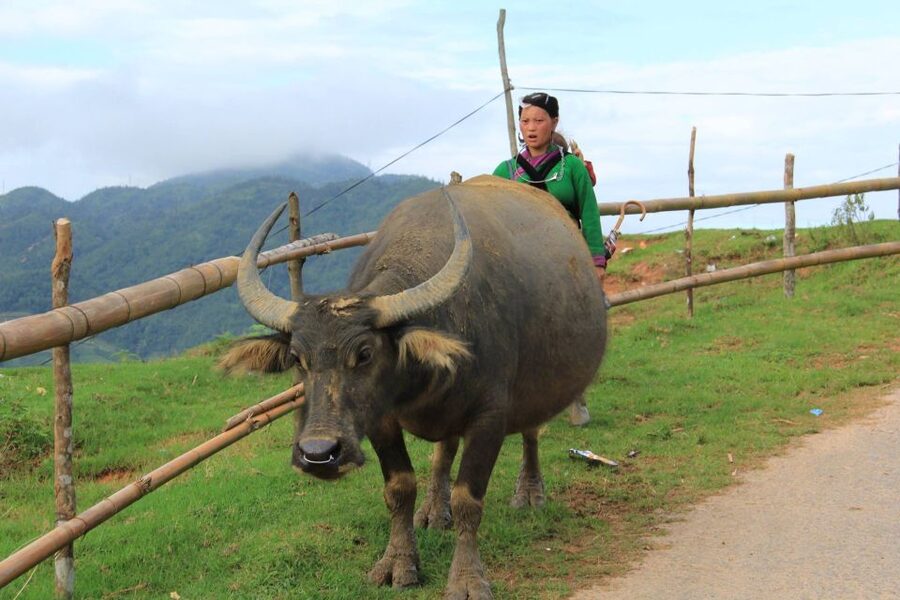
Rice terraces reward every uphill step. This three-day Sapa trip combines remote village trekking with a night in a Dzay family homestay, giving you more than a quick photo stop in northern Vietnam. I especially like the small group size, limited to 10 people, and the chance to cook and eat with local hosts.
The route also includes Cat Cat, Y Linh Ho, Lao Chai, Ta Van, and Giang Ta Chai, so you see several village areas rather than one short walk. The main drawback is comfort: the homestay is not a hotel, winter can be very cold and foggy, and the 9-kilometer trekking section is not recommended for older people or children.
Key Things to Know Before You Book

- A full three-day route: You travel from Hanoi to Sapa by shuttle bus, then walk through several Hmong and Giay communities before returning by bus.
- One hotel night and one homestay night: The first night is in a Sapa hotel, while the second is in a shared Dzay homestay. Private rooms cost extra.
- The best walking day is Day 2: Y Linh Ho, Lao Chai, and Ta Van bring the strongest mix of rice terrace views, village paths, and local contact.
- Meals are part of the value: The price includes three lunches, two dinners, and one breakfast, with dinner prepared alongside the host family.
- Weather affects the views: December through March can be cold and foggy at Sapa’s altitude, so warm layers matter.
- The price covers the major pieces: At $182 per person, you get transport, guides, accommodation, meals, water, and local transfers, though drinks and personal costs are extra.
What the $182 Price Really Buys You
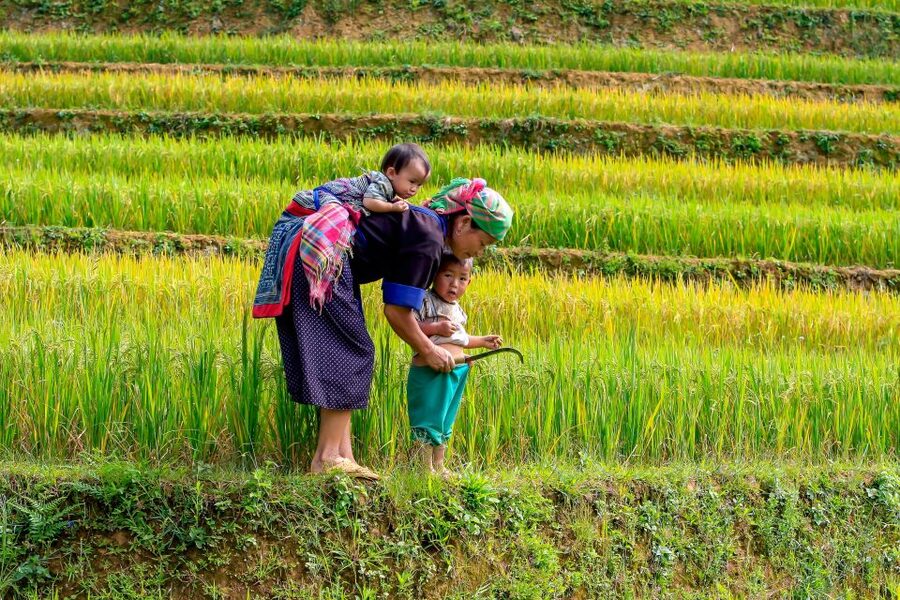
At $182 per person, this is not simply a bus ride to Sapa with a short village walk attached. The cost includes transport from Hanoi, a Sapa guide, a Hanoi to Sapa English-speaking guide, two nights of accommodation, five included meals, local transfers, and two bottles of water.
The small group limit is important. With no more than 10 people, the guide can usually keep an eye on the pace and explain more than a large coach group could. You also avoid arranging separate transport between Sapa and the walking routes, which saves time and reduces the chance of getting stranded at a rural road.
The price is strongest for people who want an organized first visit to Sapa. You do not need to find a bus, book a village homestay, arrange a local guide, or work out how to return to Hanoi after the trek. Drinks, insurance, souvenirs, and personal spending are not included, so carry cash. Vietnamese dong is the most useful currency, though US dollars, euros, and Australian dollars are also commonly accepted in Sapa.
One point needs attention before paying: the advertised details and actual operation can change. A previous departure did not include the picnic lunch, stilt house, or return train ride that had been expected. The current plan describes bus travel, a picnic lunch on Day 3, and sandwiches for the ride home, so I would confirm the exact transport and meal arrangements before departure.
More Homestay Treks in Hanoi
- Hanoi – Sapa 2 Days 1 Night Overnight At Homestay
★ 5.0 · 899 reviews - From Hanoi: 2-Day Sapa Trekking Trip with Homestay & Meals
★ 4.8 · 704 reviews - 2-Day Sa Pa Ethnic Homestay Tour & Trek with Limousine Bus
★ 4.8 · 440 reviews
From Hanoi to Sapa by Morning Shuttle
Pickup is available in Hanoi’s Old Quarter, generally between 6:30 and 7:00 in the morning. You can also meet at 6:45 AM at 9 Hang Huong, Hang Ma, Hoan Kiem. The shuttle follows the highway toward Lao Cai, with a comfort stop before reaching the city and another stop in Lao Cai.
This long transfer takes up much of the morning, but it is the practical trade-off for a three-day trip from Hanoi. You arrive in Sapa around midday, meet the local team at the bus office, eat lunch, and check into your room before the first walk.
The transport is described as a modern shuttle bus with an experienced driver. Even so, bring water beyond the two bottles provided, along with a snack and something warm for the ride. Sapa weather can feel cool after Hanoi, especially during the colder months.
The English-speaking guide between Hanoi and Sapa helps with the transfer, while a local English-speaking guide leads the walking portions. That division is useful because the local guide is better placed to explain village life and manage the mountain routes.
Cat Cat Village and the First Afternoon Walk

After lunch and hotel check-in, the first walk begins at about 2:30 PM. You walk roughly 3 kilometers downhill to Cat Cat Village, then return the same general distance to Sapa.
Cat Cat is associated with the Hmong people and became known as a French colonial-era resort area in the early twentieth century. The walk introduces you to traditional weaving, carved silver, and hand-forged farm tools, along with local customs and daily life.
The village route includes a hydropower station and the Cat Cat waterfall. These stops give the afternoon some variety, though the area can feel more structured and visited than the later village paths. I would treat Cat Cat as an introduction to the region, not the quietest part of the trip.
The 6-kilometer round trip is manageable for many people with decent walking shoes, but downhill paths can be harder on knees than they look. You return to Sapa for dinner at about 6:30 or 7:00 PM and spend the night in a hotel. This hotel night is a welcome buffer before the longer trek on Day 2.
Y Linh Ho to Lao Chai, the Strongest Trekking Day
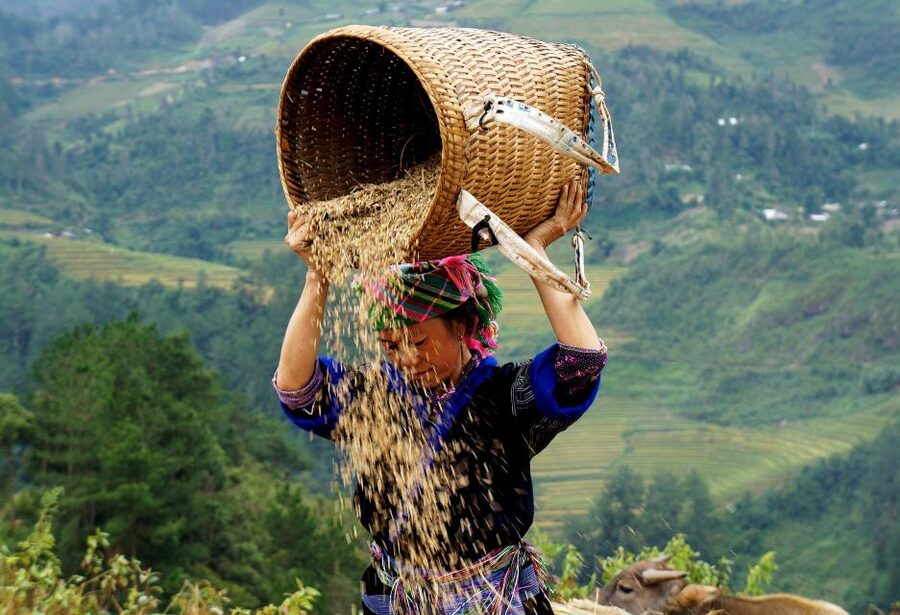
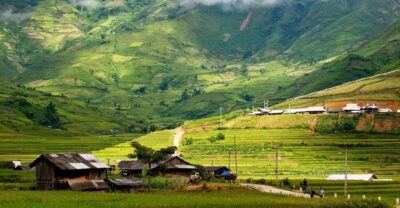
After breakfast, you check out by 8:30 AM and start walking toward Y Linh Ho. This village is home to Hmong residents and offers views of old rice terraces, described as being around 100 years old.
This section is where the trip begins to feel properly rural. The route is less about checking off sights and more about walking through cultivated hills, village paths, and changing views across the terraces. The guide can also add context about Hmong life and community traditions.
You continue to Lao Chai, a Hmong village, where you stop for lunch for about an hour. The break divides the day sensibly, since the combined walking route is more demanding than the first afternoon.
After lunch, you continue toward Ta Van, an established Hmong and Giay village. The route brings you into contact with two different ethnic communities, which adds depth to the day. You are not simply looking at scenery from a road. You are moving through places where families live and work.
This is also the day to judge your own fitness honestly. The route involves several hours of walking, and the supplied information specifically warns that the 9-kilometer section is not recommended for older people or children. Pregnant people and anyone with pre-existing medical conditions should not book this activity.
More Homestay Treks in Vietnam
- Hanoi – Sapa 3 Day 2 Night Trekking With Hotel & Homestay
★ 5.0 · 389 reviews - Hanoi – Sapa 2 Days 1 Night Overnight At Local Homestay
★ 5.0 · 233 reviews - From Hanoi: 2-Day Luxury Sapa Trekking Tour with Homestay
★ 4.4 · 49 reviews - 3-Night Sapa Trek and Homestay with Round Trip Transfer from Hanoi
★ 4.5 · 37 reviews
A Dzay Homestay and Dinner With Your Hosts
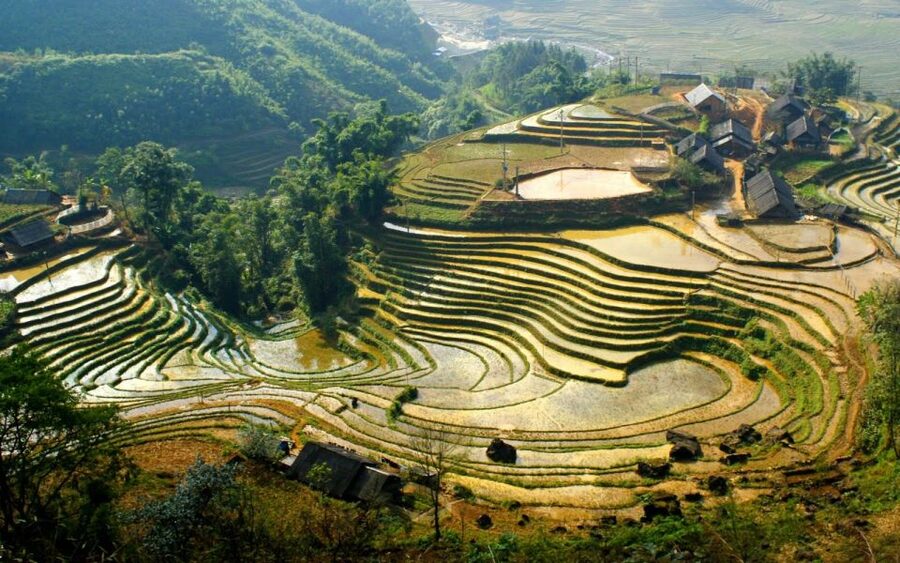
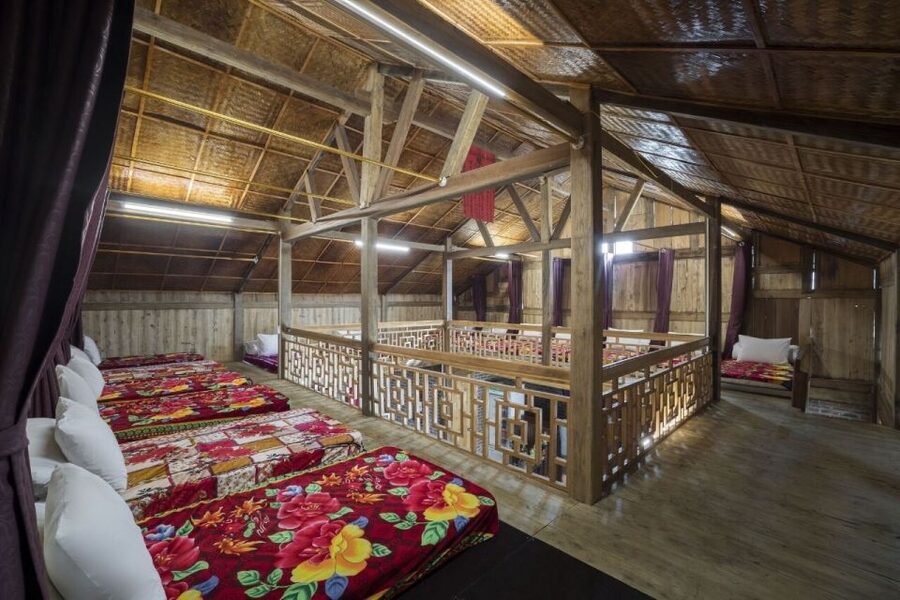
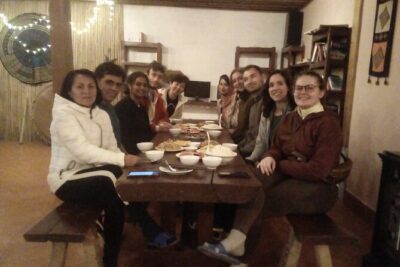
The overnight stay is in a shared Dzay homestay in Ta Van. A local Giay family welcomes you into their home, and you prepare dinner together before eating.
This is the most personal part of the trip. A homestay gives you a chance to see how the evening differs from a hotel stay, and cooking together creates a natural setting for conversation. The food is included, but beverages are not, so keep some cash with you.
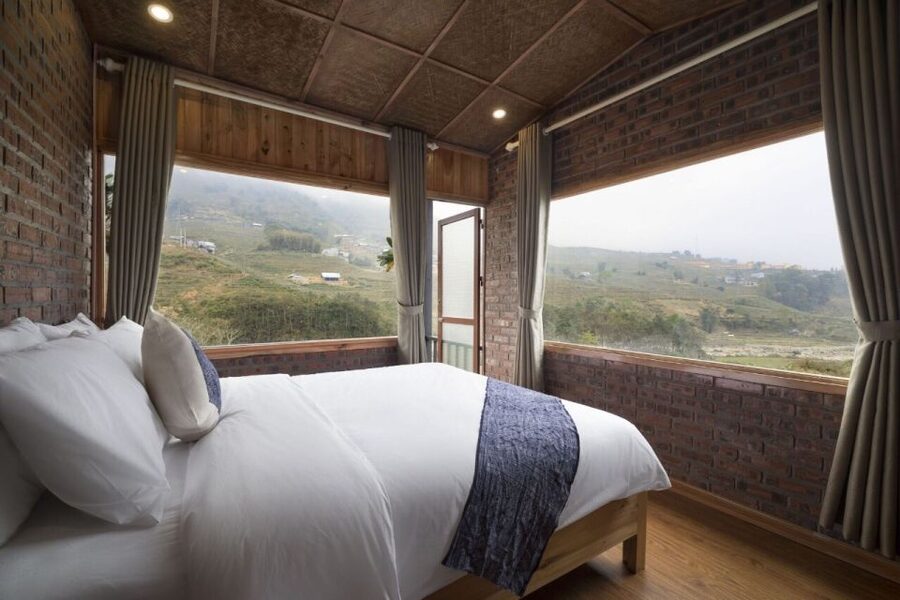
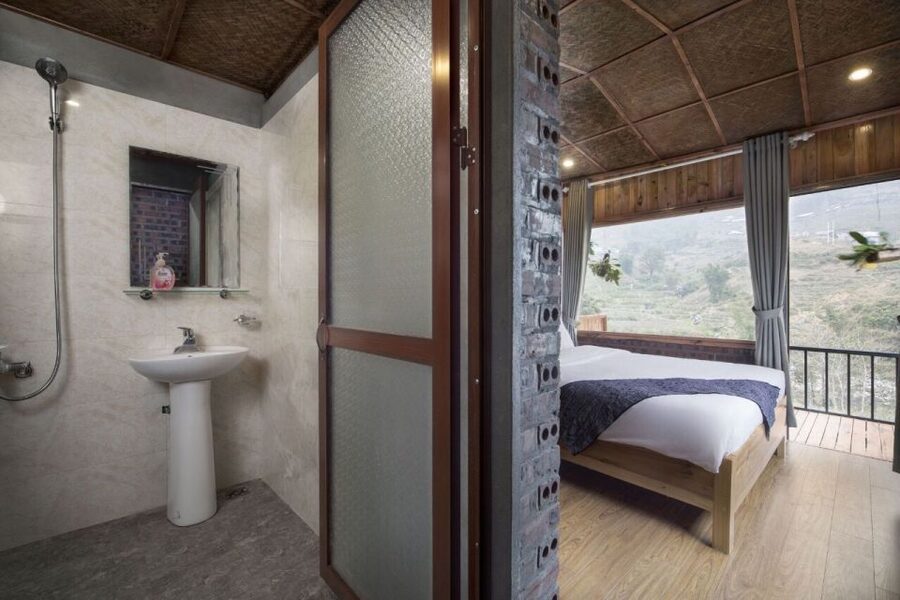
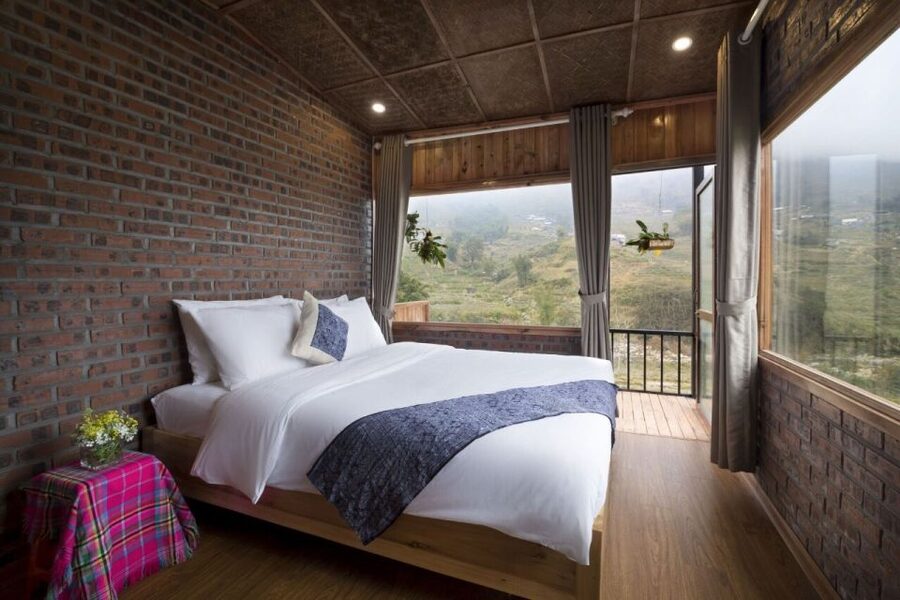
You should adjust your expectations before arriving. The homestay facilities are not the same as a hotel in Sapa. Shared accommodation is included, while private rooms are available for an additional cost. If privacy matters to you, ask about the private room before confirming your booking.
A homestay also means accepting a simpler night. Bring warm clothing, a scarf, and a hat during the cooler months. The accommodation is part of the cultural value of the trip, but it is not the place to expect hotel-style service or facilities.
One especially appealing detail is the welcome itself. The local hosts are not just providing a bed. They are part of the evening meal and the social side of the trip. That makes this night more worthwhile than a standard hotel stay if you want direct contact with local life.
Giang Ta Chai, Bamboo Forest, and Silk Waterfall
Day 3 begins with breakfast outdoors, with pancakes, hot tea, or hot coffee. You may wake to roosters or pigs rather than an alarm clock, and the morning views across the rice terraces are one of the memorable details built into this stay.
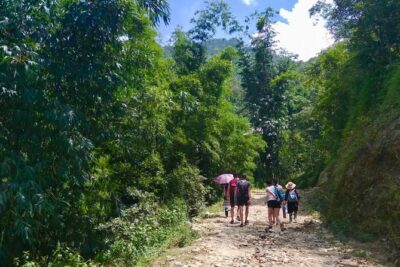
After saying goodbye to the family, you walk through a bamboo forest toward Giang Ta Chai. The route also includes the silk waterfall. These features give the final trek a different character from the open terrace views around Y Linh Ho and Lao Chai.
After several hours, you stop for a picnic lunch with views around you. Conditions can alter the plan, however. Weather and operating conditions may cause changes, and one past departure did not receive the picnic lunch that had been expected. I would carry a small snack even though lunch is included in the overall package.
The walk ends at the main road, where you take a car or minivan back to Sapa. You arrive around 2:00 PM, shower at the hotel, and leave for the bus office at about 3:00 PM. The team prepares sandwiches for the journey back to Hanoi.
That final shower is a small but valuable touch. After a rural trek and homestay, you can clean up before the long return ride. The return bus then drops you at the original meeting point.
The Walking Conditions and What to Pack
Sapa’s weather can change quickly, and fog is common in December, January, February, and March. Fog may soften the views or hide the rice terraces altogether, so do not book only for perfect photographs.
Wear proper hiking shoes with a firm grip. Comfortable shoes are not enough for every section, particularly if paths are wet or uneven. Add sunscreen, sunglasses, insect repellent, and weather-appropriate clothing.
Your basic packing list should include:
- Passport or another accepted identity document
- Hiking shoes with good grip
- Warm layers, especially from December through March
- A scarf and hat for cool weather
- Sunscreen and sunglasses
- Insect repellent
- Cash for drinks and personal expenses
- A small snack for the bus or changing meal arrangements
The route includes walking downhill, village paths, bamboo forest sections, and several hours of trekking. Pack lightly enough that your belongings do not become a burden. The information does not specify luggage transfer, so confirm how larger bags are handled before leaving Hanoi.
The Local Guides and Personal Side of the Trip
The guide can make or break a village trek, and this trip has received especially warm praise for the guide Chu. Chu was described as cheerful, tireless, cordial, and about 1.45 meters tall, yet determined to protect the group from stray dogs along the route.
That detail says something useful about the walking experience. This is not a passive sightseeing ride. A local guide needs to manage uneven paths, animals, weather changes, and different walking speeds while also explaining Hmong and Giay life.
Chu was also praised for sharing information about the Black Hmong and village life. You should expect the quality of the trip to depend partly on the guide assigned to your departure, but the local guide structure is a real strength.
There is one social nuisance to prepare for. Local women may approach you repeatedly to sell handicrafts, including during the trek. You may appreciate the chance to buy directly from craftspeople, but repeated sales pressure can become tiring. Decide in advance if you want to purchase anything, and keep your answer polite and firm.
Who Will Enjoy This Sapa Trip Most
I would recommend this trip to a reasonably fit person who wants a guided introduction to Sapa without arranging each part separately. It works especially well for first-time visitors who want rice terraces, ethnic villages, local food, and one night in a family home.
It also suits people who value local contact more than hotel comfort. The dinner preparation, outdoor breakfast, and shared homestay create the strongest memories, but only if you are happy with basic facilities.
You should think twice if you dislike long bus rides, cold weather, shared rooms, or persistent souvenir selling. The route is also a poor fit for pregnant people, anyone with a pre-existing medical condition, older people who struggle with 9-kilometer walks, and children for whom sustained trekking would be difficult.
The small group limit helps, but it does not turn the trek into an easy stroll. You still need proper footwear, warm layers, and enough stamina for several hours on foot.
Should You Book the 3-Day Sapa Trek?
Book it if you want a well-organized Sapa introduction with genuine village contact, a local dinner, and several walking routes rather than one short excursion. The combination of Cat Cat, Y Linh Ho, Lao Chai, Ta Van, and Giang Ta Chai gives you a good sense of the area in only three days.
The value is strongest when you count the transport, guides, meals, hotel night, homestay night, and local transfers together. Just confirm the final transport and meal details, choose warm clothing, and accept that the homestay will be simple.
If the idea of cooking with a local family and waking to farm animals sounds appealing, this is a strong choice. If your priority is privacy, predictable hotel comfort, or easy walking, spend more time comparing other Sapa options before booking.
FAQ
How long is the Sapa trip?
The activity lasts three days and includes two nights, one night in a Sapa hotel and one night in a Dzay homestay.
Where does pickup take place in Hanoi?
Pickup and drop-off are available in the Old Quarter area of Hoan Kiem district, generally between 6:30 and 7:00 AM. You can also meet at 6:45 AM at 9 Hang Huong, Hang Ma, Hoan Kiem, Hanoi.
Is transport from Hanoi included?
Yes. A modern shuttle bus with an experienced driver takes you from Hanoi to Sapa and back.
What meals are included?
The price includes three lunches, two dinners, and one breakfast. Beverages are not included.
Where do I sleep during the trip?
You spend the first night in a Sapa hotel and the second night in a shared Dzay homestay. Private rooms at the homestay are available for an additional cost.
Is the guide English-speaking?
Yes. The activity includes an English-speaking guide between Hanoi and Sapa and a local English-speaking guide in Sapa.
How large is the group?
The group is limited to 10 participants.
What should I bring?
Bring your passport or ID, comfortable shoes, hiking shoes, warm and weather-appropriate clothing, sunglasses, sunscreen, insect repellent, and cash for personal expenses.
Is the trek suitable for children or older people?
The 9-kilometer section is not recommended for older people or children. The activity is also not suitable for pregnant people or people with pre-existing medical conditions.
Can the schedule change?
Yes. Weather, tide levels, and operating conditions can cause changes to the schedule or route. Fog is sometimes common in Sapa during December, January, February, and March.
More Three-Day Treks in Hanoi
- Sapa 3 Days 2 Nights Trekking Tour (1 Night In Ta Van Village, 1 Night In Hotel)
★ 5.0 · 699 reviews - 3-Day Trekking Adventure of Sapa from Hanoi – Stay Ta Van Village
★ 5.0 · 611 reviews - From Hanoi: Trek and Stay: 3-Day Sapa Highlands Adventure
★ 4.6 · 152 reviews - Sapa 3 Days 2 Nights Trekking Tour From Hanoi (2 Nights in Hotel)
★ 5.0 · 112 reviews
Recently added around Hanoi
- Trekking around Ha Giang 5 days 4 nights★ 3.0 · 2 reviews
- From Hanoi : Sapa Moutain Trek – Halong bay Heritage★ 4.5 · 25 reviews
- 2-Day SAPA Trekking – Villages-Homestay-Ethnic-Local Food-Market★ 5.0 · 2 reviews
- 8-Days Hanoi, Sapa Trekking And Halong Bay Cruise★ 5.0 · 8 reviews
- Mai Chau – Pu Luong trekking 3 days 2 nights★ 4.5 · 7 reviews
- Hanoi: 3D2N Mu Cang Chai Visit All Attractions, Trek, Ethnic Life★ 5.0 · 3 reviews
- Trekking In Ha Giang 5 Days★ 5.0 · 4 reviews
- Sapa trekking – Unique Route – 2D1N★ 5.0 · 3 reviews
Homestay & Village Treks, compared.
Number one top rated ethical cultural trekking and homestay by ETHOS
Read our review →
2-Day Sa Pa Ethnic Homestay Tour & Trek with Limousine Bus
Read our review →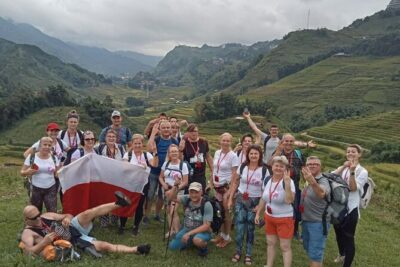
Sapa 3 Day 2 Night Trekking With Hotel & Homestay
Read our review →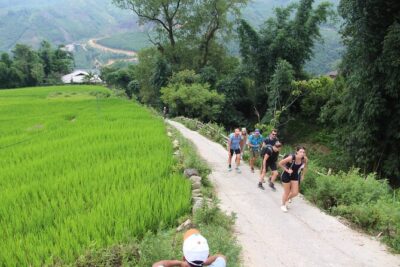
Sapa 2 Days 1 Night Overnight At Local Homestay
Read our review →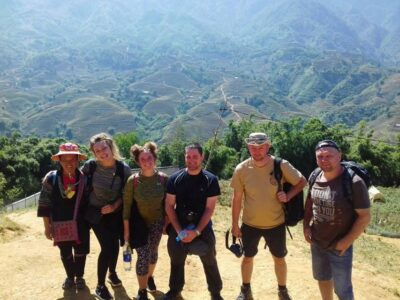
2-Day Trekking Trip with Ethnic Minority Homestay
Read our review →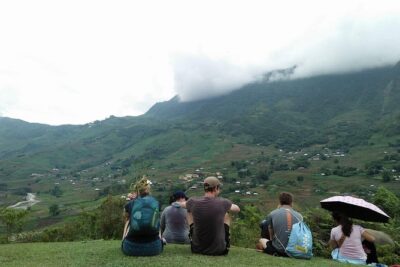
2-Day Trek & Heartwarming Homestay with an Ethnic Family
Read our review →Browse the lists this tour appears in