REVIEW · PALAWAN, PHILIPPINES
From Puerto Princesa: Trek to Batak Tribe Village
A jungle trek with a cultural purpose. This private trip takes you from Puerto Princesa to a Batak village by mountain trail and river, giving you a rare look at one of the Philippines’ smallest Indigenous groups. I like the small-group format and the chance to travel with local guides rather than simply visit a display. I also like that the price includes permits, transport, a guide, and a basic gift for the community.
The main caution is that this is a real village visit, not a staged cultural show. You may meet only a few residents, and there may be no ceremony, traditional clothing, archery, or children present. The walk can also be hot and exposed, so comfortable clothes, water, and sensible expectations matter.
At about five hours, this makes a useful break from Puerto Princesa’s beaches and city stops. But the advertised price of $216 per private group of up to four is best value when shared by four people. Solo visitors or couples pay more per person for an experience that can vary with the day’s village activity.
Key points to know before you go
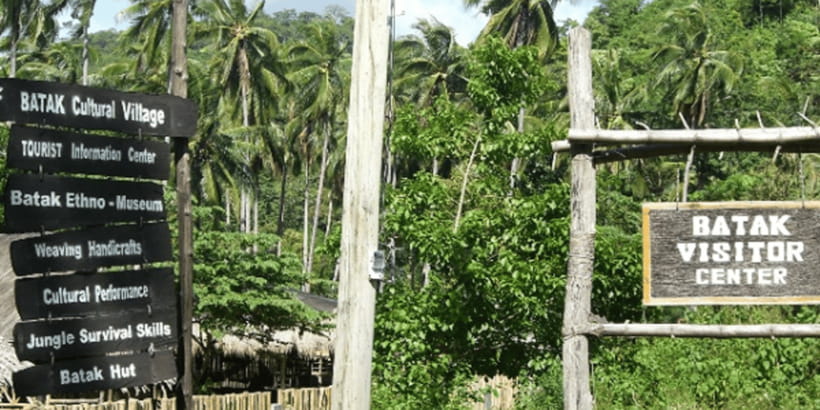
- The Batak Visitor Center is the starting point: It sits in Barangay Conception, about 70 kilometers from Puerto Princesa, and sells local products made by Batak craftspeople.
- The trek takes 75 to 120 minutes each way: Your pace, the mountain path, and several river crossings affect the timing.
- This is a private group experience: The price covers up to four people, with English or Tagalog guiding.
- A practical gift is presented to the community: The token includes items such as coffee, rice, sugar, and other basic supplies.
- The visit is observational rather than theatrical: You may learn about daily life and customs, but no formal ritual or performance is promised.
- The route is unsuitable for some people: It is not recommended for anyone with limited mobility, pregnancy, wheelchair use, or serious medical conditions.
Why the Batak visit is different from a standard Puerto Princesa outing
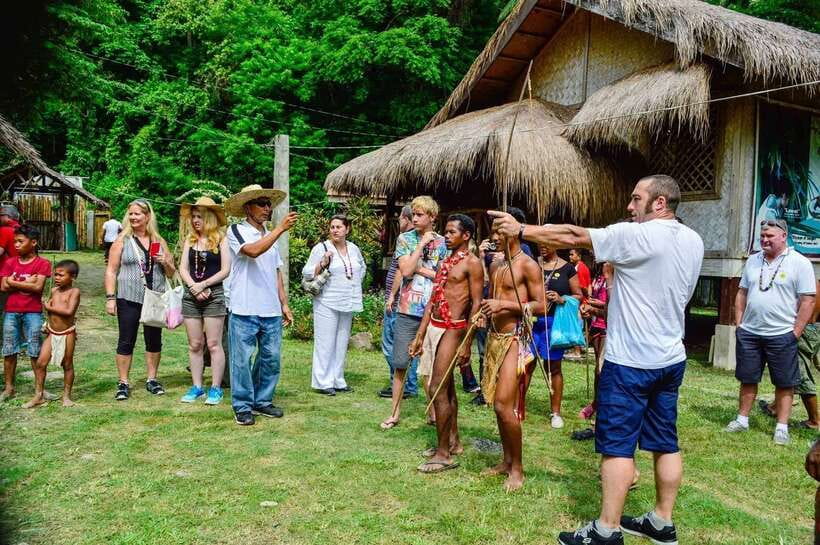
Puerto Princesa is often used as a base for beaches, island trips, and the Underground River. This excursion takes you inland, where the main attraction is not a famous natural monument but contact with a small Indigenous community and the setting in which the Batak live.
The Batak are among the smallest Indigenous groups in the Philippines. That fact gives the visit weight, but it also calls for care. You are not arriving at a museum where every detail is arranged for an audience. Daily life continues on its own schedule.
That can make the experience feel more genuine, but it can also make it quieter than you expect. A visit may involve greeting several community members, sitting with them, observing ordinary activities, and listening to your guide explain Batak traditions and recent history. It may not include a formal welcome or a packed program.
I see that as both the strength and the risk of the trip. If you want a staged show with costumes and demonstrations, this is probably the wrong choice. If you want a modest, guided introduction to a community outside the usual tourist circuit, the uncertainty is part of the point.
A few more treks around the world worth a look
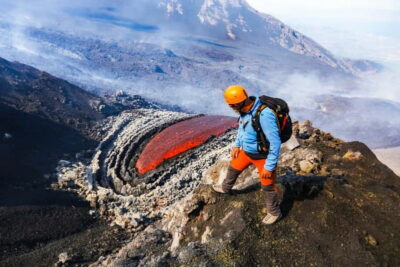
- Mount Etna: Trek to 3000m with cable car and 4×4
★ 4.6 · 3,823 reviews - Bali: Mount Batur Sunrise Trek With Guide and Breakfast
★ 4.8 · 3,461 reviews - From Chania: Full-Day Samaria Gorge Trek Excursion & Guide
★ 4.6 · 3,191 reviews
The 70-kilometer ride from Puerto Princesa
Pickup is included from hotels within 15 kilometers of Puerto Princesa City Airport. The morning drive takes you roughly 70 kilometers from the city to Barangay Conception and the Batak Visitor Center.
Transport is by air-conditioned van, which matters in Palawan’s heat. The road journey also gives you time to shift from city mode to a more rural setting, though the full outing is listed at about five hours, so the schedule is fairly tight once the trek begins.
Because the pickup area is limited, check your hotel location before booking. If you are staying farther than 15 kilometers from the airport, the included pickup and drop-off may not apply.
The tour is private, which is a useful feature. Your group does not have to match another party’s walking speed, and you can ask your guide to explain customs or local life as questions come up. The experience is led in English or Tagalog.
Two guides named Rich and Wilson received especially warm praise for being caring and enthusiastic. Guides make a large difference here because much of the cultural meaning comes through explanation, not through a long list of planned activities.
Starting at the Batak Visitor Center
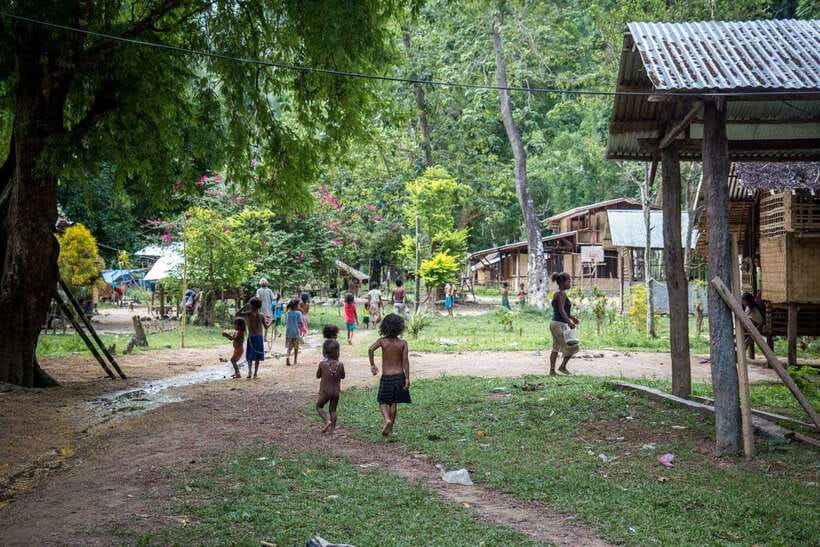
The visitor center in Barangay Conception is more than a meeting point. It offers local products made by Batak craftspeople, giving you a chance to support community work before or after the walk.
This is a good place to use your judgment. Buying a local product can be a direct way to support the people connected with the visit, but you should not feel pressured to purchase something. A clear explanation from your guide about what is made locally and how sales help would make this stop more useful.
The center is also where the tour arranges the token gift for the village. The stated supplies include coffee, rice, sugar, and other basic needs. Bringing practical items rather than novelty gifts is a sensible approach, since the purpose is support rather than entertainment.
One important point is that the gift may not always be handled exactly as you imagine. A French couple reported being asked to buy cakes instead of seeing the listed basic supplies presented. That left them feeling that the visit did not match their expectations. I would ask your guide at the start how the token will be delivered and what it contains that day.
Hiking the mountain trail and river crossings
From the visitor center, you walk through mountainous terrain toward the Batak village. The stated hiking time is 75 to 120 minutes, depending on the pace of your group.
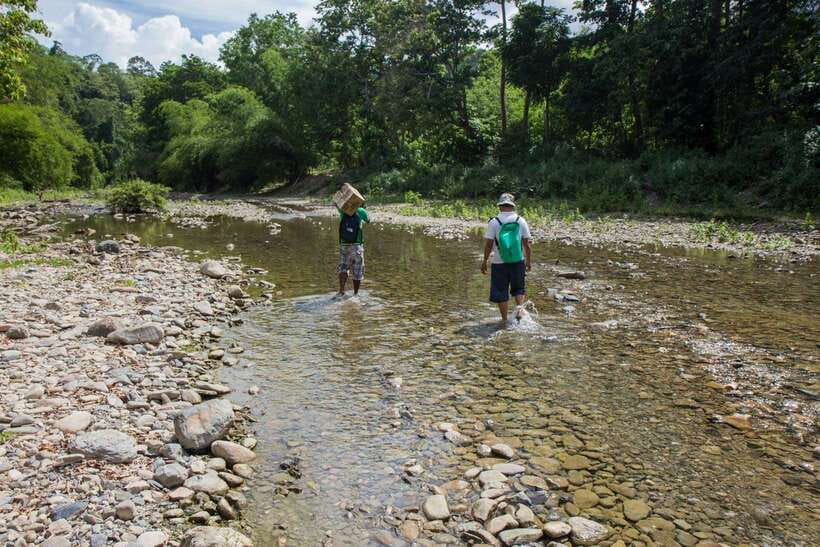
This is not a gentle stroll from a roadside parking area. You cross several rivers and walk on mountain trails, so balance, stamina, and suitable clothing matter. The route can be hot, and one account described long sections in full sun with little shade.
Wear light, comfortable clothing that can handle heat and mud. Closed shoes with a reliable sole are a sensible choice, although the supplied information does not specify a required type of footwear. Bring only what you need. Large bags and luggage are not allowed, and anything bulky will make river crossings and uneven paths more awkward.
Bottled water is included, but you should still think about the conditions before leaving your hotel. Food is not included unless you choose an option that adds lunch. A morning departure helps, but it does not remove the heat.
The river crossings are one of the trip’s more memorable physical features. One account described jumping into a deeper river section with an excellent view. That sounds appealing for confident swimmers, but do not assume every group will have the same stop or that swimming is part of the standard program. The route and conditions can change.
Same trailhead, a longer or shorter day out:
- Mount Etna: Summit Crater Trek with Cable Car
★ 4.8 · 1,875 reviews - La Palma: Tajogaite Volcano Guided Trek
★ 4.8 · 1,810 reviews - Etna: summit craters trekking with volcano guide 3350mt
★ 4.7 · 1,712 reviews - From Rethymno: Samaria Gorge Full-Day Trek, Pickup & Guide
★ 4.5 · 1,610 reviews
Meeting the Batak community
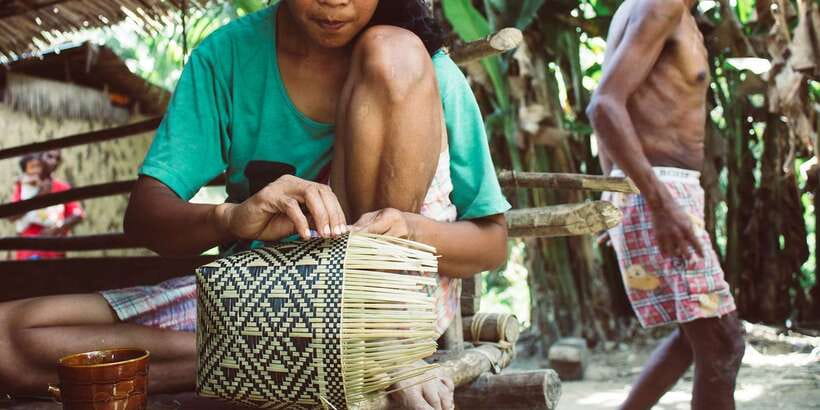
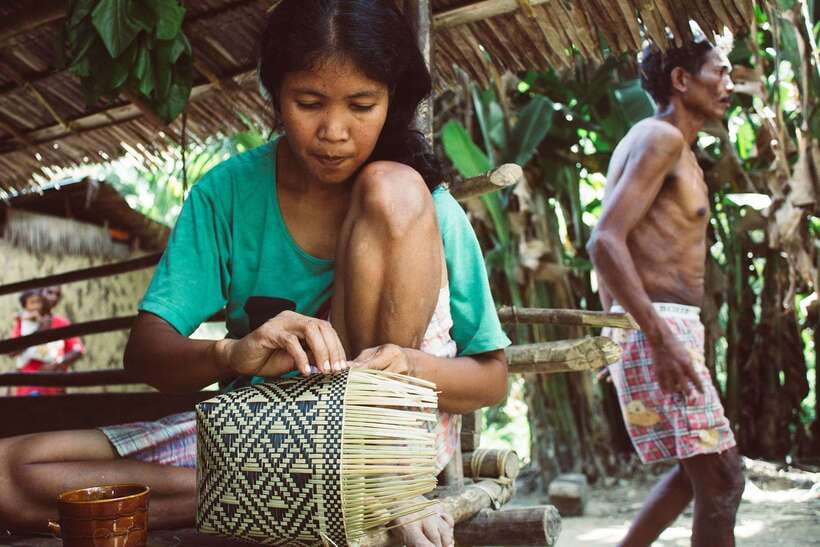
At the village, your guide introduces you to community members and explains Batak customs, history, and daily life. You may sit with residents and observe how they spend their day, rather than move through a series of formal demonstrations.
That distinction matters. One group found the visit impressive and appreciated seeing how Batak people still live. Another group expected a more autonomous community and a fuller cultural presentation, but met only five people. The children were at school, and there were no rituals, traditional outfits, or archery demonstrations.
Neither account should be treated as a contradiction. A village is not a theater, and residents are not required to perform on demand. The people present, the school schedule, the day’s work, and the weather will shape what you see.
Still, the activity description can create a stronger picture than the actual visit always delivers. You should book this for conversation, observation, and context. Do not book it mainly for costumes, ceremonies, archery, or a large village gathering.
Your guide’s role is central. A good explanation can turn a brief meeting into a useful lesson about land, family life, traditions, and change. Without clear interpretation, the visit could feel short or awkward. Rich and Wilson were praised for keeping the group informed and cared for during the walk, which is exactly the kind of guiding this setting needs.
Returning to the visitor center
After time in the village, you retrace the route to the Batak Visitor Center. The return takes you back across the same mountain paths and rivers, so the day is not finished when you reach the community.
For fit walkers, the round trip creates a satisfying sense of having reached somewhere by effort. For anyone who dislikes heat, uneven ground, or river crossings, the return can feel like the hardest part. The 75 to 120-minute estimate applies to the walk in one direction, so allow enough energy for both legs.
This is also why the five-hour duration should be read as a compact estimate rather than a relaxed full-day cultural program. You have transport, two walks, village time, and the visitor center within that window.
Once back at the center, the van takes you to your hotel in Puerto Princesa. The air-conditioned ride is welcome after the trail.
Lunch, price, and what the package really includes
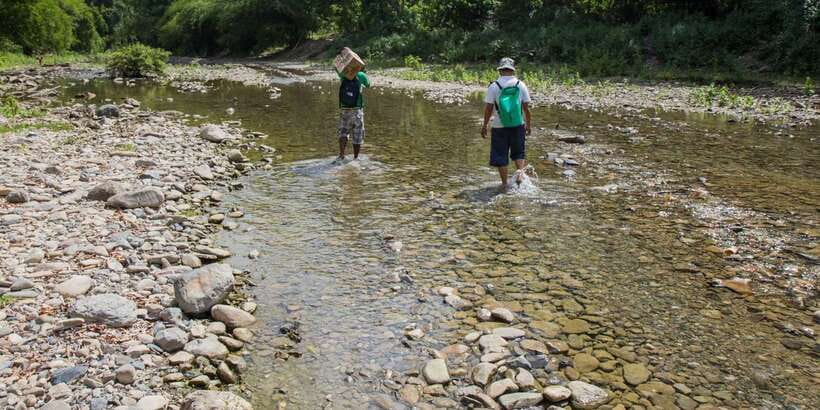
Food is not part of the basic package. An option to add lunch is available, and one account described the meal as good, served at a hotel near the closest road rather than in a local home or village setting.
That detail may affect your decision. If you expect a home-cooked Batak meal, this is not what the available information promises. The meal option is practical after a hot walk, but it is not a central cultural feature.
The price is listed as $216 per private group of up to four. At the maximum group size, that works out to $54 per person before any optional lunch. For four people who value private transport, a licensed guide, permits, entry fees, bottled water, and the community token, that is a fairer calculation than the headline total suggests.
For one or two people, the cost becomes much harder to justify. You are paying for a specialized outing with a long transfer and an experience that may include limited interaction. The value is strongest if your group wants a private guide and is comfortable with the cultural visit being unscripted.
The low overall rating of 3.3 from three bookings reflects this split. Two people rated the experience highly because of the guides, jungle route, cultural explanation, and chance to observe village life. One group felt the price was excessive because the visit did not match the expected cultural presentation. I would take that disagreement seriously rather than treating the tour as a guaranteed highlight.
Who should book this trek?
I would recommend it to people who want to see a less familiar side of Palawan and who are happy to listen more than consume a performance. It suits hikers who can manage a 75 to 120-minute walk each way, river crossings, heat, and a return journey on the same route.
It is also a good fit for a group of four. Sharing the private rate makes the cost easier to accept, and a private group gives you more room to ask questions and move at a comfortable pace.
You should think twice if you need predictable conditions. The number of people at the village, the presence of children, the possibility of traditional demonstrations, and the exact form of the gift may vary. The activity should be described more accurately as a guided village visit with a trek, not as a guaranteed cultural show.
Avoid it if you are pregnant, use a wheelchair, have serious medical conditions, or have a mobility impairment. The walking route, mountain terrain, and river crossings make those limitations important, not minor footnotes.
My verdict on the Batak village trek
I like the basic idea. The trip gets you away from Puerto Princesa’s usual stops, supports a community visit with practical supplies, and uses a private guide to add context. The trail and river crossings give the day a real sense of place, while the Batak village provides an encounter that cannot be reduced to a quick photo stop.
But I would book only after adjusting your expectations. You may meet a small number of residents, and the visit may be quiet. You may not see costumes, rituals, archery, children, or a formal welcome. That does not make the experience worthless, but it does mean the value rests on respectful observation and good guiding.
If you are a group of four, reasonably fit, and interested in Indigenous culture without needing a scripted show, this is worth considering. If you are traveling alone, dislike hot hikes, or want a guaranteed demonstration, spend your budget elsewhere.
FAQ
How long does the Batak village trek take?
The full activity lasts about five hours. The walk from the visitor center to the village takes about 75 to 120 minutes, depending on the pace of the group.
Where does the tour start?
The tour begins at the Batak Visitor Center in Barangay Conception, about 70 kilometers from Puerto Princesa.
Is hotel pickup included?
Yes. Pickup and drop-off are included for hotels within 15 kilometers of Puerto Princesa City Airport.
How many people can join the private group?
The listed price covers a private group of up to four people.
What languages are available?
The live guide service is available in English and Tagalog.
Is lunch included?
No. Food is not included in the standard package. An option to add lunch is available.
What should I wear?
Wear comfortable clothes suitable for a mountain walk and river crossings. Bottled water is included, and large bags or luggage are not allowed.
Is the trek suitable for wheelchair users?
No. The activity is not recommended for wheelchair users, pregnant women, people with mobility impairments, or people with serious medical conditions.
What is included in the price?
The package includes hotel pickup and drop-off within the stated area, a licensed guide, entry fees, tour permits, air-conditioned van transport, bottled water, and a token for the Batak community.
Recently added around the world
- Mt Kilimanjaro Trek, 6 Days – Umbwe Route★ 5.0 · 4 reviews
- 7 Day Trek To The Roof Of Africa Kilimanjaro via Machame Route★ 5.0 · 5 reviews
- Full Day Private Trekking Mu Cang Chai★ 5.0 · 33 reviews
- Mount Kilimanjaro Trek 7-Days: Lemosho Route★ 5.0 · 2 reviews
- 6-Day Kilimanjaro Machame Route – A Stunning Trek to Uhuru Peak★ 5.0 · 7 reviews
- 7-Days Tour Mount Kilimanjaro Trekking via Machame Route★ 5.0 · 2 reviews
- 8 Day Kilimanjaro Trek via Lemosho Route★ 5.0 · 17 reviews
- Trek To Mount Kilimanjaro★ 5.0 · 12 reviews
Trekking Tours, compared.
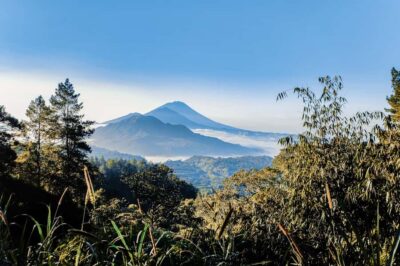
Mount Batur Sunrise Trek With Guide and Breakfast
Read our review →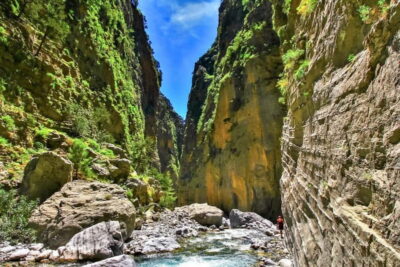
Full-Day Samaria Gorge Trek Excursion & Guide
Read our review →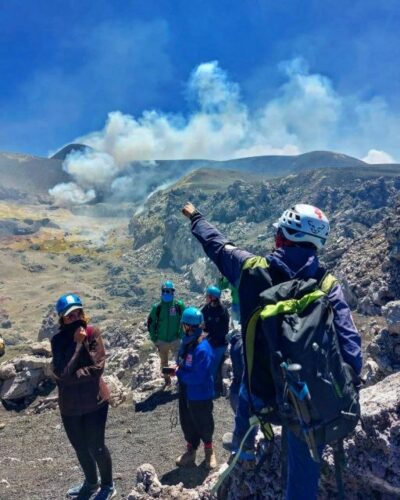
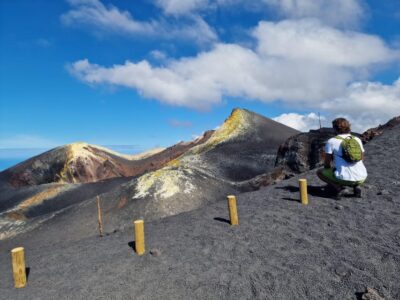
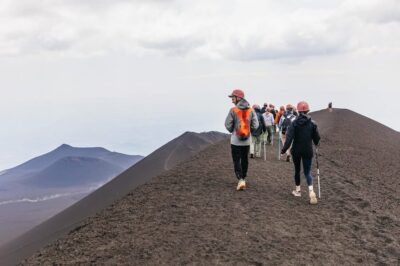
summit craters trekking with volcano guide 3350mt
Read our review →