REVIEW · SOUTH KOREA
Korean Cemetery and Folklore Trek
Step beyond Seoul’s usual sightseeing. This four-hour outing takes you to Yongmi-ri Cemetery, an active mountain cemetery rarely included in standard itineraries. I like the quiet setting and the chance to learn about Korean beliefs surrounding death, burial, and the afterlife. I also like the small maximum of six people, which gives the guide room to make the experience personal.
The main consideration is timing. This tour runs only from September through November and requires moderate physical fitness. You also meet at Samsong Station in Goyang-si, not central Seoul, so you need to plan your route carefully. The included public bus fare helps, but this is not a private door-to-door excursion.
Key points to know before booking
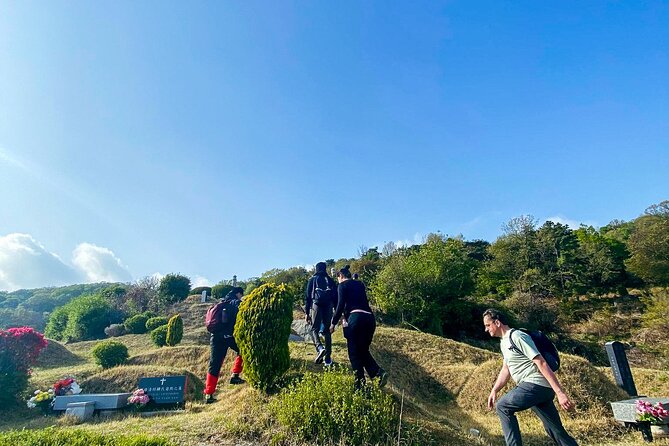
- A rare look at an active cemetery: You visit Yongmi-ri Cemetery, a working burial ground rather than a staged cultural attraction.
- Korean folklore shapes the walk: Your guide explains burial customs, local traditions, and stories about the afterlife.
- Small groups make a difference: With no more than six people, you can ask questions without shouting across a crowd.
- Autumn is the only season: The tour operates from September through November, making it a limited seasonal choice.
- Bus fare is included: Public transportation between the cemetery and the meeting point is covered in the price.
- Shawn brings personal insight: His research and personal experience have earned especially warm praise for making the subject feel intimate.
Why this cemetery visit feels different from ordinary Seoul tours
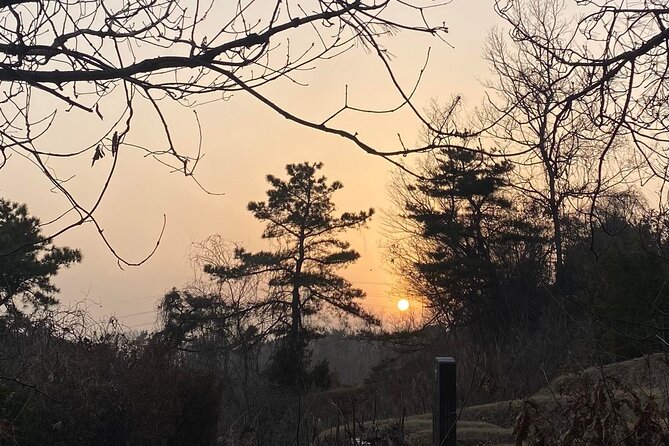
Seoul offers plenty of palaces, markets, towers, and shopping streets. This experience takes you somewhere quieter and more private in character. Instead of presenting Korea through food, architecture, or popular sights, it asks you to consider how Korean culture understands death and remembrance.
That change of pace is the point. You leave the city’s noise behind and walk through a mountain cemetery where burial customs remain part of daily life. The setting is peaceful, but the subject is not treated as a spooky sideshow. The guide’s job is to explain what you are seeing with respect.
I like this approach because it gives you cultural context that can be hard to find on a standard city tour. A cemetery can tell you a great deal about family, tradition, religious ideas, and the way a society relates to the dead. Here, those subjects come through folklore and local stories rather than a classroom lecture.
You should also arrive with the right attitude. This is an active cemetery, so it is not simply a scenic walk with an unusual backdrop. People may have family connections to the site, and respectful behavior matters. Keep your voice low, follow your guide’s instructions, and treat the graves and surrounding area as places of remembrance.
A few more treks around the world worth a look
- Mount Etna: Trek to 3000m with cable car and 4×4
★ 4.6 · 3,823 reviews - Bali: Mount Batur Sunrise Trek With Guide and Breakfast
★ 4.8 · 3,461 reviews - From Chania: Full-Day Samaria Gorge Trek Excursion & Guide
★ 4.6 · 3,191 reviews
Meeting at Samsong Station and leaving Seoul behind
The tour begins at 2:30 pm at Exit 8 of Samsong Station in Goyang-si. That starting point is near public transportation, but you should allow enough time to get there. The meeting point is outside central Seoul, and arriving late could be awkward because the group travels onward together.
From the meeting point, public bus transportation to and from the cemetery is included. This is an important part of the value. You do not need to arrange a taxi for the cemetery portion, and you avoid having to work out a rural transit connection on your own.
The tour does not include private transportation. That means you should not expect a private vehicle, hotel pickup, or a direct ride from a Seoul hotel. The public bus is practical and keeps the experience connected to ordinary local life, but it also means the trip has less privacy and flexibility than a private tour.
I would treat the meeting point as part of the adventure rather than a minor detail. Check the route before departure, especially if you are staying in central Seoul. Since the experience ends back at the meeting point, you can plan your evening from there, but you will need to make your own way back afterward.
Yongmi-ri Cemetery: an active place, not a museum display
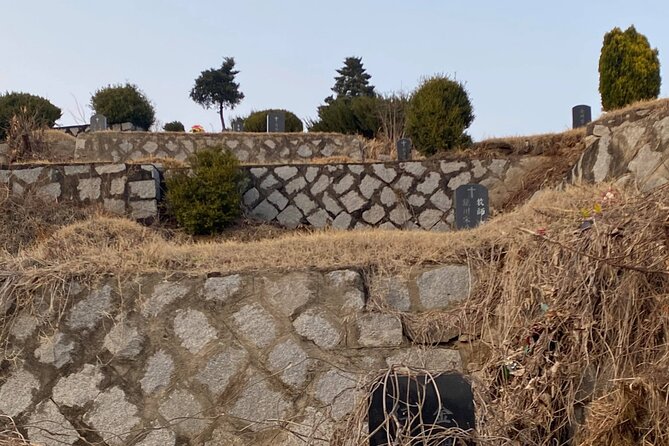
The central stop is Yongmi-ri Cemetery 1, where the guide leads a respectful walk and explains the traditions surrounding the dead. Admission is included, and there is no separate entrance charge to worry about.
The cemetery’s active status gives the visit its meaning. You are not looking at a reconstructed display built only for visitors. You are seeing a place connected to current Korean life, which calls for more care but also makes the experience more genuine.
The provided details do not specify the exact walking route, number of graves, or the type of terrain at each point. You should therefore think of this as a guided cemetery walk in a mountain setting, not as a demanding wilderness hike. Still, moderate physical fitness is required, and comfortable shoes are a sensible choice.
Your guide shares information about Korean burial customs and traditions concerning the afterlife. These subjects can be difficult to understand from a short visit to a temple or palace because the ideas are tied to family practice and local belief. Walking through a real cemetery gives the explanations a clear setting.
I would not book this expecting dramatic monuments or a long list of photographic stops. The value comes from observation, listening, and reflection. The quiet surroundings may be the most important part of the visit, especially after several days in Seoul’s crowded commercial districts.
Folklore, burial customs, and stories about the afterlife
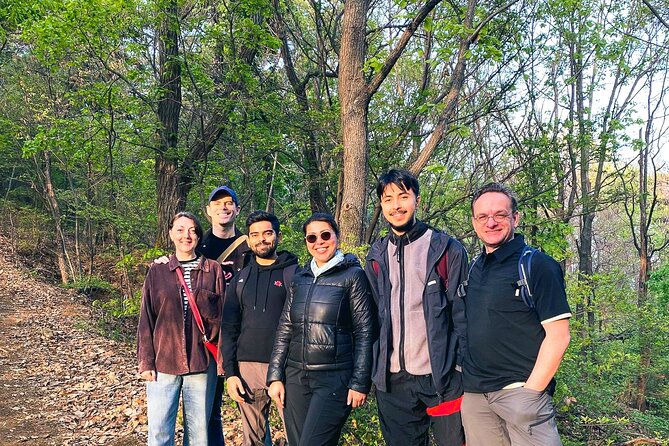
The folklore element gives the tour more personality than a basic cemetery orientation. Rather than only pointing out graves and explaining rules, the guide shares legends and folktales connected to burial and the afterlife.
That matters because customs often make more sense when you hear the stories behind them. Folklore can show how people have explained death, remembered relatives, and understood the boundary between the living and the dead. You may not agree with every belief, but the stories help you see Korean traditions on their own terms.
Shawn is specifically praised for combining careful research with personal experience. That combination is useful here. A purely academic explanation could feel remote, while personal anecdotes without solid background could become vague. The strongest part of this experience appears to be the balance between the two.
The group limit of six supports that style. You can ask about a custom, pause over a story, or request clarification without slowing down a large procession. A small group also suits the subject. Quiet discussion feels more appropriate in a cemetery than the chatter of a full coach tour.
You should remember that the precise stories may depend on the guide and the questions asked. The advertised focus is clear, but no full list of legends is provided. If folklore interests you most, come ready to ask questions about the afterlife, family remembrance, and the meaning of burial traditions.
Same trailhead, a longer or shorter day out:
- Mount Etna: Summit Crater Trek with Cable Car
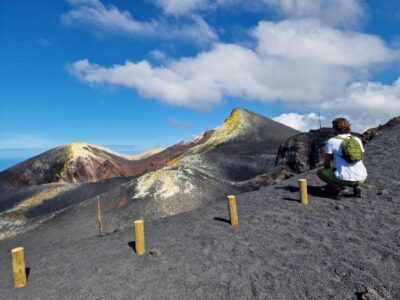
★ 4.8 · 1,875 reviews - La Palma: Tajogaite Volcano Guided Trek
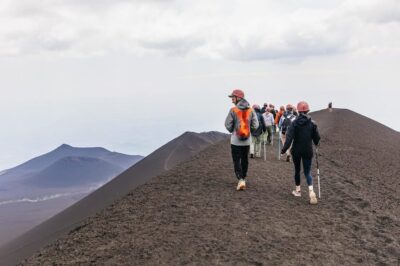
★ 4.8 · 1,810 reviews - Etna: summit craters trekking with volcano guide 3350mt
★ 4.7 · 1,712 reviews - From Rethymno: Samaria Gorge Full-Day Trek, Pickup & Guide
★ 4.5 · 1,610 reviews
Four hours in the mountains, with time to slow down
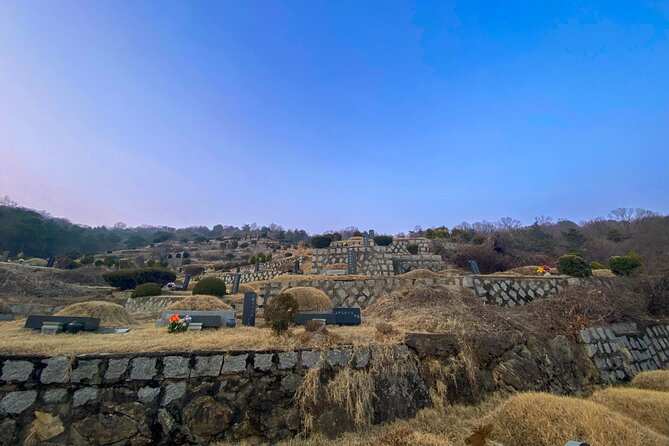
The full experience lasts about four hours. That includes the cemetery visit and the public bus travel between the meeting point and the site. The length gives the tour enough time to feel substantial without taking an entire day from your Seoul itinerary.
Starting at 2:30 pm also shapes the day. You can spend the morning visiting a palace, museum, or market, eat lunch, and then head to Samsong Station. After the tour ends back at the meeting point, you still have part of the evening available, though your return journey will take planning.
The seasonal schedule runs from September through November. This is a limitation, but it also gives the walk a clear character. Autumn is a natural time for reflection, and the shorter operating window makes the experience something to plan around rather than a last-minute daily option.
Weather matters. The tour requires good conditions, and poor weather can lead to cancellation, with the choice of another date or a full refund. I would avoid placing this experience on the last possible day of your trip. A little flexibility protects you from losing the opportunity if conditions turn bad.
The walk requires moderate physical fitness. The supplied information does not give a distance, elevation gain, or exact surface conditions, so you should not assume a flat city stroll. If you have mobility concerns, ask the provider for current route details before booking.
Is $66 a fair price?
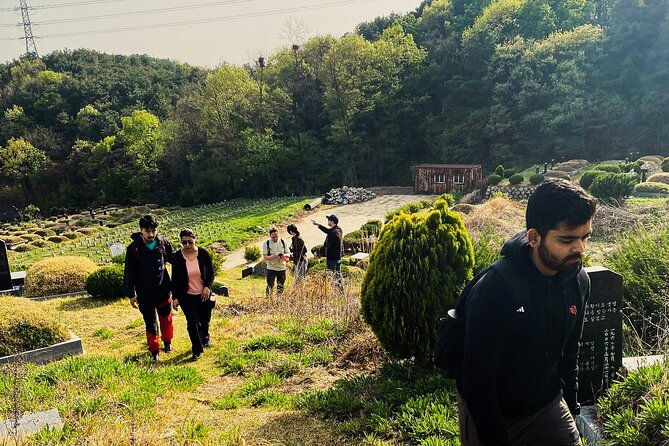
At $66 per person, this is not the cheapest way to spend four hours near Seoul. You are paying for more than transportation, though. The fee includes the guided cultural interpretation, all fees and taxes, and public bus fare in both directions.
The small group is the strongest value point. A maximum of six people makes the experience more focused than a large group walk, and it gives you a better chance to engage with the guide. For a subject that depends on explanation and respectful conversation, that matters more than a long checklist of sights.
You should not judge the price by the number of attractions. There is one main cemetery stop. The value is in the access, the setting, and the guide’s explanation of customs that you would be unlikely to understand on your own.
I would consider the price reasonable if you are interested in culture beyond the familiar Seoul highlights. If you mainly want scenic viewpoints, active hiking, or major historic buildings, you may find the cost harder to justify. This is a specialized experience, and its appeal depends on curiosity about Korean beliefs and everyday traditions.
The 5.0 rating from 41 reviews, with 100 percent recommending it, supports the idea that the tour delivers well for the right audience. The especially strong praise goes to Shawn’s personal and research-based approach, not to flashy production or a long list of included attractions.
Who will enjoy this experience most?
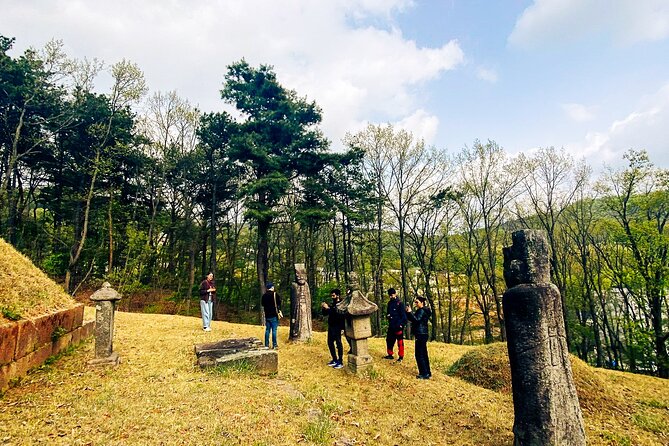
I would recommend the tour to you if you have already seen some of Seoul’s main sights and want a quieter cultural experience. It also suits people who enjoy folklore, local customs, respectful walking tours, and conversations about how societies understand death.
It can work well for solo visitors and couples because the group is capped at six. You are less likely to feel lost in a crowd, and the guide can respond to individual interests. The small size may also help if you are hesitant to ask questions in a large group.
This is less suitable if you want an easy sightseeing trip with no physical demands. Moderate fitness is required, and the setting is a cemetery in the mountains. It may also not suit visitors who prefer private transportation or who do not want to spend time in an active burial site.
Families should consider the age and interest of younger participants. The subject is cultural and educational, but it involves death and the afterlife. The provider states that service animals are allowed, which is useful if that applies to you.
Practical advice for a respectful visit
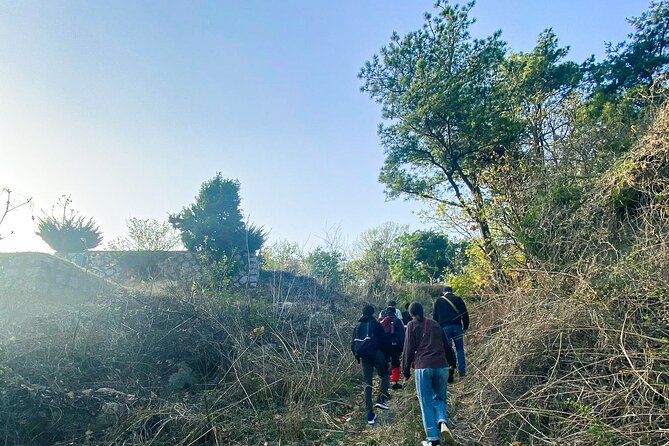
Wear shoes you can walk in comfortably. The exact route details are not provided, but the experience takes place in a mountain cemetery and calls for moderate physical fitness. Bring only what you need, and keep your clothing and behavior appropriate for a place of remembrance.
Arrive at Samsong Station Exit 8 with time to spare. The group leaves from there, and the included bus transportation is part of the planned experience. You do not need to pay separately for the public bus between the cemetery and the meeting point.
Keep the afternoon open for the full four hours. The tour returns to the meeting point, but it is not described as flexible or customizable. If you have a dinner reservation on the other side of Seoul, allow extra time for the journey back.
The tour accepts mobile tickets, and confirmation is provided at booking. It can be canceled for a full refund up to 24 hours before the start time. Changes or cancellations inside that 24-hour window are not accepted, so check the forecast and your schedule before the deadline.
Should you book the Korean Cemetery and Folklore Trek?
Book it if you want a thoughtful look at Korean culture that goes beyond palaces, food, and shopping. The active cemetery, mountain setting, small group, and folklore make this a distinctive four-hour outing, and Shawn’s mix of research and personal insight is a strong reason to expect a meaningful tour.
Skip it if you want a major landmark, a private vehicle, or a strenuous mountain hike. The experience is seasonal, weather-dependent, and centered on a quiet cemetery rather than a packed sightseeing schedule.
For the right visitor, $66 buys access to a place you would be unlikely to understand on your own. You leave Seoul’s usual route, listen to stories about the dead, and gain a more personal view of how Korean tradition treats remembrance and the afterlife.
FAQ
Where does the Korean Cemetery and Folklore Trek begin?
It begins at Samsong Station Exit 8 in Goyang-si, South Korea.
What time does the tour start?
The tour starts at 2:30 pm.
How long does the experience last?
It lasts approximately four hours and ends back at the meeting point.
Is transportation included?
Public bus fare between the meeting point and the cemetery is included. Private transportation is not included.
How large is the tour group?
The tour has a maximum of six travelers.
When does this seasonal tour operate?
It operates from September through November. The experience also requires good weather, and poor conditions may lead to a new date or a full refund.
Recently added around the world
- Mt Kilimanjaro Trek, 6 Days – Umbwe Route★ 5.0 · 4 reviews
- 7 Day Trek To The Roof Of Africa Kilimanjaro via Machame Route★ 5.0 · 5 reviews
- Full Day Private Trekking Mu Cang Chai★ 5.0 · 33 reviews
- Mount Kilimanjaro Trek 7-Days: Lemosho Route★ 5.0 · 2 reviews
- 6-Day Kilimanjaro Machame Route – A Stunning Trek to Uhuru Peak★ 5.0 · 7 reviews
- 7-Days Tour Mount Kilimanjaro Trekking via Machame Route★ 5.0 · 2 reviews
- 8 Day Kilimanjaro Trek via Lemosho Route★ 5.0 · 17 reviews
- Trek To Mount Kilimanjaro★ 5.0 · 12 reviews
Trekking Tours, compared.
Mount Batur Sunrise Trek With Guide and Breakfast
Read our review →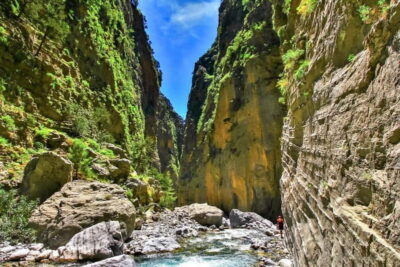
Full-Day Samaria Gorge Trek Excursion & Guide
Read our review →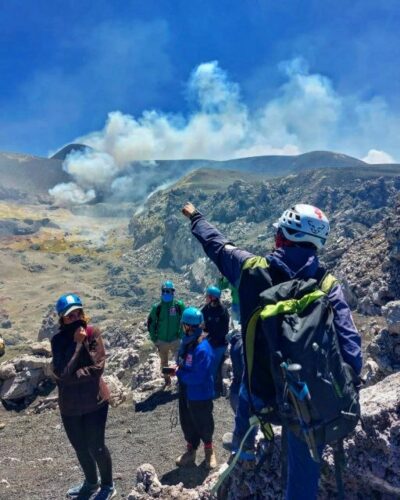
summit craters trekking with volcano guide 3350mt
Read our review →