REVIEW · PARO, BHUTAN
Best of Bhutan Tour( Culture- Hikes- Short Trek- Monastic Stay)
Bhutan rewards travelers who slow down. This five-day private tour combines sacred sites, mountain walks, local food, and a rare monastery stay into a compact trip through Paro, Thimphu, and Punakha. I like the strong cultural focus, especially the chance to attend morning prayer at Dodedrak Monastery and share dinner with a local farm family.
I also like that private transportation, a guide, accommodation, meals, visa, and Bhutan’s daily Sustainable Development Fee are included in the $1,370 price. The main consideration is physical effort: several days include uphill walking, with the Tiger’s Nest hike taking about four hours. This is not a sit-back-and-watch-the-view tour, and the schedule may feel busy if you prefer a slower pace.
What makes this Bhutan tour special
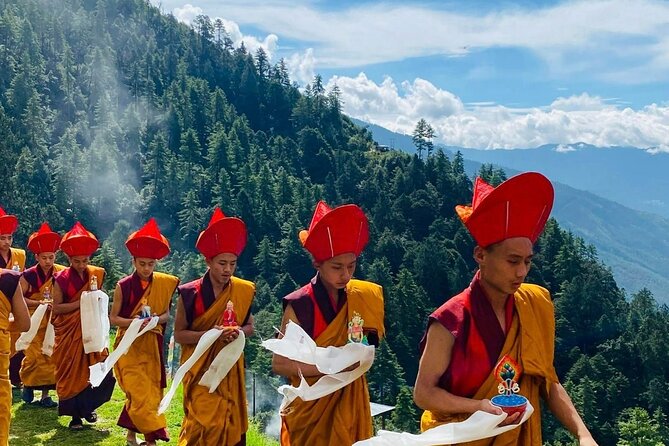
- A real monastery stay at Dodedrak: Sleep close to a working Buddhist monastery and rise for morning prayer with the monks.
- Tiger’s Nest is built into the plan: The four-hour hike to Paro Taktsang is the trip’s big physical and spiritual challenge.
- Three very different walks: You hike through pine forest to Wangditse, follow rural tracks near Pangri Zampa, and walk through fields to Chimi Lhakhang.
- Local life is part of the schedule: A farm dinner lets you meet a family rather than simply eating in hotel dining rooms.
- Private guiding makes the pace flexible: Your group travels alone, with a guide and driver rather than joining a large coach.
- The price covers major Bhutan costs: The visa, accommodation, meals, private transport, taxes, fees, and the $100 nightly SDF are included.
A compact route through Bhutan’s cultural heart
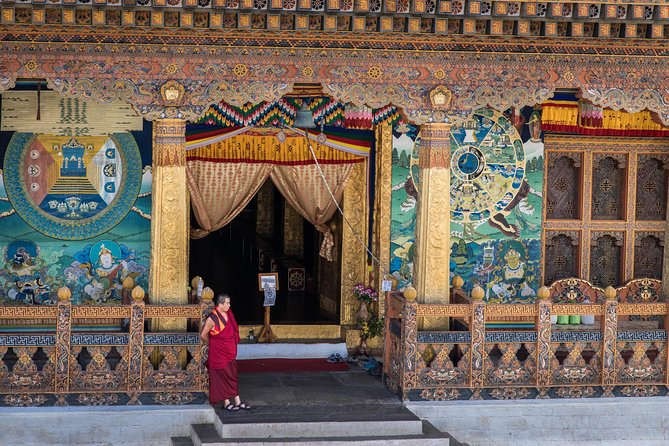
This five-day Bhutan itinerary covers a lot of ground. You begin at Paro International Airport, move through Thimphu and Punakha, spend time at Dodedrak Monastery, and return to Paro for Tiger’s Nest.
That route works because each area offers something different. Paro gives you Bhutan’s most famous monastery and airport valley. Thimphu brings markets, government-era architecture, and mountain temples. Punakha adds rivers, old royal architecture, and farm paths.
I like the balance between major sights and smaller stops. You are not only ticking off Bhutan’s best-known buildings. You also walk across a prayer-flag-covered bridge, visit a Buddhist astrology college, enter a weekend market, and meet a local family over dinner.
The tradeoff is the short duration. Five days gives you a clear introduction, but not much spare time. Road journeys and mountain routes can make the days feel full, even though the listed stops themselves are carefully timed.
A few more treks around the world worth a look
- Mount Etna: Trek to 3000m with cable car and 4×4
★ 4.6 · 3,823 reviews - Bali: Mount Batur Sunrise Trek With Guide and Breakfast
★ 4.8 · 3,461 reviews - From Chania: Full-Day Samaria Gorge Trek Excursion & Guide
★ 4.6 · 3,191 reviews
Day 1: From Tachogang Bridge to Thimphu’s hilltop temples
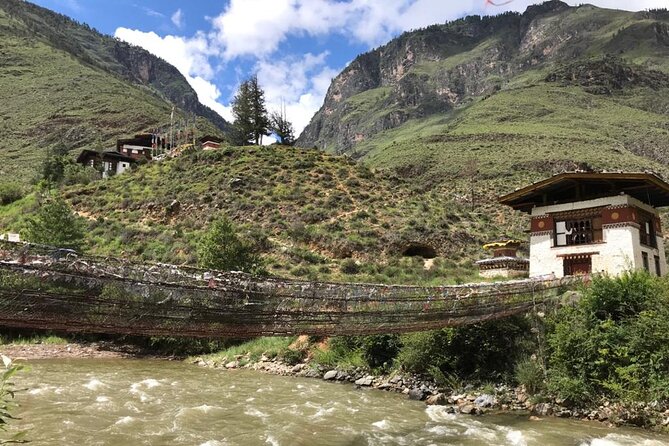
Your first day begins with a stop at Tachogang Lhakhang Bridge, a historic iron bridge crossing the Paro River. Prayer flags line the approach, making this a gentle first walk after your arrival. The bridge leads toward Tachogang Temple, and the one-hour visit gives you an early look at Bhutanese religious architecture without demanding much effort.
From there, the route continues to Simtokha Dzong, about five miles from Thimphu. This fortress is described as the oldest in the kingdom, and its position on a ridge gives it a commanding view of the Thimphu Valley. Allow about 40 minutes here. It is a compact stop, but a useful introduction to Bhutan’s dzong design and defensive past.
Next comes Buddha Dordenma at Kuensel Phodrang. The seated Buddha rises 51.5 meters above the hill, so this is a place for scale rather than a long visit. The planned stop is about 30 minutes, enough to look across the valley and take in the statue’s enormous proportions.
The most active part of the day is the walk to Wangditse Monastery. The route takes about an hour and a half through pine forest, past apple farms and local homes. The total stop is listed at two hours. It is called an easy hike, but you should still wear shoes with a firm grip and bring water. The appeal is the setting: you trade the road for a forest path and reach a quiet hilltop temple above Thimphu.
The day ends at Centenary Farmers Market, open Thursday through Sunday. Vendors sell regional food, incense, spices, and unusual products such as yak legs. This is a good place to see how Bhutanese shopping looks and smells, rather than passing through a market built for tourists.
The market stop depends on your arrival day. If your tour begins outside the market’s Thursday to Sunday opening period, this part of the schedule may not be available.
Day 2: A rural walk and a night at Dodedrak
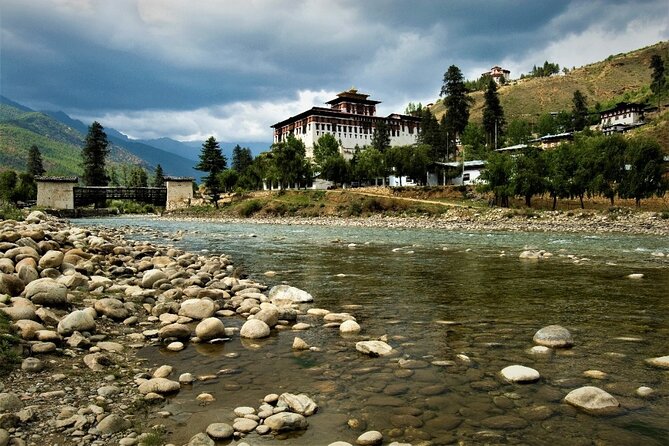
Day two heads toward Pangri Zampa, at the northern end of the Thimphu Valley. The stop includes the Buddhist College of Astrology and the Temple of the 21 Tara Devi. You also walk on rural tracks away from the main road, which gives this portion a quieter feel than the city visits.
The main challenge comes afterward: the hike to Dodedrak Buddhist Monastery takes about four hours. The route climbs toward a hilltop monastery, with views opening out as you gain height. The schedule describes it as a soul-stirring walk, but the practical point is simpler: four hours is a serious half-day outing, even if the route is not presented as technical.
This is where the tour becomes different from a standard sightseeing circuit. You stay at the monastery, according to the experience details and direct tour feedback. A monastery stay is not a hotel substitute with the same level of routine and comfort. It is valuable because you are close to an active religious community, but you should be ready for a simpler setting and a more structured day.
The strongest praise for the trip centers on the people who make these transitions easy. One solo visitor singled out guide Tandin Dorji and driver Pema for going beyond the planned route around Paro. Another account describes the guide and driver, both named Tandin Wangchuk, as friendly and proud of their country. The names may refer to different departures, so confirm your assigned team, but the consistent message is clear: the guide-driver partnership is an important part of the experience.
Day 3: Morning prayer, mountain views, and Punakha Dzong
Dodedrak is not just an overnight stop. You rise early for morning prayer, with the monastery bell calling the monks to the service. The scheduled visit lasts about an hour. You should approach this respectfully and follow your guide’s instructions, since this is a working religious site rather than a staged cultural show.
The drive toward Punakha includes Dochula Pass at 3,100 meters. The pass is marked by 108 Buddhist shrines, and on a clear day you may see Himalayan peaks to the northeast. Weather matters here. Cloud can hide the distant mountains, but the shrines and prayer flags still make the stop worthwhile.
High altitude can affect some people even on a short visit. Move slowly, drink water, and do not judge the whole tour by how you feel during a brief stop at the pass.
Next comes the walk to Chimi Lhakhang, about five minutes from Sopsokha Village. The short approach passes painted buildings and rural scenery before reaching the temple. Compared with the Dodedrak and Tiger’s Nest hikes, this is an easy cultural walk. It also gives you a closer look at village life and agricultural surroundings.
Punakha Dzong is the day’s major architectural sight. Built where two rivers meet, it was Bhutan’s capital until 1955 and remains the winter residence of the central monk body. The one-hour visit is short, so listen closely to your guide and pay attention to the setting as much as the building itself.
The dzong’s location is part of its power. Rivers frame the structure, while the surrounding valley feels warmer and more rural than high Thimphu. I like that the tour places Punakha after the monastery stay. You have already seen an active religious setting, so the dzong’s political and spiritual role has more context.
Same trailhead, a longer or shorter day out:
- Mount Etna: Summit Crater Trek with Cable Car
★ 4.8 · 1,875 reviews - La Palma: Tajogaite Volcano Guided Trek
★ 4.8 · 1,810 reviews - Etna: summit craters trekking with volcano guide 3350mt
★ 4.7 · 1,712 reviews - From Rethymno: Samaria Gorge Full-Day Trek, Pickup & Guide
★ 4.5 · 1,610 reviews
Day 4: The four-hour climb to Tiger’s Nest
The journey returns to Paro early for the hike to Paro Taktsang, better known as Tiger’s Nest. The monastery sits at about 3,120 meters, attached to a cliff above the valley. The visit takes approximately four hours, making it the hardest and most famous walk on the trip.
You should treat this as a genuine hike, not a short stroll to a viewpoint. The route gains height, and the altitude adds to the effort. A moderate level of physical fitness is required for the tour, but I would prepare with regular uphill walking before arrival. Wear sturdy shoes, keep your pace steady, and avoid using the first part of the climb to prove anything.
The reward is not only the monastery itself. The route builds toward a dramatic view of the complex perched on the rock face, followed by a closer look at one of Bhutan’s most sacred sites. The setting explains why this is the centerpiece of so many Bhutan trips.
The early start is sensible. It leaves more room for the climb and avoids trying to squeeze the visit into a rushed afternoon. Still, Day Four may be tiring after the previous hiking days. If you want an easy final day, this schedule will not provide it.
Day 5: Airport transfer and a clean finish
The final day is simple. Your team drives you to Paro International Airport and says goodbye. The airport transfer is included, and the activity ends back at the meeting point.
That straightforward finish is useful after a trip with several long days. You do not need to arrange a separate transfer or work out how to get from your accommodation to the airport.
What the $1,370 price really covers
At $1,370 per person, this tour is not a budget day-trip product. It is a bundled Bhutan journey, and the inclusions matter.
The price includes:
- Bhutan’s Sustainable Development Fee at $100 per person per night
- Bhutan visa
- Accommodation
- Private transportation
- Guide
- Taxes, fees, and charges
- Four lunches
- Five breakfasts
- Four dinners
Alcohol and other drinks are not included. A single supplement of $300 applies if you want your own room or single arrangement.
The food plan is useful because the route includes several full days away from a base. The local farm dinner is especially worthwhile. You meet the family and eat in a setting tied to daily Bhutanese life, which gives the trip a personal touch that a standard restaurant meal cannot match.
The price offers better value if you want a ready-made private trip. You are paying for transport, a guide, accommodation, government charges, and a focused route, not simply for entry to a few monuments. The value is less obvious if you already have transport and lodging arranged or want to spend several days in one place.
The tour is commonly booked about 66 days ahead. That is a useful planning guide, especially since Bhutan travel involves a visa, international arrival arrangements, and a private schedule.
Who should book this experience?
I would recommend it to you if you want a first look at Bhutan with a strong emphasis on temples, monasteries, architecture, and short outdoor walks. It suits solo visitors, couples, families with fit older children, and small private groups who value having their own guide and driver.
It is particularly good for you if:
- You want Tiger’s Nest without arranging the entire trip yourself.
- You prefer private transportation to a large group coach.
- You are curious about Buddhist practice, not just Bhutanese scenery.
- You enjoy walking through forests, villages, and mountain routes.
- You want a local farm dinner and a monastery stay.
- You can manage four-hour hikes and repeated uphill sections.
I would hesitate if you dislike early starts, simple religious accommodation, or full touring days. The schedule includes several walks, and the altitude around Dochula Pass and Tiger’s Nest can make those walks feel harder than their time estimates suggest.
The tour requires good weather. If weather causes cancellation, you are offered another date or a full refund. You can cancel for a full refund up to 24 hours before the start time, but changes or cancellations inside that window are not accepted.
Final verdict: a strong first Bhutan trip
You should book this tour if you want Bhutan’s main cultural sights with meaningful time on foot and personal contact with local people. The monastery stay, morning prayer, farm dinner, and private guide service give it more character than a basic monument-to-monument route.
The main question is stamina. If you can handle the Dodedrak walk and Tiger’s Nest climb, the five-day plan delivers a lot: old fortresses, sacred temples, a market, mountain passes, village paths, and two very different kinds of religious experience.
I would choose it for a first visit when time is limited, especially if the guide and driver support matters to you. I would not choose it for a slow holiday. This is a focused introduction to Bhutan, with plenty of uphill walking and very little wasted time.
FAQ
Where does the Bhutan tour begin?
It begins at Paro International Airport on Airport Road in Paro, Bhutan.
Where does the tour end?
The tour ends with a transfer back to Paro International Airport on the fifth day.
How long is the experience?
The tour lasts approximately five days.
Is this a private tour?
Yes. Only your group participates, and private transportation is included.
What level of fitness is required?
A moderate level of physical fitness is recommended. The itinerary includes a four-hour hike to Dodedrak Monastery, a four-hour hike to Tiger’s Nest, and shorter walks at other sites.
Is the Bhutan visa included?
Yes. The Bhutan visa is included in the tour price.
Is Bhutan’s Sustainable Development Fee included?
Yes. The price includes the SDF at $100 per person per night.
Are meals included?
Yes. The package includes five breakfasts, four lunches, and four dinners. Alcohol and other beverages are not included.
Can the tour be canceled for a full refund?
Yes. You can cancel at least 24 hours before the experience begins for a full refund. If poor weather causes cancellation, you are offered a different date or a full refund.
Recently added around the world
- Mt Kilimanjaro Trek, 6 Days – Umbwe Route★ 5.0 · 4 reviews
- 7 Day Trek To The Roof Of Africa Kilimanjaro via Machame Route★ 5.0 · 5 reviews
- Full Day Private Trekking Mu Cang Chai★ 5.0 · 33 reviews
- Mount Kilimanjaro Trek 7-Days: Lemosho Route★ 5.0 · 2 reviews
- 8 Day Kilimanjaro Trek via Lemosho Route★ 5.0 · 17 reviews
- 6-Day Kilimanjaro Machame Route – A Stunning Trek to Uhuru Peak★ 5.0 · 7 reviews
- 7-Days Tour Mount Kilimanjaro Trekking via Machame Route★ 5.0 · 2 reviews
- Trek To Mount Kilimanjaro★ 5.0 · 12 reviews
Tours, compared.
Full-Day Samaria Gorge Trek Excursion & Guide
Read our review →
Mount Etna Trekking Tour Beyond the Tourist Trails
Read our review →
Etna Sunset Tour: Volcano trek, Cave & tasting from Catania
Read our review →
3-in-1: Doi Inthanon Tour, Elephant Sanctuary, and Trekking Trail
Read our review →
Mount Batur Sunrise Trekking Private Tour with Breakfast and Hotel Transfer
Read our review →
Perito Moreno Glacier Trekking Tour and Cruise
Read our review →