REVIEW · ISLAMABAD, PAKISTAN
K2 Base Camp & GONDOGORO LA TREK
Few journeys reach this far into the mountains. This 18-day K2 Base Camp and Gondogoro La trek takes you from Islamabad through Skardu, across the Baltoro Glacier, and into the shadow of K2. I especially like the dramatic mix of road travel, glacier trekking, and village life, plus the chance to see K2, Broad Peak, Gasherbrum, Masherbrum, and Laila Peak in one route. The main catch is the price, around $2,600, which does not include permits, insurance, rescue cover, or air tickets.
I also like the practical shape of the trip. There are acclimatization days, three meals a day during the trek, transport between Skardu, Askole, Hushe, and Skardu, and a group limit of 16 people. This is not a soft adventure, though. You will sleep at altitudes up to about 5,585 meters and cross rough moraine, glaciers, and a demanding high pass.
Five things that matter most on this trek
- K2 Base Camp at about 5,050 meters: Reach the foot of the world’s second-highest mountain by following the Godwin-Austen Glacier from Concordia.
- Gondogoro La at 5,585 meters: The pass adds a serious mountaineering feel, with a steep ascent, an early start, and broad views of K2, Broad Peak, Gasherbrum, and Masherbrum.
- Concordia’s mountain panorama: This high camp is the visual heart of the trip, with a reported 360-degree view of some of the Karakoram’s tallest peaks.
- Baltoro Glacier camps: Khoburtse, Urdukas, Goro II, and Concordia bring you across one of the world’s great glacial corridors.
- Strong logistics and meals: English and Spanish-speaking guides, transport on the long road sections, and three trekking meals daily make the remote route easier to manage.
- A genuine expedition atmosphere: Small groups, portered camping arrangements, remote villages, and long days on foot give this trip a serious sense of place.
Islamabad gives you a calm first step
Your trip begins with airport pickup in Islamabad and a transfer to your hotel. That simple arrival service matters after a long international flight, especially when the next morning brings a full day on the road.
The first day also includes a short visit to the Pakistan Monument Museum. Allow about 40 minutes, with admission paid separately. It offers an introduction to Pakistan’s regions and cultures before you head north into the mountains.
You have some free time in Islamabad to rest, visit a café, or take a short walk. That breathing space is useful. The trek itself is demanding, so arriving rested is worth more than trying to pack every city sight into the first evening.
A few more treks around the world worth a look
- Mount Etna: Trek to 3000m with cable car and 4×4
★ 4.6 · 3,823 reviews - Bali: Mount Batur Sunrise Trek With Guide and Breakfast
★ 4.8 · 3,461 reviews - From Chania: Full-Day Samaria Gorge Trek Excursion & Guide
★ 4.6 · 3,191 reviews
The Karakoram Highway is part of the adventure
Day 2 is a long drive toward Chilas along the Karakoram Highway. The road passes through changing mountain scenery and climbs toward Babusar Top, at about 4,173 meters. From the pass, you can expect wide views of peaks, valleys, and glaciated slopes.
Chilas is more than a place to sleep. It is an important staging point for expeditions into the Karakoram, and the surrounding area contains old rock carvings and petroglyphs associated with the Gandhara period. The town also offers a look at local life before the route becomes much more remote.
The road days are scenic, but they are not light sightseeing days. Expect long periods in a vehicle, winding mountain roads, and changes in altitude. If you prefer to spend most of your holiday walking, remember that the first part of the program includes substantial driving.
Chilas to Skardu follows the Indus River
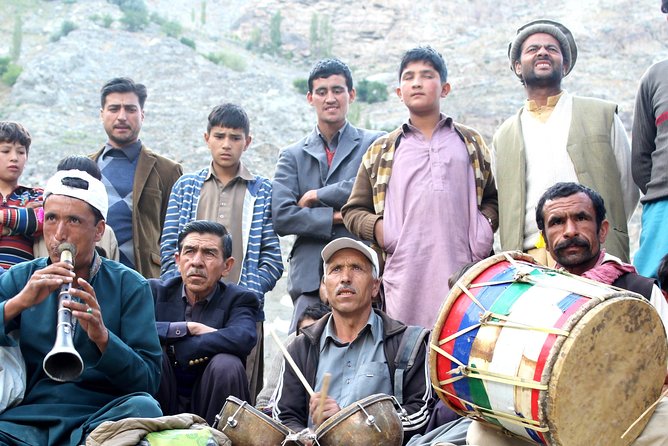
Day 3 continues toward Skardu along the Karakoram Highway and the Gilgit-Skardu Road. One of the strongest visual moments is the drive beside the Indus River, where deep water cuts through stark mountain walls.
You stop near the meeting point of the Karakoram, Himalaya, and Hindu Kush ranges. A short stop at the Nanga Parbat viewpoint gives you a look at the 8,126-meter mountain, often called the Killer Mountain. The scheduled viewpoint stop is brief, about 20 minutes, so have your camera ready.
Skardu is the last major preparation point before the trek. The plan includes a pre-trek briefing, a gear check, and time to visit Skardu Bazaar. You may also have time for a short excursion to Sheosar Lake or Deosai National Park, but that depends on the day and local conditions.
The value of Skardu is practical as much as scenic. You can organize final supplies, confirm the route, and get a clearer idea of what lies ahead. The guide team also reviews safety procedures and the daily schedule here.
Askole marks the start of the real trek
On Day 4, a rough jeep road carries you from Skardu to Askole, at about 3,050 meters. This is the last village before the walking route begins. The ride passes steep valleys, remote settlements, and high peaks, with road conditions becoming increasingly basic.
Askole has an important place in K2 trekking. From here, the trip shifts from road travel to foot travel, camps, and long days outside. You spend the night at camp or a lodge and have time to adjust before setting off.
That jeep transfer is not a minor detail. It is a remote mountain road, and the schedule may feel tiring before the first official trekking day even begins. The payoff is access to a part of the Karakoram that cannot be reached by ordinary road travel.
Same trailhead, a longer or shorter day out:
- Mount Etna: Summit Crater Trek with Cable Car
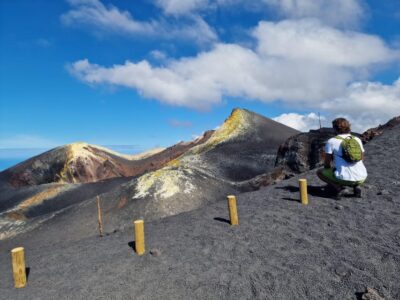
★ 4.8 · 1,875 reviews - La Palma: Tajogaite Volcano Guided Trek
★ 4.8 · 1,810 reviews - Etna: summit craters trekking with volcano guide 3350mt
★ 4.7 · 1,712 reviews - From Rethymno: Samaria Gorge Full-Day Trek, Pickup & Guide
★ 4.5 · 1,610 reviews
Jhola and Paiyu introduce the walking rhythm
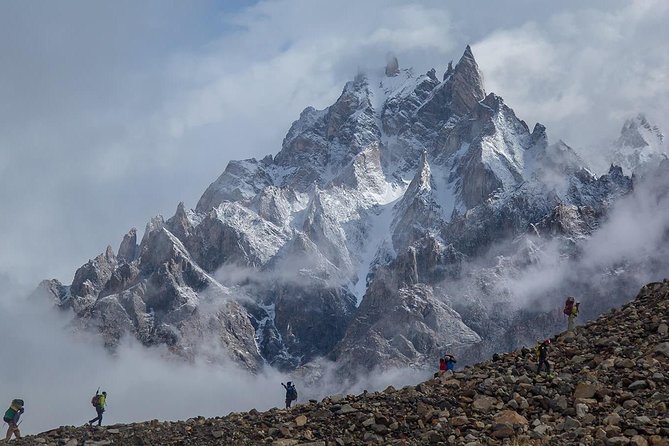
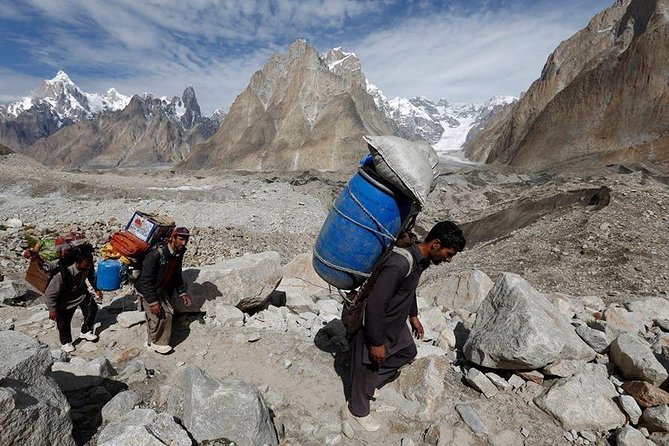
Day 5 takes you from Askole to Jhola Camp, at about 3,200 meters. The walk takes roughly five to six hours through the Braldu Valley. You follow the river, pass scattered settlements, and cross rocky ground, grassy sections, and mountain paths.
The Biafo Glacier appears in the wider surroundings, while the route gradually feels more isolated. The day is not technically described as extreme, but the rough surface and growing altitude require steady pacing.
The next day continues to Paiyu Camp, also written as Paju in the itinerary, at about 3,450 meters. Again, expect five to six hours on foot. Rocky outcrops, alpine meadows, streams, and high peaks replace the more settled feel of the lower valley.
Day 7 is a rest day at Paiyu. This is one of the most important parts of the schedule. You can hydrate, take short walks, and let your body adjust before the route reaches the Baltoro Glacier. Skipping or underusing this rest day would be poor judgment.
The Baltoro Glacier brings the big mountain views
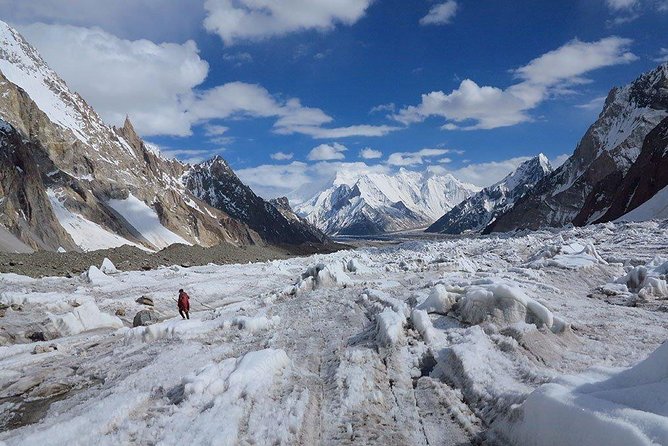
From Paiyu, you walk toward Khoburtse, at about 3,800 meters. The five to six-hour route reaches the lateral moraine of the Baltoro Glacier, with rough rock, glacial water, and ice formations underfoot.
The Trango Towers become a major feature of the day. Their sharp granite faces rise above the glacier and provide one of the route’s most memorable mountain scenes. This is where the trek begins to feel less like a valley walk and more like a true high-mountain expedition.
Day 9 brings you to Urdukas, at approximately 4,050 meters. The route follows moraine and glacial streams, with the Baltoro Glacier dominating the view. Urdukas is prized for its sunrise and sunset views toward the Trango Cathedrals. Light changes quickly in the mountains, so the campsite itself becomes part of the experience rather than just a place to sleep.
Next comes Goro II, at about 4,300 meters. You continue through the glacier zone for five to six hours, crossing rocky moraine and passing large ice formations. The setting is stark, remote, and physically demanding. At this point, even a short walk around camp can feel like work because of the altitude.
Concordia is the visual centerpiece
Day 11 takes you from Goro II to Concordia, at roughly 4,600 meters. The route remains on the Baltoro Glacier, with ice, rock, and moraine surrounding you.
Concordia is the great reward of this section. K2, Broad Peak, and the Gasherbrum peaks appear around the high camp, creating the famous mountain amphitheater that gives Concordia its reputation as a throne room of the mountain gods.
You should treat the altitude seriously. At 4,600 meters, the scenery may be spectacular, but the cold, thin air, and long walking day can drain you quickly. Good pacing matters more than speed. Your guide’s role is especially important here, and the operator emphasizes professional guides with English and Spanish language support.
K2 Base Camp is a hard-earned destination
Day 12 follows the Godwin-Austen Glacier from Concordia to K2 Base Camp. The walk takes about five to six hours each way, with a return to Concordia for the night.
The stated base camp altitude appears in the itinerary as approximately 5,050 to 5,135 meters. Either figure means you are visiting a very high, demanding place. The route gives you closer views of K2 and the ice face, while Broad Peak and other major peaks remain part of the wider scene.
This is not a summit attempt. You are reaching the base camp used by mountaineering teams preparing for K2, then returning to Concordia. That distinction matters. The achievement comes from walking into this remote setting, not from technical climbing.
The return to Concordia makes Day 12 long. You should expect fatigue, cold, and a strong need for food and rest afterward.
Gondogoro La adds the serious challenge
The itinerary includes a move toward Ali Camp before the Gondogoro La section, although the day-by-day schedule does not fully explain that transition. You should confirm the exact camp sequence and overnight locations with the operator before departure.
The approach to Gondogoro La High Camp involves five to six hours over moraine, rocky ground, and glacial terrain. The high camp sits at a demanding altitude and prepares you for the pass crossing the next day.
Day 14 is the trek’s most challenging section. You start early for Gondogoro Pass, at about 5,585 meters. The ascent is steep and strenuous, and the route requires careful attention to weather, footing, and altitude.
At the top, you can see K2, Broad Peak, Gasherbrum I, II, and IV, as well as Masherbrum. The descent leads toward Khespang and takes another four to five hours. Reaching green meadows after the high pass creates a dramatic change in scenery.
This section is the main reason the trek is more demanding than a standard K2 Base Camp route. Ask the operator exactly what equipment, support, and route conditions apply to the crossing. The package includes personal insurance and helicopter rescue only if arranged separately for an added fee, so you should not treat those protections as automatically included.
Laila Peak and Hushe bring you back to village life
Day 15 descends from Khespang toward Saicho, at about 3,200 meters. The six to seven-hour route passes near Laila Peak Base Camp. Laila Peak, at about 6,096 meters, is known for its clean pyramid shape and makes a striking subject for photographs.
The terrain changes as you lose altitude. Rocky and glaciated ground gives way to alpine meadows, streams, and wildflowers. After so many days among ice and moraine, this greener setting feels like a real shift.
Day 16 continues from Saicho to Hushe in about four to five hours. The trail passes fields, villages, and mountain views toward Masherbrum and K6. From Hushe, you drive four to five hours back to Skardu.
This final walking section offers a more human scale. You see how villages fit into the valleys and finish the trek with a stronger sense of the people and places beyond the famous peaks.
The return drive takes two full days
Day 17 is a long drive from Skardu toward Chilas or Naran, depending on the chosen route. The journey takes about eight to ten hours and follows the Indus Valley and the Karakoram Highway.
The scenery gradually shifts from bare high mountains toward rivers, forests, and lower valleys. If the route goes through Naran, you continue through the Kaghan Valley, with alpine meadows and mountain views.
Day 18 completes the drive to Islamabad, again taking about eight to ten hours. You then transfer to Islamabad International Airport for your departure.
These final road days are functional rather than glamorous. They allow the trip to return overland instead of relying on domestic flights, but they also make the 18-day schedule feel full. Keep your final flight plans practical and avoid creating a tight connection after such a long drive.
What the $2,600 price really covers
At about $2,600, this is a substantial purchase, but the price covers more than the walking days. Transport between Skardu, Askole, Hushe, and Skardu is included, along with a live English and Spanish-speaking guide and three meals each trekking day.
The group limit is 16 people. That is small enough for personal attention without guaranteeing a private trip. One past group included 12 friends, so you should be comfortable sharing camp life with a mixed group.
The strongest value comes from logistics. Reaching Askole, arranging the return from Hushe, supplying meals in remote camps, and managing a route across the Baltoro Glacier all require planning. The package also offers pickup in Islamabad and mobile ticketing, which makes the first day simpler.
You must budget separately for personal insurance, helicopter rescue, staff gratuities, trekking permits for Gilgit-Baltistan and Central Karakoram National Park, and domestic or international flights. These exclusions can add significantly to the final cost.
The operator has received a 4.9 rating based on 10 ratings, with particular praise for logistics, food, transport, and guide support. One guide named in the feedback is Nabi, described as staying with the group throughout the trek. That kind of continuity matters on a route where communication and judgment are important.
Who should book this trek?
You should consider this trip if you want a demanding, organized expedition rather than a quick mountain holiday. It suits people with moderate physical fitness who are comfortable walking five to seven hours on rough ground and sleeping at high altitude.
You should also enjoy long road journeys, basic remote camps, changing weather, and a schedule where comfort comes mainly from good food, experienced staff, and sensible planning. The Gondogoro La crossing requires more commitment than the K2 Base Camp section alone.
I would be cautious about booking if you want flexible days, hotel comfort throughout, or a low-altitude walking holiday. The route is remote, physically serious, and dependent on mountain conditions.
FAQ
How long is the K2 Base Camp and Gondogoro La trek?
The trip lasts approximately 18 days, including arrival and departure days, road transfers, acclimatization, trekking, and the return to Islamabad.
What is included in the tour price?
The price includes transport between Skardu, Askole, Hushe, and Skardu, an English and Spanish-speaking guide, and three meals per trekking day.
Are flights included?
No. Domestic and international air tickets are not included.
Are permits included?
No. Gilgit-Baltistan Adventure and Central Karakoram National Park trekking permits are listed as additional costs.
Is personal insurance or helicopter rescue included?
No. Personal insurance and helicopter rescue can be arranged for an additional fee.
What size group should I expect?
The activity allows a maximum of 16 participants.
Should you book it?
I would book this trek if K2 is a genuine personal goal and you want Gondogoro La included rather than added as an afterthought. The combination of Concordia, K2 Base Camp, the Baltoro Glacier, and the high pass creates a powerful route with plenty of variety.
Before paying, confirm the permit cost, rescue arrangements, exact Gondogoro La camp sequence, and what equipment is required for the pass. If those details are clear and your fitness is ready for high-altitude days, this is a strong value for a guided Karakoram expedition. If you want an easier introduction to Pakistan’s mountains, choose a shorter route without the 5,585-meter crossing.
Recently added around the world
- Mt Kilimanjaro Trek, 6 Days – Umbwe Route★ 5.0 · 4 reviews
- Full Day Private Trekking Mu Cang Chai★ 5.0 · 33 reviews
- Mount Kilimanjaro Trek 7-Days: Lemosho Route★ 5.0 · 2 reviews
- 7 Day Trek To The Roof Of Africa Kilimanjaro via Machame Route★ 5.0 · 5 reviews
- 8 Day Kilimanjaro Trek via Lemosho Route★ 5.0 · 17 reviews
- 6-Day Kilimanjaro Machame Route – A Stunning Trek to Uhuru Peak★ 5.0 · 7 reviews
- 7-Days Tour Mount Kilimanjaro Trekking via Machame Route★ 5.0 · 2 reviews
- Trek To Mount Kilimanjaro★ 5.0 · 12 reviews
Trekking Tours, compared.
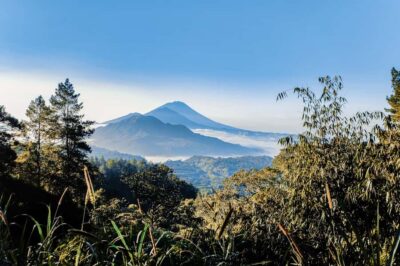
Mount Batur Sunrise Trek With Guide and Breakfast
Read our review →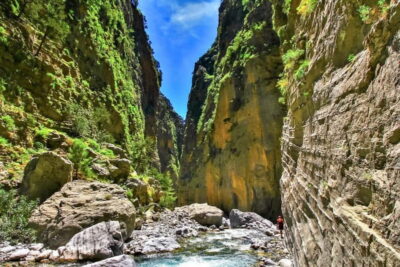
Full-Day Samaria Gorge Trek Excursion & Guide
Read our review →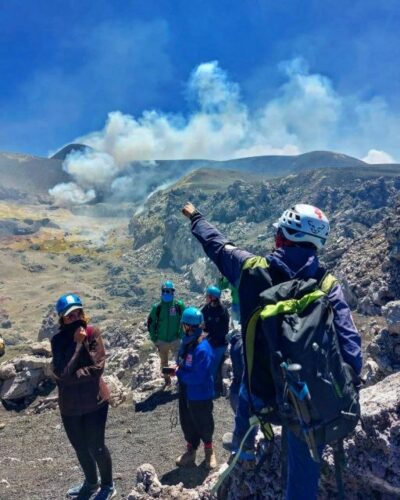
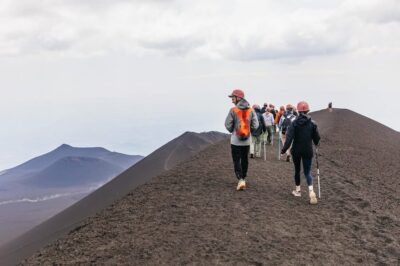
summit craters trekking with volcano guide 3350mt
Read our review →