
REVIEW · HANOI
2-Day SAPA Trekking – Villages-Homestay-Ethnic-Local Food-Market
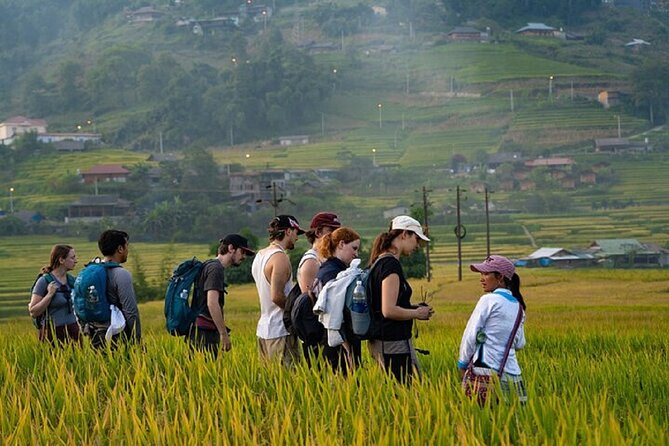
Sapa rewards walkers. This two-day trip gives you a strong taste of northern Vietnam through village paths, rice terraces, and time with Hmong, Dao, Tay, and Giay communities. I especially like the local homestay in Ta Van and the chance to eat meals prepared by the host family rather than spending the whole trip in town.
The price is also appealing. At $85 per person, you get transport from Hanoi by bus, a guide, village entrance fees, mineral water, two lunches, dinner, and breakfast. My main caution is the long first day: the bus leaves Hanoi around 6:00 in the morning, and you begin a substantial trek soon after reaching Sapa.
Key points at a glance
- The first day covers Y Linh Ho, Lao Chai, and Ta Van, with rice terraces and the Muong Hoa Stream forming the main visual rewards.
- Your overnight stay is in a local house or bungalow in Ta Van, with a private room or shared bathroom arrangement depending on the booking.
- The second morning reaches Giang Ta Chai, including a bamboo forest walk, rice paddies, and views toward the Red Dao village.
- The bus journey from Hanoi takes most of the morning, with two rest stops before arrival in Sapa at about 1:30 pm.
- The tour suits active visitors who want village life and local food, not people seeking a slow hotel break or a short sightseeing outing.
- A small review base gives limited evidence, but the available feedback strongly praises the guide, host family, cultural contact, and exercise.
Why this Sapa trip feels different from a town visit
Sapa town is the starting point, but it is not the main event. The value here comes from leaving the streets behind and walking between villages where farming, family homes, and mountain paths shape the day.
You visit communities associated with the Black Hmong, Red Dao, Giay, and Tay peoples. The route gives you a chance to see how ethnic communities live in the Muong Hoa area, while the overnight stay places you closer to village life than a standard hotel in central Sapa would.
I like that the tour does not treat Sapa as a quick photo stop. You spend the afternoon walking through Y Linh Ho and Lao Chai before reaching Ta Van, then continue on foot the next morning. That gives the area a clearer rhythm: bus, walk, meal, homestay, breakfast, walk, lunch, and return transfer.
The cultural side needs a realistic reading. You are visiting communities that also earn income from tourism, so this is not a completely untouched rural experience. Still, eating at a local home and sleeping in a village cottage can offer a more personal connection than simply viewing the rice terraces from a roadside lookout.
More Homestay Treks in Hanoi
- Hanoi – Sapa 2 Days 1 Night Overnight At Homestay
★ 5.0 · 899 reviews - From Hanoi: 2-Day Sapa Trekking Trip with Homestay & Meals
★ 4.8 · 704 reviews - 2-Day Sa Pa Ethnic Homestay Tour & Trek with Limousine Bus
★ 4.8 · 440 reviews
The early departure from Hanoi
Your day begins with hotel pickup in Hanoi’s Old Quarter between 6:00 and 6:30 am. The road journey follows the highway toward Lao Cai, with a first rest stop around 9:30 and another at Lao Cai around 11:00 before the final run to Sapa.
You reach Sapa at about 1:30 pm. This is useful to know before booking because the bus ride takes up the morning, leaving the trekking portion for the afternoon. If you expected two full days on foot, adjust your expectations. This is a two-day experience, but the first day includes several hours of road travel.
The group limit is 22 people. That is not a private walk, and the pace may feel less flexible than it would with only two or three people. On the other hand, the number is still manageable for a group excursion, especially with an English-speaking guide leading the village route.
The transfer is listed as an added cost of $15 per person for the round trip. Check the final booking details carefully so you know if this amount applies to your departure arrangement. The tour includes pickup service, but the transport charge is shown separately from the main $85 price.
Y Linh Ho: the first real step into the valley
After lunch at a local restaurant in Sapa, you start the trek through Y Linh Ho. The village name is linked to Ly Linh Ho, described as the first man who established the settlement. Dao people lived here in the past before moving elsewhere, and Mong people later arrived while the original name remained.
That small piece of local background adds meaning to what could otherwise be just another scenic stop. You are not only walking through a pretty valley. You are moving through a place shaped by migration, farming, and generations of village life.
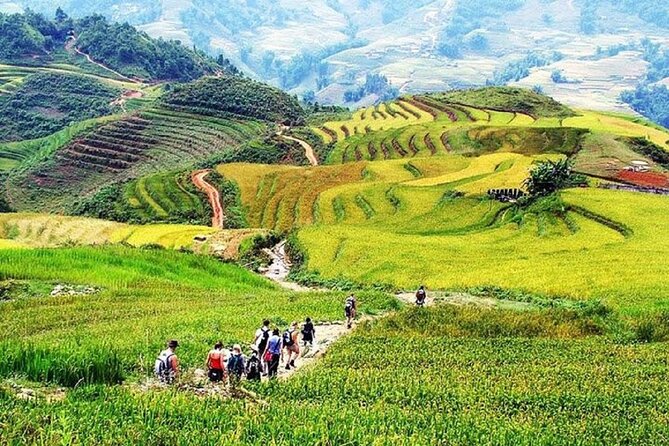
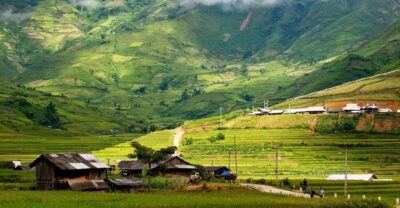
The route passes through rice terraces and follows the Muong Hoa Stream. Expect the setting to do most of the talking here. The main appeal is the changing view as the path moves through fields and toward the surrounding Hoang Lien Son mountains.
The first stop is listed as about one hour, though the full afternoon route lasts much longer. Wear shoes with a solid grip and expect exercise. The available feedback praises the amount of outdoor activity, but also makes clear that this is not a gentle stroll.
Lao Chai and the broadest terrace views
From Y Linh Ho, the walk continues toward Lao Chai, a Black Hmong village set among rice and corn terraces. Narrow paths cross the fields, giving you a closer look at the patterns cut into the hillsides.
Lao Chai is especially appealing from September through April, when the terraces are described as being at their most attractive. The exact look changes with the farming cycle, so you should not expect the same colors in every month. Even outside that period, the village provides mountain views and quiet river scenes.
This is the section where good footwear matters most. Narrow paths through fields can be uneven, and the overall route involves several hours of walking. The tour description gives a clear signal that you should prepare for exercise rather than rely on casual city shoes.
I like the fact that the walk is not reduced to one viewpoint. You pass through the area on foot, seeing the terraces from several angles. The tradeoff is time and effort. If you have limited mobility or dislike uneven paths, the full route may be demanding.
More Homestay Treks in Vietnam
- Hanoi – Sapa 3 Day 2 Night Trekking With Hotel & Homestay
★ 5.0 · 389 reviews - Hanoi – Sapa 2 Days 1 Night Overnight At Local Homestay
★ 5.0 · 233 reviews - From Hanoi: 2-Day Luxury Sapa Trekking Tour with Homestay
★ 4.4 · 49 reviews - 3-Night Sapa Trek and Homestay with Round Trip Transfer from Hanoi
★ 4.5 · 37 reviews
Ta Van Village and the overnight homestay
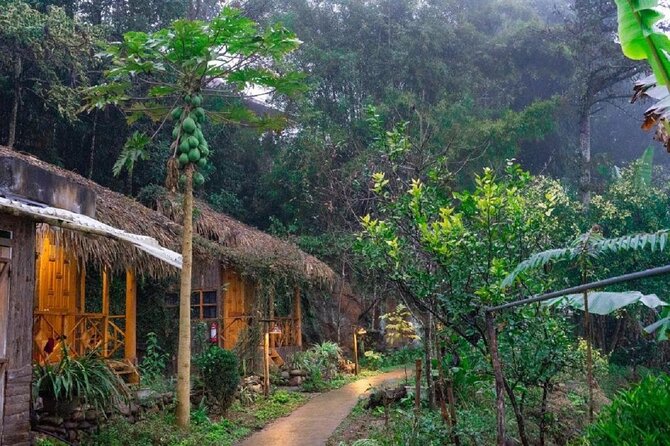
Ta Van is the main overnight base. The village is home to about 110 ethnic families, with Giay and Dao communities among those living in the area. The route crosses a wooden bridge over the Muong Hoa water stream, then continues into the village.
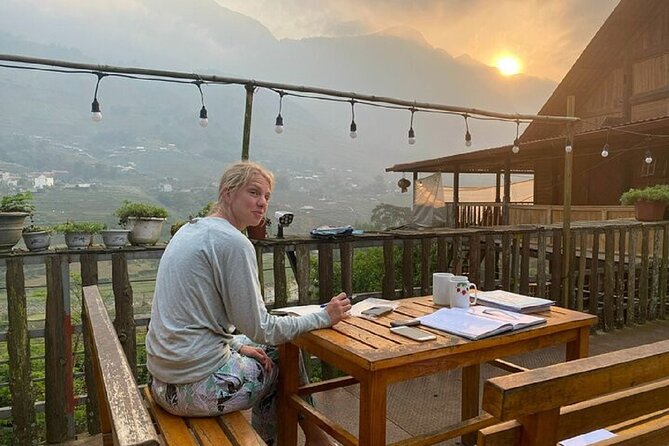
Your stay is in a local house or homestay, with a private room or shared bathroom arrangement. A single traveler who wants a private room pays a $20 supplement. The accommodation is best understood as simple village lodging, not a hotel with a full range of facilities.
That simplicity is part of the point. You get closer to local routines and eat meals prepared by the family. Dinner is included, as are breakfast and two lunches across the trip. The available feedback gives the host family strong praise and describes the cultural contact as a major reason the experience was enjoyable.
Ta Van also has an interesting seasonal detail. Giay wedding customs can be seen during the wedding season around mid-November or December, corresponding to October in the lunar calendar. The tour does not promise that you will see a wedding, so treat this as a possible extra rather than a scheduled feature.
The village also relies partly on farming and tourism services. That means your stay supports a local household while giving you a setting that feels more connected to village life than a night in central Sapa.
The second morning: bamboo, paddies, and Giang Ta Chai
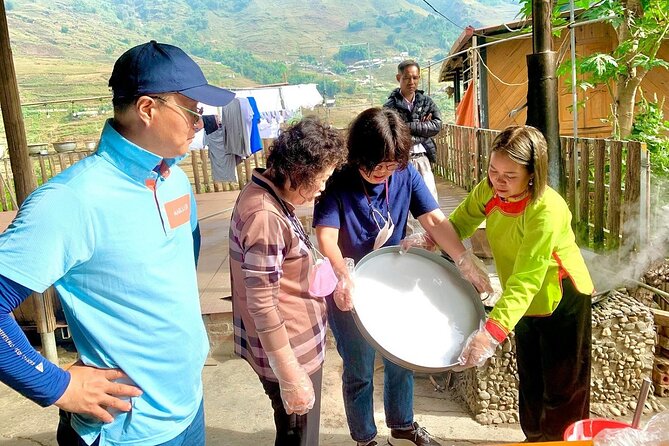
Breakfast is served by the host family at 8:00 am. At 8:45, you begin the second walk through rice paddies and toward Giang Ta Chai.
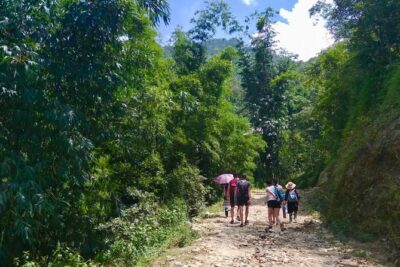
The route covers about 4 kilometers and takes around two hours. You walk through a bamboo forest and stop at a viewpoint over Giang Ta Chai, a village associated with the Red Dao people. This shorter morning section balances the longer first afternoon, though it still requires steady walking.
The route reaches the Giang Ta Chai Bridge and then the main road at about 11:00. You return to the bungalow to shower and prepare for lunch, with lunch scheduled from 12:30 to 1:30.
This timing is practical. After a night in simple accommodation and a morning on foot, having time to wash and change before lunch makes the day more comfortable. Still, the schedule is fairly tight, so you should keep your belongings organized and be ready when the vehicle arrives.
The scenery here shifts from broad terrace views to bamboo, paddies, and elevated views toward the village. If your main goal is photography, the morning provides several chances, but the weather will affect what you see. The trip can be canceled for poor weather, with a different date or full refund offered.
Food, guiding, and what the feedback tells you
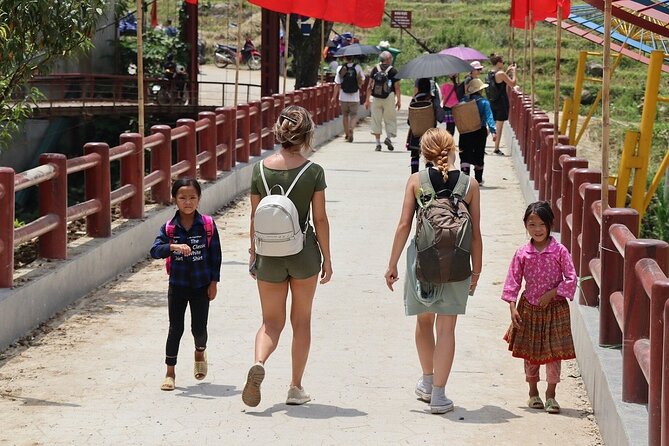
Meals are a real part of the experience rather than a minor inclusion. You receive two lunches, dinner, and breakfast, with lunch on the first day served at a local restaurant and the other meals tied to the homestay and tour schedule.
The food is described as local, but the supplied details do not list specific dishes. You should enjoy the setting and the home-style element without expecting a fixed menu of named specialties. Drinks and personal extras cost more, so bring some money for anything beyond the included meals and mineral water.
An English-speaking guide leads the walks and helps connect the stops. The strongest praise goes to the guide’s attitude and the way the tour made it possible to learn about local people. One useful criticism is that the guide could know more about local plants and animals.
That is a fair expectation to carry. If you want detailed natural history, ask questions, but do not assume the guide is a specialist in flora and fauna. The guide’s stronger role appears to be route leadership, cultural explanation, and keeping the group moving through the villages.
Is $85 good value?
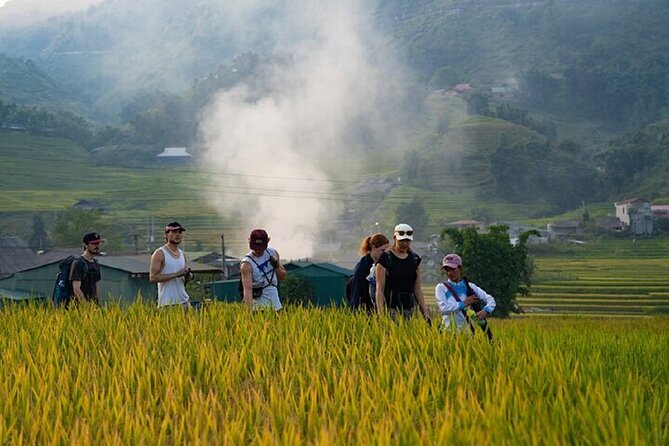
At $85 per person, this is a strong package if you want an active Sapa introduction from Hanoi. You receive transport, guiding, meals, water, entrance fees, a village homestay, and two days of organized walking.
The extra $15 round-trip transfer charge needs to be added to your budget. A solo visitor choosing a private room also pays a $20 supplement. Even with those additions, the price can make sense for someone who wants transport and planning handled in one booking.
The value drops if you mainly want free time in Sapa town. You spend much of the first morning on the bus, and the walking schedule leaves little room for independent sightseeing. You are paying for access to a route, a local host, meals, and transport, not for a relaxed hotel weekend.
The small review sample means you should stay measured about broad claims. Still, the available response highlights the most important strengths: a good guide, a welcoming host family, contact with local communities, and plenty of exercise.
Who should book this two-day route?
I would choose this trip if you enjoy walking, simple accommodation, and a schedule that gets you into the countryside quickly. It suits visitors who want more than mountain photos and would like meals and an overnight stay to be part of the experience.
It is also a practical choice if you are based in Hanoi and want the return transport arranged. The early departure and long drive are tiring, but they remove much of the planning needed to reach Sapa and the Muong Hoa villages.
You should think twice if you need hotel-style comfort, private transport, or a flexible pace. The group can reach 22 people, the bathroom may be shared, and the trek involves rice-field paths, bridges, bamboo forest, and several hours on foot.
The tour confirms most people can participate, but that does not remove the need for reasonable fitness. The best preparation is simple: comfortable walking shoes, light luggage, clothing suited to changing mountain weather, and a willingness to sleep in basic village accommodation.
Should you book it?
Book this Sapa trek if your priority is village walking and a homestay, especially if you want local meals and a guided route from Hanoi. The combination of Y Linh Ho, Lao Chai, Ta Van, and Giang Ta Chai gives you a good range of valley scenery and ethnic communities in a short trip.
Skip it if you want a slow schedule or a polished hotel experience. For an active visitor who accepts the long bus ride, simple lodging, group size, and extra transfer charge, $85 offers solid value and a meaningful look beyond Sapa town.
Free cancellation is available when you cancel at least 24 hours before the start time. Changes or cancellations inside that window are not accepted for a refund, and bad weather may lead to a new date or full refund.
FAQ
Where does the tour start?
Pickup begins from hotels in Hanoi’s Old Quarter between 6:00 and 6:30 am.
How long does the tour last?
The experience lasts approximately two days.
When do you arrive in Sapa on the first day?
The bus is scheduled to arrive in Sapa at about 1:30 pm.
Which villages are included?
The route includes Y Linh Ho, Lao Chai, Ta Van, and Giang Ta Chai.
Where do you stay overnight?
You stay in a local house or homestay in Ta Van, with a private room or shared bathroom arrangement.
Are meals included?
Yes. The package includes two lunches, dinner, and breakfast. Personal drinks and other extra services are not included.
How large can the group be?
The tour has a maximum of 22 participants.
Is the transfer from Hanoi included in the $85 price?
A separate transfer charge of $15 per person for the round trip is listed, so check the final booking details before paying.
More Food in Hanoi
- From Siracusa: Etna Tour – Trek, Wine and Food
★ 4.8 · 50 reviews - Ancona: Urban Trek Tour with Wine and Food Tasting
★ 4.5 · 4 reviews - Arequipa: Colca Canyon Trekking 2 days and 1 night + food
★ 4.8 · 3 reviews
More Food and Drink Stops in Hanoi
- Etna Sunset Tour: Volcano trek, Cave & tasting from Catania
★ 4.8 · 1,290 reviews - From Catania: trek on Mount Etna, Lava Cave & tasting Tour
★ 4.8 · 563 reviews - Catania: Mount Etna Sunset Trekking with Wine Tasting
★ 5.0 · 140 reviews - Vernazza: Panoramic Vineyard Trekking Tour w/ Wine Tasting
★ 4.9 · 126 reviews
Recently added around Hanoi
- Trekking around Ha Giang 5 days 4 nights★ 3.0 · 2 reviews
- From Hanoi : Sapa Moutain Trek – Halong bay Heritage★ 4.5 · 25 reviews
- 8-Days Hanoi, Sapa Trekking And Halong Bay Cruise★ 5.0 · 8 reviews
- Hanoi: 3D2N Mu Cang Chai Visit All Attractions, Trek, Ethnic Life★ 5.0 · 3 reviews
- Mai Chau – Pu Luong trekking 3 days 2 nights★ 4.5 · 7 reviews
- Trekking In Ha Giang 5 Days★ 5.0 · 4 reviews
- 2-Day Trekking in Sa Pa from Ha Noi by sleeping bus★ 5.0 · 4 reviews
- Sapa trekking – Unique Route – 2D1N★ 5.0 · 3 reviews
Homestay & Village Treks, compared.
Number one top rated ethical cultural trekking and homestay by ETHOS
Read our review →
2-Day Sa Pa Ethnic Homestay Tour & Trek with Limousine Bus
Read our review →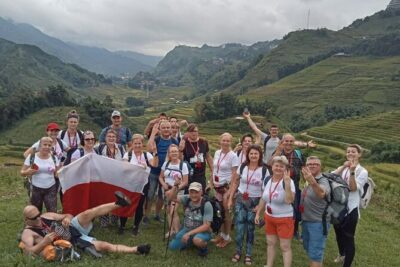
Sapa 3 Day 2 Night Trekking With Hotel & Homestay
Read our review →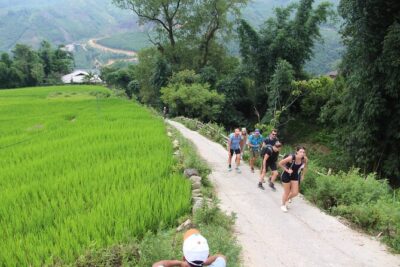
Sapa 2 Days 1 Night Overnight At Local Homestay
Read our review →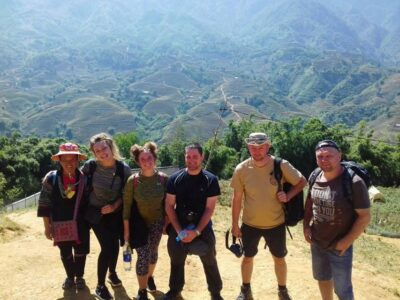
2-Day Trekking Trip with Ethnic Minority Homestay
Read our review →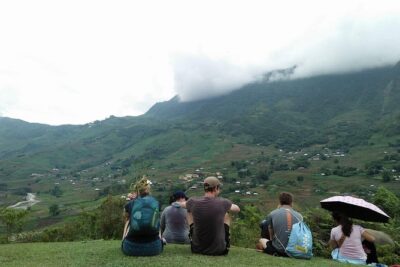
2-Day Trek & Heartwarming Homestay with an Ethnic Family
Read our review →Browse the lists this tour appears in